






























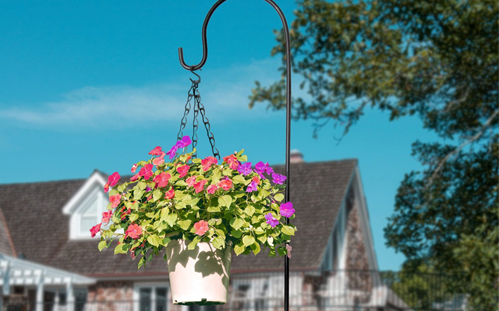
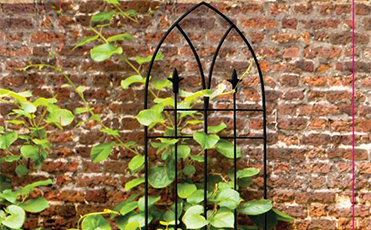
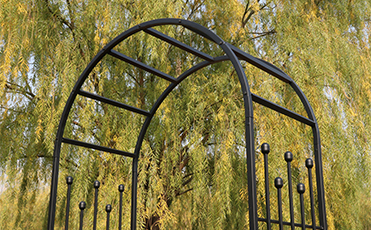
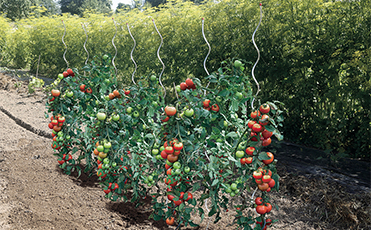
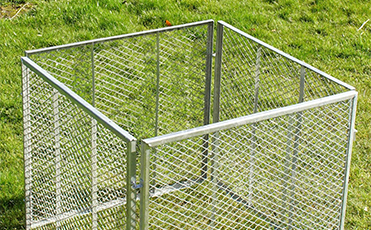
Supporting plants is an important part of successful gardening, commercial horticulture, landscaping, and agricultural production. Many plants require additional support as they grow because their stems can become heavy, tall, or vulnerable to wind and rain. Tomato plants are a particularly common example. Without proper support, mature tomato vines can bend toward the ground, break under the weight of fruit, or become difficult to manage during harvesting and maintenance. Garden stakes provide a simple and effective solution for supporting plants while helping growers maintain an organized and productive growing environment.
For home gardeners, nurseries, farms, landscaping companies, garden centers, and agricultural distributors, purchasing stakes in larger quantities can provide significant cost and logistical advantages. Options such as tomato stakes bulk, bulk plant stakes, plant stakes wholesale, and wholesale tomato stakes are designed to meet the needs of customers who require consistent quantities for larger planting projects.
Garden stakes are available in many materials, sizes, shapes, and designs. Depending on the application, buyers may select wooden stakes, bamboo stakes, plastic stakes, fiberglass stakes, or metal stakes. Some are designed specifically for tomato plants, while others can be used for flowers, vines, shrubs, seedlings, young trees, and landscaping applications. Understanding the different types and choosing the right stake can improve plant stability, simplify maintenance, and support healthier growth.

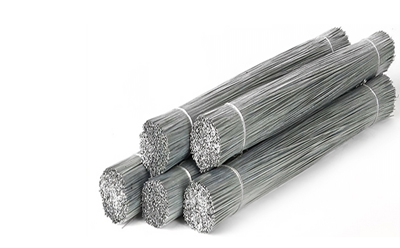
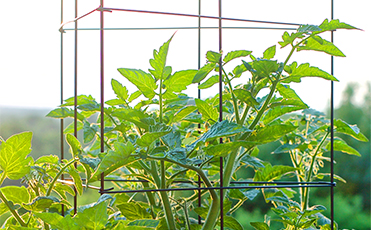
Tomato stakes bulk products are commonly purchased by commercial growers, garden centers, farms, and distributors that need large quantities of supports for seasonal tomato production. Tomato plants can grow rapidly and produce heavy fruit clusters, making reliable support particularly important. Stakes can be installed beside plants and connected to stems using suitable garden ties or clips.
The length and strength of a tomato stake should be selected according to the variety of tomato being grown. Determinate varieties may require relatively moderate support, while indeterminate varieties can continue growing throughout the season and may require taller and stronger stakes. The expected plant height, fruit load, soil conditions, and local weather should all be considered.
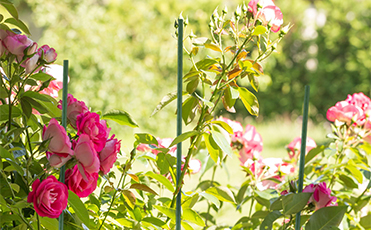
Bulk plant stakes provide a versatile support solution for many types of plants. They can be used for vegetables, flowers, herbs, climbing plants, seedlings, and young trees. Buying in bulk allows gardeners and commercial growers to maintain a consistent support system across large planting areas.
For commercial horticulture, plant stakes wholesale purchasing can help reduce the cost per unit and simplify supply management. Nurseries and garden centers may purchase large quantities before the planting season begins, ensuring that sufficient inventory is available when customers begin purchasing gardening supplies.
Wholesale tomato stakes are especially useful for agricultural distributors and professional growers. Wholesale suppliers may offer different lengths, diameters, materials, and packaging configurations. Buyers can select products according to their growing environment and preferred cultivation methods.
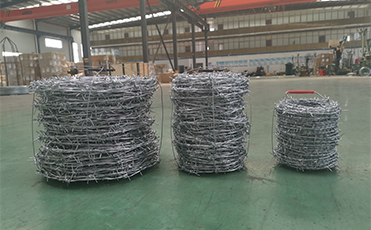
In addition to plant-specific stakes, yard stakes wholesale products can be used for landscaping, gardening, marking, decoration, and outdoor organization. Yard stakes may support plants or serve as markers for planting areas, garden rows, pathways, and landscape features.
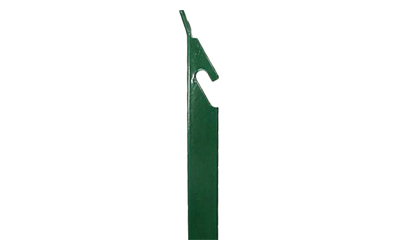
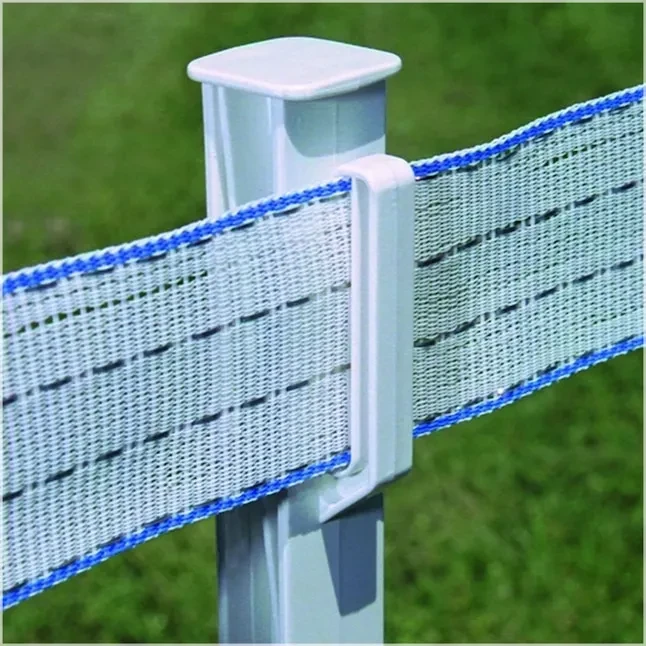
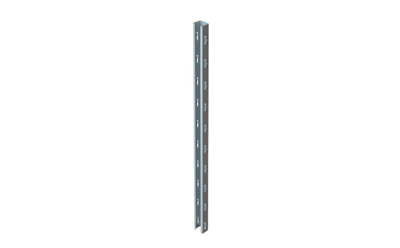
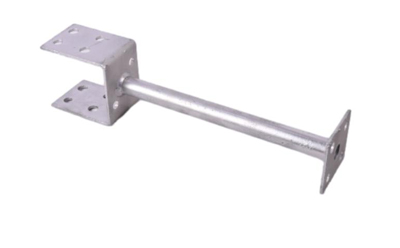
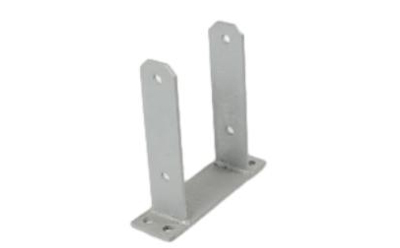
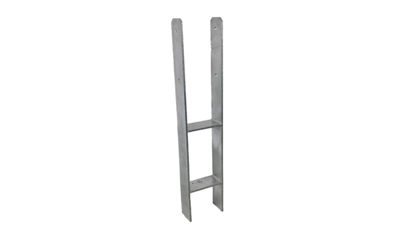
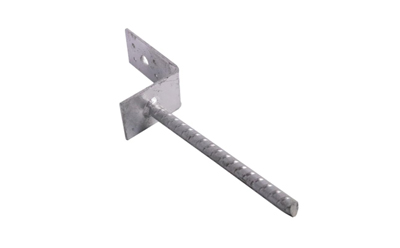
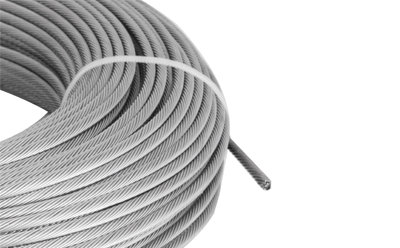
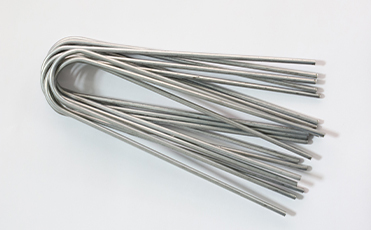
The material used for a stake has a major influence on its performance. Wooden stakes are popular because they provide a natural appearance and are easy to use. Bamboo stakes are lightweight and suitable for many gardening applications. Plastic stakes are resistant to moisture and can be cleaned and reused in some applications. Fiberglass stakes combine low weight with good strength and weather resistance, while metal stakes can provide high durability for demanding applications.
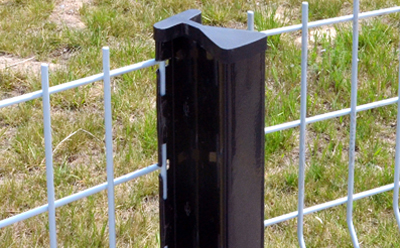
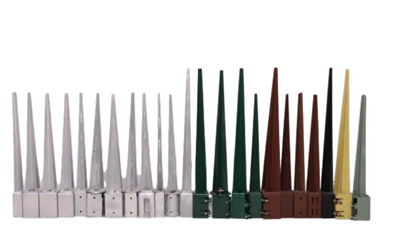
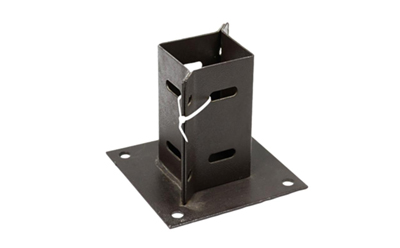
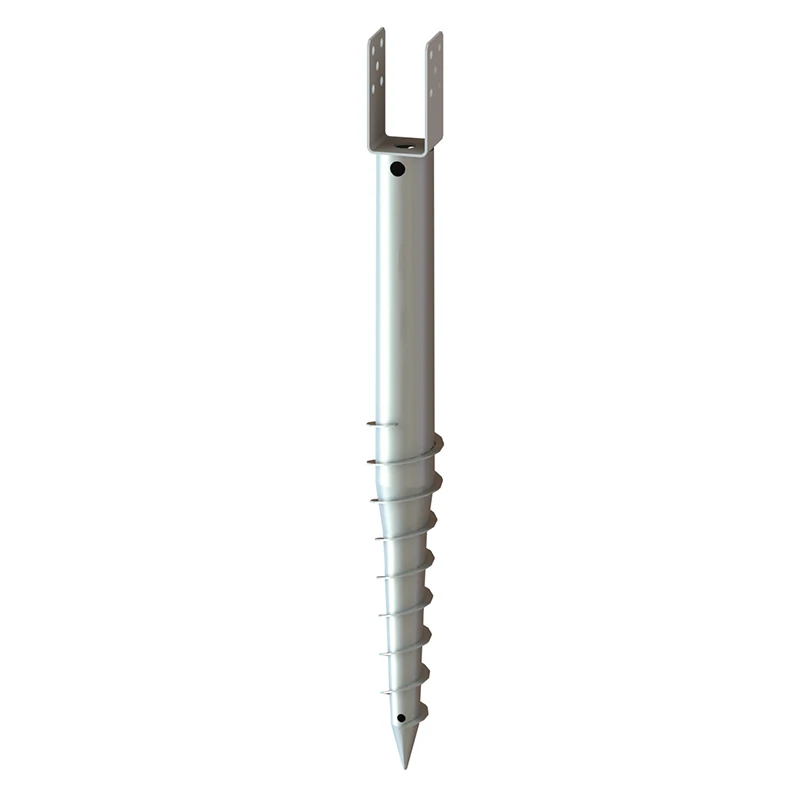
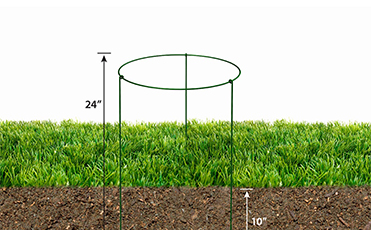
Stake shape is another consideration. Round stakes are easy to install and commonly used for plant support. Flat or square stakes may provide additional stability depending on the design. Some products feature pointed ends to make insertion into soil easier, while others use special bases or anchors for hard surfaces.
Purchasing tomato stakes bulk offers several advantages for commercial growers and organizations managing large planting areas. The most obvious benefit is cost efficiency. Buying larger quantities can reduce the average unit price and help businesses manage seasonal gardening expenses more effectively.
Bulk purchasing also helps ensure product consistency. When all stakes are sourced from the same supplier and production batch, growers can maintain similar lengths, diameters, materials, and performance characteristics throughout a project. Consistency is particularly important for commercial farms where large numbers of plants are grown under similar conditions.
For nurseries and garden centers, plant stakes wholesale purchasing provides a reliable way to maintain inventory. Garden products are often seasonal, and demand can increase significantly during planting periods. Ordering wholesale quantities in advance can help businesses respond to customer demand without frequent small orders.
Commercial vegetable growers can also benefit from wholesale tomato stakes. Tomato cultivation often involves hundreds or thousands of plants, and each plant may require one or more support stakes depending on the cultivation method. Having an adequate supply of stakes available before planting can improve workflow and reduce installation delays.
Another benefit of bulk plant stakes is reduced packaging waste per unit. Large quantities can often be packed and transported more efficiently than individually packaged products. This can help reduce handling time and simplify warehouse organization.
Garden stakes also improve plant management. Properly supported plants are generally easier to inspect, prune, tie, water, and harvest. For tomato production, supporting the plant can help keep stems and fruit off the soil, improving accessibility and making the planting area easier to manage.
Plant support can also help improve garden organization. Rows of plants can be maintained in a more structured arrangement, which may simplify irrigation, fertilization, pest inspection, and harvesting operations. In small gardens, organized plants can also make better use of available space.
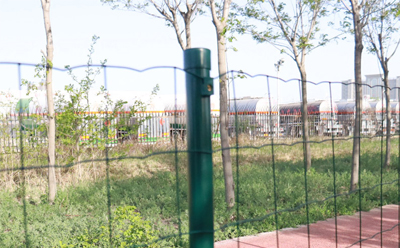
Yard stakes wholesale products have broader landscaping applications. They can be used to mark planting zones, identify specific plants, support young trees, or create temporary landscape markers. Garden designers, landscaping contractors, and property maintenance companies may purchase these products in larger quantities to support recurring projects.
When deciding where to buy garden stakes, buyers should consider not only price but also material quality, dimensions, durability, packaging, shipping efficiency, and supplier reliability. A low-cost product may not provide good value if it breaks easily, bends during installation, or deteriorates quickly in outdoor conditions.
For professional applications, buyers should also consider whether stakes can be reused. Durable plastic, fiberglass, or metal stakes may provide repeated-use benefits in certain cultivation systems. Reusable products can reduce long-term replacement costs when properly maintained and stored between growing seasons.
When deciding to buy garden stakes, the first step is to identify the plants and applications that require support. Tomato plants, climbing flowers, young trees, vegetable crops, and landscaping projects may have very different requirements.
For tomatoes, stake height is particularly important. The stake should provide sufficient support throughout the expected growing period. If a stake is too short, the upper portion of the plant may become unsupported. If it is unnecessarily long, installation may require additional effort and may not provide meaningful benefits.
Diameter and strength should also be considered. Heavier plants and fruit loads require stronger stakes. In windy areas, stronger support can help reduce plant movement. Soil type also matters because loose or sandy soil may require deeper installation or additional support to keep stakes stable.
Material selection depends on project priorities. Wooden and bamboo stakes are popular for their natural appearance and simple handling. Plastic stakes can provide moisture resistance, while fiberglass stakes are lightweight and durable. Metal stakes are often selected for applications requiring higher mechanical strength.
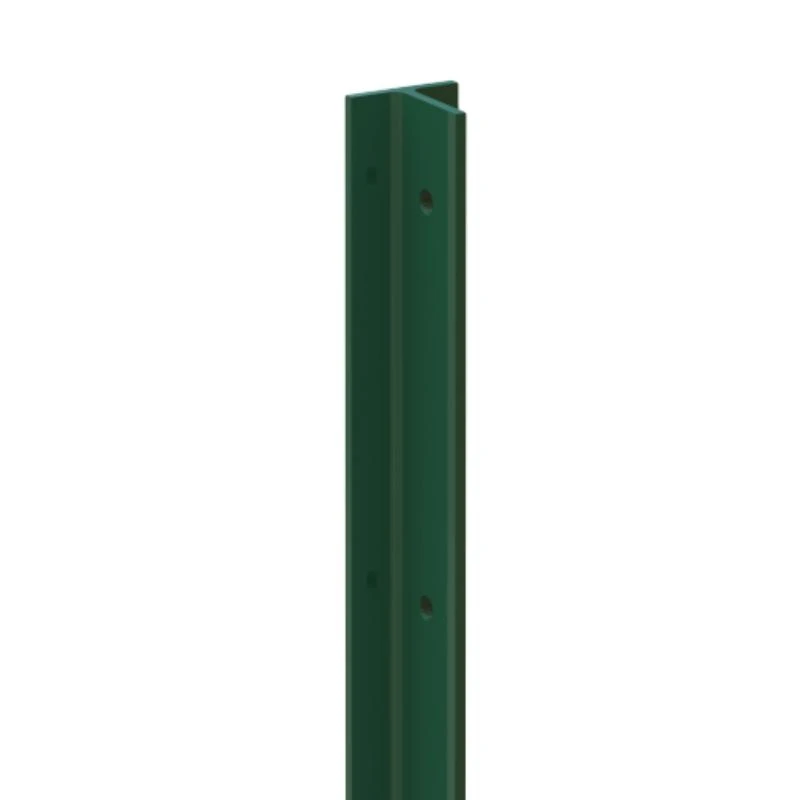
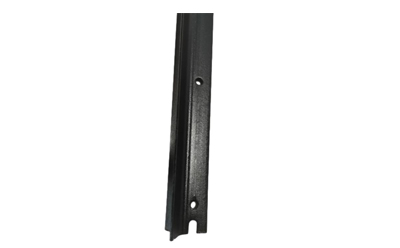
The shape and surface of the stake can affect installation. Pointed ends are convenient for penetrating soil, while textured surfaces may help prevent ties from sliding. Some commercial stakes include holes or grooves that make plant tying easier.
For businesses purchasing tomato stakes bulk, packaging and shipping should be evaluated carefully. Long products can require specialized packaging to prevent bending or damage during transportation. Buyers should ask suppliers about bundle quantities, carton dimensions, container loading capacity, and shipping methods.
Wholesale buyers should also confirm minimum order quantities, lead times, customization options, and quality control procedures. If stakes are intended for resale, packaging and labeling may also be important. Customized colors, sizes, logos, or packaging can help distributors create products that better match their market requirements.
For plant stakes wholesale, supplier consistency is particularly important. Garden centers and distributors need reliable product availability throughout the growing season. A supplier with stable production capacity can help reduce the risk of stock shortages.
Environmental exposure should also influence purchasing decisions. Outdoor stakes may be exposed to rain, sunlight, soil moisture, fertilizers, and temperature fluctuations. Choosing a material and surface treatment appropriate for the environment can improve service life.
Buyers should also consider storage. Long stakes require sufficient warehouse space and should be organized to prevent bending or damage. Keeping stakes dry and protected before use can help preserve product quality.
In conclusion, tomato stakes bulk, bulk plant stakes, plant stakes wholesale, and wholesale tomato stakes provide practical purchasing options for farms, nurseries, garden centers, landscaping businesses, and distributors. These products help support plants, improve garden organization, and simplify maintenance and harvesting. Meanwhile, yard stakes wholesale products can serve a wider range of gardening and landscaping purposes.
Choosing the right stake requires careful consideration of plant type, height, weight, material, soil conditions, climate, installation method, and expected service life. For large-scale projects, purchasing in bulk can improve cost efficiency, product consistency, and supply management. Whether supporting tomato vines in a commercial field or organizing plants in a home garden, high-quality garden stakes can provide a simple and effective foundation for healthier, better-managed plants.



Copyright © 2026 Hebei Minmetals Co., Ltd. All Rights Reserved. Sitemap | Privacy Policy | Menu