






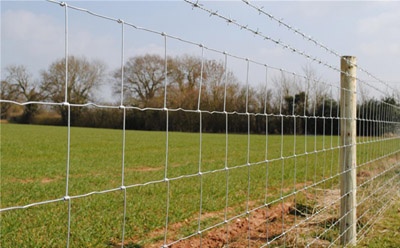
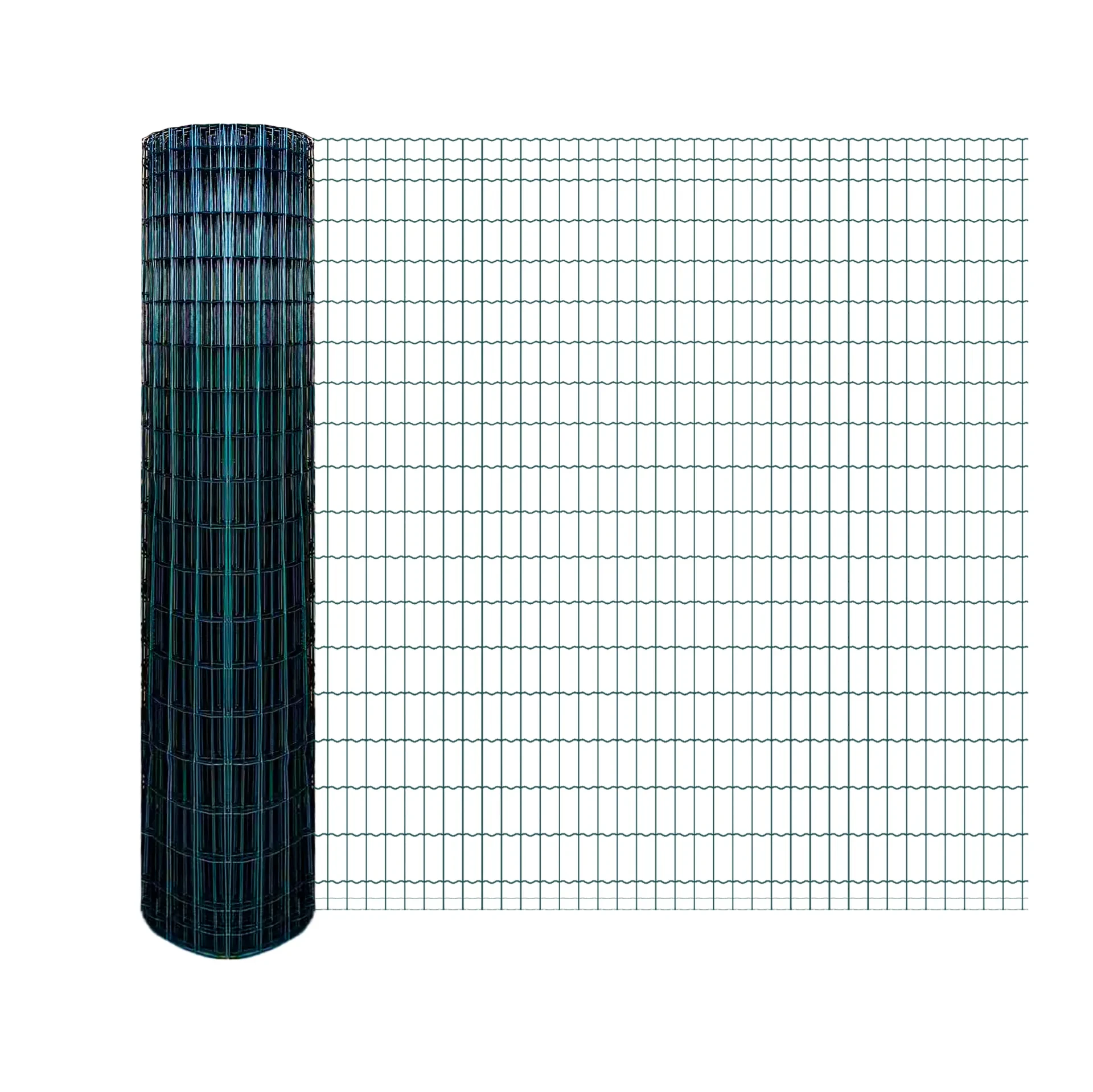
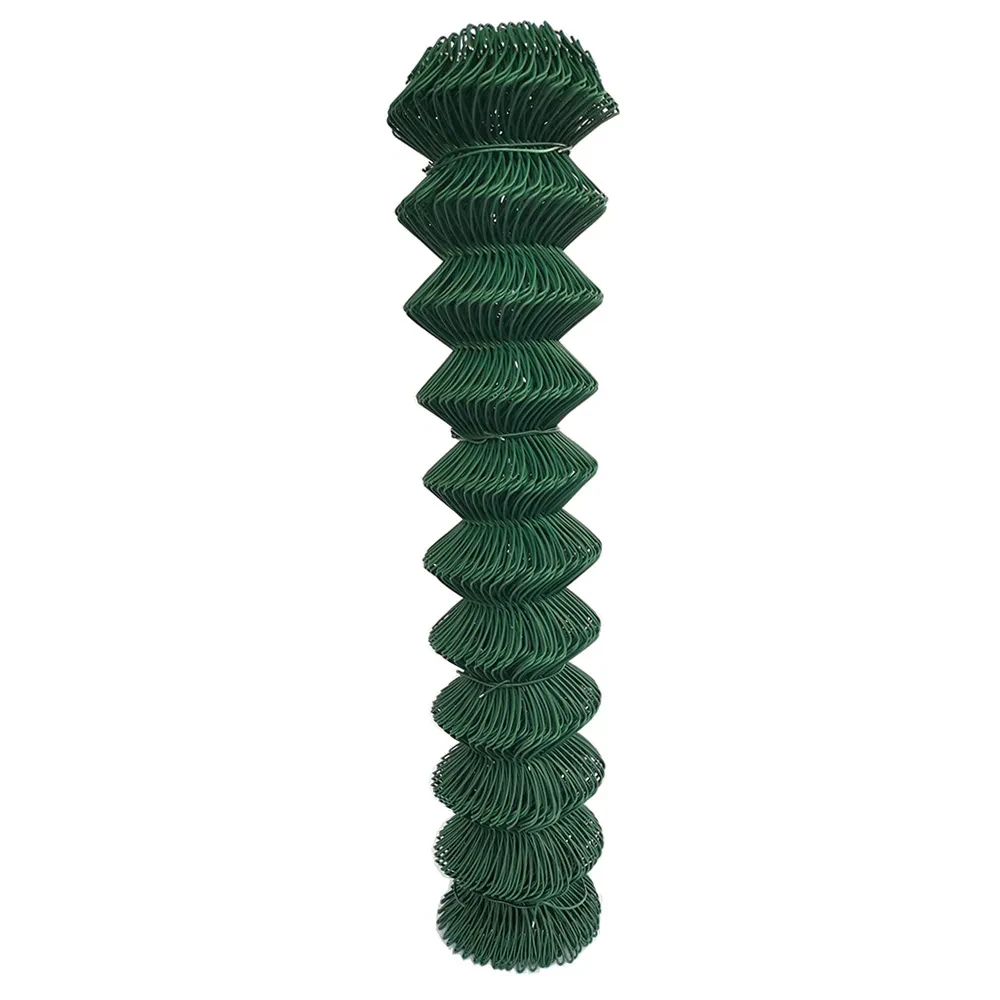

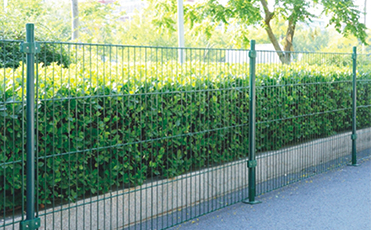

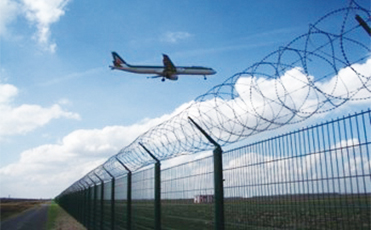
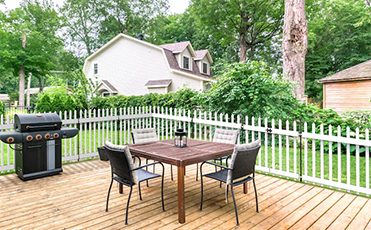
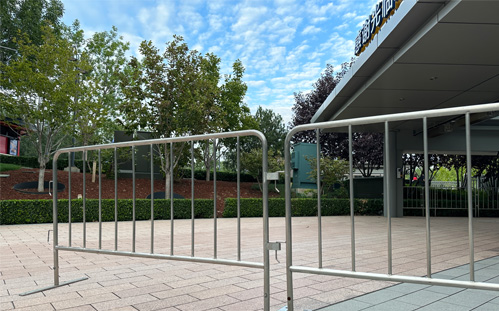
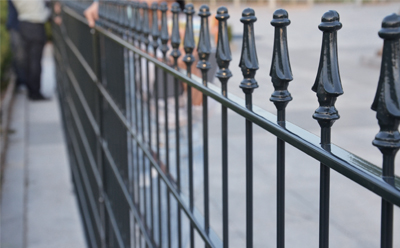
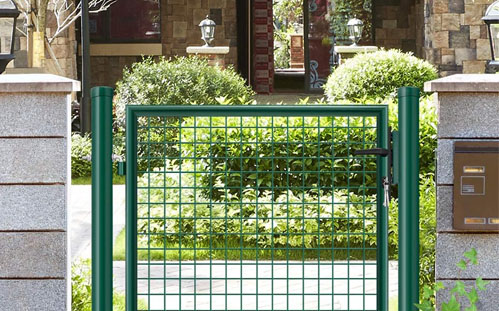
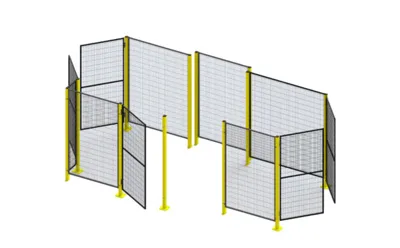
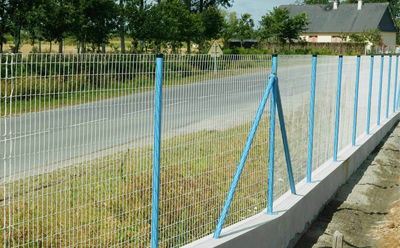
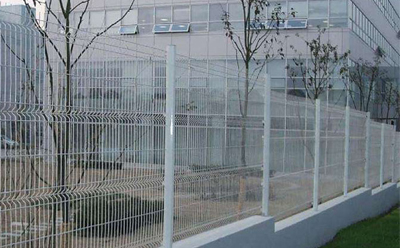
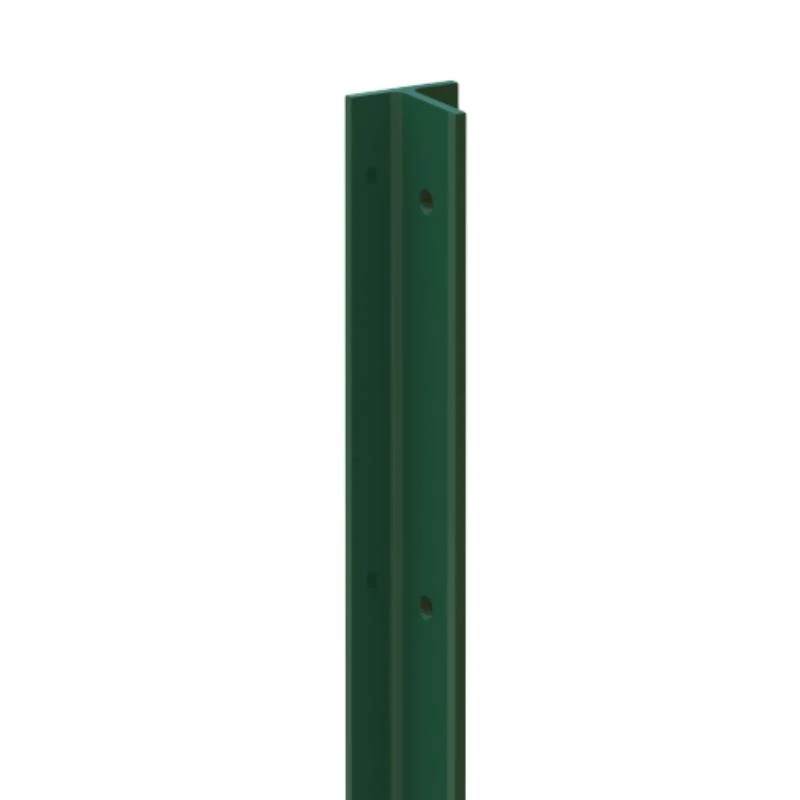
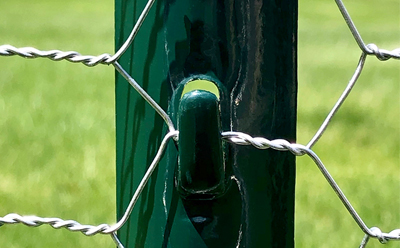
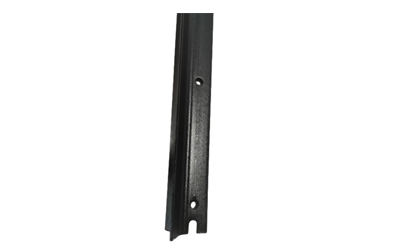
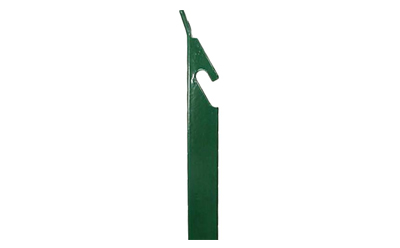
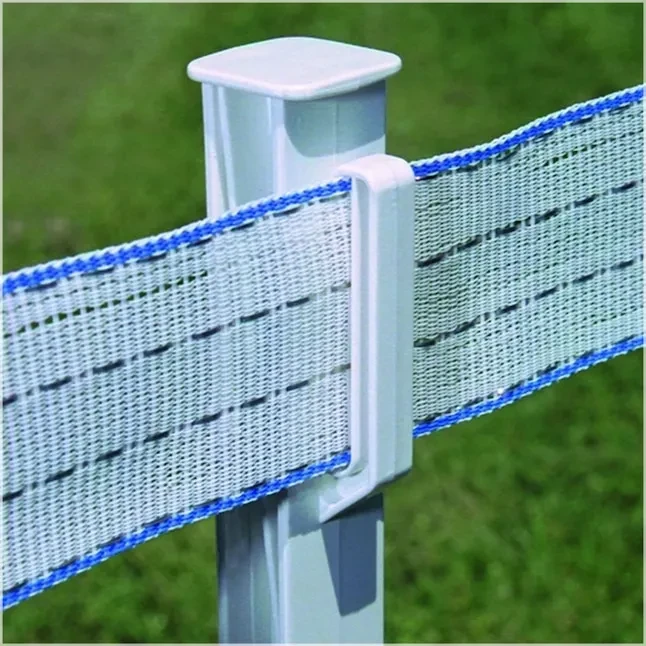
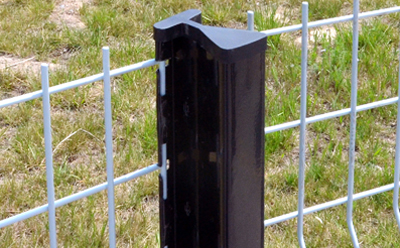
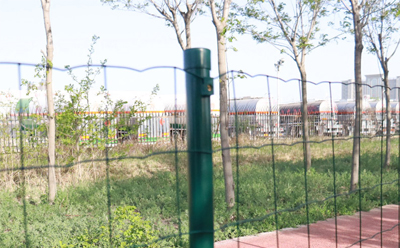
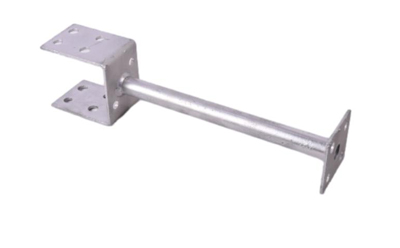
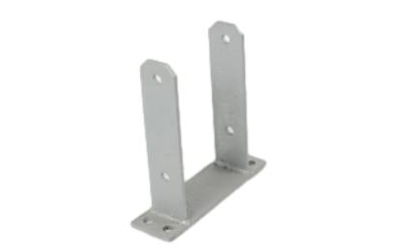
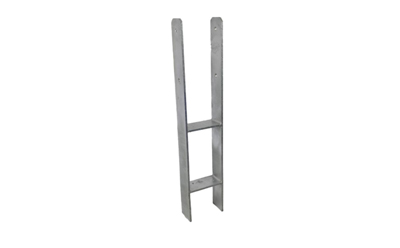
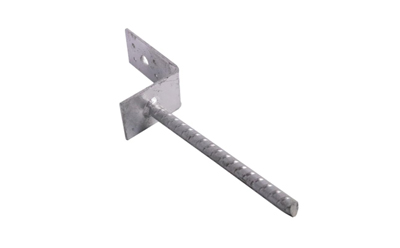






















When you stop to think about fencing—those sturdy posts anchoring thousands of yards of suburb lawns, industrial parks, or even wildlife reserves—the price of metal fence posts might not feel like a hot topic. But, frankly, the metal fence post price carries global weight. From secure borders to sustainable farming, knowing the price helps stakeholders plan budgets, optimize resource use, and even impact social welfare in rural and developing regions.
On a global scale, the fencing industry touches millions of lives. According to ISO standards on fencing materials and construction, affordability and availability of quality fence posts are essential. For humanitarian projects, cost-effective metal fence posts secure refugee camps; industrial zones depend on efficient pricing for safety; and agricultural sectors rely on durable fencing to protect crops and livestock.
A sound grasp of metal fence post price means better planning, smarter investment, and often, safer communities. Let’s dive into what shapes these prices and why it’s more than just numbers on a tag.
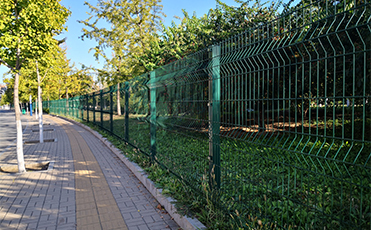
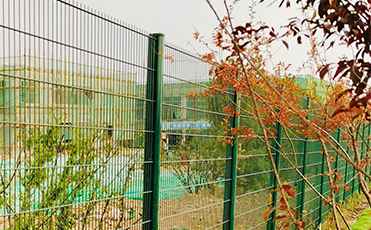
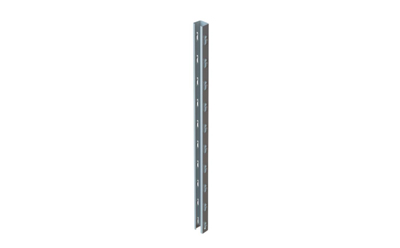
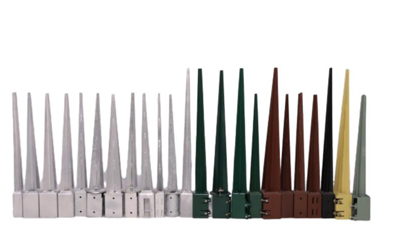
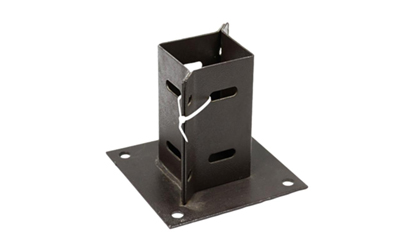
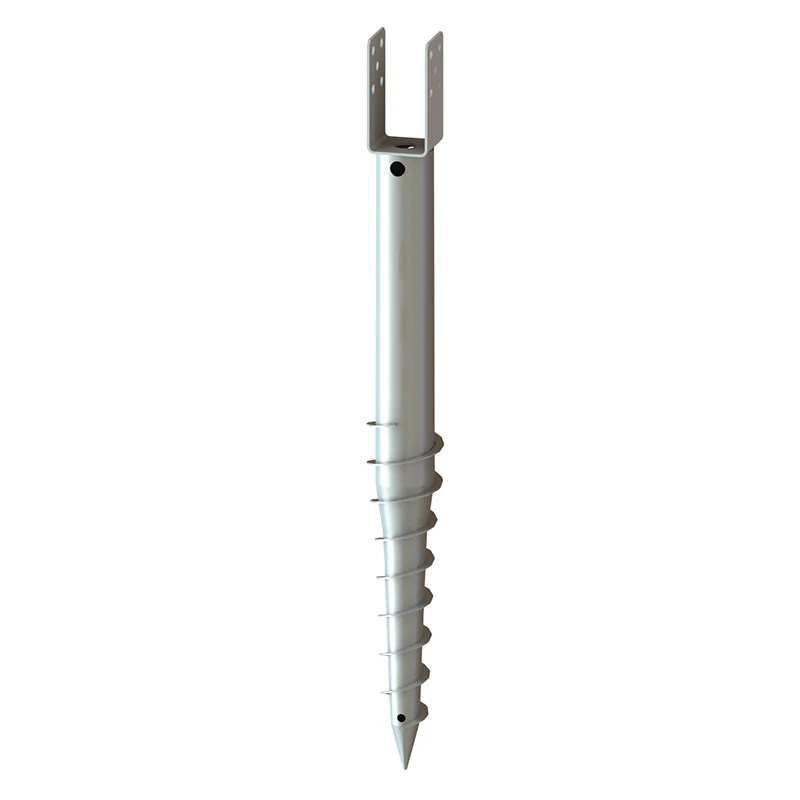
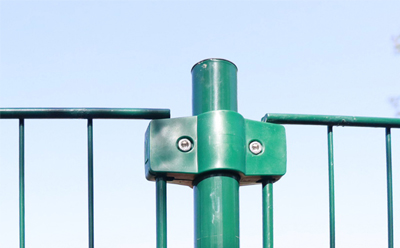
Put simply, the metal fence post price refers to the cost to buy metal posts designed specifically to support various kinds of fences—from chain-link to privacy panels. This price varies widely depending on dimensions, material grade (galvanized steel, aluminum, wrought iron, etc.), and market factors.
In modern industries, these prices don't just reflect the raw cost but encompass processing, coating, shipping, and sometimes installation. On a broader level, the metal fence post price connects tightly to infrastructural development costs—anyone building a secure perimeter, whether a sprawling logistics hub or a simple garden fence, needs reliable pricing information.
In humanitarian arenas, affordable metal posts keep refuge shelters fenced, curbing uncontrolled entry, and some organizations are adapting fence posts as supports for solar panels or shelters too.
Higher-grade galvanized steel will push the price up but delivers better rust resistance. Aluminum is often pricier but super lightweight. Think of it like buying a bike—the flashy alloy frame looks cooler but dents are costlier to fix than steel.
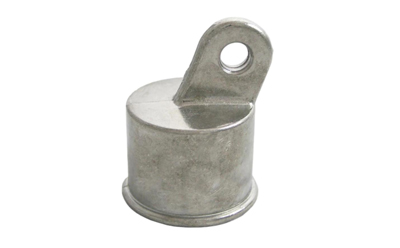
Taller or thicker posts require more steel and incur higher costs. Some posts might have additional features—pre-cut holes for fastening wires or proprietary caps—that bump the price as well.
Processes like hot dip galvanizing versus powder coating impact price and lifespan. Some protests over environmental factors push vendors to adopt eco-friendlier coatings, which may increase costs slightly but promise longer term savings.
Where are the posts made? Imported steel costs fluctuate because of tariffs, fuel prices, and even geopolitical tension. In volatile markets, metal fence post price can swing within months, making procurement planning tricky.
Bulk orders usually guarantee discounts, but small contractors or homeowners face higher per-post prices. It’s the classic economies of scale, and sometimes patience pays if you can time purchases with vendor promotions.
Posts compliant with strict safety or regional building codes tend to cost more, but that price is an insurance against future maintenance headaches or legal issues.
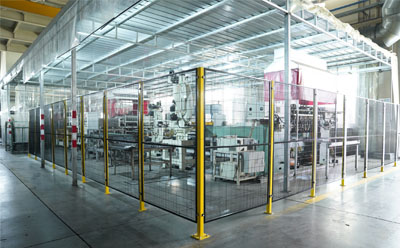
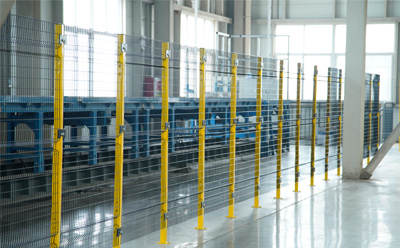
It’s odd how something so… mundane as fence posts can be pivotal in such diverse environments. Rural Africa sees fence posts used to protect smallholder farms from stray livestock. In North America, large-scale farms use metal posts for electric fencing to manage pasture rotation. Urban projects in Europe deploy chain-link fences supported by these posts for parks or playgrounds. Security contractors worldwide depend on robust, cost-effective posts to secure industrial sites.
For example, after natural disasters, relief agencies install fencing—metal posts included—to quickly demarcate safe zones or to protect medical facilities. Remote mining operations also rely on durable fence posts that can withstand harsh weather and reduce maintenance costs. Even wildlife conservancies use metal fence posts to contain or protect endangered species.
| Specification | Value |
|---|---|
| Material | Hot-dip galvanized steel |
| Length Options | 1.0m, 1.2m, 1.5m, 2.0m |
| Diameter | 48mm (round) / 50mm (square) |
| Coating | Zinc coating thickness 275g/m² |
| Weight per post (1.5m length) | 3.5 kg |
| Max Load Capacity | 150 kg (vertical) |
| Vendor | Price per Unit (1.5m) | Material Grade | Lead Time | Warranty |
|---|---|---|---|---|
| Hebe Metals | $12.50 | Grade 43 Galvanized | 2 weeks | 5 years |
| SteelPro | $14.00 | Grade 50 Galvanized | 3 weeks | 3 years |
| FenceCo | $11.75 | Grade 40 Galvanized | 1 week | 2 years |
Technology and sustainability are the watchwords in the fencing industry today. We’re seeing innovations like:
Regulatory pressures for greener products and digital integration will shape metal fence post markets in the coming years.
The metal fence post price doesn’t come without hitches:
Experts recommend locking in contracts early, choosing certified vendors like Hebe Metals, and anticipating lead time variations to avoid surprises.
Ultimately, the metal fence post price is more than just a number—it’s a gateway to reliable, safer, and sustainable fencing solutions worldwide. Keeping an eye on price trends and understanding the factors behind them empowers better purchasing decisions for industries, humanitarian groups, and individual landowners alike.
If you’re considering fencing needs and want a reliable source for metal fence posts at competitive prices, visit Hebe Metals. You’ll find quality specs matched with expert advice to guide your choices.
Here’s to fences that last and prices that make sense.
References:



Copyright © 2026 Hebei Minmetals Co., Ltd. All Rights Reserved. Sitemap | Privacy Policy | Menu