






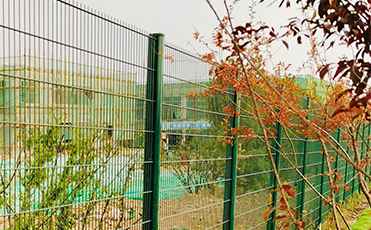
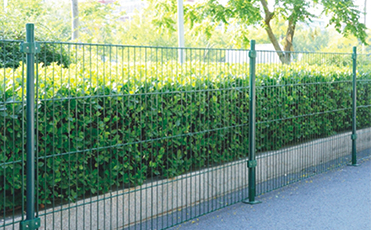

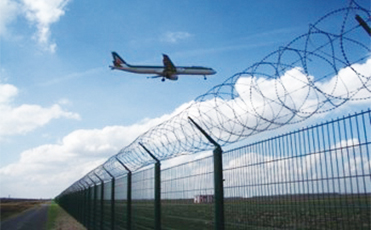
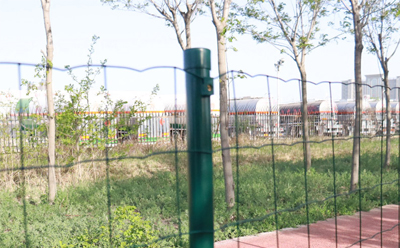
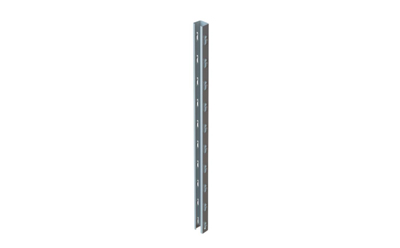
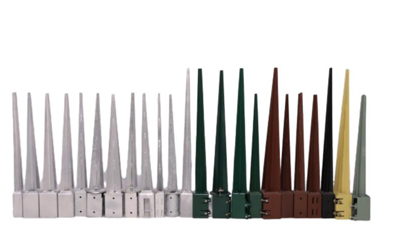
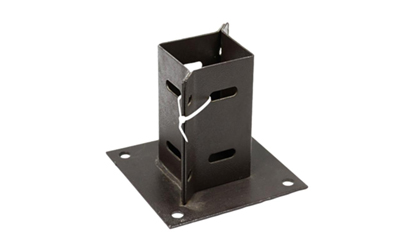
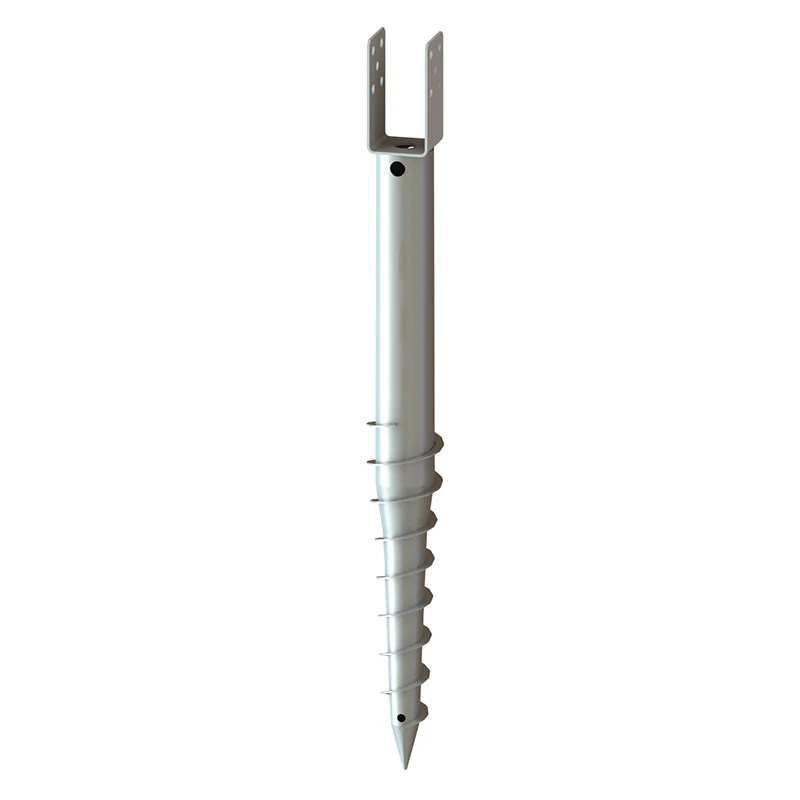
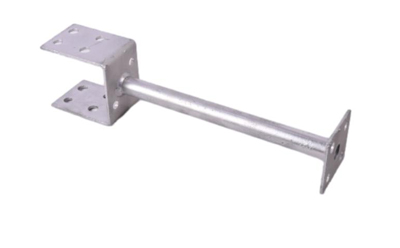
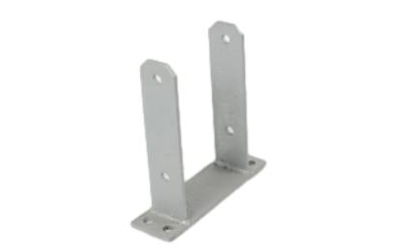
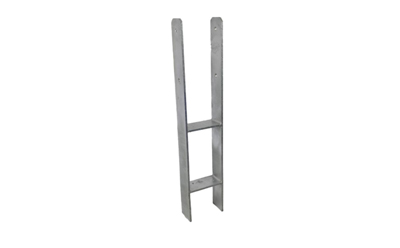
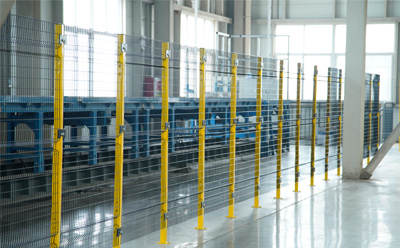
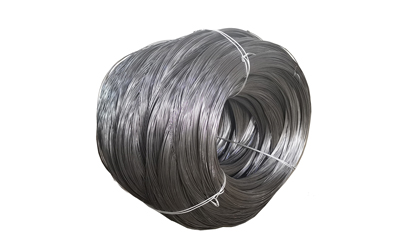
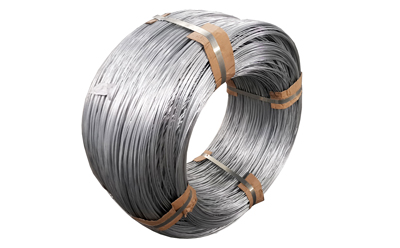


















Galvanized fence posts are pretty much the unsung heroes of countless fencing projects around the globe. They hold gates shut, mark boundaries, secure livestock, and even support green energy structures like solar farms. Understanding galvanized fence post price is important — it’s not just about pinching pennies but about balancing durability, reliability, and cost-effectiveness in a world where infrastructure matters more than ever.
In an age marked by rapid urbanization and environmental concerns, knowing why galvanized posts command a certain price illuminates their value beyond just raw numbers.
Mini takeaway: Grasping the economics behind galvanized fence posts helps planners and suppliers make smart, sustainable decisions on fencing solutions worldwide.Globally, fencing isn’t just a rural or agricultural concern. According to the World Bank, infrastructure investments surged worldwide, and materials that resist corrosion and last longer reduce maintenance-related costs significantly. Plus, the United Nations notes that improved fencing is crucial for land rights, ecological conservation, and safe boundaries, especially in developing countries facing rapid population growth.
Here’s the rub: prices for galvanized fence posts fluctuate due to global steel market shifts, tariffs, labor costs, and raw material availability. This unpredictability can cause real headaches for suppliers, farmers, and municipalities planning budgets. Hence, understanding galvanized fence post price isn’t just an academic exercise — it addresses a practical challenge in project execution worldwide.
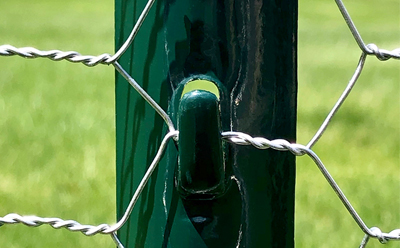
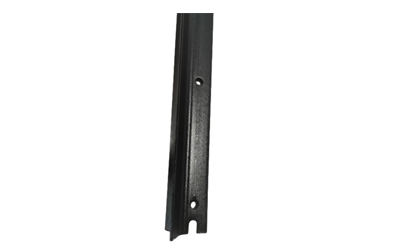
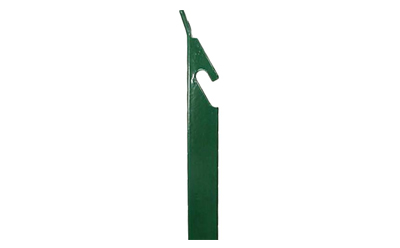
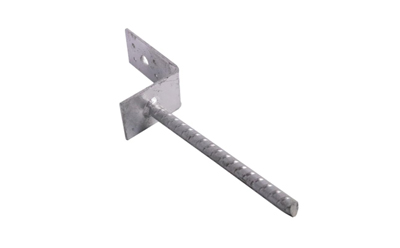
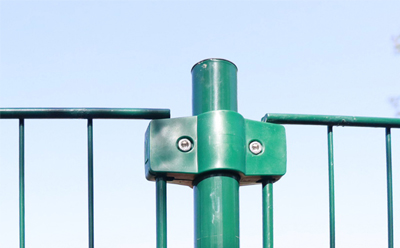
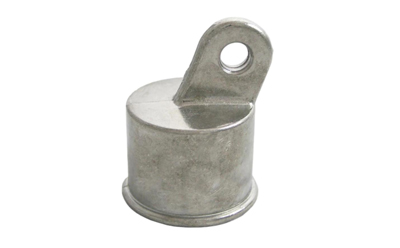
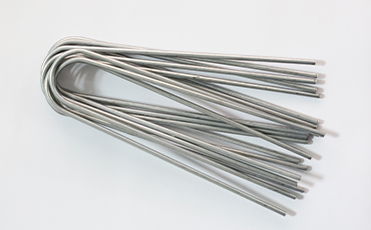
Simply put, the galvanized fence post price is the cost buyers pay for steel posts coated in zinc to prevent rust and corrosion. Galvanization extends the lifespan of fence posts, making them a staple in agricultural, industrial, and residential fencing. These posts come in various sizes, shapes, and coatings that impact their price.
In humanitarian efforts or industrial zones, these sturdy fence posts play a key role in securing perimeters or safeguarding sensitive areas, where reliability is non-negotiable.
The thickness of both steel and the zinc coating significantly affects the final price. Thicker, higher-quality materials mean posts that withstand harsh weather longer but come at a premium.
Cold-rolled or hot-dip galvanization processes differ in cost. Hot-dip offers better protection but requires more resources, subtly influencing the end price.
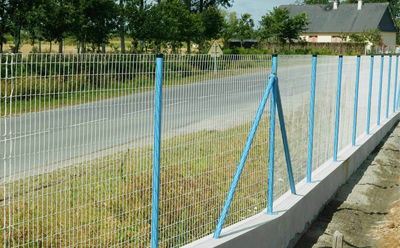
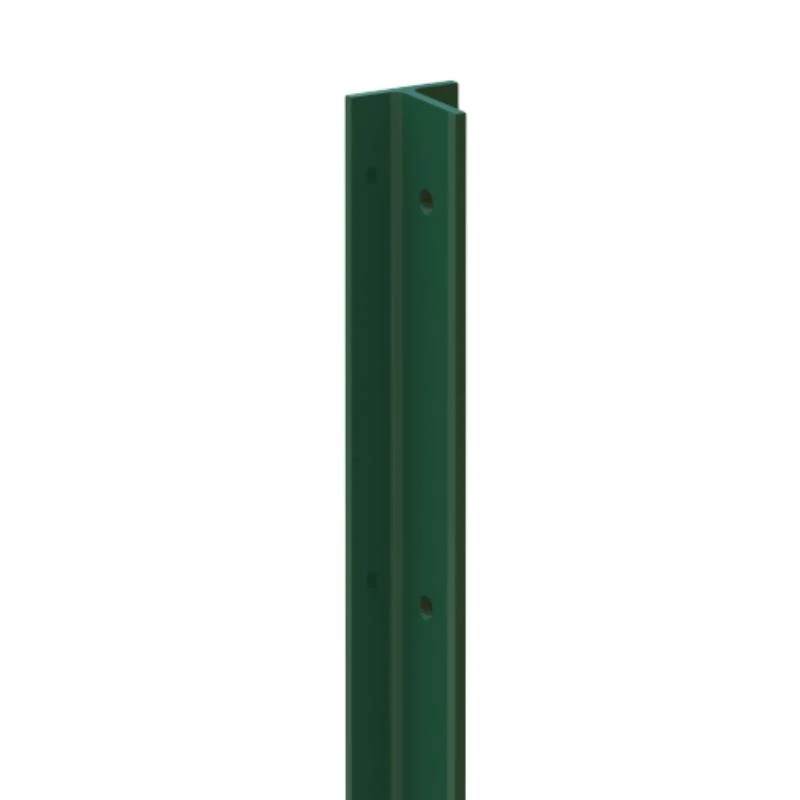
Posts come in square, round, or T-shape profiles, and the length varies depending on the project's need. Larger and more complex designs generally cost more.
Steel, the prime commodity here, experiences price swings. For example, disruptions in supply chains or trade policies can quickly push prices up.
Heavy posts aren’t cheap to ship. Longer distances or complicated delivery can hike prices unexpectedly.
Certified posts that comply with ISO or ASTM standards may cost a bit more but reassure buyers they’re getting durable, tested products.
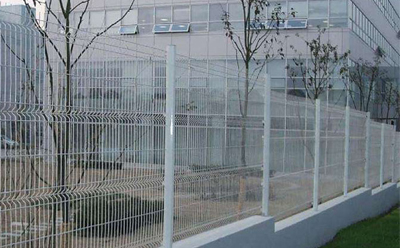
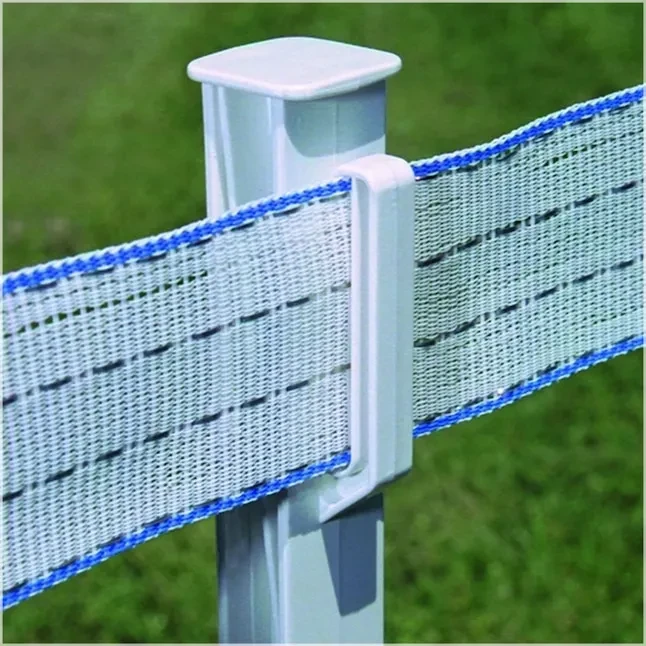
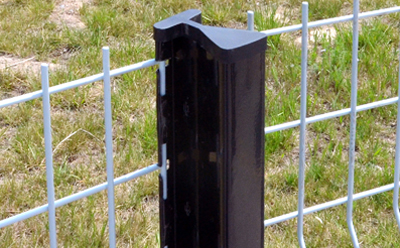
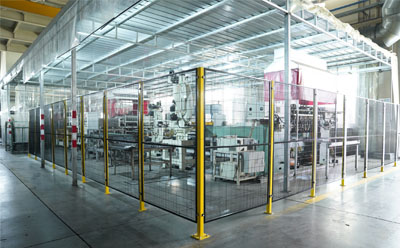
Mini takeaway: The price tag for these fence posts reflects numerous tangible factors — from raw materials to delivery — not just a sticker slapped on by vendors.From farms in Australia to solar farms in the U.S. southwest and wildlife preserves in Africa, galvanized fence posts are everywhere. NGOs use them in post-disaster housing to secure temporary shelters. In remote industrial zones, they demarcate safety zones around heavy machinery. And for municipalities, they’re the backbone of public parks and school yards.
For instance, in Kenya’s drought-prone regions, galvanizing fence posts means herders can keep cattle in safe grazing areas longer, despite fierce weather. In European solar arrays, these posts enable sturdy, low-maintenance fencing that safeguards expensive equipment — which otherwise risks theft or damage.
| Specification | Details |
|---|---|
| Material | Hot-dip galvanized steel (S235 grade) |
| Length | 1.8 to 3.0 meters (custom lengths available) |
| Shape | Square, Round, T-Post |
| Zinc Coating Thickness | Minimum 275 g/m² |
| Weight | 5–10 kg depending on size |
| Compliance | ISO 1461, ASTM A123/A123M |
So yes, when a supplier quotes that “galvanized fence post price,” there’s a lot packed into that figure — a tiny investment for massive peace of mind.
| Vendor | Price Range (per post) | Customization | Compliance Certifications | Lead Time |
|---|---|---|---|---|
| Hebe Metals | $15 - $28 | Custom lengths and shapes | ISO 1461, ASTM A123 | 2-4 weeks |
| Global Fence Co. | $18 - $30 | Standard sizes only | ASTM A123 only | 3-5 weeks |
| SteelWorks Inc. | $14 - $27 | High customization | ISO 1461 certified | 1-3 weeks |
Advances in galvanization—like environmentally friendlier zinc coating methods and automation—are reshaping production costs. Some manufacturers explore hybrid posts with composite materials for added durability without significant weight increase. Digitally tracking prices via supply-chain platforms is becoming standard, helping buyers anticipate fluctuations better.
Eco-conscious policies drive demand for greener steel production methods, potentially changing price structures in the near future. Oddly enough, what was once a “boring” fence post is now part of a high-tech supply chain ecosystem.
Challenges revolve around volatile steel commodity prices and transport logistics, which can push galvanized fence post price unpredictably. Countermeasures include bulk purchasing agreements, local material sourcing to cut delivery costs, and vendor partnerships for just-in-time inventory.
Additionally, educating clients on quality standards helps reduce returns or product failures, creating better market stability.
A1: Price differences stem from variations in material quality, zinc coating thickness, production technology, compliance certifications, and delivery logistics. More customization and higher grades of steel generally raise costs.
A2: Look for certified suppliers who adhere to ISO or ASTM standards, and request detailed product specifications. Don’t be swayed by the lowest price alone — longevity saves money over time.
A3: Yes, galvanized steel is recyclable, and longer-lasting posts mean reduced waste. Emerging green galvanizing techniques further reduce environmental impact.
A4: Absolutely. Vendors often offer better pricing for bulk orders and long-term contracts, so discussing your project size up front helps secure competitive pricing.
A5: Depending on environment and quality, they can last anywhere from 20 to 50 years without significant corrosion, making them a sound investment.
In real terms, the cost of galvanized fence posts reflects a complex blend of material science, market forces, and supply chain logistics. But knowing this equips specifiers and buyers with the intelligence to choose products that are safe, sustainable, and financially sensible — a win-wing in fencing that few appreciate at first glance.
Fancy seeing what competitive galvanized fence post price options look like? Visit our website for details and expert advice tailored to your fencing needs.



Copyright © 2026 Hebei Minmetals Co., Ltd. All Rights Reserved. Sitemap | Privacy Policy | Menu