







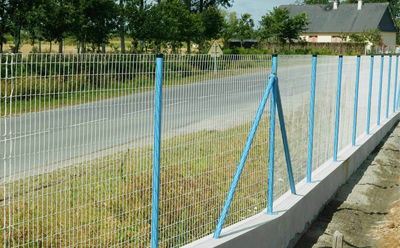
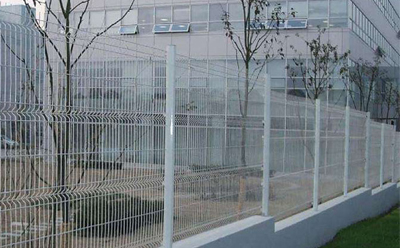
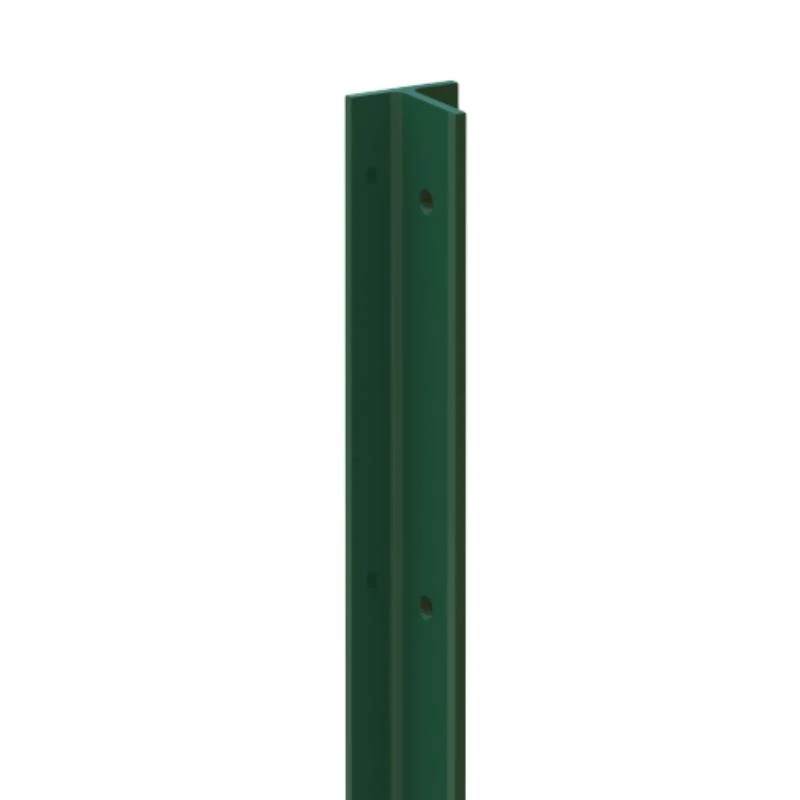
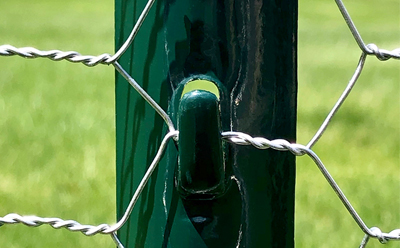
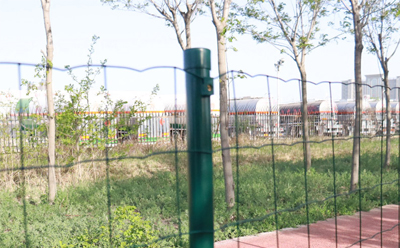
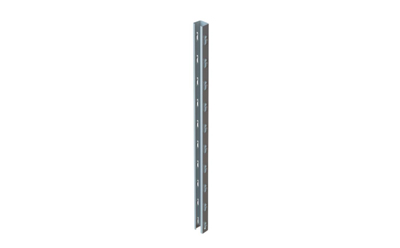
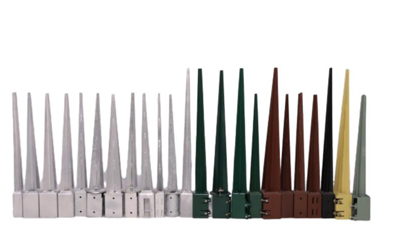
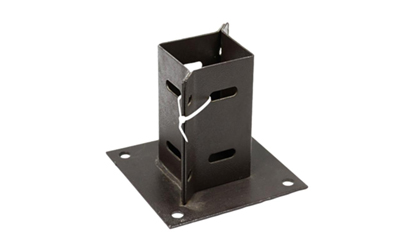
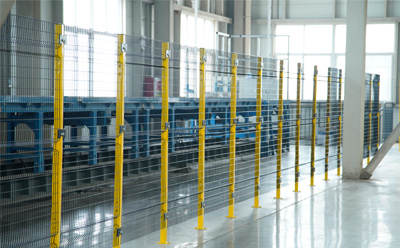
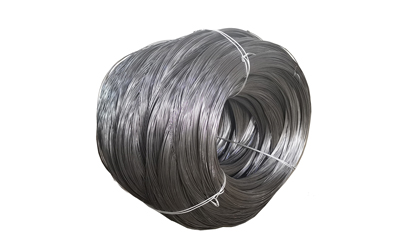
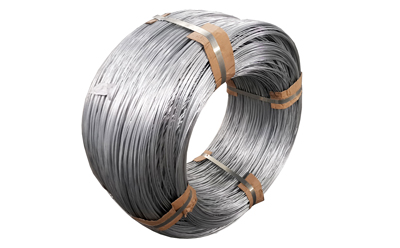

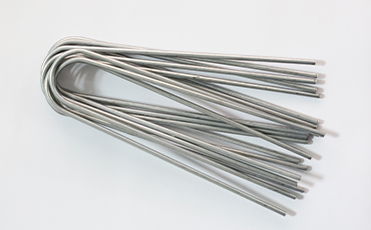
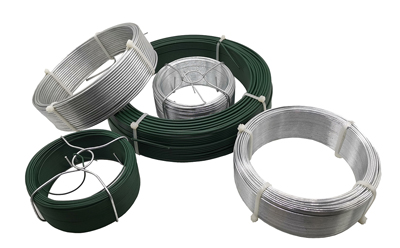

















Fencing has been around since ancient times — a way to mark territory, protect resources, or simply delineate a space. Fast forward to today, and metal fence posts remain a backbone for countless industries: agriculture, construction, security, and urban planning. But the cost of metal fence post isn’t just about dollars and cents anymore. Globally, as infrastructure developments boom and safety standards rise, understanding how these costs interplay with durability, sustainability, and logistics can really save time and money.
So why does the cost of metal fence post matter on an international scale? For one, governments planning border security, rural landowners securing livestock, and industries wishing to safeguard their premises all want the best bang for their buck. Getting the right balance between upfront costs and long-term durability changes everything — and it’s not always straightforward.
Worldwide, fencing material markets are valued at billions of dollars every year (according to the International Trade Centre, fencing materials are part of a steadily growing sector). The cost of metal fence post factors into urban development policies, humanitarian aid setups, and even green infrastructure plans. In fact, the United Nations Environment Programme (UNEP) highlights sustainable infrastructure as a key to the Sustainable Development Goals, where durable fencing can prevent soil erosion, protect ecosystems, and support community safety.
However, rising raw material prices, supply chain disruptions, and evolving performance standards pose challenges to sourcing the right fencing materials at the right price. Often, decision makers struggle to predict long-term costs versus initial purchase prices — and this can lead to premature replacements or overspending.
Understanding the cost of metal fence posts isn't just a budgeting exercise — it’s a strategic decision impacting safety, durability, and sustainability against a complex global backdrop.
Here’s the simple gist: the cost of metal fence post refers to the total expenses involved in acquiring, installing, and maintaining metal posts used in fencing systems. This includes:
In modern industrial or humanitarian settings, these fence posts are crucial to creating secure, long-lasting barriers, often in challenging environments. For example, humanitarian groups installing temporary perimeters after natural disasters need posts that are quick to set up but resist corrosion in humid, unpredictable climates.
The cost isn’t just the sticker price but a broad sum covering materials, manufacturing, logistics, and lifespan support — a detail that often surprises first-time purchasers.
Steel, galvanized steel, aluminum — each comes with distinctive cost implications. Galvanized coatings add protection but bump prices slightly. Most engineers agree that investing in higher-grade metal upfront saves money in the long term by reducing corrosion and breakage.
Posts exposed to salty coastal air may corrode within a few years if untreated, prompting costly replacements. Conversely, treated posts designed for harsh climates might cost more initially but last decades.
Deep post holes, rocky soil, or remote locations increase labor and equipment costs. Sometimes, lightweight aluminum posts are preferred for ease of handling despite their higher cost.
Availability and transport distances affect pricing. Importing specialty posts can add tariffs or delays — all translating into final cost increases.
Eco-friendly coatings or regulations requiring specific materials can raise costs but align projects with sustainability goals.
Buying in bulk often lowers per-unit cost, but small-scale projects pay a premium. Demand fluctuations also influence market prices.
Multiple intertwined factors shape the cost picture, from metal choice to installation difficulty, making it essential to analyze total project needs instead of assuming sticker price reflects real investment.
Metal fence posts are everywhere — from sprawling farms in Australia securing livestock, to urban parks in Germany ensuring safe pedestrian areas. But some scenarios stand out:
The cost of metal fence posts intersects with diverse needs globally, from urgent humanitarian responses to high-tech security mandates — underscoring the value of tailored solutions.
At first glance, a cheap post may sound tempting — but few projects ignore the value of longevity and reliability. Let me tell you, many engineers I’ve spoken with agree: investing in quality metal fencing yields these benefits:
In real terms, this means any plan that skips on fencing quality is often penny-wise, pound-foolish — a lesson hard-learned in industries worldwide.
| Specification | Description |
|---|---|
| Material | Galvanized Steel or Aluminum Alloy |
| Coating | Hot-Dip Galvanization or Powder Coat |
| Height | 1.2m to 2.5m (Custom lengths available) |
| Weight | 5 to 15 kg per post depending on size and material |
| Installation | Ground driven or concrete mounted |
| Estimated Lifespan | 15 – 30 years with proper maintenance |
| Vendor | Price per Post (USD) | Material Options | Lead Time | Bulk Discounts |
|---|---|---|---|---|
| Hebei Metals | $12 – $18 | Galvanized Steel, Aluminum | 2 – 4 weeks | Available for orders >1000 units |
| Global Fence Co. | $14 – $20 | Galvanized Steel only | 3 – 6 weeks | Available |
| Metro Fencing Supplies | $10 – $22 | Steel, Aluminum, Composite | 1 – 3 weeks | No bulk discounts |
Looking ahead, the fencing industry is experiencing some pretty exciting innovations. For one, eco-friendly coatings derived from plant-based resins and nano-particle treatments are becoming more common, reducing environmental impact and increasing post longevity. Automated manufacturing techniques and 3D metal printing also promise to cut custom post costs for specialized uses.
Digitization adds another layer: ‘smart’ posts embedded with sensors to detect breaches or weather damage could become standard, particularly in sensitive industrial or border security zones. Oddly enough, this integration may raise upfront costs but ultimately reduce maintenance expenses and improve safety assurances — a real game-changer.
Meanwhile, rising tariffs and raw material fluctuations persist as challenges, nudging buyers to seek local suppliers or recycled-metal options.
Despite quality advances, some persistent roadblocks remain. Corrosion in highly saline or humid climates can sneak up even on the best metals. Slow shipping or damaged goods increase replacement costs, while low skilled labor in some markets leads to poor installation and early failures.
The solution? Many consultants suggest more comprehensive planning: selecting posts matched to environmental stressors, investing in training local crews, and negotiating contracts that include warranty and support — all of which can flatten cost spikes over time.
A1: Beyond upfront cost, consider installation complexity, expected maintenance, lifespan in local climate, and potential replacement cycles. Sometimes spending more initially means lower long-term expenses.
A2: Steel is often cheaper but heavier, while aluminum is pricier but lighter and corrosion-resistant. Galvanization or additional coatings also affect price.
A3: Yes. Suppliers like Hebeimetals offer discounts on large orders, but be mindful of storage and potential damage if not installed promptly.
A4: Rocky or unstable soil requires specialized tools or anchoring methods, increasing labor costs. Remote or difficult sites also add transportation expenses.
A5: Generally yes — these coatings extend lifespan and reduce environmental impact, aligning with sustainability standards and often lowering total cost of ownership.
The cost of metal fence post is far more nuanced than a simple number on a price list. Looking at the full picture — including materials, environment, installation, and long-term maintenance — unlocks clear pathways to secure, sustainable fencing. Whether it’s protecting crops, promoting safety in urban spaces, or aiding humanitarian efforts, smart choices here pay dividends.
Want to dive deeper or request a quote tailored to your needs? Visit our website at https://www.hebeimetals.com for expert support and competitive pricing. Because, after all, your fence deserves more than just a low sticker price.
Think beyond the initial cost. Embracing quality, durability, and foresight in metal fence posts isn’t just good practice — it’s smart economics.



Copyright © 2026 Hebei Minmetals Co., Ltd. All Rights Reserved. Sitemap | Privacy Policy | Menu