





































When you pause and think about the humble steel fence post, it’s easy to overlook its global impact. But these unassuming components play a surprisingly critical role in everything from agricultural development to international security borders. Understanding the cost of steel fence posts isn’t just about dollars and cents — it’s about how infrastructure shapes industries, cultures, and even humanitarian efforts worldwide.
Steel fence posts offer strength and durability that wooden or plastic counterparts rarely match, affecting fence lifespan, safety, and maintenance costs. Knowing what influences their price enables better planning and smarter investments across sectors.
Globally, steel production skyrocketed to over 1.8 billion metric tons in 2022, according to the World Steel Association (worldsteel.org). With fence posts accounting for a measurable slice of steel product demand, their cost reflects broader market behavior — raw material prices, labor, transportation, and regulatory factors. The United Nations’ Sustainable Development Goals (SDG 9) emphasize resilient infrastructure, making costs here more than an economic metric, but a strategic concern.
However, volatility in global steel prices poses a challenge. For example, tariffs, supply chain disruptions, or regional conflicts can significantly shift local costs, affecting timelines and budgets in agricultural fencing projects or rural electrification efforts. In real terms, that can slow down everything from livestock containment in Australia to border security expansions in parts of South America.
Mini takeaway: The global cost dynamics of steel fence posts are intertwined with complex economic and geopolitical factors, stretching their impact far beyond simple fencing needs.
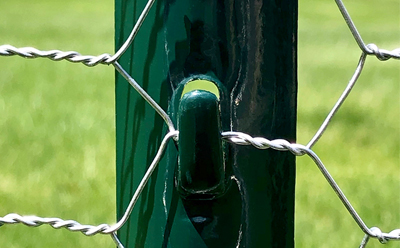
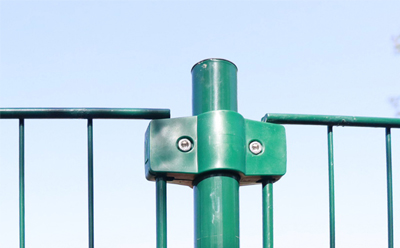
Put simply, the cost of steel fence posts is what buyers pay for acquiring these vertical supports made primarily from steel tubing or angle iron. This cost encompasses raw materials, manufacturing processes, surface treatments like galvanizing, logistical expenses, and market demand-supply dynamics. It’s distinct from just the purchase price; maintenance, durability, and lifespan also weigh in.
From humanitarian camps needing durable fencing to industrial plants requiring reliable barriers, the cost plays a crucial role in decision-making. Steel fence posts are often the backbone of these protective structures — balancing affordability with resilience.
The grade of steel and treatments like hot-dip galvanizing or powder coating significantly affect prices. Higher quality steel posts cost more but resist corrosion better, extending service life. I noticed many suppliers pitching “premium galvanized” posts for roughly 20-30% higher than untreated variants, yet customers often save money long-term.
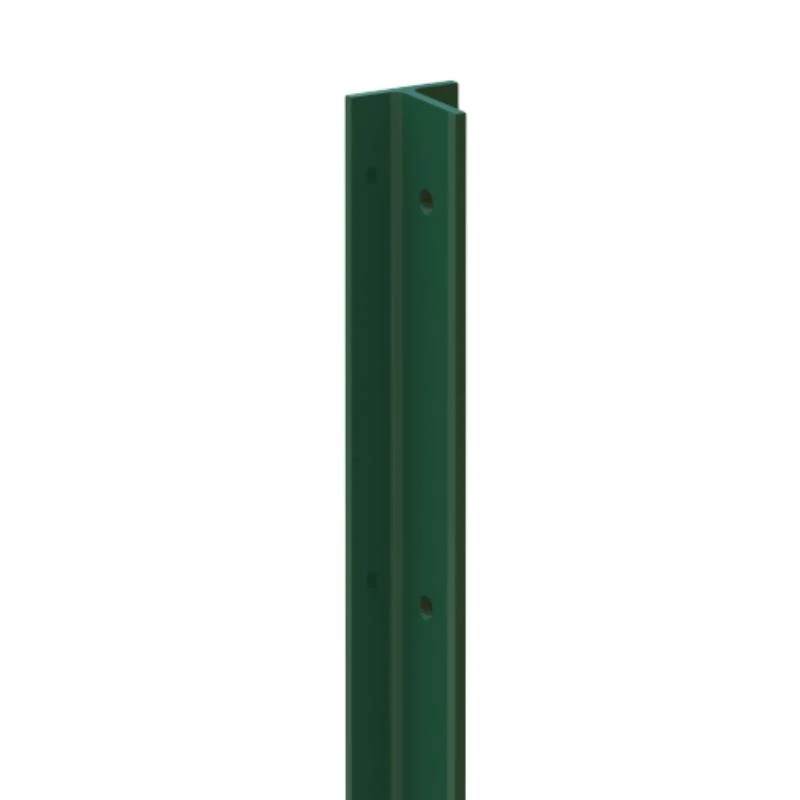
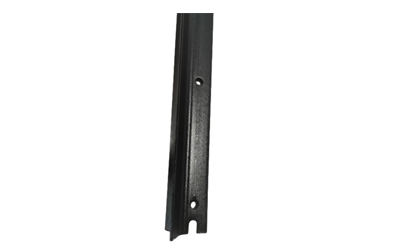
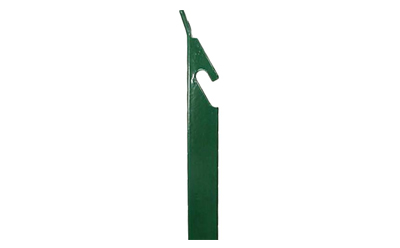
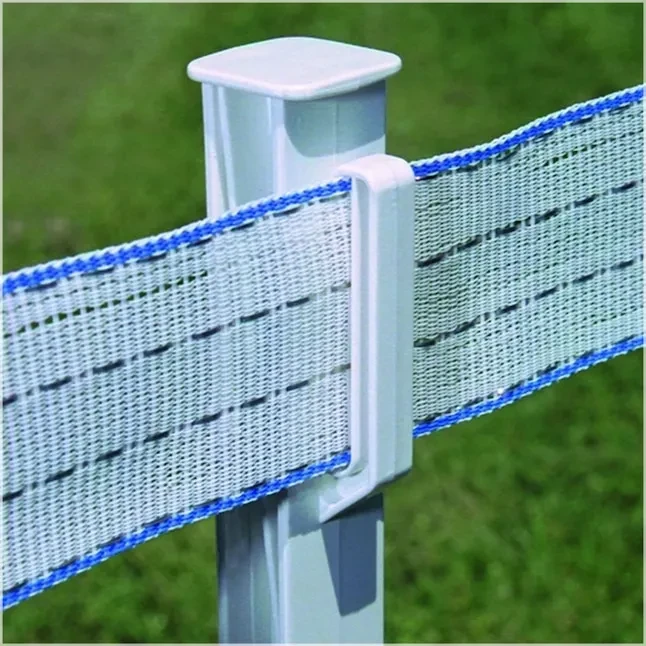
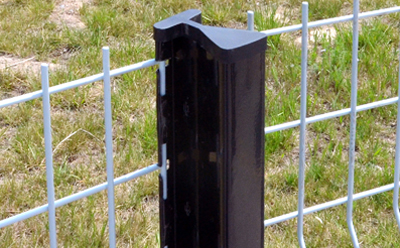
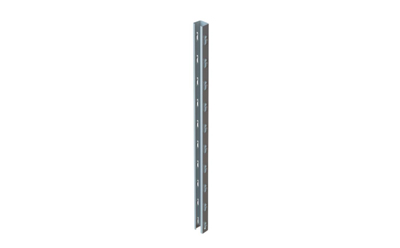
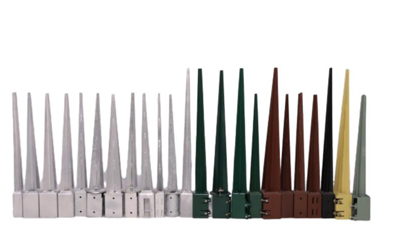
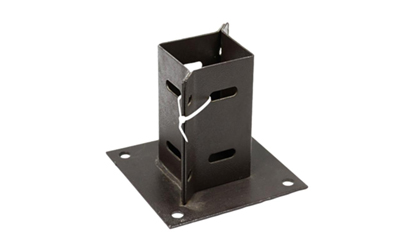
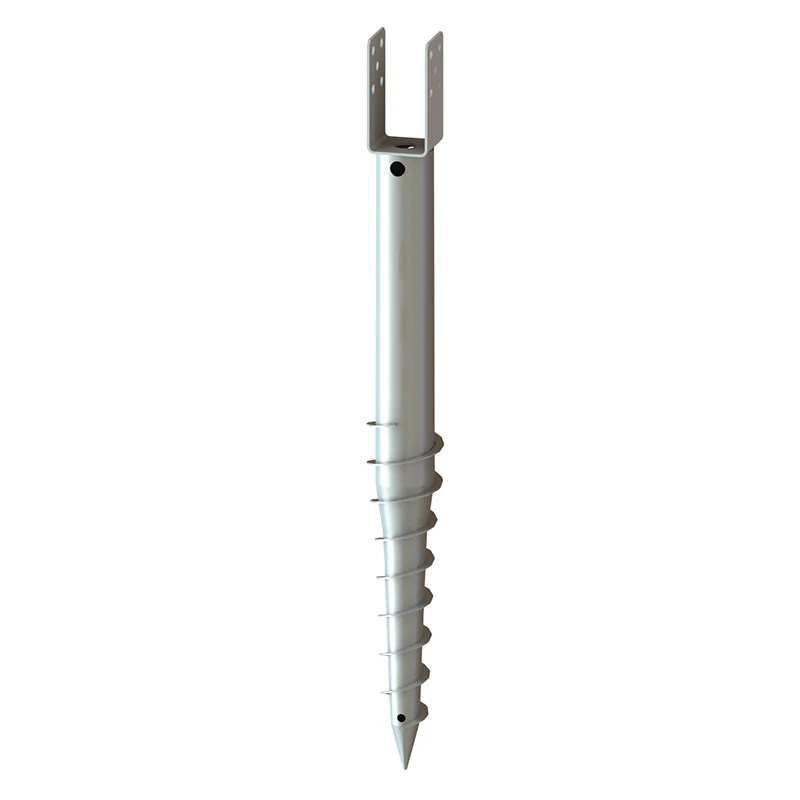
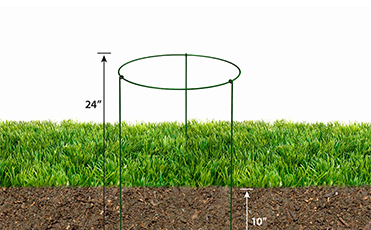
Post length, thickness, and shape (round, square, or T-post) influence manufacturing complexity. For example, a 7-foot heavy-duty T-post will typically cost more than a 5-foot standard round post — simply because of raw material usage and production effort.
Posts produced closer to end users naturally have lower shipping costs. Countries with cheaper labor might offer lower prices but sometimes at the expense of quality. This balance affects total cost outcomes, especially for large-scale projects.
Steel is bulky and heavy, making freight costs a significant share of the final price. Unforeseen disruptions, like last year’s port congestion in Asia, turned some shipments into expensive gambles.
Steel commodities follow global market trends. A booming construction sector or geopolitical tensions can push prices upward. Conversely, economic slowdowns often bring price relief, but sometimes lower quality.
| Specification | Details |
|---|---|
| Material | Hot-rolled carbon steel |
| Surface Treatment | Hot-dip galvanizing (minimum 275g/m²) |
| Length | 5 ft – 8 ft standard sizes |
| Shape | T-post, round post, square post |
| Weight | 4 – 8 kg per post depending on size |
| Finish | Smooth or ribbed surface |
Mini takeaway: Various technical specs and production factors dynamically influence the cost of steel fence posts, making it a complex equation one can hardly guess without a close look.
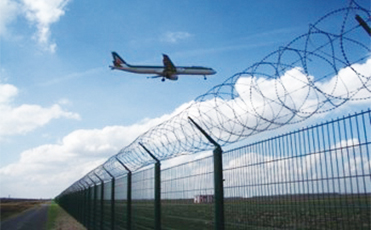
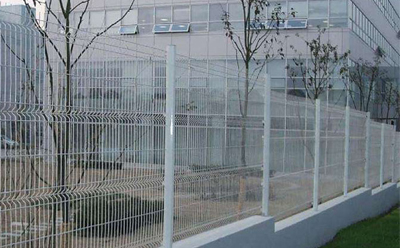
Steel fence posts are everywhere — from agricultural fields in the United States to electrified borders in Europe, and from mining sites in Africa to refugee camps in the Middle East. In disaster relief, for example, rapid-fence deployment around emergency shelters helps secure people’s safety and dignity. Humanitarian NGOs often face tight budgets and harsh environments, so knowing the right balance of cost and durability directly impacts their mission’s success.
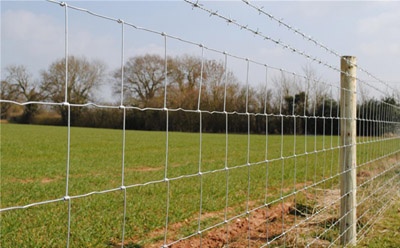
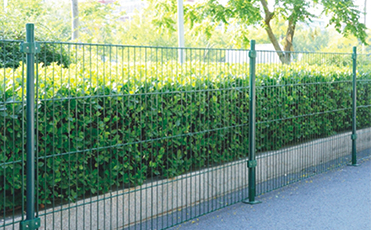
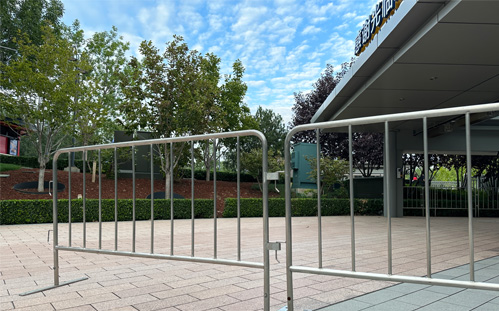
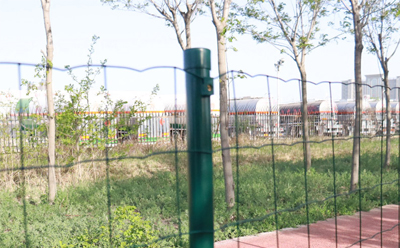
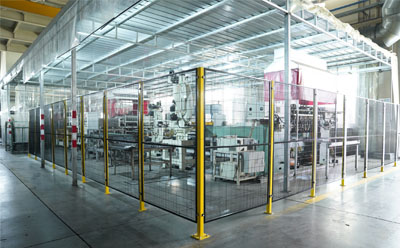
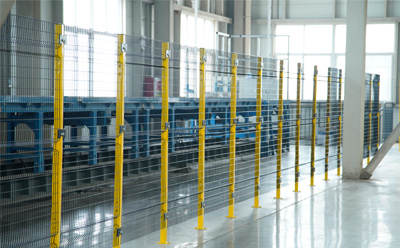
Industrial zones use steel posts to delineate hazardous areas, while farmers rely on them to contain livestock and protect crops from wildlife. Oddly enough, even urban parks and playgrounds have shifted to steel for its longevity and minimal maintenance. Regions such as Australia, Canada, and parts of Latin America report significant long-term savings after switching to galvanized steel posts.
| Vendor | Price (per post) | Surface Coating | Lead Time | Minimum Order |
|---|---|---|---|---|
| Hebeimetals (China) | $3.15 | HD Galvanized (275g/m²) | 2 weeks | 100 units |
| Midwest Steel (USA) | $5.40 | Powder Coating | 1 week | 50 units |
| EuroMetal (Germany) | $4.85 | Electro-Galvanized | 3 weeks | 200 units |
Alright, so there’s the sticker shock sometimes. But when you factor the lifespan — often 20+ years with proper galvanization — steel posts come out ahead. They require less frequent replacement, fewer repairs, and stand up better against weather and pests compared to wood.
From a social impact perspective, fences made durable by steel protect communities, animals, and investments. They also minimize environmental harm since fewer replacements mean less waste. Emotionally, a well-built fence symbolizes security and dignity, whether on a farm or refugee camp perimeter.
The industry isn’t standing still. Advances in eco-friendly coatings reduce the environmental footprint, while automation in manufacturing drops labor costs and improves consistency. Smart fencing incorporating sensors for farm monitoring or security is starting to integrate with steel posts.
Policies globally encourage recycling and sustainable metal sourcing, slowly nudging prices but promising better long-term value. With steel prices generally fluctuating, hybrid materials and composite posts are also entering niche markets — though steel’s unbeatable strength keeps it popular.
Common challenges include corrosion in coastal areas, variable quality from some suppliers, and logistic hurdles in remote zones. Many engineering teams now prefer posts with thicker galvanization layers or polymer sleeves to combat corrosion. Digital platforms like cost of steel fence posts calculators and supply chain tools help buyers compare vendors and manage deliveries better.
Understanding the cost of steel fence posts isn’t just an accounting exercise; it’s a pathway to smarter investments and stronger infrastructure worldwide. Whether for agriculture, industry, or humanitarian projects, balancing price with quality and longevity always pays off.
If you’re looking for trusted suppliers and up-to-date pricing, be sure to check out cost of steel fence posts — they offer transparency and expertise you don’t often find elsewhere. In the end, it’s about securing more than just fences — it’s about protecting livelihoods and futures.
References:
1. World Steel Association, worldsteel.org
2. United Nations Sustainable Development Goals, sdgs.un.org
3. ISO 1461: Hot-dip galvanized coatings, iso.org



Copyright © 2026 Hebei Minmetals Co., Ltd. All Rights Reserved. Sitemap | Privacy Policy | Menu