

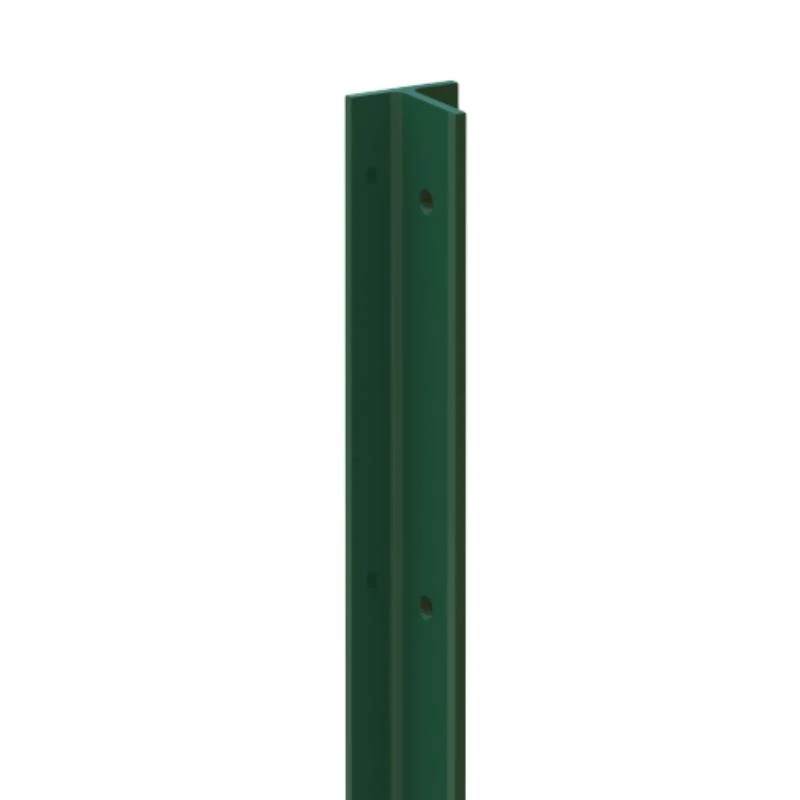
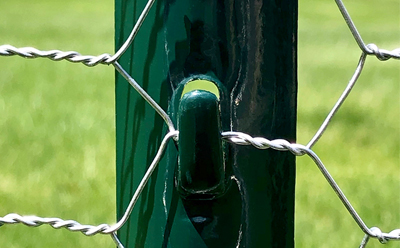
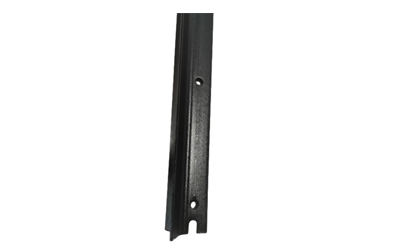
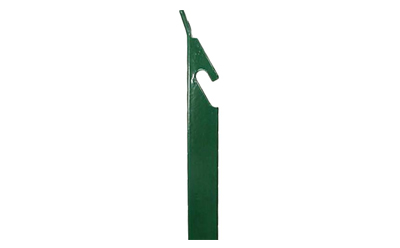
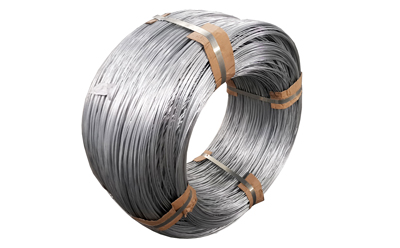
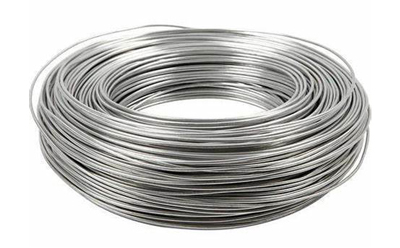
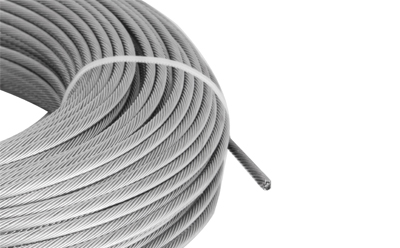












A successful vineyard depends on more than soil, climate, and grape variety. One of the most overlooked but essential components is the trellis infrastructure that supports vine growth, fruit exposure, and long-term productivity. At the center of this system is the vineyard post, a structural element that determines the strength, alignment, and durability of the entire vineyard row.
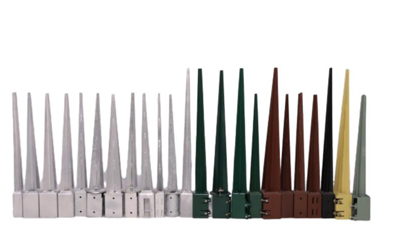
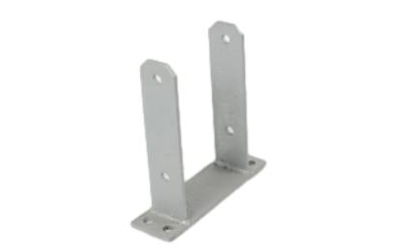
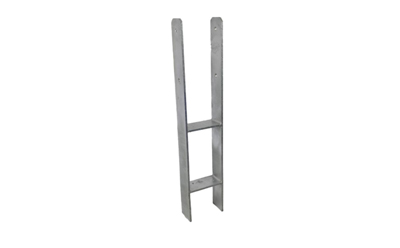
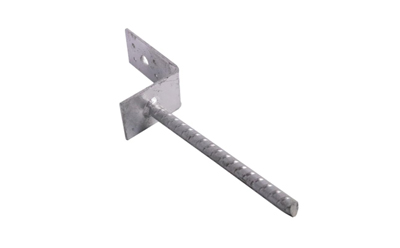
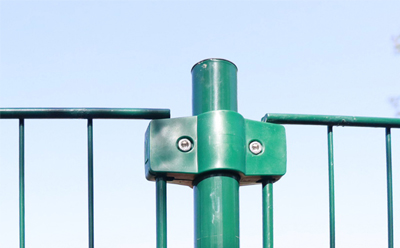
Today’s viticulture increasingly relies on engineered solutions such as vineyard trellis posts, metal vineyard trellis posts, and steel vineyard posts to improve efficiency and reduce long-term maintenance costs. Whether establishing a new vineyard or upgrading an existing one, choosing the right support system is a strategic investment that directly impacts yield and vine health.
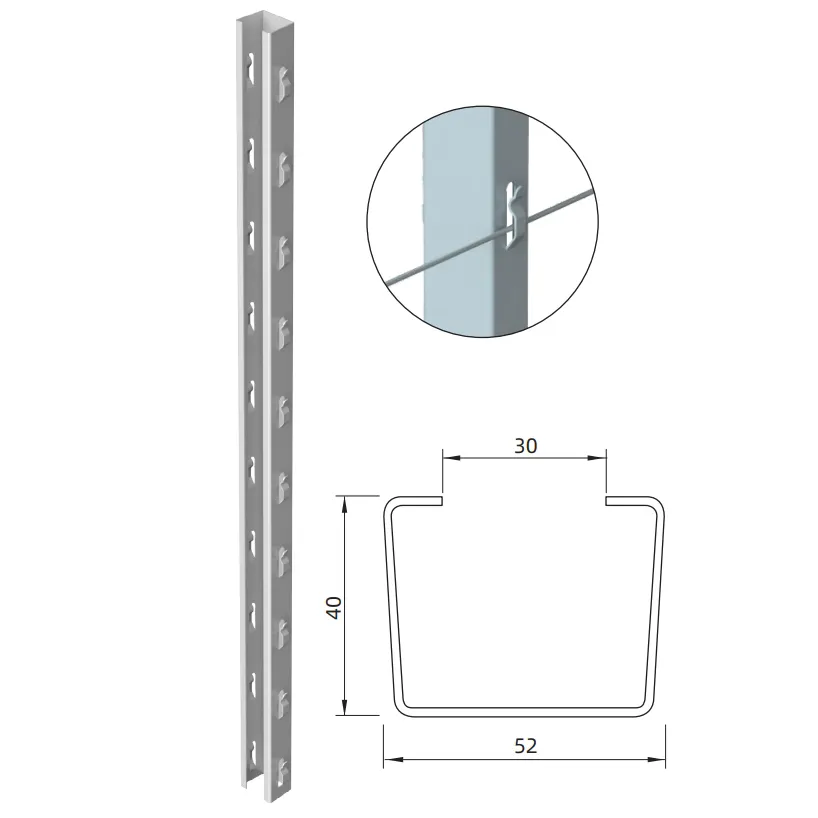
The foundation of any trellis system begins with selecting the appropriate vineyard post. These posts serve as anchors for wires that guide vine growth, ensuring proper canopy structure and optimal sunlight exposure. Traditionally, growers used wood, but modern vineyards are shifting toward engineered alternatives for better longevity and performance.
Among the most popular choices today are vineyard trellis posts made from metal or steel. These options provide significantly higher resistance to weathering, pests, and soil degradation compared to wooden posts. Unlike wood, which can rot or warp over time, metal-based systems maintain structural integrity for decades.
When evaluating materials, growers often compare:
Wood posts: low initial cost but high replacement frequency
Concrete posts: durable but heavy and difficult to install
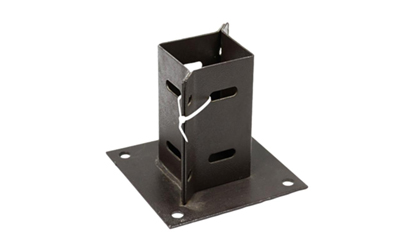
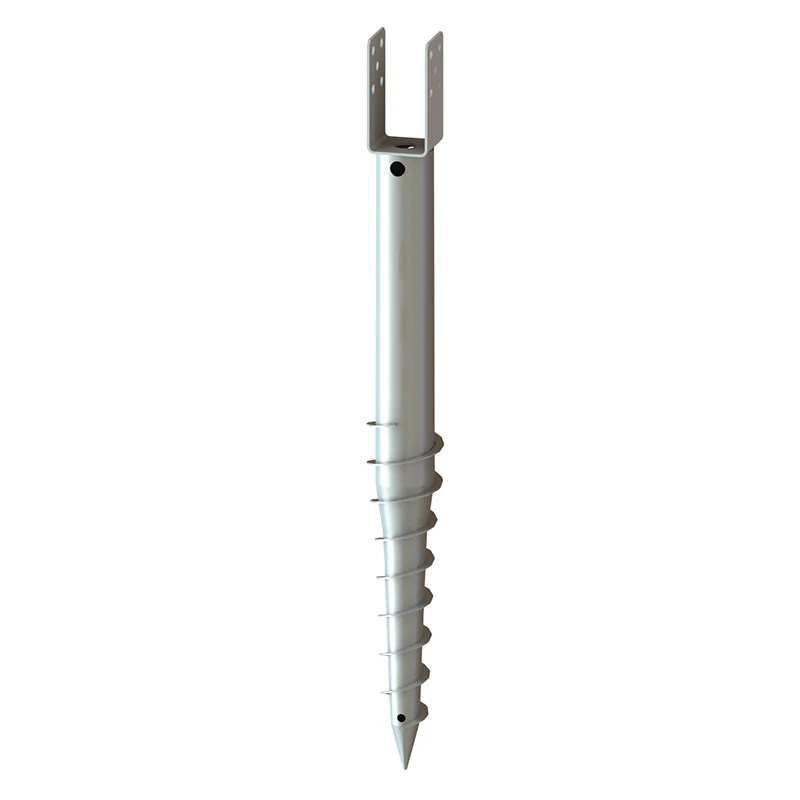
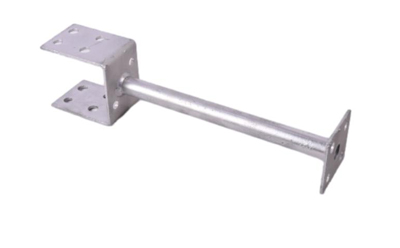
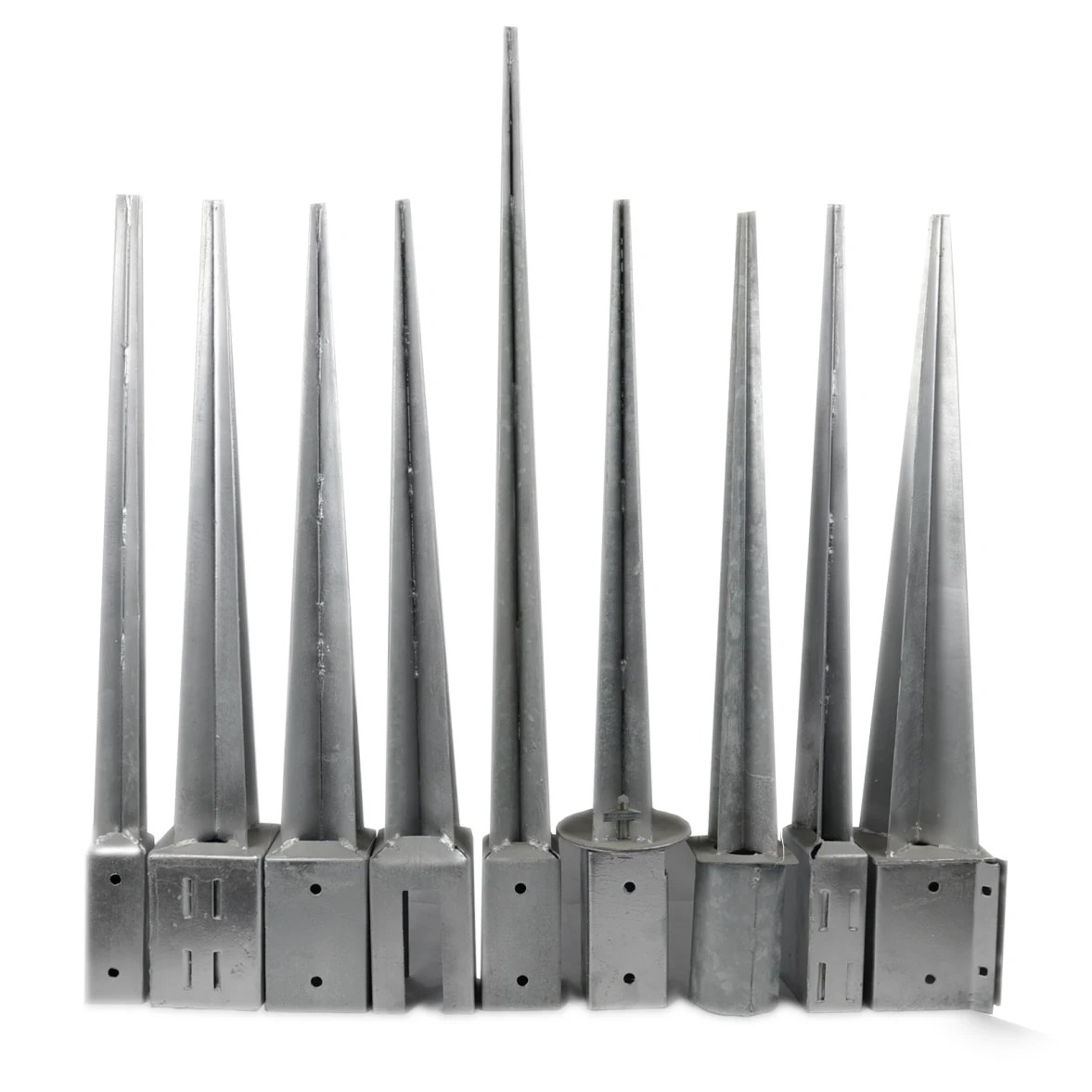
metal vineyard trellis posts: balanced durability and ease of handling
steel vineyard posts: maximum strength and long service life
The rise of steel vineyard posts is particularly notable in commercial vineyards where long-term ROI is a priority. Steel offers exceptional tensile strength, allowing tighter wire tension and better canopy management. This is especially important for high-density vineyards where vine training precision directly affects grape quality.
Another major advantage of modern vineyard trellis posts is their compatibility with mechanized farming systems. As vineyards adopt mechanical pruning and harvesting, structural consistency becomes critical. Steel and metal posts maintain alignment even under heavy mechanical stress, reducing downtime and maintenance costs.
When searching for vineyard posts for sale, vineyard owners must evaluate more than just price. The right decision involves understanding vineyard layout, climate conditions, vine variety, and long-term production goals.
One of the first considerations is post height and load capacity. Taller vines or high-wire training systems require stronger and longer vineyard trellis posts to support multiple wire levels. In windy regions, deeper anchoring and reinforced materials such as steel vineyard posts are essential to prevent leaning or collapse.
Coating and corrosion resistance also play a major role. Many modern metal vineyard trellis posts are galvanized or powder-coated to resist rust and soil acidity. This is particularly important in humid climates or irrigated vineyards where moisture exposure is constant.
Key factors to evaluate when selecting vineyard posts for sale include:
Soil type and drainage conditions
Vine training system (VSP, Geneva Double Curtain, etc.)
Wind exposure and climate stress
Expected vineyard lifespan (10, 20, or 50+ years)
Compatibility with irrigation and machinery systems
Cost analysis is another critical step. While vineyard posts for sale made of wood may appear cheaper upfront, they often require replacement within 5–10 years. In contrast, steel vineyard posts can last several decades with minimal maintenance, significantly reducing long-term operational costs.
It is also important to consider installation efficiency. Modern metal vineyard trellis posts are designed for faster installation using mechanical post drivers. This reduces labor costs and ensures consistent depth and alignment across large vineyard blocks.
In commercial viticulture, scalability matters. Large vineyards often prefer standardized vineyard trellis posts that can be easily sourced and replaced. This ensures uniform canopy structure, which is essential for mechanized harvesting and consistent grape quality across different vineyard blocks.
Ultimately, selecting the right vineyard posts for sale is not just a purchasing decision—it is a long-term infrastructure investment that influences productivity, maintenance schedules, and overall vineyard profitability.
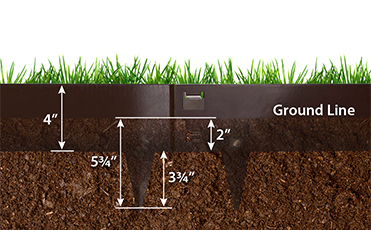
Proper installation is just as important as selecting the right vineyard post material. Even the strongest steel vineyard posts can underperform if they are not installed at the correct depth or spacing. Typically, posts are spaced 6 to 10 feet apart depending on vine variety and trellis design.
Corner and end posts require special attention because they bear the highest tension load from trellis wires. Many vineyard designs use reinforced vineyard trellis posts or bracing systems at row ends to maintain stability. Without proper support, wire tension can gradually pull posts out of alignment, reducing canopy efficiency.
Modern installation techniques often involve hydraulic or pneumatic drivers that ensure uniform depth and vertical alignment. This is especially important for metal vineyard trellis posts, which must be perfectly straight to maintain consistent wire tension across long rows.
Once installed, maintenance requirements are relatively low compared to traditional materials. However, periodic inspections are still necessary to ensure structural integrity. Growers should check for:
Loose or sagging trellis wires
Soil erosion around post bases
Rust or coating damage on steel vineyard posts
Movement caused by heavy wind or machinery
One of the key advantages of metal vineyard trellis posts is their resistance to biological degradation. Unlike wood, they are not susceptible to termites, rot, or fungal decay. This makes them ideal for long-term vineyard development projects where durability is critical.
Over time, vineyards that invest in high-quality vineyard trellis posts experience fewer structural failures and lower labor costs. This allows growers to focus more on canopy management and grape quality rather than infrastructure repair.
In addition, modern vineyard systems increasingly integrate smart agriculture technologies such as automated pruning machines and sensor-based irrigation systems. These technologies require stable and predictable trellis structures. High-quality steel vineyard posts provide the rigidity needed to support these advanced systems without deformation.
As climate conditions become more unpredictable, durability and resilience in vineyard infrastructure are becoming more important than ever. Strong, corrosion-resistant vineyard posts for sale ensure that vineyards can withstand extreme weather events while maintaining productivity.
Choosing the right vineyard post system is a foundational decision in vineyard development. Whether selecting vineyard trellis posts, evaluating vineyard posts for sale, or upgrading to metal vineyard trellis posts or steel vineyard posts, growers must balance cost, durability, and long-term performance.
Modern viticulture increasingly favors engineered steel solutions because they offer superior strength, longevity, and compatibility with mechanized farming. While initial investment may be higher, the long-term benefits in productivity, reduced maintenance, and structural reliability make them the preferred choice for professional vineyards worldwide.

Pervious
This is the First article



Copyright © 2026 Hebei Minmetals Co., Ltd. All Rights Reserved. Sitemap | Privacy Policy | Top Blog丨Menu