



















































If you've ever wondered how boats, floating platforms, or temporary marine structures stay put in relatively shallow waters, you might have encountered the shallow water spike anchor. It’s a simple yet crucial piece of maritime hardware that plays a surprisingly big role globally—from fisheries to disaster relief operations. Its importance lies in providing reliable, cost-effective, and environmentally considerate anchoring solutions in waters where traditional anchors just can’t do the job as efficiently.
As oceans and coastal regions support huge swaths of human activity—fisheries accounting for over 40 million jobs worldwide (FAO, 2022), offshore wind farms expanding rapidly, and humanitarian groups setting up rapid response camps—understanding tools like the shallow water spike anchor is more than niche talk. It's part of a broader conversation on sustainable marine practices and infrastructure resilience.
Globally, shallow coastal zones are hotspots for activity, yet anchoring here poses unique challenges. Surfaces tend to be sandy, muddy, or rocky, and depths often range from just a few feet to 15 meters, making traditional heavy, chain-based anchors impractical or damaging to the seabed.
UN Environment reports indicate increasing conflicts between marine industrial use and ecological preservation, pressing the need for anchors that minimize seabed disturbance. Moreover, the cost and logistics of moving heavy anchors for temporary or mobile setups in disaster zones or aquaculture farms necessitate solutions like the shallow water spike anchor.
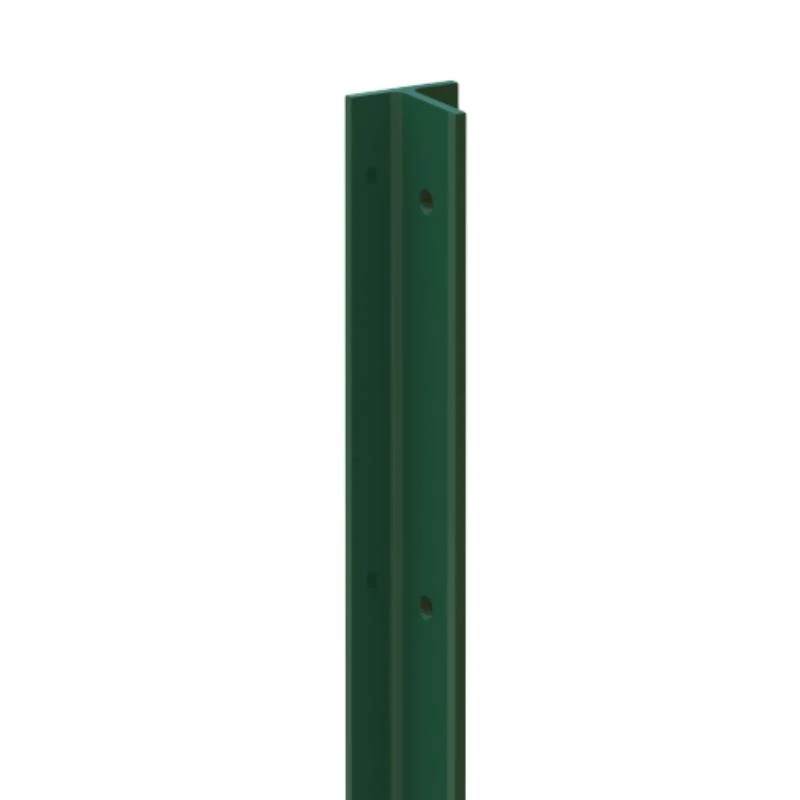
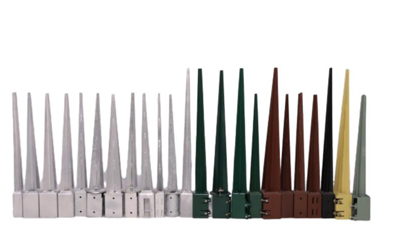
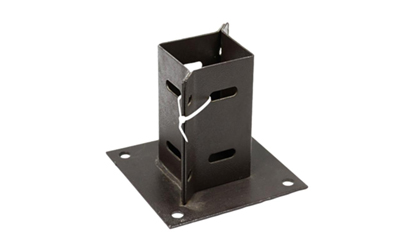
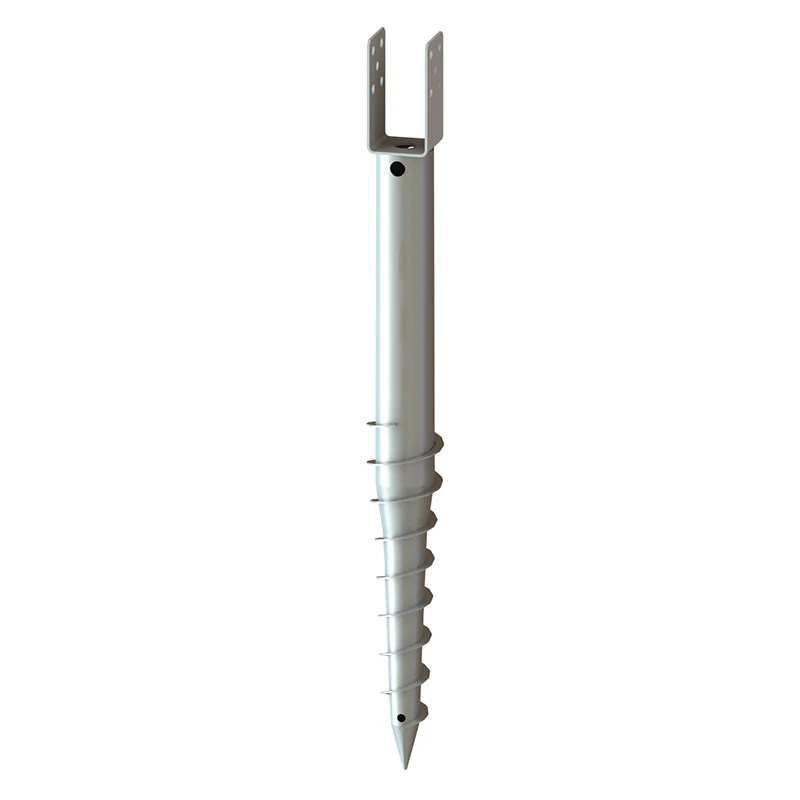
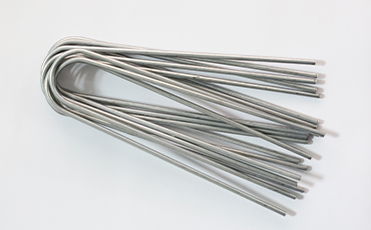
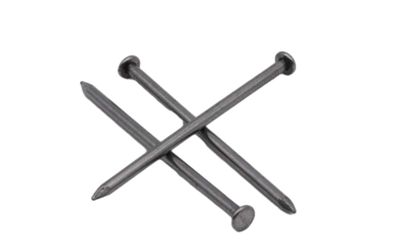
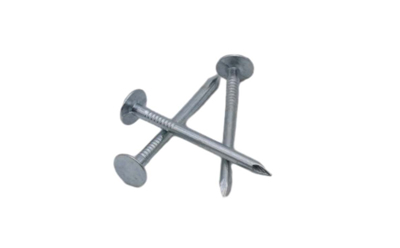
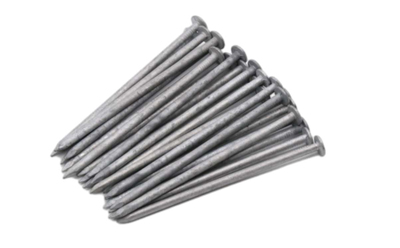
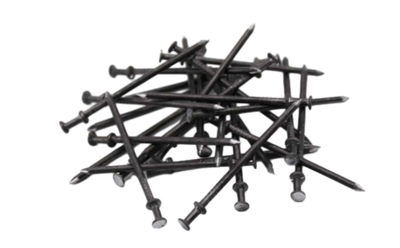
In essence, a shallow water spike anchor is a long, slender spike—usually made from galvanized steel or sometimes composites—that’s driven vertically into the seabed to hold vessels or floating structures firmly in place. Imagine a giant nail hammered into the ocean floor, but smarter. It provides secure grip without the bulk of traditional anchors.
This kind of anchor is perfect for areas where heavy anchors can’t dig or where seabed conditions require minimal disruption. It's a staple in modern maritime industries, including fishing, renewable energy, and emergency relief efforts, where rapid deployment and durability count.
Durability is king here. Most spike anchors utilize high-strength galvanized steel combining corrosion resistance with the robustness to withstand strong tidal currents. Some newer models incorporate polymer coatings or composite materials to fight rust and biofouling, especially important in saltwater environments.
The anchor's spike needs to penetrate the seabed promptly but hold firm once embedded. This relies on tip design—often chiseled or flared to optimize grip—and length, scaled to local depth and substrate rigidity.
One of the advantages here is being lightweight yet effective. These anchors are far easier to transport and deploy than their traditional counterparts, making them ideal for rapidly changing scenarios like disaster relief or mobile research stations.
Less disruption than bulky anchors means healthier seabed ecosystems. There’s a growing push for gear that aligns with sustainability goals, and shallow water spike anchors have a role in reducing habitat damage.
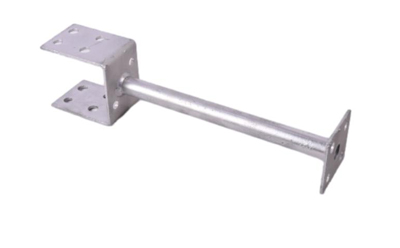
Anchors must suit various vessels and platforms from small fishing boats to floating solar arrays. Modular designs allow for scalability by adjusting spike length, diameter, and weight, fitting diverse needs without reinventing the wheel.
Where do these anchors shine? A lot more places than you’d expect.
For more technical insights or product options, visit resources like shallow water spike anchor providers who know the terrain well.
Why choose a shallow water spike anchor?
| Specification | Typical Values | Notes |
|---|---|---|
| Material | Galvanized Steel (G90) / Composite | Corrosion resistant coating standard |
| Length | 2 to 6 meters | Depends on water depth & substrate |
| Diameter | 40-80 mm | Scaled to vessel/structure size |
| Weight | 15-50 kg | Light enough for manual deployment |
| Corrosion Warranty | 5-10 years | Dependent on environment and maintenance |
| Vendor | Material Options | Customization | Typical Lead Time | Price Range (USD) |
|---|---|---|---|---|
| Hebeimetals | Galvanized Steel, Composite Coated | Length, Diameter, Tip Design | 2-3 weeks | $150 - $400 |
| MarinAnchor Corp | Stainless Steel, Galvanized Steel | Diameter only | 4-5 weeks | $180 - $450 |
| EcoMarine Anchors | Composite & Recycled Materials | Full customization | 3-4 weeks | $250 - $550 |
Technology and environmental policies are nudging manufacturers to refine shallow water spike anchors further. Anticipate materials infused with nanocoatings to resist corrosion and marine growth, and maybe smart anchors equipped with embedded sensors to report holding strength or seabed conditions back to operators in real-time.
Green energy projects, especially offshore floating solar farms, demand anchors that not only last long but meet strict environmental certifications. Digital transformation in marine logistics also means anchors may become part of integrated mooring systems controlled remotely. Quite the ocean of possibilities ahead!
No solution is perfect. Spike anchors face issues like limited holding in very rocky or very soft substrates, potential for corrosion despite coatings, and occasional difficulty in deployment if seabed conditions vary unexpectedly. However, ongoing R&D into hybrid materials, adjustable tip mechanisms, and improved anti-corrosion treatments are mitigating these concerns.
Field experts also emphasize proper site survey and anchor sizing as the first line of defense. You really get what you measure and plan for.
A: Typically, these anchors suit water depths up to about 15 meters, depending on length and substrate. Beyond that, traditional anchors or pilings might be better. Their design’s all about those in-between zones where neither heavy nor super-light anchors work well.
A: Yes! One of their main benefits is portability. Smaller anchors can be manually driven into the seabed with hand tools or small hydraulic devices, perfect for remote or emergency settings.
A: Generally yes, as they cause less seabed disruption compared to bulky traditional anchors. Many manufacturers also use coatings that resist harmful leaching, aligning with ISO 19030 guidelines on marine environmental impact.
A: Routine inspections every 1-2 years are recommended to check for corrosion or damage, especially in saltwater. Proper maintenance can extend lifespan to 5-10 years or beyond.
A: Length, diameter, material types, and tip designs can often be tailored. This ensures compatibility with specific seabeds and vessel sizes, maximizing holding power with minimal weight.
In the end, the shallow water spike anchor is a smart, practical solution for an important problem—holding vessels and floating stations steady without harm or headache. They embody innovation that meets real-world needs, especially for sectors balancing cost, environmental responsibility, and speed.
For anyone working around shallow coastal zones or involved in temporary marine deployments, these anchors offer peace of mind, reliability, and future-ready technology. Curious to explore options or want real industrial-grade anchors? I’d suggest a look at shallow water spike anchor specialists and see what fits your needs.
Sometimes, the simplest hardware carries the biggest stories.



Copyright © 2026 Hebei Minmetals Co., Ltd. All Rights Reserved. Sitemap | Privacy Policy | Menu