
























































At first glance, “shallow water spike” might sound like some obscure oceanographic term or a gadget from deep-sea research. Yet, it’s pivotal both in technical fields and humanitarian efforts worldwide. In simple terms, we’re talking about a specialized tool or concept designed to stabilize, measure, or interact with shallow underwater environments — which means rivers, nearshore zones, inland water bodies, and more.
Why does this matter globally? Because billions depend on these environments for drinking water, transport, agriculture, and disaster resilience. Plus, industries like offshore energy, marine construction, and environmental monitoring rely on reliable shallow water spike technology to keep projects safe, accurate, and eco-friendly.
Getting the hang of shallow water spikes isn’t just technical. It helps communities adapt to climate change-related flooding. It supports fragile ecosystems. And frankly, it saves lives in post-disaster relief and emergency water supply situations. So yes, it’s a small component with a surprisingly large ripple effect.
According to the United Nations, nearly 40% of the global population lives within 100 km of coastlines, and shallow water zones are facing mounting pressures from climate change, pollution, and urbanization. Add to that the fact that 1 in 3 people globally lack safe drinking water (UNICEF, WHO), and you start to see why the ability to reliably interact with these zones matters so much.
Shallow water spike technologies — devices like specialized anchors, sensors, and installation tools — address critical challenges: sediment stability, rapid deployment in flood zones, and environmental monitoring accuracy. For instance, failed anchoring or measurement in shallow waters can mean errors in offshore wind farm setup or disaster warning systems.
Industries, governments, and NGOs frequently rely on these technologies to deliver solutions that are robust but nimble, practical yet sustainable.
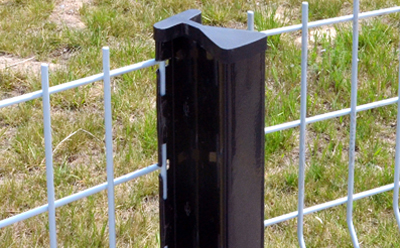
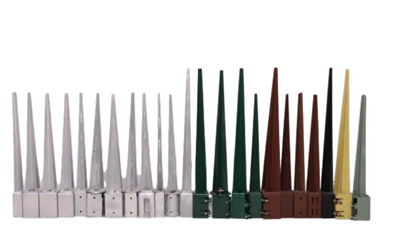
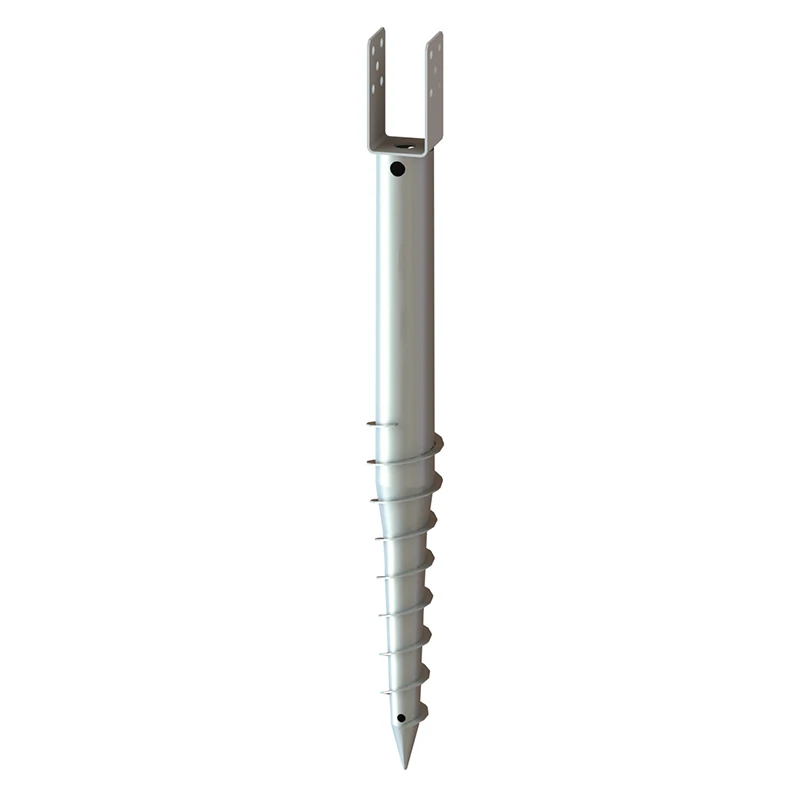
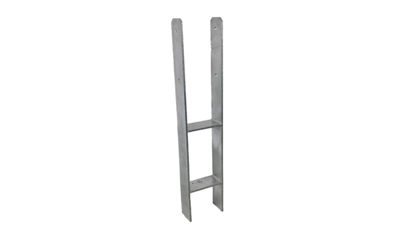
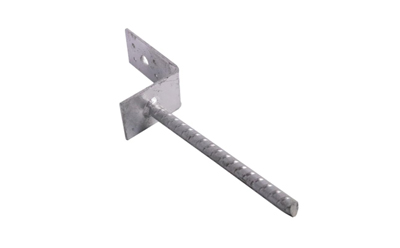
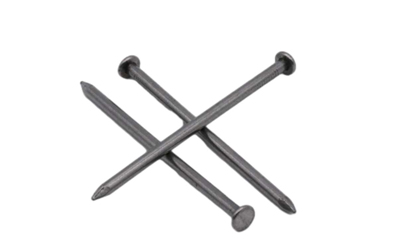
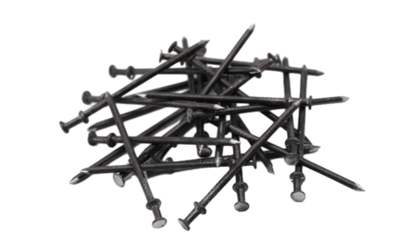
So, down to basics: a shallow water spike is typically a pointed or spike-like implement designed to penetrate soft or loose substrates in shallow aquatic environments, securing equipment or measuring devices firmly in place. Think of it as a kind of "marine stake" optimized for shallow depths — not the deep sea, but those tricky wet zones where things can get unstable quickly.
Commonly made from metals or composite materials, these spikes can anchor environmental sensors, moor boats or buoys, or support temporary installations in humanitarian settings — like quick water purification systems or temporary shelters requiring stabilization in flood-affected areas.
Its relevance spans across marine construction, environmental science, water resource management, and disaster relief, knitting together modern industrial needs with vital humanitarian applications.
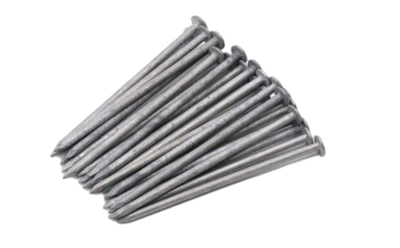
These spikes have to resist corrosion, abrasion, and sometimes biofouling. Imagine hammering a spike into sediment that’s salty, silty, and full of sand — any weak metal or plastic will fail fast. Modern versions tend to use galvanized steel, stainless alloys, or even high-performance polymers.
Quick setup matters especially in emergency scenarios or tight project timelines. Lightweight designs or modular components improve maneuverability without sacrificing strength. Some products are designed for handheld use, while others require mechanical support.
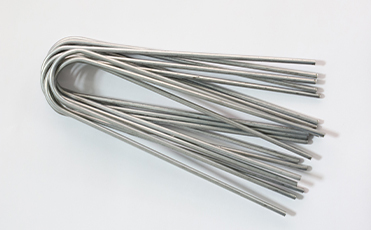
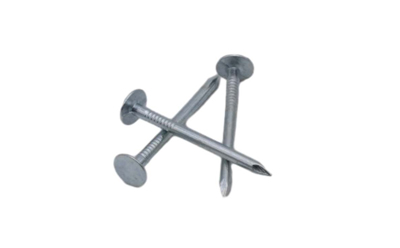
The shape and tip geometry influence how well the spike embeds itself in various sediments, from clay to sandy bottoms. Features like flaring or barbs help ensure the spike doesn’t pull out under stress, critical for mooring buoys or floating platforms.
Different use cases need spikes scaled by length, diameter, or special coatings. For instance, smaller spikes are common in sensor deployments, while large industrial moorings require thicker, more robust spikes. Custom builds are often commissioned for unique projects.
Since many operations are on tight budgets, especially NGOs or smaller marine contractors, a spike must balance quality with affordability. Sometimes, a slightly less durable spike can be replaced faster and still save money overall.
There’s a growing trend to develop spikes with minimal ecological footprints — reusable, biodegradable coatings, and designs that avoid disturbing sensitive habitats.
From coastal engineering projects in Southeast Asia to flood relief operations in sub-Saharan Africa, shallow water spikes have carved out an essential role.
I recently came across a case where a humanitarian NGO deploying flood tents used shallow water spikes bundled with modular water purification systems. This combo made all the difference between muddy chaos and organized aid.
Why bother focusing on these things? Here’s what many engineers and project managers remark:
The drive toward green energy and environmental stewardship combined with digital transformation fuels innovation. Some trends on my radar:
Of course, no solution is perfect. Issues crop up, including:
Experts recommend pre-assessment of site conditions coupled with versatile spike designs. Using modular spikes—interchangeable tips or lengths—helps customization on the fly. For corrosion, advanced coatings or sacrificial layers work wonders.
| Feature | Specification | Remarks |
|---|---|---|
| Material | Galvanized Steel, Stainless Steel 316L | Corrosion resistant |
| Length | 1m to 3m (customizable) | Flexible deployment depth |
| Diameter | 30-80 mm | Depends on load and environment |
| Tip Design | Pointed with optional barbs | Maximizes penetration & hold |
| Coating | Epoxy, Anti-fouling layers | Extends durability |
| Weight | 5 - 15 kg | Dependent on length & diameter |
| Vendor | Product Range | Customization | Price Range | Lead Time | Customer Support |
|---|---|---|---|---|---|
| Hebe Metals | Standard & custom spikes, sensor moorings | Full customization available | $$ - Competitive | 2–4 weeks | 24/7 technical support |
| OceanPro | Marine anchors, spikes, sensor mounts | Limited on custom sizes | $$$ - Premium | 4–6 weeks | Business hours only |
| EcoSpike Inc. | Eco-friendly polymer spikes | Custom shapes & coatings | $$$ | 3–5 weeks | Email support |
Getting a reliable shallow water spike isn’t just a technicality: it’s an investment in smoother project execution, better environmental stewardship, and stronger disaster resilience. Whether you’re laying the groundwork for a marine farm, setting up emergency water stations, or monitoring fragile wetlands, these spikes form literal and figurative anchors for success.
If your projects or operations touch any aquatic environment — especially shallow and sensitive areas — it’s time to take a keen look at shallow water spike technologies. Because the right spike can turn tides in your favor, quite literally.
For comprehensive solutions, expert advice, and custom manufacturing, visit our website and find out how we can help stabilize your next venture.



Copyright © 2026 Hebei Minmetals Co., Ltd. All Rights Reserved. Sitemap | Privacy Policy | Menu