













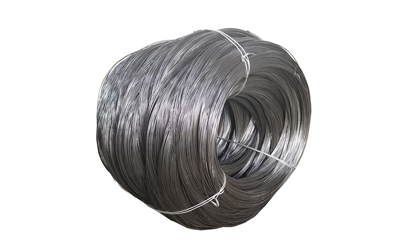
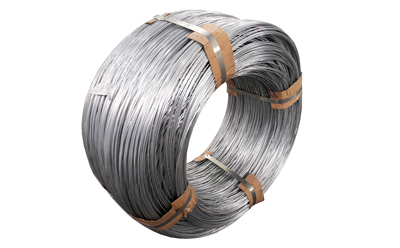
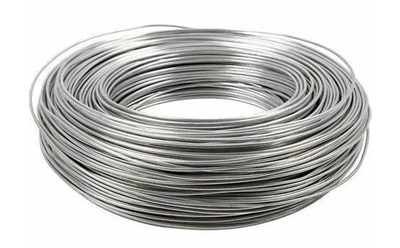
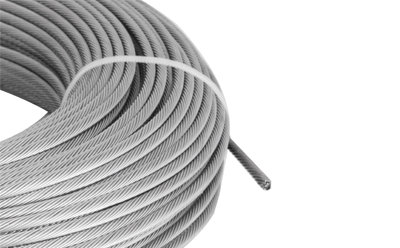
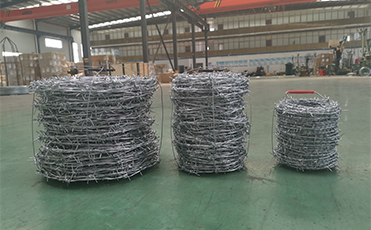

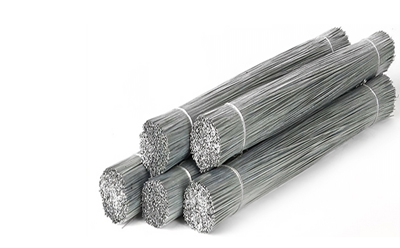
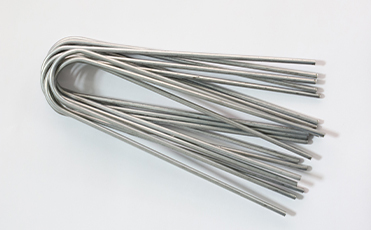
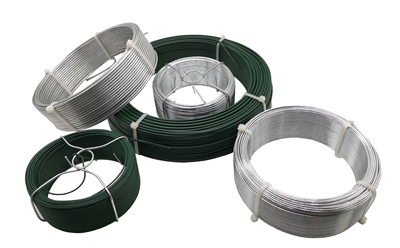
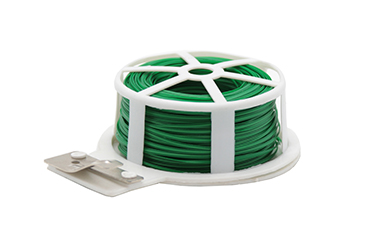

























Aluminum wire has become an important material in various industries due to its lightweight structure, excellent corrosion resistance, and flexible processing characteristics. From electrical applications and industrial manufacturing to handicrafts and decoration projects, wire aluminium provides a reliable solution for customers who need a combination of strength, flexibility, and cost efficiency.
Compared with copper wire, aluminum wire offers a lower density, making it much lighter while still maintaining good electrical conductivity. This lightweight feature makes wire aluminium widely used in applications where reducing weight is important, such as electrical systems, automotive components, aerospace equipment, and construction materials.
One of the most important advantages of aluminum wire is its natural resistance to corrosion. Aluminum forms a protective oxide layer on its surface, helping prevent further oxidation and improving durability in outdoor environments. This makes aluminum wire suitable for long-term use in applications exposed to humidity, temperature changes, and harsh weather conditions.
Different industries require different types of aluminum wire based on thickness, flexibility, and mechanical performance. For precision work and detailed shaping, thin aluminum wire and thin aluminium wire are commonly selected because they are lightweight, easy to bend, and suitable for creating complex designs.
Thin aluminum wire is frequently used in electrical connections, jewelry making, craft projects, model construction, and decorative applications. Its small diameter allows users to easily twist, wrap, and shape the wire according to specific requirements. Despite its thin structure, high-quality aluminum wire maintains good strength and reliability.
For applications requiring stronger support and higher load capacity, thick aluminum wire and thick aluminium wire provide better structural performance. These wires are designed to withstand greater mechanical stress while maintaining the advantages of aluminum, including lightweight characteristics and corrosion resistance.
The combination of flexibility, durability, and affordability makes aluminum wire a popular choice across multiple industries. Whether used for industrial production or creative projects, aluminum wire products provide excellent performance and versatility.

The flexibility of aluminum wire makes it suitable for a wide range of applications. Among different types, thin aluminium wire is especially popular in areas that require precision, easy handling, and detailed shaping.
In electrical and electronic industries, thin aluminum wire is often used for internal connections, winding applications, and lightweight conductive components. Its good electrical conductivity and low weight make it a practical alternative in many applications where reducing overall system weight is important.
The craft and decoration industries also rely heavily on flexible aluminum wire. Artists, designers, and hobbyists often choose soft aluminum wire because it can be easily bent by hand without requiring special tools. This feature allows creators to produce sculptures, ornaments, flower arrangements, jewelry designs, and handmade decorations.
Unlike harder metal wires, soft aluminum wire provides excellent flexibility while maintaining enough strength to hold its shape. It is commonly available in different colors, sizes, and surface finishes, making it suitable for both professional and DIY creative projects.
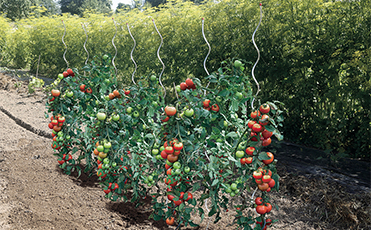
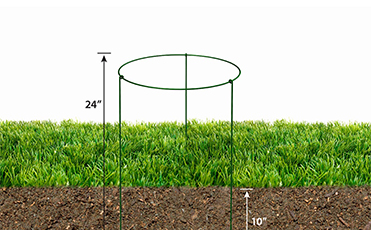
In gardening and landscaping, soft aluminum wire is used for plant support, tree training, and decorative structures. Gardeners prefer aluminum wire because it is lightweight, rust-resistant, and gentle on plants. The flexibility allows users to adjust the wire as plants grow, providing stable support without damaging branches.
The automotive and manufacturing industries also use thin aluminum wire for lightweight component production. As manufacturers continue to focus on energy efficiency and weight reduction, aluminum materials are becoming increasingly important in modern product designs.
For temporary structures, packaging solutions, and industrial tying applications, aluminum wire offers a convenient and reusable option. Its ability to resist corrosion ensures reliable performance even in outdoor environments.
Another important application is in arts and educational projects. Schools and training programs often use thin aluminium wire because it is safe, easy to manipulate, and suitable for teaching basic modeling and creative design techniques.
Overall, the flexibility and versatility of soft aluminum wire and thin aluminum wire make them valuable materials for both industrial and creative applications.
While thin aluminum wire is ideal for precision work, thicker aluminum products are designed for applications requiring increased strength and durability. Thick aluminum wire and thick aluminium wire are commonly used in structural support, industrial manufacturing, construction, and large-scale craft projects.
The larger diameter of thick aluminum wire provides enhanced strength and better resistance to bending pressure. This makes it suitable for applications where the wire needs to maintain its shape under greater stress. Industries such as construction, manufacturing, and engineering often use thick aluminum wire for frames, supports, and customized components.
In creative industries, thick bendable craft wire has become a popular material for artists and designers who need a strong yet flexible medium. Unlike rigid metal rods, thick bendable craft wire can be shaped into different forms while maintaining structural stability.
Artists use thick bendable craft wire for making large sculptures, display structures, decorative models, and handmade artwork. Its balance between flexibility and strength allows creators to build complex three-dimensional designs without additional support materials.
For professional craftspeople, choosing the correct wire thickness is essential. Thin wires are suitable for detailed decoration, while thick aluminium wire is better for projects requiring stronger frameworks. The right wire selection can improve both the appearance and durability of the final product.
In industrial applications, thick aluminum wire provides advantages such as low weight, corrosion resistance, and easy processing. Compared with heavier metal materials, aluminum helps reduce transportation costs and improve production efficiency.
When selecting aluminum wire products, users should consider factors such as diameter, hardness, flexibility, surface treatment, and intended application. For electrical projects, conductivity and safety are key considerations. For crafts and modeling, flexibility and shape retention are more important.
Whether customers need thin aluminium wire for detailed work or thick aluminum wire for structural applications, aluminum wire products offer reliable solutions for different requirements.
In conclusion, wire aluminium has become an essential material due to its excellent combination of lightweight performance, corrosion resistance, flexibility, and durability. From soft aluminum wire used in creative designs to thick bendable craft wire used for stronger structures, aluminum wire continues to support innovation across various industries. With ongoing development in manufacturing technology, aluminum wire products will remain a valuable choice for electrical, industrial, construction, and artistic applications worldwide.



Copyright © 2026 Hebei Minmetals Co., Ltd. All Rights Reserved. Sitemap | Privacy Policy | Menu