





























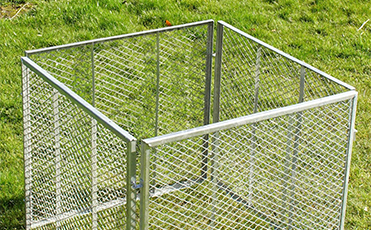
Composting is an essential practice for gardeners and environmentally conscious homeowners. It transforms kitchen scraps, garden waste, and leaves into nutrient-rich soil that can enrich gardens, reduce waste, and promote sustainable living. Among the various composting methods, wire-based solutions have gained popularity due to their simplicity, durability, and efficiency. Wire composter systems, including mesh and chicken wire designs, provide excellent airflow and structural support for successful decomposition. This article explores the benefits, types, and applications of wire composters, helping gardeners choose the right solution for their needs.
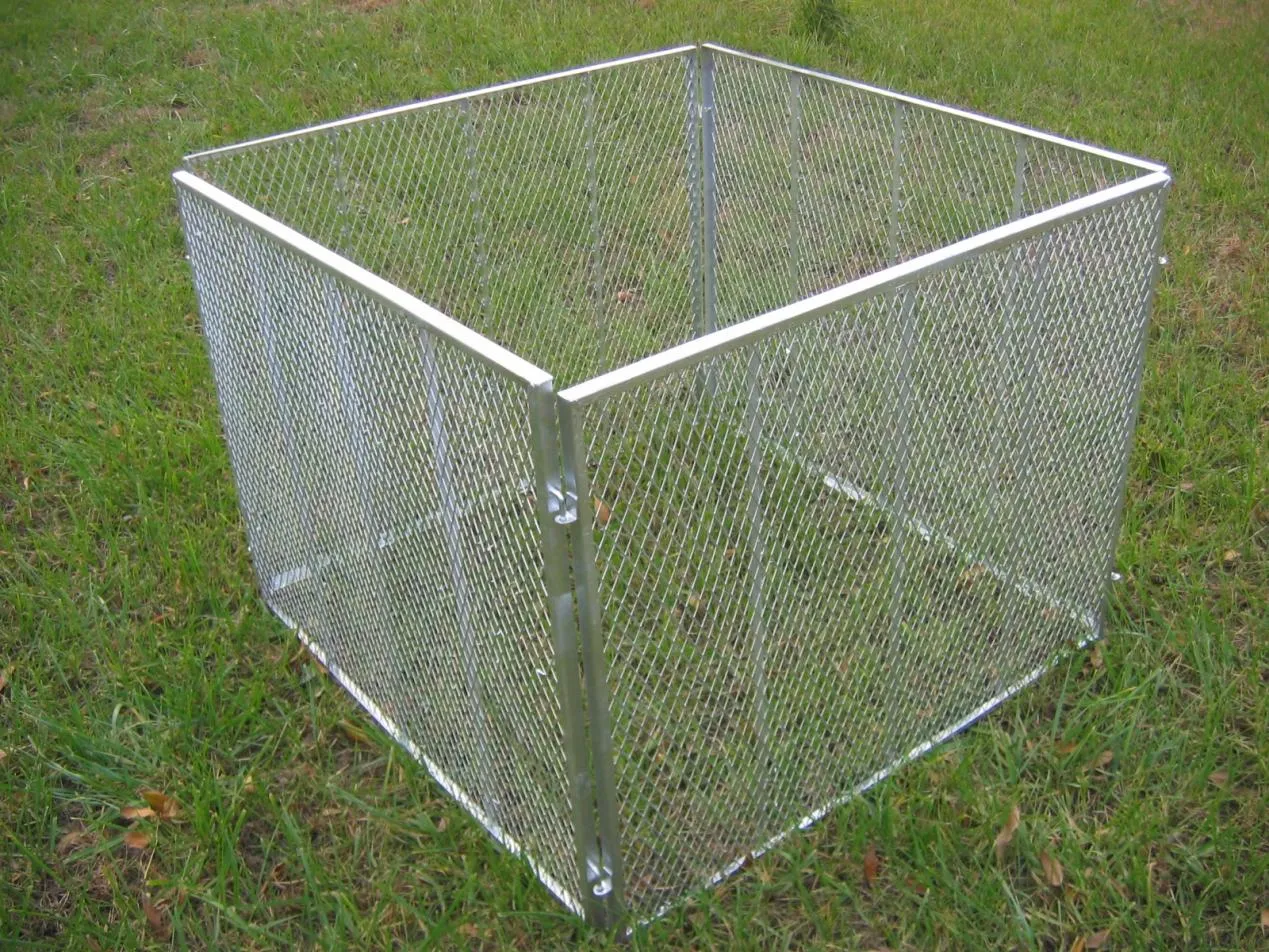
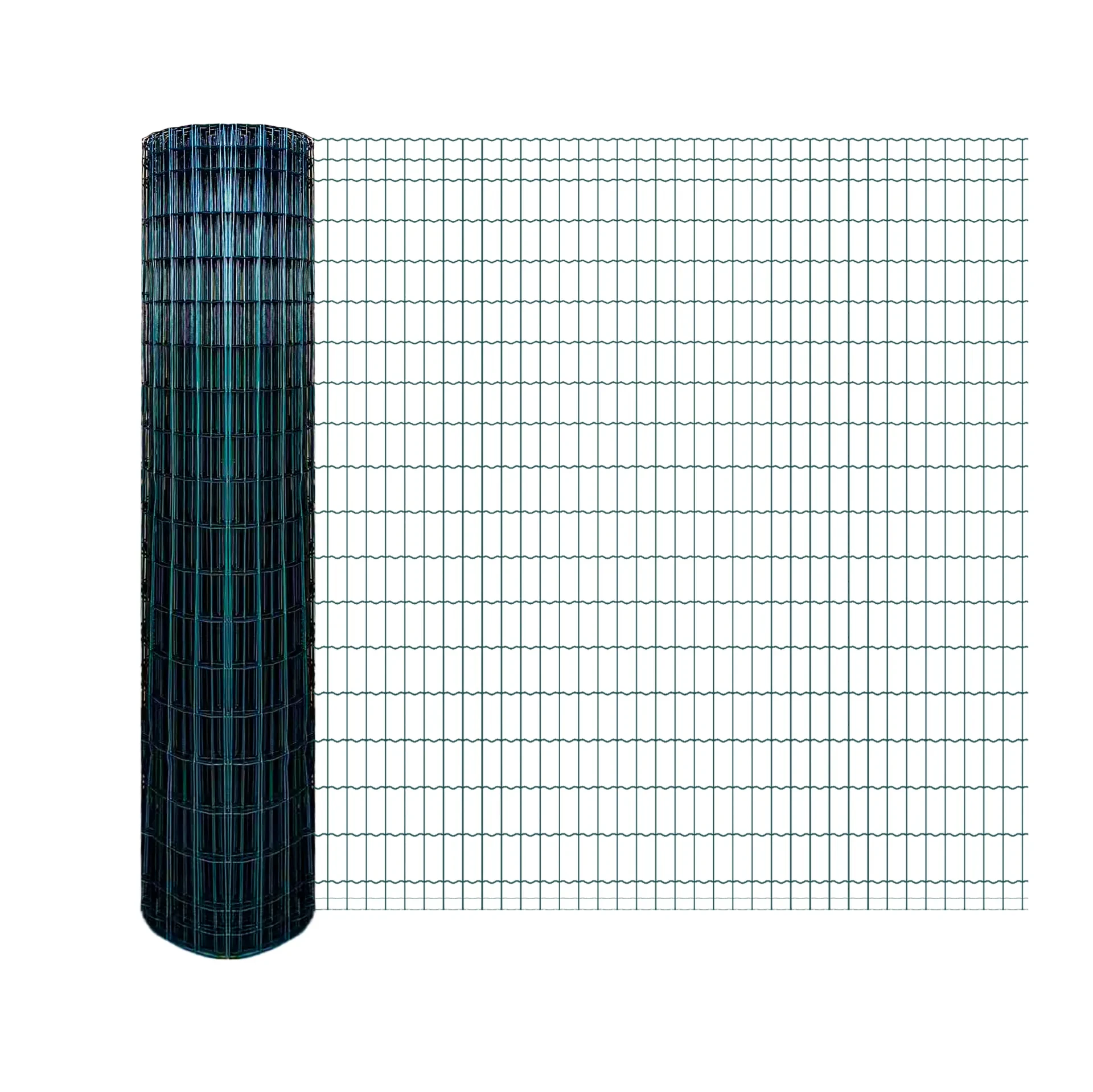
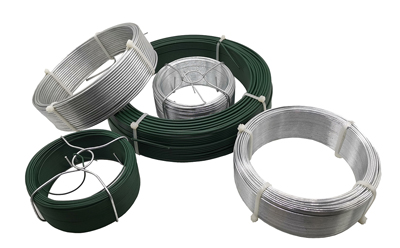
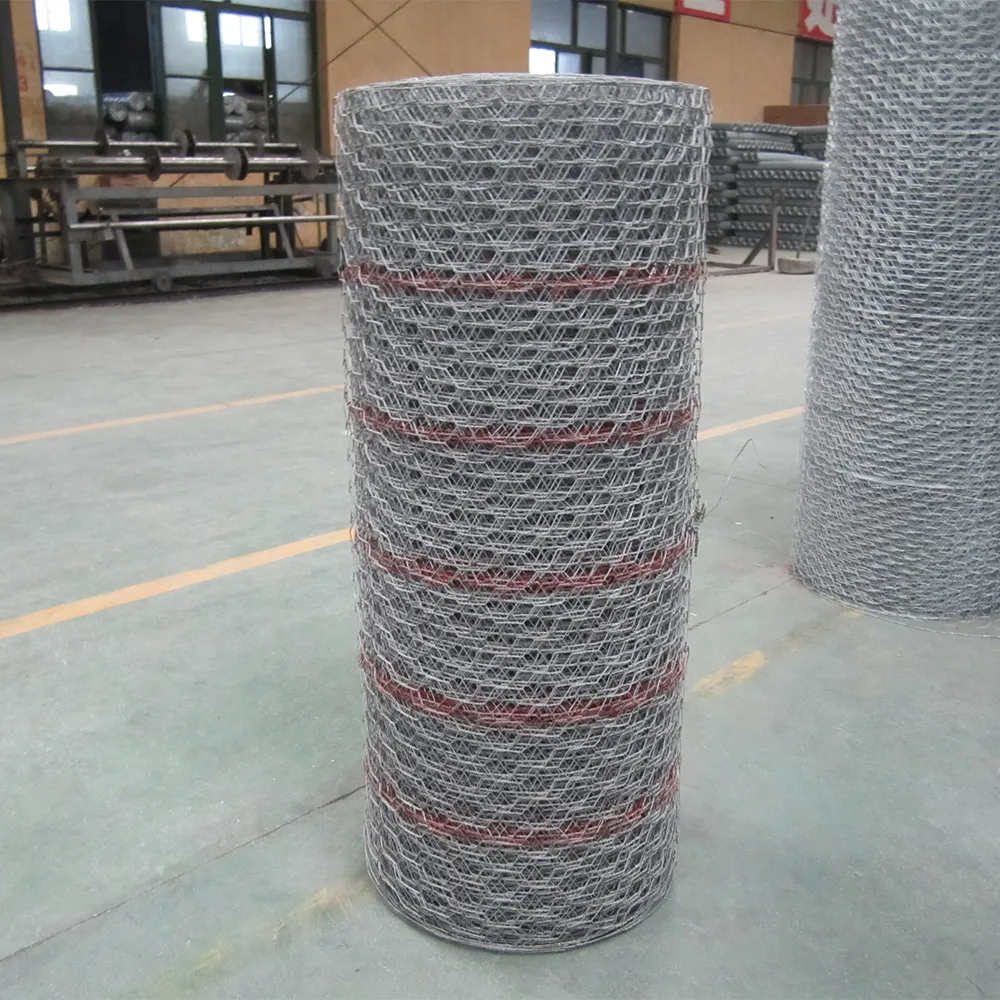
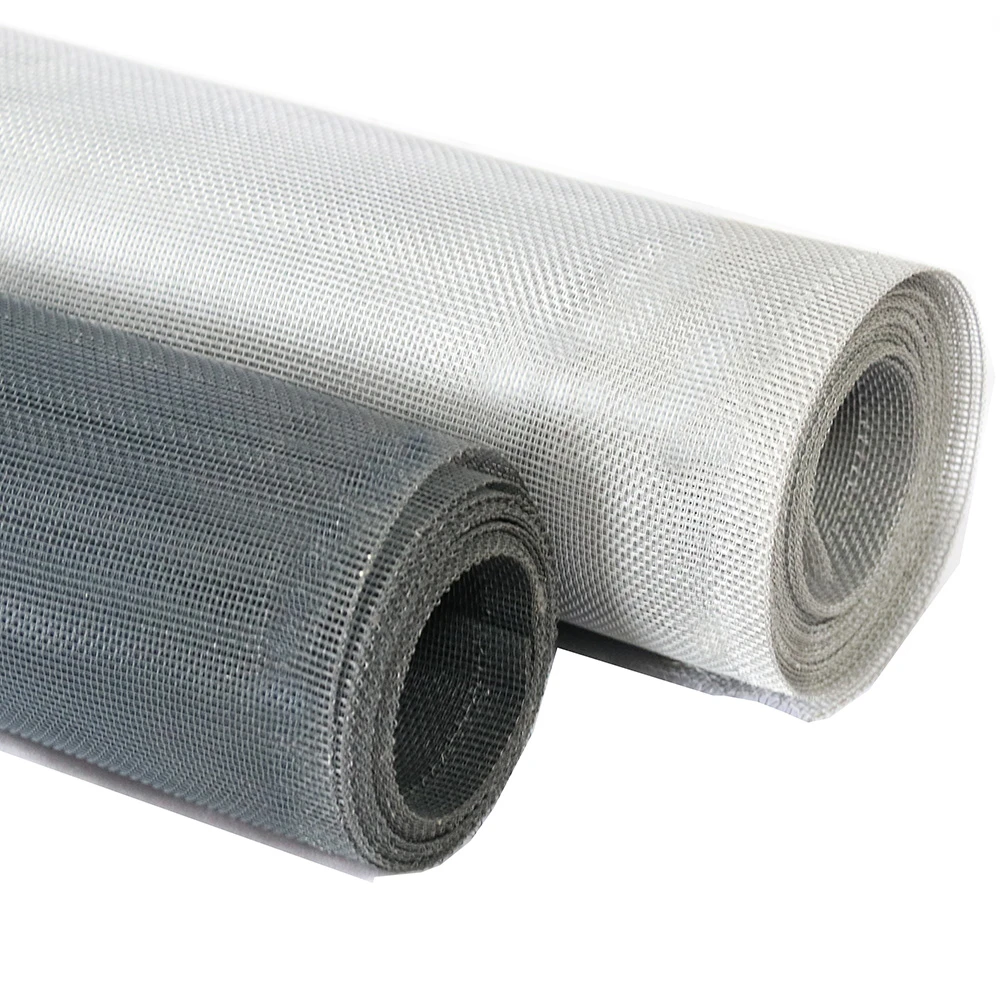
A wire composter is a cylindrical or rectangular enclosure made from sturdy wire, typically galvanized steel, coated metal, or chicken wire. The wire structure allows for excellent ventilation, which is critical for aerobic composting. Adequate airflow prevents odors, accelerates decomposition, and maintains a healthy balance of moisture and oxygen for microbial activity.
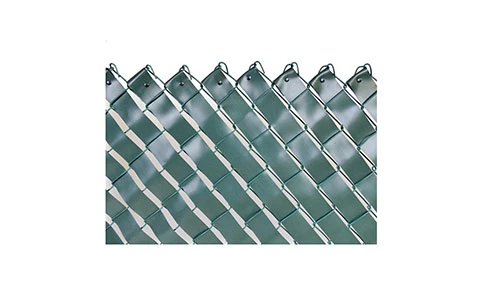
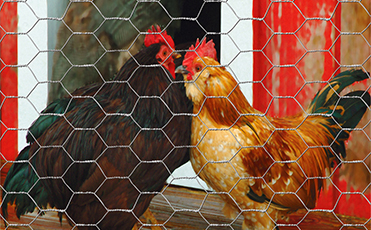
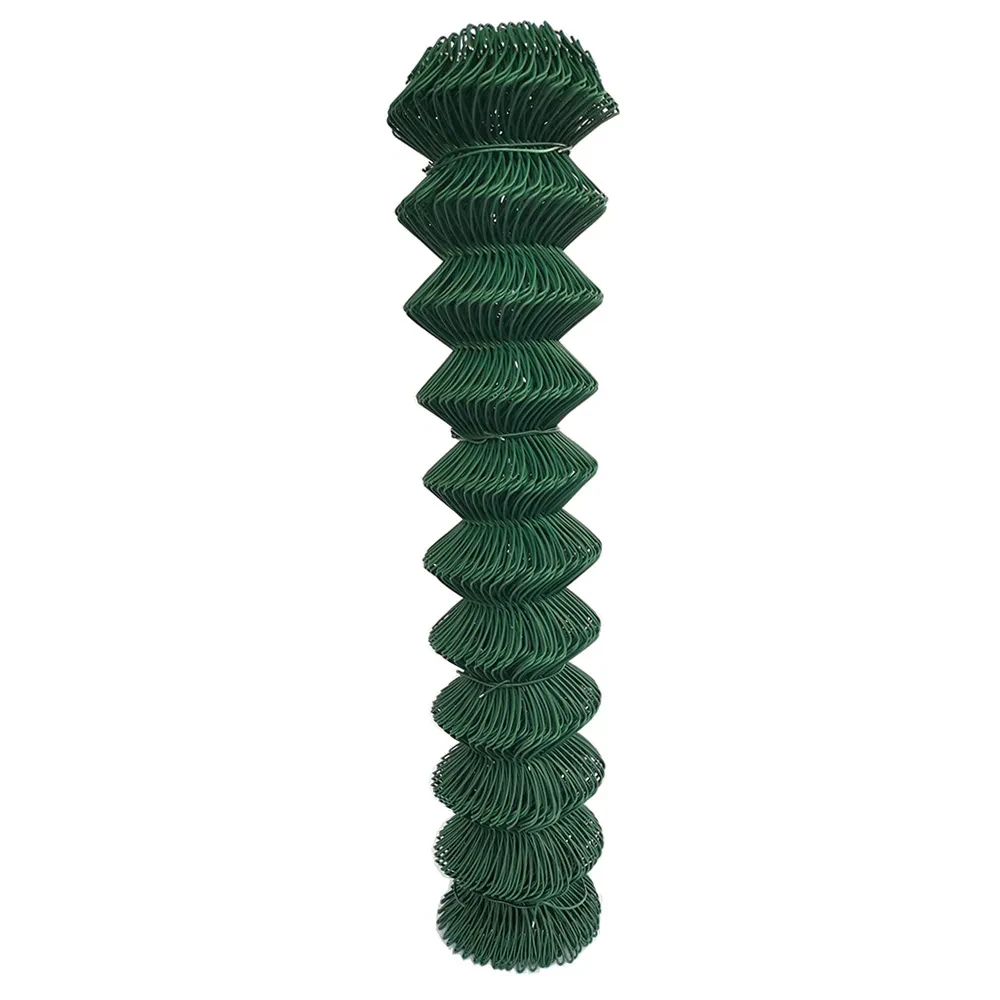
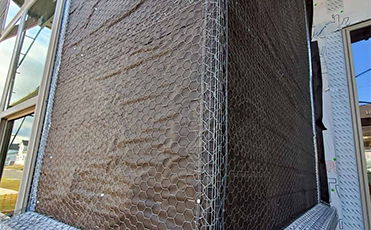
Chicken wire compost is a popular variant due to its flexibility and affordability. It can be shaped into cylinders, squares, or custom enclosures to fit available garden space. The open mesh design ensures that air can circulate freely while containing compostable materials. Chicken wire leaf compost is particularly effective for autumn leaf collection, as leaves can be loosely piled inside the mesh without compacting, allowing for faster breakdown.
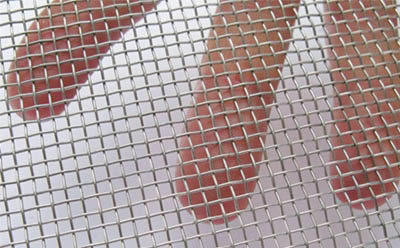
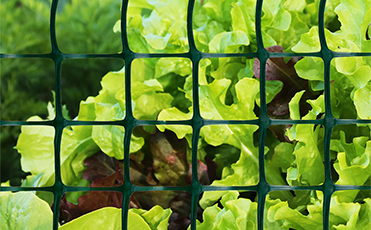
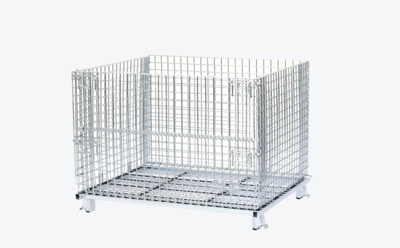
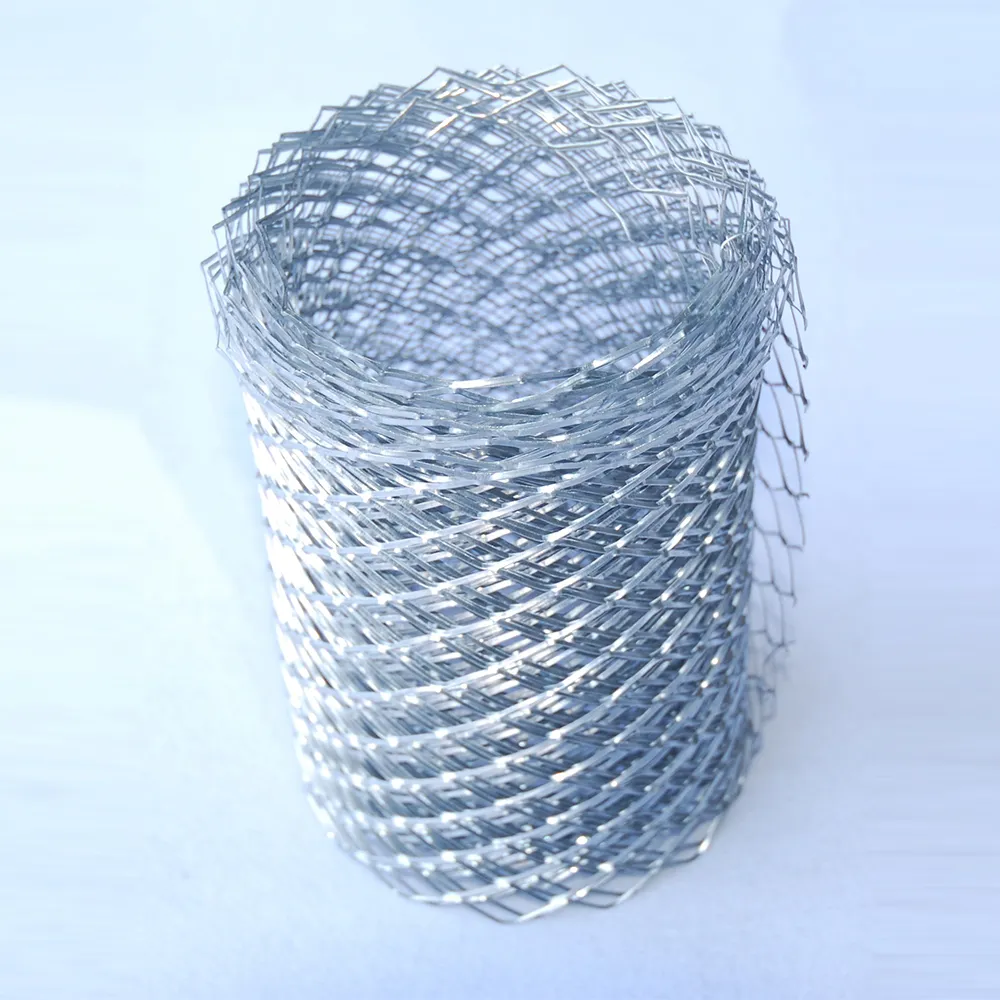
Another option is compost mesh, which may have a finer or more uniform structure than traditional chicken wire. This mesh reduces the loss of smaller compost materials while still allowing proper ventilation. Compost wire mesh and mesh composter systems are widely used for both residential and community gardens, providing a sturdy and reusable solution for long-term composting projects.
For gardeners focused on leaves and lightweight garden waste, a wire leaf composter is an ideal choice. Its design allows easy loading of fallen leaves and branches while maintaining sufficient airflow to prevent mold and anaerobic conditions.
Wire composters offer several advantages over other composting methods such as plastic bins or wooden structures:
Enhanced Aeration: The open wire structure ensures maximum airflow, which is essential for aerobic composting. Oxygen-rich conditions accelerate microbial activity, producing nutrient-rich compost more quickly.
Durability: Wire composters are resistant to weather, rot, and pests. Unlike wooden bins that can decay over time or plastic containers that may crack, wire composter systems are long-lasting and reusable for multiple seasons.
Flexibility and Size Adaptability: Many wire composters can be shaped or expanded to fit different garden spaces. Mesh composter designs can be folded or adjusted, making them ideal for small yards, allotments, or large community gardens.
Ease of Use: Loading, turning, and harvesting compost is simple with wire systems. The open design allows gardeners to insert garden forks or hands to aerate materials and remove finished compost easily.
Cost-Effective: Compared to custom-built wooden bins or commercial plastic composters, chicken wire and mesh systems are affordable, easy to assemble, and require minimal maintenance.
Wire composters are versatile and can handle a variety of organic materials. Chicken wire compost works well for kitchen scraps, garden clippings, and yard debris. When composting leaves, chicken wire leaf compost setups allow for loose piling, which prevents compaction and promotes faster decomposition.
To optimize the composting process:
Balance Green and Brown Materials: Mix nitrogen-rich "green" materials such as vegetable scraps with carbon-rich "brown" materials such as leaves or shredded cardboard. A balanced ratio prevents odors and ensures efficient breakdown.
Maintain Moisture: Compost should be damp but not soggy. Wire composters allow excess water to drain while retaining enough moisture for microbes.
Turn Regularly: Aerate the compost every few weeks to maintain airflow and prevent anaerobic conditions. Wire composters make turning easier as the open mesh allows forks or tools to reach the center.
Protect from Wildlife: While wire structures keep compost contained, securing the top with extra mesh or placing heavier items on the lid can prevent animals from scavenging.
Compost mesh and compost wire mesh systems are especially suitable for community gardens or larger composting projects. They can be expanded or linked together to create multiple composting units, ensuring continuous decomposition and efficient waste management.
For seasonal leaf collection, a wire leaf composter is ideal. Leaves can be added in layers, optionally mixed with green waste, and left to break down naturally over time. Using a wire enclosure prevents leaves from blowing away while maintaining airflow for aerobic decomposition.
Wire composters provide a practical, durable, and efficient solution for gardeners looking to recycle organic waste into nutrient-rich soil. Whether using a wire composter, chicken wire compost, compost mesh, or a wire leaf composter, these systems ensure proper aeration, ease of use, and long-term durability. From small backyard gardens to larger community composting initiatives, wire-based composters make sustainable gardening accessible and effective.
By selecting the appropriate compost wire mesh system and following best practices, gardeners can reduce waste, improve soil health, and enjoy a sustainable and productive gardening experience for years to come.



Copyright © 2026 Hebei Minmetals Co., Ltd. All Rights Reserved. Sitemap | Privacy Policy | Menu