

























































Traveling with pets has become increasingly common as more families consider their dogs, cats, and other companion animals important members of their households. Whether preparing for a road trip, visiting friends, going camping, or arranging transportation over long distances, pet owners need reliable products that provide safety, comfort, and convenience. Choosing the right travel enclosure can make every journey easier for both pets and their owners.
Modern pet travel products come in a variety of sizes, materials, and designs. From durable hard-sided kennels to lightweight fabric enclosures, different options meet different transportation and accommodation needs. Understanding the advantages of each type helps buyers select a suitable solution for their pets. High-quality travel crates should provide adequate ventilation, secure closures, sufficient interior space, and easy handling.
For pet product distributors, retailers, wholesalers, and international buyers, offering a comprehensive range of travel enclosures can also help meet the growing demand for practical pet accessories. Products designed for everyday transportation, temporary containment, and long-distance shipping serve different customer groups and market segments.

Selecting an appropriate travel enclosure starts with understanding how different products are designed and where they work best. Size, construction, portability, and intended use are essential considerations when comparing available options.
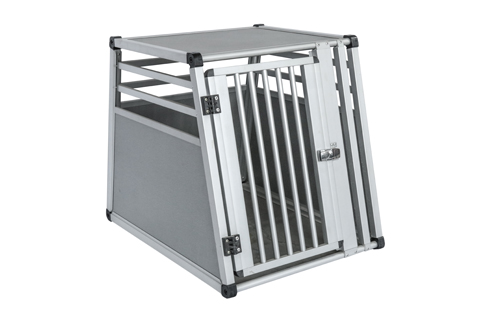
A pet kennel travel solution is designed to help owners transport their animals in a controlled and comfortable environment. These products may be used during car journeys, outdoor activities, visits to veterinary clinics, and other everyday situations. Depending on the design, a travel kennel may feature a rigid shell, carrying handles, ventilation openings, or a foldable structure. Buyers should choose a model that matches their animal's size and the planned method of transportation.
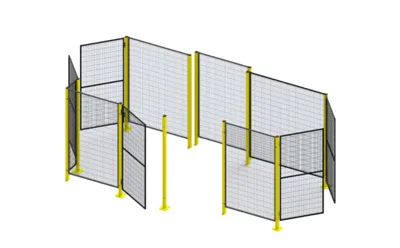
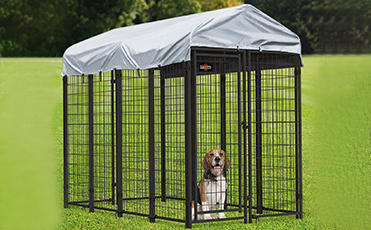
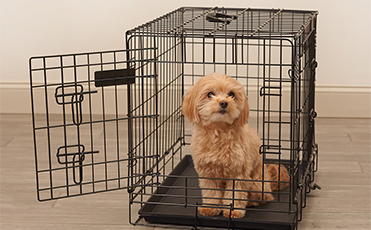
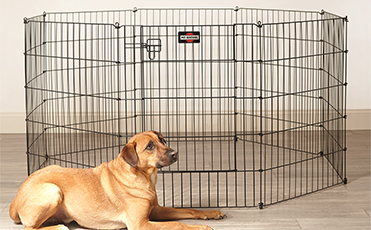
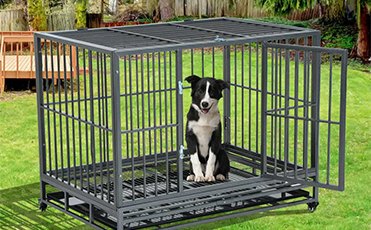
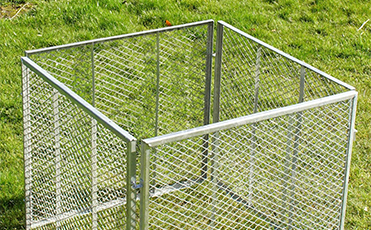
A pet portable cage offers a convenient option for owners who need a temporary enclosure that can be moved between locations. Portable cages are available in different materials, including metal, plastic, and fabric-supported structures. Metal cages may provide a sturdy framework for home or temporary use, while lightweight alternatives are easier to carry and store. The best choice depends on the pet's behavior, the required level of containment, and the environment in which the cage will be used.
A pet portable crate is another practical option for households that travel frequently. Many models are designed with convenient access doors, collapsible frames, and easy-to-clean surfaces. Some can be used at home as a familiar resting space before being taken on a trip. Helping pets become comfortable with their crates before traveling can reduce unfamiliarity and make transportation less stressful.
For customers who prefer flexible designs, a portable animal crate can provide a useful solution for transporting different types of companion animals. However, not every crate is appropriate for every species. Buyers should check the recommended animal type, weight capacity, dimensions, ventilation, and construction before purchasing.
When comparing these products, it is important to consider more than appearance. A well-designed crate should allow the animal to stand, turn around, and lie down comfortably when required by the intended use. Smooth edges, reliable fasteners, stable construction, and appropriately sized ventilation openings can all contribute to a better user experience.
Portability is one of the most important features for people who frequently take their pets outside the home. A suitable carrier should balance convenience with stability, comfort, and the level of protection required for the journey.
A portable pet crate carrier is particularly useful for routine transportation, short outings, and situations in which the owner needs to move a pet between locations. Depending on the model, it may include padded handles, shoulder straps, multiple access points, or foldable components. Lightweight designs are convenient for everyday use, but buyers should also consider the carrier's structural strength and whether its closures remain secure when the pet moves.
For cats and smaller dogs, soft-sided carriers can be attractive because they are generally lightweight and easy to store. A portable soft crate typically uses fabric panels supported by a frame, allowing the product to be assembled and folded when needed. Mesh windows can improve airflow and visibility, while zippered entrances provide convenient access. These features make soft crates suitable for many indoor environments, temporary resting areas, and selected forms of ground transportation.
A portable soft pet crate can also serve as a familiar resting space when visiting relatives, staying in pet-friendly accommodation, or attending outdoor events. Some models feature removable floor mats, reinforced corners, and carrying bags to improve convenience. However, soft-sided products are not ideal for every animal. Pets that chew fabric, scratch aggressively, or attempt to escape may require a more robust enclosure.
Before purchasing a soft crate, buyers should evaluate fabric durability, frame stability, zipper quality, seam construction, and ventilation. The base should support the animal's weight without sagging excessively, and the enclosure should be easy to clean after everyday use. A foldable design is especially useful for households with limited storage space.
Dimensions are equally important. A crate that is too small can restrict movement, while an excessively large carrier may be difficult to secure during transportation. Buyers should measure their pets carefully and follow the manufacturer's sizing recommendations. Weight limits should also be checked rather than estimated from the product's exterior dimensions.
Transportation requirements deserve special attention. A soft crate intended for indoor use should not automatically be assumed suitable for vehicle travel or air transportation. For car journeys, the restraint system and carrier must be appropriate for the vehicle and animal. For air travel, requirements vary by airline, route, and transport method. Customers should verify the applicable rules before departure instead of relying solely on a product's general travel label.
Ease of maintenance is another valuable feature. Removable covers, washable mats, water-resistant materials, and accessible interior surfaces can help keep crates clean. For retailers and distributors, these practical characteristics are useful selling points because they address common customer concerns about hygiene, storage, and repeated use.
Long-distance animal transportation requires a different level of preparation from an ordinary trip to the park. Buyers arranging transportation for pets should carefully distinguish everyday carriers from products specifically designed and approved for shipping.
Pet shipping kennels are intended for situations in which animals must be transported over longer distances or through specialized logistics networks. Depending on the transport method, these kennels may feature rigid construction, reinforced doors, secure locking mechanisms, ventilation on multiple sides, and sufficient internal space. The design should be suitable for the animal's species, size, temperament, and expected journey conditions.
When selecting a shipping kennel, buyers should confirm the requirements of the transportation provider before placing an order. Airline and cargo operators may specify construction materials, ventilation arrangements, door security, container dimensions, water provisions, and other requirements. Compliance depends on the specific carrier and applicable regulations, so a product should not be considered universally approved for air travel merely because it is marketed as a shipping kennel.
Safety should remain the primary consideration throughout the selection process. The enclosure must be strong enough for its intended application, with secure closures that cannot be easily opened by the animal. Ventilation should provide adequate airflow without creating openings that could allow escape or cause injury. The interior should also be free from sharp edges, exposed fasteners, and other hazards.
Pet owners should introduce their animals to the kennel gradually before travel. Allowing pets to explore the enclosure, rest inside it, and become familiar with its surroundings may help reduce anxiety. For longer journeys, owners should plan for appropriate hydration, feeding, temperature management, and rest according to the animal's needs and the transportation provider's instructions.
From a commercial perspective, offering several crate styles allows pet product businesses to serve a broader customer base. Retailers may focus on lightweight carriers and foldable soft crates for everyday consumers, while wholesalers and distributors may seek rigid kennels and specialized shipping solutions for professional customers.
Product differentiation can be achieved through size ranges, color options, fabric choices, frame materials, door configurations, and accessory combinations. Retailers may also benefit from stocking replacement mats, carrying bags, cleaning accessories, and other complementary products. Clear product descriptions, accurate dimensions, transparent weight limits, and detailed usage guidance can help customers make informed purchasing decisions.
For international buyers, supplier evaluation should include product consistency, quality inspection procedures, packaging design, production capacity, and communication efficiency. Requesting samples before a large order can help buyers assess material quality, assembly, durability, and practical usability. Packaging should protect the product during transportation while making storage and handling more efficient.
A well-planned product range can combine everyday carriers, foldable enclosures, and specialized transport kennels without treating them as interchangeable products. Each category serves a distinct purpose, and clear product positioning helps customers identify the most appropriate option.
In conclusion, selecting the right pet travel enclosure requires careful consideration of animal size, travel conditions, construction quality, portability, and safety. A pet kennel travel product may suit routine journeys, a portable pet crate carrier can offer convenience for everyday transportation, and pet shipping kennels may be necessary for approved long-distance shipping applications. By understanding these differences and prioritizing quality, comfort, and suitable product specifications, pet owners and professional buyers can make better purchasing decisions and provide more reliable travel solutions for companion animals.
Copyright © 2026 河北明迈特科技集团有限公司 All Rights Reserved. Sitemap | 隐私政策 | Menu