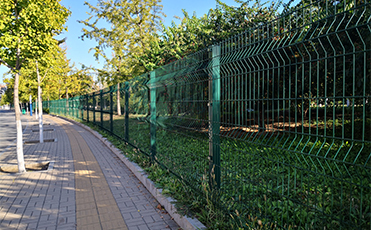
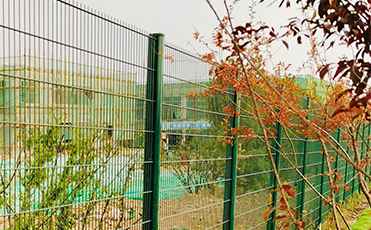
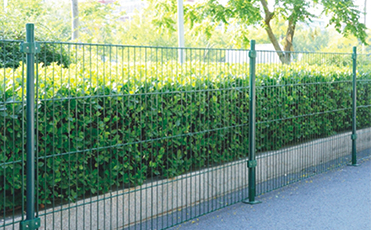
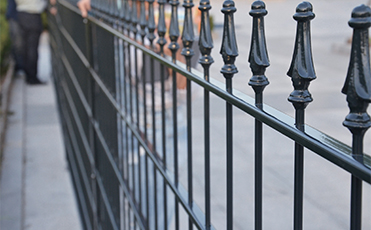
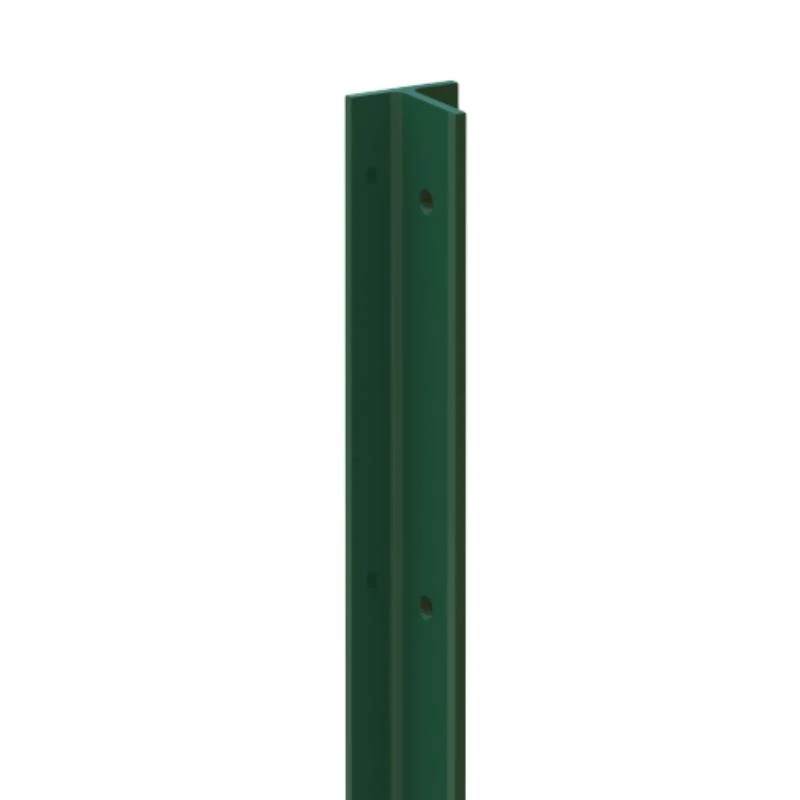
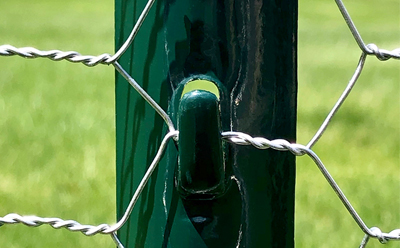
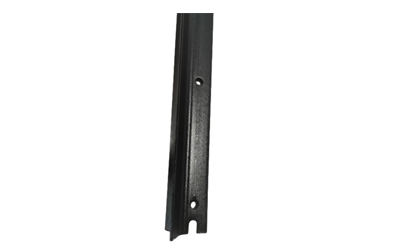
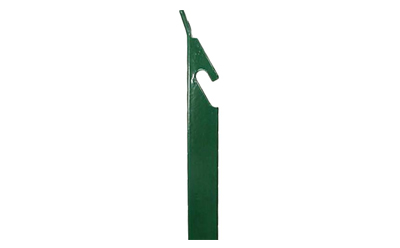
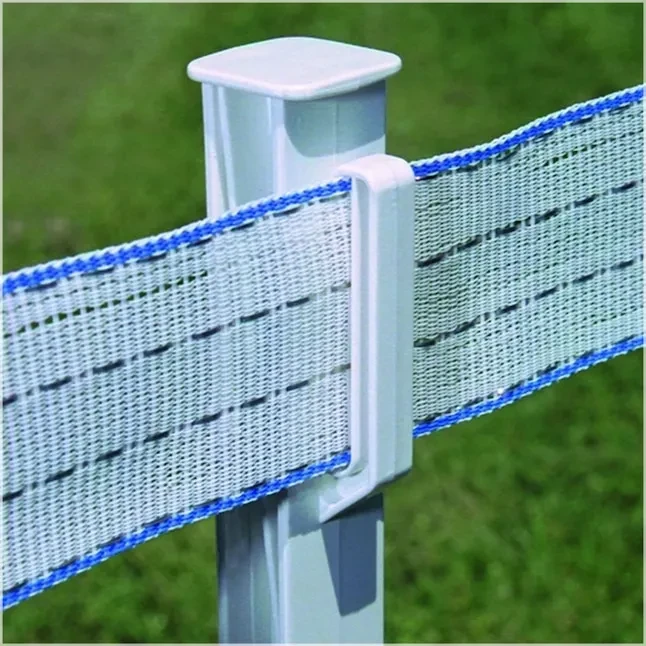
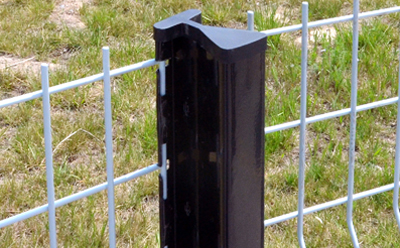
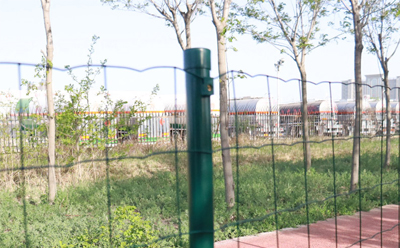
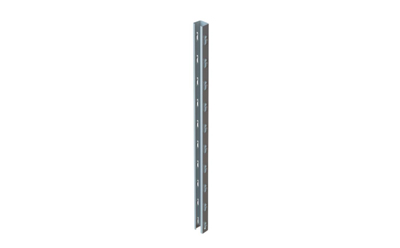
Tomato plant trellis—including sturdy tomato trellis models and versatile 番茄篱笆 designs—plays a pivotal role in supporting tomato growth, maximizing garden space, and boosting yields. Choosing the right height for a 番茄植物棚架 is not a one-size-fits-all decision: it depends on tomato variety, growing conditions, and garden goals. Too short, and vines will sprawl on the ground (attracting pests and rotting fruit); too tall, and maintenance becomes cumbersome. For wholesalers serving home gardeners, commercial farms, or nursery centers, partnering with a manufacturer that offers height-adjustable, durable trellis solutions is essential. Hebei Minmetals Co., Ltd., a distinguished joint-stock group enterprise based in Shijiazhuang (specializing in wholesale wire mesh, panel fences, and garden supports), excels in this space: their tomato trellis 和 番茄篱笆 products feature heavy-gauge metal construction, rust-resistant coating, and flexible height options, ensuring they meet diverse tomato-growing needs. Their commitment to quality makes them a trusted bulk partner for wholesalers seeking reliable garden support solutions.
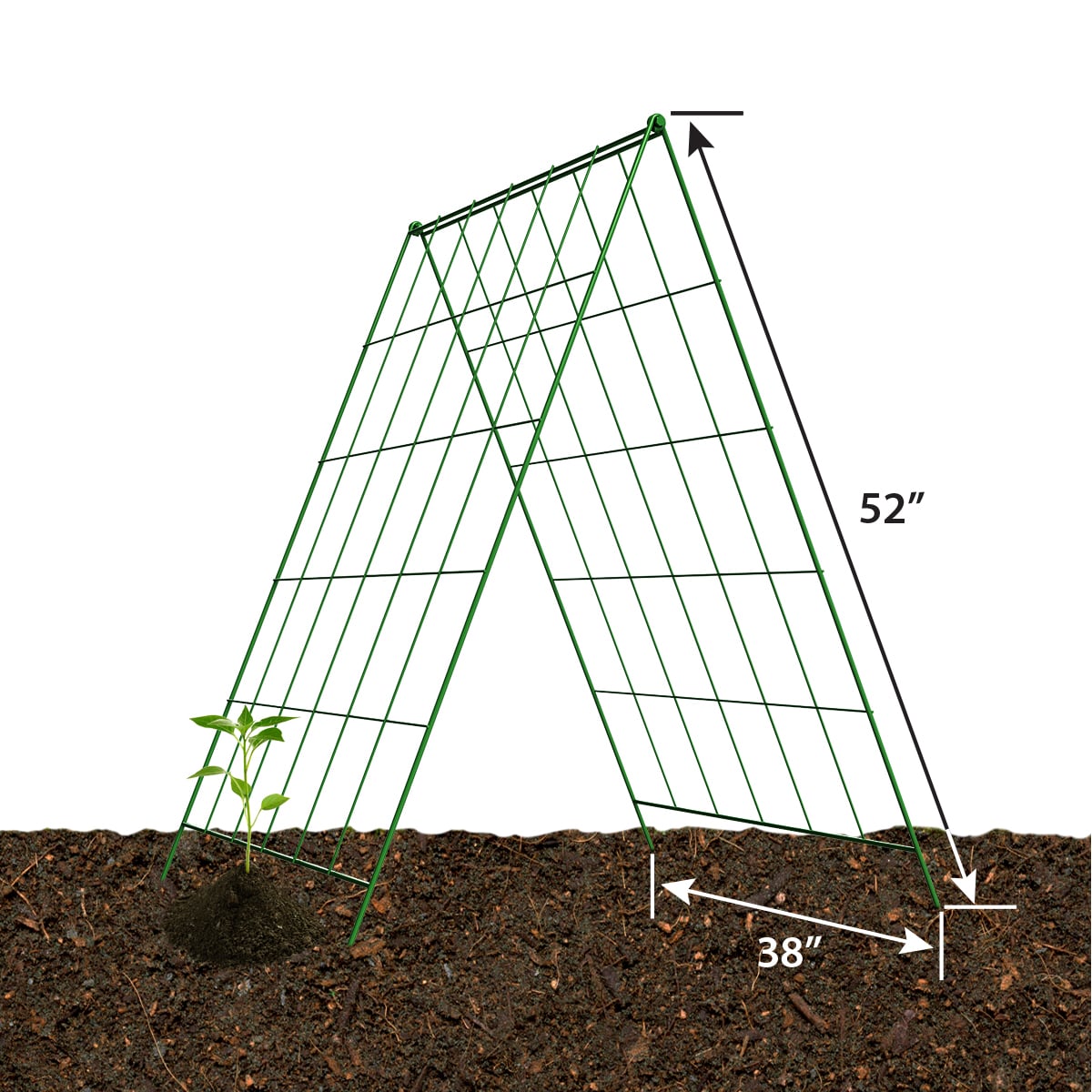
Key Factors Determining Tomato Plant Trellis Height
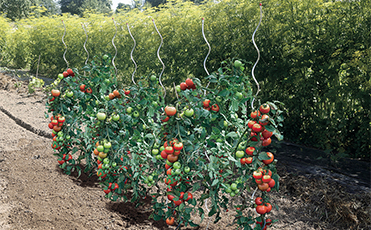
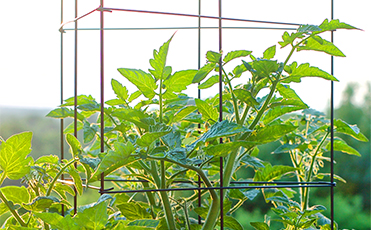
- Tomato Variety Growth Habits for Tomato Trellis: The primary factor shaping 番茄植物棚架 height is the tomato variety’s natural growth habit. Determinate tomatoes (bush varieties) grow 2–3 feet tall and stop, while indeterminate tomatoes (vining varieties) can reach 6–10 feet if supported. Hebei Minmetals’ tomato trellis line caters to both: a 3–4 foot 番茄篱笆 works for determinates (like Roma or San Marzano), preventing overcrowding without wasting material; a 6–8 foot tomato trellis supports indeterminates (like Beefsteak or Brandywine), letting vines grow vertically to capture sunlight. For example, a commercial farm growing indeterminate tomatoes will benefit from an 8-foot 番茄植物棚架, as it reduces fruit rot (by keeping vines off the ground) and makes harvesting easier. This variety-specific design ensures wholesalers can offer targeted solutions to clients, rather than generic one-height trellises.
- Garden Space and Maintenance Access for Tomato Fence: Garden size and maintenance needs also influence 番茄植物棚架 Small urban gardens or container tomato plants may require shorter trellises (3–4 feet) to fit limited vertical space, while large backyard or farm gardens can accommodate taller structures (6–8 feet). Hebei Minmetals’ 番茄篱笆 models include adjustable components—extendable posts or modular panels—that let users tweak height based on space. A 4-foot 番茄篱笆 in a balcony container garden keeps vines manageable, while the same fence can be extended to 6 feet in a backyard bed. Additionally, trellis height should allow easy access for pruning, tying vines, and harvesting: an 8-foot tomato trellis with a stepable base (for farms) or a 6-foot model (for home gardeners) ensures users don’t need ladders to reach the top. This practicality is a key selling point for wholesalers targeting busy gardeners.
Ideal Height Ranges for Different Tomato Plant Trellis Types
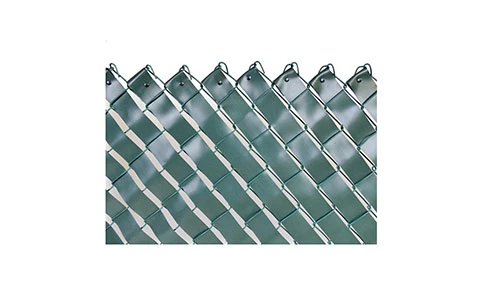
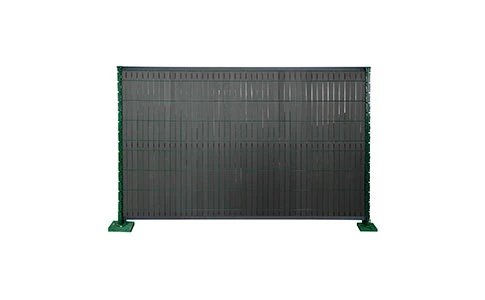
- Fixed Tomato Trellis Height for Determinate Varieties: Fixed tomato trellis models for determinate tomatoes thrive at 3–4 feet tall. Hebei Minmetals’ fixed 番茄植物棚架 uses thick wire mesh panels (1–2 inch spacing) attached to 4-foot metal posts, providing sturdy support for bush varieties. The height is tall enough to keep vines upright (preventing fruit contact with soil) but short enough that the plant’s natural growth habit won’t outgrow the trellis. For instance, a 3-foot tomato trellis for a container-grown determinate tomato keeps the plant compact, making it ideal for patios or small gardens. Fixed trellises are cost-effective for wholesalers to stock, as they require no assembly adjustments—perfect for clients who want a “set-it-and-forget-it” solution.
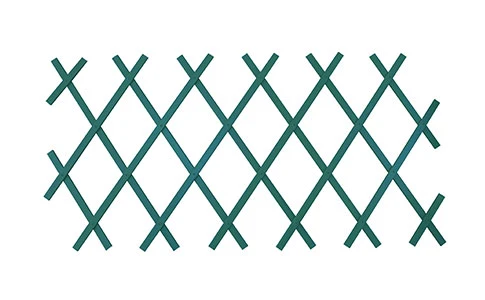
- Adjustable Tomato Fence Height for Indeterminate Varieties: Indeterminate tomatoes need adjustable 番茄篱笆 or trellis systems that grow with the plant—Hebei Minmetals offers models with height ranges of 4–8 feet. These systems use telescoping metal posts or add-on panels that let users extend the trellis as vines grow. In early summer, the 番茄篱笆 can be set to 4 feet; by mid-summer, as vines reach 6 feet, additional panels are added to extend it to 8 feet. This adaptability ensures the trellis always provides support, even as indeterminate tomatoes continue growing until frost. For a commercial farm with a mix of indeterminate varieties, adjustable 番茄植物棚架 eliminates the need to stock multiple heights, simplifying inventory and reducing costs.
Benefits of Proper Tomato Plant Trellis Height
- Improved Yield and Fruit Quality for Tomato Trellis: A properly sized 番茄植物棚架 boosts yield by 20–30% and improves fruit quality. When vines grow vertically on a well-heightened tomato trellis, leaves get more sunlight (enhancing photosynthesis), and fruit is exposed to air (reducing rot and fungal diseases). For example, an 8-foot tomato trellis for indeterminate Beefsteak tomatoes keeps fruit off the ground, lowering the risk of blossom end rot by 50% and increasing the number of ripe tomatoes per plant. Hebei Minmetals’ 番茄篱笆 models ensure even weight distribution, preventing branches from breaking under the load of heavy fruit—further protecting yield. This productivity gain is a major selling point for wholesalers targeting commercial farms or profit-focused gardeners.
- Space Optimization for Tomato Fence: Proper 番茄植物棚架 height maximizes garden space, a key benefit for small or crowded gardens. A 6-foot 番茄篱笆 lets gardeners grow tomatoes vertically, freeing up ground space for other crops (like lettuce or peppers). In a 4×8 foot garden bed, using 6-foot tomato trellis for indeterminate tomatoes allows 2–3 more plant varieties to be grown alongside, compared to letting tomatoes sprawl. Hebei Minmetals’ space-efficient 番茄篱笆 designs make this possible, as they take up minimal ground space while providing maximum vertical support. This space-saving feature appeals to wholesalers serving urban gardeners or those with limited growing areas.
Tomato Trellis FAQS
Can I Use a Tomato Fence for Other Climbing Vegetables?
Yes— Hebei Minmetals’ 番茄篱笆 is versatile enough for other climbing vegetables like cucumbers, beans, or peas. The ideal height for these crops depends on their growth habits: cucumbers (which grow 5–6 feet) work with a 6-foot 番茄篱笆, while pole beans (growing 8–10 feet) can use an adjustable tomato trellis extended to 10 feet. The fence’s wire mesh spacing (1–2 inches) provides perfect support for tendrils to climb, making it a multi-crop solution. Wholesalers can market 番茄篱笆 as a “universal climbing support,” increasing its appeal to clients with diverse gardens.
How Do I Install an Adjustable Tomato Plant Trellis?
Installing Hebei Minmetals’ adjustable 番茄植物棚架 is simple, even for beginners. First, drive the telescoping metal posts into the ground (2–3 feet deep for stability); then, attach the initial wire panel at the desired starting height (e.g., 4 feet for indeterminate tomatoes); as vines grow, add additional panels to extend the height (up to 8 feet). No special tools are needed—panels snap into posts, and posts have depth markers to ensure proper installation. Wholesalers can provide clients with step-by-step guides, making installation easy and reducing support requests.
What If My Tomato Plants Outgrow the Trellis?
If plants outgrow a fixed tomato trellis, Hebei Minmetals recommends using extension kits (available for their adjustable models) to add height. For a fixed 6-foot tomato trellis, attaching a 2-foot extension panel (with matching wire mesh) lets it accommodate vines up to 8 feet. Alternatively, gently tie excess vine growth to the top of the trellis using soft garden twine, avoiding tight knots that damage stems. For indeterminate varieties, regular pruning of the top 6–12 inches can also keep growth in check, ensuring plants don’t exceed trellis height.
Is a Taller Tomato Trellis Always Better for Indeterminate Varieties?
Not necessarily— while indeterminate tomatoes can grow tall, a 番茄植物棚架 taller than 10 feet becomes difficult to maintain. Harvesting, pruning, or tying vines at heights above 10 feet requires ladders, increasing the risk of injury and making daily care time-consuming. Hebei Minmetals recommends 6–8 feet as the ideal maximum height for most indeterminate varieties, as it balances growth potential with ease of maintenance. For very tall-growing varieties (like some heirlooms), using an 8-foot tomato trellis and pruning the top regularly is more practical than investing in an overly tall structure.
Can Tomato Trellis Height Affect Pest Resistance?
Yes— proper tomato trellis height reduces pest pressure. A 3–4 foot 番茄篱笆 for determinate tomatoes keeps fruit off the ground, lowering the risk of ground pests (like slugs, snails, or rodents) by 70%. Taller tomato trellis (6–8 feet) for indeterminates also makes it harder for pests like aphids or whiteflies to reach the top of the plant, slowing infestation spread. Hebei Minmetals’ tomato trellis design includes smooth wire edges that prevent pests from climbing easily, further enhancing pest resistance. This benefit adds value for wholesalers targeting organic gardeners or those looking to reduce pesticide use.