





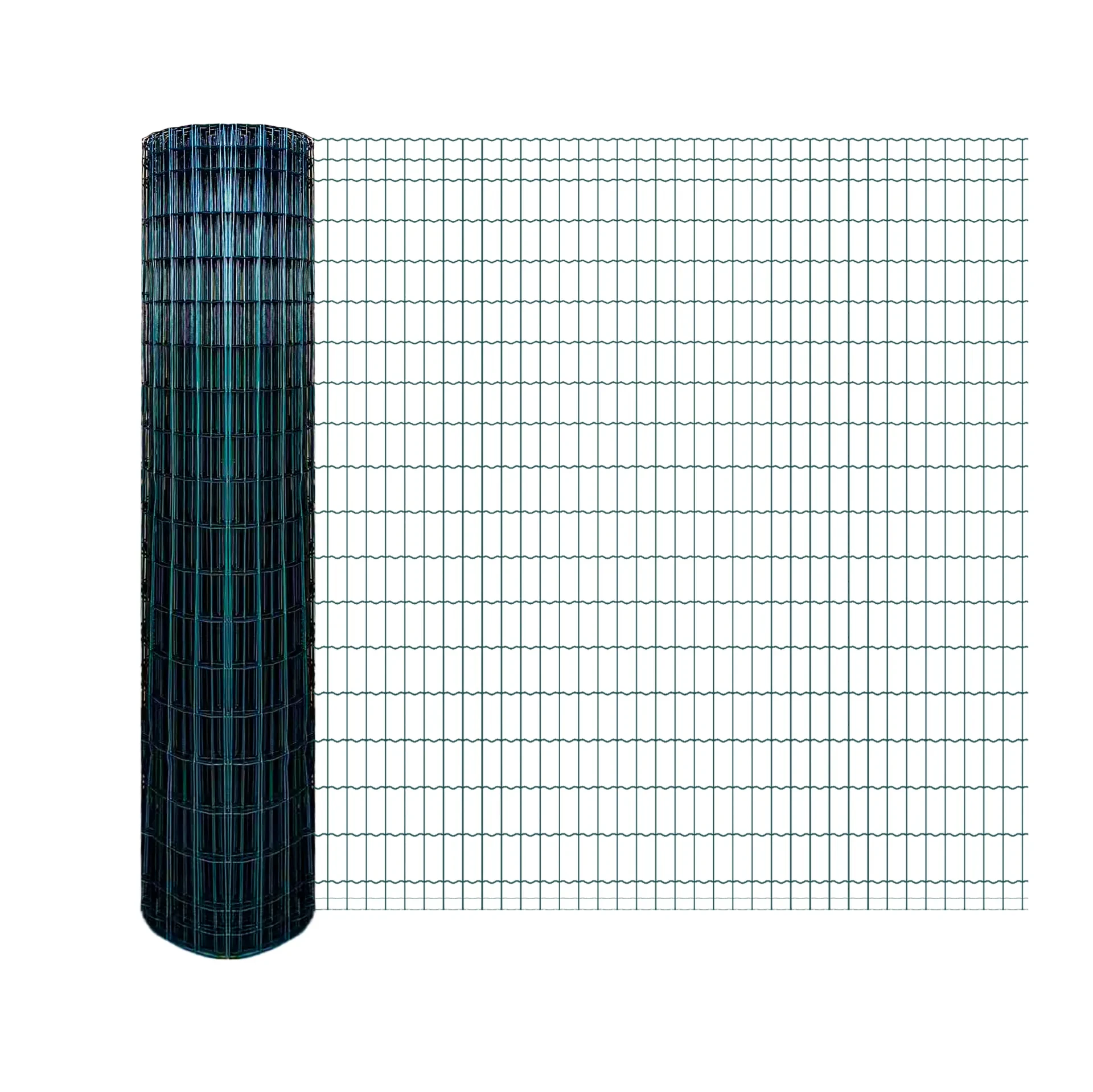
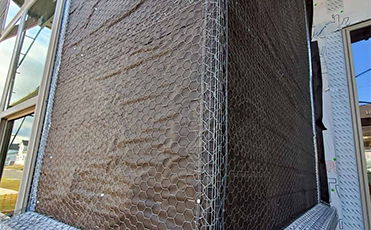

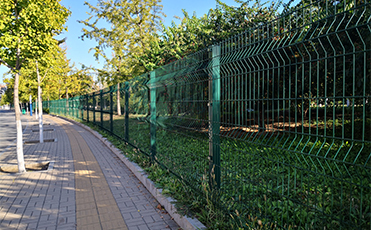
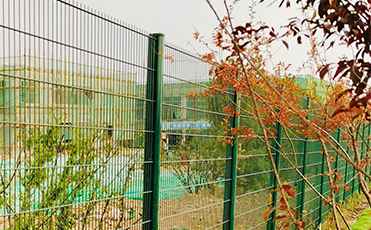
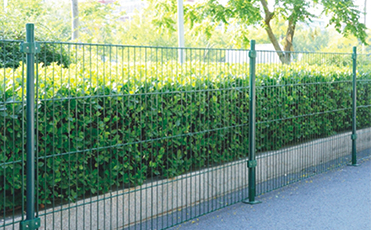

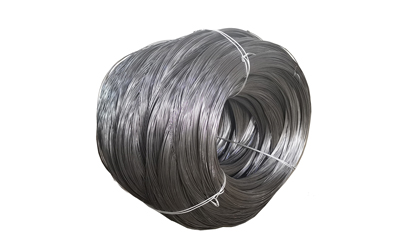
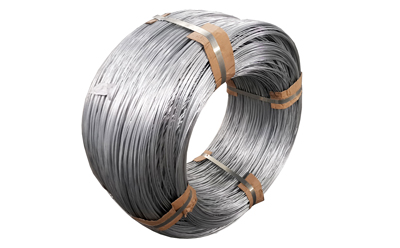
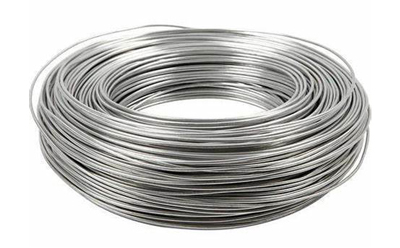
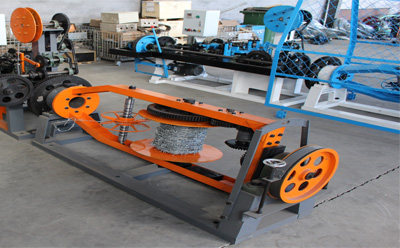
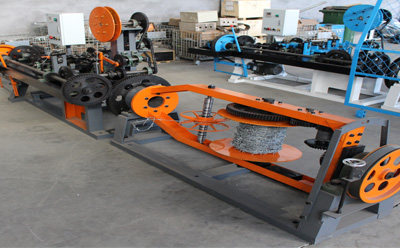
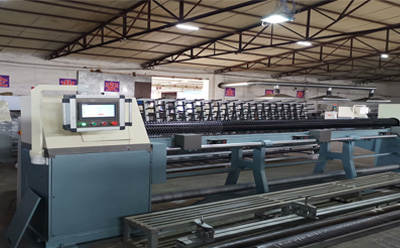
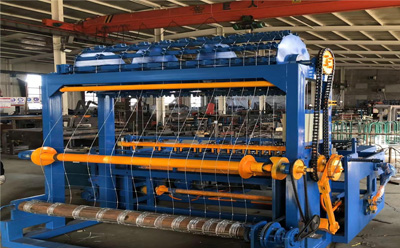
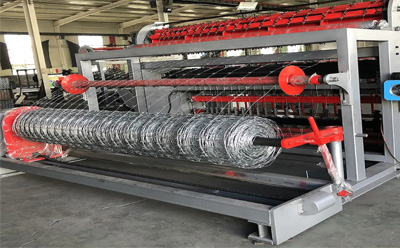
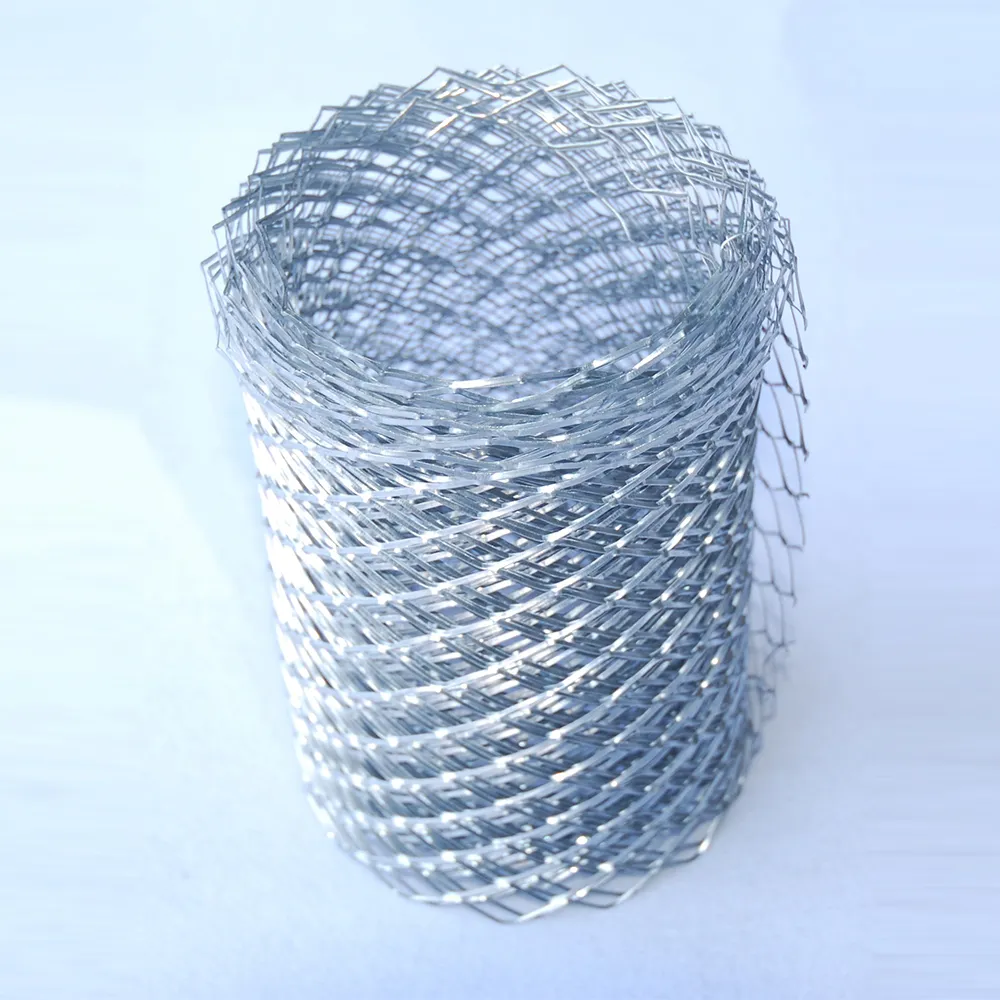













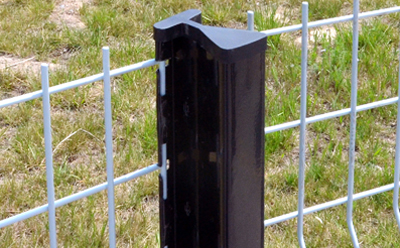
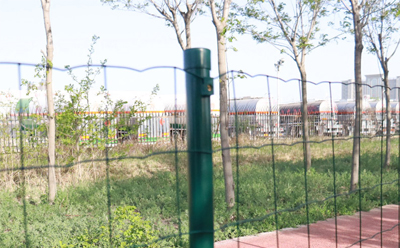
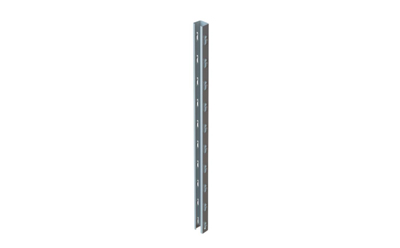
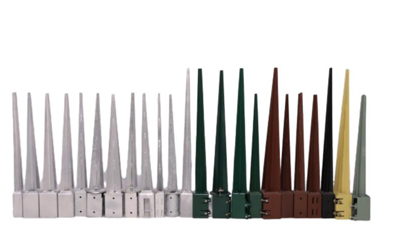


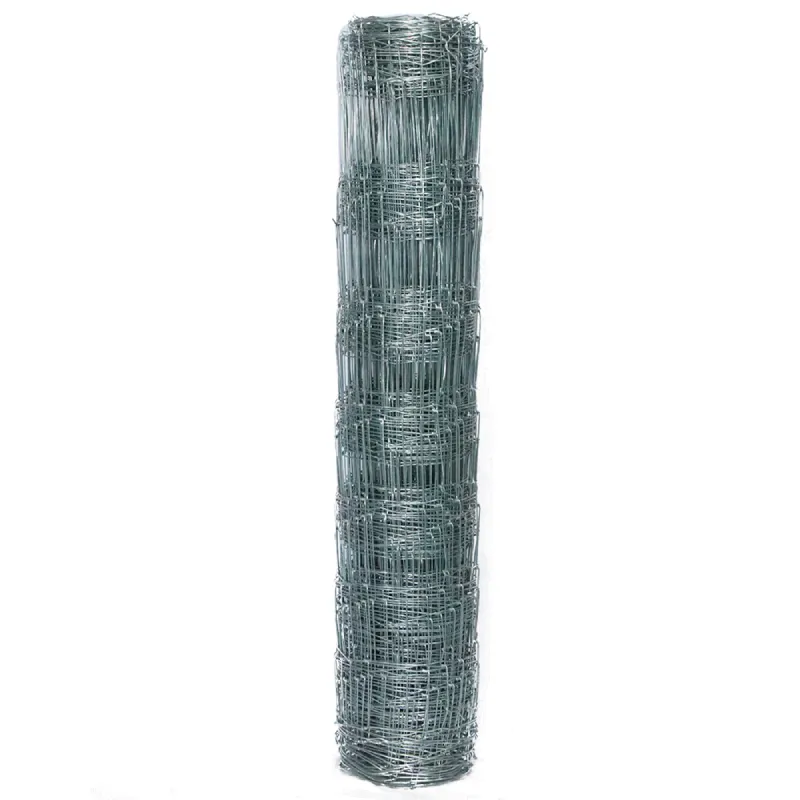
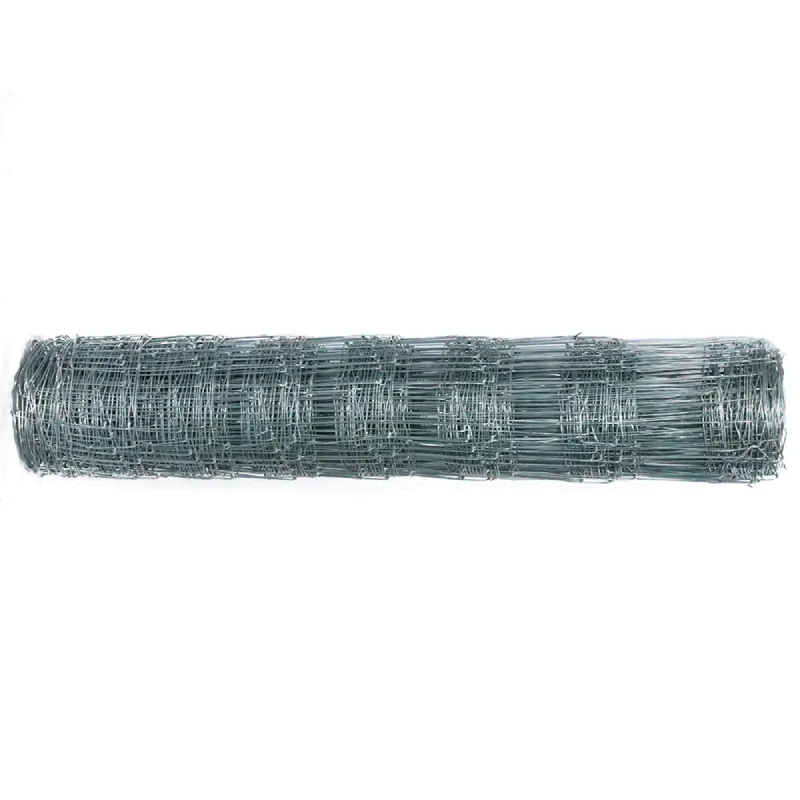
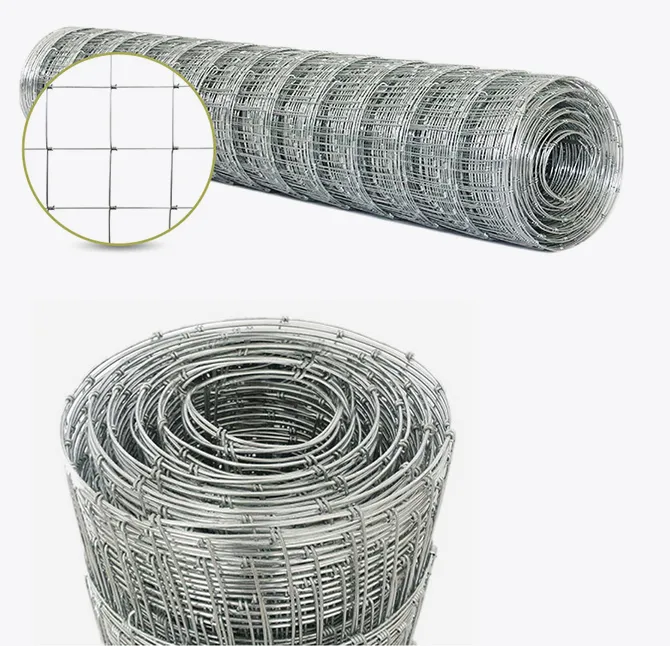
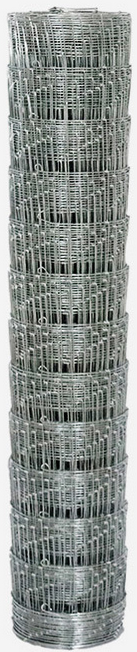
bulk field fence
field fence for sale
field fencing for sale
metal farm gates for sale
wholesale field fence
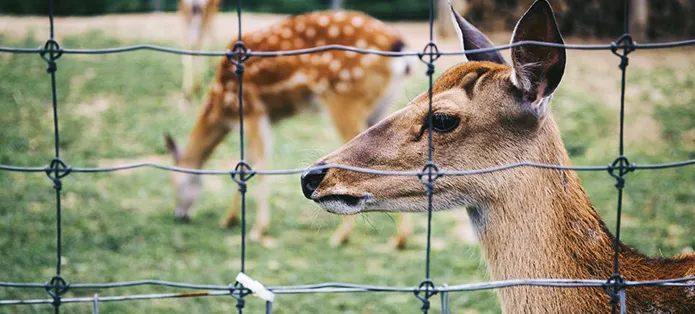
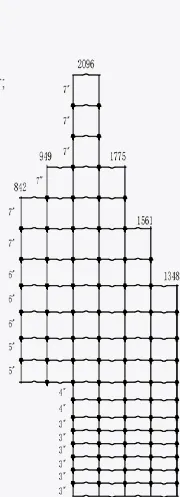
| Пункт №. | Колькасць Гарызантальны Правады |
Вертыкальны Інтэрвал |
Вышыня | Калібр правадоў | Даўжыня рулона |
| 1561-6 | 15 | 6“ | 61“ | 12,5 га | 330', 500' або 660' |
| 1775-6 | 17 | 6“ | 75“ | 12,5 га | 330', 500' або 660' |
| 1584-6 | 18 | 6“ | 84“ | 12,5 га | 330', 500' або 660' |
| Чэрвень-96 | 20 | 6“ | 96“ | 12,5 га | 330', 500' або 660' |
| Снежань-96 | 20 | 12" | 96“ | 12,5 га | 330', 500' або 660' |
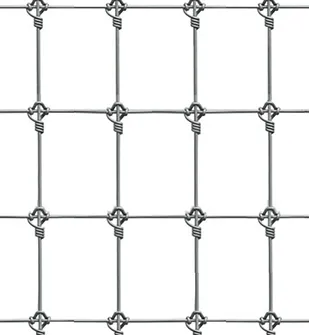
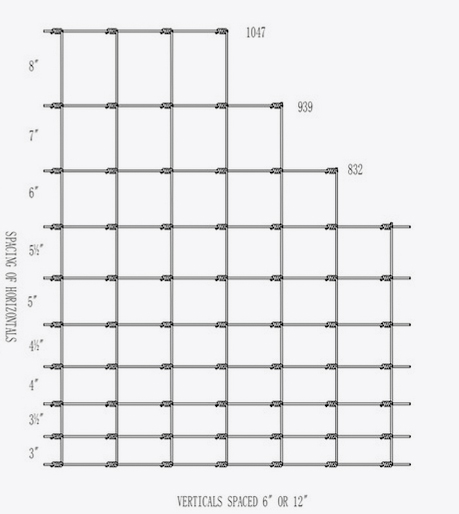
| Пункт №. | Колькасць Гарызантальны Правады |
Вышыня | Вертыкальны Інтэрвал |
Зверху і знізу Дыяметр дроту |
Прысадачная дрот Дыяметр |
Даўжыня рулона |
| 1047-12-12.5 | 10 | 47" | 12 | 12,5 га | 10га | 100', 200' АБО 330' |
| 939-12-12.5 | 9 | 39" | 12 | 12,5 га | 10га | 100', 200' АБО 330' |
| 832-12-12.5 | 8 | 32" | 12 | 12,5 га | 10га | 100', 200' АБО 330' |
| 726-12-12.5 | 7 | 26" | 12 | 12,5 га | 10га | 100', 200' АБО 330' |
| 845-12-12.5 | 8 | 45" | 12 | 12,5 га | 10га | 100', 200' АБО 330' |
| 635-12-12.5 | 6 | 35" | 12 | 12,5 га | 10га | 100', 200' АБО 330' |
| 1047-6-12.5 | 10 | 47" | 6 | 12,5 га | 10га | 100', 200' АБО 330' |
| 939-6-12.5 | 9 | 39" | 6 | 12,5 га | 10га | 100', 200' АБО 330' |
| 832-6-12.5 | 8 | 32" | 6 | 12,5 га | 10га | 100', 200' АБО 330' |
| 726-6-12.5 | 7 | 26" | 6 | 12,5 га | 10га | 100', 200' АБО 330' |
| 939-6-14.5 | 9 | 39" | 6 | 14,5 га | 11га | 100', 200' АБО 330' |
| 832-6-14.5 | 8 | 32" | 6 | 14,5 га | 11га | 100', 200' АБО 330' |
| 726-6-14.5 | 7 | 26" | 6 | 14,5 га | 11га | 100', 200' АБО 330' |
| 1047-12-12.5 | 10 | 47" | 12 | 12,5 га | 10,5 га | 100', 200' АБО 330' |
| 939-12-12.5 | 9 | 39" | 12 | 12,5 га | 10,5 га | 100', 200' АБО 330' |
| 832-12-12.5 | 8 | 32" | 12 | 12,5 га | 10,5 га | 100', 200' АБО 330' |
| 726-12-12.5 | 7 | 26" | 12 | 12,5 га | 10,5 га | 100', 200' АБО 330' |
| 1047-6-12.5 | 10 | 47" | 6 | 12,5 га | 10,5 га | 100', 200' АБО 330' |
| 939-6-12.5 | 9 | 39" | 6 | 12,5 га | 10,5 га | 100', 200' АБО 330' |
| 832-6-12.5 | 8 | 32" | 6 | 12,5 га | 10,5 га | 100', 200' АБО 330' |
| 726-6-12.5 | 7 | 26" | 6 | 12,5 га | 10,5 га | 100', 200' АБО 330' |
| 1478-6-12.5 | 14 | 78" | 6 | 12,5 га | 12,5 га | 100', 200' АБО 330' |
| 1047-12-14 | 10 | 47" | 12 | 14ga | 12,5 га | 100', 200' АБО 330' |
| 939-12-14 | 9 | 39" | 12 | 14ga | 12,5 га | 100', 200' АБО 330' |
| 832-12-14 | 8 | 32" | 12 | 14ga | 12,5 га | 100', 200' АБО 330' |
| 726-12-14 | 7 | 26" | 12 | 14ga | 12,5 га | 100', 200' АБО 330' |
| 1047-6-14 | 10 | 47" | 6 | 14ga | 12,5 га | 100', 200' АБО 330' |
| 939-6-14 | 9 | 39" | 6 | 14ga | 12,5 га | 100', 200' АБО 330' |
| 832-6-14 | 8 | 32" | 6 | 14ga | 12,5 га | 100', 200' АБО 330' |
| Пункт №. | Колькасць Гарызантальны Правады |
Вышыня | Вертыкальны Інтэрвал |
Зверху і знізу Дыяметр дроту |
Прысадачная дрот Дыяметр |
Даўжыня рулона |
| 939-6-11 | 9 | 39" | 6" або 12" | 9ga | 11га | 100', 200' АБО 330' |
| 1047-6-11 | 10 | 47" | 6" або 12" | 9ga | 11га | 100', 200' АБО 330' |
| 832-6-12.5 | 8 | 32" | 6" або 12" | 10га | 12,5 га | 100', 200' АБО 330' |
| 939-6-12.5 | 9 | 39" | 6" або 12" | 10га | 12,5 га | 100', 200' АБО 330' |
| 1047-6-12.5 | 10 | 47" | 6" або 12" | 10га | 12,5 га | 100', 200' АБО 330' |
| 1472-6-12.5 | 14 | 72" | 6" або 12" | 10га | 12,5 га | 100', 200' АБО 330' |
| 939-6-13 | 9 | 39" | 6" або 12" | 10,5 га | 13га | 100', 200' АБО 330' |
| 1047-6-13 | 10 | 47" | 6" або 12" | 10,5 га | 13га | 100', 200' АБО 330' |
| Пункт №. | Інтэрвал | Вышыня | Зверху і знізу Дыяметр дроту |
Прысадачная дрот Дыяметр |
Даўжыня рулона |
| 1036-2-12.5 | 4 х 2 цалі | 36" | 10га | 12,5 га | 100', 200' АБО 330' |
| 1348-2-12.5 | 4 х 2 цалі | 48" | 10га | 12,5 га | 100', 200' АБО 330' |
| 1660-2-12.5 | 4 х 2 цалі | 60" | 10га | 12,5 га | 100', 200' АБО 330' |
| 1972-2-12.5 | 4 х 2 цалі | 72" | 10га | 12,5 га | 100', 200' АБО 330' |
| 1036-4-12.5 | 4" x 4" | 36" | 10га | 12,5 га | 100', 200' АБО 330' |
| 1348-4-12.5 | 4" x 4" | 48" | 10га | 12,5 га | 100', 200' АБО 330' |
| 1660-4-12.5 | 4" x 4" | 60" | 10га | 12,5 га | 100', 200' АБО 330' |
| 1972-4-12.5 | 4" x 4" | 72" | 10га | 12,5 га | 100', 200' АБО 330' |
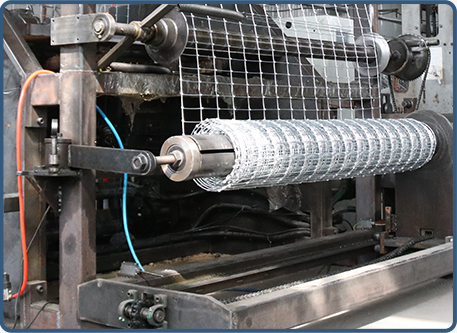
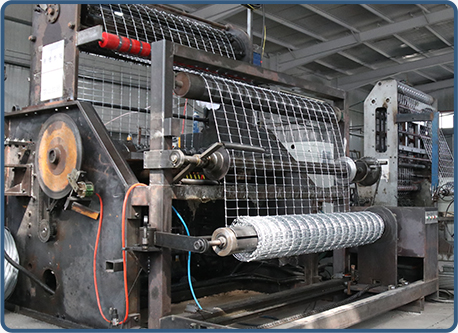
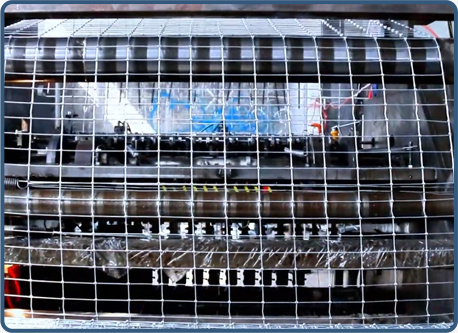
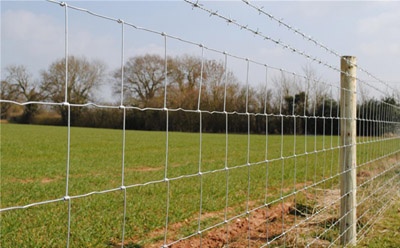
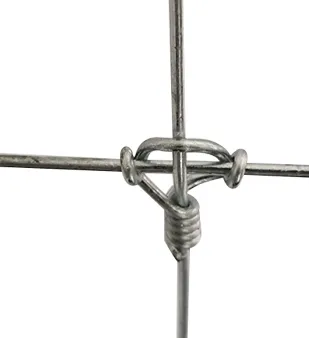
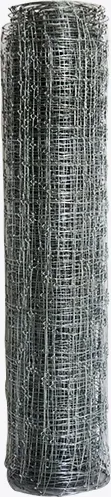
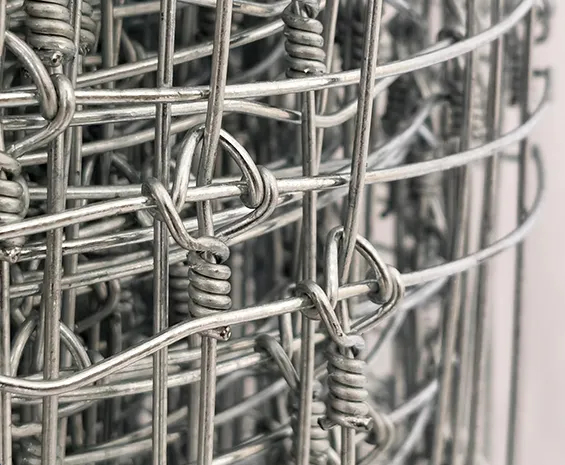
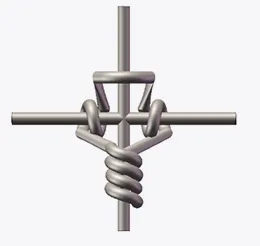
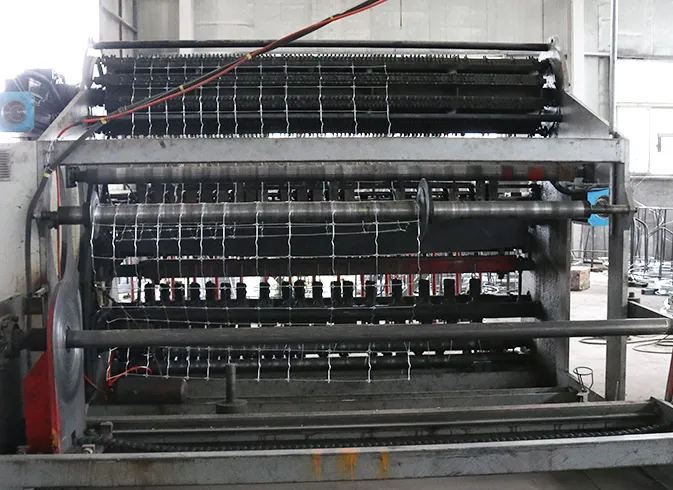
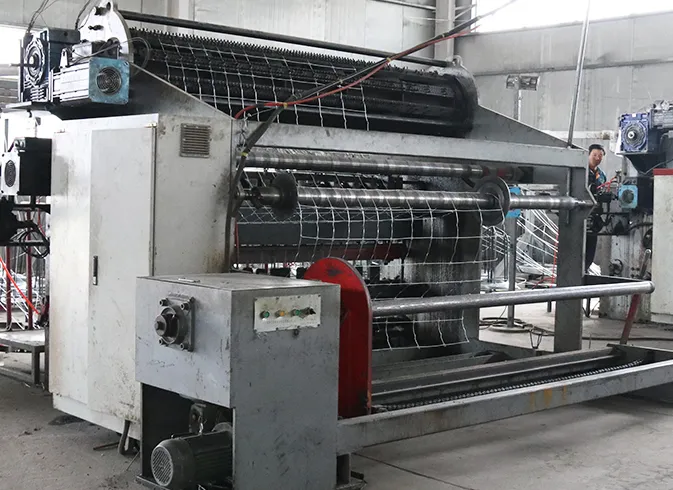
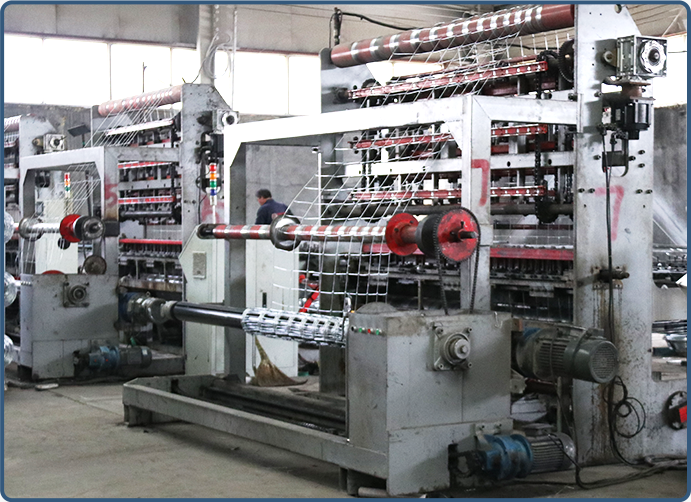
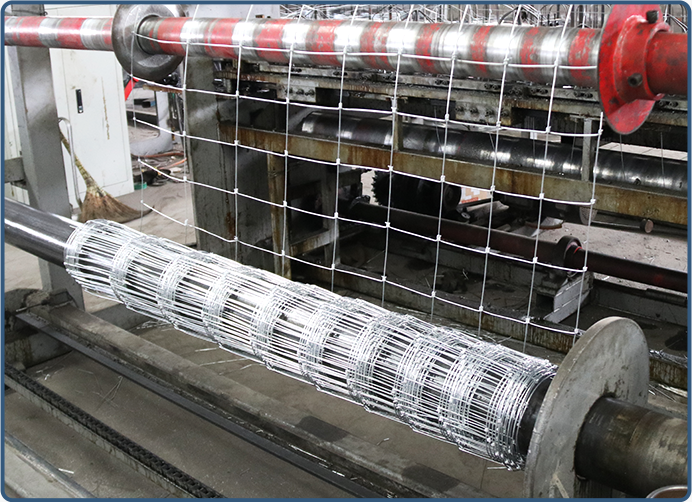
When it comes to choosing a reliable and durable high-tensile field fence, Hebei Minmetals stands out as a leading manufacturer in the industry. Their bulk field fence options are designed to meet the rigid demands of agricultural and property boundary needs, ensuring optimal security and livestock management.
Hebei Minmetals offers wholesale field fence solutions that cater to both large-scale and small-scale farmers. By purchasing directly from the manufacturer, you can enjoy competitive field fence prices without compromising on quality. Their high tensile wire technology provides superior strength and resilience, making it an ideal choice for challenging environments.
When you decide to buy field fences from Hebei Minmetals, you gain access to віды сеткавага агароджы tailored to various applications, whether it's for livestock containment or to protect your crops from wildlife. The field fencing cost per foot is another critical factor to consider, and Hebei Minmetals ensures that their pricing structures are transparent and competitive, allowing you to budget effectively for your fencing needs.
Choosing field fence manufacturers like Hebei Minmetals not only guarantees that you are getting quality materials, but it also ensures that you're backed by excellent customer service and support. Their experienced team is ready to assist you in selecting the right fencing solution that aligns with your specific requirements.
In summary, if you're in the market for a high tensile field fence, consider Hebei Minmetals for their quality products, competitive pricing, and commitment to customer satisfaction. Whether you need a bulk field fence or are looking to explore wholesale field fence options, they are equipped to provide you with the best solutions for your fencing needs.
When it comes to keeping your livestock and pets secure, choosing the right field fence is crucial. Each type of animal has unique needs, and understanding these can help you determine the most appropriate fencing solution. Below, we explore the best field fencing options for a variety of animals, including horses, deer, and sheep.
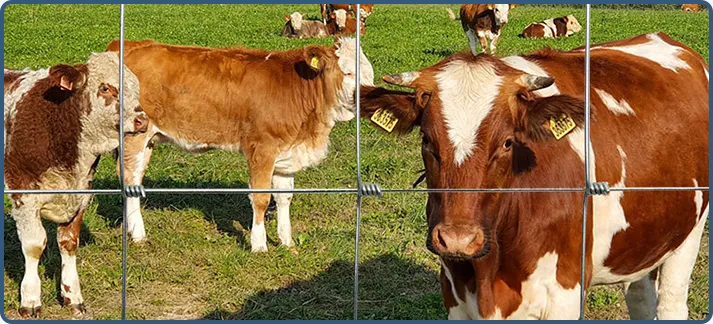
Cattle require sturdy fencing that can withstand their size and strength. High-tensile wire fences, especially those reinforced with barbed wire, are often the best choice. These fences not only provide security but also deter predator access while allowing for clear visibility of the cattle.
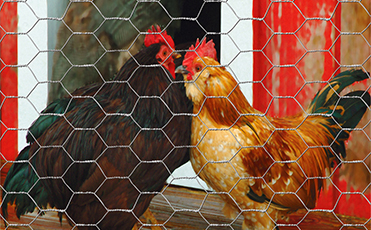
For chickens, a field fence needs to focus on keeping them in while preventing predators from getting in. Chicken wire is commonly used; however, it’s essential to bury it a few inches into the ground to deter digging predators. Additionally, using a fence that stands at least four to six feet tall is advisable to prevent chickens from flying out and to keep out larger birds of prey.
Fencing for dogs must cater to their natural instincts, such as digging and jumping. A strong wooden or vinyl privacy fence can prevent escape and provide security. Moreover, a fence height of at least five feet is recommended, combined with a buried fence to prevent digging out. Chain link is also an option, especially if reinforcement with additional barriers is added.
Goats are notorious escape artists, so a strong field fence is essential. Stock fencing or woven wire with at least a 4-inch spacing is often recommended. The fence should be at least five feet high, with a bottom wire buried to prevent them from digging under. Additionally, maintaining a fence that has no gaps is critical, as goats can squeeze through surprisingly small openings.
Fencing for pigs should be durable since they are strong, persistent animals. Hog panels, which are specifically designed for large livestock, are a great choice. They should be at least four to five feet tall and placed underground a foot to prevent rooting and escape. Barbed wire can also be an effective deterrent on top of the paneling for added security.
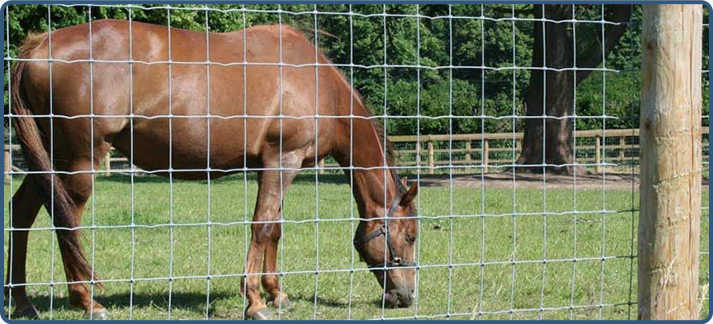
Horses require a fence that is strong and safe, as they can be skittish. Non-climb wire fencing or vinyl fencing designed for horses creates a secure environment. Horse fencing should be at least five feet tall and have adequate spacing to prevent their legs from getting caught. Always ensure there are no sharp edges to prevent injuries.
A suitable fence for sheep needs to be low enough to keep them in but tall and strong enough to keep predators out. Sheep are generally not big jumpers, so a four to five-foot high woven or electric fence works well. Ensure the bottom of the fence is tight to the ground or buried to prevent it from escaping or digging under.
In summary, an effective field fence not only protects your livestock but also provides peace of mind for you as a caretaker. Choose wisely to cater to the needs of each animal while ensuring a safe and secure environment.
Installing a field fence is a practical solution for enclosing livestock, protecting crops, or marking property boundaries. Selecting the right field fence size is crucial for ensuring the desired level of security and functionality. Field fences come in various sizes, catering to different needs and preferences.
When considering field fence sizes, some standard options include 32-inch, 36-inch, and 39-inch varieties. For smaller livestock or garden enclosures, a 3ft field fence may be sufficient. However, for larger animals like horses or cattle, taller fences are often required. A 4-foot field fence is popular among those looking to contain goats, sheep, or small cattle effectively.
Beyond basic heights, field fences also differ in design. The 4 x 4 field fence, which describes the spacing between horizontal wires, offers robust protection against animal escapes and intrusions. This size is ideal for those with larger animals that may try to push against the fencing. Additionally, encompassing taller options like the 47 field fence and the 48 field fence, which are 4 feet tall, enhance stability and strength for more considerable security needs.
For comprehensive projects, some people opt for even taller configurations. A 5 ft field fence або а 6-foot field fence provides extra protection against larger wildlife or escape-prone livestock. Moreover, the 8 foot field fence is an excellent choice for those living in areas where deer or other wildlife pose a threat, effectively creating a barrier that deters larger animals.
Maintenance and durability are other key considerations when choosing field fence sizes. The 9 gauge field fence is often favored for its strength, making it a long-lasting investment even in challenging environments. For extensive applications, the 47 x 330 field fence is a practical choice, offering a significant length of material that can cover large areas efficiently.
To summarize, choosing the right field fence size is essential for the successful installation of a fence that meets the requirements of your property. Whether you need a smaller 3ft field fence for a garden or a robust 8 foot field fence to secure livestock, understanding the dimensions and applications can help in selecting the best option. Proper installation and maintenance can ensure that your field fence remains effective and durable for years to come, providing peace of mind for your agricultural or personal needs.
Field fences come in a variety of types, each designed for specific uses and environments. Choosing the right field fence depends on factors such as the type of livestock, the terrain, and the level of security needed. Field fence is commonly used for farms, ranches, and large open areas because it provides reliable containment while being cost-effective and easy to install. In general, field fences are built to withstand harsh outdoor conditions and last for many years, making them a popular choice for agricultural settings.
One of the most common options is wire field fence, which is usually made of galvanized steel. This type of fence is strong, durable, and resistant to rust, making it suitable for long-term use. It also comes in different mesh sizes, allowing farmers to select the right spacing for various animals such as cattle, sheep, or goats. Another popular option is barbed wire field fence, which offers higher security by discouraging animals or intruders from pushing through the fence. However, barbed wire is not always ideal for smaller livestock or areas where safety is a priority.
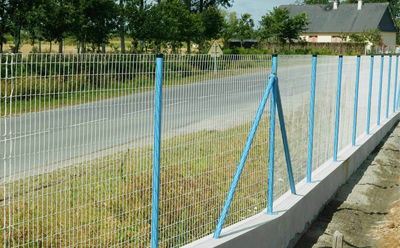
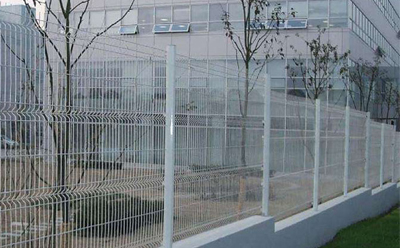
For those looking for a more modern solution, welded wire field fence provides excellent strength and a clean appearance. This type of fence is made by welding intersecting wires into a grid pattern, offering uniform spacing and strong structure. It is often used in areas where a neat and professional look is important, such as property boundaries or private farms. Additionally, electric field fence is a good choice when quick installation and high deterrence are needed. Electric fencing can be used alone or combined with other types of field fences to provide an extra layer of protection.
Choosing the right field fence is essential for ensuring safety, control, and long-term performance. By understanding the different types of field fence, you can select the best option for your specific needs and environment.
When it comes to choosing the right fencing for farms, ranches, or large outdoor areas, field fence and barbed wire fence are the two most common options. Both offer strong security and clear boundaries, but they serve different purposes depending on your needs. Hebei Minmetals provides high-quality solutions for both types, ensuring durability, reliability, and cost-effectiveness for agricultural and industrial applications.
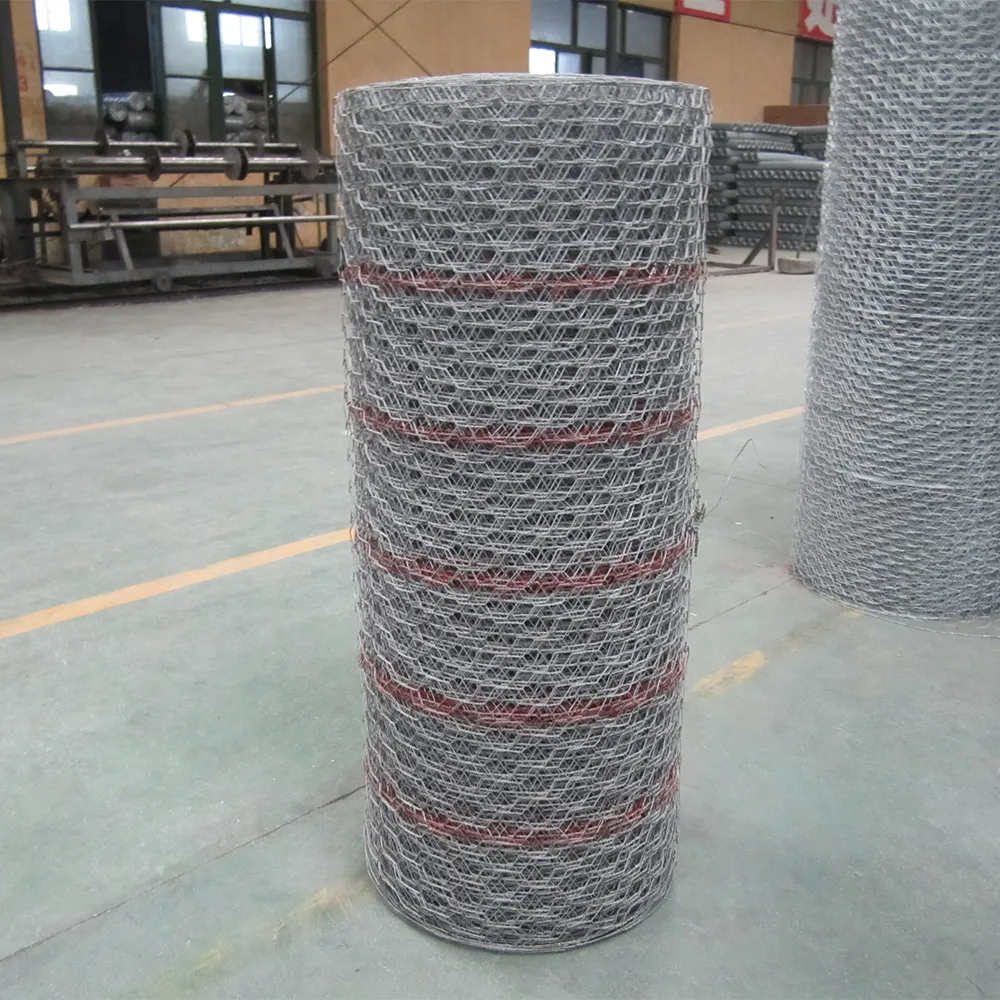
Field fence, also known as woven wire fence, is typically made from strong galvanized steel wire woven into a mesh. It is designed to prevent animals from escaping and to keep predators out. The mesh structure makes it ideal for containing livestock like sheep, goats, and cattle, because it is harder for animals to push through or get stuck. Field fence also provides a cleaner and safer boundary for farms, as there are no sharp points to injure animals. Hebei Minmetals’ field fence products feature strong wire gauge, tight mesh patterns, and excellent anti-corrosion treatment, making them a long-lasting choice for demanding outdoor environments.
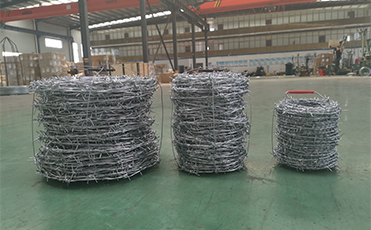
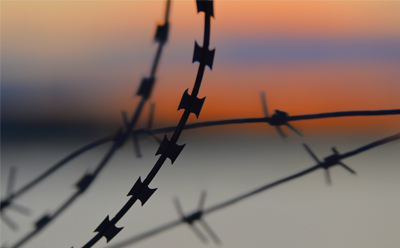
On the other hand, a barbed wire fence is made from twisted wires with sharp barbs at regular intervals. This type of fence is more focused on deterrence and security rather than containment. Barbed wire is commonly used for perimeter protection, military zones, and ranch boundaries where the main goal is to stop intruders or keep livestock from pushing against the fence. Hebei Minmetals’ barbed wire fence is manufactured with high-strength steel and precise barb spacing to ensure effective security and long service life.
So, which is better? If you need a fence primarily for livestock containment and animal safety, a field fence is usually the better choice. If your priority is security and boundary protection, then a прадаецца плот з калючага дроту is more suitable. Hebei Minmetals offers both options with professional quality, so you can choose the best solution based on your specific project requirements.
When it comes to protecting farmland, livestock, and crop areas, choosing the right fencing is crucial. Hebei Minmetals offers both field fence and chain link fence, but the best option depends on your specific farm needs. Field fence is traditionally designed for agricultural use, offering high flexibility and strong containment for livestock like cattle, sheep, and goats. It typically features a woven wire mesh with varying heights and spacing, making it effective at preventing animals from escaping while allowing visibility and airflow across your property.
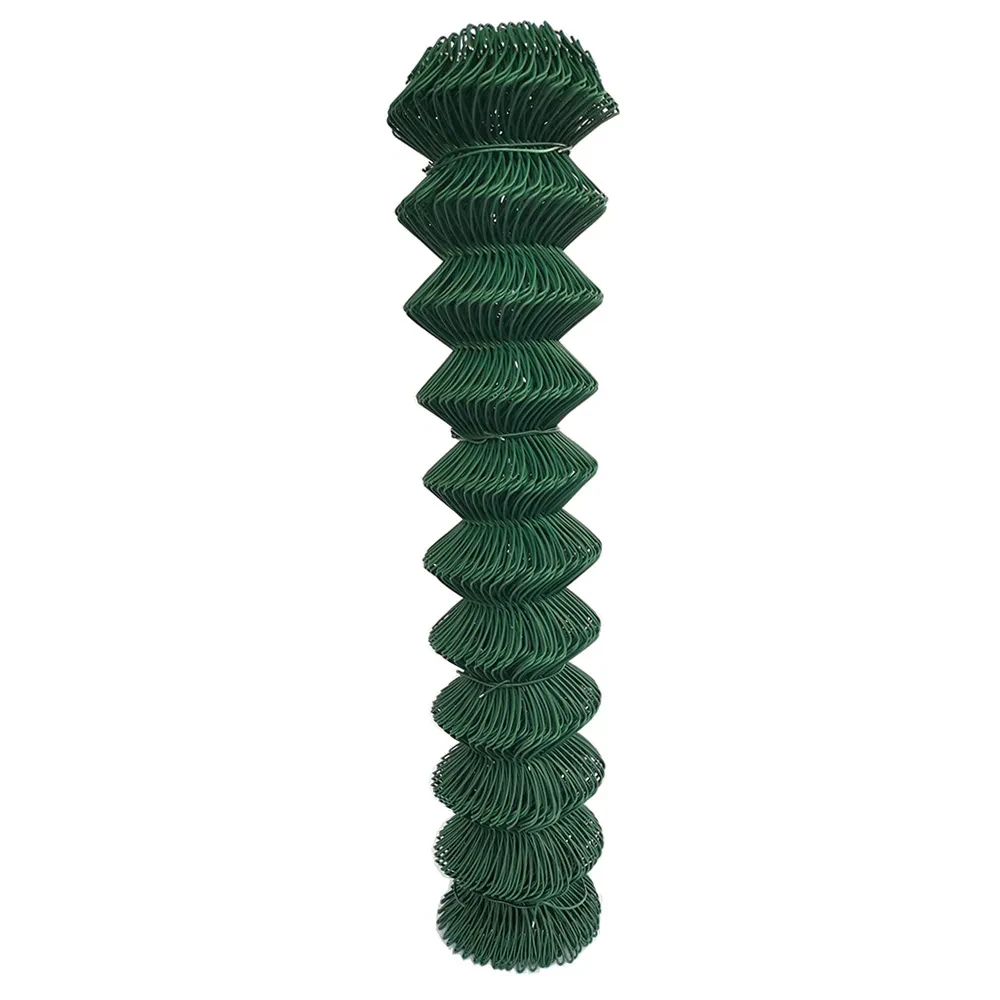
З іншага боку, chain link fence mesh is a versatile, durable solution commonly used in commercial and residential settings, but it can also be effective for farms. Chain link fencing is made from galvanized steel wire, offering excellent strength and long-term corrosion resistance. This makes it ideal for areas that require higher security, such as farm equipment storage, barns, or boundary protection. Unlike a field fence, chain link provides a tighter mesh pattern and a more rigid structure, which can deter predators and intruders more effectively.
So, which is better for farms? If your main goal is livestock containment, a field fence is usually the better choice due to its flexibility, animal-friendly design, and cost-effectiveness. It is also easier to install over uneven terrain, which is common in rural farmland. If you need high security, strong durability, and a more permanent structure—especially for protecting valuable assets—chain link fence may be the superior option.
With Hebei Minmetals’ product range, farmers can choose the best solution for their needs, whether it’s reliable livestock containment or robust perimeter security. Both types of fencing offer long-lasting performance and can be customized to match your farm’s requirements.





























Зварная сетка вырабляецца з высакаякаснага жалезнага дроту з дапамогай аўтаматычнага працэсу і складанай тэхнікі зваркі
Глядзець больш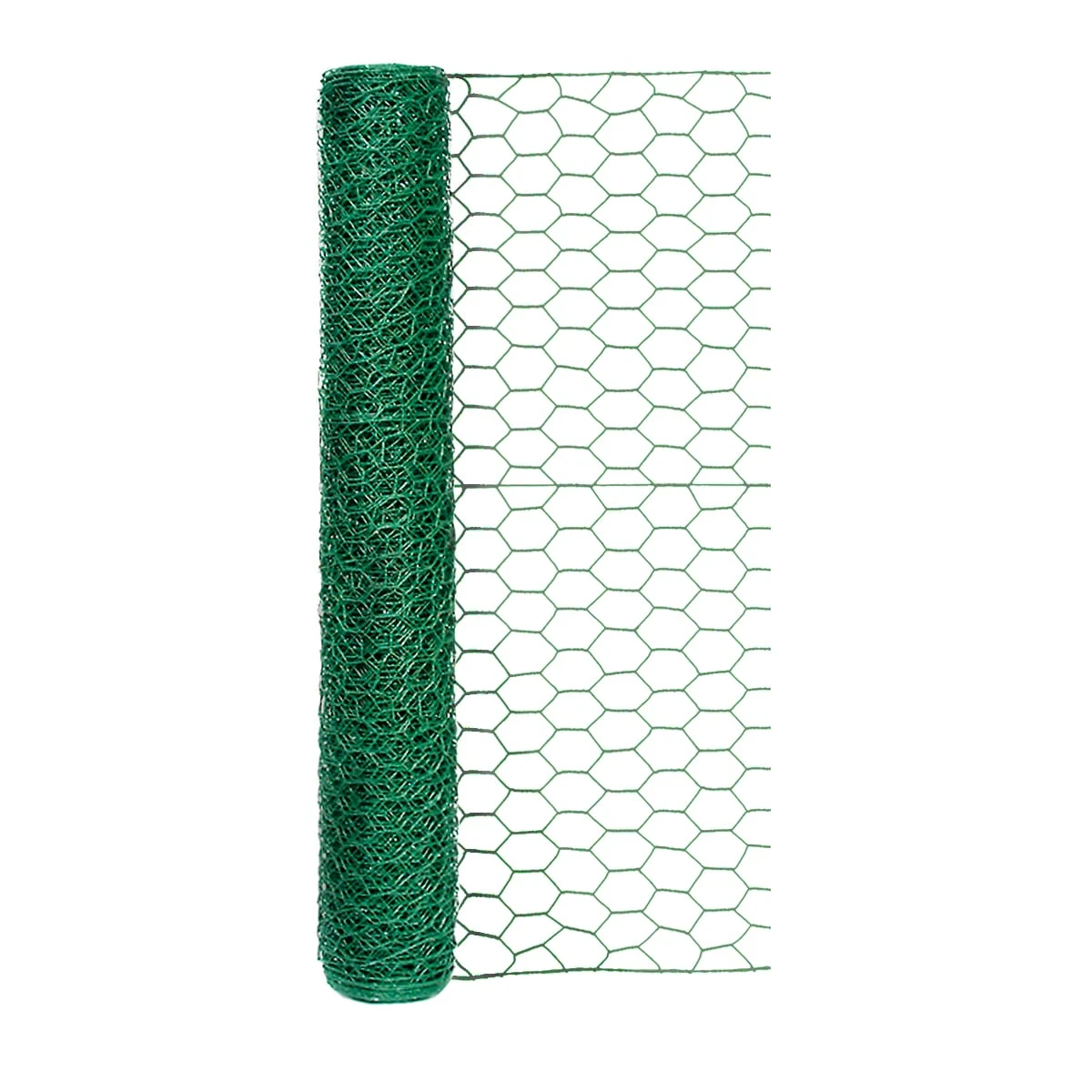
У асноўным вырабляецца шляхам пляцення з правым кручэннем, зваротным кручэннем, двайным кручэннем, першым пляценнем пасля ашалёўкі
Глядзець больш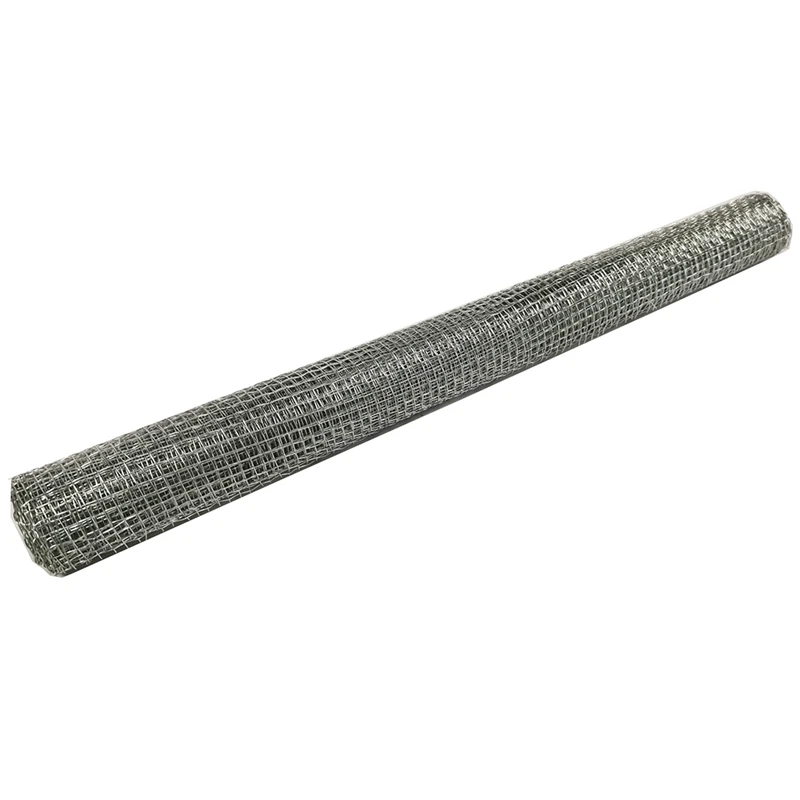
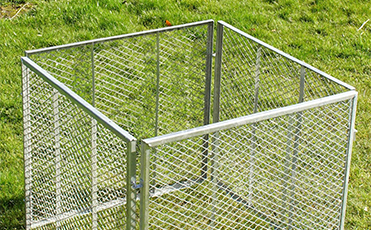
Прадстаўляем наш новы інавацыйны прадукт з квадратнай сеткай, распрацаваны, каб зрабіць рэвалюцыю ў вашым падыходзе да розных праектаў і прыкладанняў.
Глядзець больш
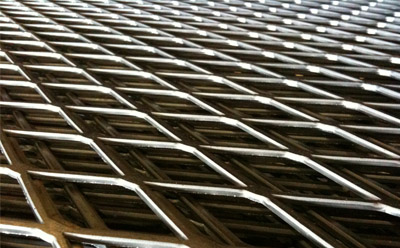
Просечно-сетка часта выкарыстоўваецца ў якасці дэкаратыўнага элемента. Яго унікальны дызайн дадае фактуры і візуальнай цікавасці будынкам, як унутры, так і звонку.
Глядзець больш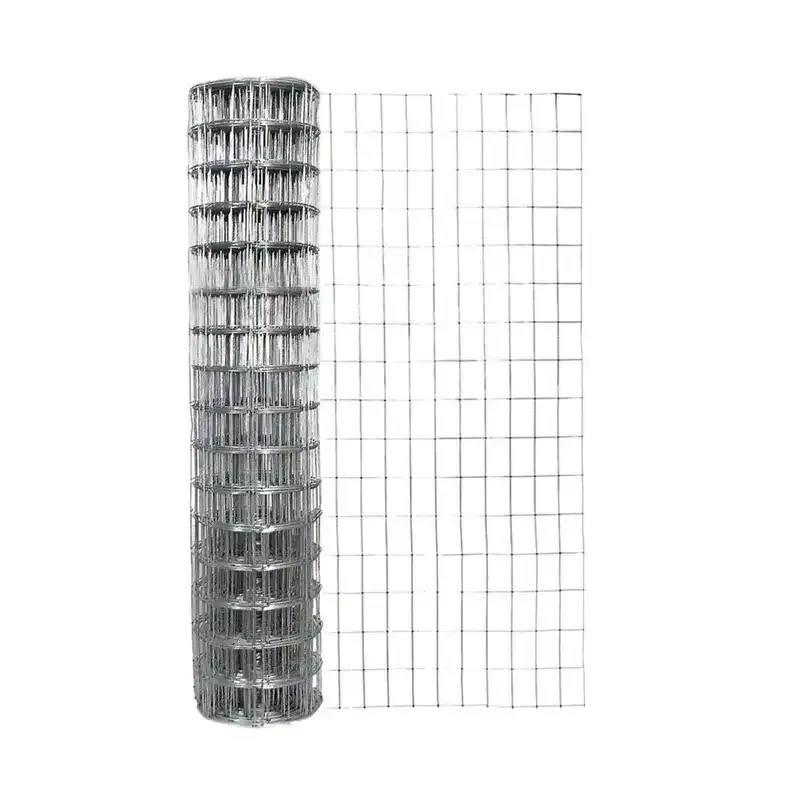
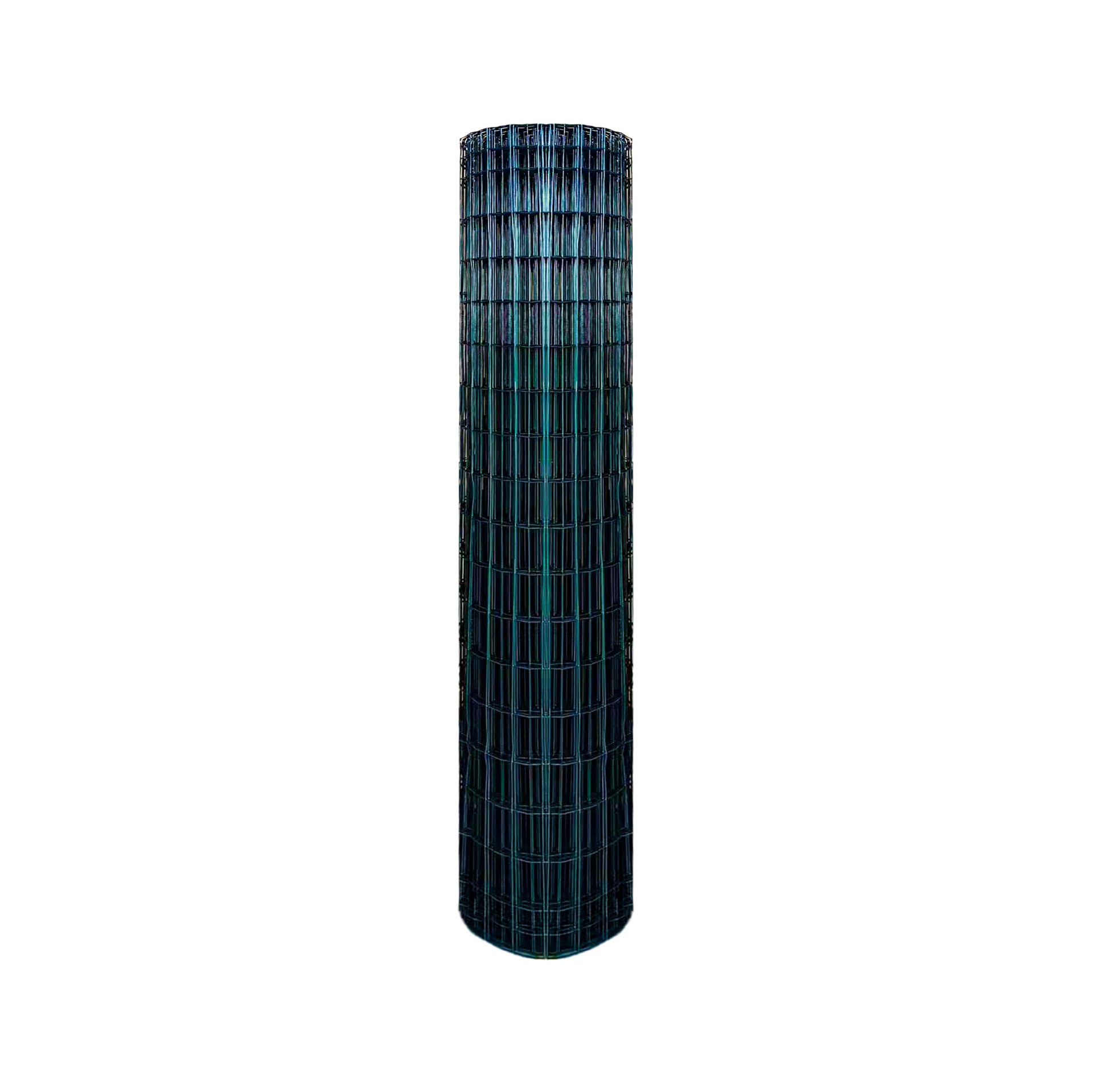
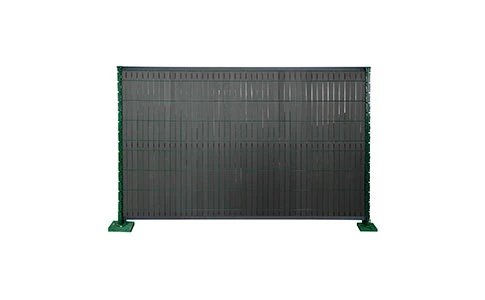
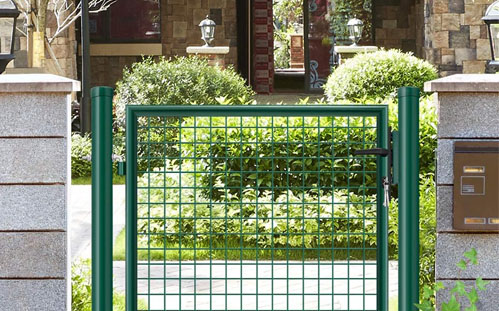
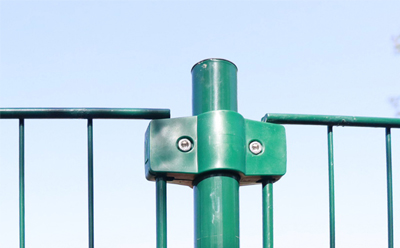
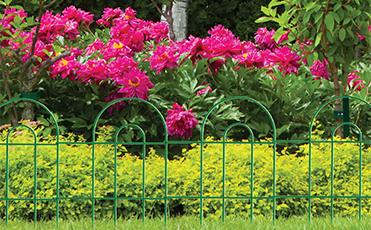
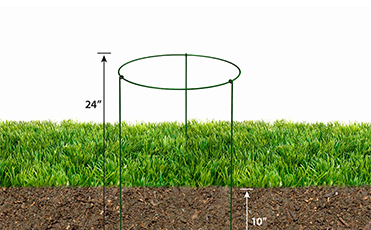
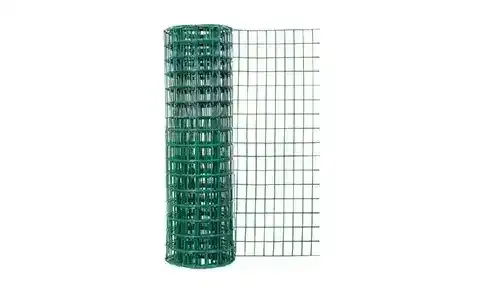
Еўра-садовая агароджа была зварана гарачаацынкаваным дротам з зялёным пластыкавым пакрыццём.
Глядзець больш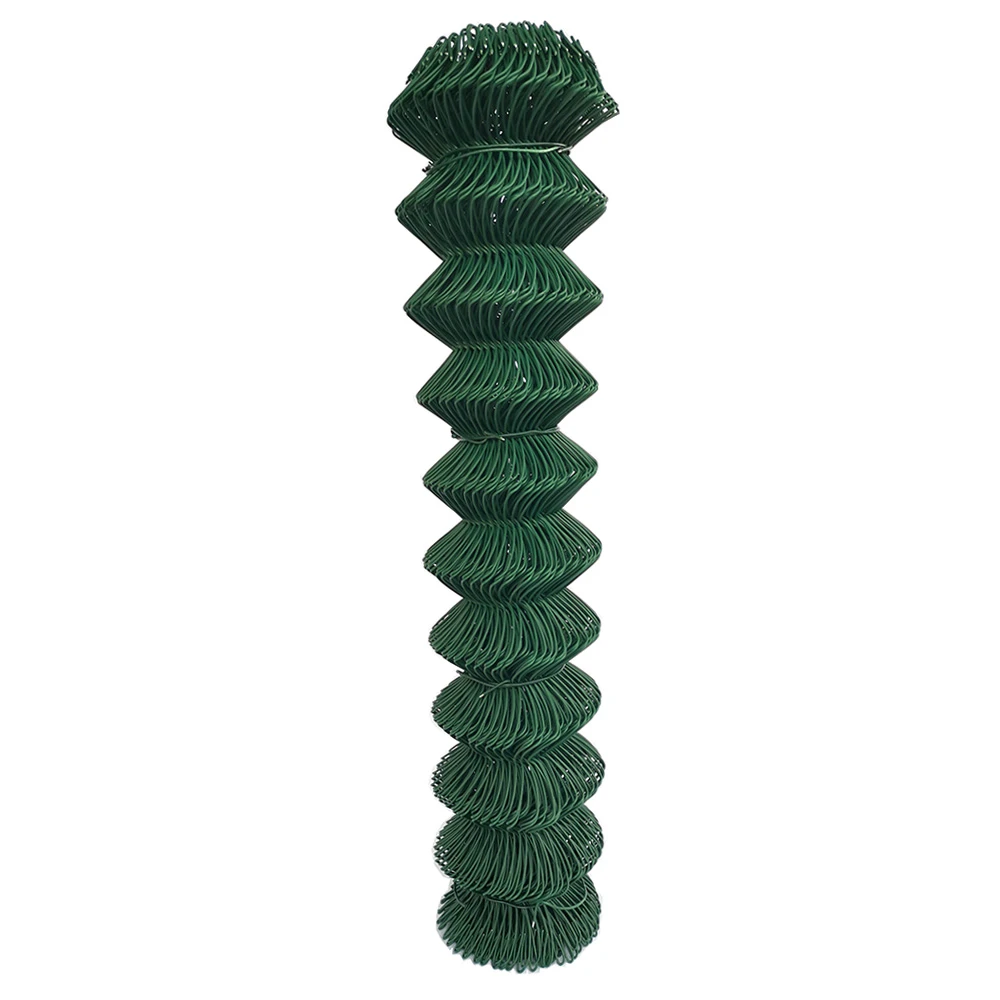
Трывалы матэрыял: выраблены з высакаякаснага ацынкаванага дроту або дроту з пластыкавым пакрыццём, што забяспечвае ўстойлівасць да іржы і карозіі для працяглага выкарыстання.
Глядзець больш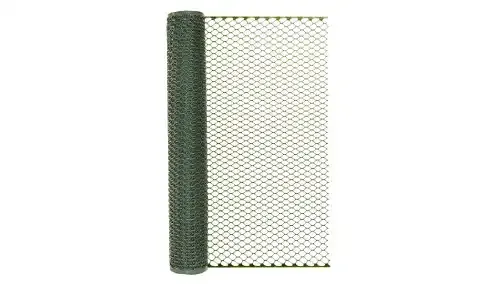



Copyright © 2026 Кампанія Hebei Minmetals Co., Ltd. Усе правы абаронены. Sitemap | Палітыка прыватнасці | Menu