





























Choosing the right fencing system is an important decision for homeowners, property developers, landscape designers, and commercial property managers. A well-designed fence provides security, defines property boundaries, and enhances the overall appearance of an outdoor space. Among the many fencing styles available, Empire-style fencing stands out for its decorative appearance, versatile designs, and suitability for a wide range of residential and commercial applications.
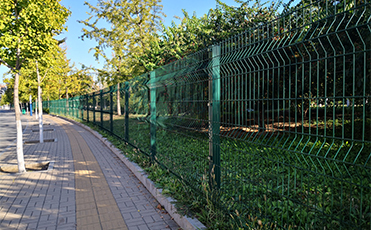
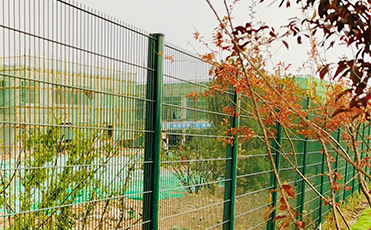
Ein empire panel fence can combine traditional decorative elements with practical functionality, making it an attractive option for gardens, front yards, walkways, courtyards, and landscaped properties. Depending on the material and design, these fencing systems can create an elegant boundary while maintaining an open appearance that complements the surrounding environment.
Modern fencing solutions are available in different materials, including steel, aluminum, wrought iron, and vinyl. Each material offers distinct advantages in terms of appearance, durability, maintenance, and installation requirements. Understanding the differences between these options helps buyers select fencing products that match their architectural style, budget, and intended use.
Whether you are planning a new garden enclosure, upgrading an existing perimeter, or searching for decorative gates, exploring the features of Empire-style fencing can help you make an informed decision.

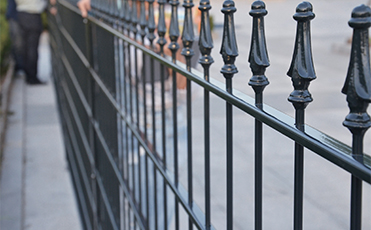
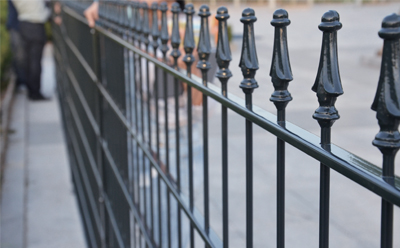
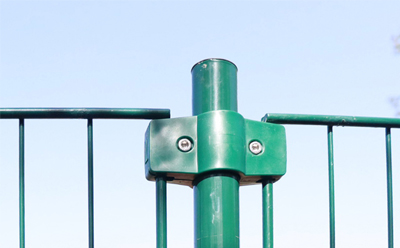
Ein empire panel fence typically refers to a decorative fencing panel designed to create an attractive and structured boundary around a property. Depending on the manufacturer, the design may incorporate vertical bars, ornamental finials, curved details, horizontal rails, or other decorative elements. These features can complement traditional architecture while remaining suitable for contemporary outdoor spaces.
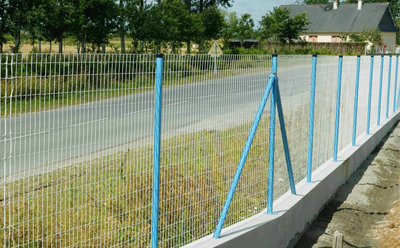
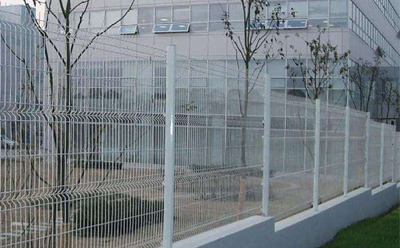
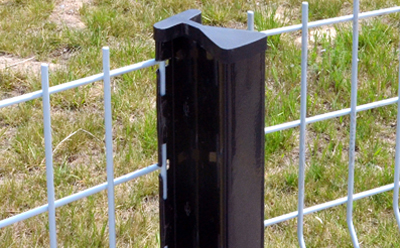
One of the main advantages of panel fencing is its modular construction. Individual panels can be installed between supporting posts to create a continuous boundary. This approach can simplify installation, make layout planning more convenient, and allow damaged sections to be replaced without necessarily removing the entire fence.
A grand empire panel may feature a more elaborate decorative design or a particular panel configuration offered by a manufacturer. Since product names and styles vary between suppliers, buyers should review the actual dimensions, materials, finishes, and design specifications before selecting a product. Panel height, width, spacing, and ornamental details all influence the final appearance.
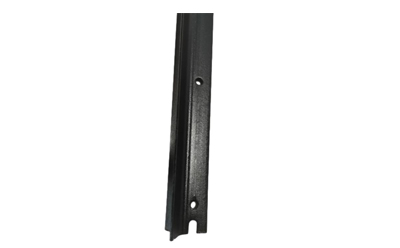
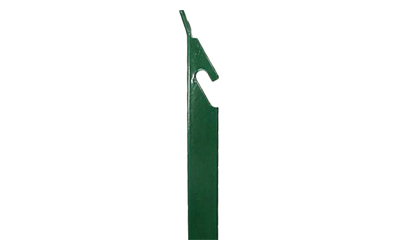
The broader term empire panel can refer to different panel styles used in decorative fencing systems. Depending on the intended application, panels may be manufactured from metal or other suitable materials. Metal panels are often selected for their structural strength and ability to incorporate detailed decorative designs.
For example, an empire metal fence may be manufactured from steel or aluminum, depending on the required strength, weight, and appearance. Steel is commonly chosen for applications requiring rigidity and a substantial structure. Aluminum is lighter and naturally forms a protective oxide layer, making it attractive for many outdoor installations.
Ein empire metal fencing system can be finished with powder coating, galvanizing, or other suitable surface treatments. These finishes can help protect the metal and provide color options that coordinate with buildings, landscaping, and outdoor furniture. The appropriate treatment depends on the base material, coating specifications, and expected environmental exposure.
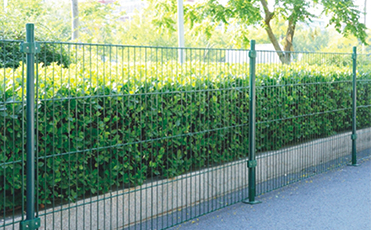
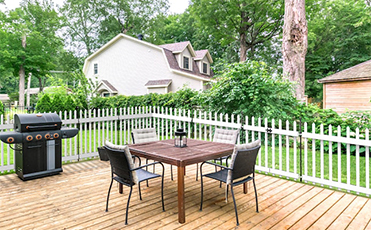
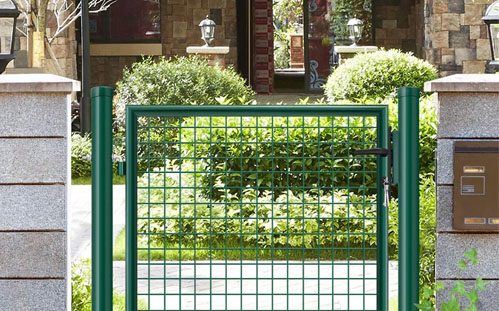
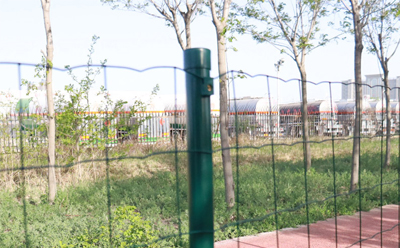
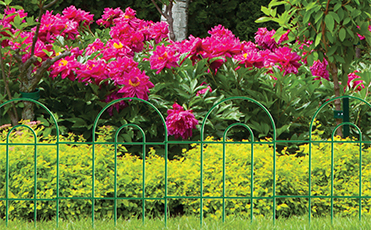
For properties that emphasize decorative landscaping, an empire garden fence can create a visually appealing boundary around flower beds, lawns, pathways, and patios. A relatively open design allows plants and garden features to remain visible while providing a defined separation between different areas.
When selecting garden fencing, consider the required height, spacing between bars, installation surface, and intended function. A low decorative fence may be sufficient for defining a garden border, while a taller, more substantial structure may be needed for perimeter separation or additional security.
Buyers should also consider maintenance requirements. Metal fencing may need periodic inspection for coating damage, corrosion, or loose connections. Choosing appropriate materials and finishes from the beginning can help preserve the fence's appearance and performance over time.
Fencing and gates work together to create a complete perimeter system. While fence panels define the boundary, gates provide controlled access for pedestrians, vehicles, and maintenance activities. Selecting compatible components helps maintain a consistent appearance and improves everyday convenience.
Grand empire fencing can be used in residential developments, landscaped gardens, entrance areas, commercial properties, and other locations where decorative design is an important consideration. Depending on the configuration, the system can establish a formal property boundary without completely obstructing views of the surrounding landscape.
A großer Empire-Zaun may be particularly suitable for properties featuring traditional architectural details, ornamental gardens, or carefully designed entranceways. Decorative bars and coordinated finishes can create a distinctive appearance, while the panel structure provides a practical boundary.
The precise construction and performance of any product marketed under this name depend on its manufacturer. Buyers should therefore compare technical specifications rather than assume that all Grand Empire-style fencing systems share the same dimensions, materials, or strength ratings.
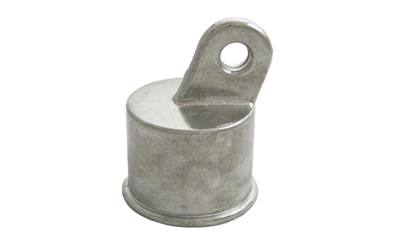
For projects requiring a more decorative appearance, an empire decorative fence can be selected to complement landscaping and architectural features. Popular design considerations include panel symmetry, ornamental tops, post caps, rail profiles, and coordinated colors. Black and other neutral finishes are frequently considered because they can work well with a variety of building materials and garden styles.
Decorative fencing is not limited to residential properties. It can also be used around office buildings, hospitality venues, community facilities, retail developments, and public landscaped areas. In these settings, the fence can help organize outdoor spaces while contributing to a consistent visual identity.
Gates are another important part of the overall design. Empire gates may be available in matching decorative styles, allowing property owners to coordinate the entrance with the surrounding fence panels. Depending on the application, gate configurations can include single pedestrian gates, wider double gates, or vehicle access gates.
When selecting gates, consider the available opening width, direction of travel, hinge placement, latch design, and expected frequency of use. A pedestrian entrance may require a relatively compact gate, whereas a driveway entrance may need a wider structure and stronger supporting posts.
A complete empire fencing and gates solution should be planned as a coordinated system. Fence height, panel spacing, post dimensions, gate design, and surface finish should be compatible. Correct measurements are especially important when the fence follows sloping ground or must fit around existing walls, driveways, and landscaping features.
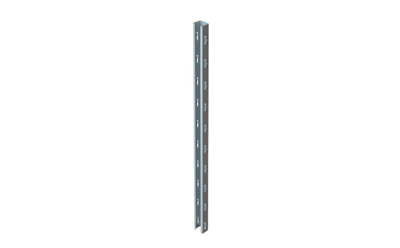
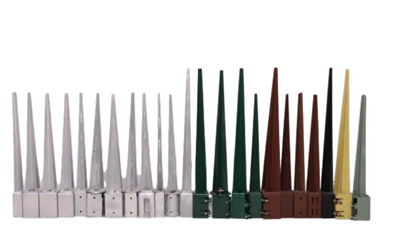
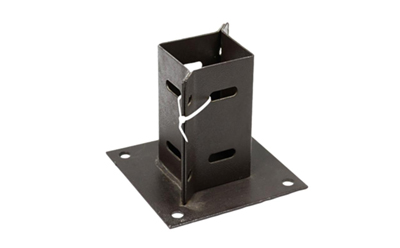
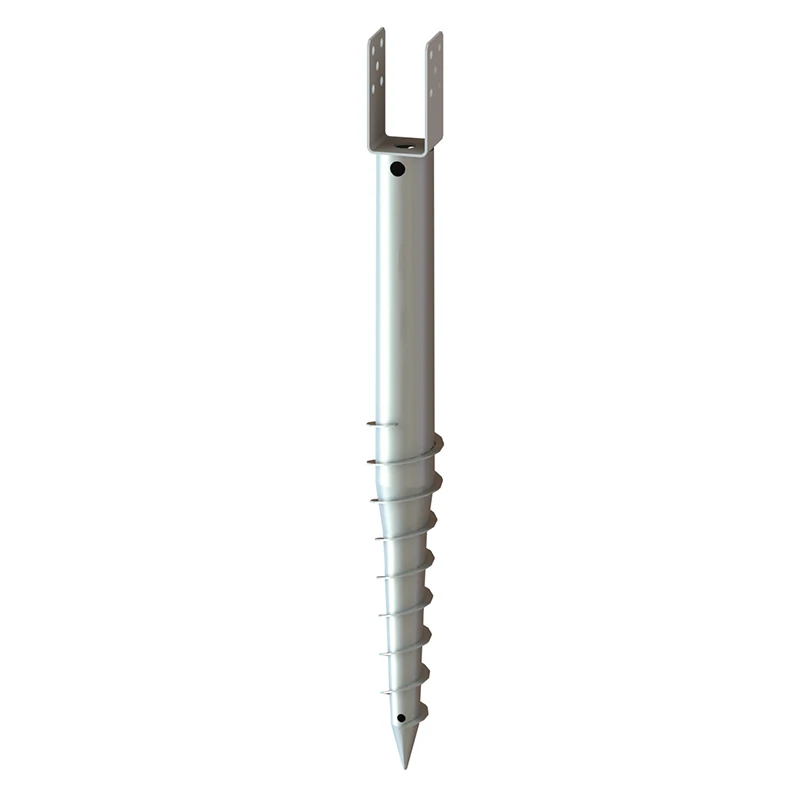
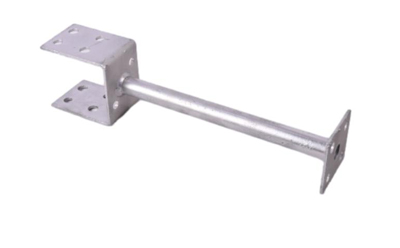
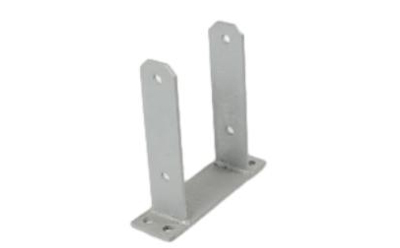
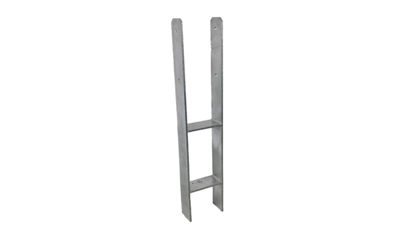
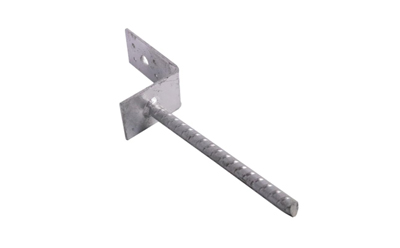
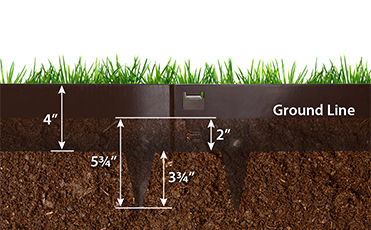
Installation conditions also influence the choice of fencing. Some systems are designed for installation into concrete, while others use surface-mounted posts or specialized brackets. Buyers should confirm the recommended mounting method and ensure that the supporting structure is suitable for the intended application.
For contractors, distributors, and property developers, sourcing compatible fencing panels, posts, and gates from a reliable supplier can simplify project management. Clear technical information, consistent finishes, and available replacement components can also help reduce installation difficulties and future maintenance costs.
Selecting the right fencing system requires a balance between appearance, functionality, durability, and budget. Before purchasing an Empire-style fence, define the main purpose of the installation. A decorative garden boundary has different requirements from a commercial perimeter fence or a driveway entrance.
First, choose the appropriate material. Steel may be suitable for applications requiring a rigid structure, while aluminum can provide a lighter alternative for decorative outdoor fencing. Vinyl fencing is another option for buyers who prefer a nonmetallic material and want to reduce certain routine maintenance requirements.
For customers researching vinyl fencing inland empire, it is important to distinguish between a regional search term and a specific product style. The phrase commonly refers to vinyl fencing options available in California's Inland Empire region. Vinyl fencing differs from metal Empire-style panels in both construction and appearance, so buyers should compare the actual materials, installation methods, and maintenance requirements before deciding.
Vinyl fences are generally resistant to rust and do not require repainting in the same way that some metal fences may. However, their performance depends on material quality, structural design, weather exposure, and proper installation. Metal fencing may offer a more open decorative appearance and different structural characteristics. The best choice depends on the property's requirements rather than the name of the style alone.
Second, determine the appropriate dimensions. Fence height affects privacy, boundary definition, and appearance, while panel width influences the number of sections and supporting posts required. Measure the installation area carefully and account for corners, slopes, gate openings, and obstacles.
Third, evaluate surface protection. For an empire metal fence, check whether the product uses galvanized steel, powder-coated steel, aluminum, or another material and finish. Ask about coating specifications and suitability for the local environment, especially if the fence will be exposed to frequent moisture or coastal conditions.
Fourth, consider installation and maintenance. Modular panel systems can make installation more straightforward when the site layout and mounting conditions are suitable. However, post foundations, fasteners, ground conditions, and local building requirements must still be considered. Follow the manufacturer's installation instructions to ensure that the completed fence is stable and properly aligned.
Fifth, plan the gate configuration. The number of entrances, required opening width, and expected traffic will determine which gate style is most appropriate. Ensure that the gate hardware is compatible with the posts and that the surrounding structure can support the gate's weight.
Finally, compare suppliers based on product quality, technical documentation, customization options, and after-sales support. Reliable suppliers should provide clear information about panel dimensions, materials, finishes, mounting hardware, and available accessories. For large projects, confirming samples and specifications before placing a bulk order can help ensure consistency.
Regular inspection can help maintain the fencing system over time. Check posts, fasteners, hinges, latches, and panel connections for movement or damage. Clean the fence according to the manufacturer's recommendations and address any coating damage promptly when necessary.
In conclusion, Empire-style fencing offers a versatile way to combine decorative appeal with practical boundary definition. Whether choosing an empire panel fence, a grand empire panel, an empire garden fence, or a coordinated empire fencing and gates system, buyers should carefully evaluate materials, dimensions, finishes, and installation requirements. By selecting suitable components and planning the layout properly, homeowners, contractors, and property developers can create an attractive and functional fencing solution that complements the surrounding environment.



Copyright © 2026 Hebei Minmetals Co., Ltd. All Rights Reserved. Sitemap | Datenschutzrichtlinie | Menu