


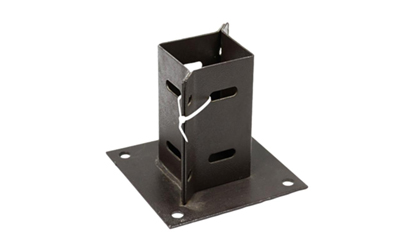
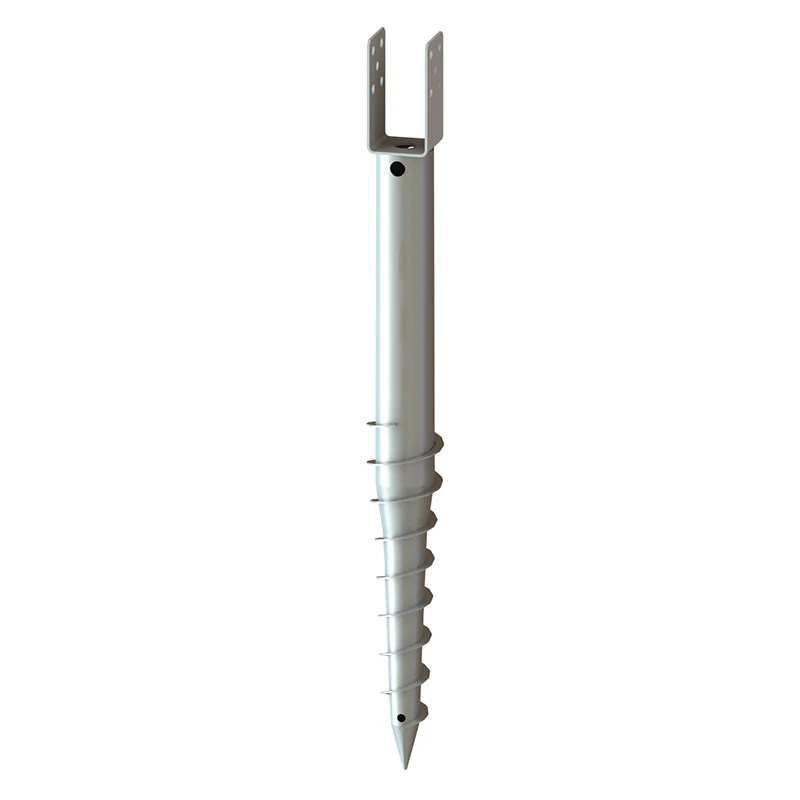
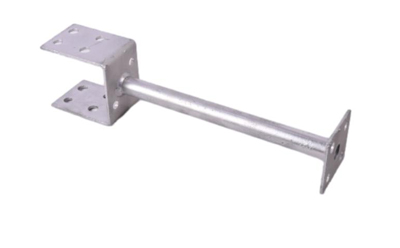
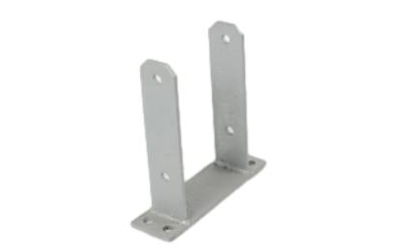












Look, I’ve been on construction sites for fifteen years, knee-deep in dust and dealing with suppliers. Cable railing metal posts… Honestly, it's a surprisingly hot topic right now. Everyone wants that sleek, modern look, especially for balconies and staircases. It’s moved way beyond just stainless steel, though. There’s a huge push for durability and low maintenance, because, let’s face it, nobody wants to be repainting railings every year.
Have you noticed everyone’s obsessed with cable railing? It used to be mostly high-end stuff, but it's trickling down now. A lot of developers are seeing the appeal – it doesn't block views, it feels open, and it looks...well, expensive, even if it isn’t always. There’s a real demand for it, which is good, but it also means a lot of companies are jumping in, and quality is all over the place.
And it’s not just aesthetics. Building codes are getting stricter about safety, especially regarding gaps and child safety. That’s driving a lot of the innovation in post design and cable tensioning systems. We’re seeing more composite materials, too, trying to balance cost with corrosion resistance. It’s a whole mess, frankly.
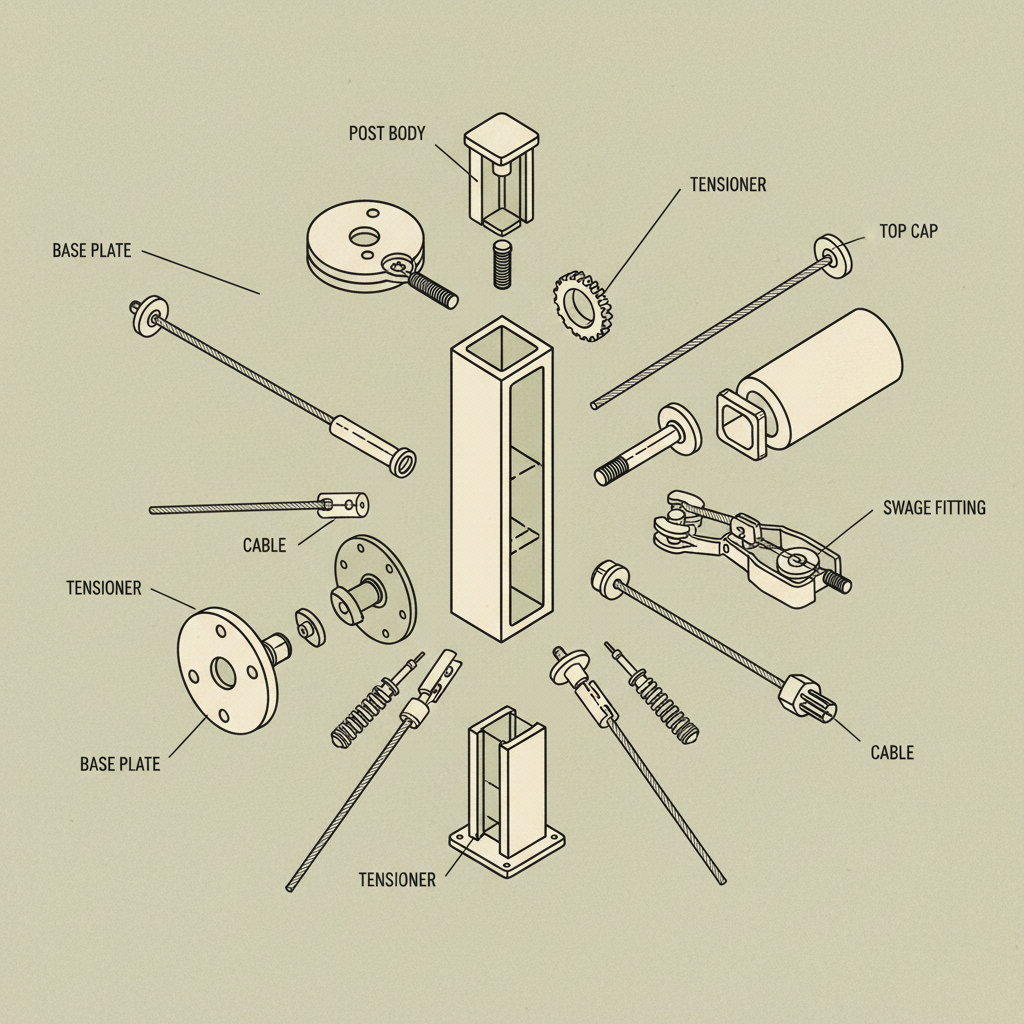
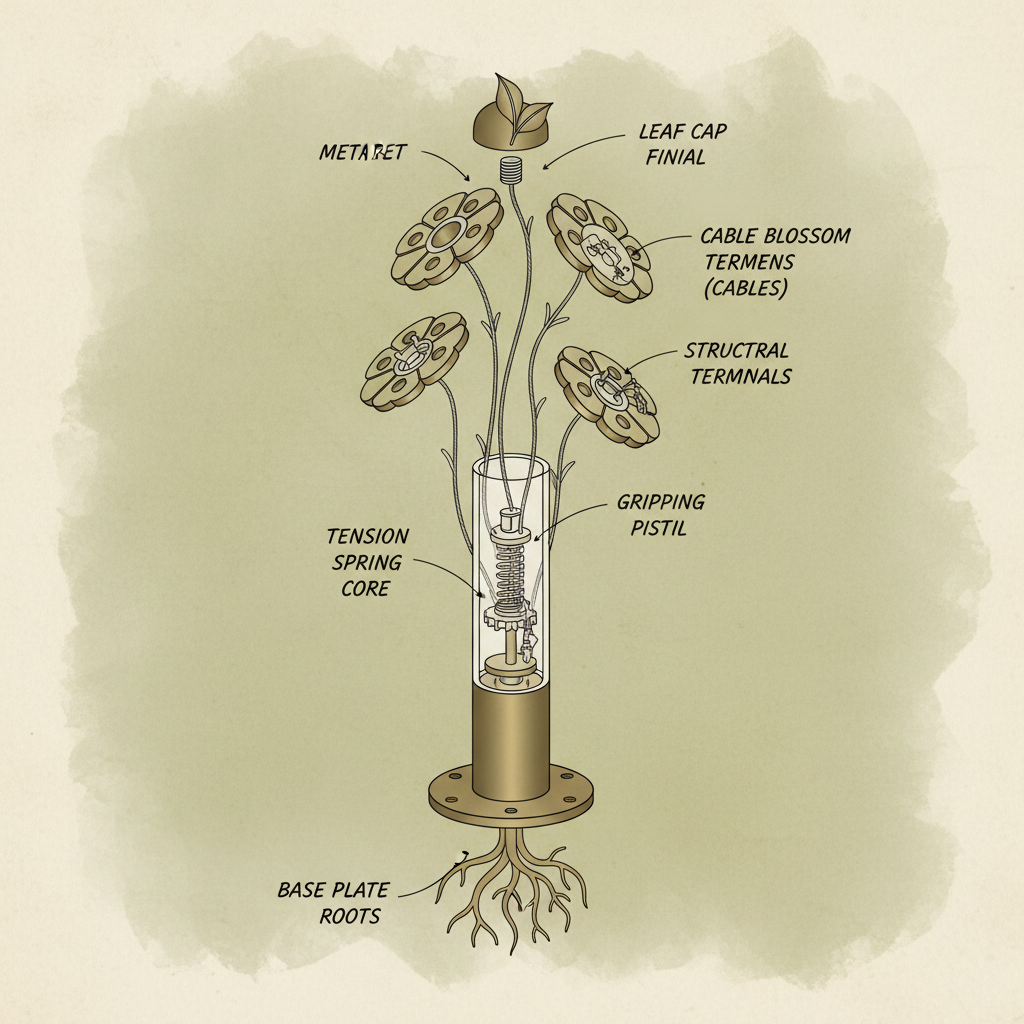
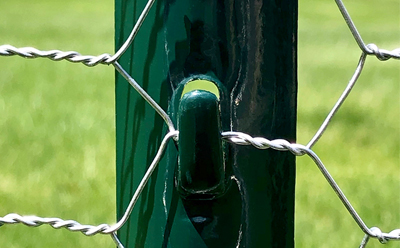
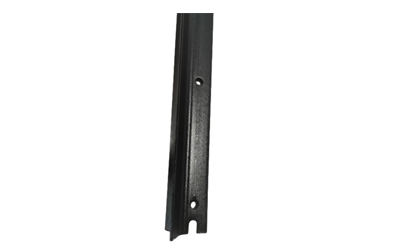
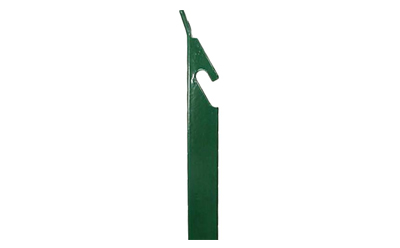
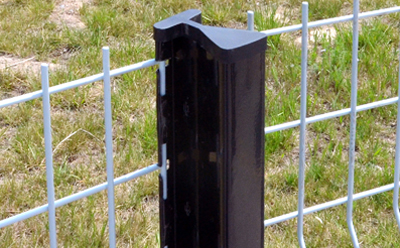
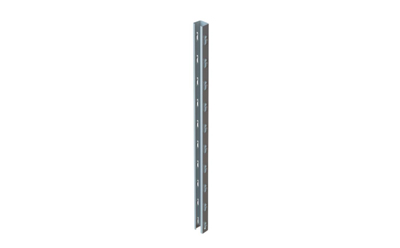
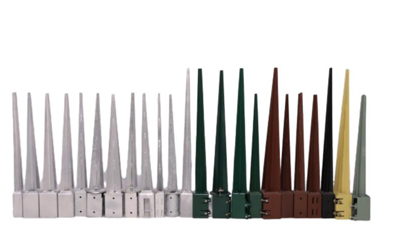
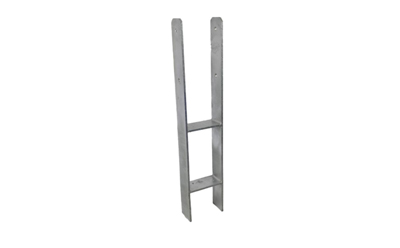
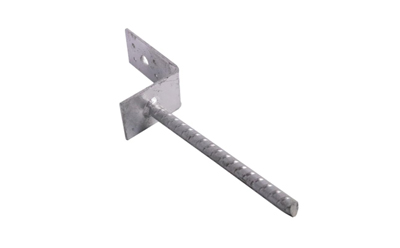
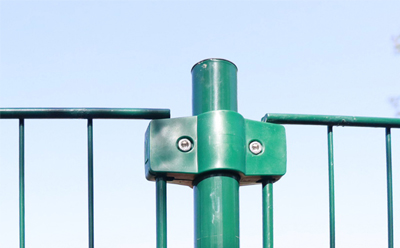
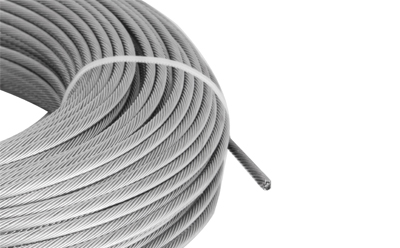
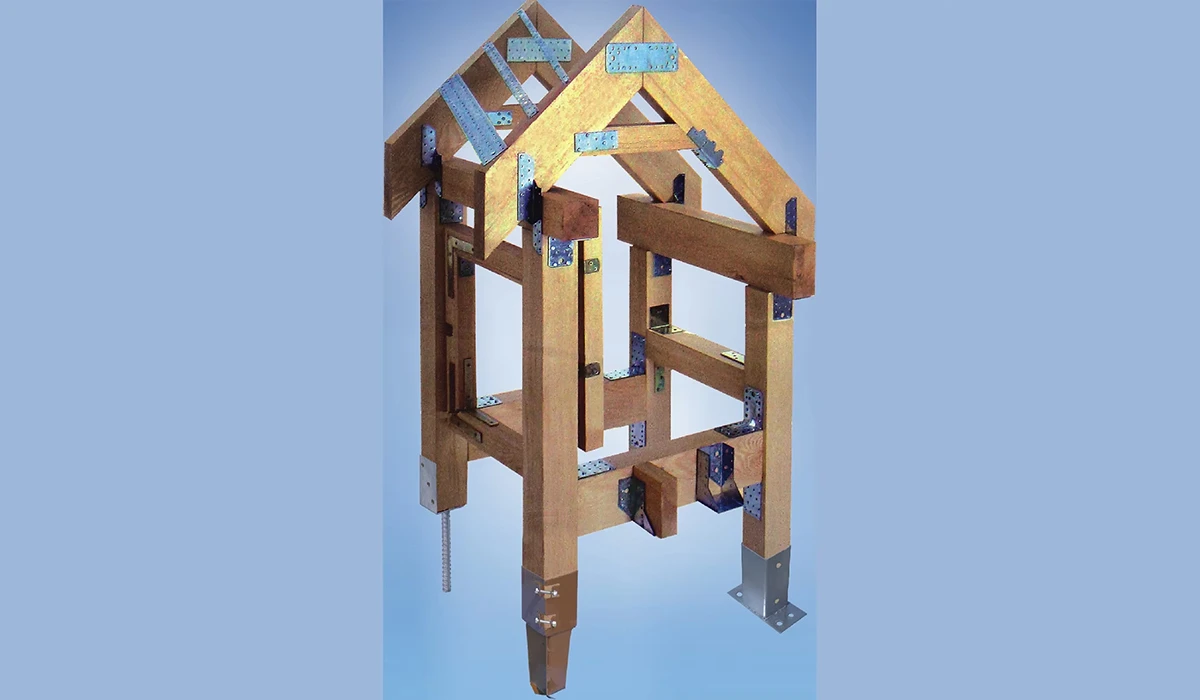
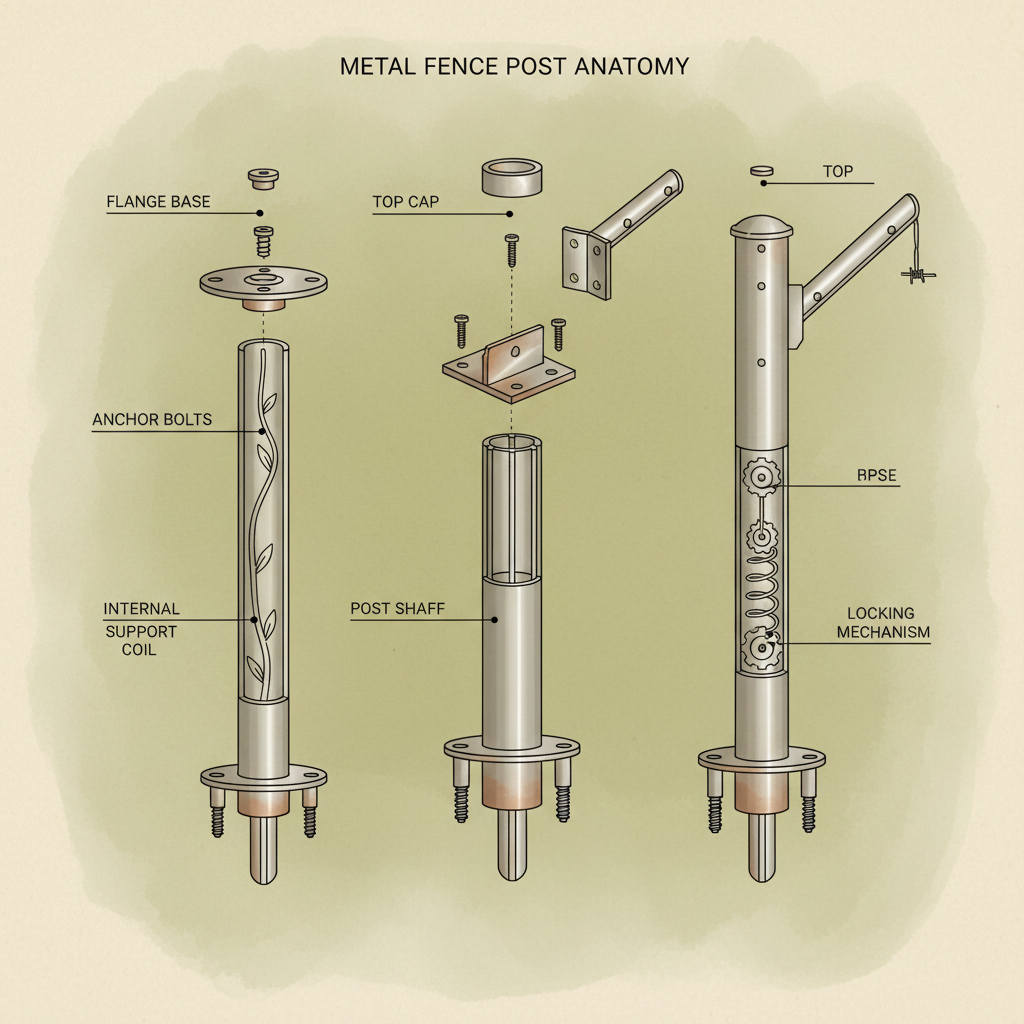
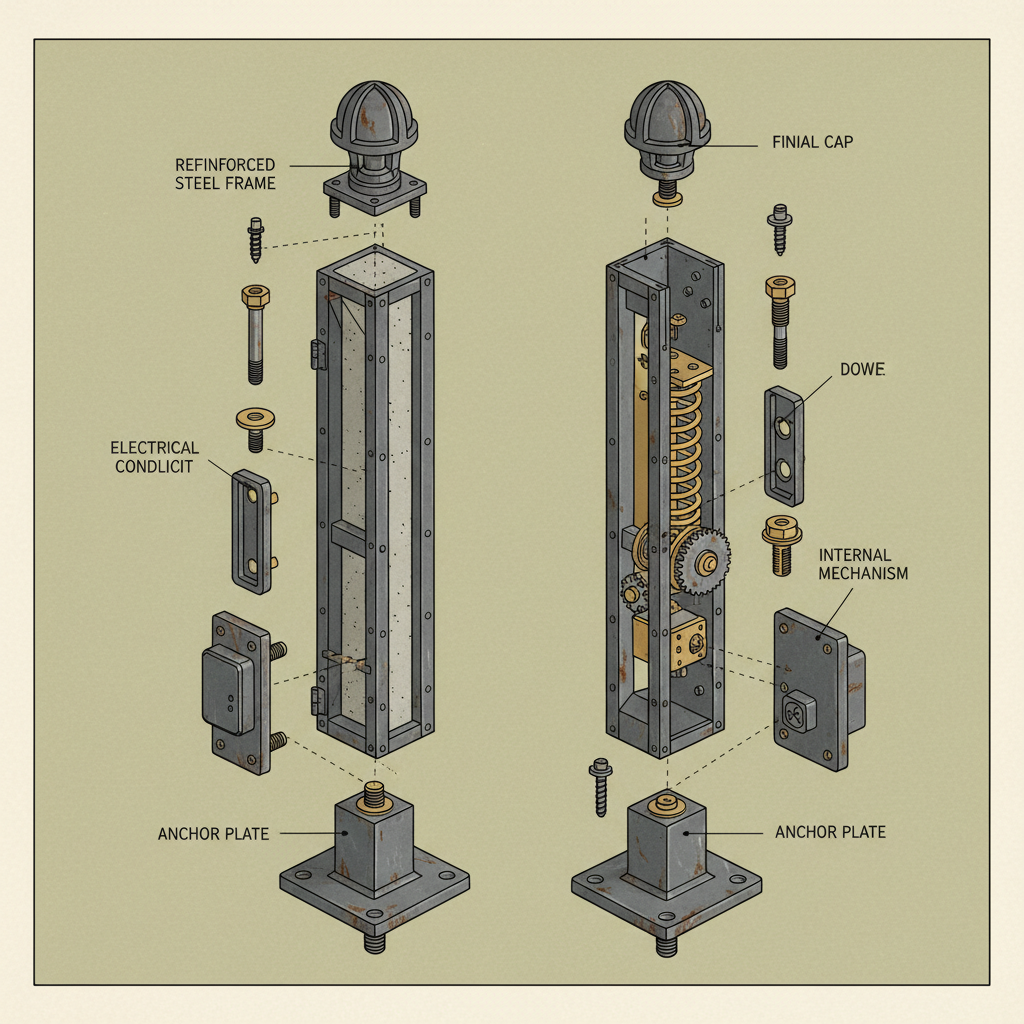
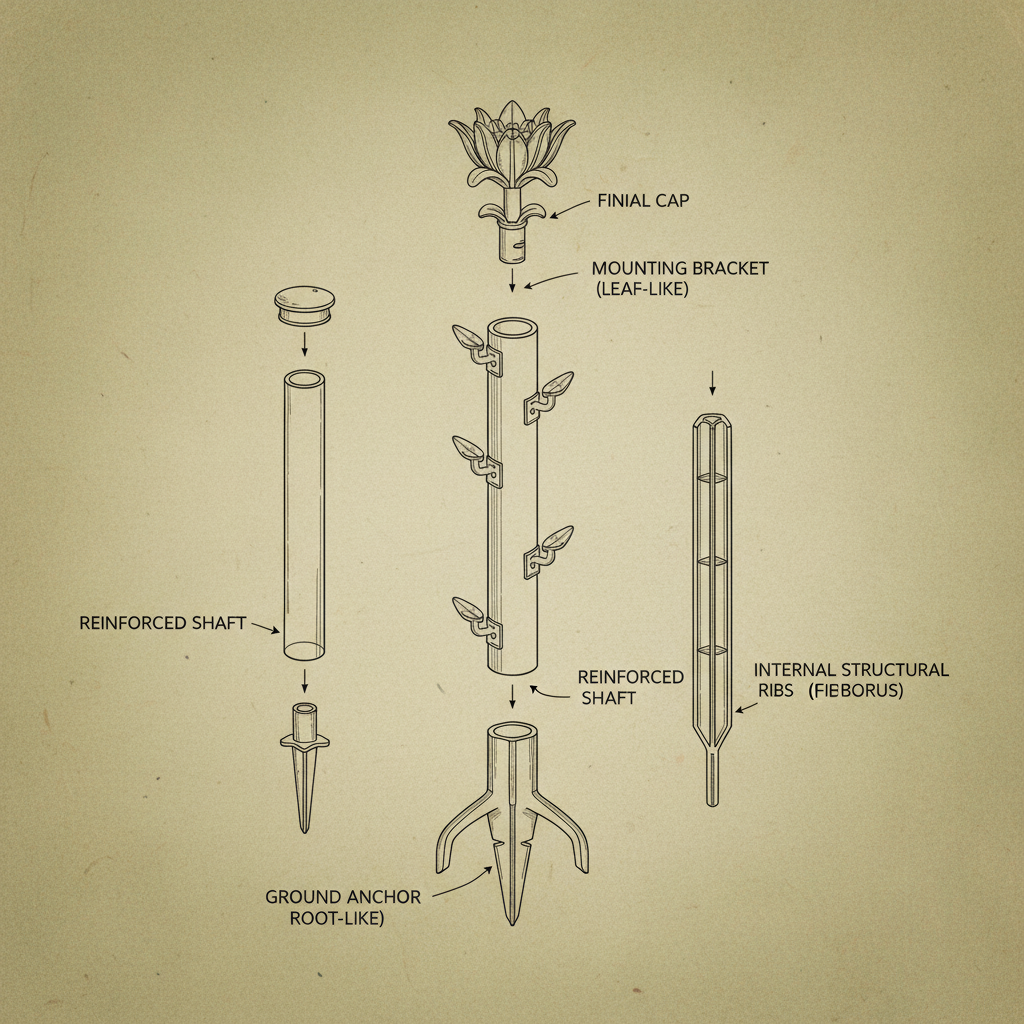
Strangely enough, a lot of the innovation is happening in the post connections. The posts themselves – stainless steel, usually 316 marine grade, sometimes galvanized steel if it’s a budget project – aren’t radically changing. It’s how they attach to the structure, and how the cables are secured, that’s the battleground right now. I encountered this at a factory in Foshan last time, they were using a new swaging technique for the cable ends… looked good, but I worry about long-term corrosion in that joint.
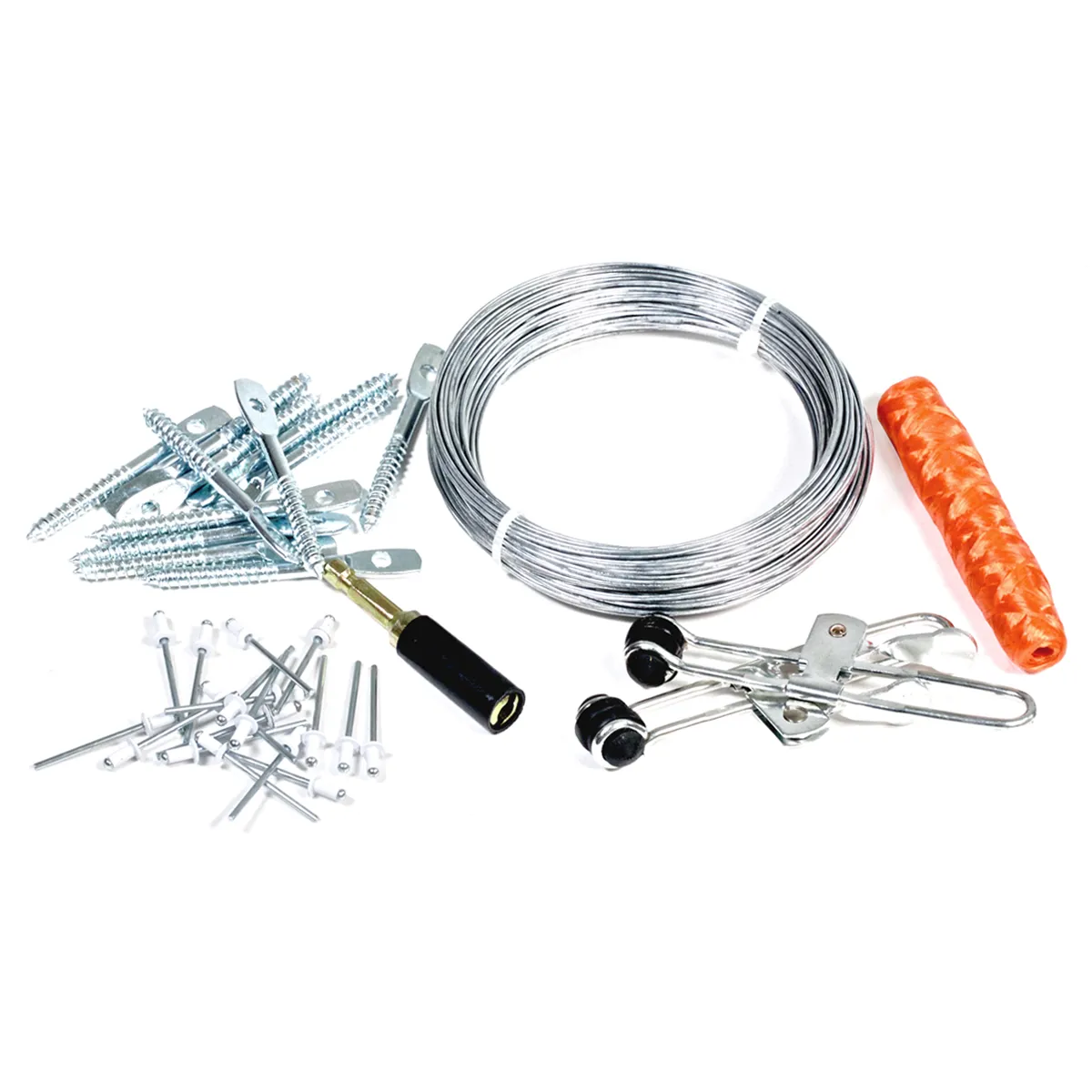
Anyway, I think the biggest trend is pre-fabricated systems. Developers want things fast and easy, and pre-fab railing kits are answering that call. They’re not always the best quality, mind you, but they get the job done and save time on site.
Honestly, just warm soapy water and a soft cloth. Avoid abrasive cleaners, as they can damage the finish. For stubborn stains, a stainless steel cleaner specifically designed for railings can work wonders, but always test in an inconspicuous area first. Regular cleaning – especially in coastal areas – is key to preventing corrosion and maintaining the look.
It really depends on the environment and the amount of use. As a rule of thumb, check the tension every six months. If you notice any sagging or looseness, adjust it immediately. In high-wind areas or with frequent use, you might need to check it more often. A good tensioner will make this process much easier, but it still requires a trained eye to get it right.
Absolutely. Building codes vary by location, but they almost always have requirements for cable spacing, tension, post height, and load-bearing capacity. You'll need to check with your local building department to ensure your installation meets all applicable regulations. Don't skip this step – it could save you a lot of headaches down the road.
If properly maintained, a good quality cable railing system should last at least 15-20 years. However, this can vary depending on the materials used, the environment, and the level of care it receives. Regular cleaning, tensioning adjustments, and prompt repair of any damage are essential for maximizing its lifespan. Remember that corrosion is the biggest enemy.
Yes, but it requires careful planning and installation. You need to account for the angle of the slope and ensure that the cables remain taut and properly supported. Special tensioning hardware and intermediate posts may be necessary. It’s often best to consult with a railing professional to ensure a safe and aesthetically pleasing installation.
Without a doubt, 316 marine-grade stainless steel is the way to go. It’s specifically designed to resist corrosion from salt spray and other harsh marine elements. Avoid using galvanized steel or lower grades of stainless steel, as they will rust quickly in a saltwater environment. Even with 316, regular cleaning and maintenance are still important.
So, what have we learned? Cable railing metal posts offer a modern, sleek look and can be incredibly durable if you choose the right materials and install them correctly. It's a competitive market, with a lot of options available, and a surprising amount of potential for things to go wrong. Remember that proper design, quality materials, and skilled installation are all crucial.
Ultimately, whether this thing works or not, the worker will know the moment he tightens the screw. That’s just the way it is. If you're considering cable railing for your project, do your research, hire a reputable installer, and don’t skimp on quality. And if you need advice, you know where to find me. Visit our website for more information on our cable railing metal posts and accessories.




Copyright © 2026 Hebei Minmetals Co., Ltd. All Rights Reserved. Sitemap | Privacy Policy | Menu