









0%

Table of Contents

To be honest, things have been… hectic. Everyone’s talking about pre-fabricated fencing now, you know? It’s all the rage. But have you noticed, a lot of these “innovations” just shift the problems around instead of solving them? Everyone wants something cheaper, faster… but quality always suffers somewhere. I’ve been seeing a lot of thinner gauge metal, corners cut on galvanization… it’s worrying.

And the designs! Oh man, the designs. I encountered this at a factory in Tianjin last time – they had a ‘self-closing’ gate latch that was practically impossible to operate with gloves on. Designers sitting in offices, they just don’t get it. It looks good on paper, but doesn't work when you’re covered in mud and trying to secure a site at 6am.

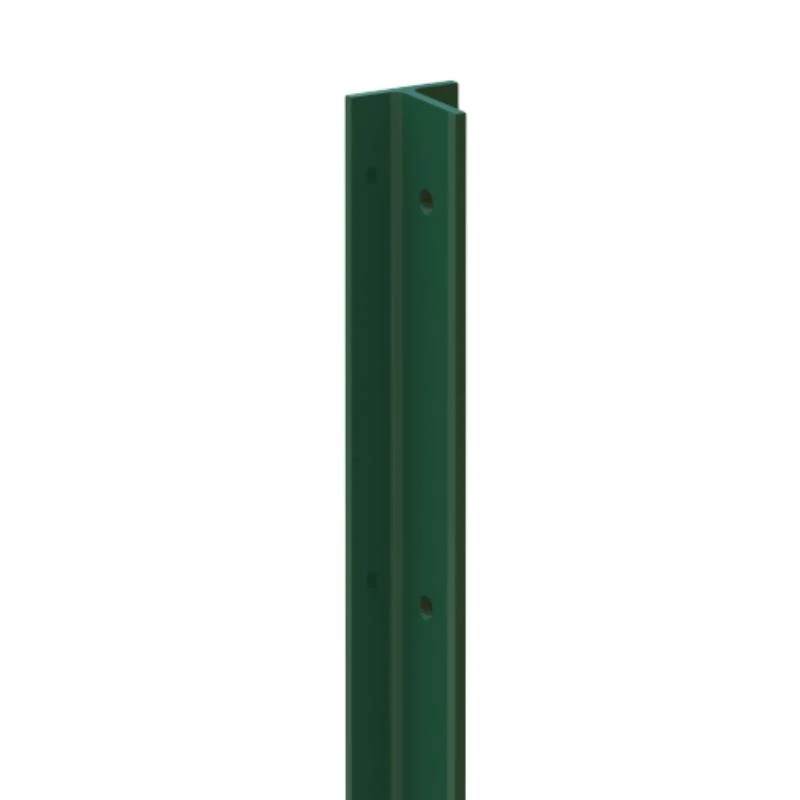
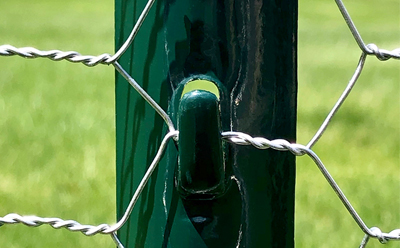
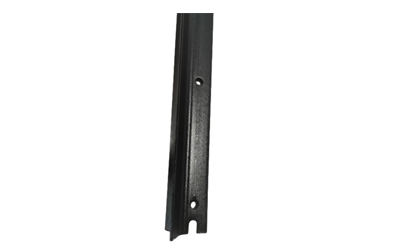
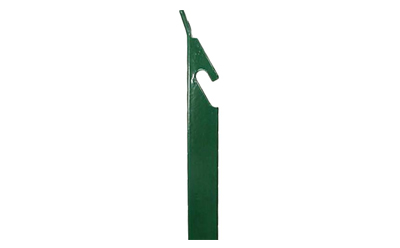
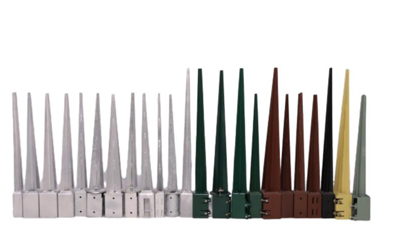
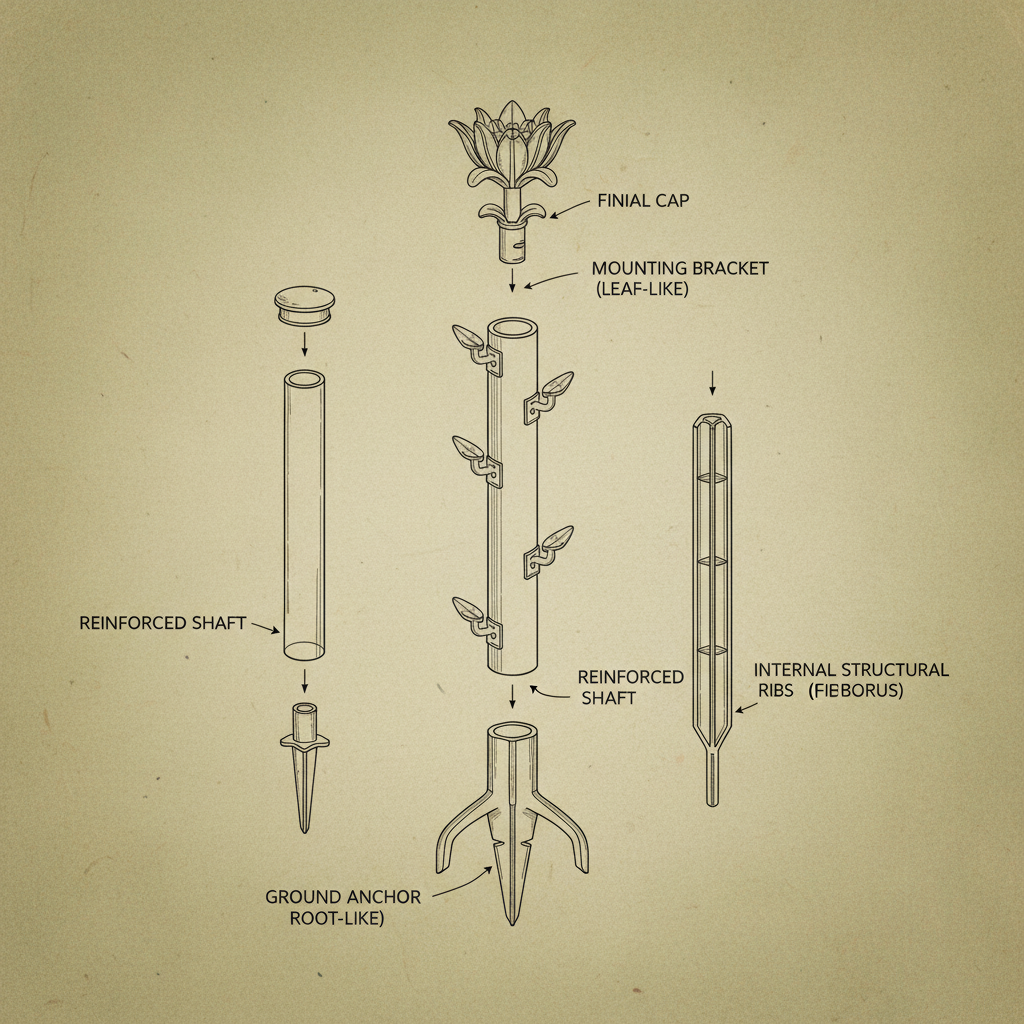
Anyway, metal poles for fence… that’s what we’re here to talk about. Mostly, we're working with galvanized steel – and not that cheap stuff, mind you. We're talking proper hot-dip galvanization. You can smell it, almost… that slightly metallic, zincy odor. Feels rough under your hand too, unlike some of the smoother, thinner coatings. And then there’s aluminum, for coastal areas. Bit softer, obviously, but corrosion resistance is key there. Strangely, a lot of people underestimate the weight difference, especially when they’re trying to maneuver long lengths on uneven ground.
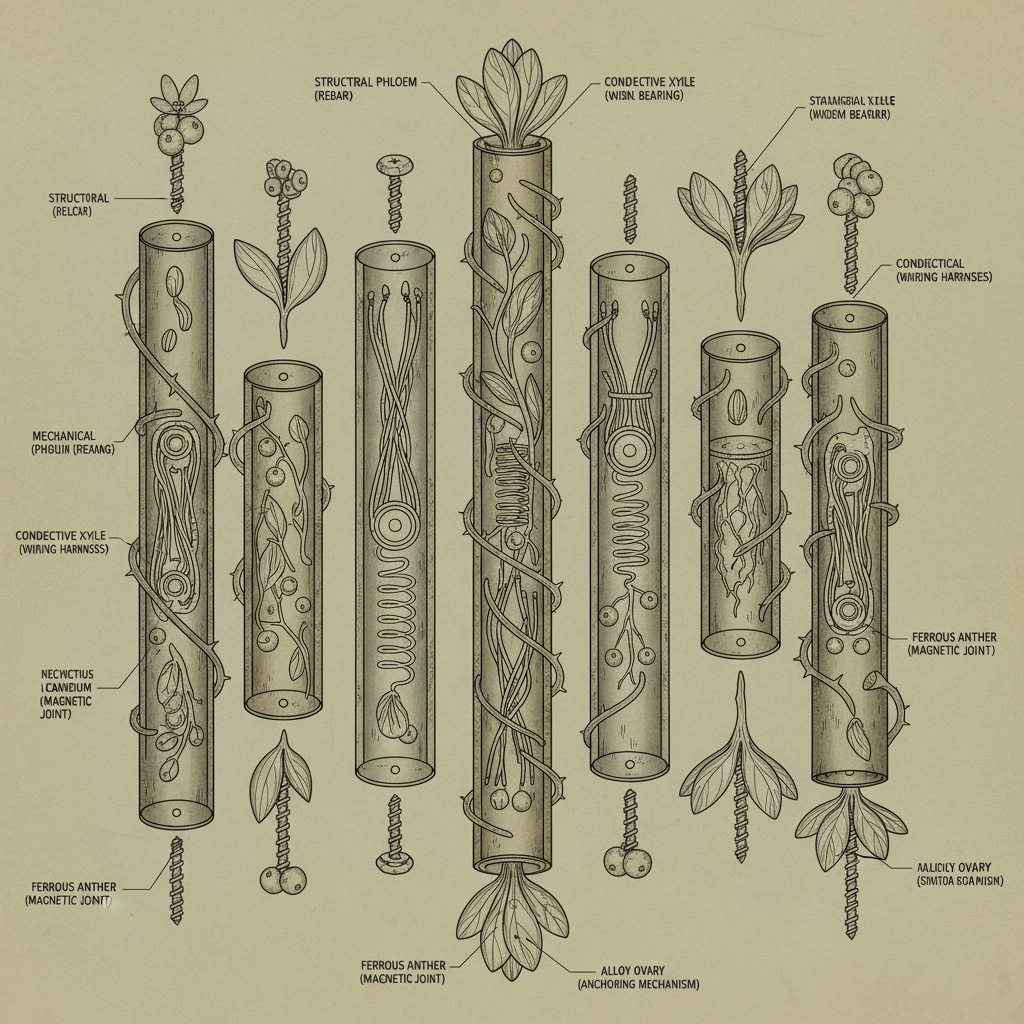
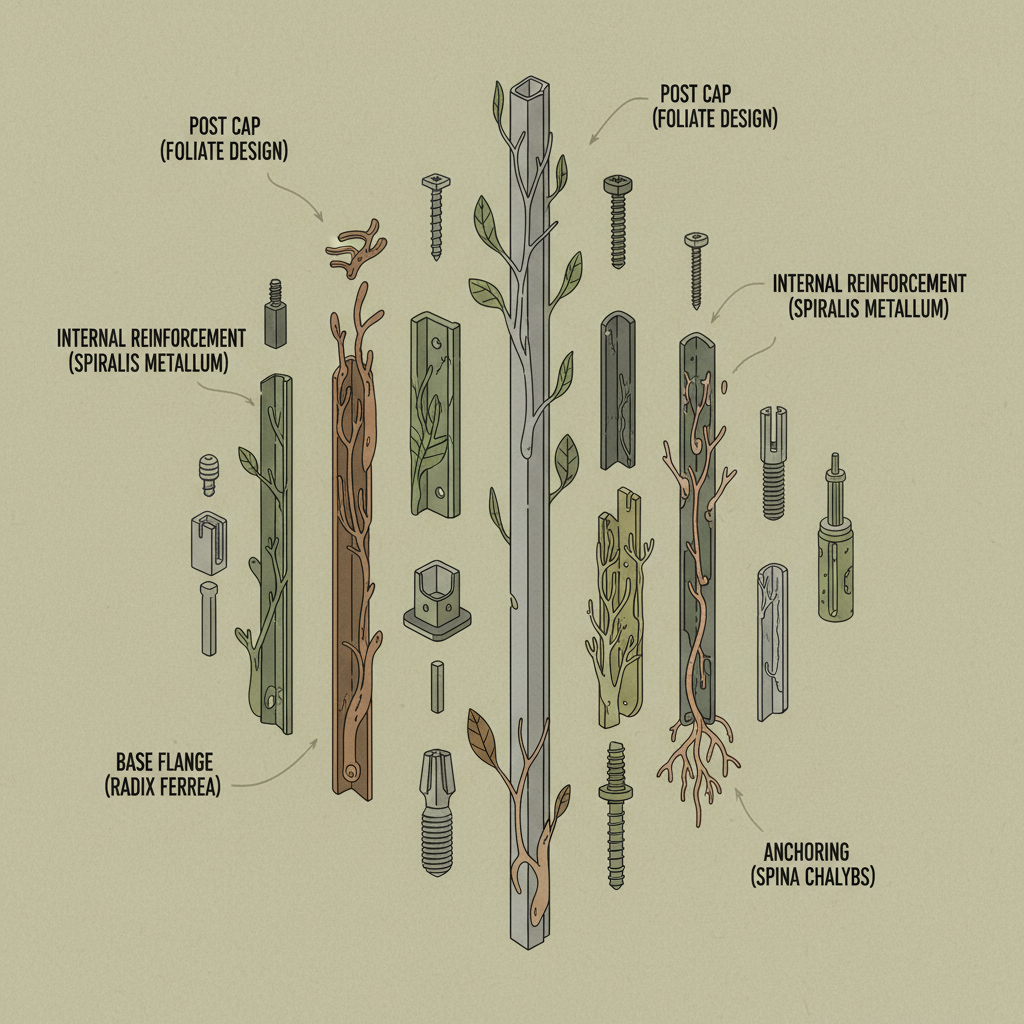
Durable Metal Poles for Fence Systems and Quality Considerations

The Rise of Prefabricated Fencing & Design Pitfalls

Durable Metal Poles for Fence Systems and Quality Considerations

Prefabrication... it’s supposed to save time, right? And money? Sometimes it does. But I've seen sites where the pre-cut sections didn't quite fit the terrain, leading to a whole lot of extra welding and adjustments. A lot. It ends up costing more than just doing it properly from the start.

A common trap is over-engineering for load capacity, while forgetting about practical installation. You end up with these massive, heavy poles that are a nightmare to get into the ground, especially in rocky soil. And then you need heavier equipment, more manpower… the whole thing snowballs.

Material Matters: Steel, Aluminum, and the Feel of Quality

Like I said, galvanized steel is the workhorse. It's strong, relatively affordable, and if it's done right – really right – it'll last for decades. But the quality of the galvanization varies wildly. Cheap stuff flakes off after a few years. You can tell a good coat just by looking at it – it should be a consistent, matte grey, not shiny and patchy.

Aluminum’s good for coastal stuff, areas with salt spray. It won't rust, obviously. But it’s softer, so you need to use thicker gauges, which drives up the price. And it doesn't take paint as well as steel.

There's also this trend towards using recycled materials, which is great, in theory. But you have to be really careful about consistency. I was at a site last month where they used recycled steel poles, and the wall thickness varied significantly. It caused all sorts of problems with attaching the fence panels.

Real-World Testing: Beyond the Lab

Labs are fine for basic strength tests, but they don’t tell you how a pole will hold up to a sustained wind load, or repeated impacts. We do a lot of our testing on-site, just by observation. We look for bending, buckling, corrosion… things that a lab report won’t catch for months.

We also do what we call “the wiggle test.” Just grab the pole and shake it. Sounds silly, but you can tell a lot about the stability of the installation just by how much it moves. If it’s wobbling, something’s not right.

And then there’s the ultimate test: time. You put it up, and you see what happens. Years later. It's a surprisingly reliable indicator of quality.

How Users Actually Use Metal Fence Poles

Here’s where things get interesting. Engineers design these things assuming they’ll be installed perfectly, plumb and level. That never happens. Workers are always improvising, using shims, adjusting post depths to compensate for uneven ground… it's constant problem-solving.

I’ve seen guys use poles as makeshift levers, as temporary supports for scaffolding… all sorts of things the designers never intended. And they do it because it’s practical. It saves time and effort. You gotta respect that.

Metal Poles for Fence Performance Metrics


Advantages & Disadvantages: The Honest Truth

Look, metal poles for fence are durable. Plain and simple. They can withstand a beating, and they'll last a long time if you choose the right materials and installation techniques. They're also relatively low maintenance. Paint them every few years, and they'll be good to go.

But they’re not perfect. They can be expensive, especially if you need a lot of them. And they can be tricky to install, particularly in difficult terrain. And let’s be honest, they’re not the most aesthetically pleasing option. But function over form, right? Usually.

Customization Capabilities & a Shenzhen Story

We can customize pretty much anything. Different heights, different gauges of metal, different types of coatings. Last month, that small boss in Shenzhen who makes smart home devices insisted on changing the interface to on the mounting brackets – said it was "more future-proof." It was a total headache getting the manufacturing set up, and honestly, it added very little value, but hey, the customer is always right, right?

We also do a lot of custom powder coating. People want specific colors to match their branding or the surrounding environment. And we can add special features, like integrated cable management systems or mounting points for security cameras.

Core Performance Metrics: A Site Manager's Assessment

I don’t really care about fancy engineering calculations. I care about whether the fence stays up. That’s it. But if you want metrics, here’s what I look at: how easily the poles go into the ground, how well they withstand wind pressure, how resistant they are to corrosion, and how long they last before needing repairs.

We track these things on every job site. We keep a log of any failures, and we analyze the root causes. It's not glamorous work, but it's important.

Ultimately, whether this thing works or not, the worker will know the moment he tightens the screw.

Summary of Critical Performance Indicators for Metal Fence Poles

Installation Difficulty Wind Resistance (mph) Corrosion Rate (years to first significant rust) Overall Cost (per 10ft section)
Easy 60 15 $150
Medium 80 20 $200
Difficult 100 25 $250
Easy 50 30 $120
Medium 70 18 $180
Difficult 90 22 $230

FAQS

What's the best metal pole type for a saltwater environment?

For saltwater, aluminum is your best bet. Steel will corrode quickly without extremely robust – and expensive – coatings. Aluminum doesn't rust, but it's softer, so you need to use a thicker gauge to achieve the same strength as steel. It’s a trade-off. We typically recommend a 6061-T6 alloy for marine applications; it’s got good strength and corrosion resistance, but it’s not cheap.

How deep should I bury metal fence posts?

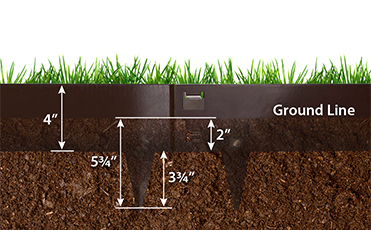
That depends on the height of the fence and the soil conditions. A general rule of thumb is to bury at least 1/3 of the post’s length. So, for a 6-foot fence, you'd want at least 2 feet in the ground. If you're dealing with loose, sandy soil, you’ll need to go deeper. We always recommend consulting local building codes for specific requirements. Don't skimp on this step, or the fence will fall over.

What’s the difference between galvanized and powder-coated steel?

Galvanization is the process of coating steel with zinc to prevent rust. It's a pretty effective method, but the coating can be scratched or damaged over time. Powder coating is a dry finishing process where a powdered plastic material is applied electrostatically and then cured under heat. It provides a more durable and aesthetically pleasing finish, and it offers better corrosion protection, on top of galvanization.

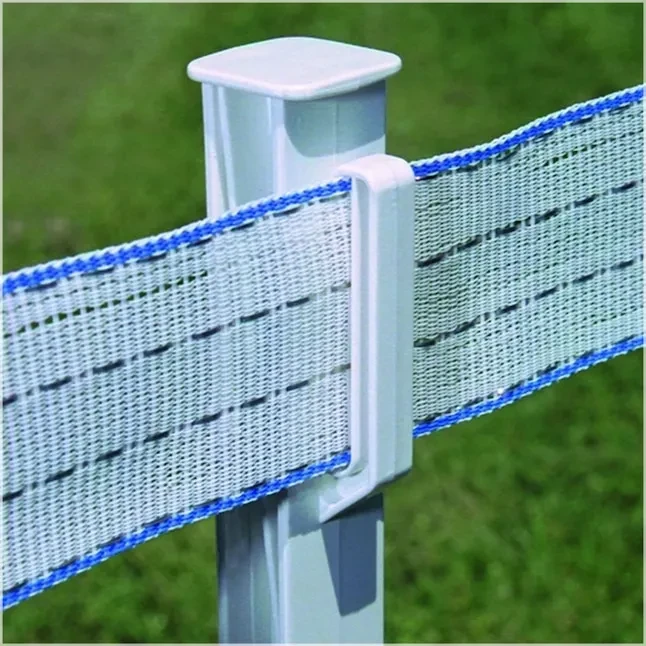
Can metal fence posts be used for electric fencing?

Yes, but you need to use metal posts specifically designed for electric fencing. These posts are typically made of steel and have a special coating to conduct electricity. You also need to ensure the posts are properly grounded. Don't try to use just any metal post – it won't work, and it could be dangerous. I’ve seen people try to rig it up… it doesn’t end well.

How do I prevent corrosion at the ground line?

That’s a common problem. The area right at the ground line is particularly susceptible to corrosion because it’s constantly exposed to moisture and salt. You can prevent this by applying a generous coat of asphalt-based sealant to the portion of the post that will be buried. You can also use a plastic sleeve or collar to isolate the metal from the soil. And make sure the area around the post is well-drained.

What's the lifespan of a properly installed metal fence?

With proper installation and maintenance, a metal fence can easily last 20-30 years, even in harsh environments. The key is to use high-quality materials, ensure proper galvanization or coating, and address any corrosion issues promptly. I’ve seen fences that are 50 years old and still standing strong, but they’ve been well-maintained. It all comes down to taking care of your investment.

Conclusion

So, yeah, metal poles for fence… it's not rocket science, but there's a lot more to it than people think. Choosing the right materials, ensuring proper installation, and understanding the specific conditions of your site are all crucial for a long-lasting and reliable fence. It’s about more than just aesthetics; it’s about security, safety, and peace of mind.

Look, ultimately, whether this thing works or not, the worker will know the moment he tightens the screw. If it feels solid, if it looks right, then you’re probably good to go. If it feels flimsy, or if something just doesn’t seem right, trust your gut. And if you need advice, give us a call at Hebei Metals. We've seen it all.


Kevin Rodriguez

Kevin Rodriguez

Kevin Rodriguez is a Marketing and Communications Specialist for Hebei Minmetals, focusing on digital content and public relations within the North American market. He is responsible for crafting compelling narratives around our products and the company’s commitment to sustainability and quality. Kevin manages our social media presence, website content, and
Previous Understanding Heavy Duty Metal Gate Posts for Secure and Long Lasting Installations
Next Durable Metal Gate Posts for Enhanced Security and Aesthetic Appeal