

















A beautiful garden requires more than attractive flowers, plants, and landscaping. Proper garden boundaries and separation systems also play an important role in maintaining an organized and visually appealing outdoor environment. A 庭の縁取りフェンス is a practical landscaping solution designed to define garden areas, separate different planting zones, protect flower beds, and create clear boundaries between lawns, pathways, and other outdoor spaces.
Today, garden edging fences are available in various materials, designs, heights, and installation styles. From traditional wooden borders to durable metal mesh fencing and modern composite edging systems, homeowners and landscaping professionals can choose products that match different outdoor environments and functional requirements.
Whether used in residential gardens, public parks, commercial landscapes, or agricultural areas, a well-designed garden fence can improve space utilization while adding decorative value. Understanding the different types of garden fencing, their applications, and material advantages helps buyers select the most suitable solution for their landscaping projects.

A 庭の縁取りフェンス is a boundary structure installed around flower beds, lawns, vegetable gardens, pathways, or other landscaped areas. Its main purpose is to create clear divisions between different outdoor spaces while helping maintain a neat and organized appearance.
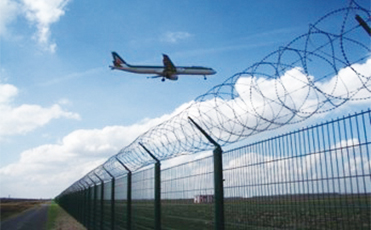
Unlike large security fences, garden edging products are generally designed with a focus on landscaping, decoration, and light-duty separation. They are available in different heights and configurations, allowing users to select suitable solutions for specific garden layouts.
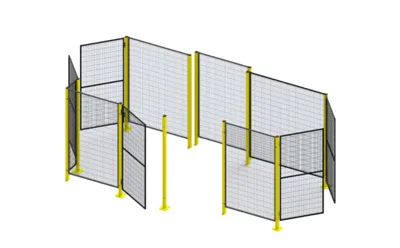
One important application is creating a garden fence barrier between planting areas and surrounding spaces. This type of barrier can help prevent accidental trampling, keep certain areas separated, and provide a visible boundary for garden maintenance. Depending on the structure and material, some products can also help discourage small animals from entering flower beds or vegetable gardens.
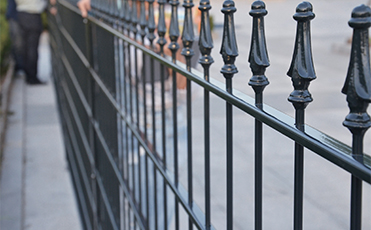
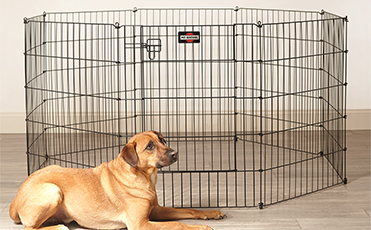
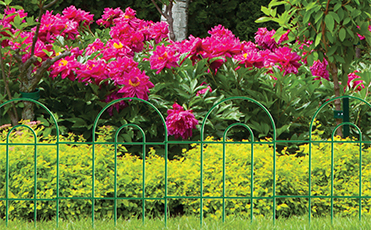
Another popular landscaping solution is 庭のフェンスと境界. These products combine decorative fencing with practical edging functions, making them suitable for defining lawn boundaries, separating flower beds, and organizing different planting zones. They can also create a consistent visual style throughout a garden.
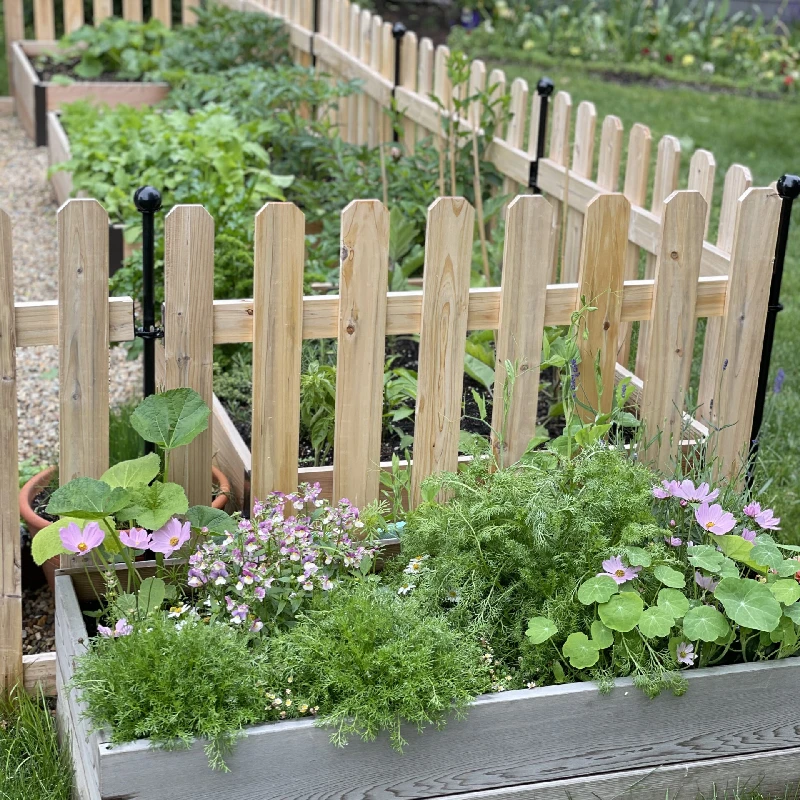
For homeowners with multiple planting areas, a 庭の仕切りフェンス offers a simple way to divide different sections. For example, it can separate vegetable gardens from flower beds, distinguish lawns from gravel pathways, or create individual planting zones for different types of plants.
Garden edging fences are also useful for landscaping contractors and commercial property managers. They provide a practical way to organize outdoor areas in residential communities, hotels, parks, schools, and public green spaces.
The right garden boundary solution should balance appearance, durability, installation convenience, and environmental suitability. By selecting appropriate materials and designs, users can create attractive outdoor spaces that remain organized and easy to maintain.
Garden edging fences are manufactured using various materials, each offering different advantages in terms of appearance, durability, maintenance, and cost. Understanding these options can help buyers choose products that match their landscaping requirements.
Composite Garden Border
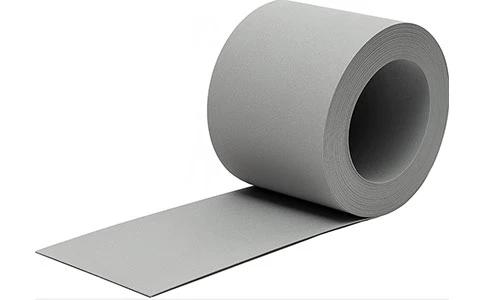
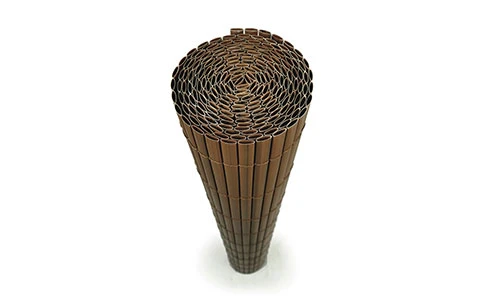
A 複合庭の境界線 is commonly manufactured using a combination of recycled plastics and wood fibers or other composite materials. It is designed to provide a wood-like appearance while offering practical resistance to moisture, rot, and everyday outdoor conditions.
Composite borders are suitable for flower beds, lawn edges, pathways, and decorative landscaping projects. Compared with traditional untreated wood, composite materials generally require less maintenance and are available in different colors, textures, and sizes.
For buyers seeking modern landscaping solutions, composite edging provides an attractive combination of functionality and appearance.
Garden Wire Border Fence
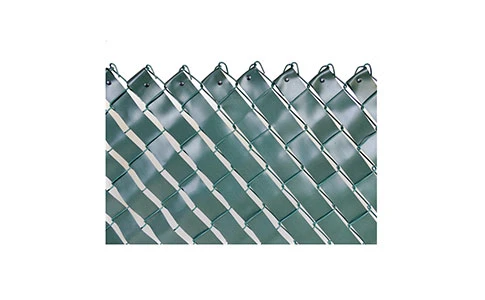
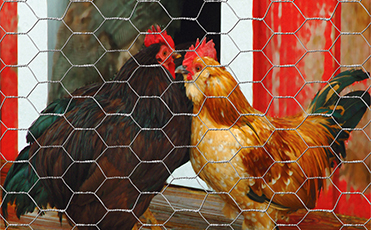
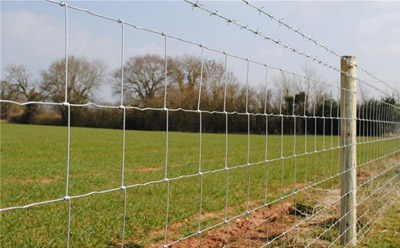
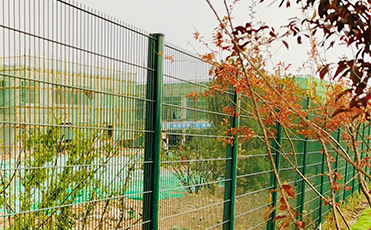
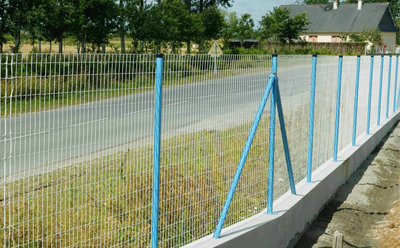
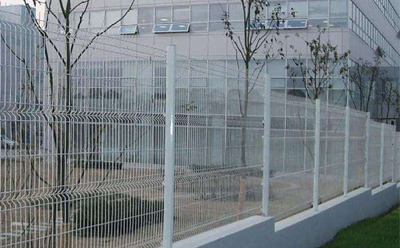
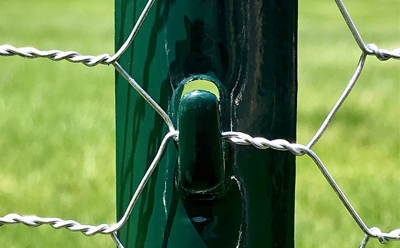
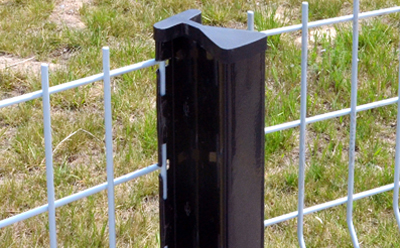
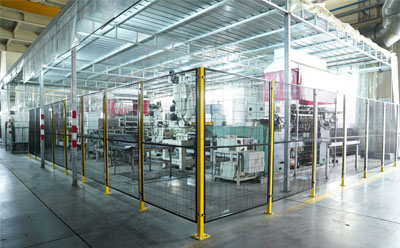
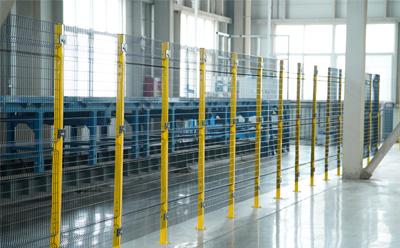
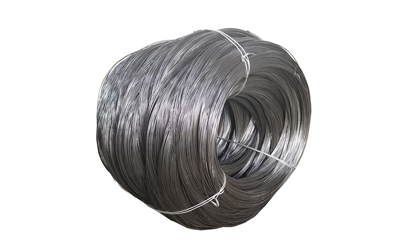
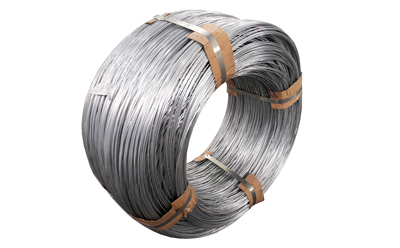
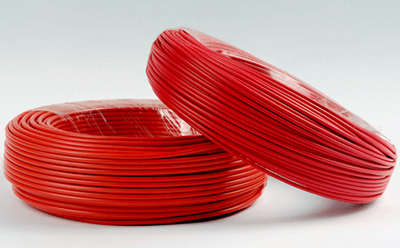
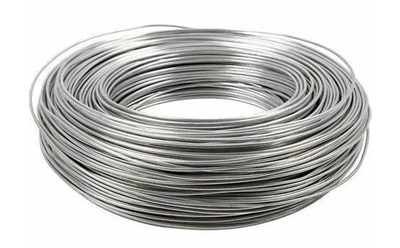
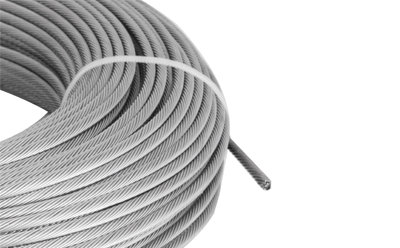
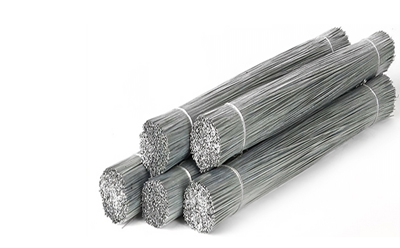
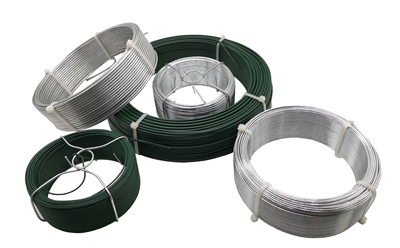
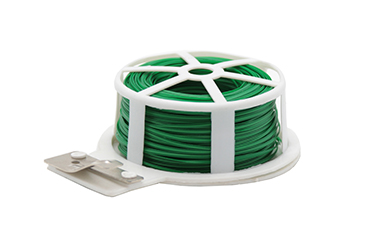
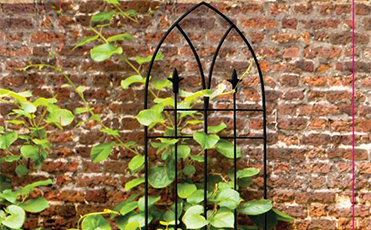
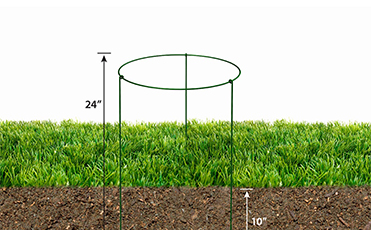
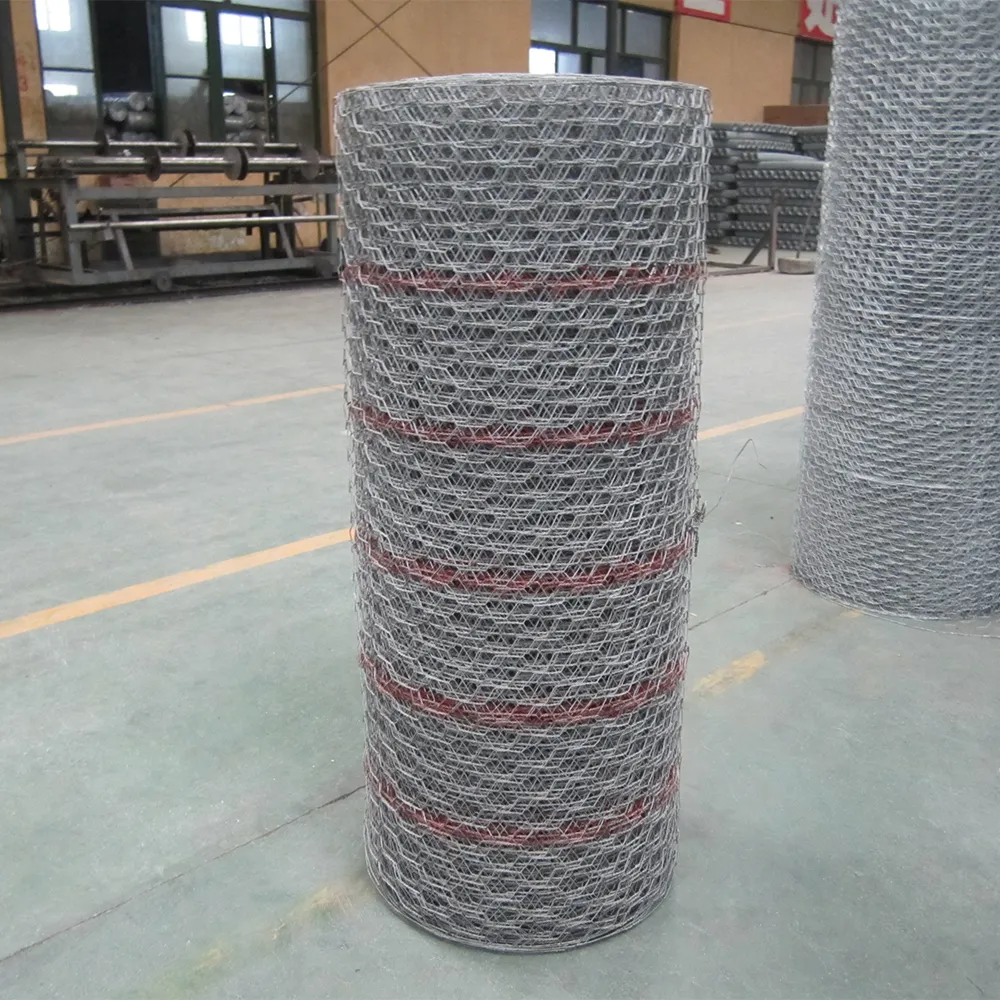
A garden wire border fence is a practical option for defining garden boundaries and providing light-duty separation. It is commonly made from galvanized steel wire, PVC-coated wire, or other metal materials.
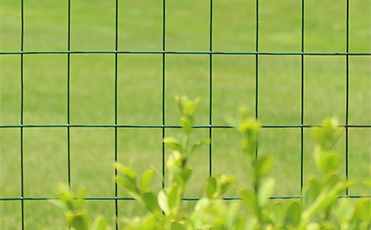
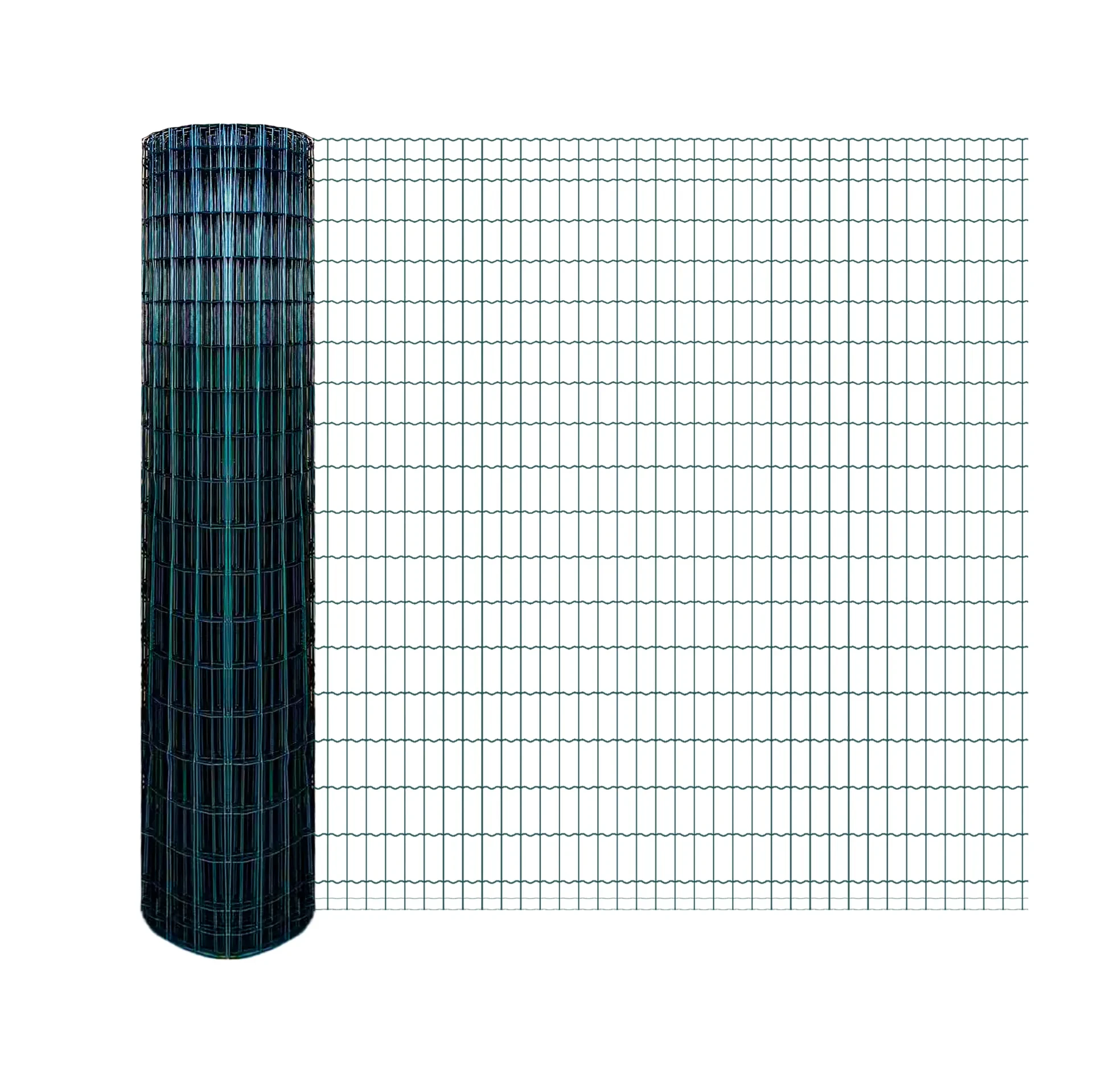
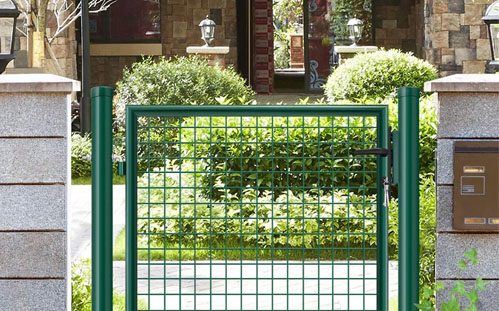
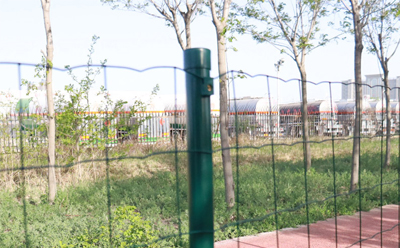
Galvanized wire offers improved resistance to rust and corrosion, while PVC-coated wire provides an additional protective layer and allows manufacturers to offer different colors. Green-coated wire is particularly popular because it blends naturally with plants, grass, and surrounding landscaping.
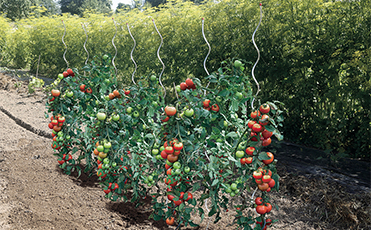
Wire border fences are lightweight, easy to install, and suitable for flower beds, vegetable gardens, and lawn boundaries. Depending on the mesh structure and wire thickness, they can provide different levels of strength and flexibility.
Green Garden Border Fence
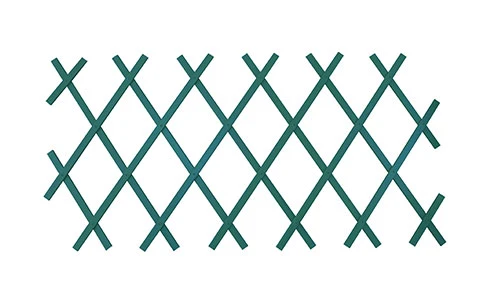
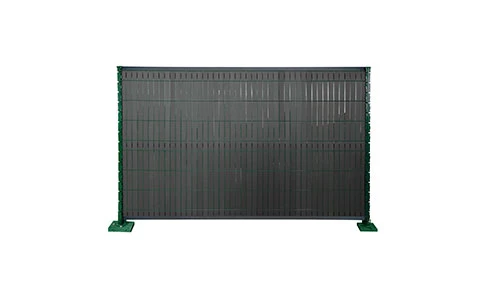
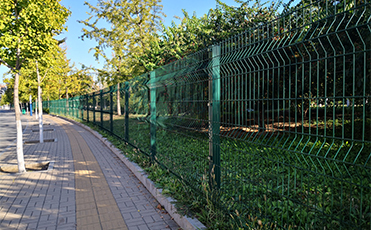
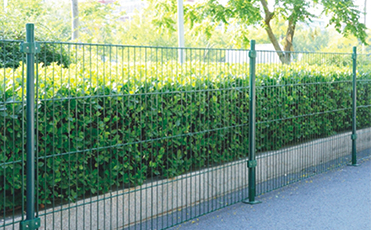
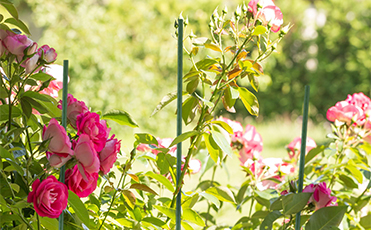
A green garden border fence is designed to blend into natural outdoor surroundings. Its green color makes it suitable for gardens, lawns, flower beds, and landscaped public spaces.
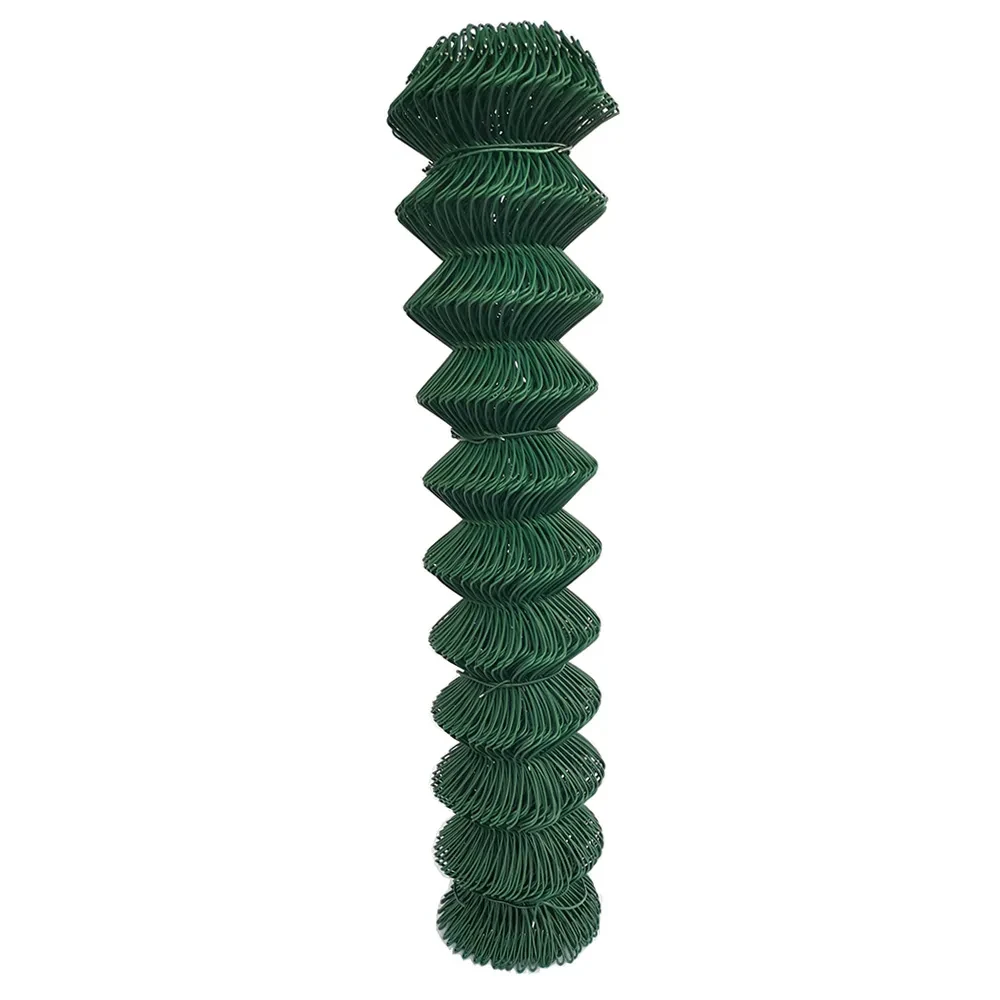
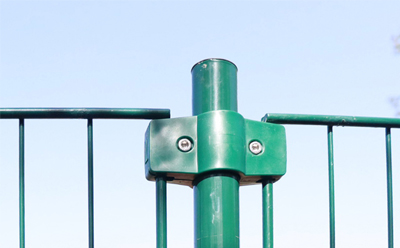
These fences are available in metal wire, coated steel, plastic, and other materials. Green PVC-coated metal fencing is a popular option because it combines a natural appearance with the structural strength of metal.
Wooden and Plastic Garden Edging
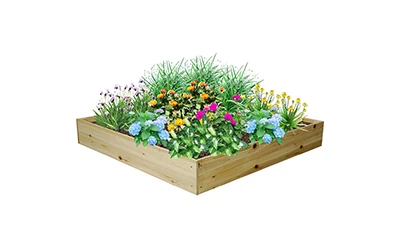
Wooden garden borders provide a traditional and natural appearance that complements many landscaping styles. They can be used to create raised flower beds, separate lawns, and define planting areas.
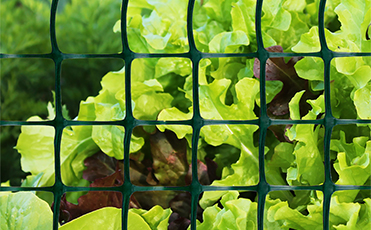
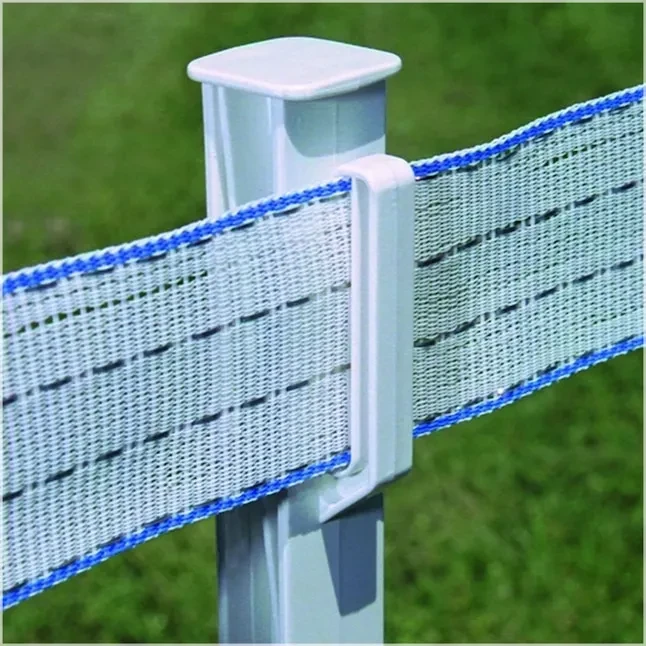
Plastic edging is another lightweight and economical option. It is often flexible, making it suitable for curved garden layouts and irregular landscape designs. It is also relatively easy to cut, transport, and install.
When selecting garden edging materials, buyers should consider outdoor exposure, soil moisture, sunlight, expected service life, and maintenance requirements.
Selecting the right garden fence requires careful consideration of the intended application, installation area, product dimensions, and material performance. Different gardens have different layouts, so choosing a suitable structure can significantly improve both appearance and functionality.
Consider the Garden Layout
Before purchasing a fence, measure the area that needs to be separated. For example, a front garden border fence can be used to define the boundary between a front lawn, flower beds, and walkways. It should complement the overall appearance of the property while maintaining a clear separation between different landscape elements.
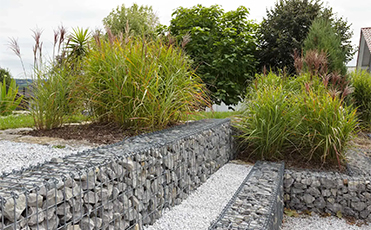
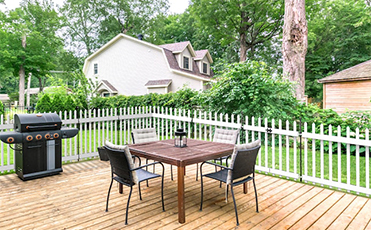
For properties with an existing fence, creating a border garden along fence can help make better use of available space. Planting flowers, shrubs, or decorative grasses along the fence line creates a more attractive transition between the boundary and the main garden area. Adding edging along the planting zone can also help keep soil, mulch, and decorative stones in place.
Choose the Appropriate Height and Structure
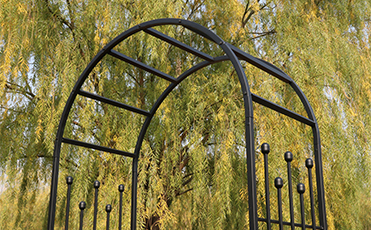
The height of a garden fence depends on its intended purpose. Low edging fences are generally suitable for decorative borders and flower bed separation. Taller structures may be more appropriate when users need additional separation or protection.
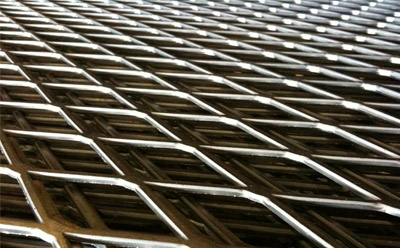
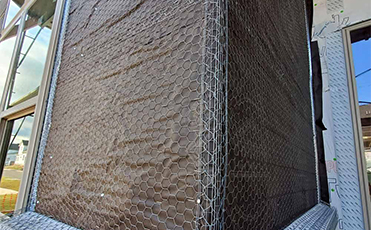
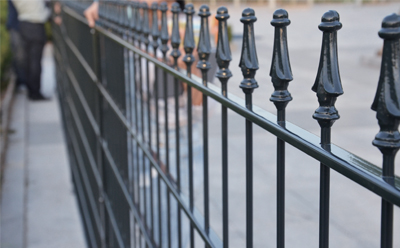
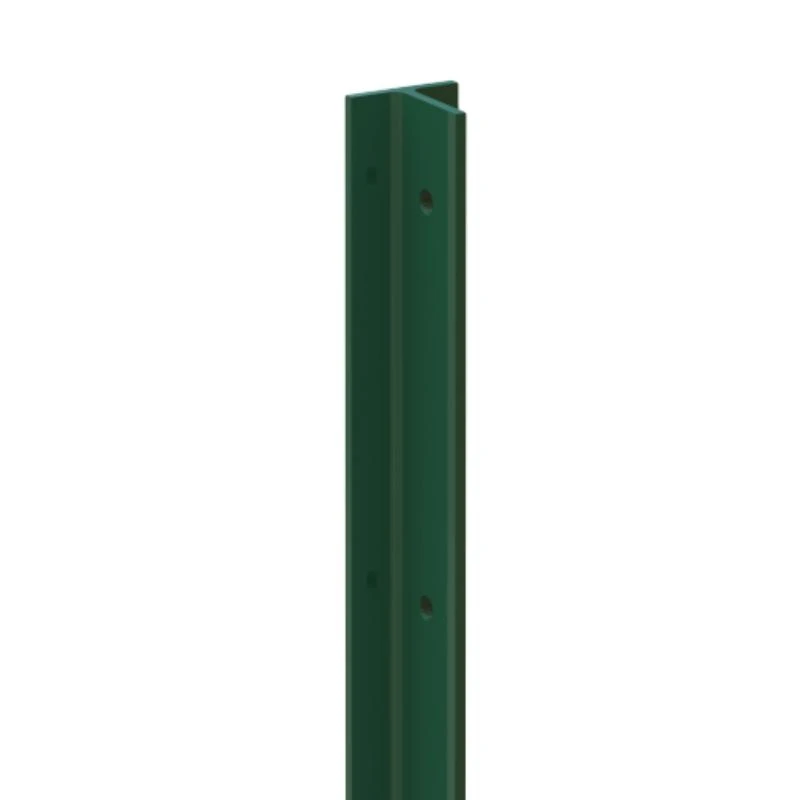
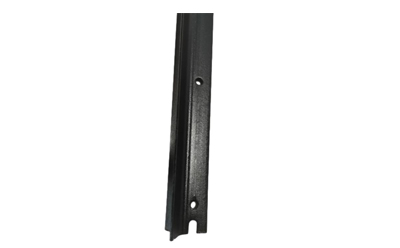
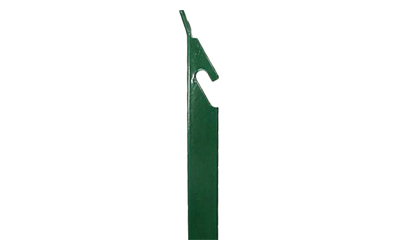
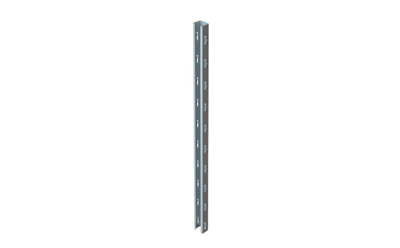
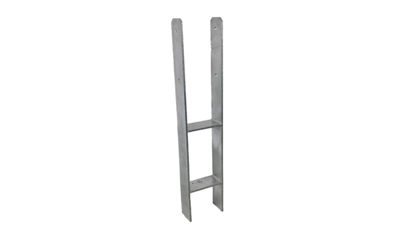
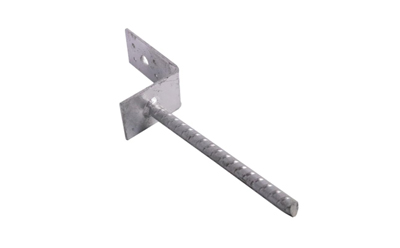
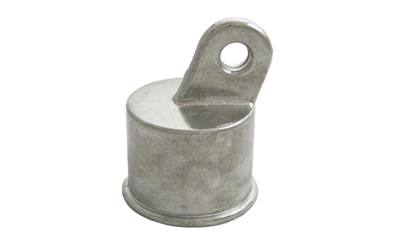
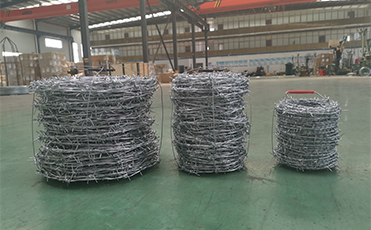
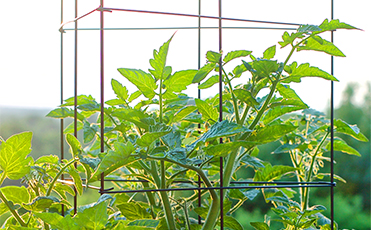
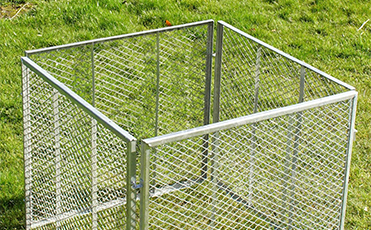
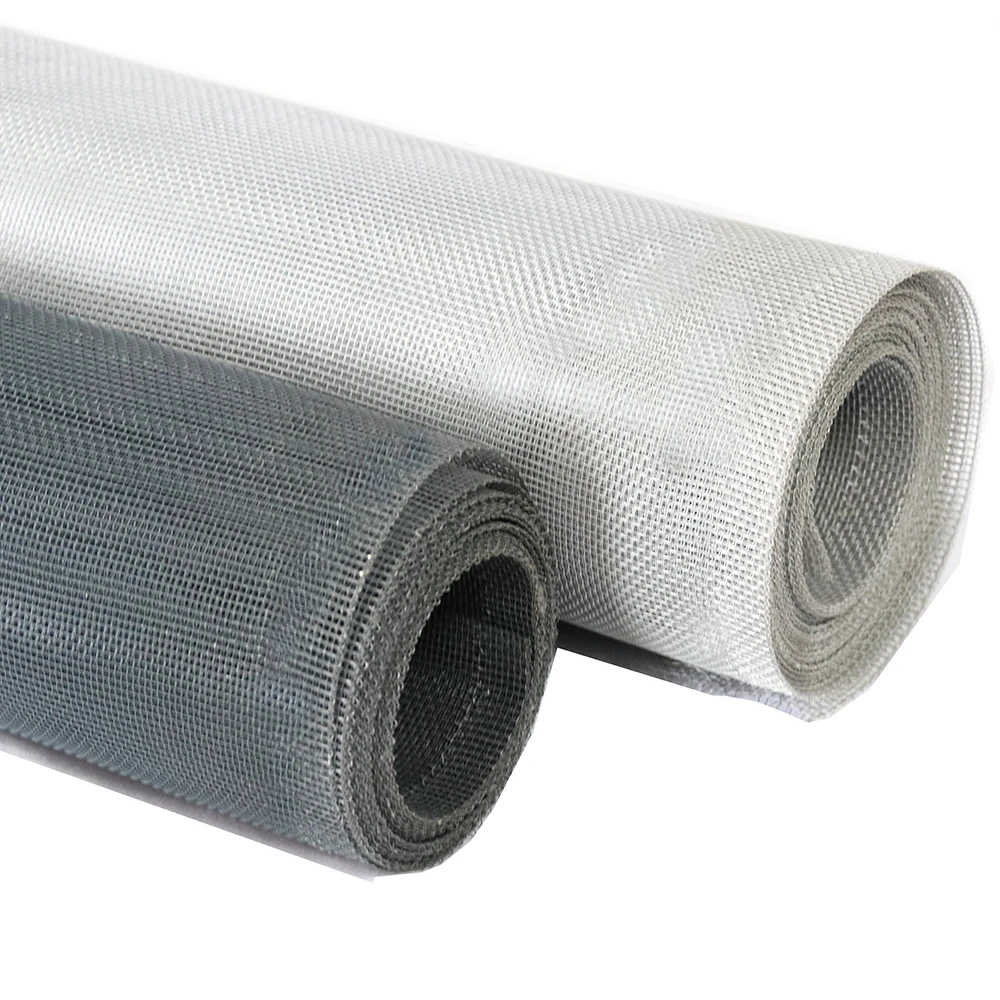
Mesh size, wire diameter, panel spacing, and support structure should also be considered when choosing metal garden fencing. For outdoor applications, stable connections and appropriate installation accessories can improve overall performance.
Evaluate Weather Resistance and Durability
Garden fences are exposed to sunlight, rain, temperature changes, and soil moisture. Therefore, material durability is an important purchasing consideration.
For metal products, galvanized steel and PVC coatings can help improve corrosion resistance. Composite and plastic materials should be selected according to their outdoor weather resistance and structural properties. Buyers should also consider the local climate and expected maintenance requirements.
設置とメンテナンス
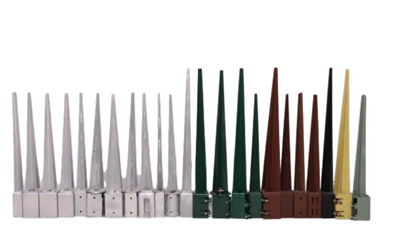
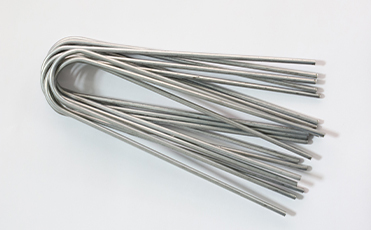
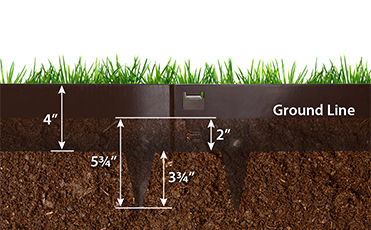
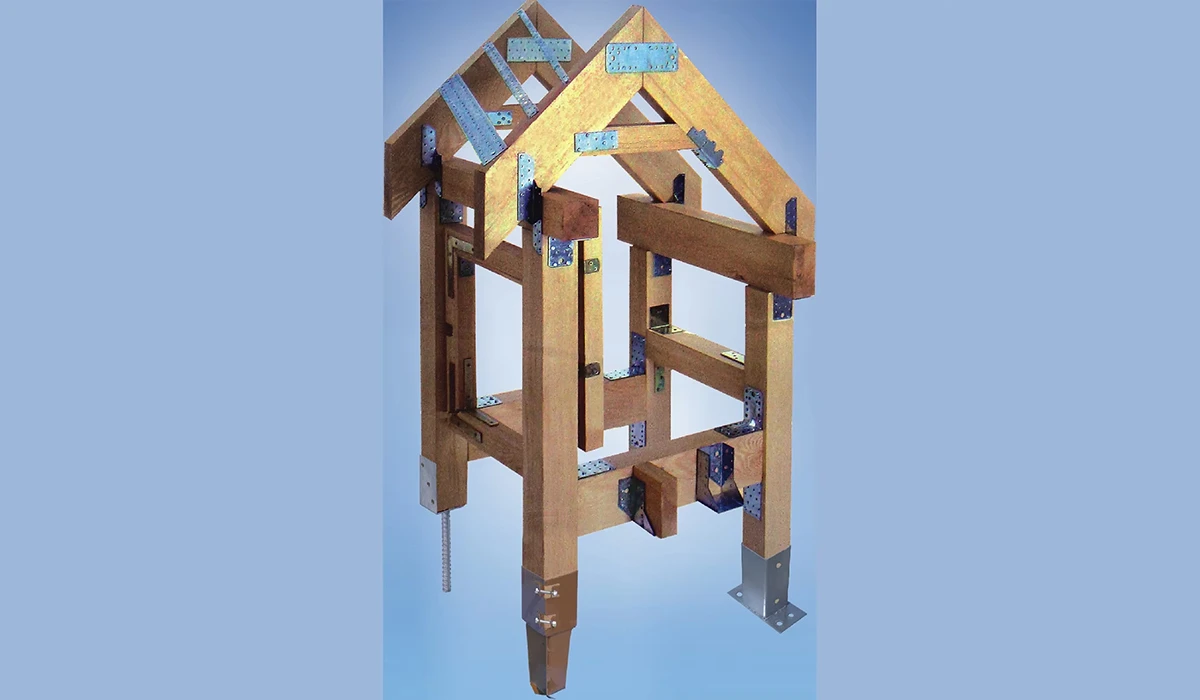
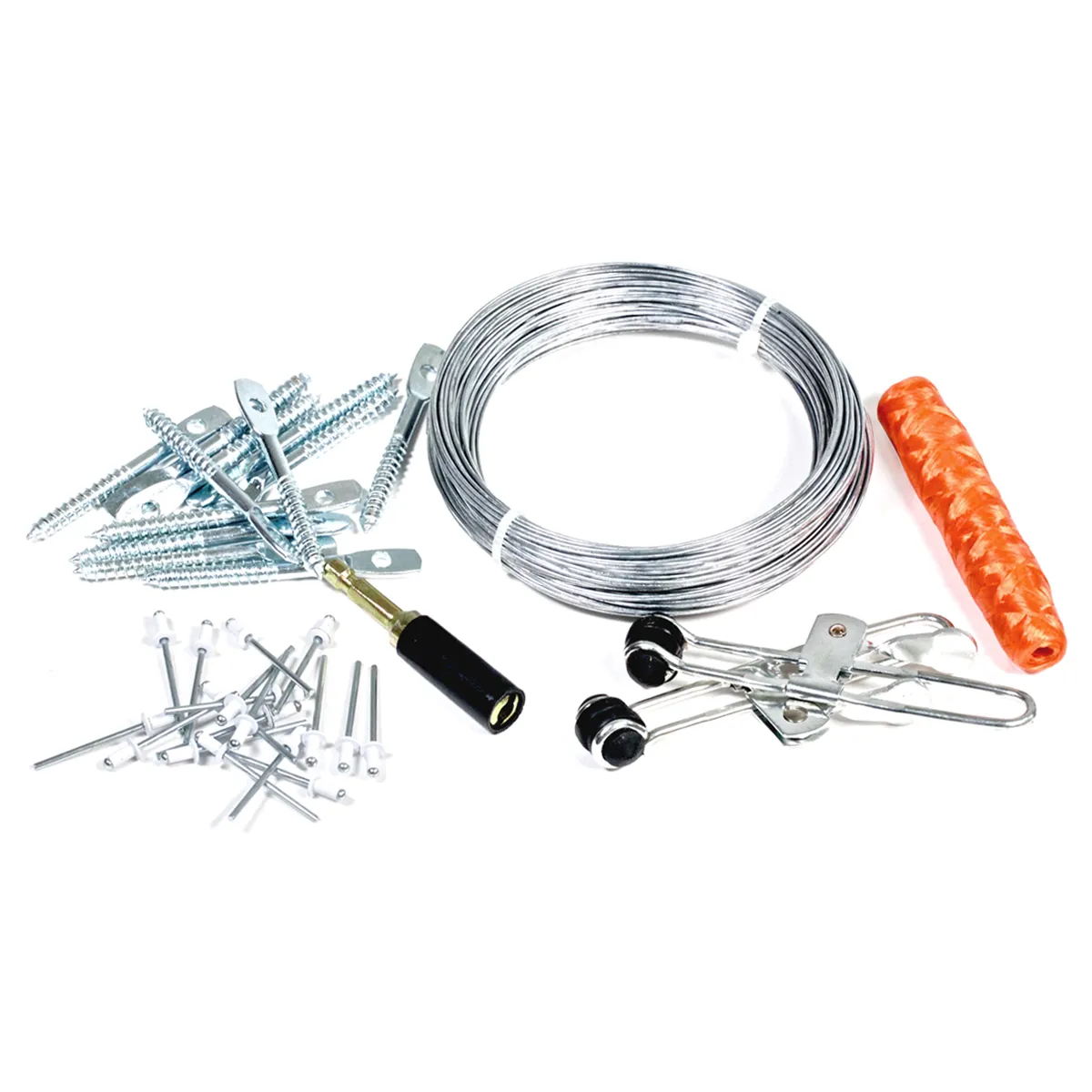
Most garden edging fences are designed for relatively simple installation. Depending on the product type, installation may involve inserting stakes into the ground, connecting individual panels, or securing the fence with fixing accessories.
Before installation, the ground should be prepared and the boundary line marked clearly. For curved garden designs, flexible edging products may be more suitable, while rigid panels are often preferred for straight boundaries.
Regular maintenance can help extend product service life. Check metal connections, inspect protective coatings, remove accumulated soil, and replace damaged sections when necessary.
Customization for Different Landscaping Projects
For wholesalers, distributors, and landscaping contractors, customized garden fencing products can meet different market requirements. Manufacturers may offer various heights, lengths, mesh openings, wire thicknesses, colors, and surface treatments.
Whether customers need a decorative 庭の仕切りフェンス, a durable garden wire border fence, or a modern 複合庭の境界線, product customization allows buyers to select solutions according to specific project requirements.
In conclusion, a well-designed garden edging fence is an effective way to improve outdoor organization, define planting areas, and enhance landscape appearance. By considering materials, dimensions, installation methods, and environmental conditions, homeowners and professional buyers can find suitable garden fencing solutions for different applications. From small residential flower beds to large commercial landscaping projects, the right garden border fence combines practical separation with long-lasting decorative value.



Copyright © 2026 河北ミンメタルズ株式会社 無断転載を禁じます。 Sitemap | プライバシーポリシー | Menu