























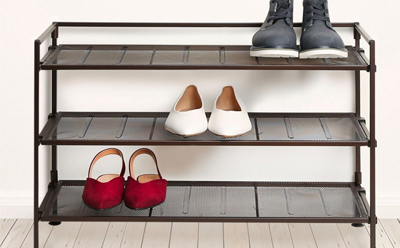
























A shoe rack is an essential storage solution for homes, apartments, offices, hotels, retail stores, and other commercial environments. As people accumulate different types of footwear, including sneakers, boots, sandals, high heels, and formal shoes, keeping them organized becomes increasingly important. A well-designed shoe rack helps maintain a clean living space, improves accessibility, and protects footwear from unnecessary damage. For homeowners, furniture retailers, wholesalers, and interior designers, choosing the right shoe storage solution requires careful consideration of design, materials, dimensions, and practical functions.
Modern shoe racks are available in a wide variety of styles, from simple open shelves to enclosed cabinets and customized storage systems. Different users have different requirements depending on available floor space, household size, footwear collections, and interior decoration preferences. Understanding these factors makes it easier to select a product that combines durability, functionality, and attractive appearance.

A shoe rack custom solution is an excellent choice for customers who need storage furniture tailored to a particular space or design preference. Standard shoe racks may not fit every entryway, wardrobe, bedroom, or commercial storage area. Customization allows buyers to select the overall dimensions, shelf arrangement, color, finish, number of tiers, and additional storage features according to their specific needs.
For small apartments, a narrow shoe rack can maximize vertical storage without occupying too much floor space. Families with large footwear collections may prefer a wider cabinet with multiple compartments. In hotels, offices, and retail environments, customized shoe storage can be designed to match existing furniture and interior layouts. Adjustable shelves are especially useful because they accommodate different footwear heights and allow the storage configuration to change over time.
When planning a customized product, customers should consider both current requirements and future use. For example, a household that primarily stores sneakers may require closely spaced shelves, while users with tall boots need additional vertical clearance. A practical custom design balances storage capacity, accessibility, stability, and appearance.
The choice of shoe rack material also has a significant impact on product performance, durability, maintenance, and cost. Different materials offer different advantages, making it important to evaluate the intended environment before making a decision.
Wooden shoe racks are popular because they provide a warm, natural appearance that complements many interior styles. Solid wood can offer good structural strength, while engineered wood provides a more economical option with a wide range of finishes. However, moisture resistance and surface protection should be considered, particularly in entryways where shoes may carry rainwater or dirt.
Metal shoe racks are another practical choice. Steel frames can provide a sturdy structure and support repeated daily use. Powder-coated finishes may help improve surface protection and create a modern appearance. Metal designs are often suitable for utility rooms, garages, commercial facilities, and contemporary residential interiors.
Plastic shoe racks are generally lightweight, easy to move, and simple to clean. They can be useful for temporary storage, rental properties, dormitories, and budget-conscious households. However, buyers should evaluate the plastic quality, load capacity, joint construction, and resistance to cracking before purchasing.
Bamboo shoe racks appeal to customers who prefer a natural aesthetic. Bamboo products are often lightweight and suitable for everyday household storage, although the quality of the construction and surface treatment affects their service life.
For manufacturers, wholesalers, and furniture suppliers, offering several material options can help meet different market demands. Combining suitable materials with thoughtful design creates shoe racks that are functional, visually appealing, and appropriate for different price ranges.
Choosing the correct dimensions is one of the most important steps when purchasing a shoe rack. A product may look attractive in a catalog, but if it does not fit the available space or accommodate the intended footwear, it may not provide an effective storage solution.
の shoe rack dimension should be determined by the installation location, the number of shoes to be stored, and the available wall and floor space. Before ordering a product, measure the width, height, and depth of the intended area. Buyers should also account for doorways, nearby furniture, cabinet doors, and walking paths to ensure convenient access.
The appropriate shoe rack size depends largely on household needs. A compact two- or three-tier rack may be sufficient for one person or a small apartment. A larger household may benefit from a multi-tier unit or an enclosed cabinet with several compartments. For narrow hallways, vertical storage can increase capacity while minimizing the floor area occupied.
Depth is especially important because footwear must fit comfortably without extending into walkways. Standard adult shoes generally require more depth than children's shoes or slim sandals. Boots and oversized footwear may require additional space. Instead of choosing dimensions based only on general recommendations, buyers should measure their largest shoes and compare those measurements with the usable shelf area.
Understanding shoe shelf dimensions helps customers evaluate how many pairs each shelf can accommodate. Shelf width determines the number of shoes that can be arranged side by side, while shelf depth affects how comfortably different footwear styles fit. Shelf height determines whether taller shoes can be stored without bending or damaging them.
For example, a compact shoe rack might measure approximately 60 cm wide, 30 cm deep, and 60 cm high. A medium-sized unit could measure around 80 cm wide, 30–35 cm deep, and 90 cm high. Larger cabinets may exceed 100 cm in width and provide several additional storage compartments. These figures are illustrative rather than universal standards, and actual requirements depend on the product design and footwear dimensions.
When planning custom shoe rack dimensions, buyers should communicate their measurements clearly to the manufacturer. It is useful to specify the overall width, height, and depth, along with the number of shelves, internal shelf clearance, and any special compartments required. Customers should also clarify whether the measurements refer to the product's exterior dimensions or the usable storage space inside it.
The best dimensions for a shoe rack also depend on installation and assembly requirements. Wall-mounted designs need suitable mounting points and an appropriate supporting surface. Freestanding racks should have a stable base and sufficient structural support. Tall, narrow products may require anti-tip hardware, particularly in homes with children or pets.
Adjustable shelves can make a shoe rack more versatile by allowing users to modify the available vertical space. Removable dividers and modular compartments can also improve storage efficiency. By considering footwear size, installation conditions, and future storage needs, buyers can choose dimensions that deliver practical value over the long term.
の 靴ラック機能 extends beyond simply storing footwear. A well-designed product can help organize an entryway, reduce clutter, improve cleaning efficiency, and protect shoes from being crushed or misplaced. Depending on the design, it may also provide seating, concealed storage, decorative display space, or additional household organization.
Open shoe racks allow air to circulate around footwear and make individual pairs easy to identify. They are particularly convenient for frequently worn shoes near an entrance. However, open designs expose footwear to dust, so regular cleaning may be necessary.
Enclosed shoe cabinets offer a tidier appearance by hiding footwear behind doors. They can be suitable for living rooms, hallways, and other areas where visual organization is important. Buyers should consider ventilation, internal depth, and door clearance to ensure the cabinet remains practical for everyday use.
Some shoe racks incorporate a cushioned bench, allowing users to sit while putting on or removing shoes. This multifunctional design is useful in entryways and smaller homes where furniture must serve more than one purpose. Other models include drawers for shoe-care products, hooks for keys or bags, or top surfaces for decorative accessories.
Durability is another important purchasing consideration. Buyers should examine the frame structure, shelf thickness, connecting hardware, finish quality, and stated load capacity. A shoe rack should remain stable when fully loaded and should be appropriate for the weight of the footwear it is designed to hold. Easy assembly and clear instructions can further improve the customer experience.
Maintenance requirements also influence long-term value. Smooth surfaces are generally easier to wipe clean, while removable shelves can simplify access to dust and dirt. In entryways exposed to moisture, buyers should prioritize materials and finishes suitable for those conditions and avoid leaving wet footwear on surfaces that are vulnerable to water damage.
For furniture retailers and wholesale buyers, product selection should reflect the needs of the target market. Compact and affordable racks may appeal to apartment residents and students, while larger cabinets and customized designs may suit families and premium residential projects. Commercial customers may prioritize capacity, durability, consistent product specifications, and efficient assembly.
Suppliers should provide accurate product measurements, material descriptions, assembly instructions, packaging details, and clear photographs. For customized orders, confirming a technical drawing or dimension sheet before production can reduce misunderstandings and help ensure the finished product meets expectations.
In conclusion, choosing the right shoe rack involves evaluating design, materials, dimensions, storage capacity, and functionality together. A shoe rack custom design can address specific space requirements, suitable materials contribute to durability, and carefully planned shelf dimensions help accommodate different footwear styles. By selecting the right size and prioritizing practical features, customers can create an organized, attractive, and efficient shoe storage solution for residential or commercial use.



Copyright © 2026 河北ミンメタルズ株式会社 無断転載を禁じます。 Sitemap | プライバシーポリシー | Menu