

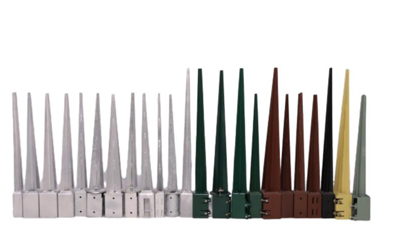
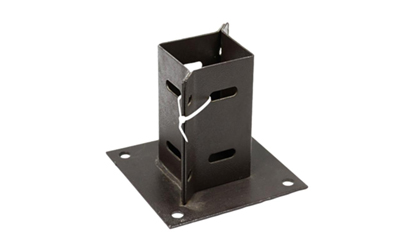
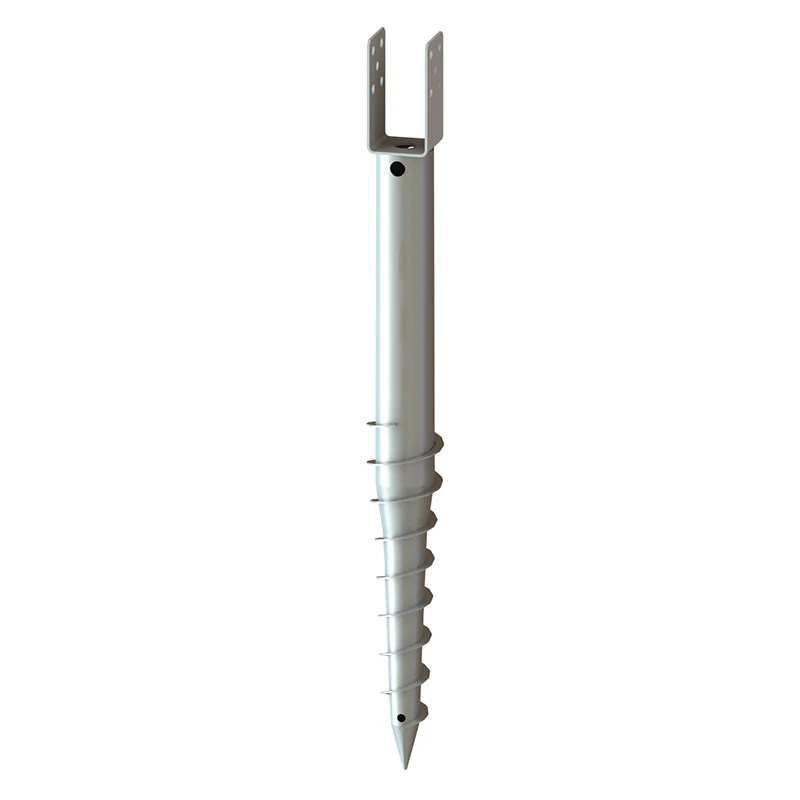
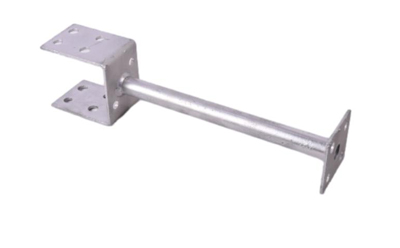













Vineyard strainer posts might not be the headline-grabbers of agricultural infrastructure, but their role is undeniably crucial. Globally, vineyards account for millions of hectares of land dedicated to cultivating grapes, primarily for wine production. The efficiency, durability, and reliability of vineyard strainer posts ultimately impact grape quality and yield. Grasping what vineyard strainer posts are and why they matter tackles a core challenge in vineyard management: maintaining vine health and structure under varying environmental stresses.
Grape farming spans continents from the sun-drenched terraces of France and Italy to the cooler climates of Chile and New Zealand. According to the International Organisation of Vine and Wine (OIV), over 7.5 million hectares worldwide are devoted to vineyards. This extensive footprint carries the huge responsibility of supporting an adequate trellis system to firmly hold vines in place.
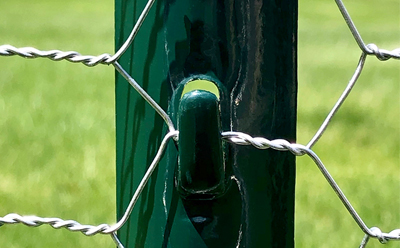
The problem? Traditional vine-support methods can falter against strong winds, heavy grape loads, and even prolonged weather variations, leading to crop damage or loss. Vineyard strainer posts are designed specifically to address these challenges — offering robust tension anchors that stabilize trellis wires and ultimately lead to higher longevity of the whole vineyard setup.
Mini takeaway: Vineyard strainer posts help vineyards worldwide withstand environmental and mechanical stresses, improving overall vine support and harvest reliability.
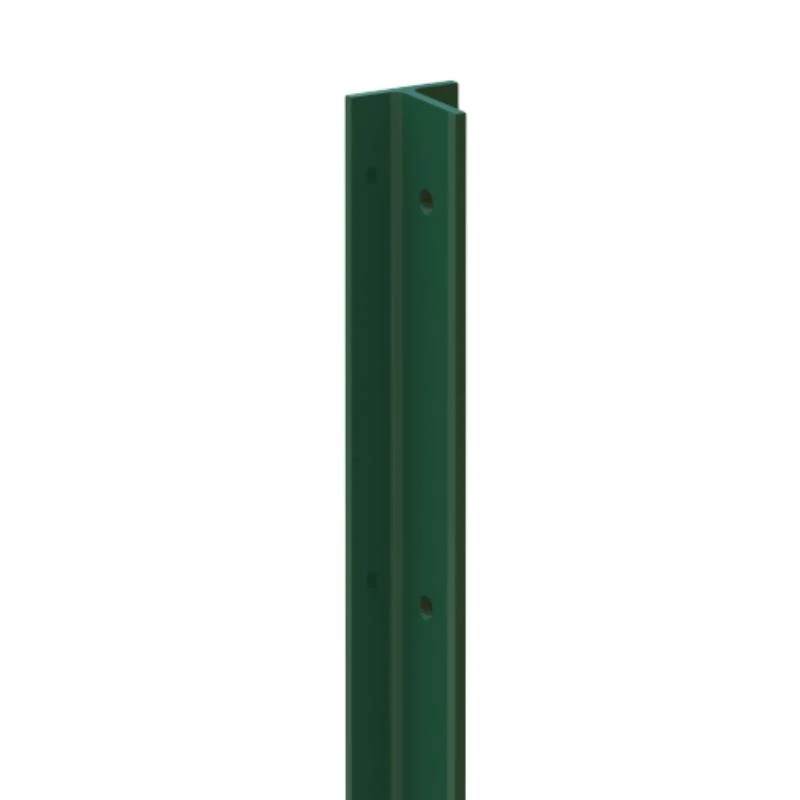
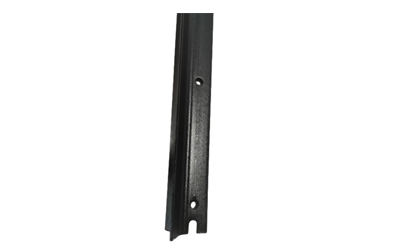
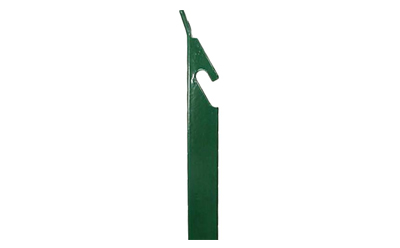
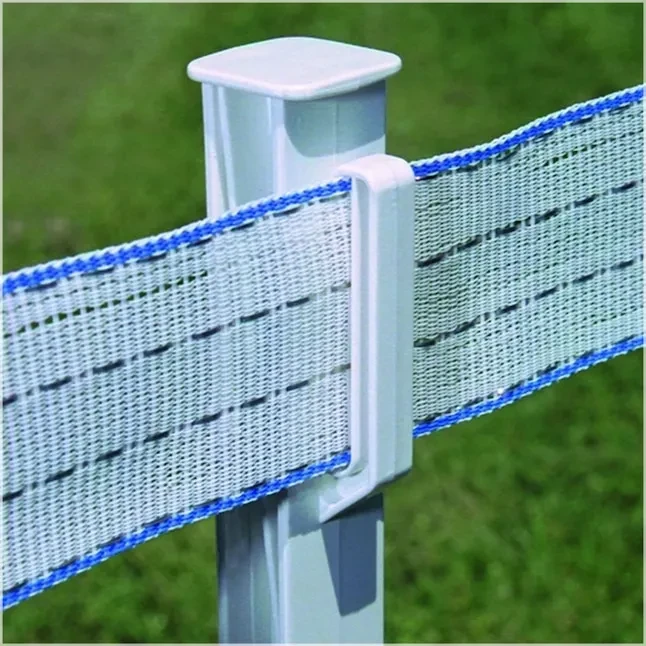
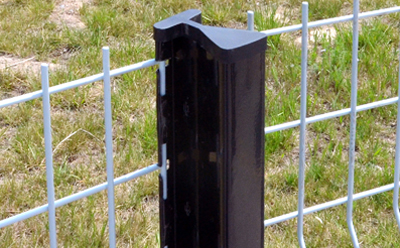
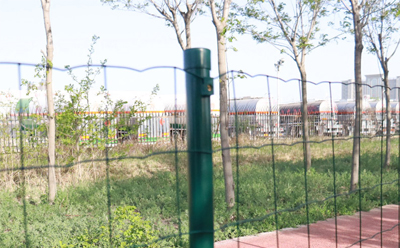
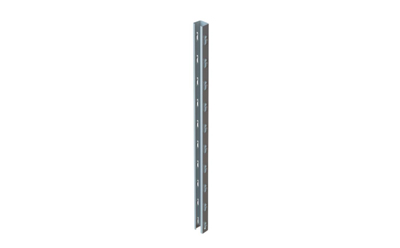
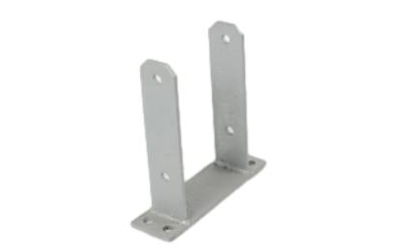
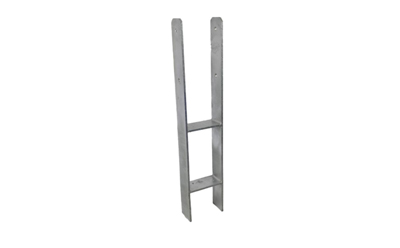
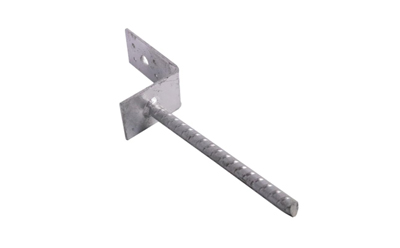
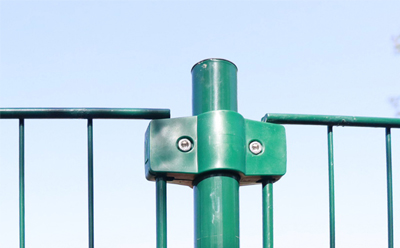
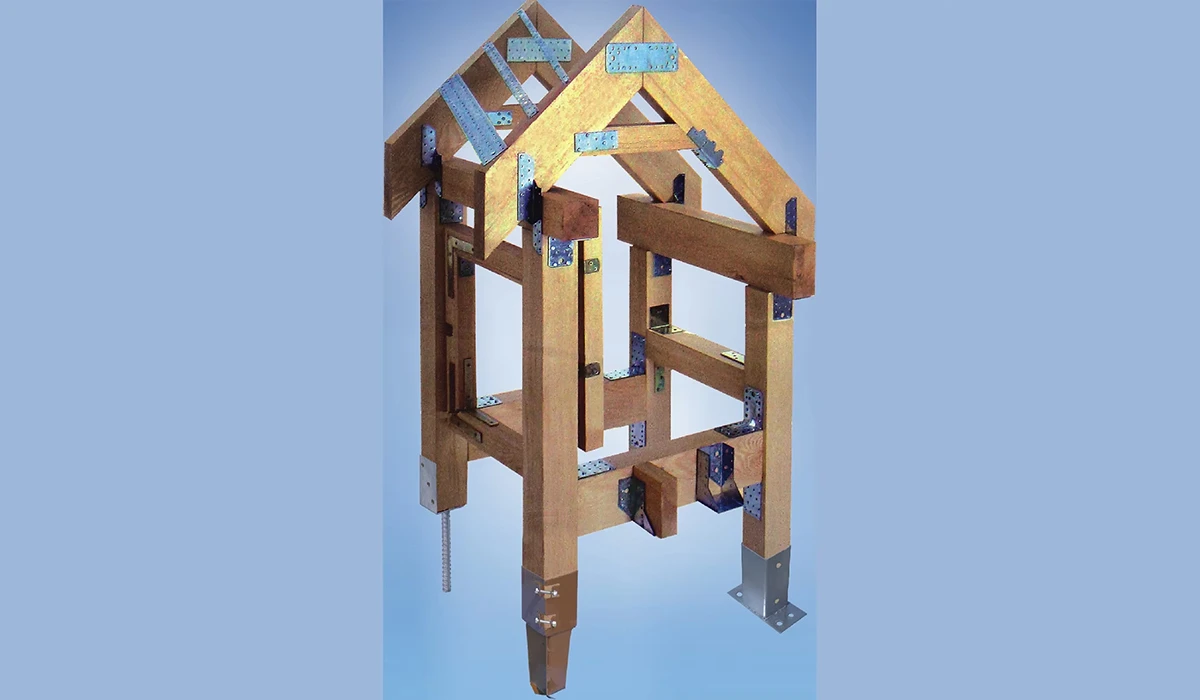
Put simply, vineyard strainer posts are sturdy vertical posts positioned at vineyard row ends or corners to anchor trellis wires tightly. Unlike regular supporting posts, these strainers provide the necessary tension to keep the vine wires taut, which directly affects plant growth and fruit development. They can be made of treated wood, galvanized steel, or composite materials, each improving resistance to rot, corrosion, or mechanical strain.
In modern agriculture, especially viticulture, their importance ties closely to mechanization, harvesting quality, and sustainable practices — enabling vineyards to modernize while preserving the precise microclimate and growth benefits of well-supported vines.
Durability is at the heart of vineyard strainer post design. Wood treated with preservatives resists fungal decay, while galvanized steel posts offer remarkable longevity and strength. Choosing the right material depends on soil conditions, climatic exposure, and vineyard scale.
Strainer posts must withstand the dynamic tension of trellis wires, especially as grapevine weight fluctuates seasonally. Scalability matters when vineyards expand or modify trellis systems, meaning posts should be compatible with various wire gauges and tensioning mechanisms.
Balancing upfront cost with lifecycle expenses is critical. While steel posts cost more initially, their long-term maintenance is often lower compared to wooden options that may require replacement or re-treatment.
Eco-conscious growers increasingly seek posts sourced sustainably or designed to be recyclable. Some suppliers now offer posts produced with renewable resources or coated for better environmental resistance.
| Specification | Description |
|---|---|
| Material | Galvanized Steel / Pressure-treated Wood / Composite |
| Length | From 2.4m to 3.6m depending on vineyard design |
| Diameter / Thickness | Steel: 38mm-50mm; Wood: 10cm x 10cm cross section typical |
| Finish | Hot-dip galvanizing / treated with preservatives / powder coating |
| Load Capacity | Up to 1,200 kg tension, depending on design and installation |
Mini takeaway: The key factors for vineyard strainer posts come down to strength, adaptability, price, and environmental considerations — your choice largely depends on your vineyard's climate and management style.
From large-scale exporters in California to boutique vineyards in South Africa, vineyard strainer posts are widely deployed. In Europe, strict quality regulations for wine production encourage adoption of high-quality post materials and installation methods to preserve terroir integrity.
In emerging wine regions like China and Eastern Europe, suppliers are focusing on cost-effective yet durable options to build vineyards that meet international export standards without breaking the bank. Post-disaster agricultural zones recovering after storms or floods also rely on rapid restoration using pre-fabricated strainer posts designed for fast deployment.
| Supplier | Material Options | Typical Cost (USD/post) | Lead Time | Suitable Applications |
|---|---|---|---|---|
| Hebe Metals | Galvanized Steel | $15 - $25 | 1-3 weeks | Large commercial vineyards |
| EcoVineWood | Pressure-treated wood | $10 - $18 | 2-4 weeks | Small to mid-size vineyards, organic farms |
| GreenGrow Composites | Composite (recycled materials) | $20 - $30 | 3+ weeks | Eco-friendly vineyards with sustainability goals |
Frankly, the future of vineyard strainer posts points toward smart agriculture integration and greener materials. For instance, posts embedded with sensors can monitor tension changes due to weather or vine growth. Additionally, manufacturers are experimenting with recycled composites and coatings that reduce maintenance needs. Automation in vineyard setup — including robotic installation of these posts — may become common, speeding up large-scale vineyard expansion with precision.
One challenge growers often face is the initial installation labor and ensuring consistent tension throughout the vineyard. Poor installation can lead to sagging wires, reducing efficacy. Experts recommend rigorous training and using tension monitoring systems during installation.
Another limitation is environmental degradation — for example, untreated wooden posts can decay quickly in humid climates. The solution here leans toward modern treated wood or durable composites suited for local conditions.
In real terms, vineyard strainer posts might sound simple, but their impact on vineyard health and grape quality is profound. Selecting the right strainer posts enhances longevity, sustainability, and overall vineyard success. For anyone managing a vineyard, investing time and resources in quality posts is an investment in future harvests.
Interested in top-grade vineyard strainer posts? Visit Hebe Metals for a trusted selection that meets modern vineyard needs.
Final takeaway: Strong, reliable vineyard strainer posts hold not only the vines but also the promise of a fruitful season ahead.



Copyright © 2026 Hebei Minmetals Co., Ltd. All Rights Reserved. Sitemap | Privacy Policy | Menu