

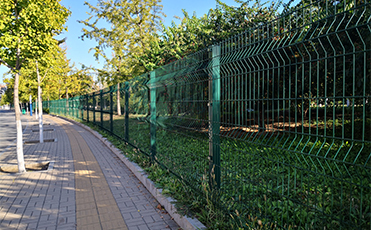
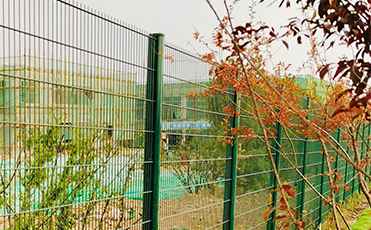
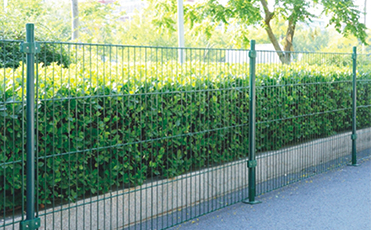
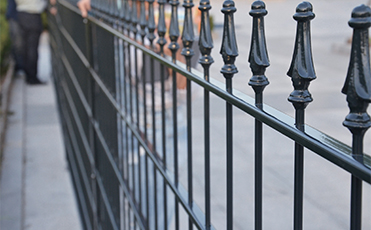
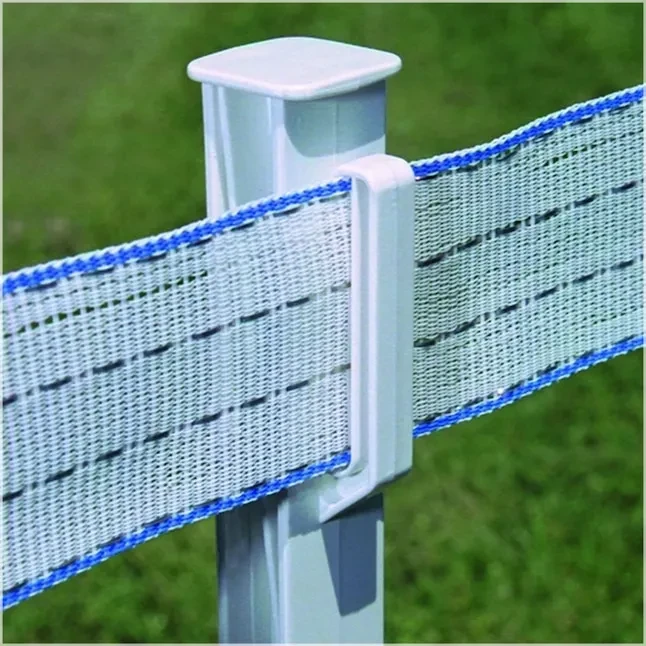
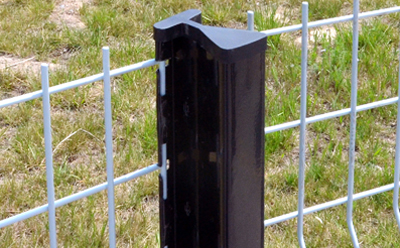
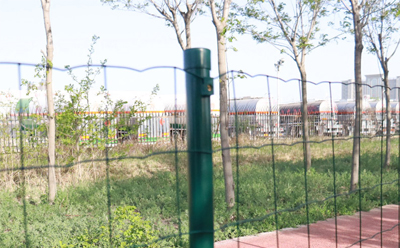
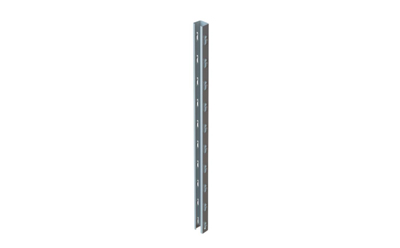













If you’ve ever strolled through a vineyard and admired the neat rows of grapevines, you might not pause to think much about the posts holding those vines up. But metal vineyard trellis posts are quietly shaping the grape growing industry worldwide—and in ways that speak to sustainability, efficiency, and innovation. Essentially, these posts are critical support systems that help vines grow healthier and produce higher-quality fruit.
On a global scale, vineyards cover millions of hectares, and as climate change pushes growers to adapt, the durability and versatility of trellis systems become ever more important. Plus, with the United Nations emphasizing sustainable agriculture in its global goals, knowing about metal vineyard trellis posts and their benefits taps into both environmental and economic conversations.
The worldwide wine and grape industry is enormous—with values hitting nearly $400 billion annually (source: International Organisation of Vine and Wine). Countries like France, Italy, Spain, the U.S., Australia, and Chile rely heavily on innovative agricultural technologies to maintain competitiveness. Metal vineyard trellis posts have become a must-have in many vineyards because they address problems that classic wooden posts couldn’t always solve.
Wood often succumbs to rot, pest damage, or extreme weather, which can cause expensive labor and replacement costs. The metal alternatives, by contrast, offer resilience, longevity, and adaptability. I’ve noticed many vineyards switching to galvanized steel or aluminum posts not just because of durability but also because of lighter weight and greater scalability.
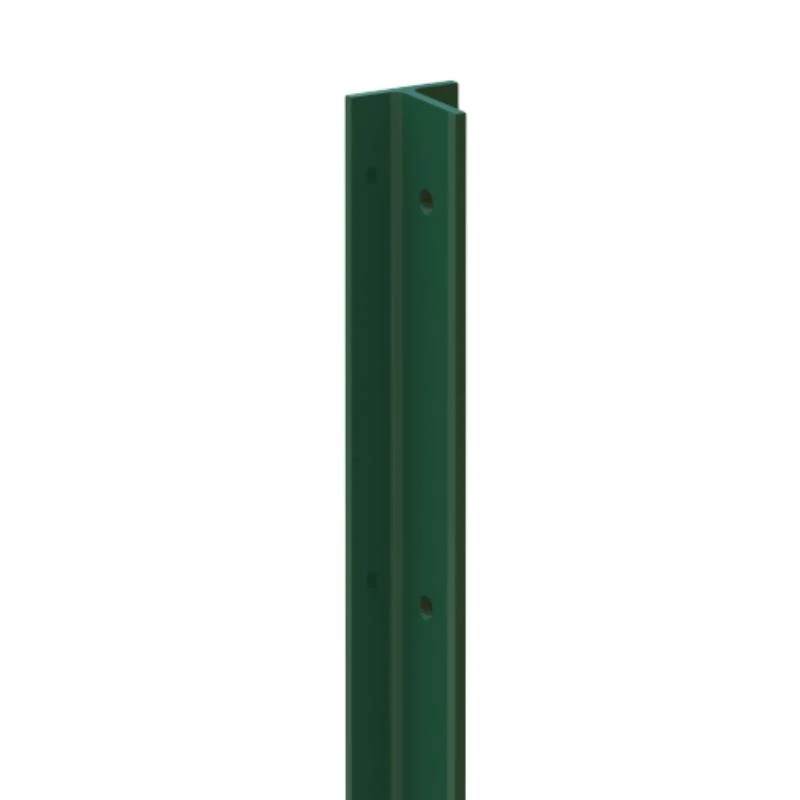
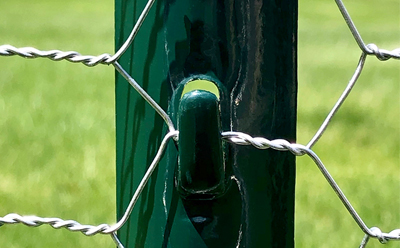
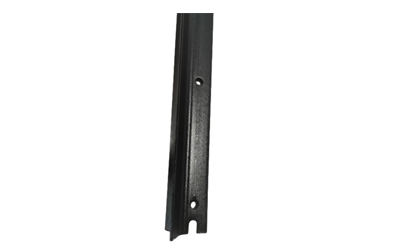
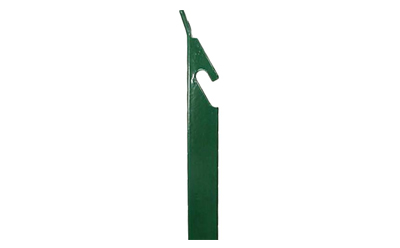
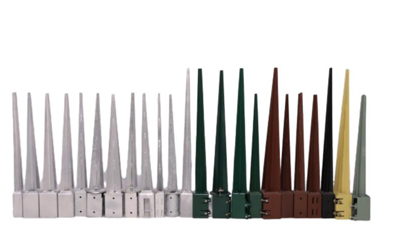
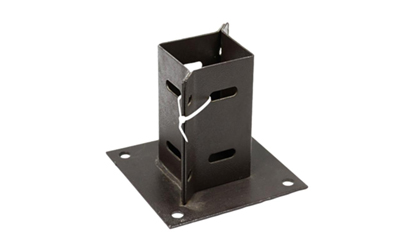
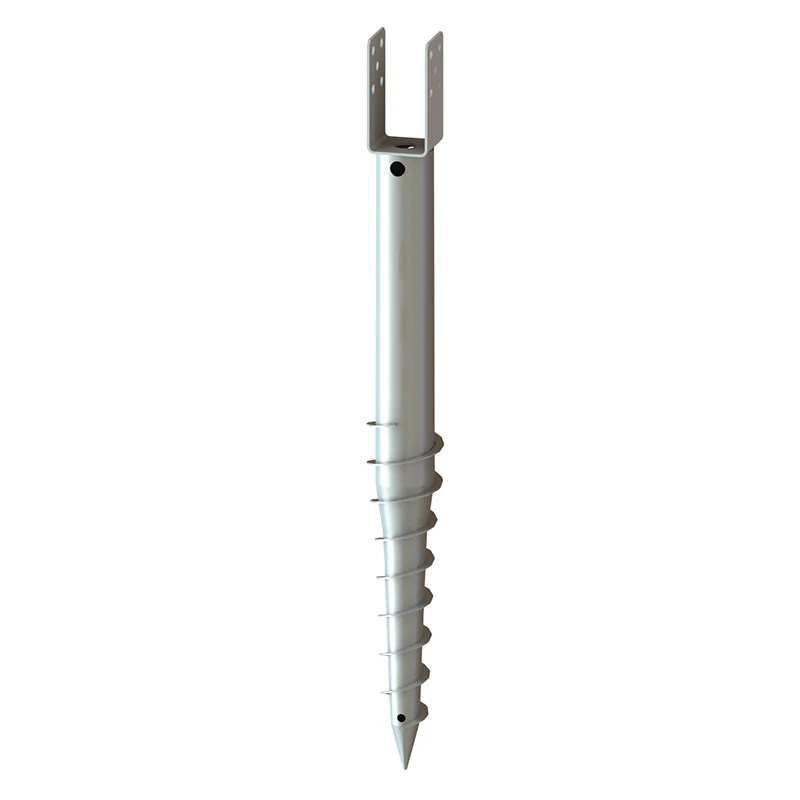
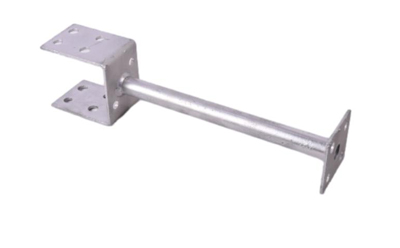
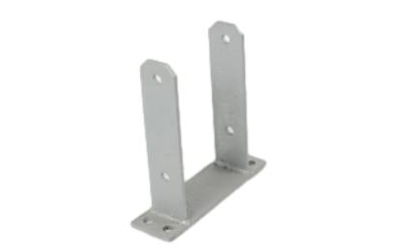
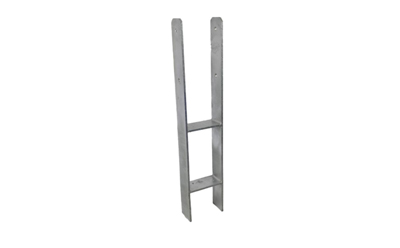
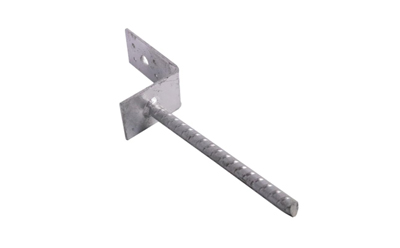
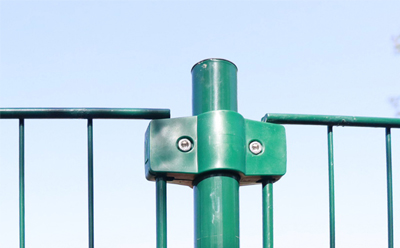
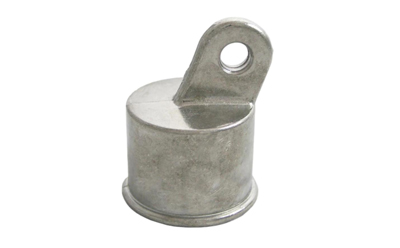
At the simplest level, metal vineyard trellis posts are vertical supports made from metal—usually steel or aluminum—that hold up the wires or cables to which grapevines attach and climb. These posts replace traditional wooden stakes or concrete and form an essential part of a trellis system. But there's more to them than just “posts.” Their design, coating, size, and installation method can deeply affect vineyard productivity.
In modern agriculture, especially wine production, these metal posts are also part of an evolving landscape that combines industrial material science with age-old farming practices. They meet humanitarian needs by enabling more stable, long-lived infrastructure on farms—supporting livelihoods and food security.
One of the main advantages is obviously how well these posts resist environmental degradation—think rust, rot, or insect damage. Galvanized coatings, stainless options, or powder paints extend their lifespan well beyond decades, unlike untreated wood.
Steel is strong but heavy; aluminum is lighter but can be costly. Many growers choose posts that strike a balance—light enough to transport and install easily, yet sturdy enough to handle strong winds or vine loads.
Sure, the upfront price might be higher than wood, but when you consider replacement cycles, labor costs, and crop safety, metal posts usually pay off in the long term.
The modular nature of metal posts allows for flexible row lengths, different trellis heights, and shapes that adjust to vine varieties or terrain—making them adaptable to both small family farms and industrial-scale vineyards alike.
Recyclability is another factor. Metals can be recycled more efficiently than wood, and sustainable metal sourcing programs are starting to gain traction, tying into global green initiatives.
| Feature | Options | Details |
|---|---|---|
| Material | Galvanized Steel, Aluminum | Corrosion-resistant coatings common |
| Length | 1.5m - 3m | Depends on vineyard training system |
| Cross-section | I-Shape, T-Shape, Round Tubes | Choice affects strength & ease of wire attachment |
| Weight | 1.5 - 3 kg per post | Varies by material & coating thickness |
| Finish | Galvanized, Powder Coated, Painted | Enhances durability & aesthetic appeal |
From the rolling hills of Tuscany to Australia’s Barossa Valley, metal vineyard trellis posts have found their way into vineyards large and small. In emerging wine regions, like parts of South America and Eastern Europe, these posts enable growers to build modern infrastructure quickly and affordably, helping them compete globally.
Oddly enough, they’re also used beyond vineyards: horticulture farms, orchards, and even for environmental projects like cliff-face reforestation where sturdy support is necessary. I recently came across a case where a disaster relief NGO used repurposed metal vineyard posts to set up temporary protective shelters in flood zones. That kind of dual-use potential is intriguing.
| Vendor | Product Range | Lead Time | Price Range | Customization |
|---|---|---|---|---|
| Hebe Metals (Example) | Galvanized steel & aluminum posts, custom lengths | 2-3 weeks | $$ | Full custom design available |
| AgriSystems | Standard steel posts, powder coating | 1-2 weeks | $ | Limited options |
| VineLine Co. | Aluminum, stainless steel options | 3-4 weeks | $$$ | Highly customizable |
The vineyard trellis post world is quietly evolving. I'm seeing more interest in materials that reduce carbon footprints like recycled steel and new powder-coating technologies that enhance durability while cutting toxic emissions. Automation also plays a role; some smart farms are experimenting with posts embedded with sensors to monitor vine health and stress.
Sustainability certifications (ISO 14001) and supply chain transparency are becoming critical factors for growers aiming for eco-conscious branding. And oddly enough, handheld apps that allow growers to map their trellises and predict wear-and-tear cycles are gaining traction.
One challenge with metal vineyard trellis posts can be their upfront cost or logistical issues shipping heavy materials to remote vineyards. However, modular design and local sourcing strategies help reduce both costs and carbon footprints. Corrosion in humid or salty environments remains a concern; that’s why research into specialized coatings and alloys is ongoing.
For growers skeptical about new tech, demonstration vineyards and pilot programs remain invaluable—they’ve helped many ease the transition and see real benefits.
A1: Properly galvanized metal posts can last 20 to 30 years or more without significant degradation, whereas untreated wooden posts generally last 5 to 10 years depending on climate and pest exposure.
A2: Yes, many metal posts are recyclable and often come from recycled materials themselves. They also reduce the need for frequent replacement, lowering landfill waste and resource consumption over time.
A3: Absolutely. Metal posts offer superior resistance to wind, snow load, and pests—common issues that cause wooden posts to fail prematurely.
A4: Installation is generally straightforward but may require basic metalworking tools depending on customization. Lightweight aluminum posts can be easier to handle, though steel posts sometimes need heavy machinery for very large vineyards.
A5: Many manufacturers and vendors offer international shipping, especially those located near major ports. It’s essential to verify import regulations and shipping costs beforehand—companies like metal vineyard trellis posts vendors often help navigate these.
Metal vineyard trellis posts are more than just supports — they represent a sweet spot between tradition and forward-thinking agriculture. For any vineyard manager or grower looking to optimize harvest quality, reduce long-term costs, and embrace sustainability, switching to metal posts is a wise move. Plus, as technology and materials improve, it feels like the possibilities are just opening up.
If you want to explore high-quality metal vineyard trellis posts and learn more about how they can transform your vineyard, don't hesitate to visit our website. Your vines will thank you.
Metal vineyard trellis posts combine strength, longevity, and eco-friendly benefits, making them a smart choice for modern vineyards worldwide. Their rising adoption aligns with global sustainability goals and practical demands of agriculture.



Copyright © 2026 Hebei Minmetals Co., Ltd. All Rights Reserved. Sitemap | Privacy Policy | Menu