


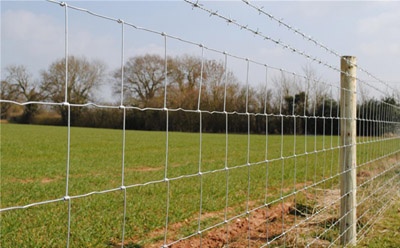
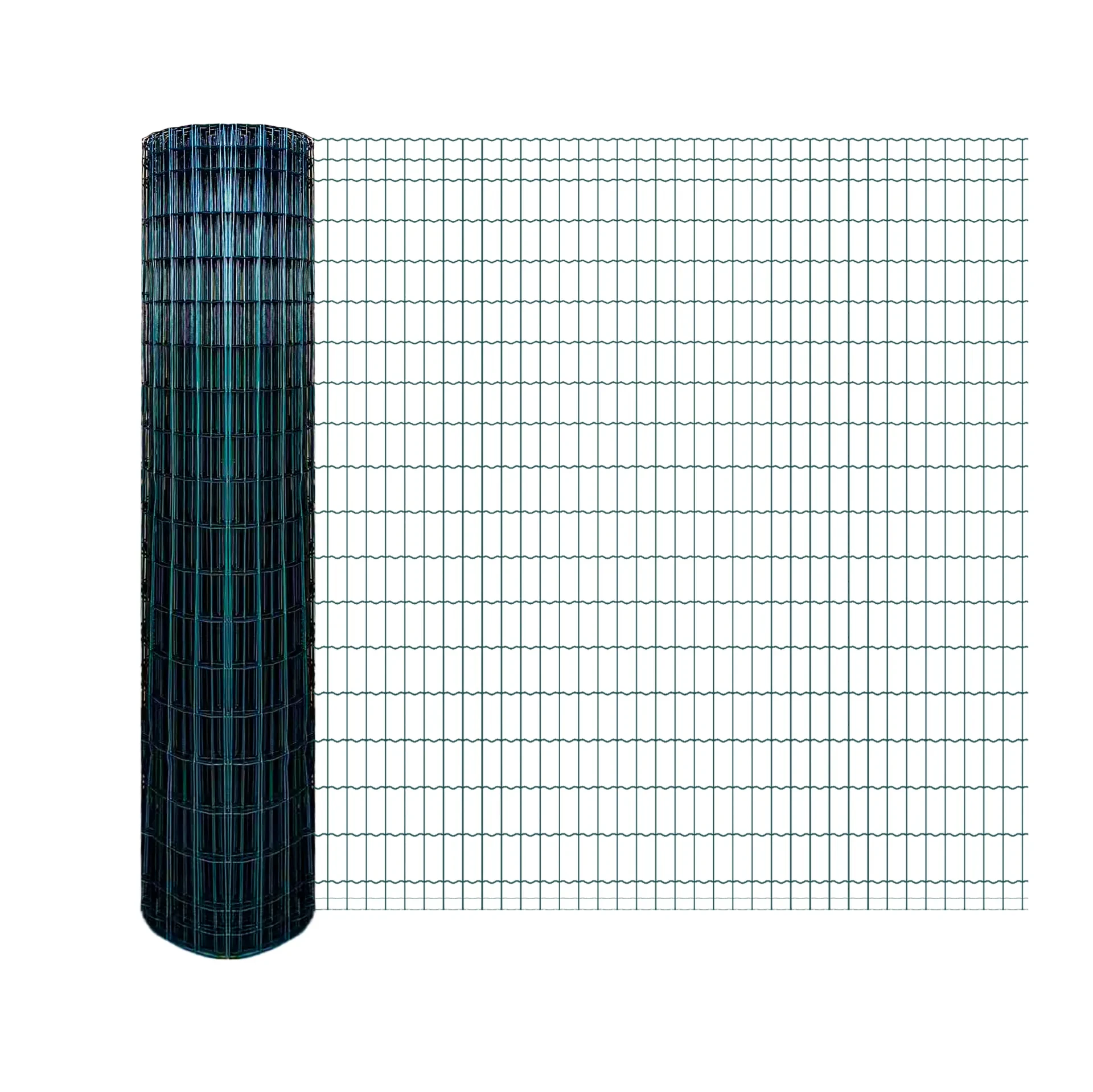
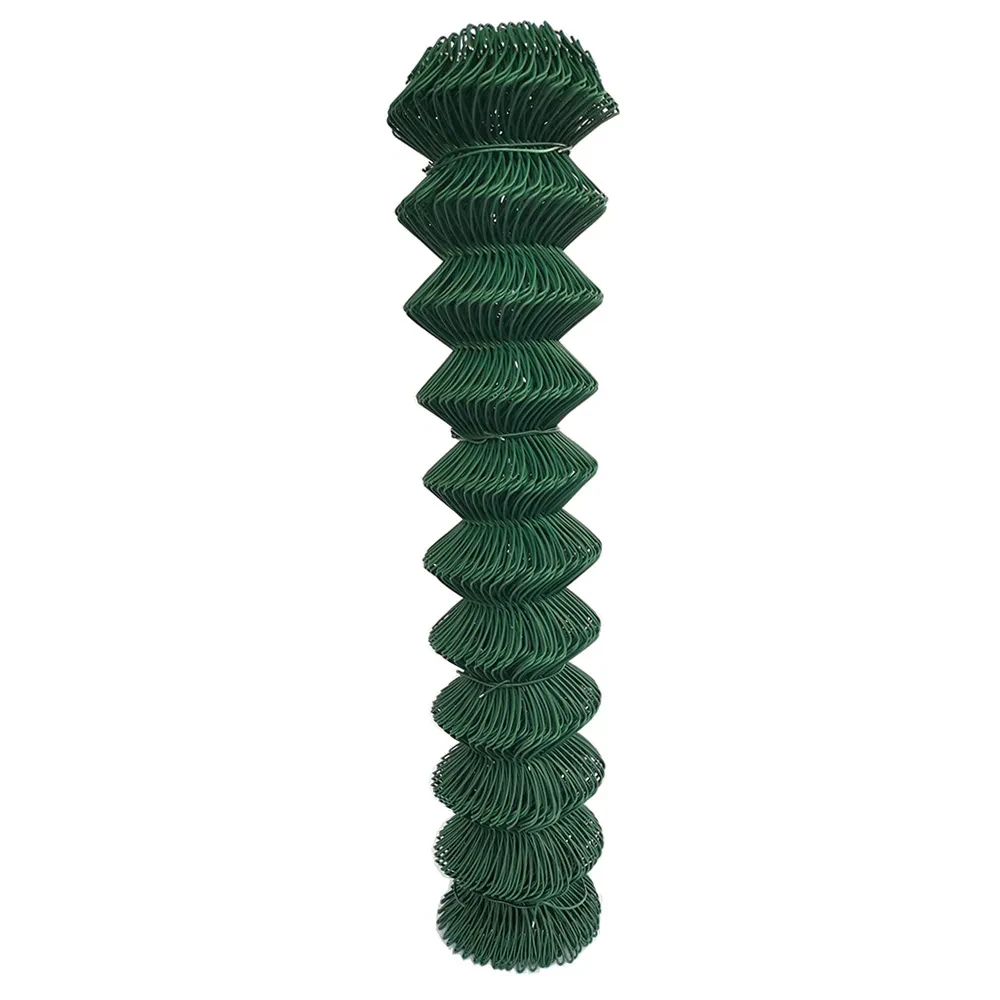















Vineyard posts might seem like just simple supports that hold grapevines in place, but their impact is far wider and deeper than you'd expect. For vineyards, these posts are absolutely essential to ensure vine stability, improve yields, and encourage better growth. With wine consumption and grape production continuing to rise globally—taken from data by the Food and Agriculture Organization (FAO)—having access to durable, cost-effective vineyard posts is more critical than ever.
Beyond just farming, vineyard posts symbolize a connection between agricultural traditions and modern sustainability efforts. The right posts help growers worldwide reduce waste from frequent replacements and support more efficient vineyard layouts. So, when we talk about vineyard posts for sale, we're really diving into an overlooked yet cornerstone element of viticulture infrastructure.
Mini takeaway: Vineyard posts are key components that impact vineyard productivity and sustainability globally—knowing their types and qualities is vital.
It's fascinating how vineyard posts have to be pretty tough and adaptable. Worldwide, vineyards stretch from Europe’s sun-drenched Mediterranean regions to the cool climates of Chile, Australia, and the Pacific Northwest in the US. According to the Wine Institute, the global vineyard area covers nearly 7.3 million hectares, and by extension, that’s millions of posts supporting the vines.
Yet, if you look closely, one common challenge stands out: posts that deteriorate quickly, either through rot for wooden posts or corrosion for metals, directly affect vineyard health and maintenance budgets. In places where extreme weather patterns are shifting due to climate change, durable vineyard posts become even more important.
Additionally, the environmental footprint of posts—especially wooden versus metal or composite materials—raises questions in modern viticulture circles. Producers increasingly want options that balance longevity, sustainability, and cost—a tricky mix, but an important one.
Mini takeaway: Vineyard posts must face global climate challenges and long-term sustainability concerns, influencing grower choices worldwide.
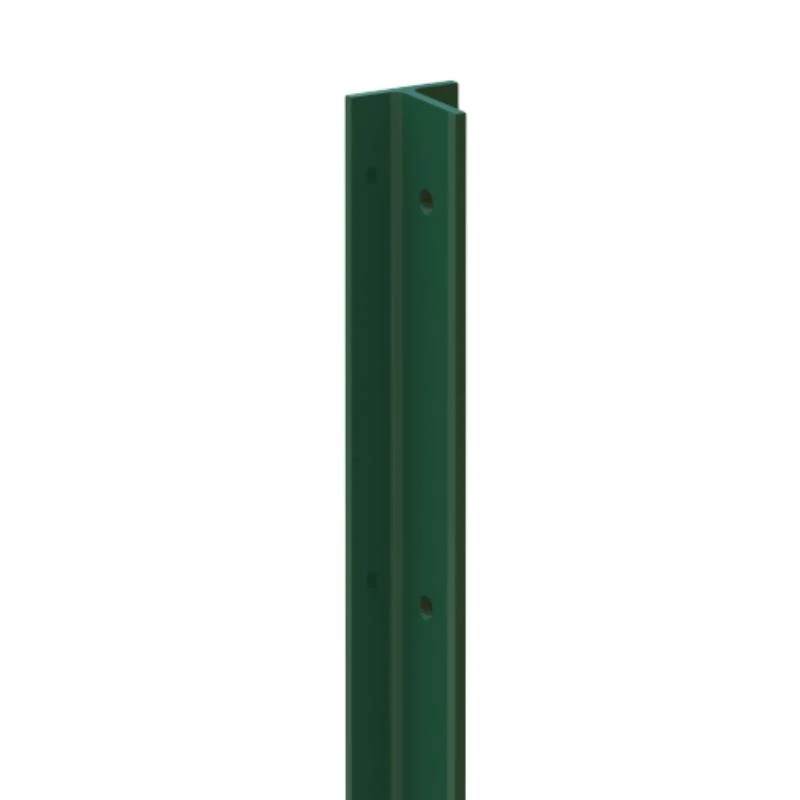
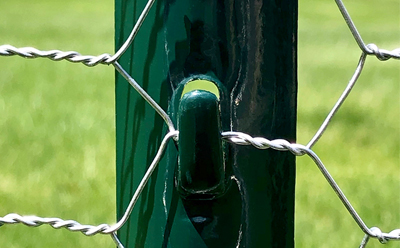
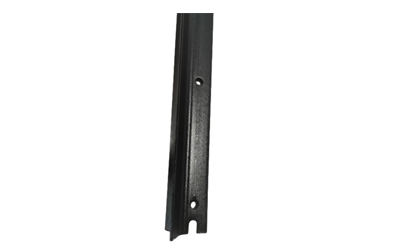
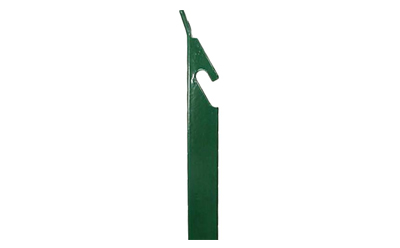
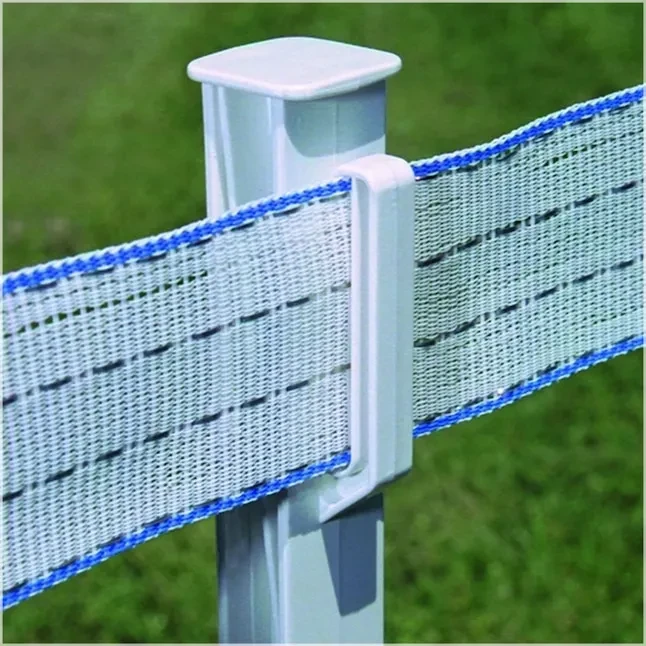
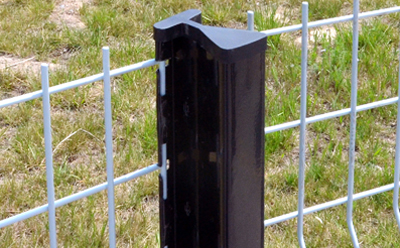
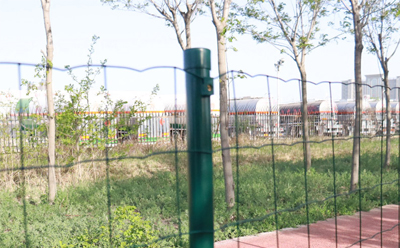
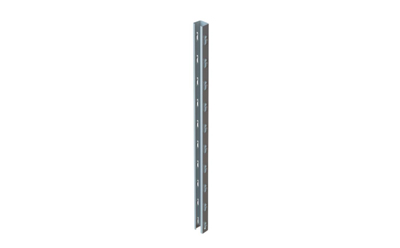
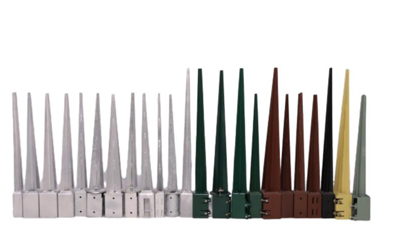
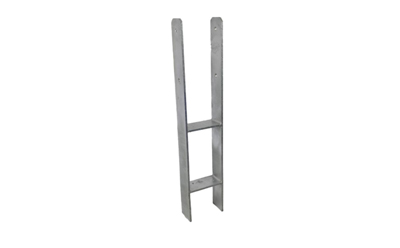
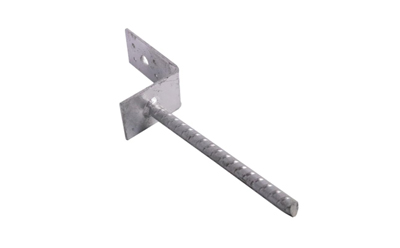
So, what do we mean by vineyard posts for sale? Simply put, these are ready-to-purchase supports designed specifically to hold grapevines upright in rows. Common materials include treated wood, galvanized steel, concrete, and vinyl. Sold through agricultural supply chains or specialty vendors, they come in standardized sizes but also in tailor-made options depending on vineyard needs.
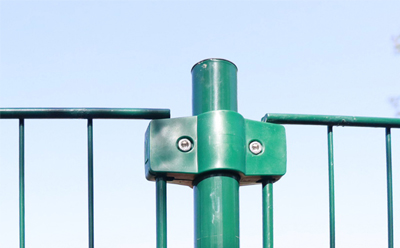
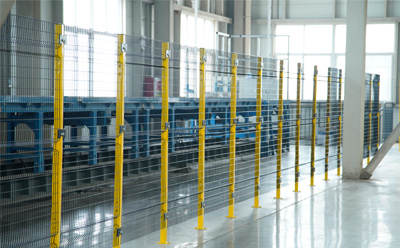
These posts anchor trellises and establish a framework where grapevines can climb, spreading across wires that are tied back to these posts. It may sound mundane but think about the complex forces at work here: wind, rain, growing weight of the vines, harvesting operations. In real terms, a vineyard post must be simultaneously strong, corrosion- and pest-resistant, and easy to install.
From the humanitarian agriculture perspective, sturdy vineyard posts enable farmers in developing countries to transition from wild collection to productive vineyards, contributing to food security and local economies. So, availability of quality posts for sale becomes an enabler of development, not just farming comfort.
Mini takeaway: Vineyard posts for sale are more than farm staples—they’re a fundamental link in sustainable, profitable viticulture.
Durability, honestly, is often the first filter. Wood posts can look charming, but untreated ones simply don’t hold up beyond 5-7 years; treated wood or metal posts might double that lifespan. Steel posts add strength but can rust without proper galvanization.
Budget constraints shape buying decisions. While concrete posts last longer, their upfront cost and installation complexity make them less practical for some growers. Wood remains popular due to lower purchase price but may incur more annual maintenance or replacement expenses.
More growers are factoring sustainability. Wood from certified forests or recyclable metal posts are favored nowadays. Some vendors even promote posts made from recycled composites, benefiting carbon footprints.
Vineyard sizes vary widely—from small boutique vineyards to sprawling commercial estates. Posts come in adjustable lengths, and options exist for various trellis systems. Choosing posts compatible with existing wiring and trellis designs saves headaches during installation.
Simplicity counts, especially for new vineyard setups or remote locations. Lightweight posts that require minimal heavy machinery can be a real advantage, saving time and labor.
Mini takeaway: The ideal vineyard post balances durability, cost, environmental responsibility, and practical installation features tailored to the grower’s site.
Across the globe, vineyard posts support the production of some of the world’s finest wines and table grapes. France’s Bordeaux region sticks heavily to traditional wooden posts treated for extra lifespan. In South America, particularly Chile, cost-effective galvanized steel posts dominate due to their resistance to local weather extremes.
Oddly enough, in parts of South Africa, vineyard posts have been part of post-disaster agricultural rehabilitation projects. NGOs use readily available steel posts that can be shipped easily to restore vineyards damaged by flooding. This shows how vineyard posts can play roles beyond everyday farming—helping rebuild economies.
Similarly, in Australia’s vast wine regions, automation-compatible posts have started surfacing, designed to accommodate robotic harvesters that require sturdier, precisely spaced supports.
Mini takeaway: Vineyard posts are tailored and applied differently but always crucial enough that their choice often mirrors regional climate, technology, and economic demands.
Emotionally, growers often feel a sense of pride and trust in materials that “stand the test of seasons,” sometimes even becoming part of the vineyard’s legacy passed down through generations.
Increasingly, technologies like powder-coated steel posts with anti-corrosion formulas, or ultra-tough composites combining recycled plastics and fiberglass, are making waves. The integration of sensor technologies — enabling “smart posts” that monitor vine health or soil moisture — is an emerging trend, though still niche.
Sustainability will only become more critical. Some propose biodegradable posts made from organic fibers or energy-efficient manufacturing processes aligned with ISO standards (ISO 14001) as next steps. Meanwhile, modular posts that are easy to assemble and disassemble to suit shifting vineyard layouts offer practical flexibility.
One persistent problem is balancing upfront cost with lifespan. Many smallholder farmers can’t afford premium materials but suffer from shortages due to cheaper posts failing quickly. Vendors offering bulk discounts or rental options can partially mitigate this.
Installation labor shortages, especially in remote vineyards, highlight the demand for lightweight, modular designs. Meanwhile, ongoing research into coatings that resist UV degradation and fungal growth aims to keep wooden posts competitive.
| Specification | Wooden Treated Post | Galvanized Steel Post | Composite Fiber Post |
|---|---|---|---|
| Material | Pine, treated | Steel with zinc coating | Recycled plastics & fiberglass |
| Length Options | 1.8m, 2.4m | 2m, 2.5m, 3m | 2m fixed |
| Average Lifespan | 5-7 years | 15-20 years | 10-15 years |
| Weight | 4-5 kg | 7-8 kg | 3.5 kg |
| Price per Unit (USD) | $5 - $7 | $10 - $15 | $12 - $16 |
| Vendor | Product Range | Sustainability Cert. | Price Level | Region Served |
|---|---|---|---|---|
| Hubei Metals | Steel, wood, composite posts | ISO 14001 certified | Medium | Global |
| EcoVine Posts | Recycled plastic only | FSC Certified sourcing | High | Europe, US |
| AgriPost Solutions | Wooden & concrete posts | NA | Low | South America |
Vineyard posts might seem like a small piece of the puzzle, but they play a crucial role in vineyard health, grower economics, and ultimately, your wine or grape quality. The right posts can mean less headache, reduced environmental impact, and better yields for years. Whether you’re planting a small boutique vineyard or expanding a commercial estate, knowing what’s available when looking for vineyard posts for sale can make all the difference.
Interested in exploring premium vineyard posts tailored to your needs? Visit our website for a wide selection of reliable, sustainable options that growers worldwide trust.



Copyright © 2026 Hebei Minmetals Co., Ltd. All Rights Reserved. Sitemap | Privacy Policy | Menu