
























In modern construction, achieving a long-lasting and high-quality stucco finish requires more than just skilled application. The foundation of a strong and durable exterior lies in proper reinforcement materials, and stucco netting plays a critical role in this process. From protecting walls against cracking to providing structural support, using the right type of stucco wire mesh ensures your stucco surfaces remain intact for decades. In this article, we will explore the types, benefits, and applications of galvanized steel stucco netting, steel stucco netting, and other popular materials, including stucco wire mesh with paper and galvanized stucco netting.
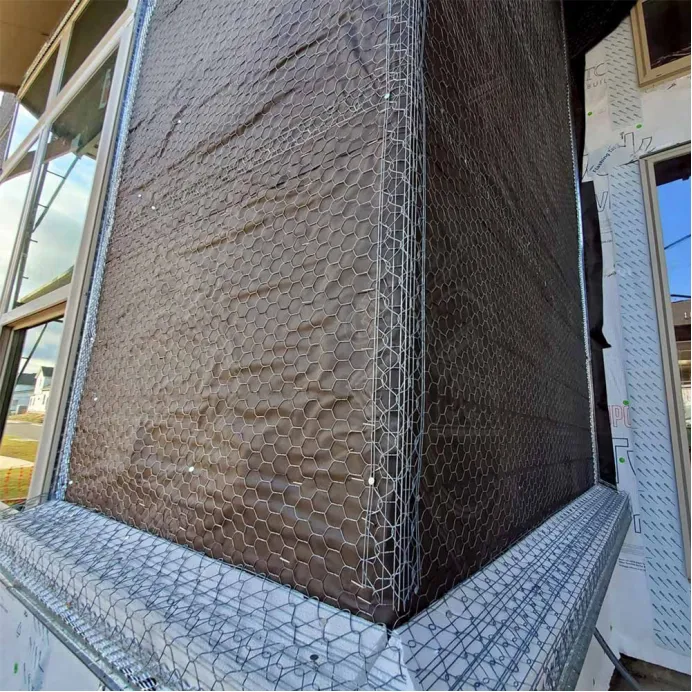
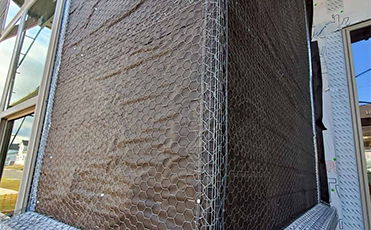
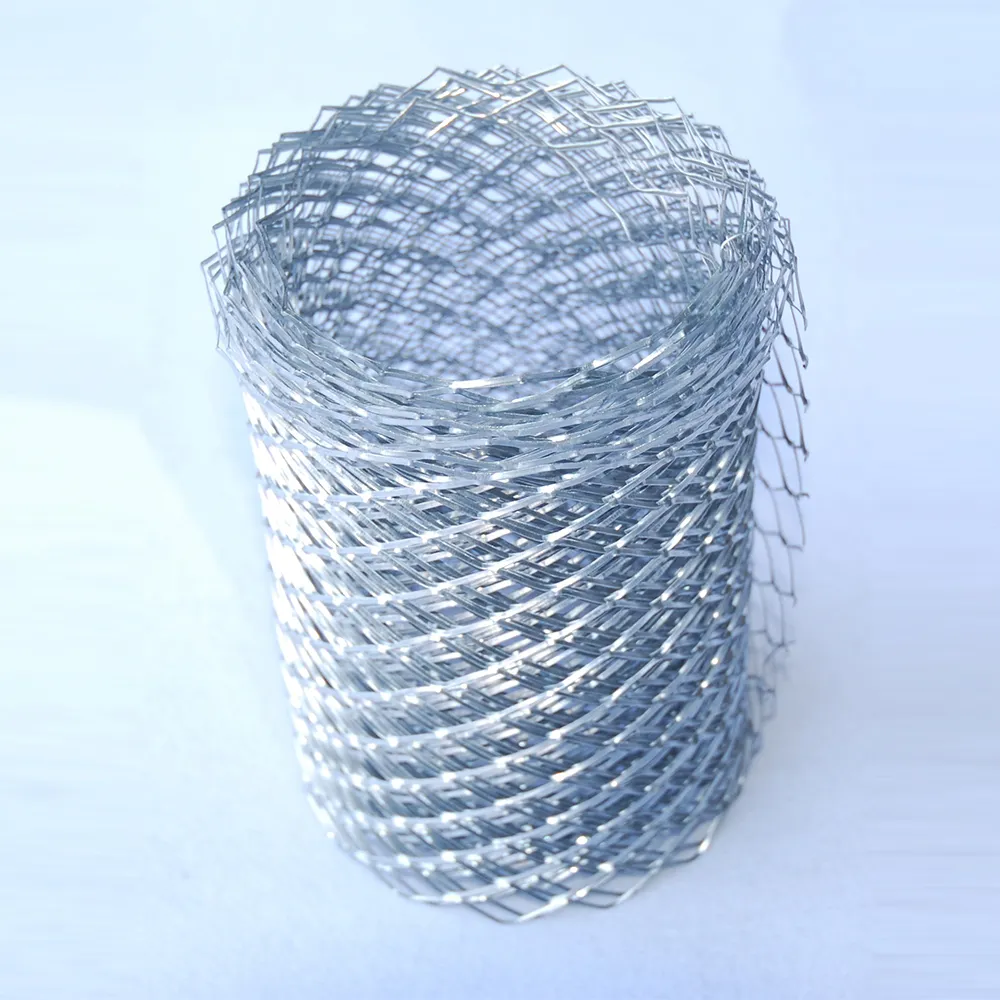
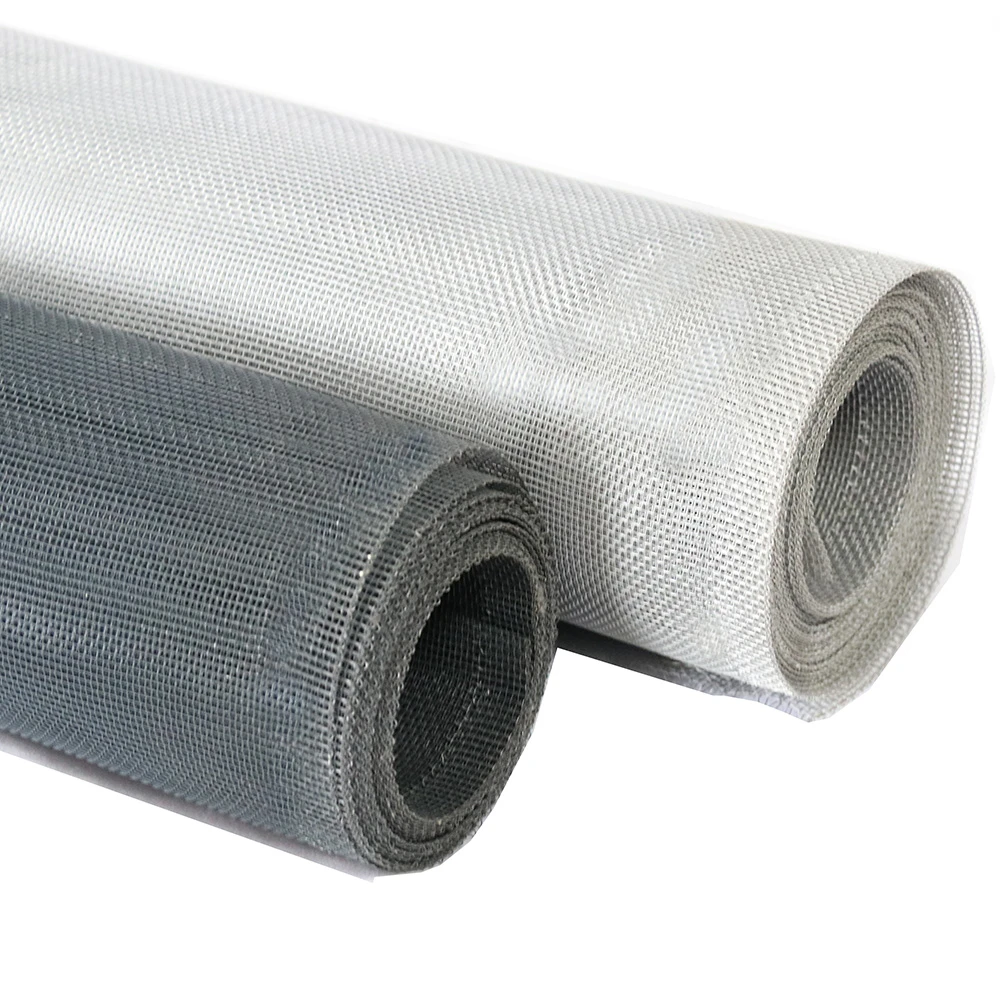
Stucco netting is a mesh material used in wall construction to reinforce stucco layers. It acts as a framework that allows the stucco to adhere properly to the surface while distributing stress evenly, which minimizes cracking and enhances the overall strength of the finish.
The primary purpose of stucco wire mesh is to provide mechanical support. When stucco is applied over a wall, the netting creates a stable base that holds the material in place. This is particularly important for exterior walls exposed to environmental stressors such as wind, rain, or temperature fluctuations.
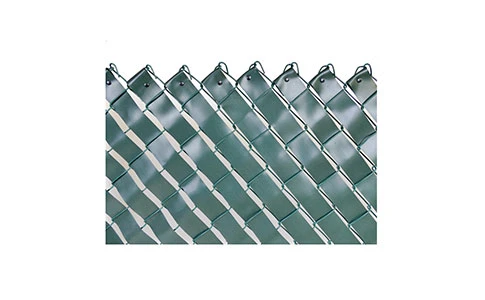
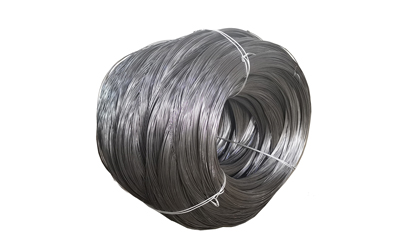
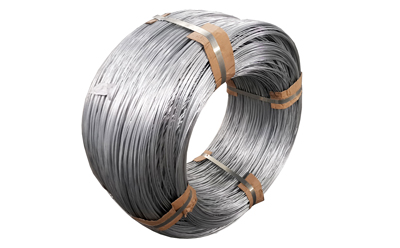
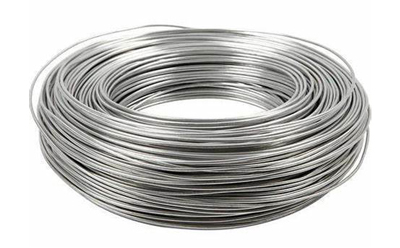
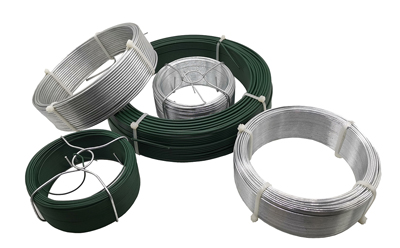
Among the different types of stucco netting, galvanized steel stucco netting and steel stucco netting are highly favored in commercial and residential construction. Galvanization provides a protective coating that prevents rust and corrosion, ensuring the netting maintains its integrity over time. This is especially valuable in humid or coastal environments where uncoated steel would deteriorate quickly.
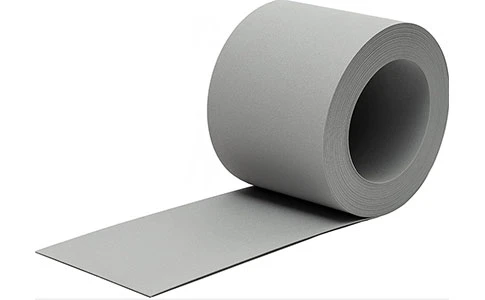
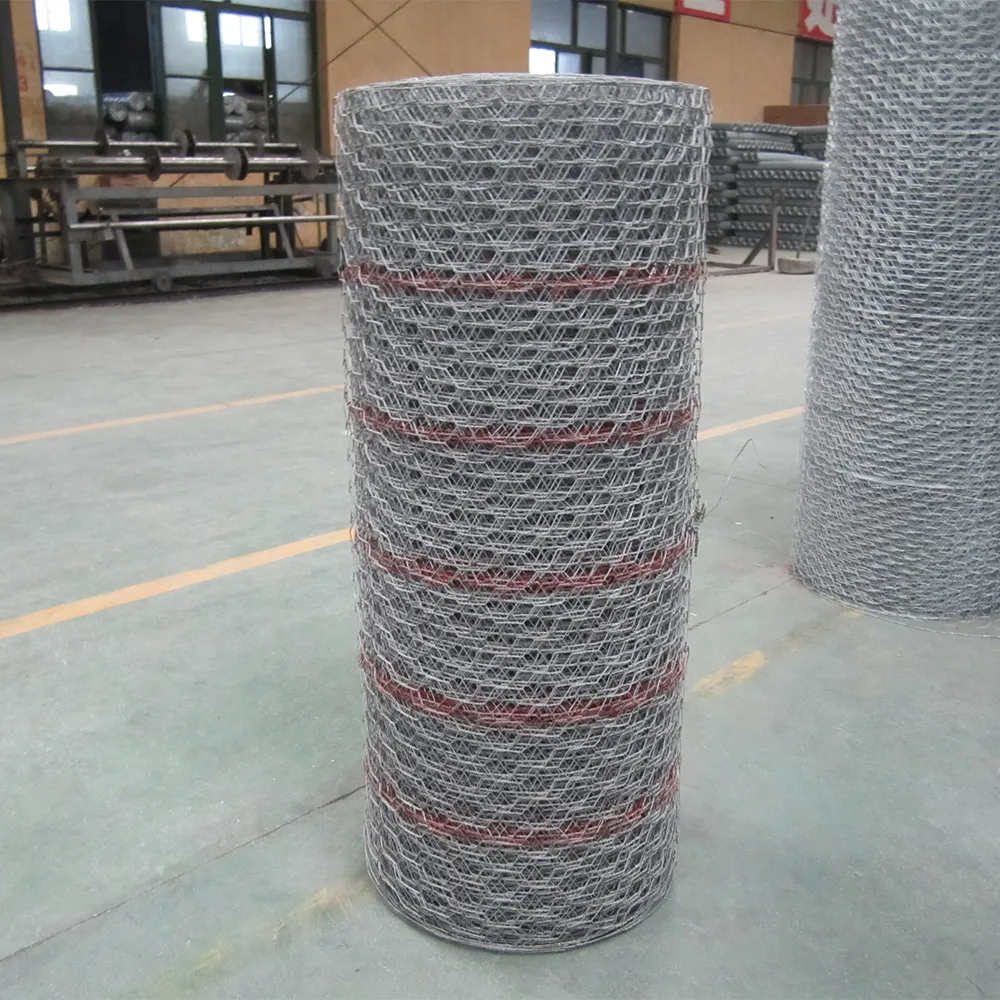
Another variation, stucco wire mesh with paper, includes a backing paper layer that further enhances adhesion and prevents the stucco from directly contacting the wall surface. This type is commonly used in interior and exterior walls where added insulation or moisture protection is needed.
By understanding the different options, builders and contractors can select the most suitable stucco netting for their specific construction needs.
Choosing the right stucco wire mesh is essential for achieving a professional finish. Different types of netting are designed to meet the requirements of specific projects, whether for residential homes, commercial buildings, or specialty architectural designs.
Galvanized Steel Stucco Netting
Galvanized steel stucco netting is widely used due to its exceptional durability and corrosion resistance. The galvanization process coats the steel with a layer of zinc, protecting it from rust and extending its lifespan. This type of netting is particularly effective for exterior walls and areas exposed to moisture or harsh weather conditions.
Builders often prefer galvanized steel stucco netting for multi-story buildings and commercial projects where long-term structural stability is critical. The rigidity of the steel mesh ensures the stucco adheres properly, reducing maintenance costs and the risk of structural damage over time.
Steel Stucco Netting
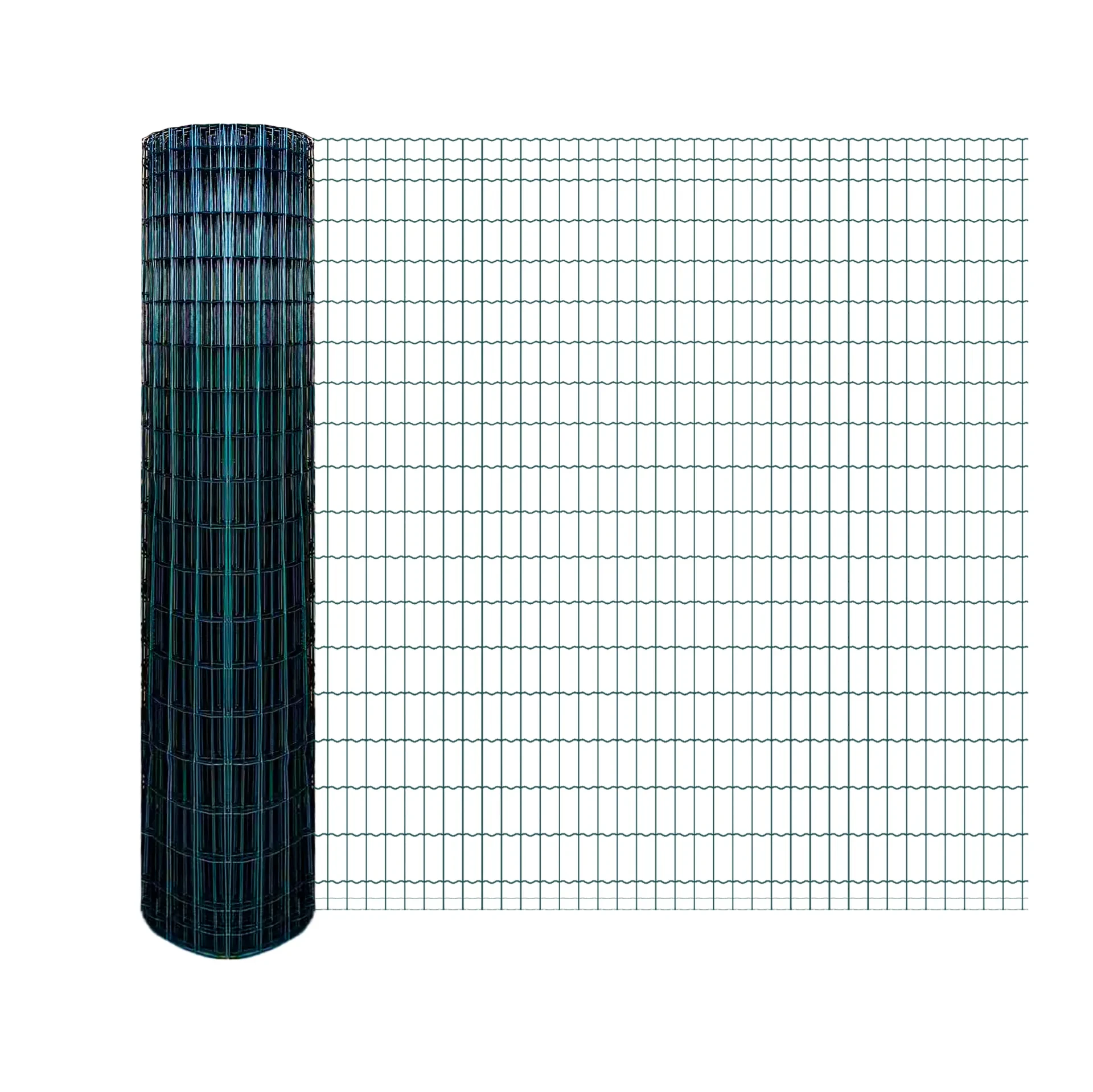
Standard steel stucco netting offers a robust framework for stucco applications, providing excellent support for both interior and exterior walls. While not always galvanized, steel netting is suitable for dry or protected environments where corrosion risk is minimal.
Steel stucco netting comes in various mesh sizes and wire gauges, allowing contractors to select the appropriate strength for their project. It is ideal for areas that require thicker stucco layers or where walls may experience occasional stress or vibration.
Stucco Wire Mesh with Paper
Stucco wire mesh with paper is a specialized option that combines mesh reinforcement with a paper backing. The paper layer serves as a protective barrier, improving adhesion and preventing moisture from seeping through the stucco layer to the underlying wall surface.
This type of mesh is especially useful for interior walls or decorative architectural finishes where a smooth, even surface is required. The added backing also makes it easier to achieve uniform application, reducing the risk of uneven textures or weak spots.
Other Variations
Galvanized stucco netting and other mesh options are designed to meet different building codes, climate conditions, and project sizes. Some mesh is lightweight for easy handling and installation, while heavier-duty netting is suitable for high-stress applications, such as exterior facades or stucco over masonry walls.
By selecting the right type of stucco wire mesh, contractors can ensure a durable, professional-looking finish that minimizes cracking, delamination, and other common stucco problems.
Using high-quality galvanized stucco netting offers numerous benefits that improve both the performance and longevity of stucco walls.
Durability and Longevity
The primary advantage of galvanized stucco netting is its resistance to rust and corrosion. Zinc coating protects the steel mesh from environmental damage, allowing the stucco structure to last for decades without deterioration. This durability makes it a preferred choice for exterior wall applications in residential, commercial, and industrial buildings.
Improved Adhesion and Structural Support
Stucco wire mesh enhances the adhesion of the stucco to walls, preventing peeling or sagging. The mesh distributes stress evenly across the surface, reducing the likelihood of cracks forming due to settling, vibration, or temperature changes. This is critical in areas with high seismic activity or fluctuating climates.
Easy Installation and Versatility
Steel stucco netting and galvanized stucco netting are lightweight, flexible, and easy to cut and shape, making them ideal for various wall shapes and sizes. Contractors can install the netting quickly, speeding up construction times while maintaining high-quality results.
Moisture and Mold Resistance
When combined with proper finishing techniques, stucco wire mesh with paper provides added protection against moisture infiltration. The paper layer acts as a vapor barrier, reducing the risk of mold growth and water damage, particularly in humid environments.
Cost-Effectiveness
Investing in quality galvanized stucco netting may initially cost more than uncoated mesh, but the long-term benefits—including reduced maintenance, fewer repairs, and extended wall lifespan—make it a cost-effective solution for builders and homeowners alike.
Practical Applications of Stucco Netting
The versatility of stucco netting allows it to be used in a wide range of construction projects. Some common applications include:
Residential Walls
Homeowners and builders use stucco wire mesh to reinforce exterior walls, providing a clean, durable finish that resists cracking and weathering.
Commercial Buildings
For larger structures, galvanized steel stucco netting ensures long-term stability and supports thick stucco layers required for aesthetic and structural purposes.
Interior Finishes
Stucco wire mesh with paper is ideal for interior walls where smooth finishes and moisture protection are important, such as bathrooms or kitchens.
Masonry Overlays
When applying stucco over masonry walls or brickwork, steel stucco netting provides an essential anchoring layer, preventing delamination and improving overall adhesion.
Decorative Architectural Features
Mesh can be shaped and molded for arches, columns, and other design elements, allowing architects and builders to achieve both structural integrity and visual appeal.
Tips for Choosing the Right Stucco Wire Mesh
Selecting the correct stucco wire mesh for a project requires consideration of several key factors:
Environmental Conditions: For outdoor or humid areas, choose galvanized steel stucco netting to prevent rust and corrosion.
Wall Type and Surface: For masonry or uneven surfaces, thicker steel stucco netting may provide better reinforcement.
Project Size: Large projects may benefit from rolls of mesh for continuous coverage, while smaller areas may require pre-cut panels.
Finish Requirements: For smooth finishes or decorative applications, consider stucco wire mesh with paper to improve adhesion and reduce cracking.
Budget and Longevity: Higher-quality galvanized mesh costs more initially but offers longer life and reduced maintenance, making it cost-effective over time.
Stucco netting, including stucco wire mesh, galvanized steel stucco netting, steel stucco netting, stucco wire mesh with paper, and galvanized stucco netting, is an essential material in modern construction. By providing reinforcement, durability, and improved adhesion, these materials ensure that stucco finishes remain strong, visually appealing, and long-lasting.
Whether you are constructing residential homes, commercial buildings, or decorative architectural features, selecting the right type of stucco wire mesh is key to achieving a professional and durable finish. Investing in high-quality mesh, particularly galvanized steel stucco netting, guarantees enhanced performance, reduced maintenance, and long-term cost savings.
For builders, contractors, and homeowners alike, understanding the different types and applications of stucco netting ensures that every stucco project stands the test of time while maintaining structural integrity and aesthetic appeal.



Copyright © 2026 Hebei Minmetals Co., Ltd. All Rights Reserved. Sitemap | Privacy Policy | Top Blog丨Menu