






































Gardening requires more than sunlight, water, and healthy soil. Plants often need additional support as they grow, especially climbing plants, young trees, vines, vegetables, flowers, and ornamental shrubs. A reliable plant tie can help gardeners guide stems, secure branches, and organize growing plants without putting unnecessary pressure on delicate stems.
Among the many plant-support products available today, garden twist wire is a practical and versatile option. Designed to combine flexibility with sufficient holding strength, twist wire can be used for a wide variety of gardening and horticultural tasks. Unlike rigid wire, soft-coated or flexible twist ties can be adjusted easily by hand, making them convenient for both professional growers and home gardeners.
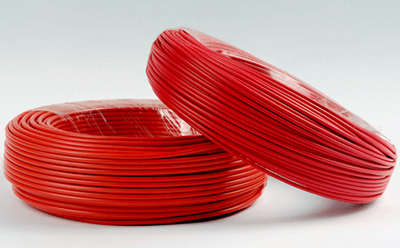
A well-designed soft twist plant tie usually consists of a flexible wire core covered with a softer protective material. The outer layer helps reduce direct contact between the wire and the plant, while the internal wire provides enough strength to hold stems and branches in position. This combination makes twist ties useful throughout different stages of plant growth.

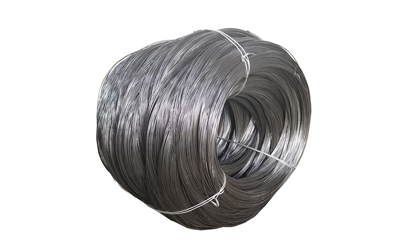
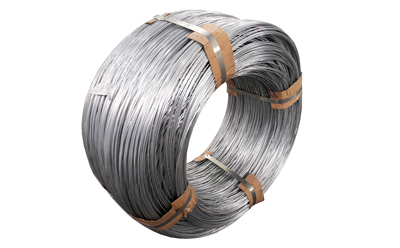
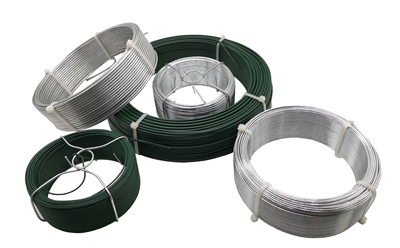
Garden twist wire is a flexible plant-support material used to secure plants, branches, vines, and other garden structures. It can be wrapped around a plant stem and support structure, then twisted or adjusted to hold the plant securely in place.
The basic construction is simple but effective. A flexible metal wire provides the structural core, while an outer coating or soft material helps protect the plant. Depending on the product, the coating may be made from plastic, rubber, foam, or another flexible material. The result is a tie that can be bent, twisted, cut, and reused for different gardening applications.
One of the most important advantages of a soft twist tie is its flexibility. Gardeners do not need complicated tools to secure many plants. The wire can be wrapped around a stem and support stake and then twisted by hand. If the plant grows or its position needs to change, the tie can often be loosened and adjusted.
This flexibility is especially valuable for young plants. As stems become thicker, rigid ties can potentially restrict natural growth if they are not adjusted regularly. A softer and adjustable plant tie allows gardeners to monitor growth and reposition the support when necessary.
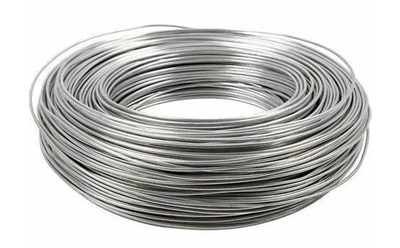
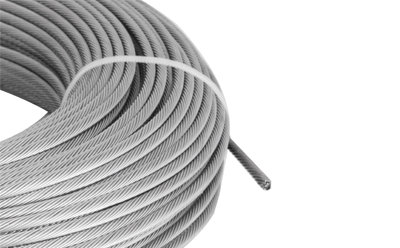
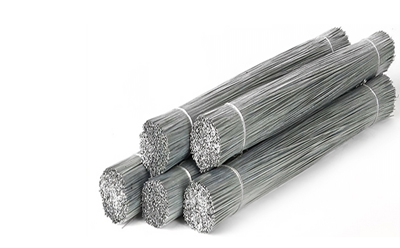
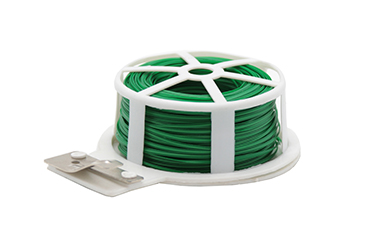
Another useful feature is length customization. A twist tie wire spool allows users to cut the required length according to the application. Instead of purchasing individual pre-cut pieces, gardeners can keep a spool available and create ties of different lengths whenever needed.
For small potted plants, only a short piece may be necessary. Larger climbing plants or branches may require longer pieces to connect the plant to a trellis, stake, frame, or other support structure.
Twist wire can also be used beyond direct plant support. Gardeners may use it for organizing garden tools, securing netting, fixing lightweight garden structures, bundling branches, or managing irrigation hoses and cables. Its flexibility makes it a useful general-purpose material around the garden.
One of the main benefits of soft twist plant ties is that they provide support while helping minimize direct pressure on plant stems. The soft outer surface creates a buffer between the wire core and the plant, which can be particularly useful for delicate stems and young branches.
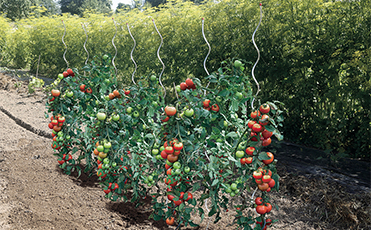
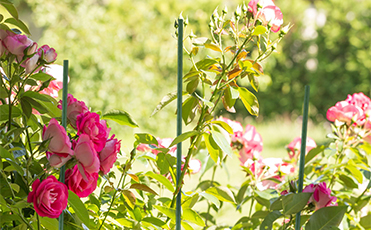
Climbing plants are a common application. Plants such as tomatoes, cucumbers, grapes, beans, roses, and various ornamental vines often need guidance as they grow. Gardeners can use ties to connect stems to stakes or trellises, helping the plants follow the desired growth direction.
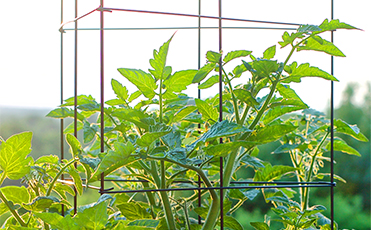
Tomato plants, for example, can become heavy as fruit develops. Proper support helps keep stems upright and organized. A flexible tie can connect the stem to a support stake while allowing the gardener to make adjustments as the plant grows.
The same principle applies to vines and climbing flowers. Rather than allowing stems to spread randomly across the ground, gardeners can use plant twist ties to guide them along a trellis or frame. This can improve the overall appearance of the garden while also making plants easier to manage.
Young trees can also benefit from soft support ties. Newly planted trees may require temporary stabilization while their root systems become established. A suitable tie can connect the trunk or branch to a stake while providing a degree of flexibility. However, ties should be installed carefully and checked periodically to prevent excessive restriction as the trunk grows.
Another advantage of soft wire ties is ease of installation. Unlike some specialized fastening systems, twist ties generally do not require complicated tools or equipment. Users can quickly wrap, twist, loosen, and reposition them as needed.
For commercial nurseries and horticultural operations, this convenience can be particularly valuable. Workers may need to support hundreds or thousands of plants, so a simple and efficient tying method can save time during routine plant maintenance.
Soft ties can also help organize plants in greenhouse environments. Greenhouse crops often grow in structured rows with support wires, poles, or trellis systems. Flexible ties can connect individual plants to these structures and help maintain an orderly growing arrangement.
Weather resistance should also be considered when selecting a product. Garden ties used outdoors may be exposed to rain, sunlight, humidity, and temperature changes. Products designed specifically for gardening should therefore be selected according to the expected environmental conditions.
The right tie should also have enough flexibility to accommodate normal plant movement. Plants naturally move in wind, and a completely rigid connection may not always be desirable. A flexible tie can provide support while allowing some movement, depending on the installation method.
Choosing the right garden twist tie depends on the type of plant, support structure, expected load, and growing environment. Different gardening applications may require different lengths, thicknesses, materials, and levels of flexibility.
For small flowers, seedlings, and delicate stems, a softer and thinner tie may be appropriate. For larger branches, climbing vegetables, and heavier plants, a stronger wire core may be necessary. The tie should provide sufficient support without being unnecessarily tight.
When using soft twist plant ties, leave enough room around the stem for natural growth. The tie should hold the plant in position without cutting into the stem. For fast-growing plants, regular inspection is important because the stem can become significantly thicker within a short period.
A loose-loop installation is often useful. Instead of tightly wrapping the tie around the stem, gardeners can create a small loop that provides support while leaving room for expansion. The other end can then be attached to a stake, trellis, wire, or frame.
For plants that require frequent adjustment, a soft twist tie can be especially convenient because it can usually be untwisted and reused. This makes it suitable for seasonal crops and plants that change position as they grow.
A twist tie wire spool is a practical choice for gardeners who need different lengths. Users can cut pieces according to their individual requirements, reducing material waste and making the product suitable for both small and large gardening projects.
When cutting wire from a spool, users should ensure that the cut end does not create a sharp point that could damage plants or cause injury. If necessary, the end can be bent inward after installation.
Gardeners should also inspect their ties regularly. Strong winds, heavy fruit, rapid growth, and changing weather conditions can affect the support system. Damaged, overly tight, or deteriorated ties should be replaced or adjusted promptly.
For commercial growers, product consistency is another important consideration. Nurseries and agricultural operations may need large quantities of plant ties, so factors such as wire diameter, coating quality, spool length, flexibility, packaging, and durability should be evaluated before bulk purchasing.
In conclusion, plant twist ties provide a simple and flexible way to support and organize plants throughout the growing season. From home gardens and balconies to greenhouses, nurseries, and professional horticultural operations, they can be used for climbing plants, vegetables, flowers, shrubs, and young trees.
With their combination of flexibility, adjustability, and protective outer surfaces, soft twist ties offer a practical alternative to rigid fastening methods. By choosing the appropriate size and material and avoiding excessive tightening, gardeners can provide effective support while allowing plants to continue growing naturally. Whether purchased as individual pieces or in a convenient spool, garden twist wire remains a useful accessory for efficient and well-organized plant care.



Copyright © 2026 Hebei Minmetals Co., Ltd. All Rights Reserved. Sitemap | Privacy Policy | Menu