



























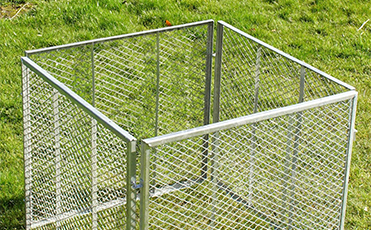
Composting is an environmentally friendly way to recycle kitchen scraps, yard waste, and garden debris into nutrient-rich soil. Among the many composting options available, a wire composter is a versatile and practical choice for both small home gardens and larger outdoor spaces. Using chicken wire compost, compost mesh, or mesh composter systems, gardeners can easily create a well-aerated, efficient compost pile. In this article, we will explore the types, benefits, and practical applications of chicken wire leaf compost, compost wire mesh, and other wire-based composting methods.
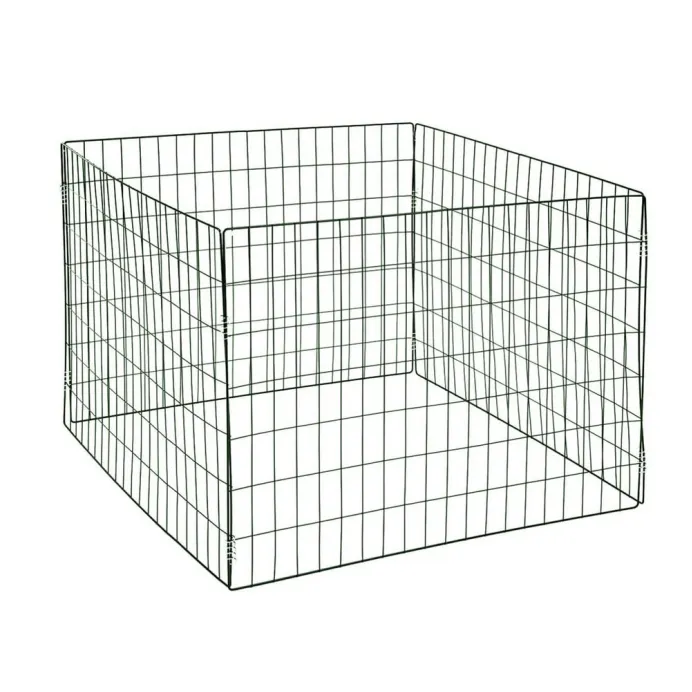
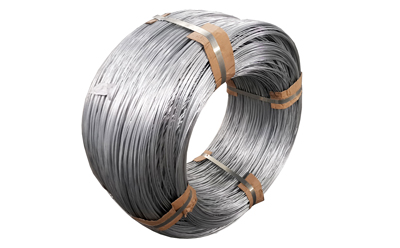
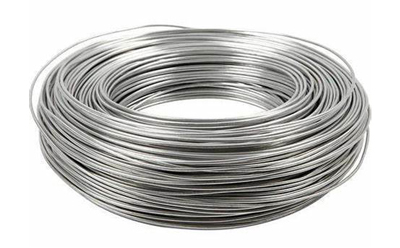
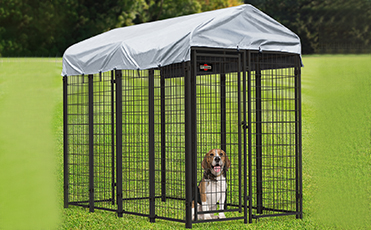
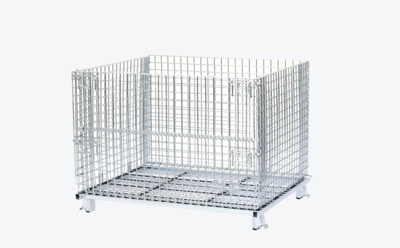
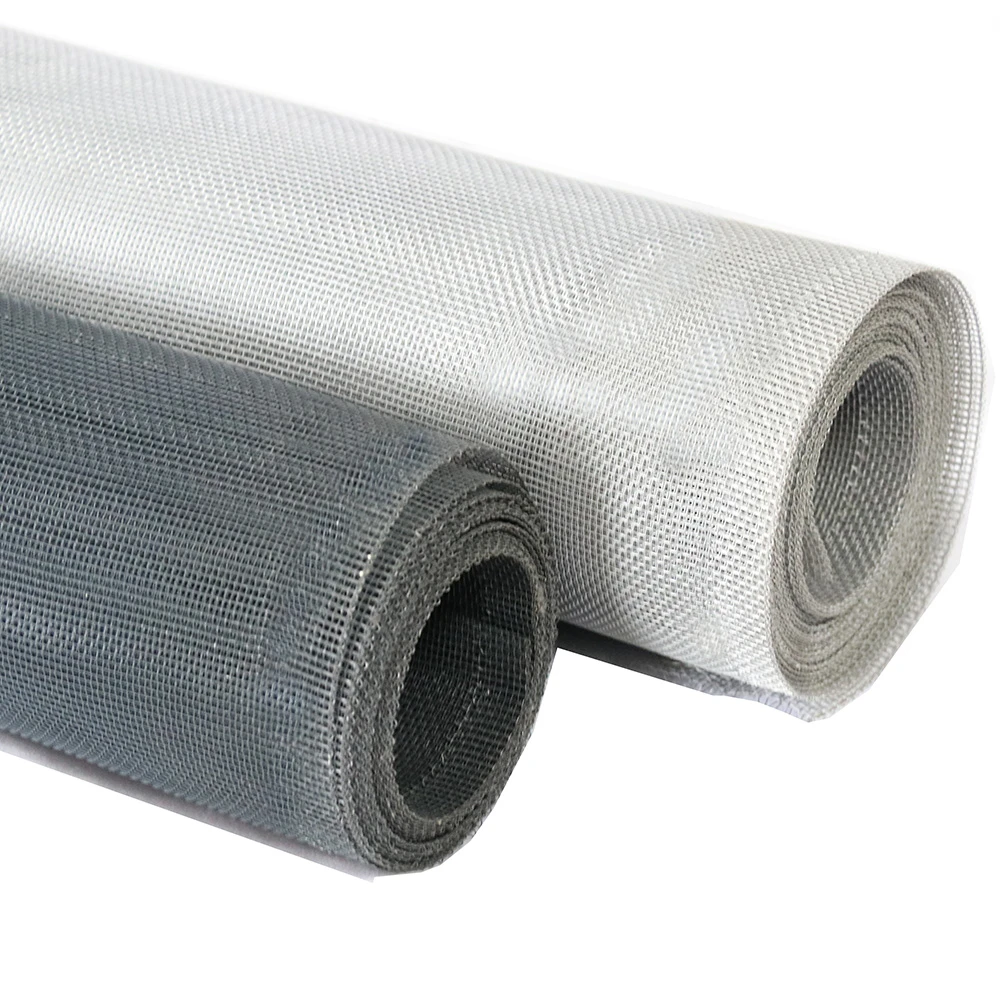
A wire composter is essentially a structure made from metal mesh, usually galvanized or coated for rust resistance. It can be cylindrical, square, or rectangular in shape and provides an open framework for composting organic materials.
Key Advantages
Improved Aeration
One of the main benefits of using a wire composter is the increased airflow. The mesh sides allow oxygen to penetrate the compost pile, which accelerates the decomposition process. Well-aerated compost prevents anaerobic conditions, reducing unpleasant odors and producing nutrient-rich soil faster.
Easy Access and Maintenance
Mesh composter systems allow gardeners to add, turn, and remove compost easily. Unlike enclosed bins, wire structures provide visibility, so you can monitor moisture levels, temperature, and decomposition progress without disturbing the pile too much.
Cost-Effective Solution
Materials such as chicken wire compost and compost wire mesh are affordable and widely available. You can construct a simple composter using just a few rolls of wire and stakes, making it a budget-friendly choice for home gardeners.
Versatility and Size Options
Wire composters can be customized in height, diameter, and shape, allowing for multiple piles or a single large compost heap. They are suitable for composting kitchen scraps, yard waste, leaves, and even small garden trimmings.
Durable and Long-Lasting
High-quality compost mesh or galvanized chicken wire leaf compost structures are resistant to weather, pests, and rust. They can be used season after season with minimal maintenance.
There are several types of wire composter systems, each tailored to specific composting needs. Understanding the differences can help gardeners choose the best method for their space and organic waste volume.
Chicken Wire Compost
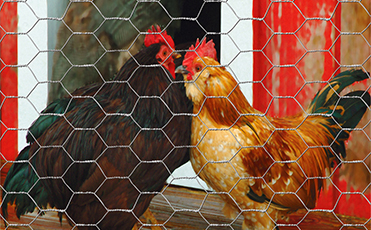
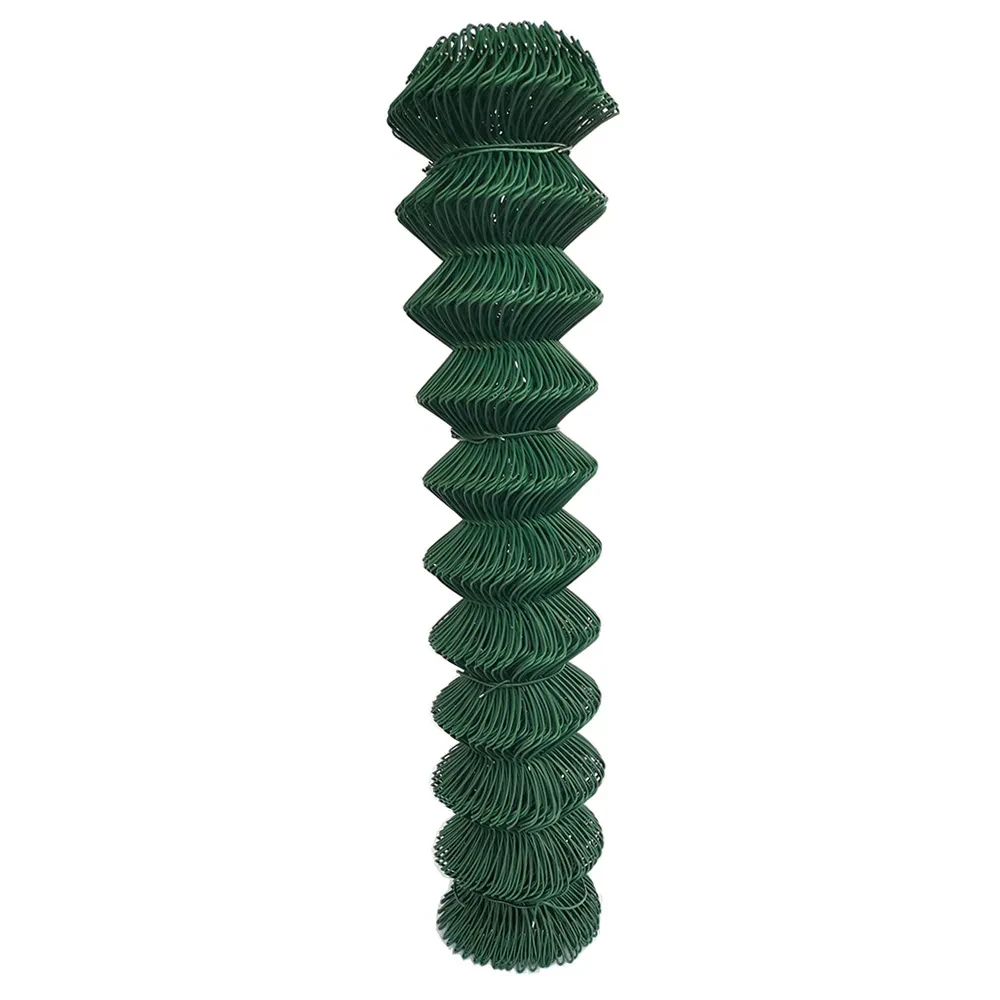
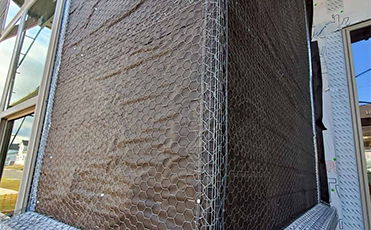
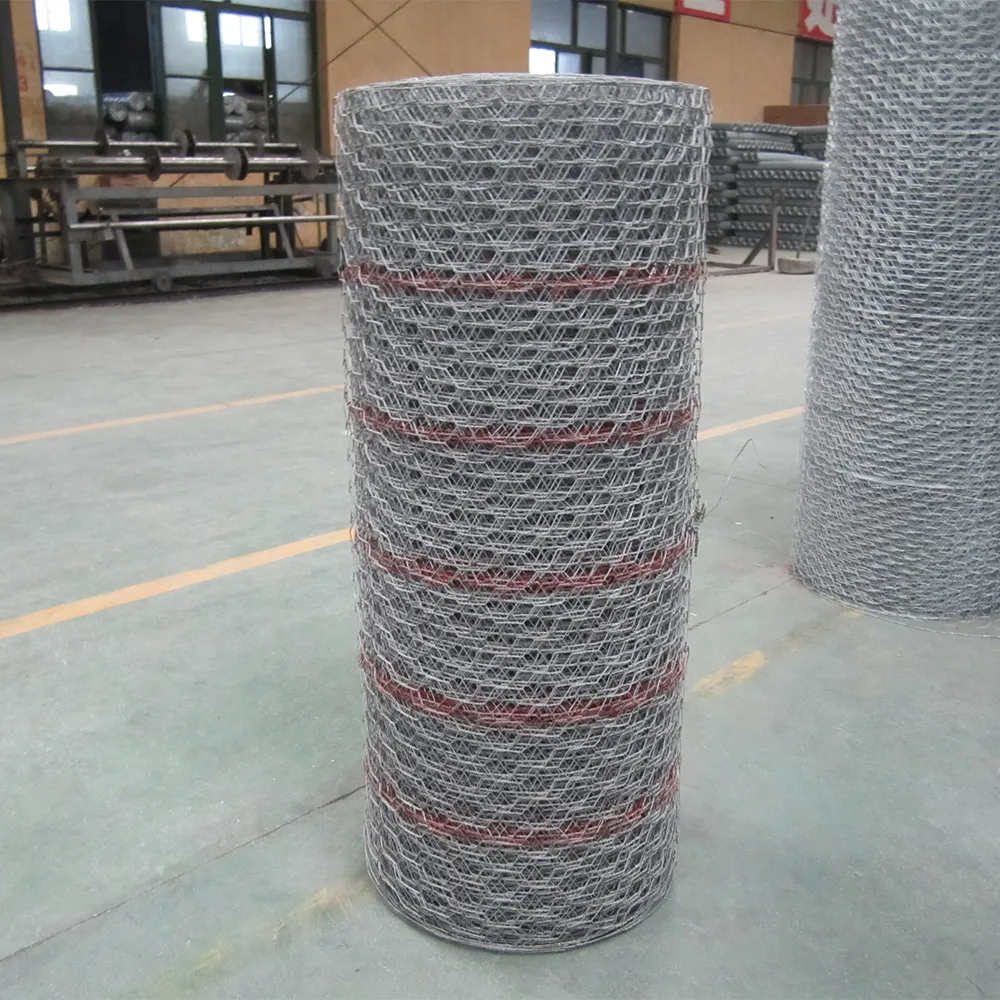
Chicken wire compost refers to a composting structure made using hexagonal chicken wire mesh. It is ideal for smaller garden spaces and DIY projects. Chicken wire is lightweight, flexible, and easy to shape into a circular or rectangular bin.
Applications: Perfect for vegetable scraps, fruit peels, and garden trimmings.
Benefits: Affordable, simple to construct, and easy to expand by adding more wire layers as the compost pile grows.
Chicken Wire Leaf Compost
Leaves are an essential component of compost, providing carbon to balance nitrogen-rich kitchen scraps. A chicken wire leaf compost setup is designed specifically for handling large volumes of fallen leaves in the fall.
Structure: Often taller or wider than a standard wire composter to accommodate bulky leaf piles.
Function: The mesh allows leaves to compress naturally while maintaining airflow, accelerating decomposition and preventing mold buildup.
Compost Wire Mesh
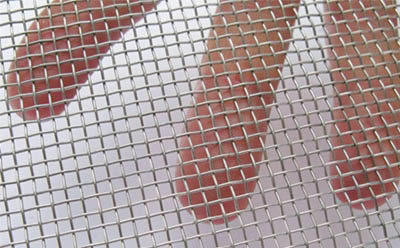
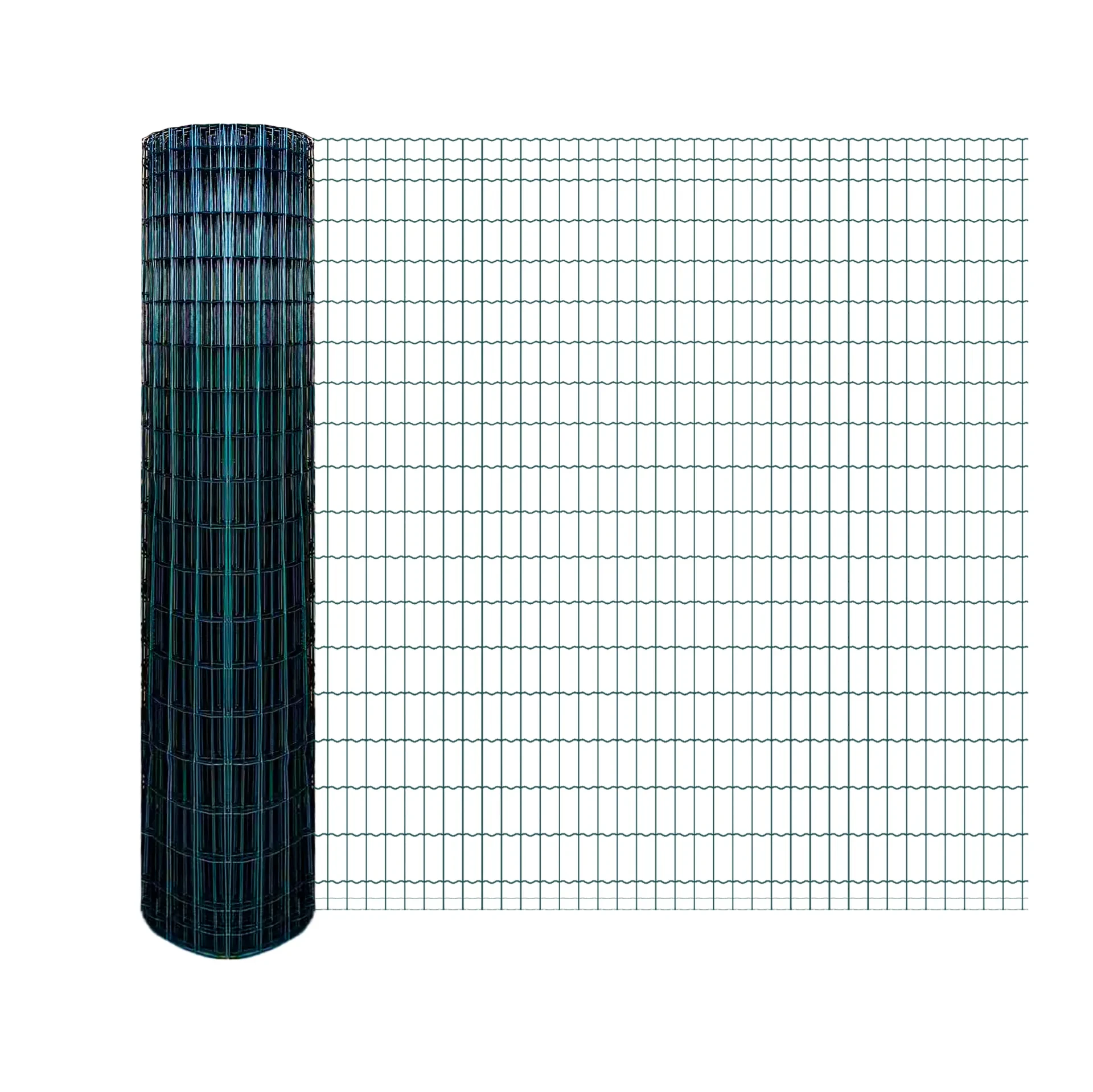
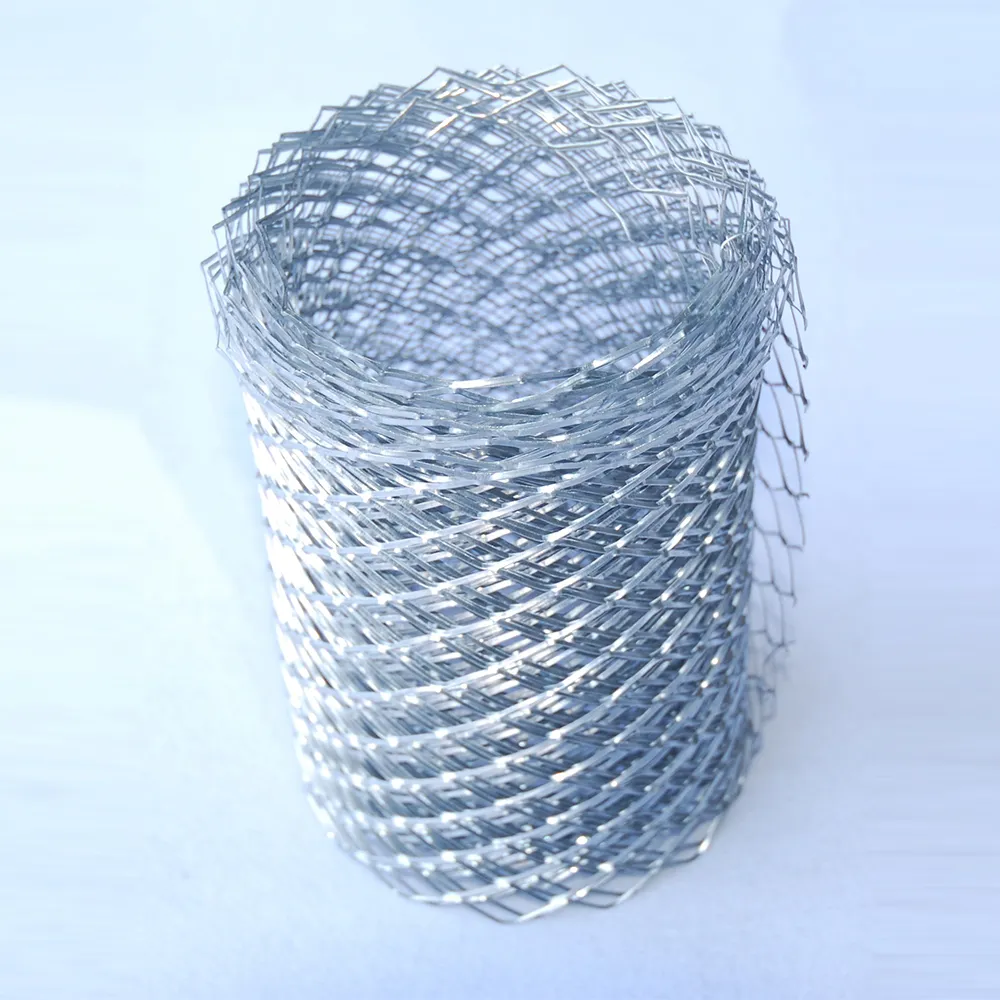
Compost wire mesh is a general term for any mesh-based composting structure. This can include wire panels, cages, or grids made of galvanized steel or coated metal.
Applications: Suitable for both small-scale and larger composting projects.
Benefits: Durable, reusable, and capable of supporting heavier compost layers without collapsing.
Mesh Composter
A mesh composter can be either commercially manufactured or DIY-made using wire panels. These systems often come with modular designs, allowing for easy assembly, expansion, or relocation.
Features: Open sides for airflow, removable tops for easy loading, and modular panels for convenient pile management.
Ideal Use: Gardeners looking for a reusable, sturdy, and well-ventilated composting option.
Using a wire composter effectively requires understanding how to balance green and brown materials, maintain proper moisture, and manage airflow.
Layering for Optimal Composting
A balanced compost pile includes:
Green Materials: Kitchen scraps, vegetable peels, coffee grounds, and grass clippings (high nitrogen content).
Brown Materials: Dry leaves, straw, cardboard, and shredded paper (high carbon content).
Using chicken wire compost or compost wire mesh, alternate layers of green and brown materials. This layering promotes microbial activity, accelerates decomposition, and reduces odors.
Maintaining Moisture and Aeration
Moisture: The pile should be damp, like a wrung-out sponge. Water can be added as needed, especially for dry leaves in a chicken wire leaf compost setup.
Aeration: Turn the pile every 1–2 weeks using a pitchfork or compost aerator. Mesh composter sides make it easy to lift and mix compost without removing the pile entirely.
Managing Pests
One concern with open wire composters is that pests like rodents may access food scraps. Solutions include:
Burying scraps under brown materials
Using finer compost wire mesh at the bottom of the bin
Covering the top with additional wire or a breathable lid
Harvesting Finished Compost
Depending on materials and weather, compost in a wire composter can be ready in 2–6 months. Finished compost should be dark, crumbly, and earthy-smelling. Use it to enrich garden soil, feed potted plants, or top-dress lawns.
Advantages of Choosing Wire-Based Composters Over Other Types
Wire composters offer several advantages compared to plastic bins, wooden enclosures, or tumblers:
Cost-Effective and DIY-Friendly
Using chicken wire compost or compost wire mesh, gardeners can create functional compost bins without expensive kits.
Customizable Size and Shape
Unlike fixed plastic bins, mesh composter systems can be made to fit any garden size or compost volume requirement.
Excellent Airflow
The open design ensures aerobic decomposition, which is faster and less smelly than anaerobic methods.
Durable and Long-Lasting
Galvanized compost wire mesh resists rust and weathering, offering years of reliable use.
Visibility and Monitoring
Wire sides allow gardeners to monitor decomposition, moisture levels, and overall progress without opening a lid.
Using a wire composter, whether in the form of chicken wire compost, chicken wire leaf compost, compost mesh, compost wire mesh, or a commercial mesh composter, is a practical and environmentally friendly way to recycle organic waste. These systems provide excellent airflow, durability, and easy access, making them ideal for home gardens, small farms, or community composting projects.
By following proper layering, moisture management, and turning practices, gardeners can produce nutrient-rich compost efficiently. Investing in a high-quality wire composter ensures long-term functionality, reduces waste, and supports sustainable gardening practices.
With affordable materials, easy DIY options, and long-lasting performance, wire-based composters remain one of the best solutions for eco-conscious gardeners looking to enrich their soil naturally while minimizing household and yard waste.



Copyright © 2026 Hebei Minmetals Co., Ltd. All Rights Reserved. Sitemap | Privacy Policy | Top Blog丨Menu