



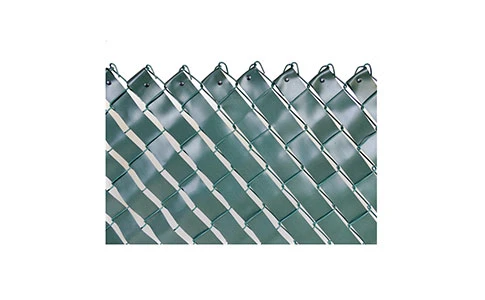
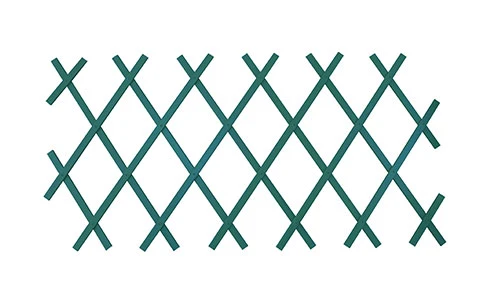
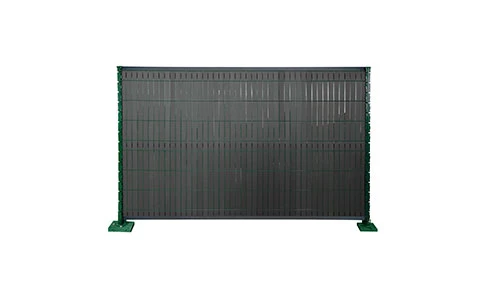



















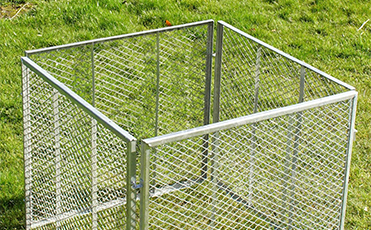
Mesh panels are widely used in construction, agriculture, industrial facilities, warehouses, gardens, and many other applications where strength, ventilation, visibility, and reliable separation are required. Manufactured from steel, iron, or other metal materials, mesh panels provide a practical alternative to solid sheets and conventional barriers.
Depending on the application, buyers can choose from welded mesh panels, woven mesh products, galvanized panels, cage panels, and customized metal structures. When searching for mesh panels for sale, customers often need to consider panel dimensions, wire diameter, mesh opening, material, surface treatment, load requirements, and installation method.
The open structure of mesh products allows air and light to pass through while still creating a physical barrier. This makes them suitable for applications ranging from machine guards and storage cages to animal enclosures, partitions, fencing, and architectural projects.

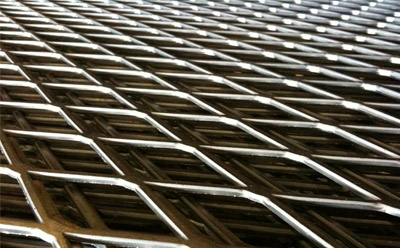
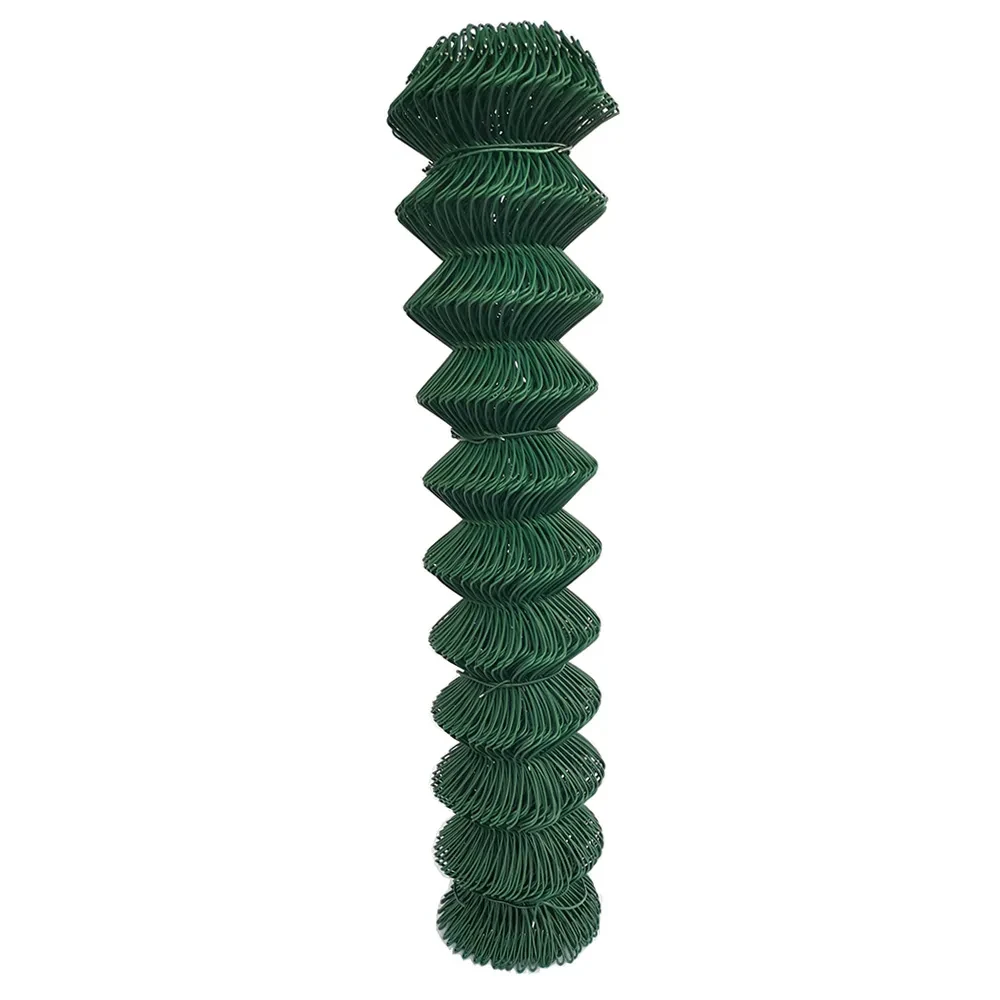
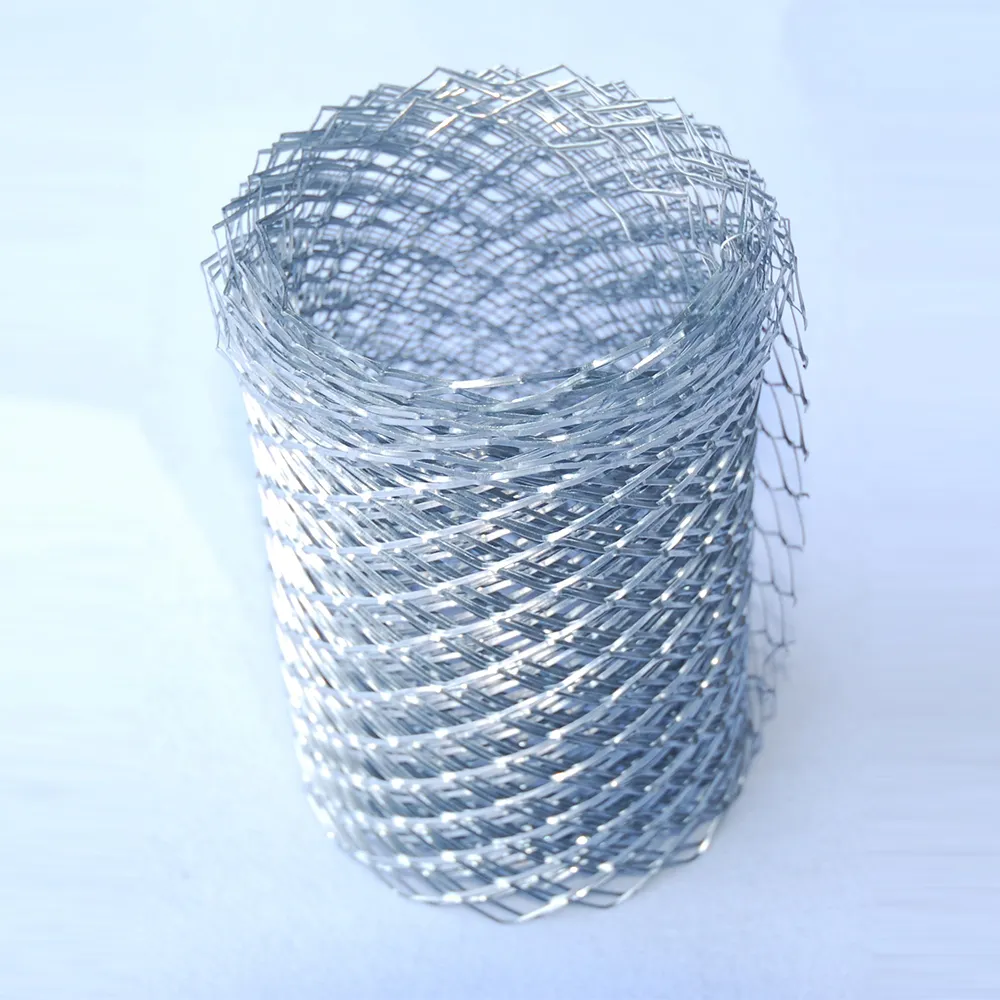
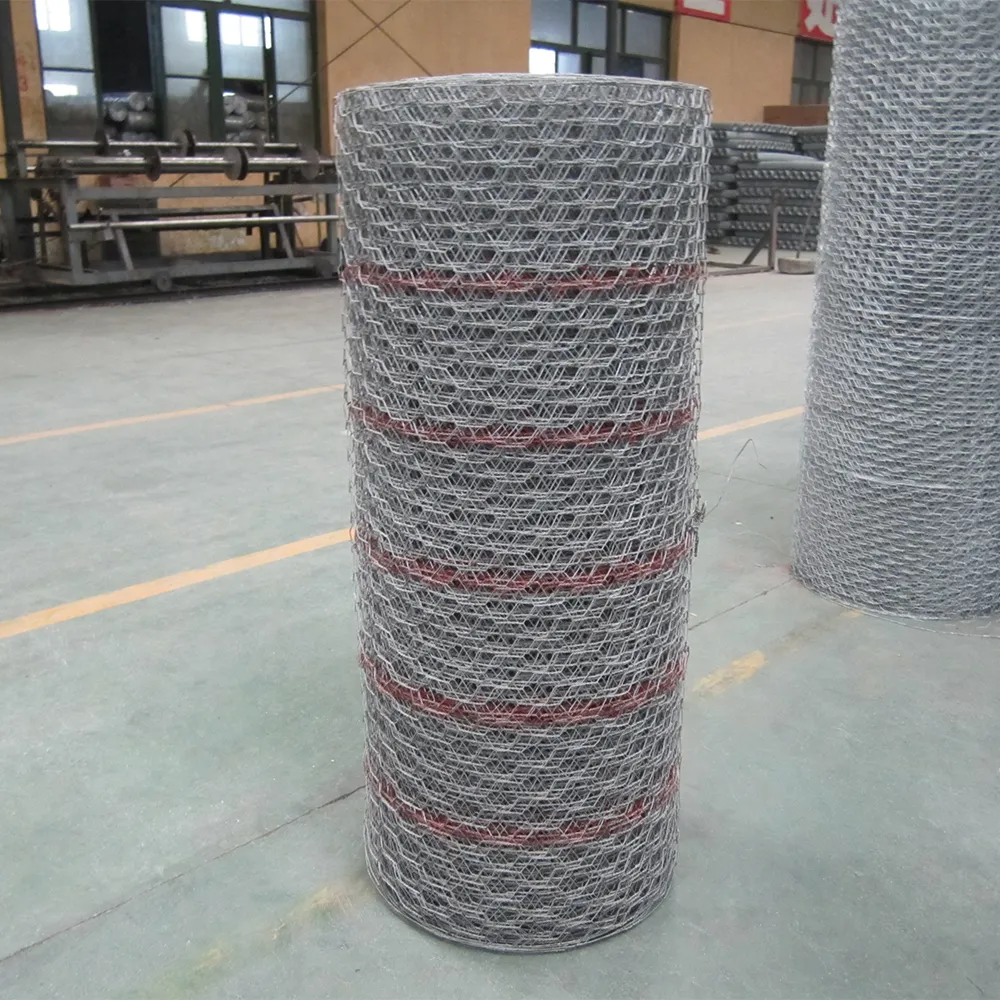
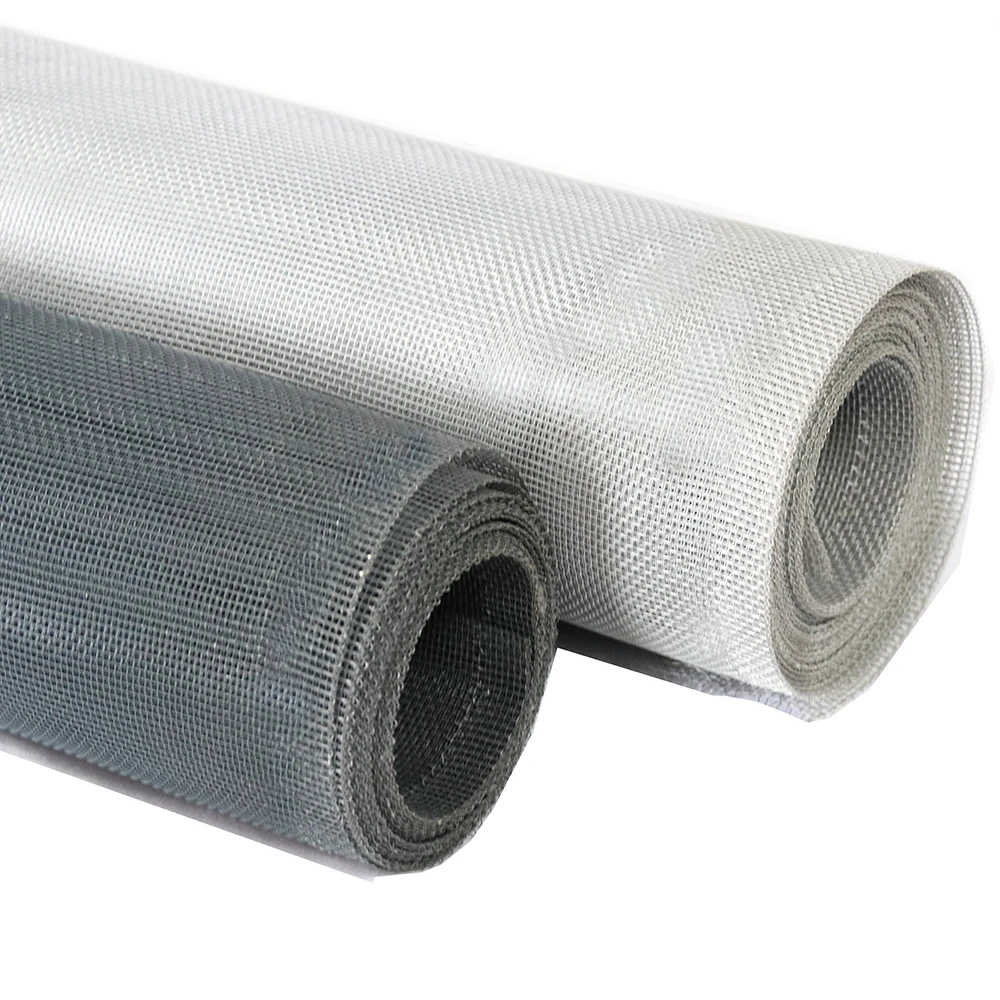
A metal mesh panel is a panel-shaped structure manufactured by connecting metal wires or strips into a regular pattern. Depending on the manufacturing process, the mesh can be welded, woven, expanded, or perforated. Each production method creates different mechanical characteristics and visual appearances.
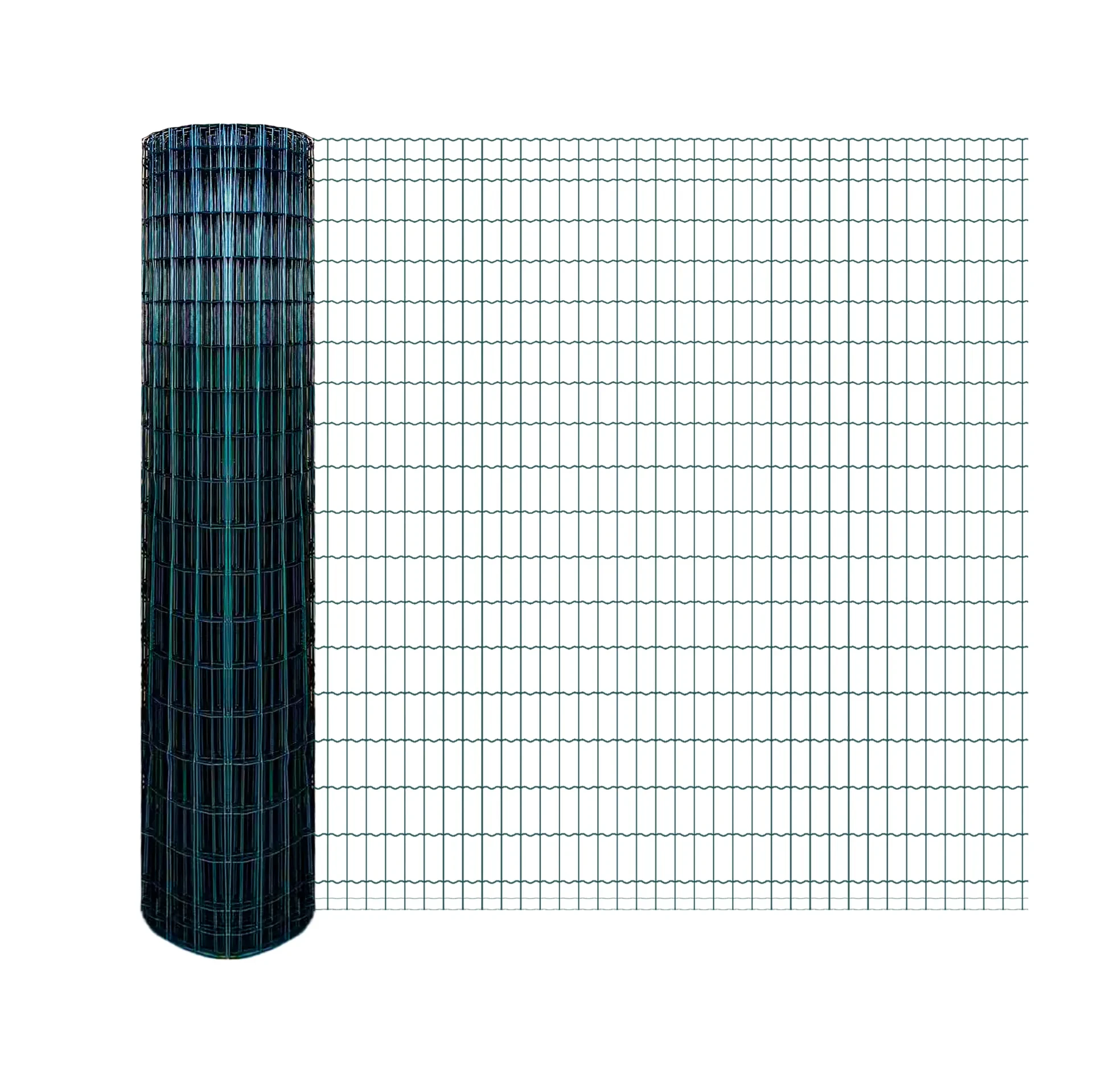
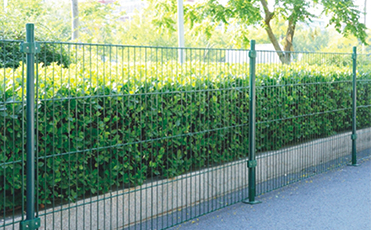
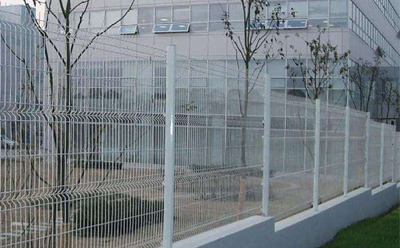
Welded mesh panels are made by joining horizontal and vertical wires at their intersections. This creates a rigid structure with consistent openings. Because the wires are welded together, welded panels can provide good dimensional stability and are commonly used for fencing, partitions, cages, racks, and protective barriers.
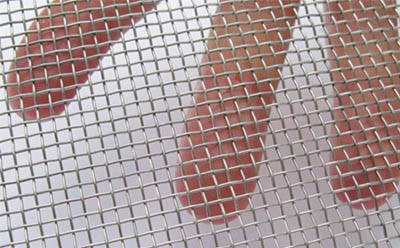
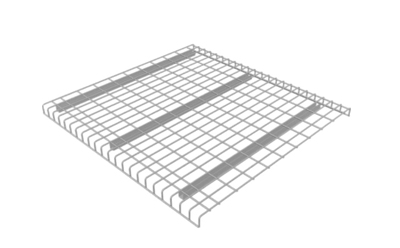
Wire mesh sheets are another widely used form of metal mesh. They can be supplied in standard rectangular panels or customized according to specific project requirements. Mesh openings may range from relatively large gaps for fencing and cages to smaller openings for industrial screening and protection.
One of the advantages of mesh sheets is their versatility. They can be cut, bent, welded, framed, or combined with other components to create finished products. This allows manufacturers to produce machine guards, storage compartments, animal cages, shelves, partitions, and other structures from the same basic material.
Material selection is important when choosing mesh products. Carbon steel is commonly selected for applications requiring structural strength and cost efficiency. Stainless steel may be preferred where corrosion resistance, hygiene, or appearance is particularly important.
Surface treatment can further improve durability. Galvanizing is a popular option for outdoor and humid environments because the zinc coating provides protection against corrosion. As a result, galvanized mesh panels are commonly used for fences, animal enclosures, agricultural structures, gardens, and outdoor equipment.
The mesh opening should also be selected according to the intended purpose. Larger openings can provide better airflow and visibility, while smaller openings can offer improved containment and protection. For example, a warehouse safety partition may require a different mesh configuration from a small-animal cage.
Panel dimensions are another important consideration. Standard sizes can simplify purchasing and installation, while customized dimensions can reduce cutting and modification work on site. Buyers should provide accurate requirements to manufacturers when requesting customized panels.
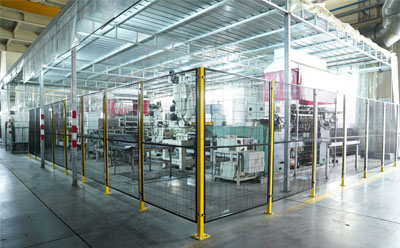
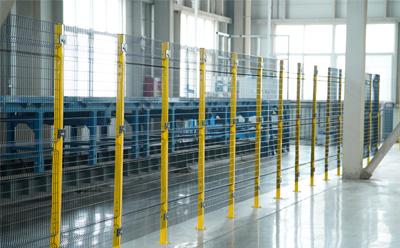
Steel mesh panels are widely used because steel combines structural strength with versatility. In warehouses and factories, steel mesh panels can be used to create safety partitions, machine guarding, storage areas, tool cages, and restricted-access zones.
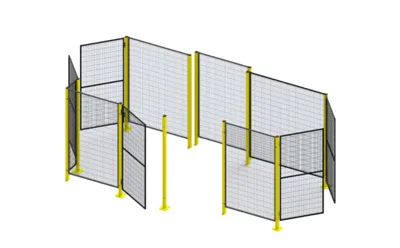
Warehouse applications often require products that provide both visibility and physical separation. Unlike solid walls, mesh barriers allow workers to see through the partition while maintaining a defined boundary. This can be useful for separating inventory areas, equipment zones, maintenance spaces, and hazardous machinery.
Another common application is industrial machine guarding. Mesh panels can form protective barriers around machinery while allowing operators to observe equipment during operation. The exact mesh opening, frame structure, and installation method should be selected according to the machinery and applicable safety requirements.
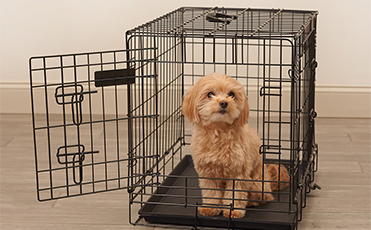
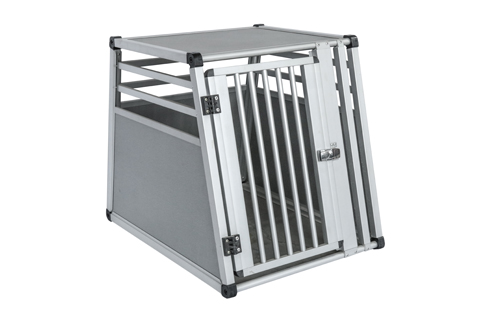
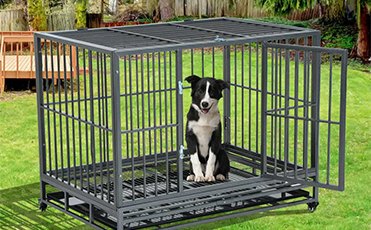
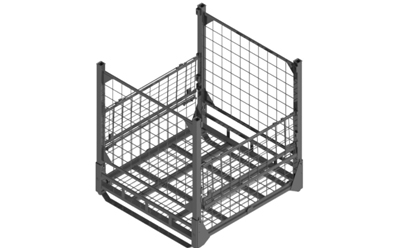
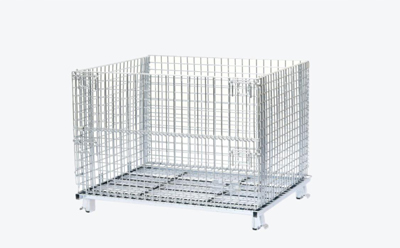
Metal cage panels are particularly useful for creating enclosed storage or containment structures. Several panels can be connected to form a cage, compartment, or enclosure. These structures may be used for tools, equipment, materials, waste containers, or other goods that need controlled access.
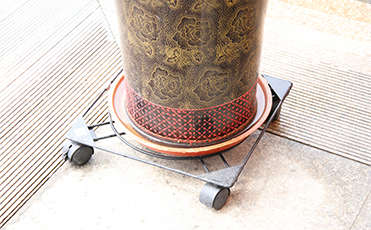
In logistics facilities, metal cage systems can help organize products and prevent loose items from spreading into working areas. Depending on the design, doors, hinges, locks, wheels, or frames can be added to improve usability.
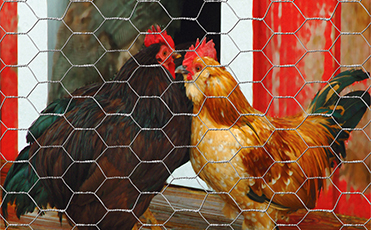
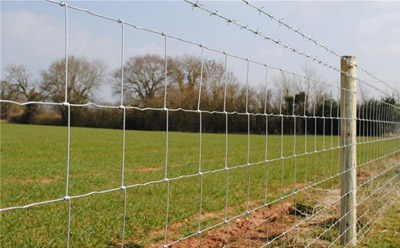
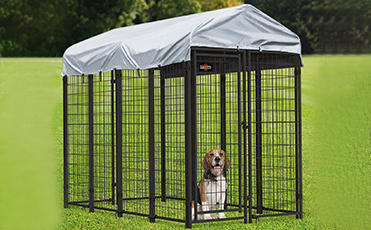
Agriculture is another important market for mesh panels. Farmers and livestock operators may use metal panels to create animal enclosures, feeding areas, partitions, and temporary barriers. The appropriate wire diameter and mesh opening depend on the type and size of animals involved.
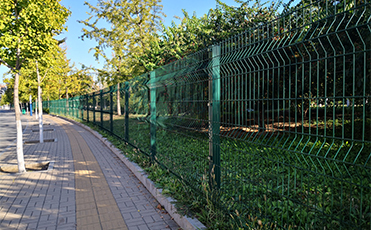
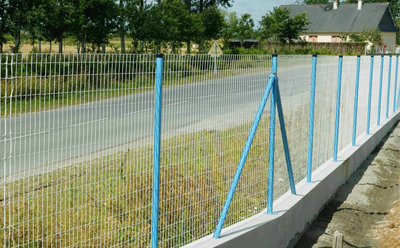
For outdoor applications, galvanized mesh panels are often considered because their protective zinc coating can improve resistance to weather exposure. They can be used for garden fencing, poultry enclosures, farm boundaries, storage areas, and landscaping structures.
Construction projects can also benefit from metal mesh panels. Contractors may use mesh barriers around construction zones, equipment areas, temporary storage spaces, or material handling locations. The open structure provides visibility while creating a physical boundary.
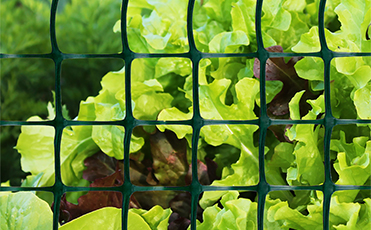
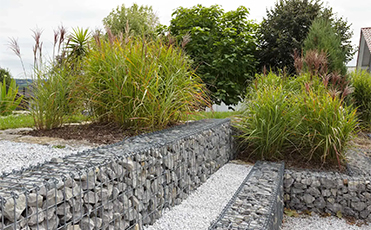
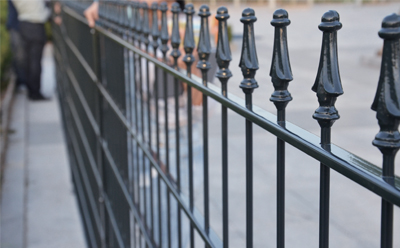
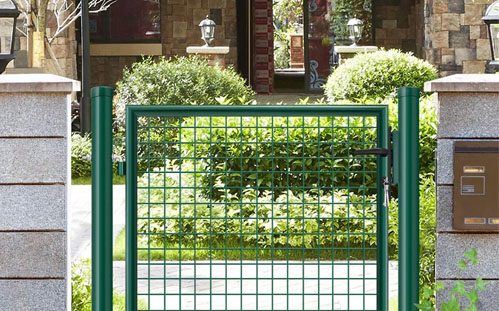
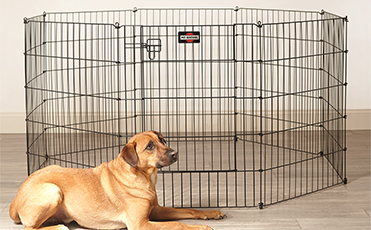
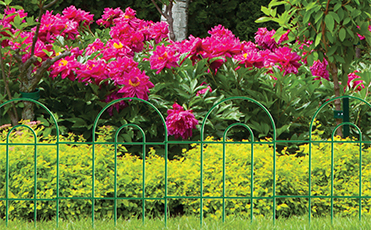
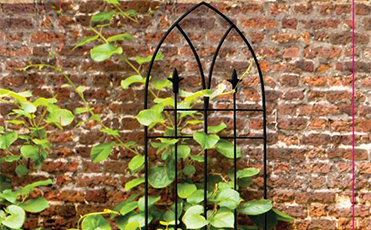
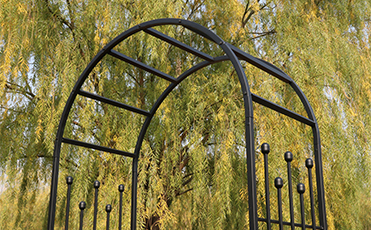
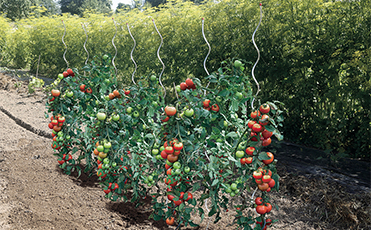
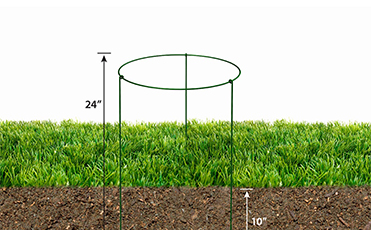
In residential landscaping, mesh panels can be incorporated into garden fencing, plant supports, pet enclosures, decorative partitions, and climbing structures. Their simple appearance can fit both functional and modern outdoor designs.
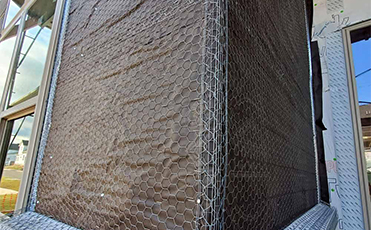
The same basic mesh technology can also be adapted for commercial and architectural purposes. Designers may use metal panels as decorative screens, ventilation barriers, facade elements, partitions, and protective features.
When choosing mesh products for any application, buyers should consider the environment in which the panels will be installed. Indoor applications may have fewer corrosion concerns, while outdoor installations may require galvanized or coated materials.
When evaluating mesh panels for sale, the first step is to define the intended application. A panel used for warehouse guarding may have very different requirements from one designed for agricultural fencing or an animal cage.
Wire diameter is an important specification. Thicker wire generally provides greater structural strength, while thinner wire may be sufficient for lightweight applications. The required wire diameter should be determined based on expected loads, impact, panel dimensions, and installation conditions.
Mesh opening is equally important. Buyers should consider whether the purpose is containment, protection, ventilation, visibility, or separation. Smaller openings can prevent smaller objects or animals from passing through, while larger openings may provide improved airflow and visibility.
Panel size should match the installation area whenever possible. Using correctly sized panels can reduce cutting, welding, and other modifications. Manufacturers may offer standard dimensions as well as customized widths and heights.
Material and surface treatment should be selected according to the environment. For indoor industrial applications, untreated or powder-coated steel may be suitable depending on conditions. For outdoor environments, galvanized mesh panels can provide additional corrosion protection.
Welding quality is also an important purchasing consideration. Consistent welds help maintain the rigidity of the panel and reduce the risk of premature failure. Buyers sourcing products in large quantities should ask about material specifications, welding methods, dimensional tolerances, surface treatment, and quality inspection procedures.
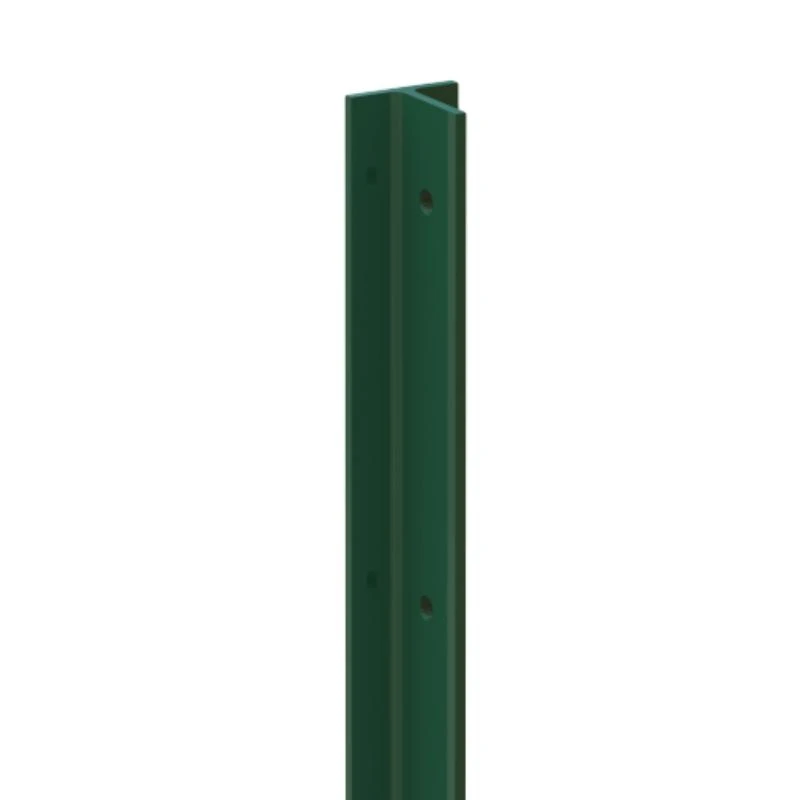
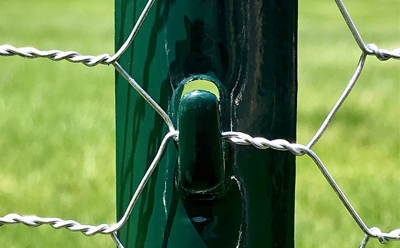
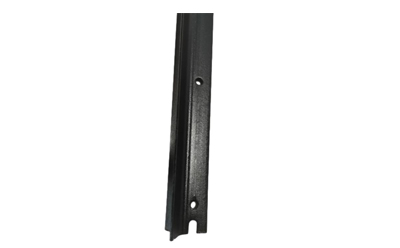
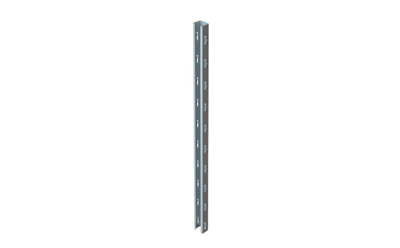
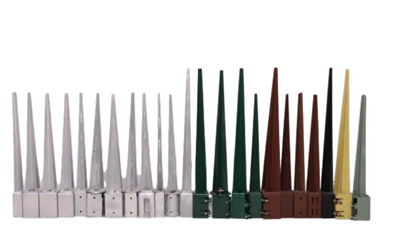
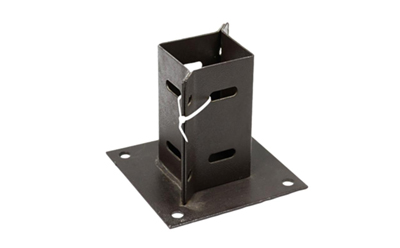
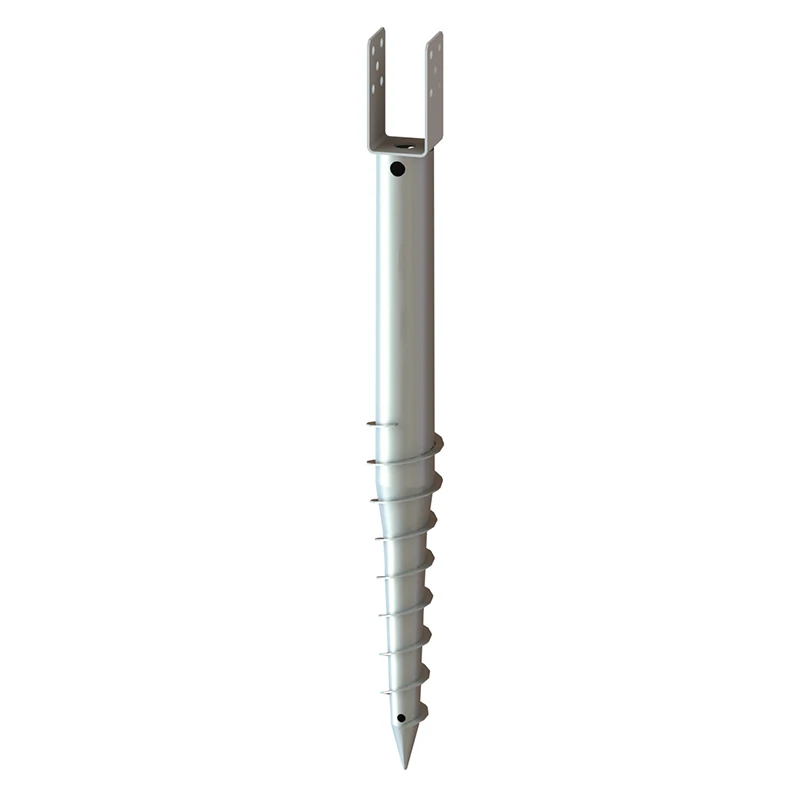
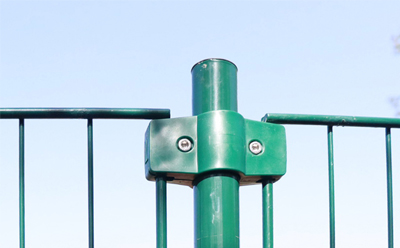
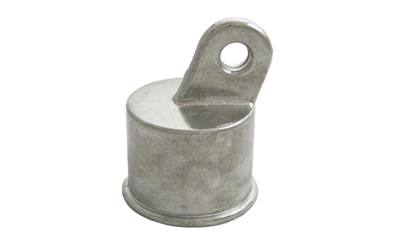
For projects requiring a finished structure rather than individual panels, manufacturers may provide additional accessories. Frames, posts, hinges, locks, brackets, clamps, and mounting hardware can be integrated into a complete system.
Packaging should not be overlooked when purchasing large quantities. Proper packaging can help protect panels from bending, scratching, and surface damage during transportation and storage.
Customization is another benefit for commercial buyers. Depending on the manufacturer, customers may be able to request specific wire diameters, mesh openings, panel dimensions, materials, finishes, edge configurations, and packaging requirements.
For buyers comparing different metal mesh panel products, price should be evaluated together with material quality, manufacturing consistency, corrosion resistance, expected service life, and application requirements. A lower initial price may not always represent the most suitable solution if the panel requires frequent replacement or additional modification.
In conclusion, wire mesh sheets, steel mesh panels, and metal cage panels offer flexible solutions for industrial, agricultural, commercial, construction, and residential applications. Their combination of strength, visibility, ventilation, and adaptable design makes them suitable for many different projects.
Whether customers need standard mesh panels for sale or customized galvanized mesh panels, selecting the correct material, mesh opening, wire diameter, dimensions, and surface treatment is essential. With the right specifications and proper installation, metal mesh panels can provide a durable and practical solution for separation, protection, containment, storage, and fencing requirements.



Copyright © 2026 Hebei Minmetals Co., Ltd. All Rights Reserved. Sitemap | Privacy Policy | Menu