



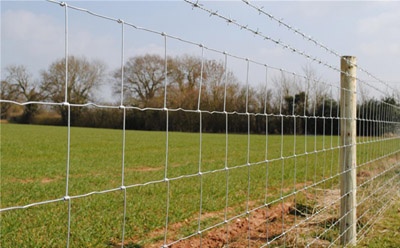
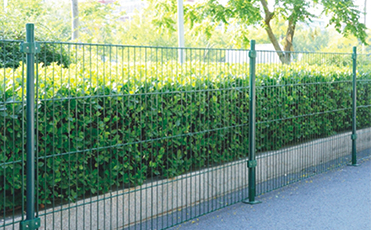

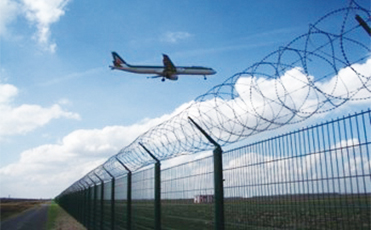
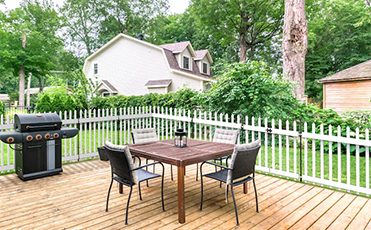
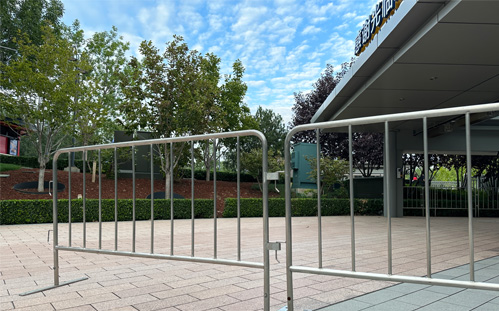
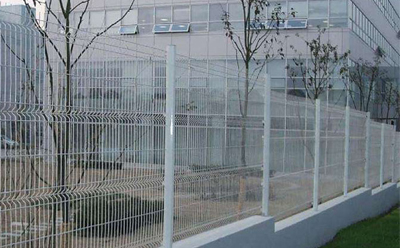























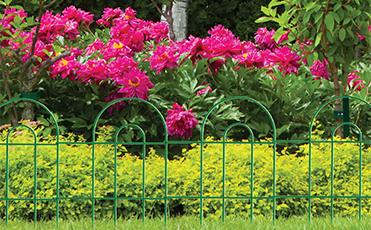


Poly post fence systems have quietly become a crucial component across various industries worldwide. Whether marking boundaries in rural agriculture, supporting infrastructure in industrial zones, or providing security solutions in urban developments, these fences offer unique advantages that are worth exploring. Given the increasing emphasis on sustainability and practical resilience, understanding poly post fencing is not only timely but essential.
Globally, fencing solutions must strike a balance between strength, cost, and environmental impact. According to the Food and Agriculture Organization (FAO), over 38% of the world's land is used for agriculture — meaning fence durability and sustainability directly affect food security and land management. Additionally, with rapid urbanization and industrial expansion, fencing performance in harsh environments is more important than ever. Poly post fence systems address these needs by promising longevity, ease of installation, and environmental friendliness.
Mini takeaway: Poly post fences aren't just barriers; they are long-term investment tools for land protection and effective resource management globally.
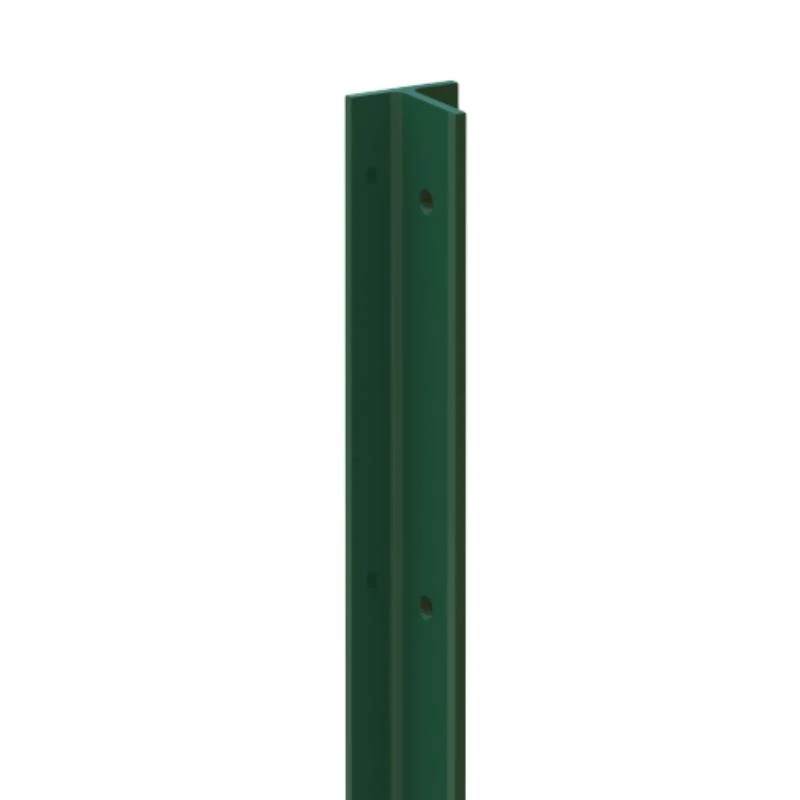
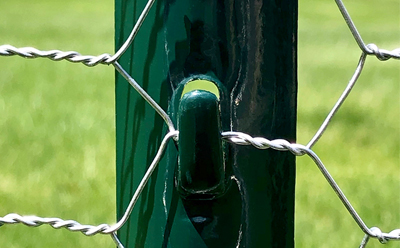
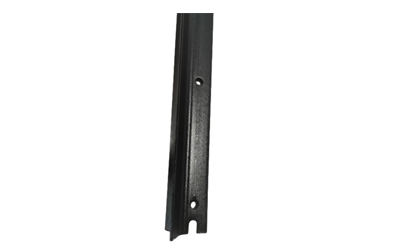
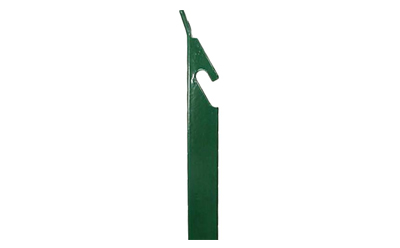
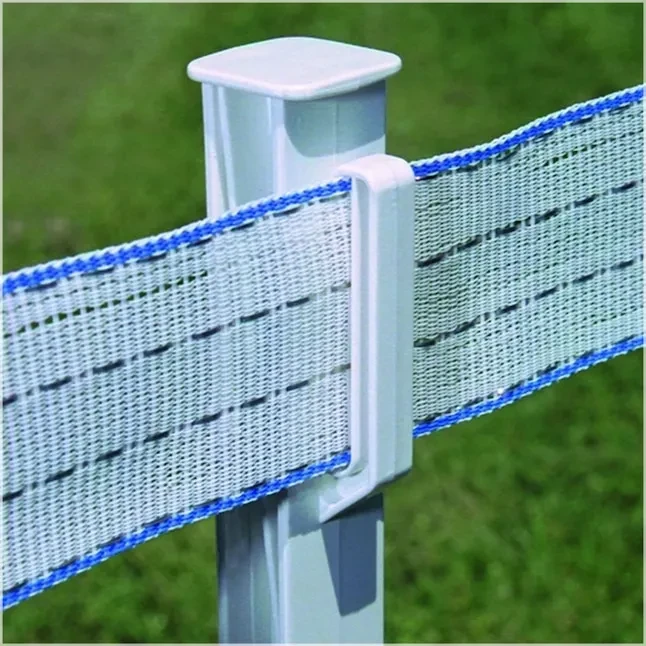
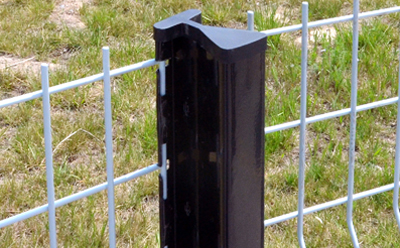
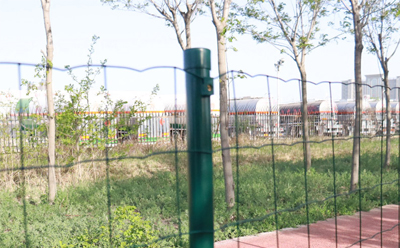
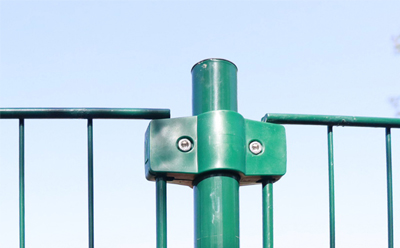
At its core, a poly post fence refers to fencing posts manufactured from high-density polyethylene (HDPE) or similar polymer materials rather than traditional wood or metal. These poly posts serve as the vertical supports to which fencing wires or panels attach. They are prized for being rot-resistant, lightweight yet sturdy, and immune to corrosion or termite damage. In industries ranging from agriculture to humanitarian aid — where fencing needs vary drastically — poly posts offer a modern alternative that aligns with new construction and environmental standards.
Poly posts can last 25+ years outdoors without maintenance, far outstripping wooden counterparts that often need regular treatments. Their UV stabilizers help prevent cracking or brittleness even under intense sun exposure.
While initial costs might be slightly higher than wood posts, the long-term savings on maintenance, replacement, and labor often make poly posts more economical.
Because poly posts are lighter, they reduce installation labor time, especially in difficult terrains where heavy machinery isn’t practical.
Many poly posts are made from recycled plastics, reducing landfill waste. Additionally, they eliminate the need for chemical preservatives common with wood.
These posts don’t rot, warp, or rust and have excellent resistance to chemicals, which makes them suitable near industrial sites or coastal regions.
| Feature | Specification |
|---|---|
| Material | High-Density Polyethylene (HDPE) |
| Length | 1.5 m to 3.0 m |
| Cross-Section | Round or square, 50 mm to 100 mm diameter/width |
| Color Options | White, black, green (UV-stabilized) |
| Weight | Approx. 1-2 kg per meter |
| Lifespan | 20-30 years |
Mini takeaway: These specifications highlight why poly posts are both versatile and dependable — factors critical for sustainability-focused projects.
You’ll find poly post fencing in action all over the world, from farms in the US Midwest to remote industrial camps needing quick setup fencing in Australia. Humanitarian groups also use them in refugee camps for boundary marking and security fencing due to their ease of transport and durability.
For example, after major floods in Southeast Asia, NGOs employed poly post fences to quickly rebuild secure perimeters around relief supply centers, avoiding delays caused by sourcing timber.
| Vendor | Material Quality | Price Range (per post) | Customization Options | Lead Time |
|---|---|---|---|---|
| Hebeimetals | HDPE with UV stabilization | $8 - $12 | Color, length, profiles | 1-2 weeks |
| GreenFence Co. | Recycled polymers, mixed grades | $6 - $10 | Limited color, standard sizes | 3-4 weeks |
| Durapoly Fencing | Premium virgin HDPE | $10 - $15 | Custom lengths, branding | 2-3 weeks |
Mini takeaway: When choosing poly post fences, consider material quality and lead time to match project needs — balancing cost with longevity is key.
Aside from their obvious practical durability, poly post fences offer emotional reassurance—knowing the boundary you’ve set will stand firm against seasons, pests, or neglect. Property owners report a sense of pride and trust in a fence that “just works.” There’s also sustainability in play: using recycled plastics diverts waste from oceans and landfills, which is massive in today’s eco-conscious world.
Logically speaking, the cost savings over decades, with minimal upkeep, make poly post fences attractive even if initial costs are higher. With urban expansion and stricter environmental codes (like ISO 14001 for environmental management), materials like poly posts help meet regulatory standards.
Frankly, it feels like the future of fencing will lean heavily on intelligent materials. Companies are experimenting with biopolymer blends that biodegrade after decades, or integrating sensors within poly posts to detect fence breaches or degradation — welcome to fencing 4.0. Energy-efficient UV coatings improve lifespan even further, and automated installation rigs reduce manpower needs.
Sustainability won’t stop at materials; expect supply chains becoming greener and more transparent, thanks to standards set by entities like the UN’s Sustainable Development Goals (SDGs). Poly post fence manufacturers are already adapting.
The main hurdles include perception—people often equate “plastic” with cheap or environmentally harmful. Addressing this means educating buyers on recycled content and long lifespan benefits. Another challenge is mechanical strength in extreme climates; while poly posts are tough, they may not replace steel in high-security applications. Innovations like reinforced fibers and hybrid posts are promising solutions.
To sum it up, poly post fences stand as a testament to materials science marrying practicality. They embody a shift away from short-lived, labor-intensive fencing toward smarter, greener, and more resilient boundaries. Their long-term value — spanning cost savings, environmental benefits, and user trust — makes them worthy of serious consideration in any fencing project.
If you’re looking for reliable fencing that balances durability with sustainability, consider exploring options on this page — it could be the upgrade your project needs.
References:
1. Food and Agriculture Organization (FAO) land use statistics, FAO
2. ISO Environmental Management standards, ISO.org
3. United Nations Sustainable Development Goals, UN SDGs



Copyright © 2026 Hebei Minmetals Co., Ltd. All Rights Reserved. Sitemap | Privacy Policy | Menu