



















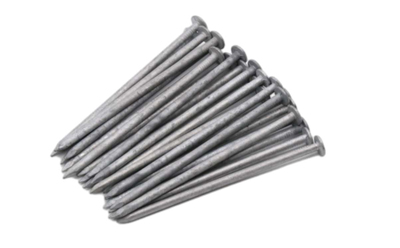






























In a world increasingly reliant on coastal infrastructure and maritime operations, the humble shallow water anchor spike quietly plays a pivotal role. These spikes, essentially specialized anchors designed for minimal depths, support everything from emergency relief efforts to sustainable aquaculture and offshore energy platforms. Understanding their design, applications, and future trends matters not just to marine engineers and project managers, but also to international aid organizations and environmental advocates.
Why does it matter? According to the UN Climate Report, coastal regions face rising sea levels and intensified storms, demanding more resilient anchoring solutions in shallow waters. Plus, globally, billions depend on fisheries and offshore infrastructure that rely on stable mooring systems. So, while the anchor spike sounds niche, its impact resonates widely.
Put simply: a shallow water anchor spike is a form of anchoring device that secures vessels, floating platforms, or equipment in water usually less than 10 meters deep. Unlike deep-sea anchors, these spikes are optimized for firmness in softer seabeds like sand, silt, or mud typically found near shores or inland waterways.
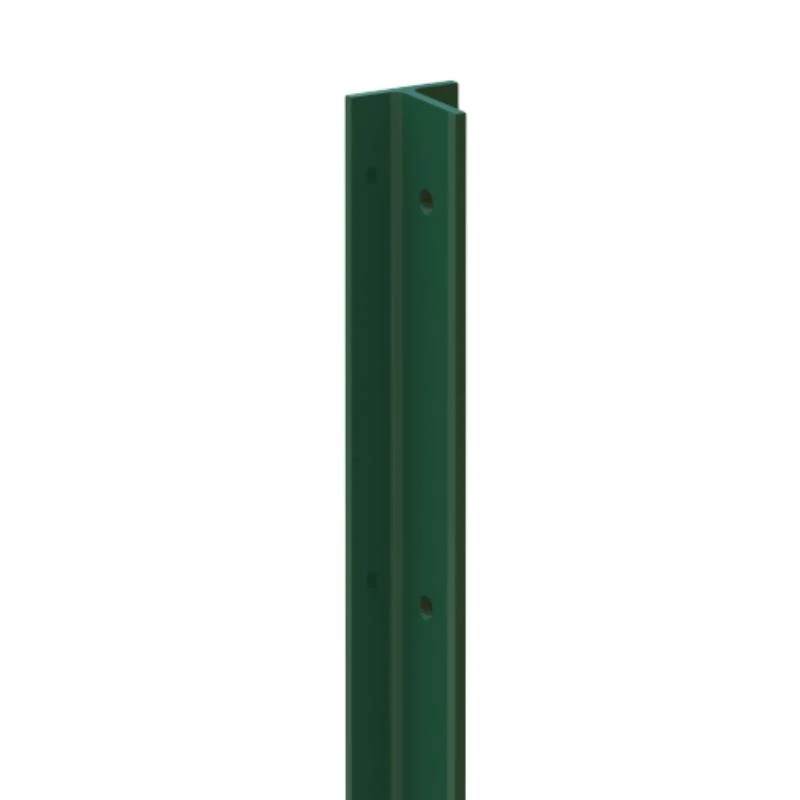
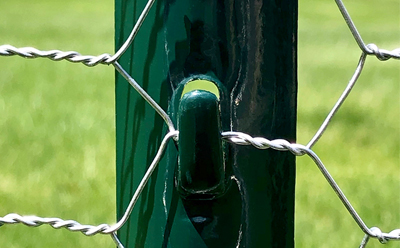
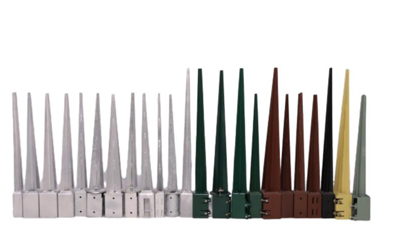
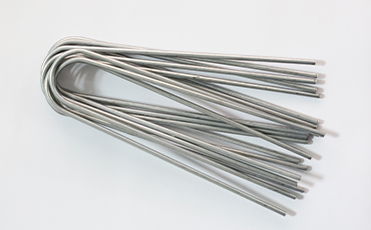
The name comes from their spike-like shape — long, slender metal rods that penetrate the seabed to provide holding power. In modern industry, they’re vital for safe mooring of floating solar arrays, small ferries, temporary pontoon bridges, and even scientific monitoring equipment. Humanitarian groups rely on them when setting up rapid-response waterborne shelters or evacuation pontoons in flood zones.
These spikes are typically forged from galvanized steel or sometimes stainless steel for corrosion resistance. Durability is crucial since marine environments are notoriously harsh, with saltwater accelerating rust and wear. Engineers say that longevity can range from 5 to 20 years, depending on maintenance and local conditions.
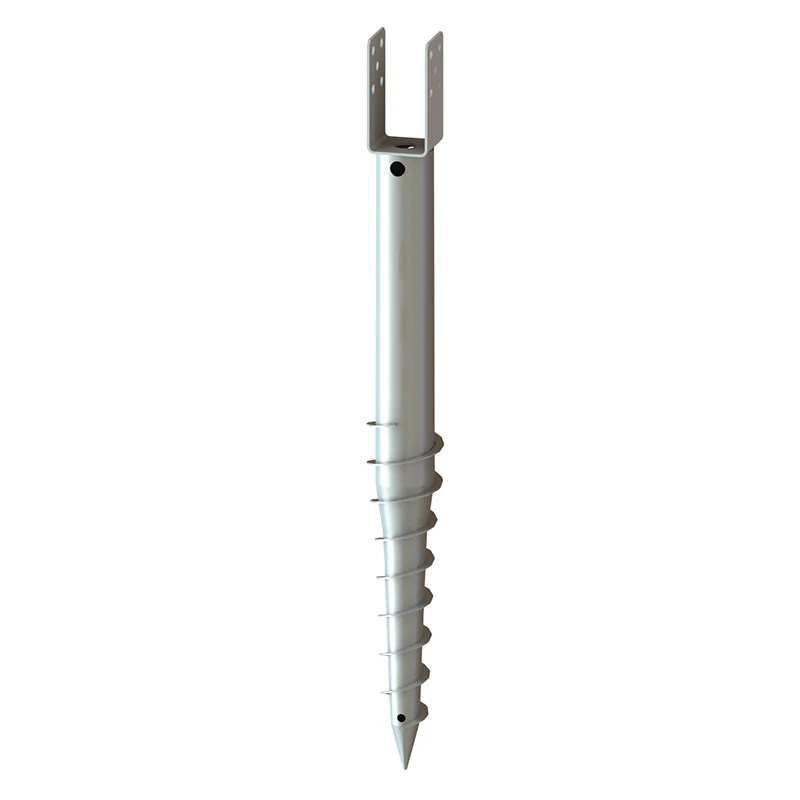
It’s not just length but the shape and coating that determine how well the spike grips. Some designs feature barbs or spiral flutes to improve anchorage in soft seabeds—these prevent the anchor from pulling out under load.
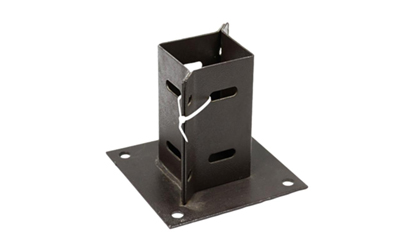
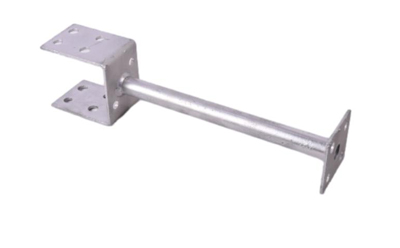
Shallow water anchor spikes come in various sizes — some for small boats, others robust enough for floating wind turbines. Many manufacturers offer custom lengths, diameters, and coatings tailored to site conditions or regulatory requirements.
One overlooked factor is how quickly these anchors can be installed or removed. Many tradeoffs exist between permanent fixtures and temporary uses, especially in emergency or military contexts where time is of the essence.
Compared to complex anchoring systems, these spikes often offer a cost-effective solution — a key reason NGOs and smaller operators gravitate toward them. Their simple design translates into lower manufacturing and transport costs.
| Specification | Value |
|---|---|
| Material | Galvanized steel (Grade A36) |
| Length | 2.5 meters (customizable) |
| Diameter | 50 mm |
| Weight | ~18 kg |
| Coating | Hot-dip galvanized (≥ 85 microns thickness) |
| Recommended maximum water depth | 8 meters |
Across Southeast Asia, where fishing fleets must secure their boats in shallow harbors, these spikes are a staple. In the Gulf of Mexico, offshore wind projects utilize them to stabilize floating sensors and smaller platforms. NGOs often rely on shallow water anchor spikes during post-hurricane rebuilding in places like the Caribbean, enabling rapid assembly of pontoon bridges and temporary docks.
Even in Europe, aquaculture farms use them to moor cages without damaging the seabed permanently, promoting sustainable seafood production. Truth be told, this gear silently supports a range of global industries that depend on shallow marine environments.
I noticed that the industry is slowly moving toward integrating smart sensors within anchor spikes to monitor load and seabed conditions in real time — part of a broader digital transformation in offshore operations. Innovations using composite materials aim to reduce corrosion and weight without compromising strength.
Another exciting frontier is the blend with green energy projects: floating solar farms, tidal energy platforms, and wave energy converters require flexible, resilient anchoring solutions in shallow coastal waters—making the shallow water anchor spike a linchpin of tomorrow’s renewable infrastructure.
Of course, no solution is perfect. One key challenge is dealing with extremely soft or rocky seabeds where traditional spikes may fail. Recent R&D is exploring hybrid anchors that combine spike penetration with suction or expandable flukes to increase holding power.
Deployment logistics also remain tricky in remote or conflict-affected areas. Solutions include specialized anchor installation tools and pre-packaged kits for quick assembly — very handy for NGOs setting up flood relief pontoons on short notice.
| Vendor | Materials Used | Customization Options | Lead Time | Pricing Range |
|---|---|---|---|---|
| Hebeimetals | Galvanized Steel, Stainless Steel | Length, Diameter, Coating | 2-4 weeks | $$$ (Mid-Range) |
| AquaAnchors Co. | Carbon Steel, Coated | Standard Sizes Only | 1-3 weeks | $$ (Budget) |
| Maritime Solutions Ltd. | Stainless Steel | Fully Custom | 4-6 weeks | $$$$ (Premium) |
A: Typically, the entire length of the spike is driven into the seabed—commonly between 2 to 3 meters for a 2.5-meter spike. The goal is to ensure firm penetration beyond soft sediment layers. Actual depth may vary based on soil type and load requirements.
A: Yes, most galvanised steel spikes can be recovered and reused multiple times if inspected and maintained properly, including cleaning and repairing the coating to prevent corrosion.
A: They work best in soft to medium sediment seabeds like sand, silt, or soft clay. For rocky or very hard substrates, alternative anchoring methods might be necessary.
A: Deployment can be swift—within hours to a day—especially with pre-packed kits and experienced teams. This rapid deployment makes them favorite gear in flood-prone and disaster-hit regions.
A: ISO 9001 for manufacturing quality and sometimes ISO 14001 for environmental management apply. Additionally, local maritime regulations may require compliance to ensure minimal ecological impact.
In real terms, the shallow water anchor spike is more than a metal rod; it’s a cornerstone of safe, affordable, and sustainable coastal operations worldwide. Whether it’s securing floating solar arrays off a tropical coast or keeping a pontoon bridge stable during emergency evacuations, these anchors work quietly but effectively.
If you’re involved in maritime operations, disaster relief, or sustainable offshore development, keeping an eye on innovations in this field can pay dividends. And if you want a reliable supplier with customizable options, shallow water anchor spike solutions by Hebeimetals are a great place to start.
Here’s to safer shores and stable waters, one anchor spike at a time.



Copyright © 2026 Hebei Minmetals Co., Ltd. All Rights Reserved. Sitemap | Privacy Policy | Menu