






















Outdoor structures require strong, reliable foundations to withstand wind, weather, and long-term environmental exposure. Traditional concrete foundations are often time-consuming and labor-intensive, which has led to the rising popularity of modern ground anchoring systems. Among the most efficient solutions are screw in ground post support, screw in ground post anchor, screw in ground post, screw in ground pole holder, screw in ground pole anchor, screw in ground pegs, screw in ground flagpole, and general screw in ground systems.
These products are widely used in construction, landscaping, agriculture, fencing, and outdoor installations because they provide fast installation, strong holding power, and reusable foundation support. Unlike traditional concrete footings, screw-in ground anchors can be installed with minimal tools and immediately loaded after installation.
Understanding how these systems work and where they are used helps users select the right product for different outdoor applications.
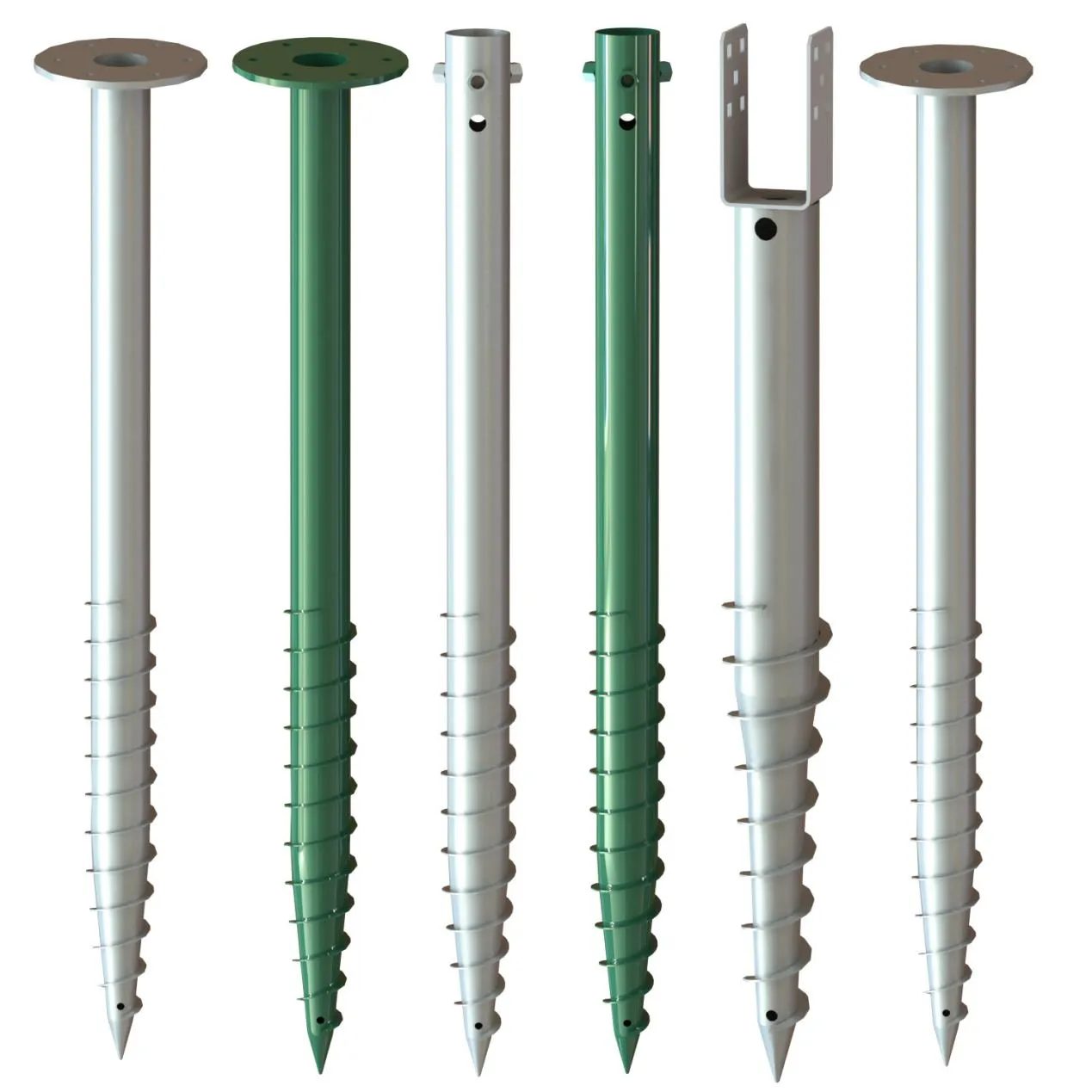
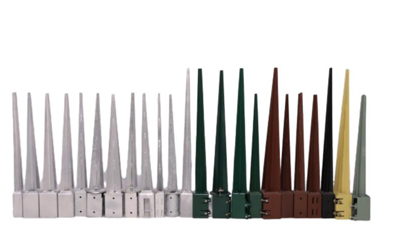
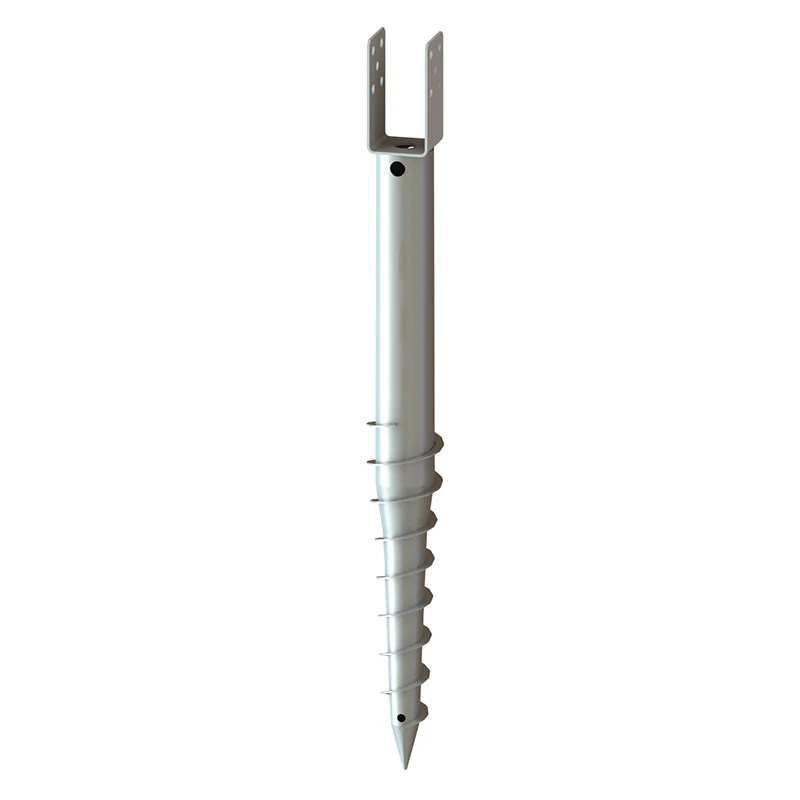
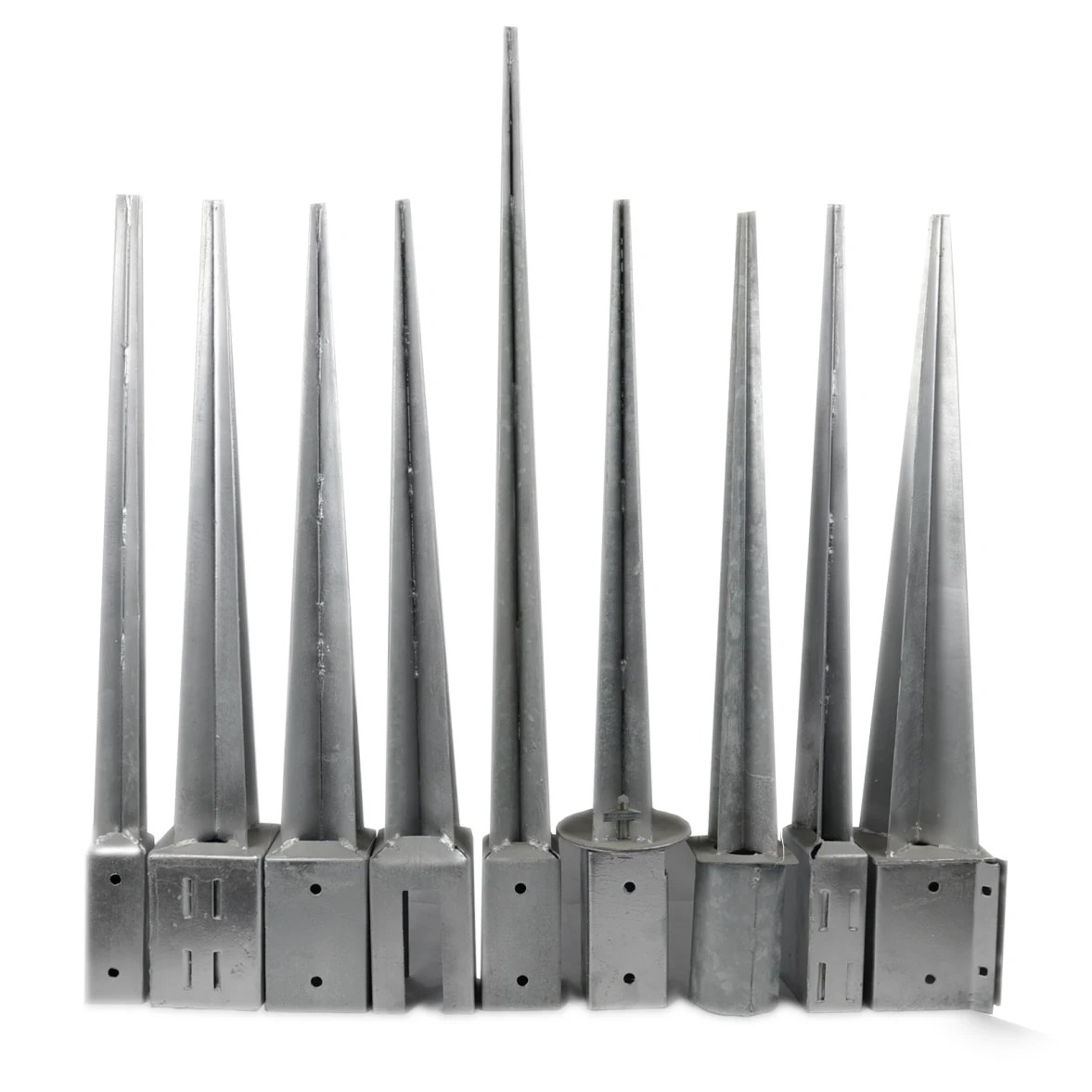
A screw in ground post anchor is a steel-based ground support device designed to be twisted directly into soil using manual or mechanical force. Once installed, it provides a stable foundation for posts, poles, or lightweight structures without the need for concrete.
The basic design of a screw in ground post includes:
A helical screw blade
A central steel shaft
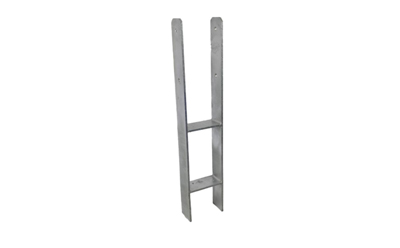
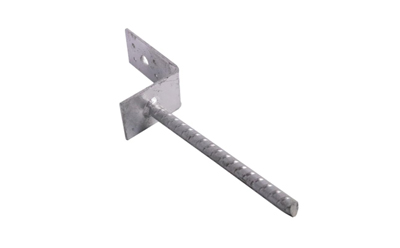
A mounting bracket or post holder
Corrosion-resistant coating
This structure allows the anchor to penetrate soil efficiently while creating strong resistance against pulling and lateral forces. The deeper the anchor is installed, the greater its holding capacity becomes.
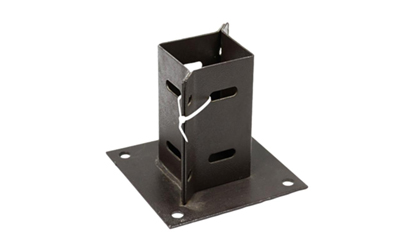
A screw in ground post support is commonly used in fencing, decking, and temporary or permanent outdoor structures. It provides vertical stability while allowing quick installation compared to traditional digging and cement pouring methods.
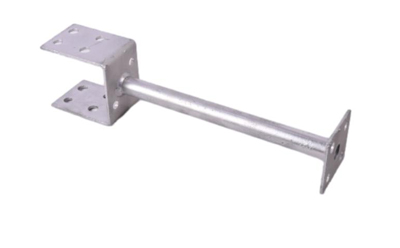
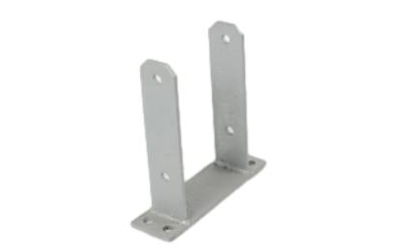
One of the major advantages of using a screw in ground pole holder is versatility. It can accommodate different types of posts, including wooden posts, metal poles, and composite materials. This makes it suitable for residential, commercial, and agricultural applications.
The screw in ground pole anchor is particularly effective in soft to medium soil conditions. As the anchor is rotated into the ground, the helical blade compresses soil around it, increasing friction and load-bearing strength. This mechanical interlock provides long-term stability even under changing weather conditions.
Another important feature is reusability. Unlike concrete foundations, a screw in ground post anchor can be removed and reused in another location. This makes it highly cost-effective for temporary installations such as event structures, seasonal fencing, and construction sites.
Modern designs also include galvanized or powder-coated finishes to resist corrosion. Since these anchors are constantly exposed to moisture and soil chemicals, protection against rust is essential for long-term durability.
The flexibility and efficiency of screw in ground pegs make them suitable for lighter applications such as tents, garden structures, and temporary shelters. While smaller than post anchors, they operate on the same helical principle to secure items firmly into the ground.
In recent years, demand for screw in ground flagpole systems has increased significantly. Flagpoles require strong vertical support to withstand wind loads, and screw-in anchors provide a stable and reliable foundation without the need for concrete installation.
A properly installed screw in ground flagpole anchor ensures that the pole remains upright and secure even in high wind conditions. This makes it ideal for residential yards, schools, government buildings, and commercial properties.
One of the biggest advantages of a screw in ground pole holder system is installation speed. Traditional foundation methods require excavation, formwork, concrete mixing, and curing time. In contrast, screw-in systems can often be installed in minutes and used immediately.
A screw in ground post support eliminates the need for heavy machinery in most applications. This makes it especially useful in remote areas or projects with limited access to construction equipment.
Another key advantage is environmental friendliness. Since no concrete is required, there is minimal soil disruption. A standard screw in ground post anchor can be removed without leaving permanent damage to the ground, making it a sustainable solution for temporary installations.
Load-bearing performance is also impressive. High-quality steel anchors are engineered to resist both vertical and lateral forces. This makes them suitable for fencing systems, decking frames, solar panel mounts, and outdoor signage structures.
The screw in ground post design is particularly effective for uneven terrain. Unlike concrete foundations that require leveling and preparation, screw anchors can be adjusted in depth to accommodate slope variations. This flexibility simplifies installation in challenging environments.
Durability is another major benefit. A galvanized screw in ground pole anchor can withstand decades of exposure to soil moisture, temperature changes, and environmental stress. Protective coatings prevent corrosion and extend service life significantly.
For lighter applications, screw in ground pegs provide a quick and efficient anchoring solution. These are widely used in camping, outdoor events, and temporary shelters where fast setup and removal are essential.
A screw in ground flagpole system also enhances safety. Traditional flagpole installations often rely on concrete bases that can crack over time. Screw-in systems maintain consistent stability and reduce the risk of structural failure due to shifting ground conditions.
Another important benefit is cost efficiency. While initial material costs may be similar to concrete solutions, screw-in systems reduce labor expenses, equipment rental, and installation time. Over the long term, reusable anchors provide even greater savings.
Maintenance requirements are minimal. Once installed, a screw in ground post anchor typically requires only periodic inspection to ensure structural integrity. There is no need for crack repairs or foundation maintenance commonly associated with concrete systems.
Choosing the right screw in ground flagpole or anchoring system depends on several important factors, including soil type, load requirements, installation depth, and environmental conditions.
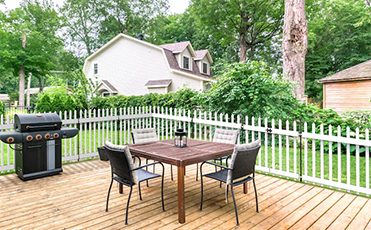
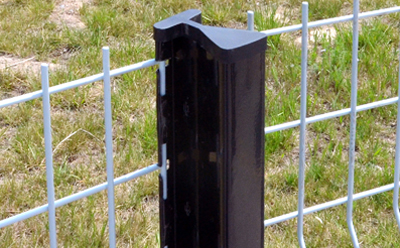
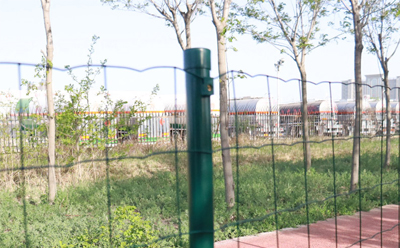
For residential fencing, a standard screw in ground post support is usually sufficient. These systems provide strong stability for wooden or metal fence posts and are easy to install along property boundaries.
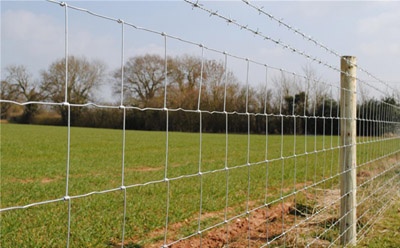
In agricultural applications, screw in ground pole holder systems are widely used for livestock fencing, crop supports, and irrigation structures. Their ability to perform well in soft soil makes them ideal for rural environments.
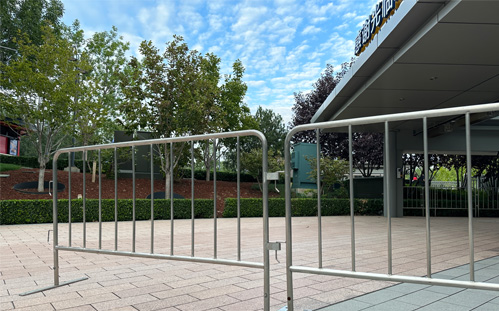
For construction sites, a screw in ground post anchor offers temporary but strong structural support. It is commonly used for signage, barriers, scaffolding supports, and temporary frameworks. Once the project is complete, the anchors can be removed and reused elsewhere.
The screw in ground post system is also widely used in solar energy installations. Ground-mounted solar panels require stable foundations that can withstand wind loads without shifting. Screw anchors provide a reliable and efficient alternative to concrete foundations.
For event infrastructure, screw in ground pegs are commonly used to secure tents, stages, banners, and temporary structures. Their fast installation and removal make them ideal for festivals, exhibitions, and outdoor gatherings.
When installing a screw in ground flagpole, soil conditions must be carefully evaluated. Loose or sandy soil may require longer anchors or additional reinforcement, while compact soil provides excellent natural grip for helical designs.
Material selection is also important. Galvanized steel is the most common choice due to its corrosion resistance and strength. In highly corrosive environments, such as coastal areas, additional protective coatings may be necessary to extend lifespan.
Installation technique plays a key role in performance. Proper alignment ensures that the screw in ground pole anchor enters the soil vertically, maximizing load capacity and stability. Using mechanical drivers can improve installation efficiency for larger anchors.
As outdoor construction continues to evolve, screw-in anchoring systems are becoming increasingly popular due to their simplicity, strength, and environmental benefits. They offer a modern alternative to traditional foundation methods while maintaining excellent structural performance.
Whether used for fencing, flagpoles, solar installations, construction support, or temporary structures, systems such as screw in ground post support, screw in ground post anchor, screw in ground post, screw in ground pole holder, screw in ground pole anchor, screw in ground pegs, screw in ground flagpole, and general screw in ground solutions continue to provide reliable, efficient, and sustainable ground anchoring options for a wide range of applications.



Copyright © 2026 Hebei Minmetals Co., Ltd. All Rights Reserved. Sitemap | Privacy Policy | Top Blog丨Menu