














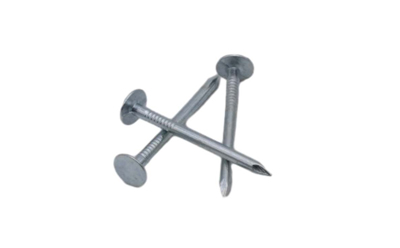
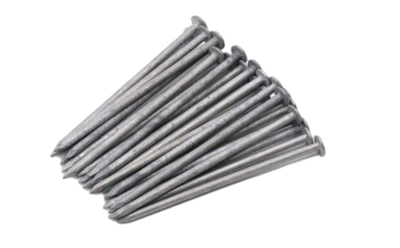
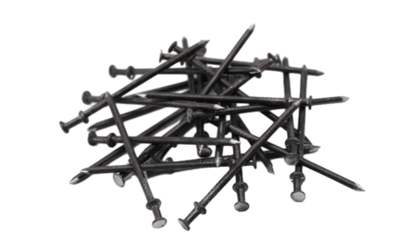
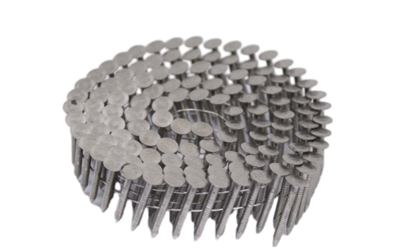














Choosing the right fastener is essential for construction, concrete formwork, temporary structures, and other building applications. Different projects require nails with specific lengths, diameters, holding strength, and removal characteristics. Among the available fastening solutions, the double headed concrete nail is designed for applications where temporary fastening and convenient removal are important.
Unlike conventional nails with a single head, double-headed nails feature two head sections that allow the fastener to be driven into a material while leaving the upper head accessible for removal. They are commonly associated with temporary formwork, concrete construction support systems, and other applications where components need to be secured and dismantled efficiently.
However, not every double-headed nail is suitable for concrete. Buyers should distinguish between nails designed for concrete or masonry and duplex nails intended primarily for temporary fastening in wood. Understanding the differences between nail types, sizes, materials, and applications helps contractors select the right product for each project.

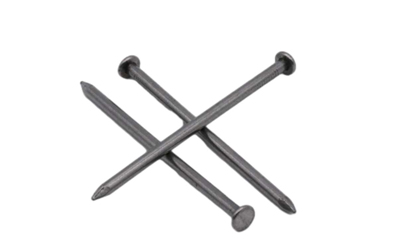
A double headed concrete nail is a fastener featuring two heads or an equivalent double-head design. The lower head helps secure the attached material, while the upper head remains exposed to facilitate removal when the application requires it. The exact design varies by manufacturer and intended use.
In construction, the term may refer to a specialized nail for concrete-related applications or be used informally to describe a double-headed fastener used around concrete formwork. Buyers should always verify the material compatibility and product specifications before purchasing.
Duplex concrete nails are often discussed in connection with temporary construction fastening. However, traditional duplex nails are generally designed for temporary fastening in wood rather than direct driving into hardened concrete.
A conventional duplex nail has two heads separated by a short distance. After the nail is driven into the material, the upper head remains exposed, allowing workers to remove the fastener more easily.
In concrete construction, duplex nails may be used to assemble timber formwork, temporary wooden braces, or support components associated with concrete pouring. The nail itself is typically driven into the wood rather than directly into hardened concrete.
For direct fastening into concrete, contractors generally need purpose-designed concrete nails, masonry fasteners, concrete screws, or approved powder-actuated fastening systems, depending on the substrate and application.
A duplex head nail is a nail with two heads designed to make temporary fastening and removal more convenient. It is particularly useful when construction components must remain secure during a particular stage of work but need to be dismantled afterward.
The lower head provides the primary fastening function, while the upper head provides a surface for pulling the nail out. This design can reduce the time required to remove temporary timber structures and help workers reuse suitable materials.
Common applications include temporary wood framing, concrete formwork assembly, construction bracing, and temporary fixtures. The specific holding capacity depends on the nail dimensions, material, installation depth, and the properties of the wood being fastened.
Nails with double head are useful when fasteners must provide temporary support without making later removal unnecessarily difficult.
For example, workers assembling timber formwork may need to hold boards together securely while concrete is placed and cured. Once the concrete reaches the required stage and the formwork can be safely removed, the exposed upper nail heads make dismantling easier.
These nails can also be useful for temporary wooden guides, removable supports, and other construction arrangements where materials are expected to be separated after use.
They should not be treated as permanent structural fasteners unless the specific product and application have been evaluated and approved for that purpose.
Understanding استخدام الأظافر المزدوجة helps contractors select appropriate fasteners for different stages of a building project. Duplex nails are most valuable where temporary connections, straightforward installation, and efficient dismantling are priorities.
One of the best-known applications for duplex nails is timber formwork used in concrete construction. Formwork holds fresh concrete in the required shape until it has sufficient strength to support itself.
During this process, wooden boards, panels, and braces must remain properly positioned. Duplex nails can help connect these temporary timber components while allowing the formwork to be dismantled after use.
Typical applications include:
Securing temporary timber formwork panels.
Connecting removable wooden braces and supports.
Assembling temporary construction guides.
Fastening timber components used during concrete placement.
Supporting reusable temporary structures during construction.
The appropriate nail size depends on the timber thickness, expected loads, and formwork design. Critical formwork systems should be designed and inspected by qualified personnel, and fasteners must not be substituted without confirming their suitability.
Duplex nails for concrete may be requested by buyers who need fasteners for projects involving concrete. In many cases, the actual requirement is for nails used in the wooden formwork surrounding concrete rather than fasteners driven directly into the concrete itself.
Duplex nails are also suitable for selected temporary wooden structures, exhibition frames, construction platforms, and removable supports when their dimensions and load capacity meet the application requirements.
For these uses, workers should select a nail with sufficient length to penetrate the receiving timber while leaving the upper head accessible. Nails that are too short may not provide adequate holding strength, while nails that are too long may protrude excessively or damage underlying materials.
Buyers sometimes search for مسامير دوبلكس لمسدس المسامير when looking for faster installation methods. However, traditional duplex nails are not automatically compatible with pneumatic or powered nail guns.
Nail guns generally require fasteners specifically manufactured and collated for the relevant tool. The nail dimensions, head design, collation angle, shank geometry, and magazine configuration must match the equipment manufacturer's requirements.
A double-headed nail may not fit a standard nail gun magazine or feed mechanism. For this reason, users should check the nail gun manual and the fastener manufacturer's compatibility information before attempting powered installation.
If rapid fastening is required for temporary formwork, a compatible collated fastening system may be more appropriate. Workers should never modify nails or tools to force compatibility.
Small double headed nails may be suitable for lightweight temporary assemblies, thin timber components, small frames, and other applications where a compact fastener is sufficient.
The correct size depends on the thickness of the material, the required penetration depth, and the amount of force the connection must withstand. Smaller nails are easier to handle in confined spaces, but their reduced dimensions may limit holding strength.
Small duplex nails should therefore be selected according to the actual application rather than appearance alone. For heavier formwork or structural temporary supports, larger fasteners or a different fastening method may be required.
Selecting the right fastener involves evaluating nail dimensions, material properties, installation conditions, and removal requirements. Buyers should confirm these details before placing bulk orders or specifying nails for construction projects.
Duplex nail sizes are generally described by nail length and shank diameter. The two heads and their spacing are also relevant because they determine how much of the nail remains accessible for removal.
Depending on the manufacturer, duplex nails may be available in multiple lengths and diameters for light-duty and heavier temporary fastening applications. Buyers should request a dimensional specification or product drawing rather than relying on general size descriptions.
When choosing a size, consider:
Nail length: Must provide sufficient penetration into the receiving material.
Shank diameter: Influences strength and resistance to bending.
Head dimensions: Affect fastening contact and ease of removal.
Material thickness: Determines the required penetration depth.
Removal requirements: The upper head must remain accessible.
Environmental conditions: May influence the required material or coating.
Exact dimensions and load capacity vary by product, so the manufacturer's specifications should be used for purchasing and installation decisions.
Duplex nails may be produced from different types of steel and supplied with finishes suited to their intended applications. Material selection affects strength, corrosion resistance, and overall service life.
Bright steel nails may be suitable for some dry indoor applications, while coated or galvanized products may be preferred where additional corrosion protection is needed. The appropriate finish depends on exposure conditions and project requirements.
For outdoor construction or environments with frequent moisture exposure, buyers should confirm that the coating is suitable for the intended service conditions. A protective finish does not automatically make a nail appropriate for every concrete or masonry application.
بالرغم من مسامير دوبلكس للخرسانة are a common search phrase, it is important to identify whether the fastener will be installed in timber, fresh concrete-related formwork, or hardened concrete.
Direct fastening into concrete requires products specifically designed and rated for the substrate. Depending on the job, these may include hardened concrete nails, masonry screws, concrete anchors, or approved powder-actuated fasteners. Installation requirements and safety precautions differ between these products.
Contractors, hardware wholesalers, and construction material distributors should compare products based on specifications, quality consistency, and suitability for the intended use.
Before ordering, confirm the nail type, length, diameter, head design, material, surface finish, packaging quantity, and compatibility with the application. For larger orders, request samples or technical documentation to verify that the supplied fasteners match the purchasing requirements.
Buyers should also consider the reliability of the supplier, consistency between production batches, packaging protection, delivery schedules, and the availability of customized sizes where required.
A clear specification helps prevent confusion between conventional duplex nails and fasteners designed specifically for concrete or masonry.
ال double headed concrete nail is a useful search term for buyers looking for removable fastening solutions in concrete-related construction, but the exact fastener must match the application. Traditional duplex concrete nails and a duplex head nail are generally associated with temporary fastening in wood, especially timber formwork and removable construction supports.
Understanding استخدام الأظافر المزدوجة, selecting appropriate duplex nail sizes, and distinguishing small duplex nails from purpose-designed concrete fasteners can help improve installation efficiency and avoid unsuitable product choices.
For contractors and distributors, the best approach is to confirm the substrate, required holding strength, removal needs, material specifications, and tool compatibility before purchasing. Choosing the correct fastener supports safer construction practices, more efficient dismantling, and better overall project performance.



Copyright © 2026 شركة خبي مينميتالز المحدودة All Rights Reserved. Sitemap | سياسة الخصوصية | Menu