



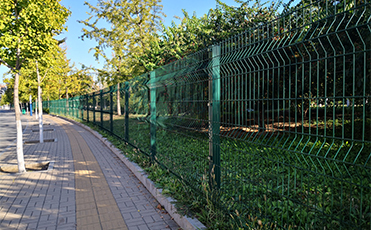
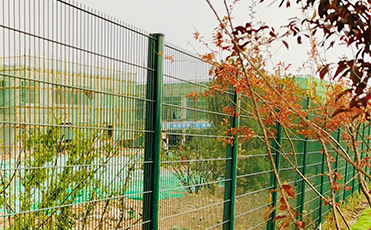
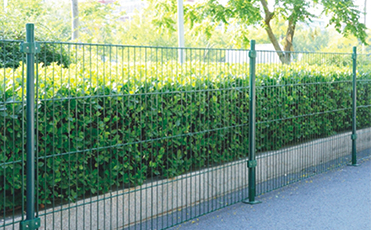
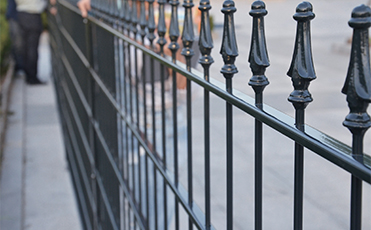
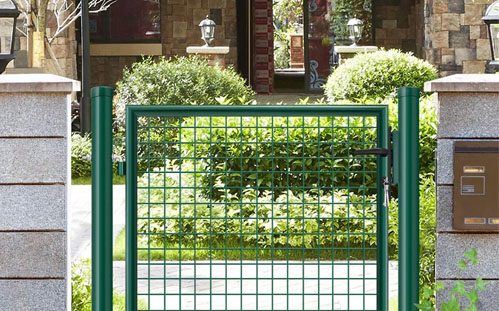
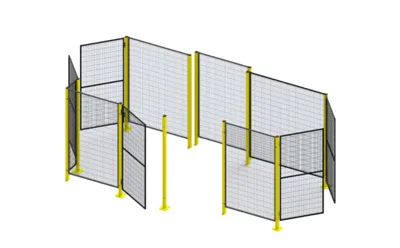
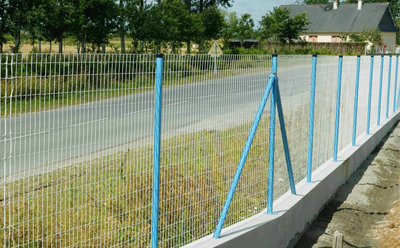
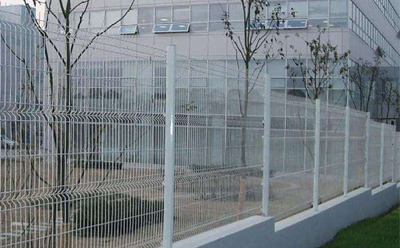
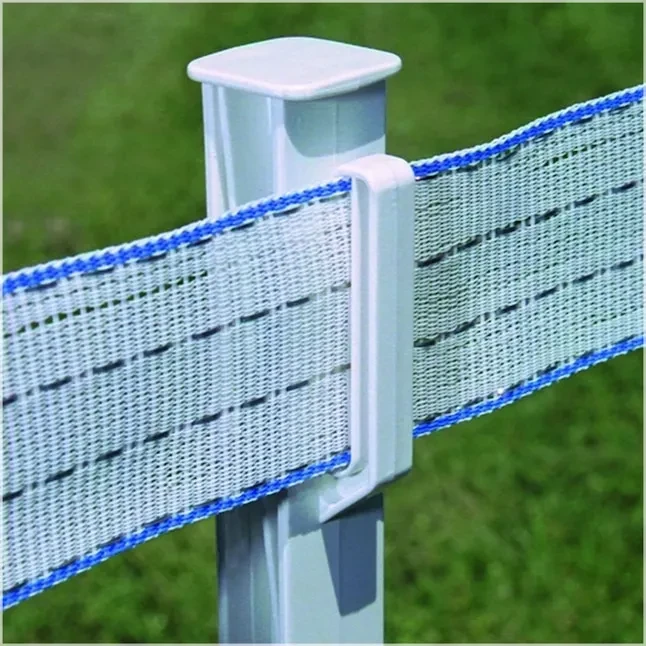
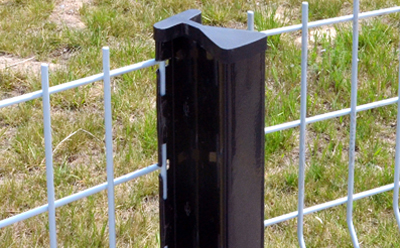
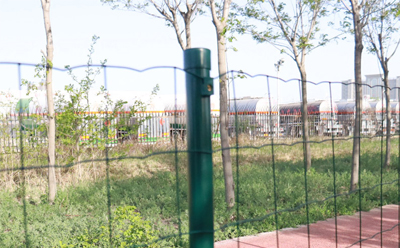
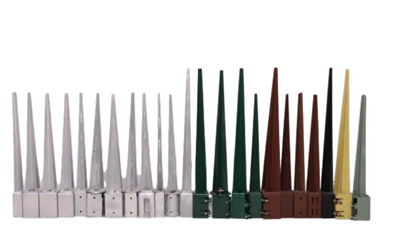
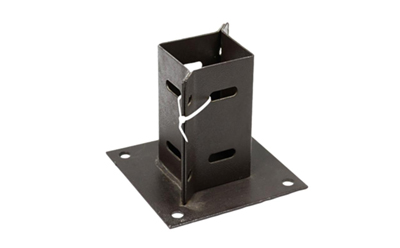
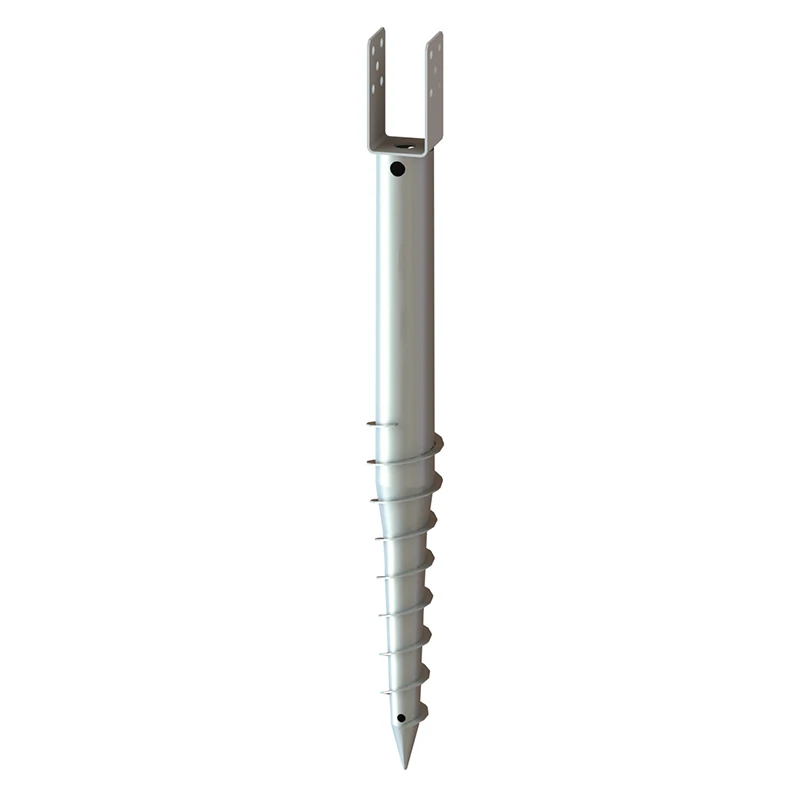
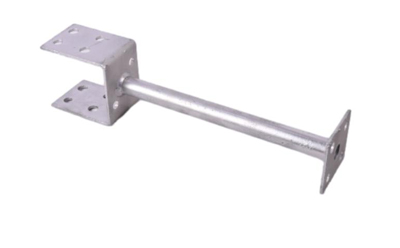












Choosing the right fence post is essential for building a strong, durable, and reliable fencing system. Whether you are installing a residential garden fence, an agricultural boundary, a commercial security fence, or an industrial enclosure, the quality of the posts directly affects the stability and service life of the entire structure. Among the many available options, a عمود سياج معدني دائري is widely used because of its strength, versatility, and suitability for different fencing applications.
Metal fence posts are available in various materials, diameters, wall thicknesses, lengths, and surface finishes. Steel and aluminum are two common choices, while galvanized coatings provide additional protection against corrosion. Understanding these differences helps contractors, distributors, farmers, and property owners select the most appropriate fencing solution for their projects.
This article explains the key features, benefits, materials, and applications of round metal fence posts and provides practical guidance for choosing the right product.

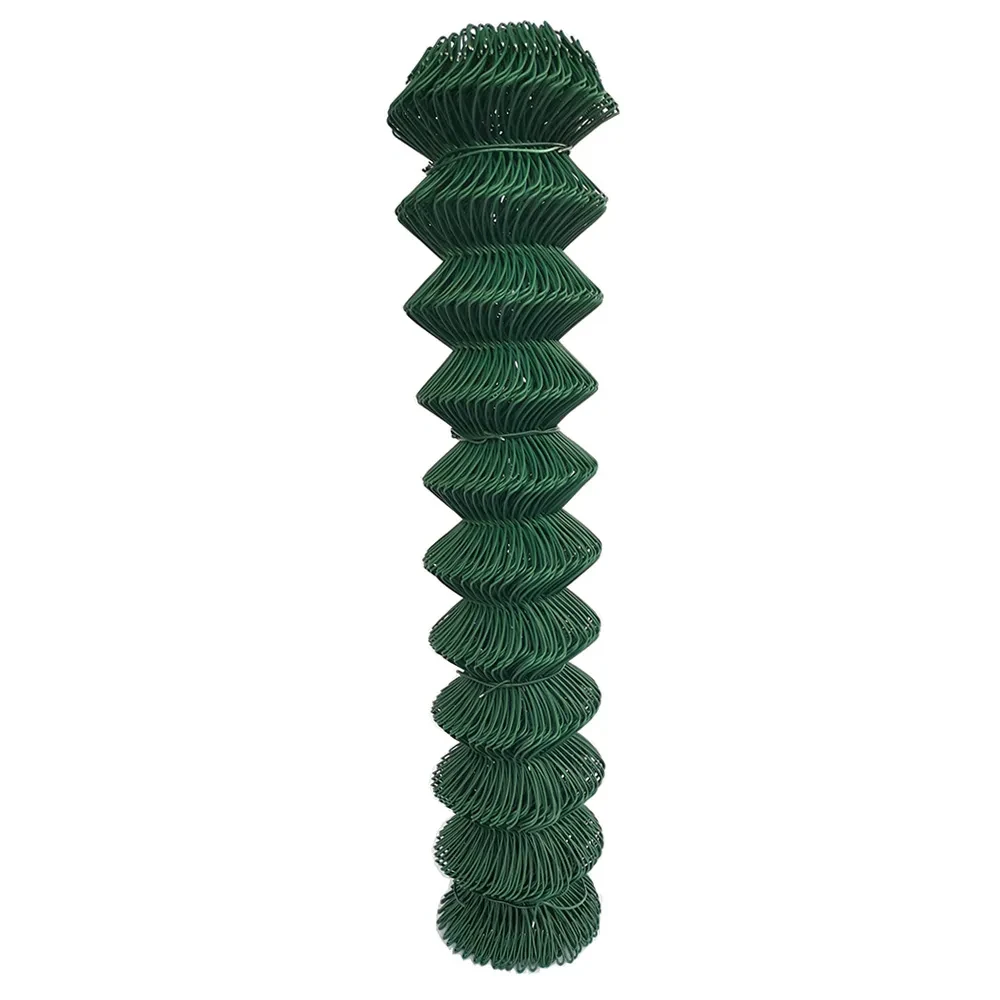
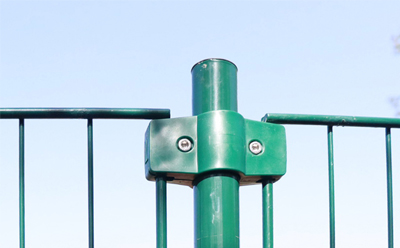
Round metal fence posts are cylindrical structural components designed to support fencing materials such as wire mesh, welded wire panels, chain-link fencing, and agricultural fencing. Their circular shape offers a clean appearance and allows them to be used in a wide range of installation environments.
Different materials and surface treatments provide different performance characteristics, making it important to match the post specifications to the project requirements.
أعمدة سياج فولاذية مستديرة are a popular option for fencing projects that require high strength and dependable structural support. Steel offers good load-bearing performance and can withstand demanding outdoor conditions when properly selected and protected.
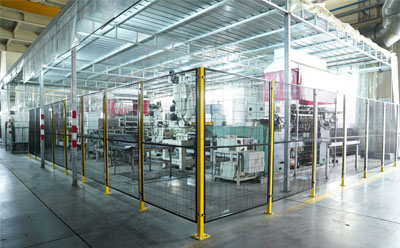
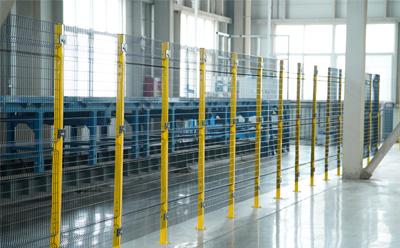
These posts are suitable for agricultural fencing, industrial boundaries, commercial properties, livestock enclosures, and large perimeter fencing systems. Their strength makes them useful for supporting tensioned wire, mesh panels, and other fencing materials.
When selecting steel posts, buyers should consider the outside diameter, wall thickness, steel grade, post length, and installation method. Heavier-duty applications may require thicker walls or larger diameters, while lighter residential projects may use smaller specifications.
Steel posts can also be supplied with different surface treatments, including painted finishes, powder coatings, or galvanization, depending on the required corrosion resistance and appearance.
A round metal post is a general term that covers cylindrical posts made from steel, aluminum, and other suitable metals. The best option depends on the fencing design, environmental conditions, installation requirements, and budget.
For example, a garden fence may prioritize appearance and ease of installation, while a farm fence may require greater resistance to impact and tension. Industrial fencing may place greater emphasis on structural stability, consistent dimensions, and long-term maintenance costs.
Round posts are compatible with various fastening systems, including clamps, brackets, wire ties, and specialized fittings. Buyers should confirm that the post diameter and accessories are compatible with the selected fencing panels or mesh.
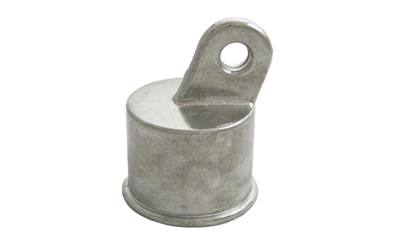
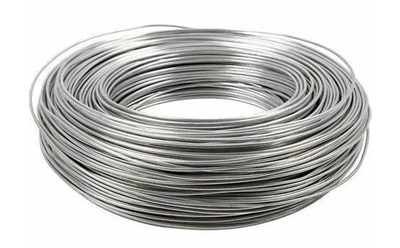
A round aluminum fence post is a useful choice when low weight and corrosion resistance are important. Aluminum is naturally resistant to corrosion under many environmental conditions and is relatively easy to transport, handle, and install.
These posts can be suitable for decorative fences, garden boundaries, pool fencing where local regulations permit, and selected commercial or recreational applications.
Compared with steel, aluminum generally has a lower density, making it easier to handle on installation sites. However, its mechanical properties differ from those of steel, and an aluminum post may require a different diameter or wall thickness to achieve the required structural performance.
Before choosing aluminum, buyers should evaluate the expected loads, post spacing, wind exposure, fastening method, and applicable building or safety requirements.
Outdoor fencing is regularly exposed to rain, moisture, temperature changes, soil conditions, and other environmental factors. Corrosion can gradually weaken unprotected metal and increase maintenance costs. For this reason, galvanized steel posts are widely considered for outdoor fencing projects that require long-term durability.
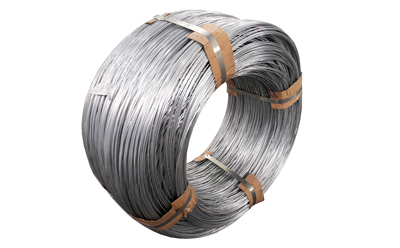
Round galvanised steel posts are steel posts protected by a zinc coating. The zinc layer helps prevent corrosion by acting as a protective barrier and providing sacrificial protection when the coating is damaged in appropriate conditions.
This treatment can extend the useful service life of steel posts, particularly in environments where moisture exposure is a major concern. Galvanized posts are commonly used for agricultural fencing, chain-link fences, garden boundaries, commercial properties, and industrial enclosures.
The actual corrosion resistance depends on several factors, including coating thickness, coating quality, environmental exposure, soil chemistry, and installation practices.
Buyers should confirm whether the posts are hot-dip galvanized, pre-galvanized, or treated using another process. These methods can produce different coating characteristics, so the selection should reflect the intended application and expected service conditions.
A round galvanized fence post combines the structural properties of steel with a protective zinc coating. It is often selected for projects where durability and reduced maintenance are important purchasing considerations.
These posts can support chain-link fencing, wire mesh, livestock barriers, and other fencing systems. Their cylindrical design also allows them to be incorporated into different layouts without requiring a square or rectangular profile.
When comparing products, it is important to look beyond the word "galvanized." Buyers should review the coating specification, steel dimensions, manufacturing quality, and suitability for the intended environment.
For example, fencing installed in coastal areas or highly corrosive industrial environments may require a more carefully selected coating system and a maintenance plan. Galvanization should not be treated as a guarantee against corrosion under every condition.
Several factors determine how long a metal fence post can perform effectively:
Material quality: Appropriate steel grades and aluminum alloys help ensure that posts meet the required mechanical performance.
Wall thickness: Thicker walls may improve resistance to bending, depending on the post diameter, material, and loading conditions.
Surface protection: Galvanized or other suitable coatings help protect metal against environmental damage.
Installation depth: Adequate embedment and suitable foundations improve stability.
Post spacing: Correct spacing helps distribute fencing loads and reduces excessive stress on individual posts.
Environmental conditions: Wind, soil moisture, salinity, and temperature variations can affect durability.
Proper installation is just as important as product quality. Even a well-manufactured post may perform poorly if it is installed at an insufficient depth or used beyond its intended load capacity.
The following comparison highlights the general differences between common post options.
The most suitable product depends on the required strength, environmental exposure, installation method, and total project cost rather than material choice alone.
Selecting a suitable post involves evaluating the complete fencing system instead of purchasing posts based on appearance or price alone. A properly specified post can improve structural stability, simplify installation, and help reduce maintenance over the life of the fence.
The diameter and wall thickness of a round steel post affect its structural behavior. Larger diameters and thicker walls may improve stiffness and load resistance, but the appropriate dimensions depend on the post material, unsupported length, fencing height, wind load, and attachment details.
For lightweight garden fencing, smaller posts may be sufficient. Agricultural fencing and commercial perimeter systems may require stronger posts, particularly at corners, gates, and locations where wire tension creates additional loads.
Buyers should consult project specifications or a qualified engineer when fencing must withstand significant wind pressure, heavy loads, or special safety requirements.
Fence post length should account for the visible fence height and the portion embedded in the ground or secured in a foundation. Soil type, frost conditions, wind exposure, and local installation practices can all influence the required embedment depth.
Posts may be driven directly into suitable ground, installed in prepared holes, or secured in concrete foundations. The correct method depends on the post design and site conditions.
For uneven terrain, post length and spacing should be planned carefully to maintain the intended fence height and alignment.
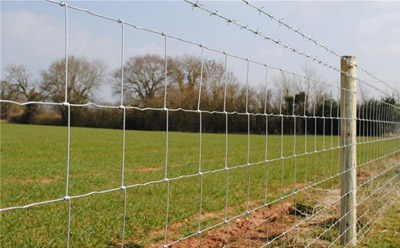
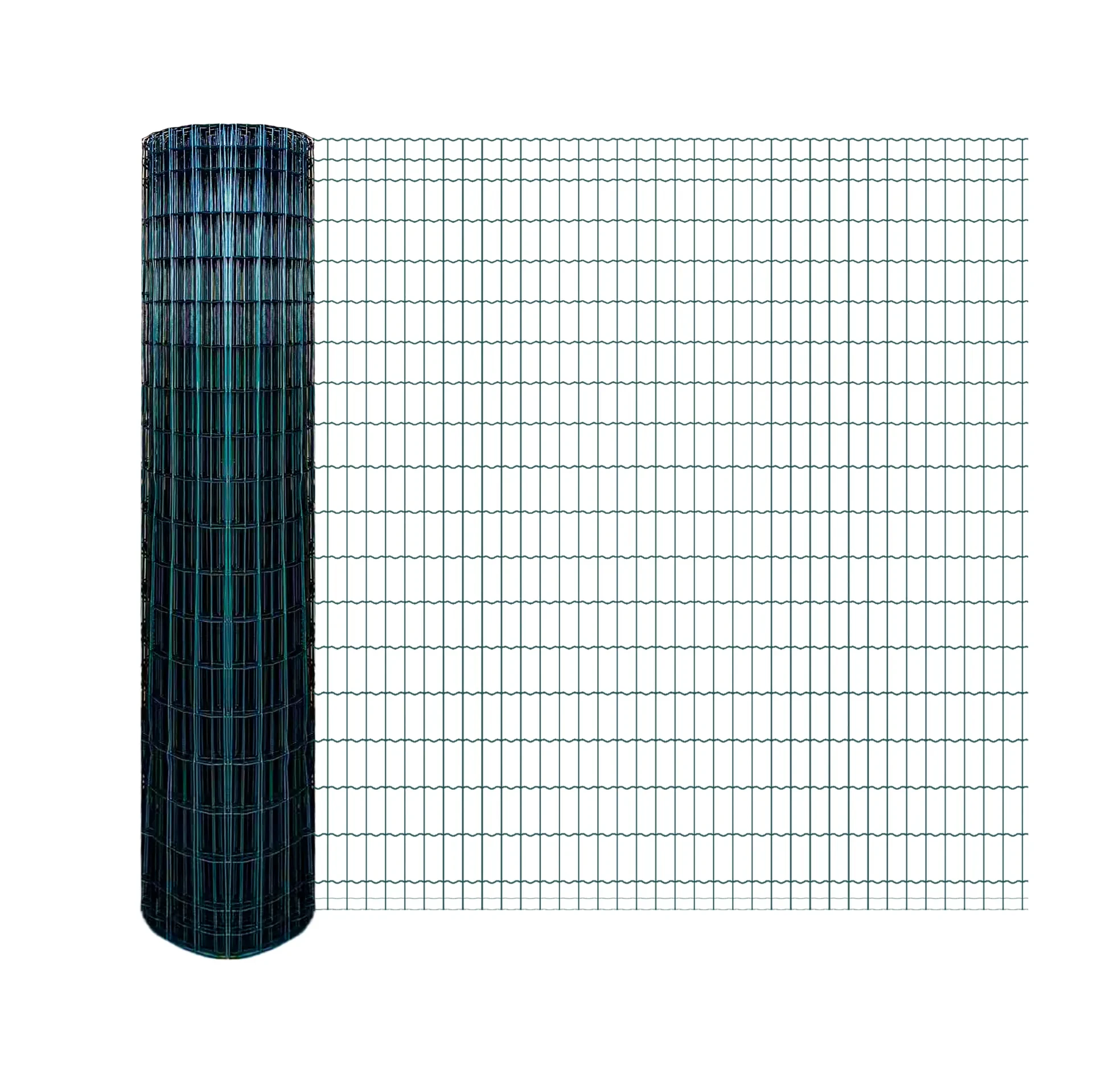
A fencing system may use chain-link mesh, welded wire panels, barbed wire, livestock mesh, or other materials. Each option has different attachment and tension requirements.
Before ordering a عمود سياج معدني دائري, confirm the required fittings, bracket dimensions, hole positions, caps, and connection methods. Compatible accessories can simplify assembly and help maintain a neat, consistent finish.
For projects using tensioned wire, corner and end posts may need additional bracing or stronger specifications compared with intermediate posts.
For contractors, wholesalers, and fencing distributors, supplier selection is an important part of project planning. A dependable manufacturer should provide consistent dimensions, clear material specifications, appropriate surface treatments, and reliable packaging.
When comparing suppliers, consider the following points:
Product diameter, length, and wall thickness.
Material grade and available test documentation.
Galvanizing method and coating requirements.
Customization options for dimensions and finishes.
Minimum order quantities and production lead times.
Packaging, transportation, and export experience.
Quality inspection procedures and after-sales communication.
For large orders, buyers may request samples or inspection reports before confirming mass production. Clear technical specifications also help reduce misunderstandings between manufacturers, distributors, and installation contractors.
The lowest-priced fence post is not always the most economical choice. Thin walls, inadequate coatings, inconsistent dimensions, or unsuitable materials may lead to earlier replacement and higher maintenance costs.
A better purchasing decision considers initial price, transportation, installation labor, expected service life, and maintenance requirements together.
For outdoor applications, selecting a suitable galvanized finish and correct structural dimensions may provide better long-term value than choosing an inexpensive post without sufficient corrosion protection or strength.
Choosing the right round metal fence post is essential for building a durable and stable fencing system. أعمدة سياج فولاذية مستديرة are suitable for many demanding applications because of their strength and versatility, while a round aluminum fence post may be preferable when low weight and corrosion resistance are priorities. For many outdoor projects, أعمدة دائرية من الفولاذ المجلفن and a round galvanized fence post offer a practical combination of steel strength and protective coating performance.
Before purchasing, evaluate material quality, dimensions, coating specifications, installation conditions, fencing compatibility, and supplier reliability. By matching the post design to the project requirements, buyers can improve fence stability, reduce maintenance needs, and achieve better long-term value.



Copyright © 2026 شركة خبي مينميتالز المحدودة All Rights Reserved. Sitemap | سياسة الخصوصية | Menu