



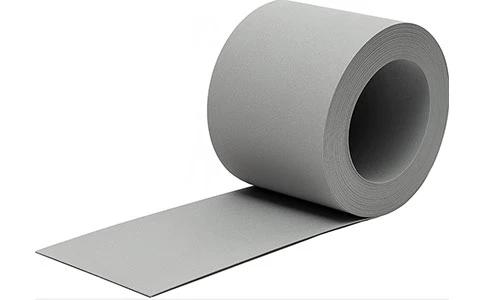
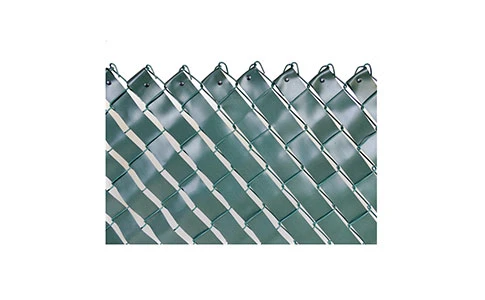
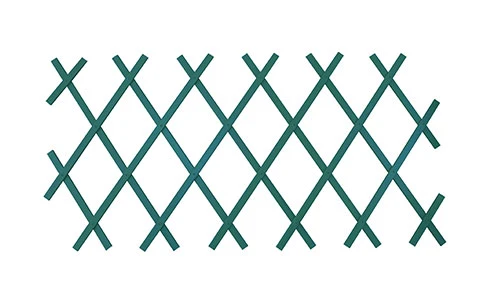
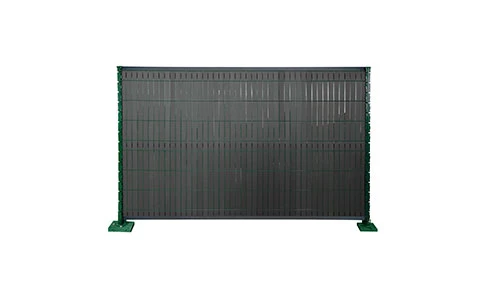

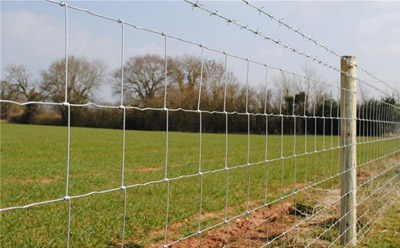
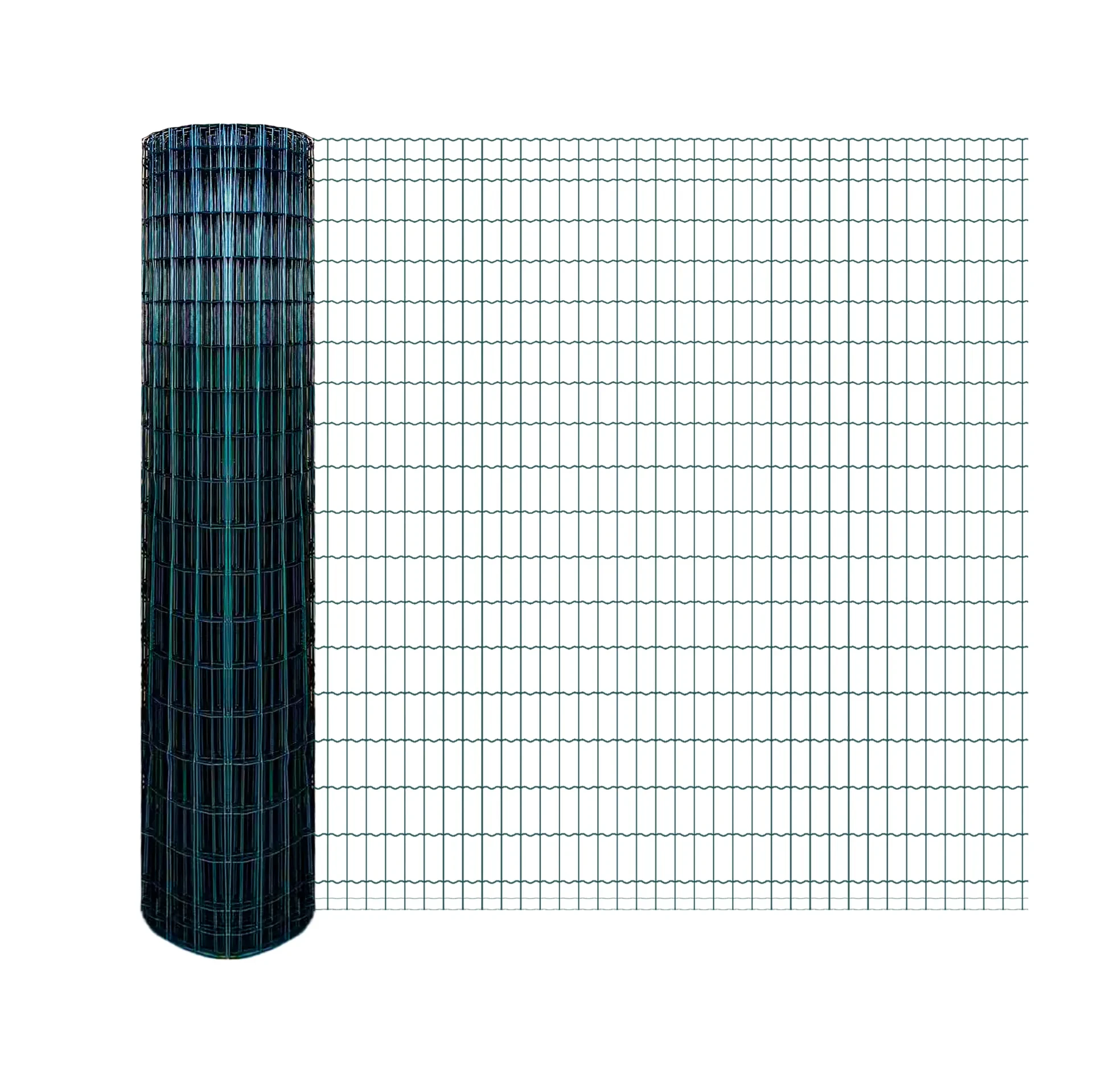
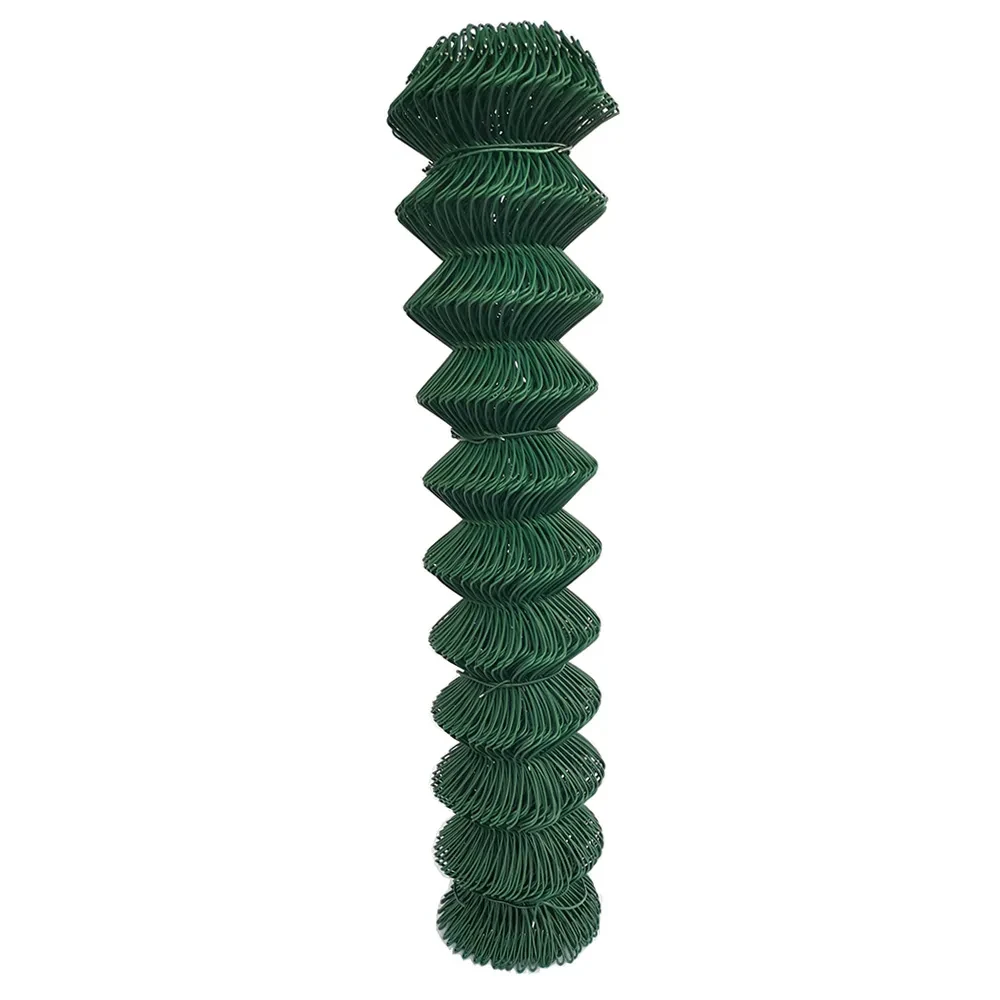

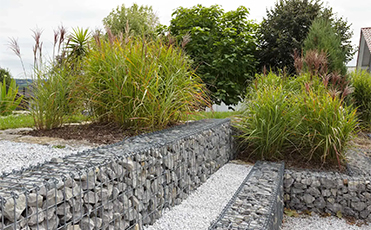




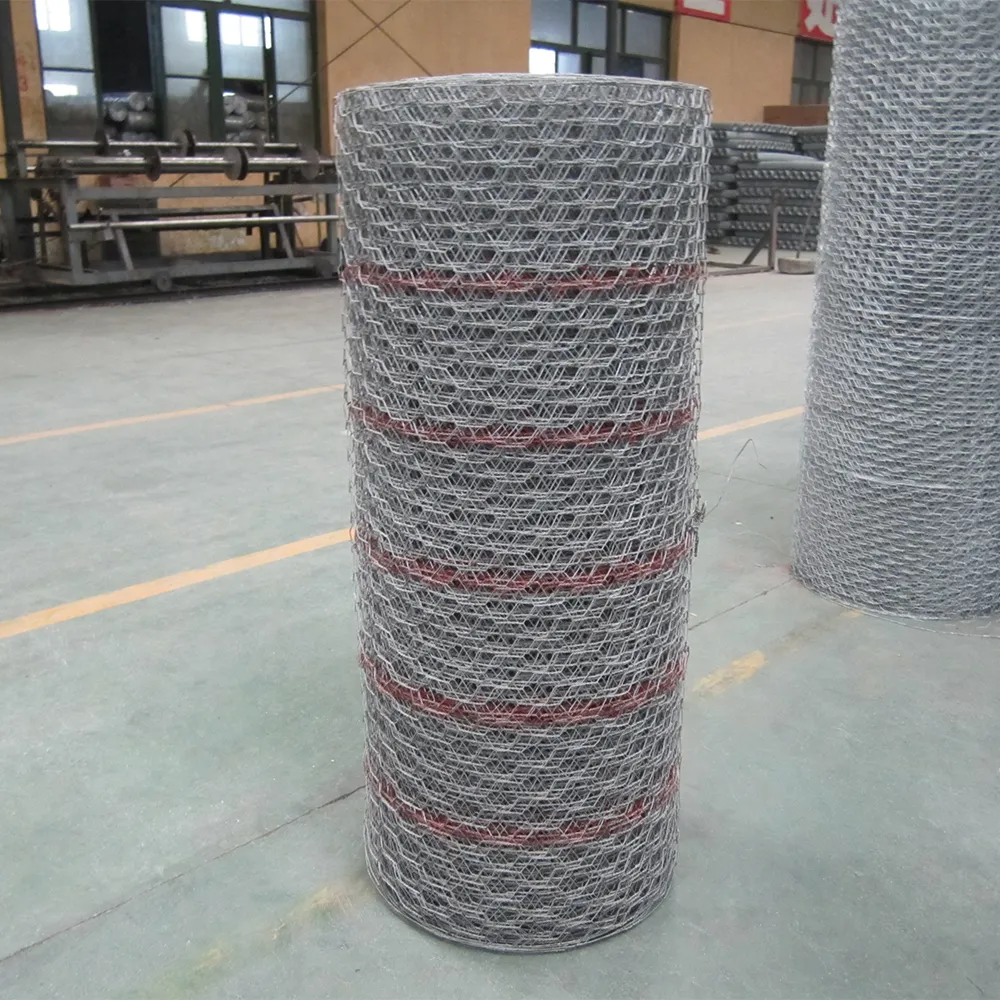










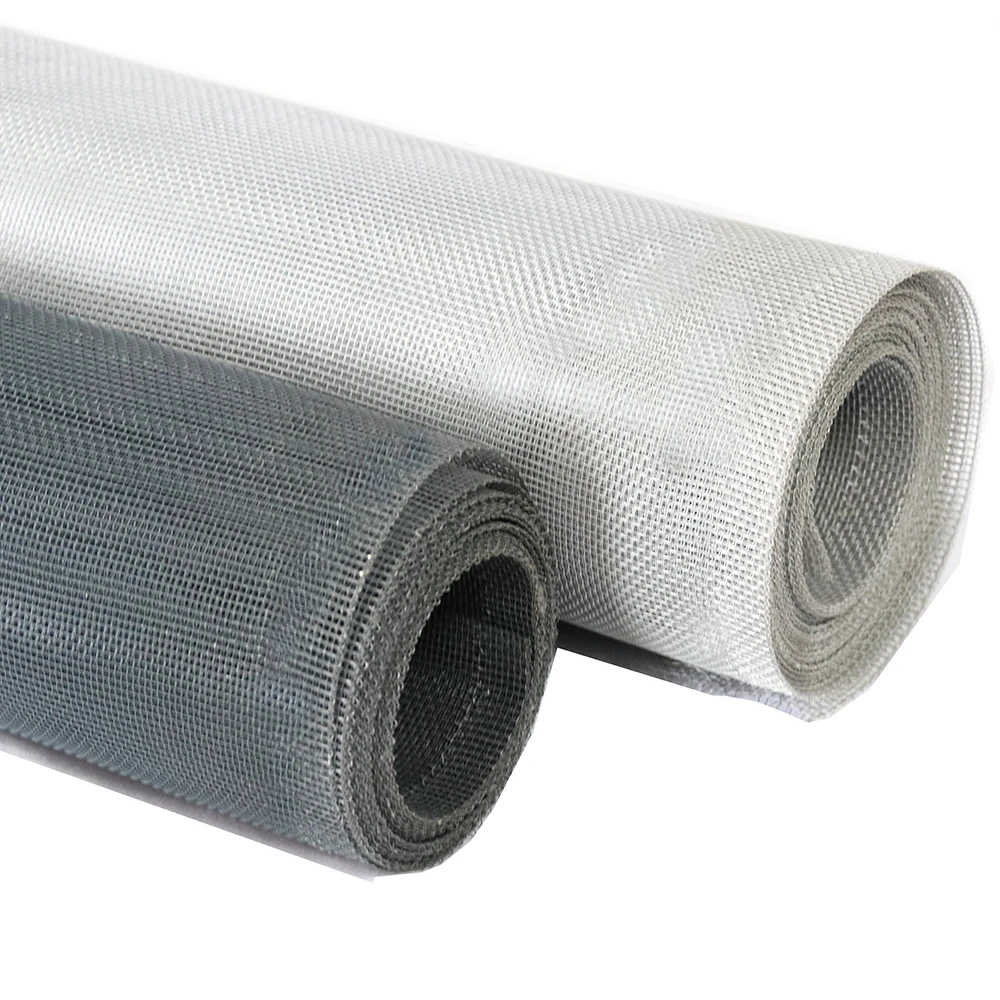


Expanded metal mesh is a versatile material widely used in construction, industrial manufacturing, architectural decoration, filtration, equipment protection, and many other applications. Produced by cutting and stretching solid sheets or other suitable materials into an open mesh pattern, expanded mesh combines structural strength with relatively low weight and efficient material utilization. Its distinctive diamond-shaped openings provide airflow, drainage, visibility, and surface grip, making it a practical alternative to solid metal sheets in many projects.
Today, manufacturers offer a broad range of expanded mesh products in different materials, thicknesses, opening sizes, strand widths, surface treatments, and panel dimensions. Buyers can select products according to load requirements, environmental exposure, installation methods, and budget. Whether used for industrial walkways, machine guards, building facades, plaster reinforcement, or protective barriers, the right mesh specification can improve both performance and service life.
Understanding the characteristics of different expanded mesh products is essential for contractors, engineers, distributors, wholesalers, and manufacturers. By comparing material options and evaluating application requirements, buyers can identify a suitable solution for their projects.

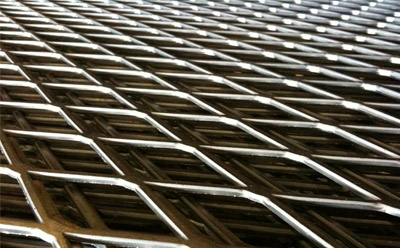
Expanded plate mesh is manufactured by making controlled cuts in a metal sheet and stretching the sheet to form a regular pattern of interconnected strands and openings. Unlike woven wire mesh, expanded metal generally does not rely on separate wires being woven or welded together. The continuous structure helps maintain material integrity while creating an open surface.
This manufacturing method offers several advantages. First, it can produce a strong and rigid mesh structure suitable for many industrial and architectural applications. Second, the openings allow air, light, and liquids to pass through, depending on the mesh geometry. Third, the raised or flattened surface can provide useful traction characteristics when the product is designed for flooring, platforms, or other walking surfaces.
Expanded mesh is available in a wide variety of patterns. Standard expanded mesh commonly features raised strands, while flattened expanded mesh is processed to create a comparatively level surface. The choice depends on the desired appearance, installation requirements, surface contact, and intended function.
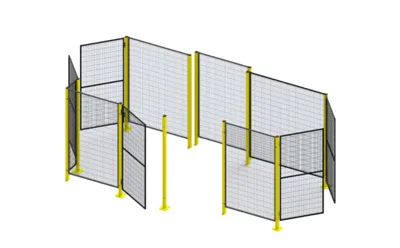
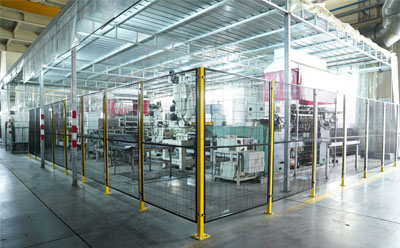
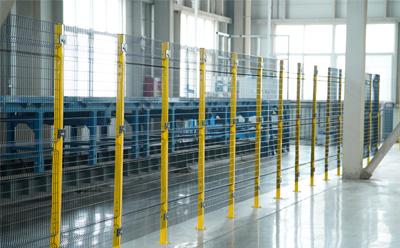
For industrial facilities, expanded mesh may be used in machine guards, equipment enclosures, ventilation covers, protective partitions, and maintenance platforms. The open structure provides visibility and airflow while creating a physical barrier. For architectural applications, it can serve as facade cladding, decorative screening, ceiling panels, and sun-shading elements. Designers can select different opening patterns and finishes to achieve specific visual effects.
Metal sheet mesh is a broader search term that can refer to expanded metal and other sheet-based mesh products. Buyers should confirm the exact manufacturing method when comparing products because expanded metal, perforated sheet, and woven wire mesh have different structures and performance characteristics.
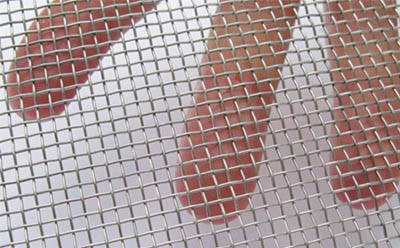
Expanded metal is typically created by stretching a cut sheet, perforated metal is produced by punching or drilling openings, and woven wire mesh is formed by interlacing individual wires. Each option offers different advantages in terms of rigidity, opening geometry, filtration performance, and fabrication.
Material selection is equally important. Carbon steel is often selected for applications requiring strength and cost efficiency. Aluminum expanded mesh offers a lightweight alternative that can be useful for architectural screens and selected equipment enclosures. Stainless steel may be appropriate for environments where corrosion resistance, cleanliness, or specific chemical exposure requirements are important.
Buyers should also consider mesh opening size, strand thickness, overall sheet dimensions, and the relationship between open area and structural strength. Smaller openings may provide a finer protective barrier, while larger openings can improve airflow and reduce material weight. However, no single opening size is suitable for every application.
Before purchasing expanded mesh, it is helpful to prepare a specification sheet that identifies the base material, thickness, mesh pattern, opening dimensions, surface finish, panel size, and any applicable load or performance requirements. Clear specifications help manufacturers supply consistent products and reduce errors during fabrication and installation.
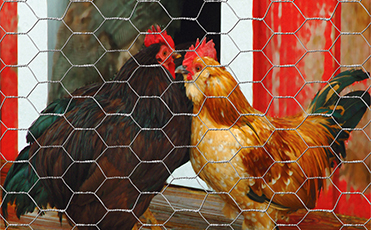
Expanded wire mesh panels are commonly used to describe panel-format mesh products for industrial, commercial, and architectural applications. Although the term includes the word “wire,” buyers should verify whether the product is manufactured from expanded sheet metal or from welded or woven wire. This distinction affects its structure, strength, appearance, and suitable applications.
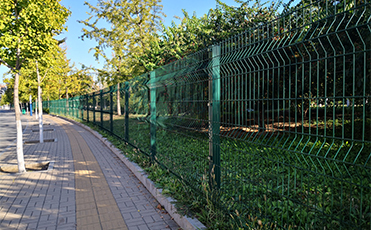
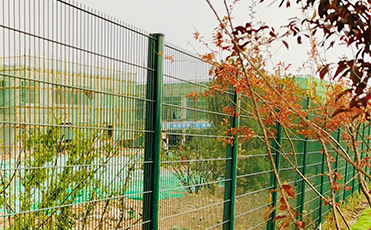
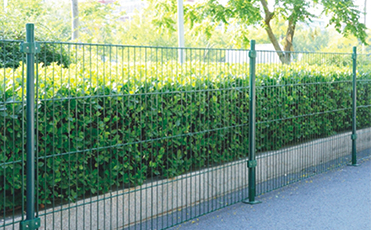
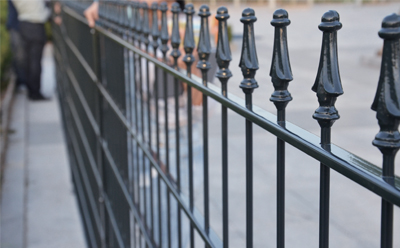
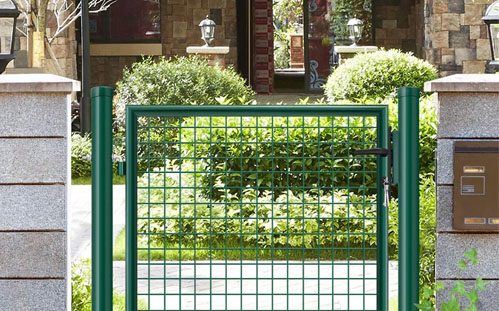
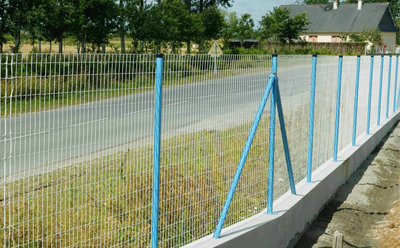
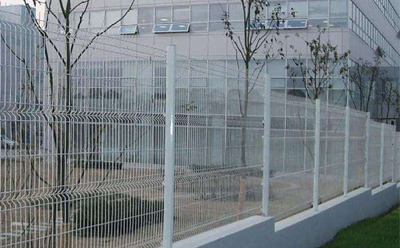
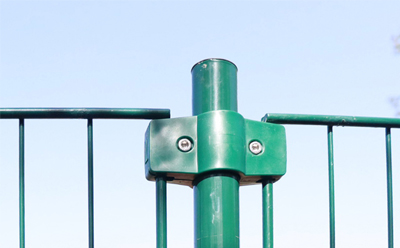
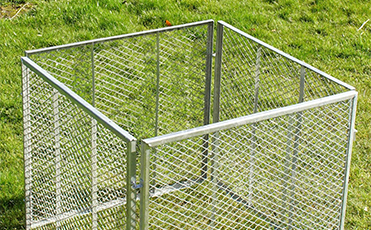
Panel-format products are convenient for projects that require modular installation. They can be cut, framed, connected, or fitted into larger assemblies according to the design. Typical applications include safety screens, fencing infill, equipment enclosures, storage partitions, ventilation panels, and decorative building features.
For industrial projects, the panel dimensions and support structure must be selected according to the expected loads and operating conditions. Mesh intended for a lightweight partition may not be suitable for a load-bearing walkway or heavy-duty platform. Engineers should evaluate the material grade, strand geometry, panel span, fastening method, and support spacing before approving a product for structural use.
Surface protection is another major consideration, particularly for products installed outdoors or in damp environments. Galvanised expanded mesh is expanded metal that receives a zinc coating to help protect the underlying steel from corrosion. The zinc layer provides a protective barrier and can offer sacrificial protection when the coating is damaged, although performance depends on coating quality, thickness, exposure conditions, and maintenance.
Galvanised mesh is often used for outdoor fencing, ventilation guards, industrial enclosures, agricultural facilities, and construction projects. It can be a practical option where steel strength and corrosion protection are both required. Buyers should confirm whether the product is hot-dip galvanised, electro-galvanised, or treated through another process, since these methods can produce different coating characteristics.
The manufacturing sequence also matters. Some products are galvanised before expansion, while others are galvanised after the mesh has been formed. Depending on the process, cut edges and newly formed surfaces may have different levels of protection. Buyers should discuss the manufacturing method with the supplier and determine whether additional treatment is needed for the intended environment.
In highly corrosive environments, such as certain coastal or chemical-processing locations, standard galvanised steel may not provide sufficient service life without appropriate specifications and maintenance. Stainless steel or a specialized protective coating may be more suitable, depending on the chemical exposure and operating conditions.
When purchasing expanded wire mesh panels, quality checks should cover panel flatness, opening consistency, strand integrity, edge finishing, coating condition, and dimensional accuracy. For modular installations, consistency between panels is especially important because differences in size or shape can complicate alignment and assembly.
Packaging and transportation should also be considered. Expanded mesh panels can have exposed edges that require careful handling, while large panels may need protective separators or reinforced packaging to prevent bending and surface damage. Buyers should confirm panel dimensions, bundle weight, handling arrangements, and delivery requirements before placing a bulk order.
By matching panel design, material, and surface protection to the project environment, customers can obtain expanded mesh products that balance durability, functionality, and installation efficiency.
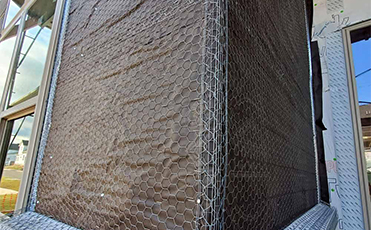
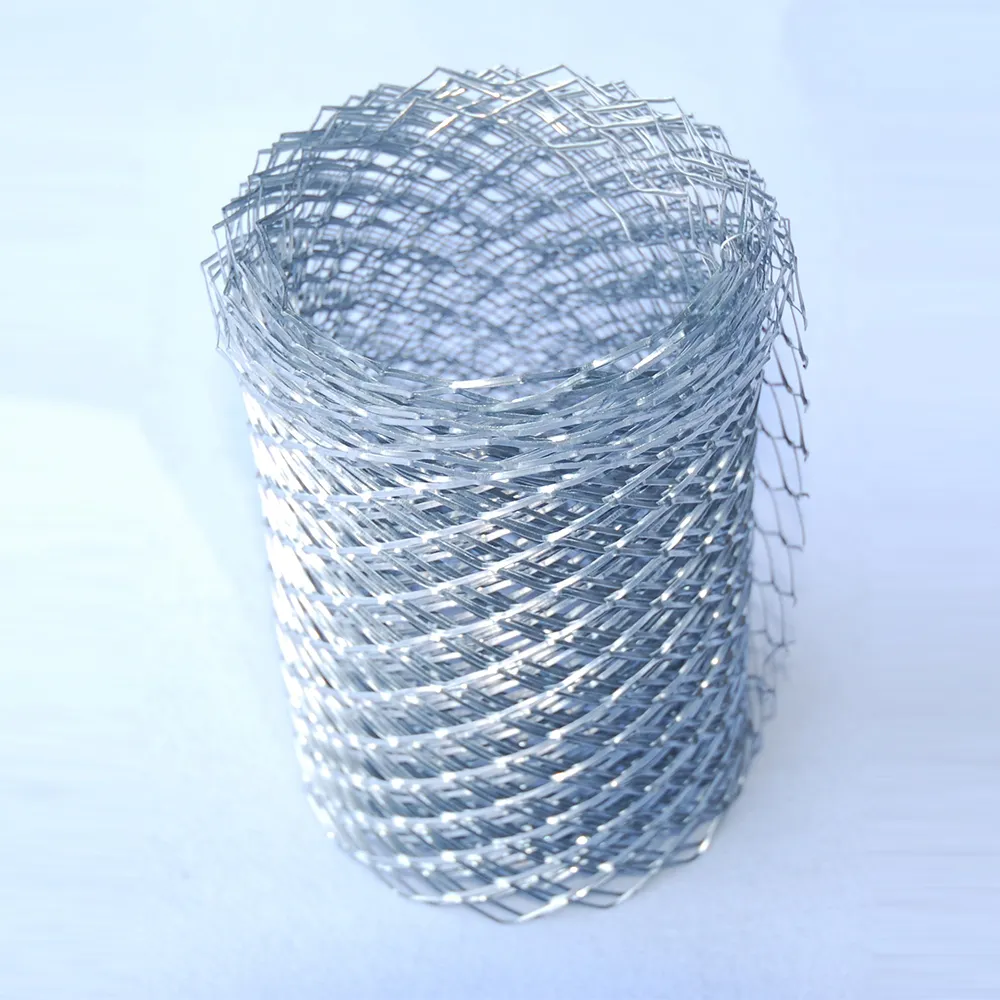
In the construction industry, galvanised metal mesh lath is used as a support and reinforcement substrate for certain plaster, stucco, and render systems. Its open structure helps compatible building materials mechanically key into the mesh, supporting adhesion when the product is installed according to the specified construction system.
Metal lath products are available in different patterns, weights, thicknesses, and sheet formats. Galvanised versions provide a zinc coating that helps protect the steel against corrosion during service. They may be used on suitable walls, ceilings, soffits, and other surfaces where the relevant construction specification permits metal lath.
Choosing the right lath requires more than checking the mesh pattern. Buyers should consider the substrate, plaster or render system, exposure conditions, installation orientation, fixing method, and applicable building requirements. The lath must be securely attached with suitable fasteners and installed with the correct overlaps and detailing. For exterior or moisture-prone applications, the complete wall assembly should include appropriate water-management and corrosion-protection measures.
It is also important to distinguish expanded metal lath from decorative expanded mesh and structural metal grating. Although these products may share a similar manufacturing principle, they are designed for different functions. A lightweight lath intended for plaster reinforcement should not be substituted for a load-bearing panel unless the product has been specifically engineered and approved for that purpose.
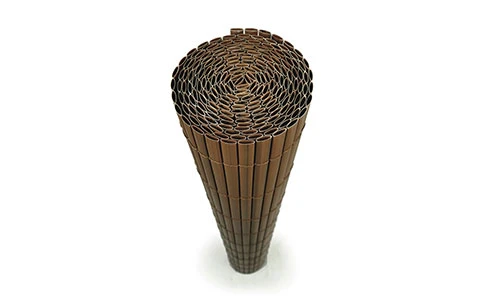
For projects that require a lightweight, nonmetallic option, plastic expanded mesh can provide an alternative for selected agricultural, horticultural, packaging, protective, and general-purpose applications. Plastic mesh products are often easy to handle, flexible, and resistant to corrosion. Depending on the polymer used, they may also offer good resistance to moisture and many common environmental conditions.
Potential applications include plant protection, garden screening, temporary barriers, packaging support, and selected ventilation or separation tasks. Plastic expanded mesh can be useful where low weight and ease of installation are priorities. However, its performance varies significantly according to polymer type, mesh design, strand thickness, and manufacturing quality.
Before purchasing plastic mesh, buyers should check tensile strength, opening dimensions, flexibility, temperature resistance, ultraviolet resistance, and chemical compatibility. Products exposed to prolonged sunlight may require UV-stabilized materials to reduce premature degradation. Applications involving significant loads, high temperatures, or impact hazards may require metal mesh or another engineered solution instead.
For wholesale buyers, distributors, and project contractors, supplier evaluation should include material traceability, dimensional consistency, production capacity, quality-control procedures, and packaging reliability. Requesting samples can help verify appearance, flexibility, opening size, coating quality, and suitability for the intended application.
A detailed purchase specification should identify the product type, material, thickness, mesh opening, strand dimensions, panel size, finish, quantity, and relevant performance requirements. Buyers should also clarify cutting tolerances, edge treatment, custom sizes, and whether additional fabrication services are available.
Cost comparisons should consider the total value rather than the initial unit price alone. Material durability, corrosion resistance, installation labor, maintenance requirements, transportation costs, and expected service life all influence the overall project cost. A product with a higher initial price may be more economical if it provides better performance under the actual operating conditions.
In conclusion, expanded mesh offers flexible solutions for construction, manufacturing, architecture, and general protection. Expanded plate mesh provides a continuous metal structure with useful strength and open area, galvanised expanded mesh offers corrosion protection for many steel applications, and galvanised metal mesh lath supports compatible plaster and render systems. Meanwhile, plastic expanded mesh can be appropriate for lightweight applications where corrosion resistance and easy handling are important. By evaluating materials, manufacturing methods, dimensions, surface treatments, and application requirements, buyers can select the right expanded mesh product for reliable and efficient project performance.



Copyright © 2026 Кампанія Hebei Minmetals Co., Ltd. Усе правы абаронены. Sitemap | Палітыка прыватнасці | Menu