








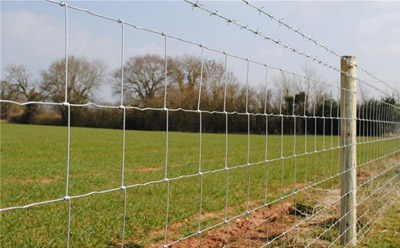
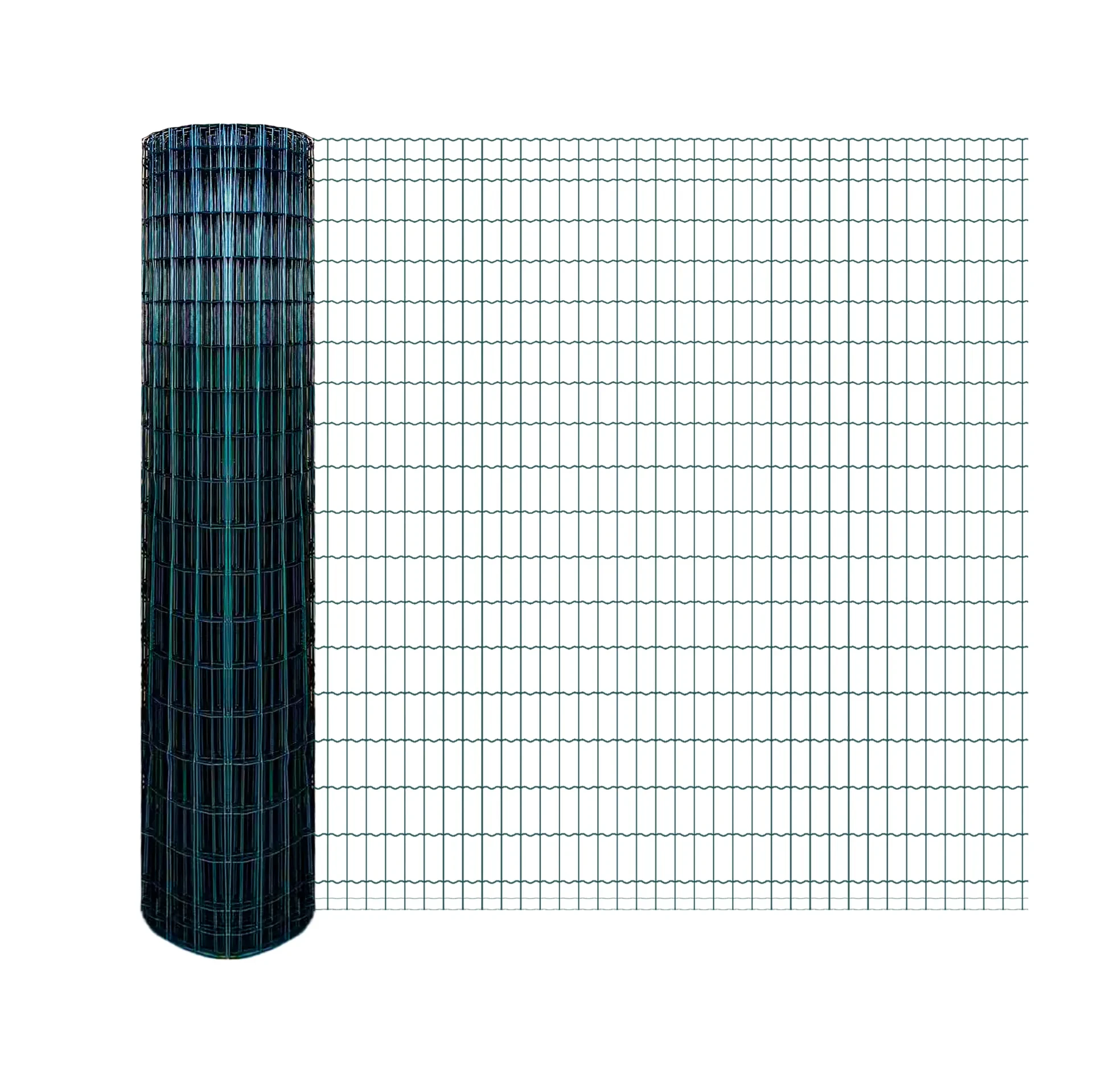
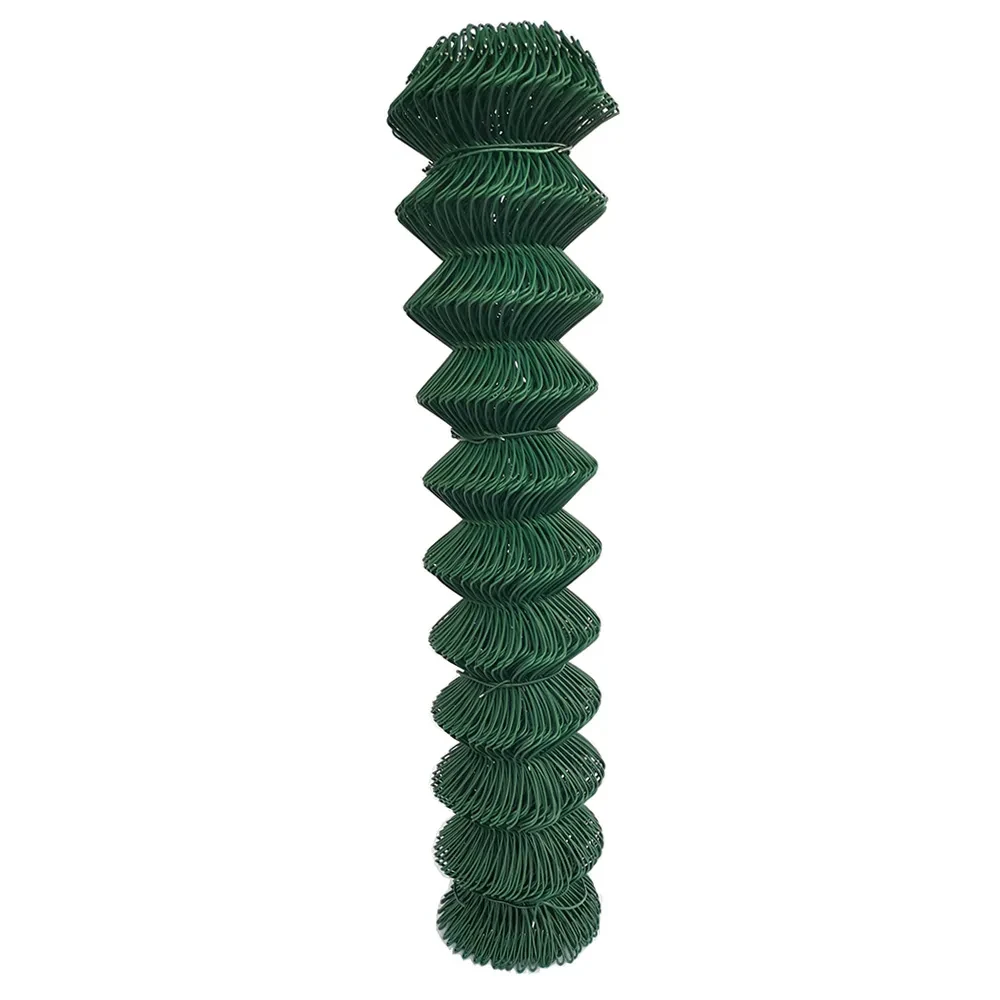
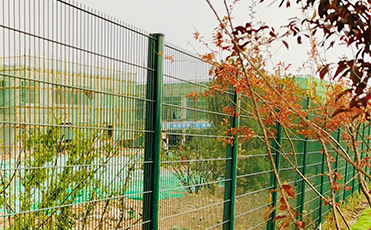
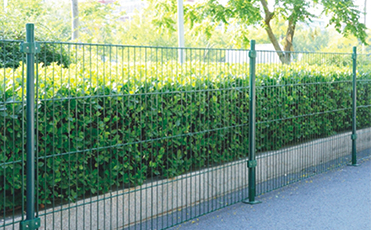
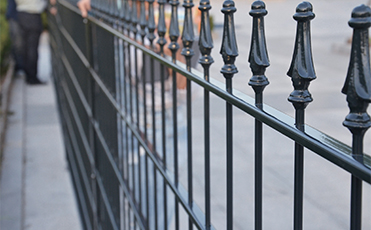
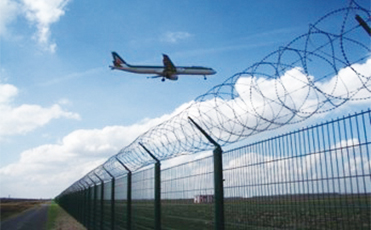
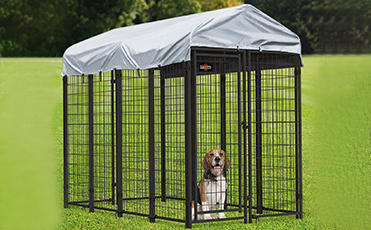
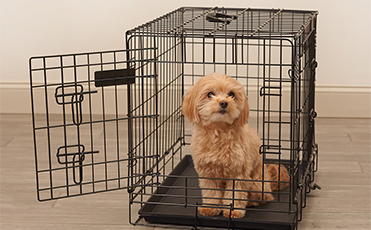
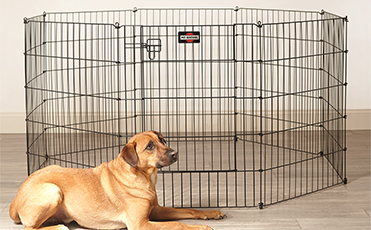
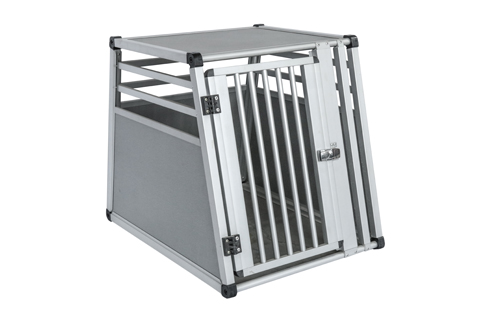
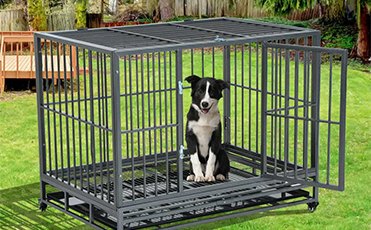
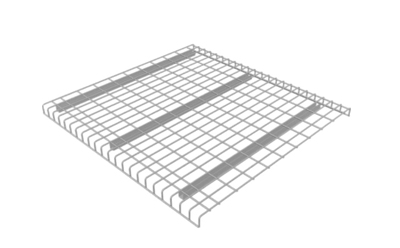
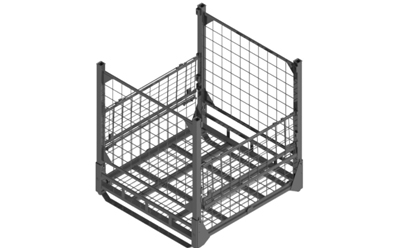
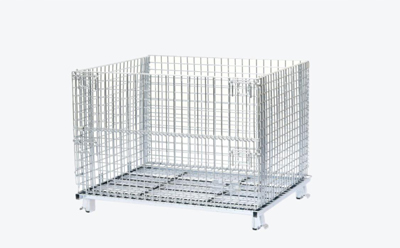

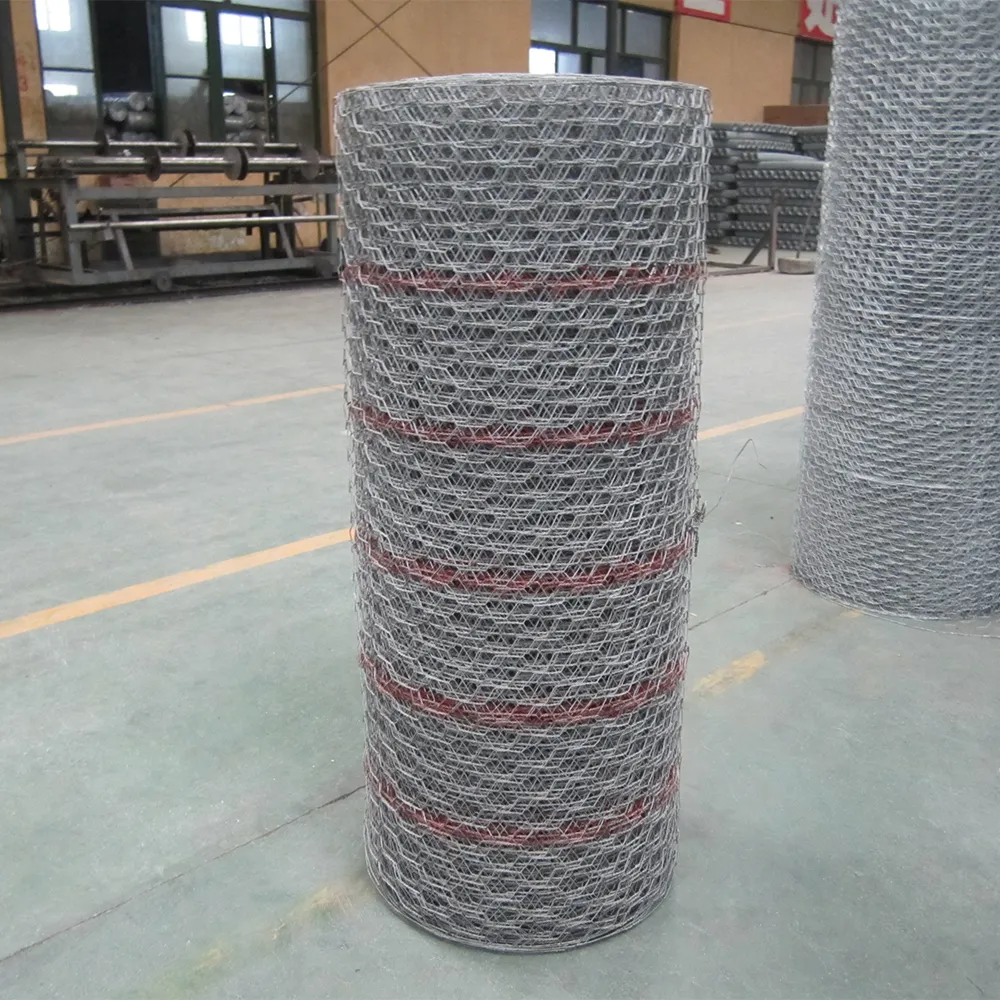
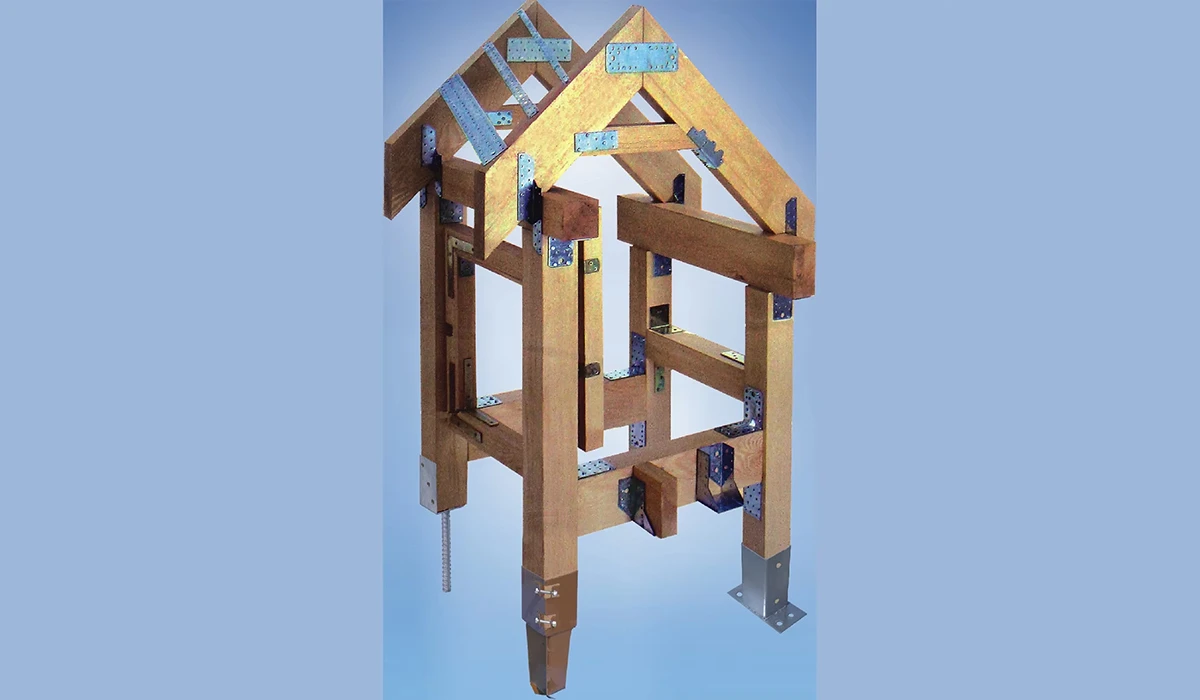
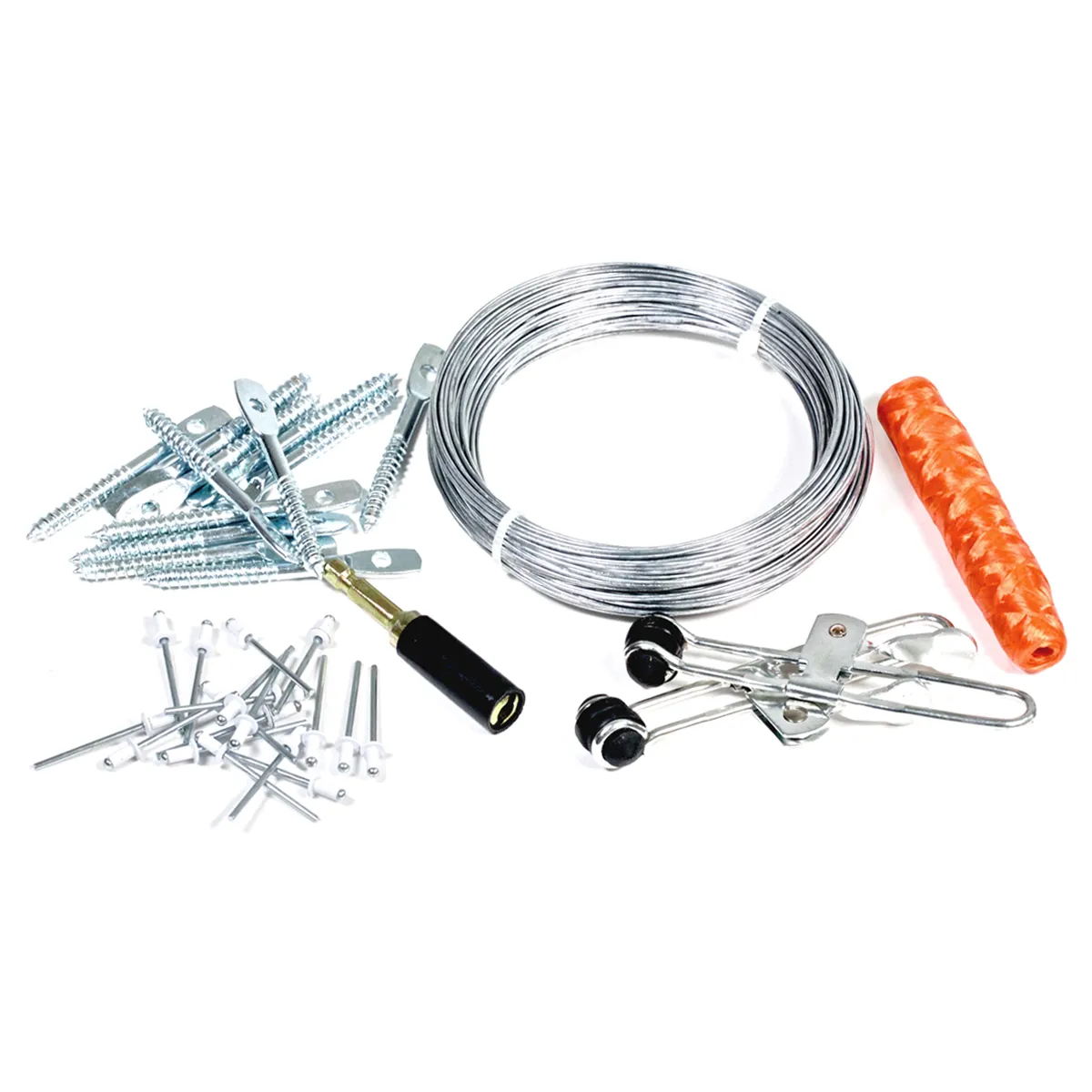










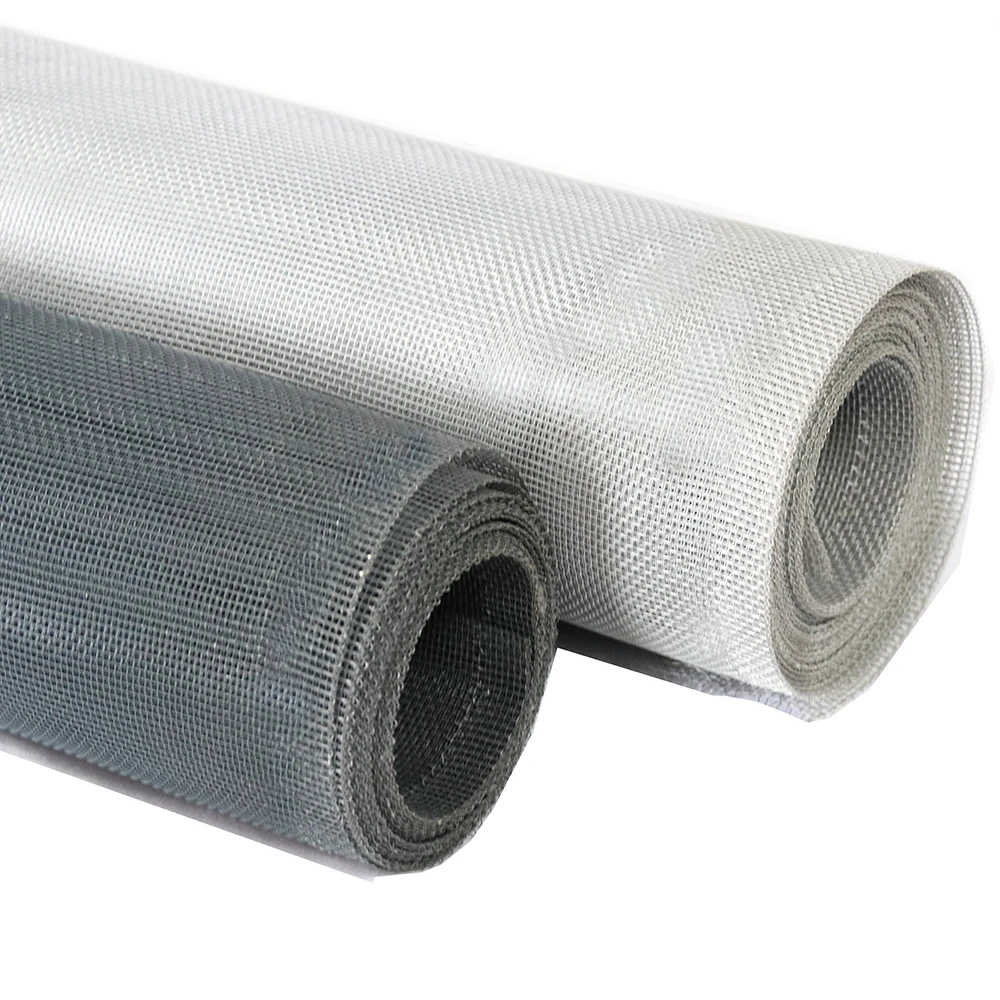
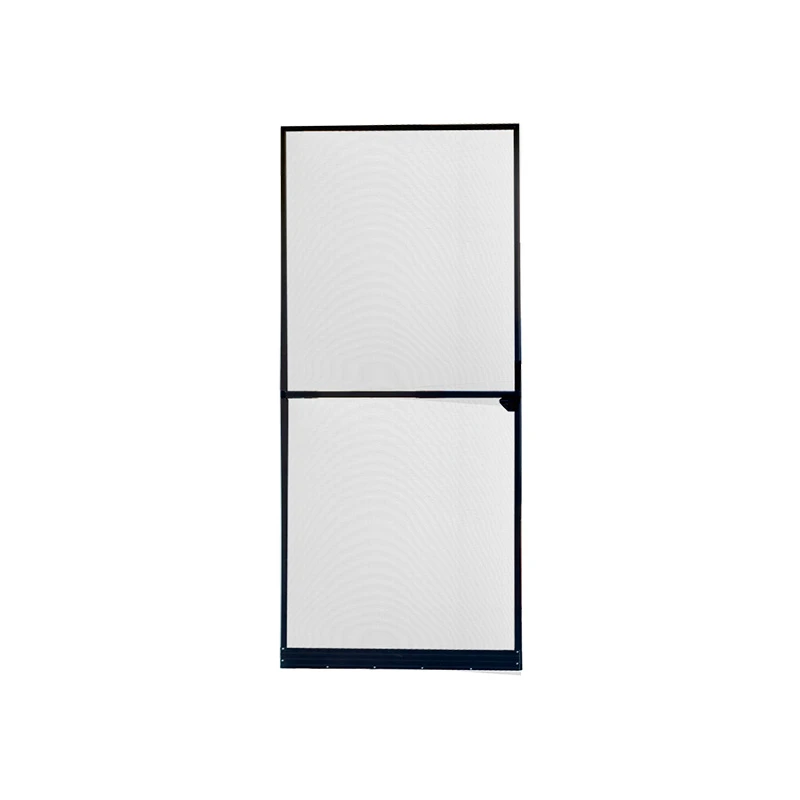
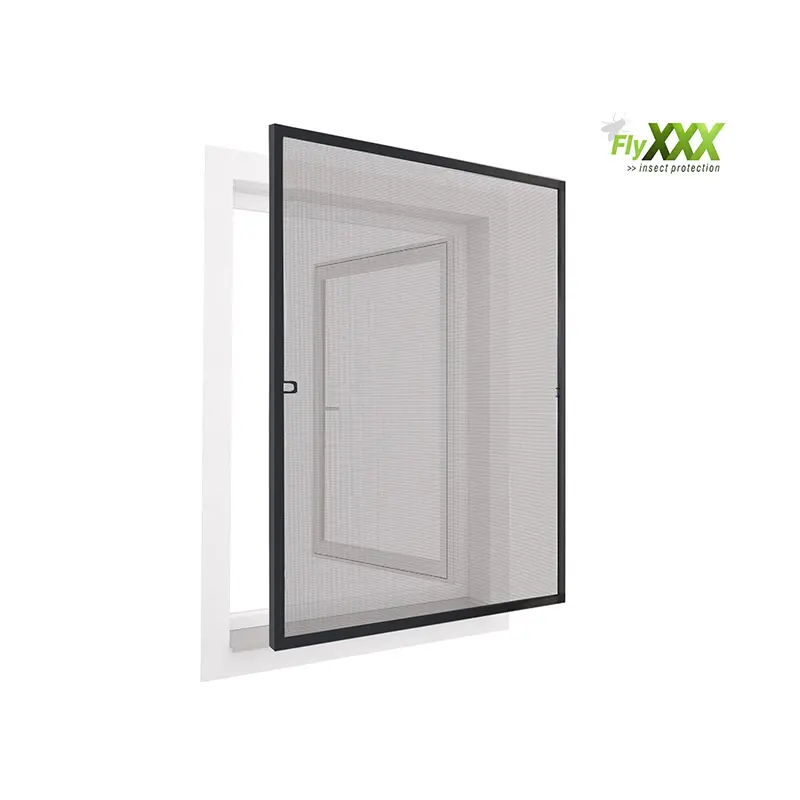
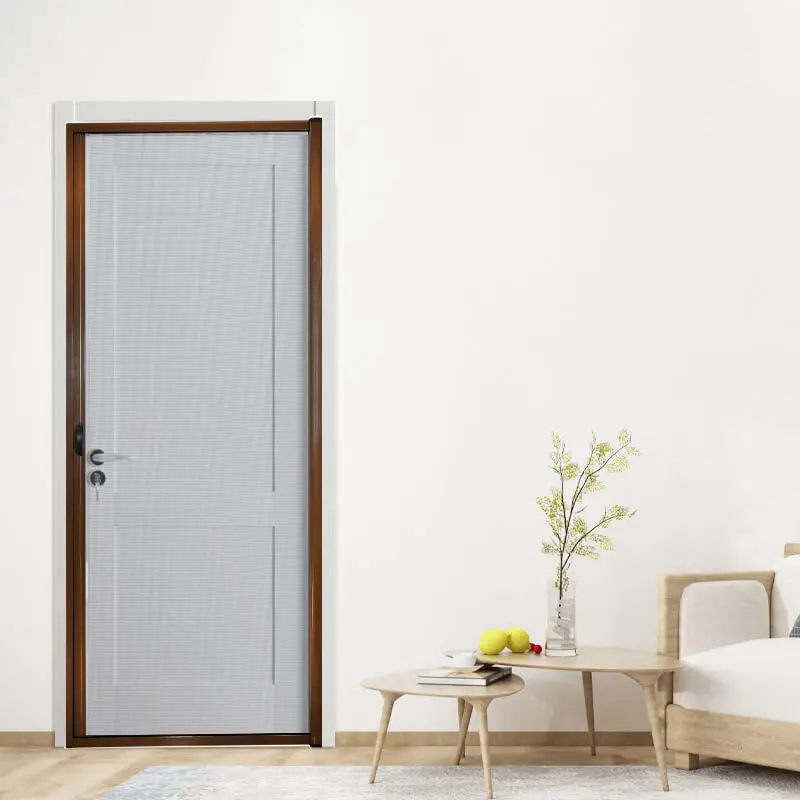

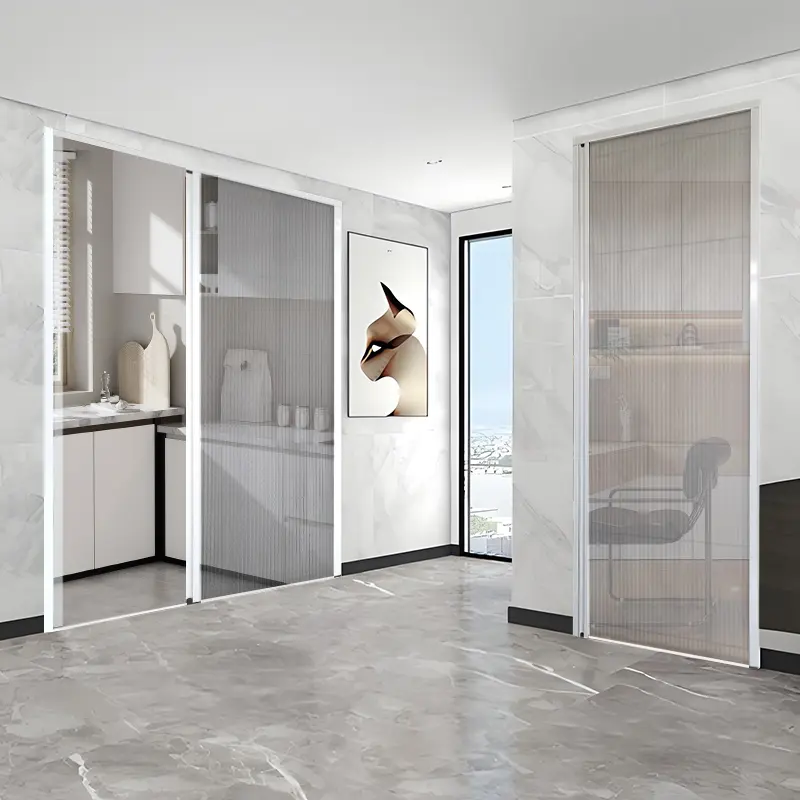
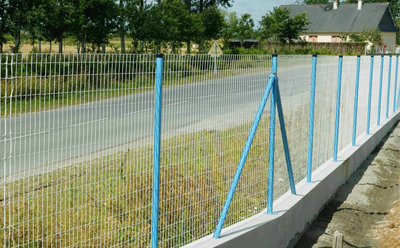
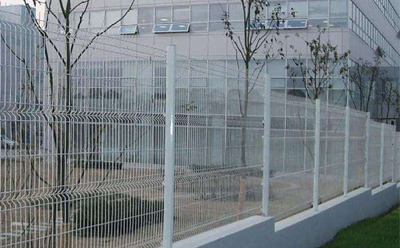
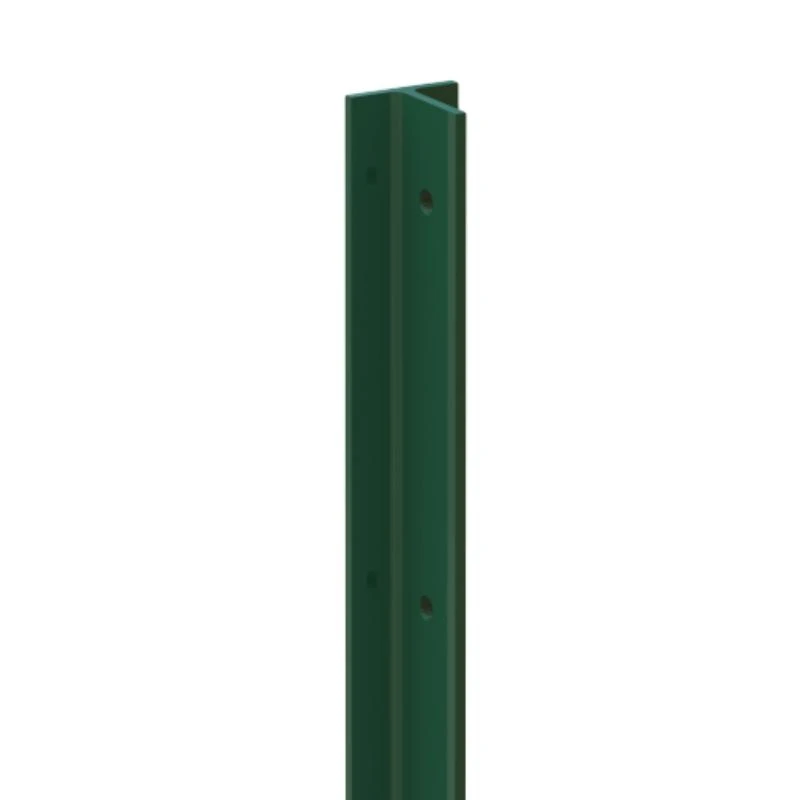
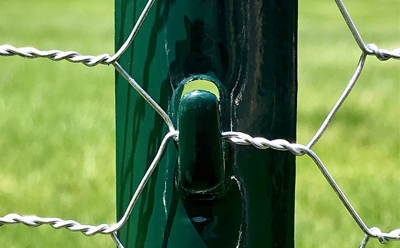
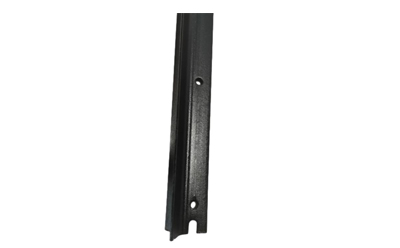
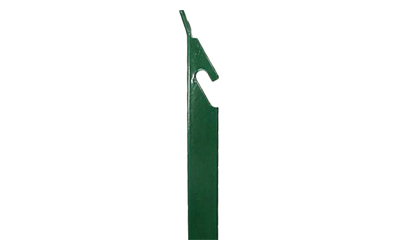




A mobile fence is a practical solution for people and businesses that need flexible boundary protection without installing a permanent fencing system. Unlike traditional fences made from concrete foundations or permanently fixed posts, mobile fencing systems can often be assembled, relocated, expanded, or removed according to changing requirements. They are widely used in residential gardens, construction sites, temporary events, agricultural areas, commercial properties, and outdoor workspaces.
As property owners and businesses seek more adaptable ways to manage outdoor spaces, mobile fencing has become an important option for temporary security, privacy, animal management, and site organization. Different fencing systems are designed for different purposes, so choosing the right product requires careful consideration of materials, installation methods, durability, portability, and intended use.
Whether you need to protect a garden, create a temporary enclosure, establish a construction boundary, or improve privacy around a mobile home, understanding the available options can help you make a more informed decision.

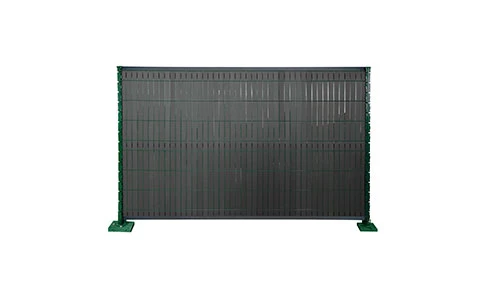
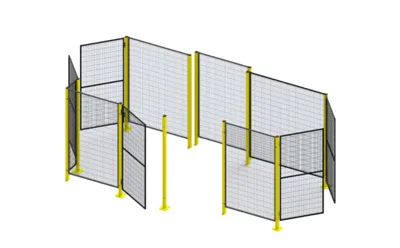
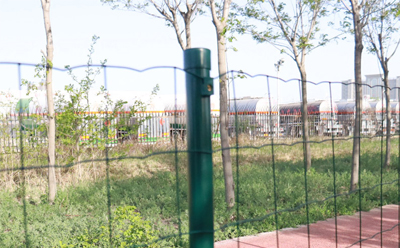
A mobiler Zaun is a movable or temporary fencing solution designed to establish a boundary without requiring the same level of permanent installation as conventional fencing. Depending on the design, it may feature lightweight metal panels, portable posts, mesh screens, modular barriers, or freestanding support bases. These components allow users to adjust the layout when their space or operational needs change.
One of the main advantages of mobile fencing is flexibility. Construction companies can use temporary fence panels to separate work areas from public spaces, while event organizers can create controlled entrances, pedestrian routes, and restricted-access zones. Property managers may also use movable barriers to temporarily close off maintenance areas or protect landscaping during renovation work.
For residential users, portable fencing can help organize outdoor living spaces. It can create a temporary boundary around a patio, separate a garden from a recreational area, or provide a flexible enclosure for selected outdoor activities. The appropriate design depends on the required level of stability, the size of the area, and whether the fence will remain in one location or be moved frequently.
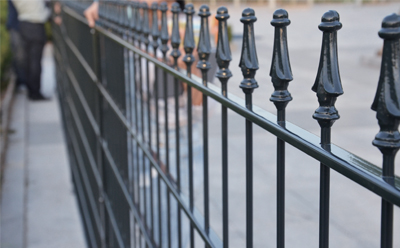
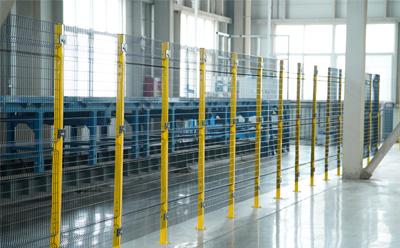
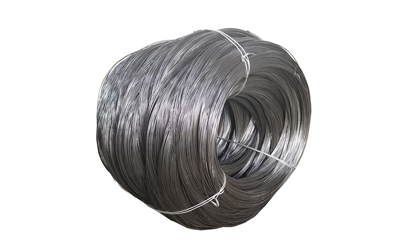
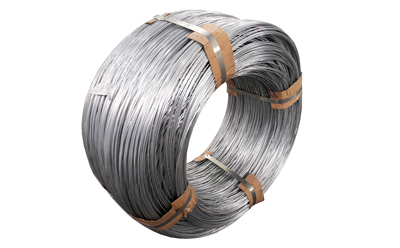
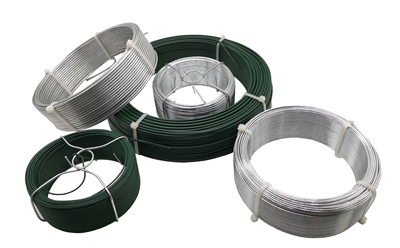
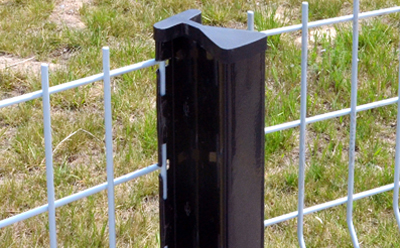
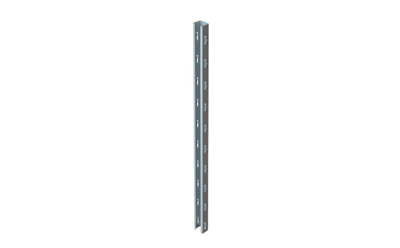
Material selection is another important consideration. Galvanized steel fencing is often selected for its strength and corrosion resistance, making it suitable for many construction and commercial applications. Powder-coated metal panels can provide an attractive finish and additional surface protection, depending on the coating quality and exposure conditions. Plastic fencing is generally lightweight and easy to handle, while mesh systems can provide visibility and airflow.
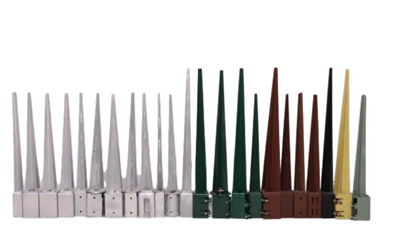
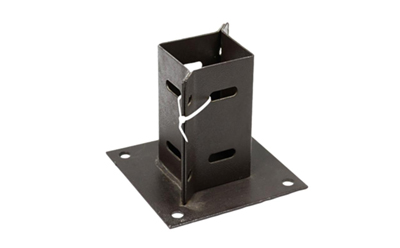
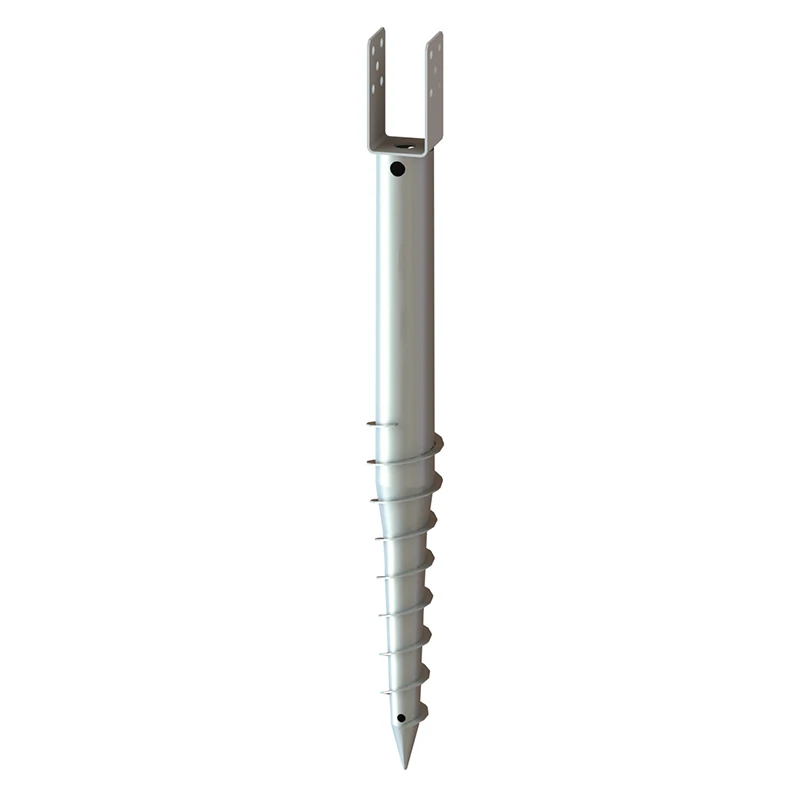
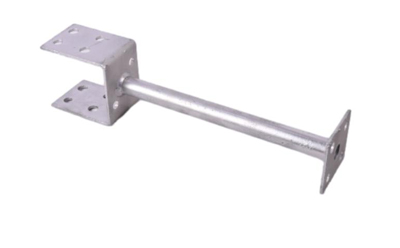
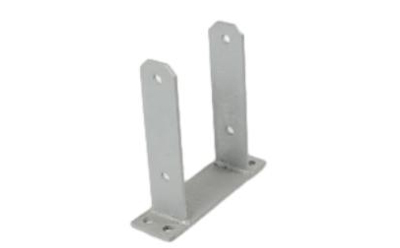
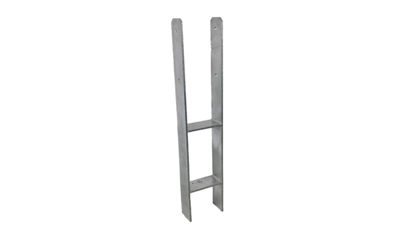
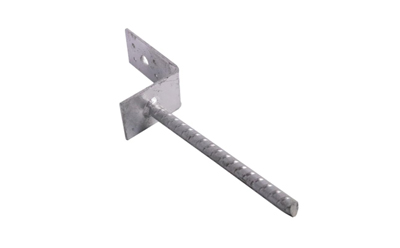
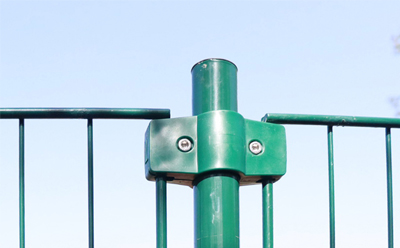
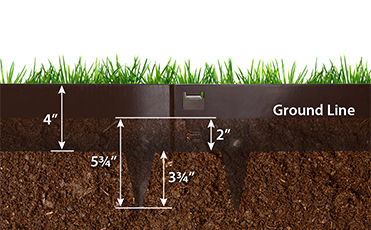
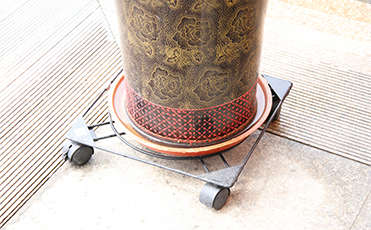
Portable fencing products also vary in their support structures. Some use weighted bases, while others rely on ground stakes, interlocking feet, or connecting clamps. The most appropriate system depends on the installation surface, expected wind exposure, and the level of impact or pressure the fence may experience.
For buyers comparing different products, it is important to distinguish between lightweight decorative barriers and heavy-duty security fencing. A temporary garden divider may not provide sufficient strength for a construction site, and a basic crowd-control barrier may not be suitable for containing animals. Product specifications should clearly describe the intended application, dimensions, materials, and installation requirements.
A well-chosen mobile fencing system provides convenience while helping users maintain an organized and controlled outdoor environment. For contractors, distributors, event companies, and property owners, its ability to adapt to changing conditions can make it a valuable alternative to fixed fencing.
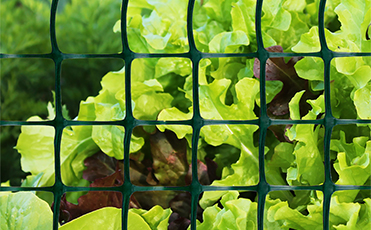
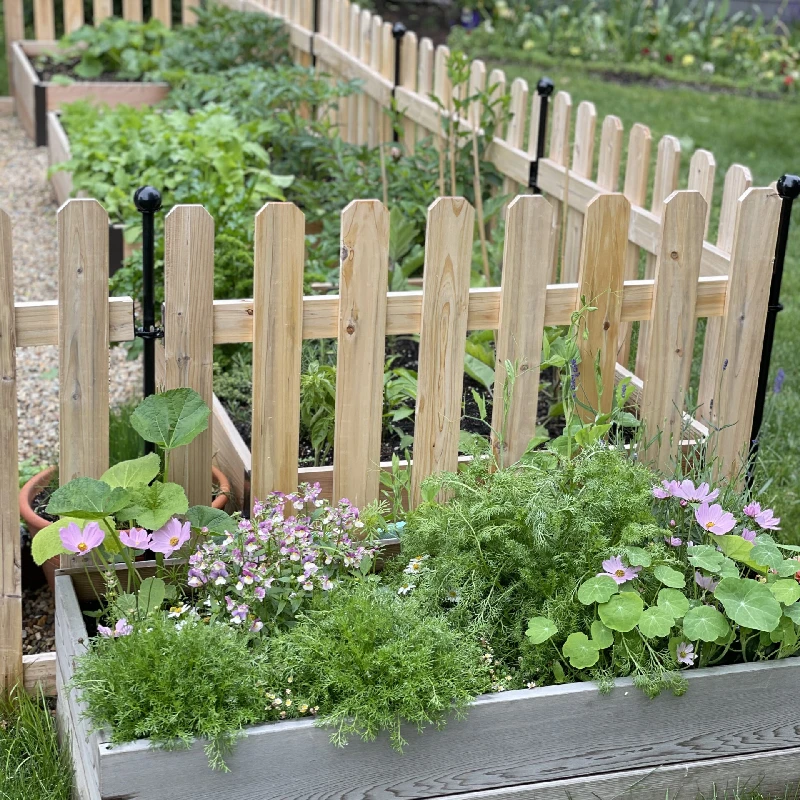
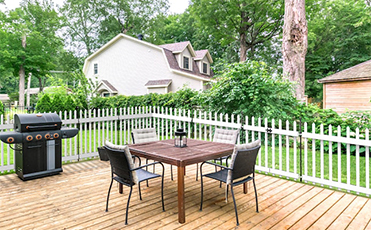
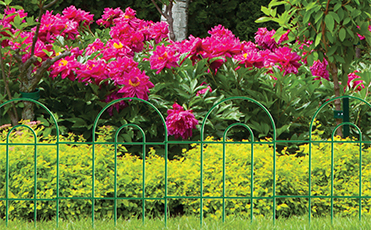
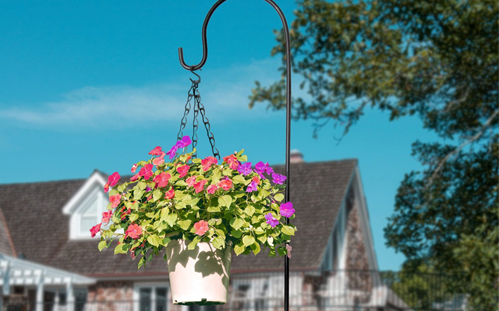
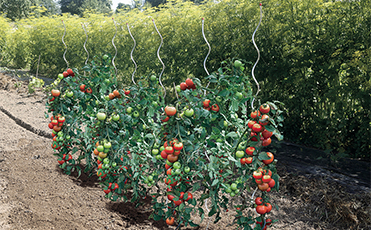
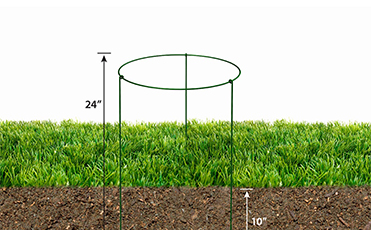
Gardens often require boundaries that can change as plants grow, landscaping projects progress, or outdoor activities shift throughout the year. Portable fencing for gardens offers a convenient way to divide outdoor areas without committing to a permanent structure. It can be used to define flower beds, separate vegetable gardens, organize planting areas, or establish temporary boundaries around newly landscaped spaces.
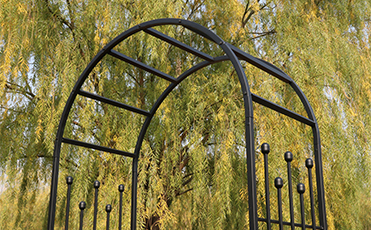
Garden fencing is available in metal, plastic, wood, and mesh designs. Metal panels may provide greater rigidity, while lightweight plastic options are easy to move and reposition. Decorative panels can complement outdoor furniture and landscaping, helping create an attractive garden layout as well as a functional boundary.
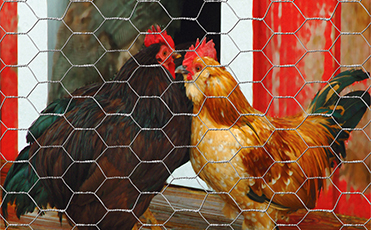
When selecting portable garden fencing, consider the height, panel width, base design, and installation surface. Short decorative barriers may be sufficient for separating flower beds, whereas larger enclosures may be needed for specific outdoor activities. If the fence is intended to discourage pets or wildlife from entering a planted area, the mesh spacing, overall height, and resistance to pushing or climbing should be considered carefully.
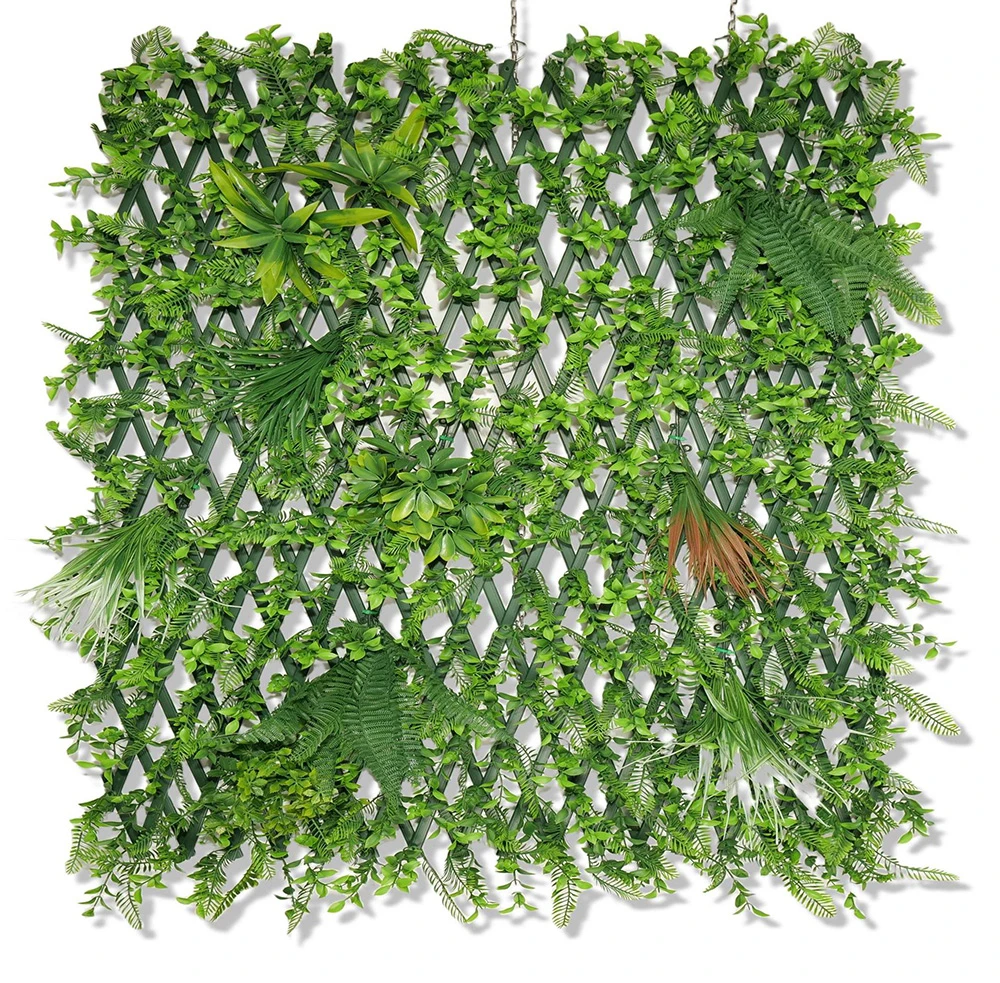
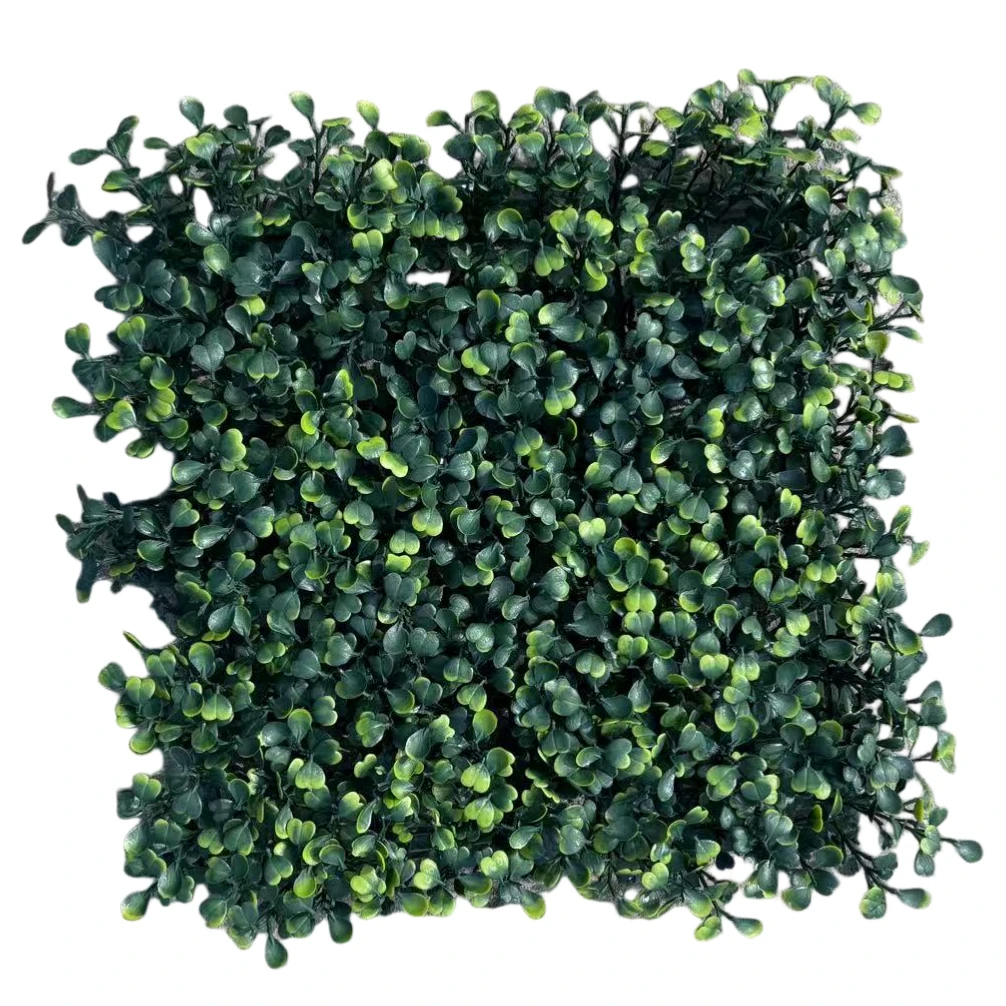
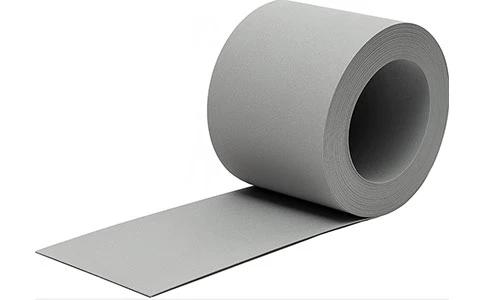
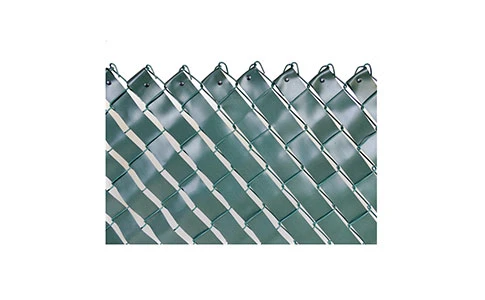
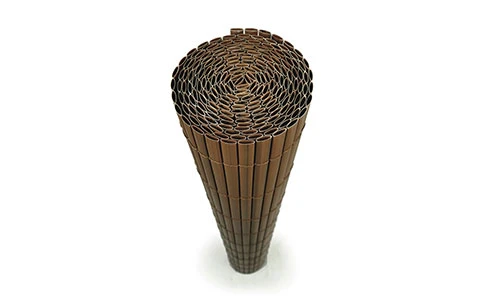
A mobiler Sichtschutzzaun serves a different purpose by helping reduce visibility between neighboring properties, patios, balconies, or outdoor seating areas. These products may use fabric screens, opaque panels, privacy mesh, or slatted materials. They can be particularly useful for renters, temporary outdoor events, and homeowners who want to create a more secluded environment without building a permanent wall.
Privacy fencing should be selected according to the desired balance between visibility, airflow, appearance, and stability. Solid panels can provide greater visual screening but may catch more wind than open mesh. In exposed locations, a secure support system and suitable anchoring are essential. Users should follow the manufacturer's instructions and avoid placing freestanding panels in conditions beyond their rated capabilities.
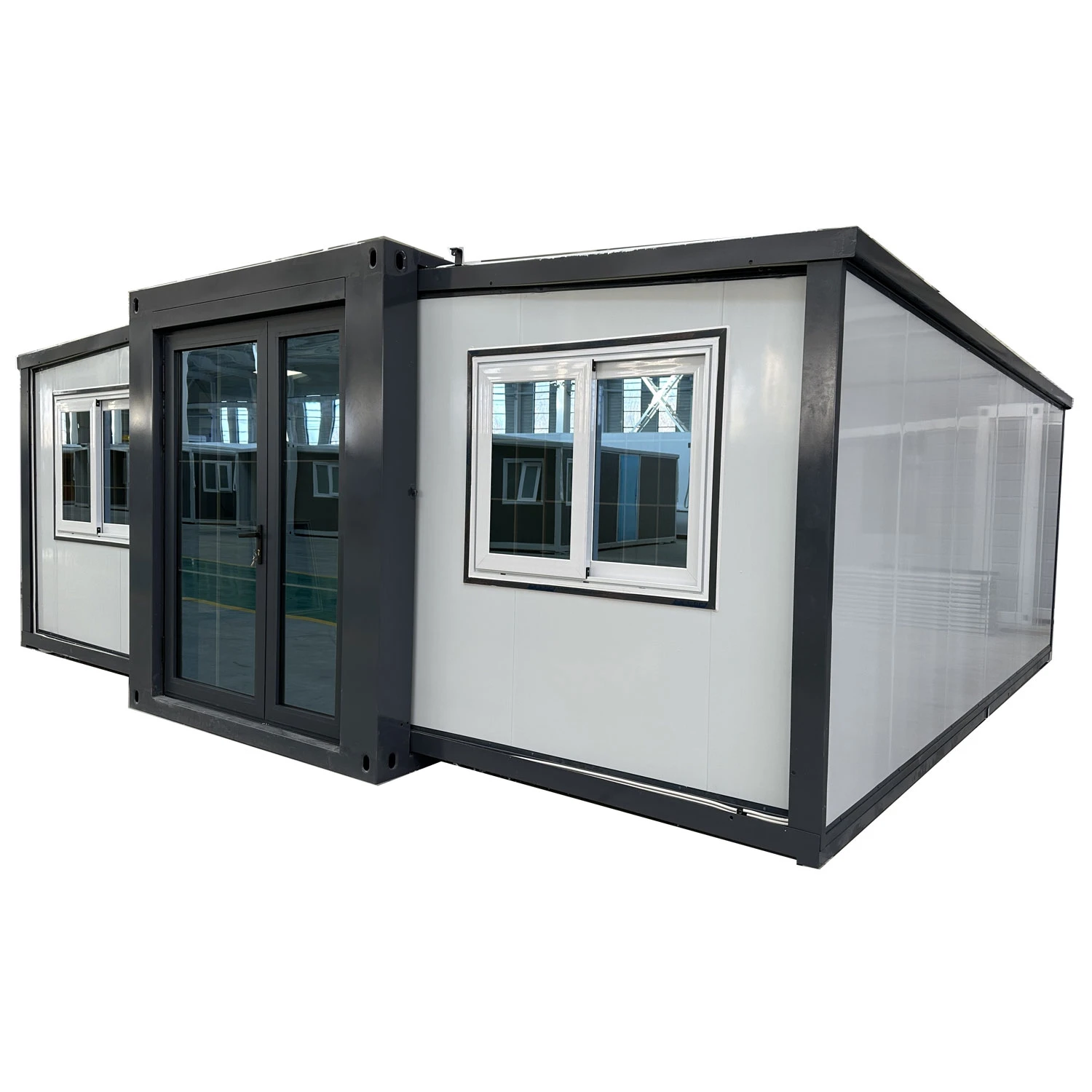
For residents of manufactured housing communities and other temporary or flexible residential environments, a mobile home fence can help define the boundary around a property, improve outdoor organization, and create a more private living area. Depending on local regulations and community rules, suitable options may include removable metal panels, modular vinyl sections, lightweight garden fencing, or freestanding privacy screens.
Before installing fencing around a mobile home, buyers should check applicable property restrictions, community requirements, and local regulations. They should also consider access for emergency services, maintenance, utilities, and shared pathways. A removable design can be especially convenient when residents relocate or need to adjust their outdoor layout.
Maintenance requirements vary by material. Metal fencing should be inspected for damaged coatings, loose connectors, and signs of corrosion. Fabric privacy screens may require cleaning and secure storage during severe weather. Plastic products should be checked for brittleness or cracking after prolonged exposure to sunlight.
For residential buyers, the best solution is not necessarily the tallest or strongest fence. It is the one that matches the intended function, fits the available space, remains stable under expected conditions, and can be maintained conveniently over time.
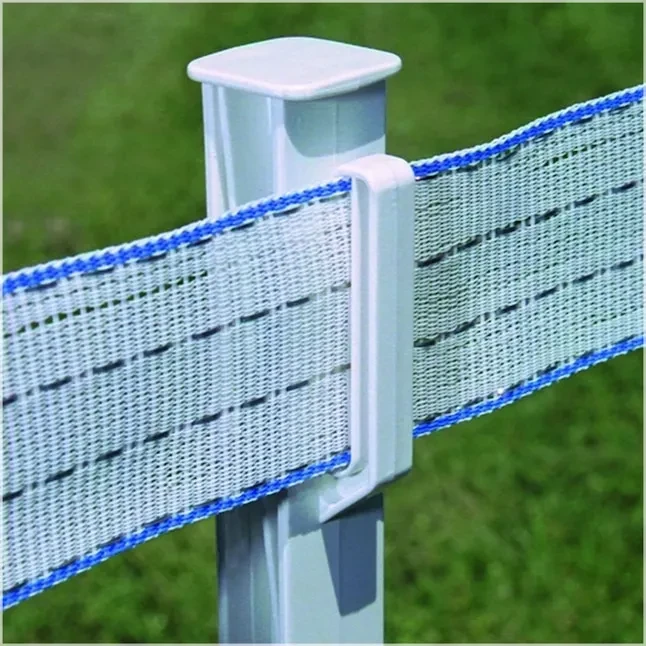
A mobiler Elektrozaun is a specialized fencing system designed to provide a controlled electrical pulse through conductive wires or tapes. It is commonly associated with agricultural applications, livestock management, and temporary animal enclosures. Unlike ordinary physical barriers, an electric fence relies on an energizer and a properly installed conductive system to deliver its intended deterrent effect.
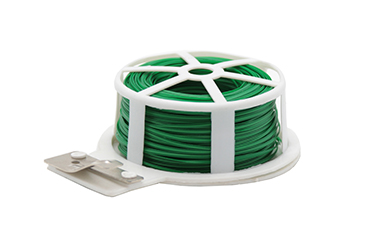
Mobile electric fencing can be useful when livestock grazing areas or temporary paddocks need to be changed regularly. Portable posts, reels, conductive tape, wire, and suitable energizers allow users to establish and relocate boundaries according to pasture conditions and animal-management requirements. Lightweight components can make installation more convenient, particularly on farms where fencing layouts change frequently.
However, electric fencing must be designed and installed according to the manufacturer's instructions and applicable regulations. The energizer, grounding arrangement, wire spacing, warning signs, and overall configuration should be appropriate for the intended animals and environment. Users should never assume that an ordinary metal fence can be converted into a safe electric fence simply by connecting it to an electrical source. Children, visitors, pets, and wildlife should also be considered when planning the installation.
For buyers, it is important to distinguish between portable electric livestock fencing and temporary physical security barriers. Each serves a different purpose and requires different components, installation practices, and safety precautions.
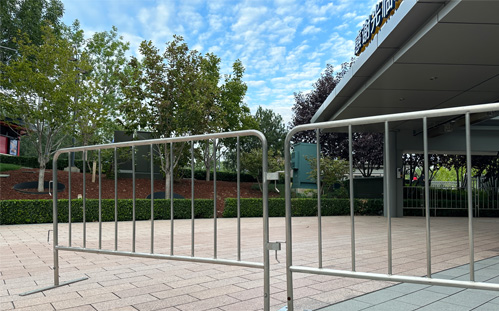
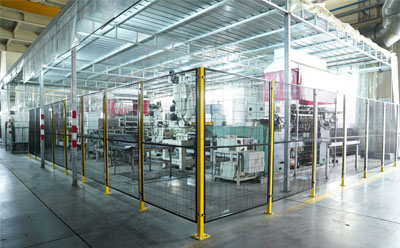
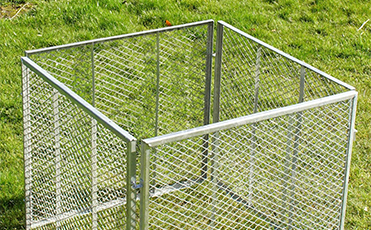
The broader concept of Mobile Zäune und Sicherheit includes movable barriers used to control access, protect work areas, manage crowds, and establish temporary property boundaries. Construction projects may require interconnected steel panels, anti-climb features, stabilizing feet, and compatible access gates. Event venues may prioritize rapid assembly, convenient transportation, and clear pedestrian routes. Commercial facilities may require systems that can be expanded as operations change.
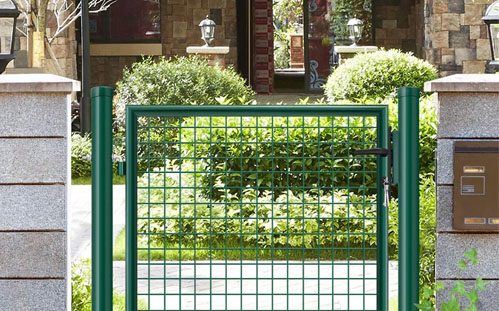
When evaluating a mobile security fence, buyers should examine panel strength, overall height, connection hardware, base stability, corrosion protection, and compatibility with gates or additional barriers. The installation surface and expected environmental conditions are equally important. A fence that performs well on a sheltered paved surface may require different anchoring arrangements in an exposed outdoor location.
The keyword Mobilzaun Mobil al may also appear in online searches associated with mobile fencing products or local suppliers in Mobile, Alabama. Buyers using this search phrase should confirm the supplier's actual service area, product availability, delivery options, and installation capabilities rather than relying on the search wording alone.
For wholesale buyers, contractors, and distributors, purchasing decisions should begin with a clear list of project requirements. Important factors include the total fence length, panel height, material, number of access gates, installation surface, expected reuse frequency, packaging, and transportation costs. Modular systems can be advantageous because compatible components allow users to expand or reconfigure the layout without replacing the entire fence.
Quality assurance is particularly important for large orders. Buyers may request product samples, technical specifications, assembly instructions, material details, and information about relevant testing or compliance standards. For security applications, product claims should be supported by appropriate evidence, and the fence should be selected according to the actual risk level.
In conclusion, mobile fencing provides flexible solutions for gardens, privacy, residential boundaries, agriculture, construction, and temporary security. Portable fencing for gardens helps organize outdoor spaces, a mobiler Sichtschutzzaun can improve screening, and mobile electric fencing supports specific agricultural applications when installed correctly. By assessing the intended use, choosing suitable materials, and prioritizing stability and safety, buyers can select a mobile fence system that offers practical performance and long-term value.



Copyright © 2026 Hebei Minmetals Co., Ltd. All Rights Reserved. Sitemap | Datenschutzrichtlinie | Menu