



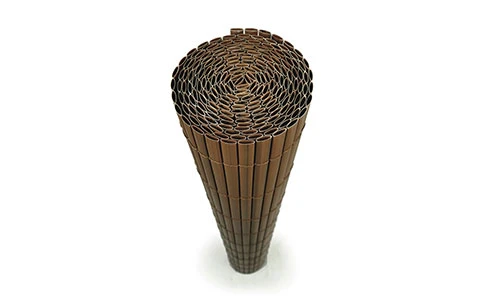

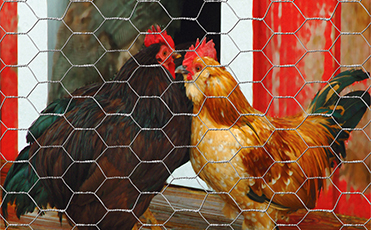
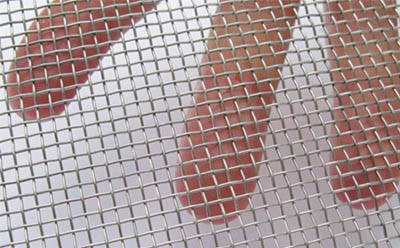
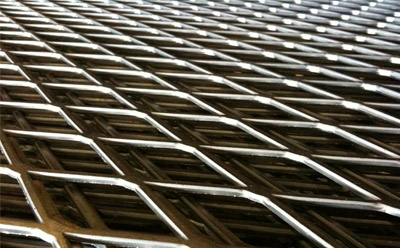

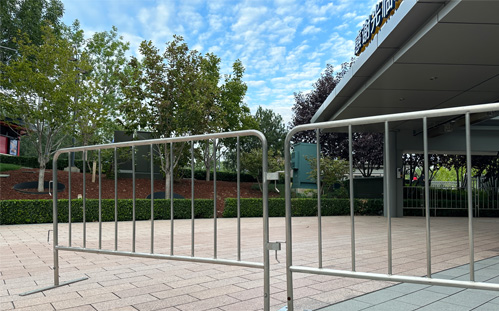
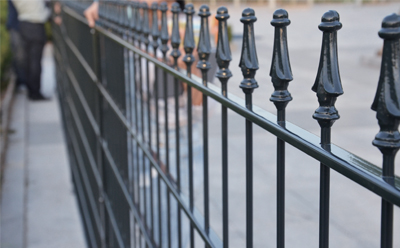
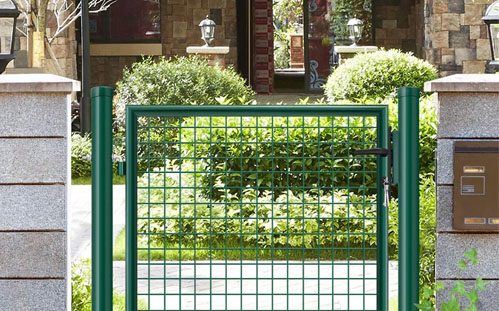
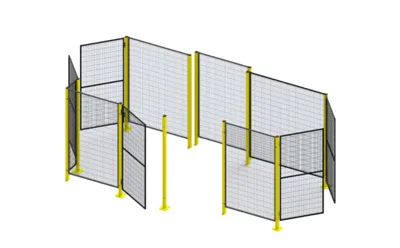














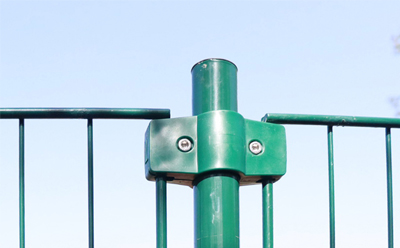
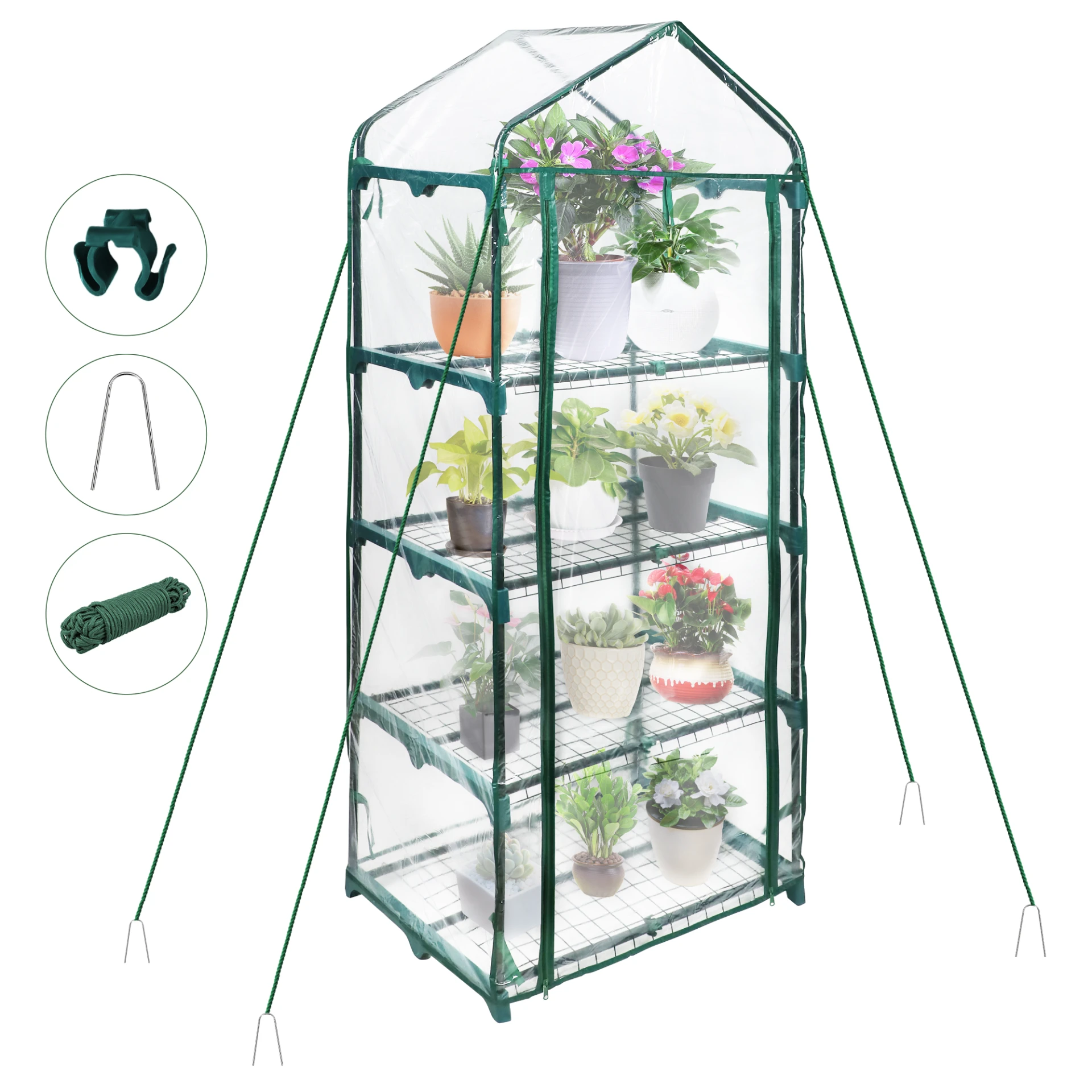
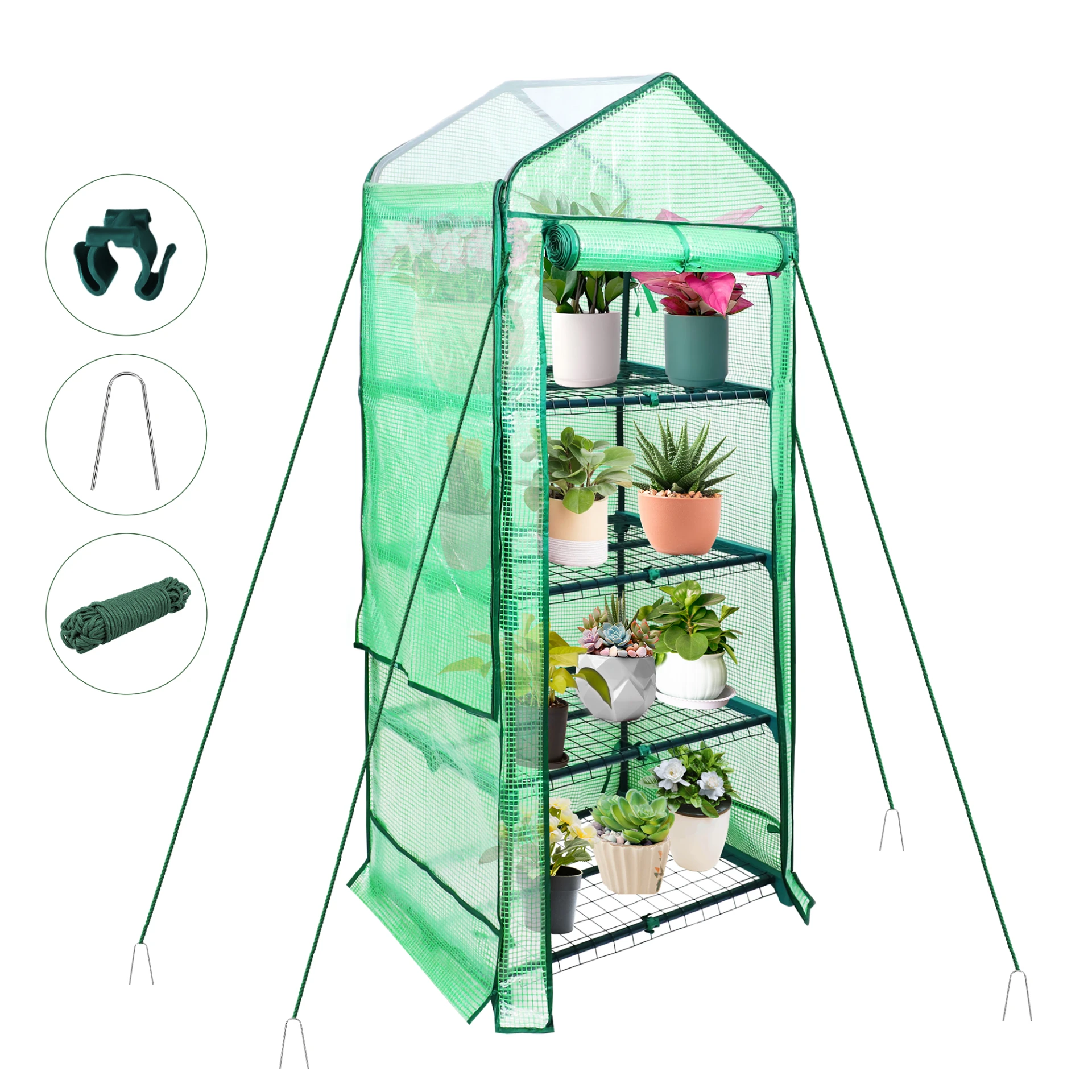
Plastic net is a widely used material in gardening, agriculture, construction, landscaping, and industrial applications. Manufactured from durable plastic materials such as polyethylene (PE) and polypropylene (PP), plastic net products offer lightweight construction, flexibility, corrosion resistance, and convenient installation. Compared with traditional metal mesh, plastic netting does not rust and can be manufactured in different colors, mesh sizes, thicknesses, and structural designs to meet various application requirements.
With the growing demand for practical and cost-effective mesh solutions, plastic net products have become popular among agricultural suppliers, garden equipment distributors, construction companies, and landscaping contractors. They can be used for plant support, garden fencing, animal protection, crop protection, screening, and temporary barriers.
From flexible garden netting to heavy-duty rigid mesh panels, different product specifications provide solutions for different environments. Understanding the material characteristics, product types, and application requirements can help buyers select the most suitable plastic mesh products for their projects.

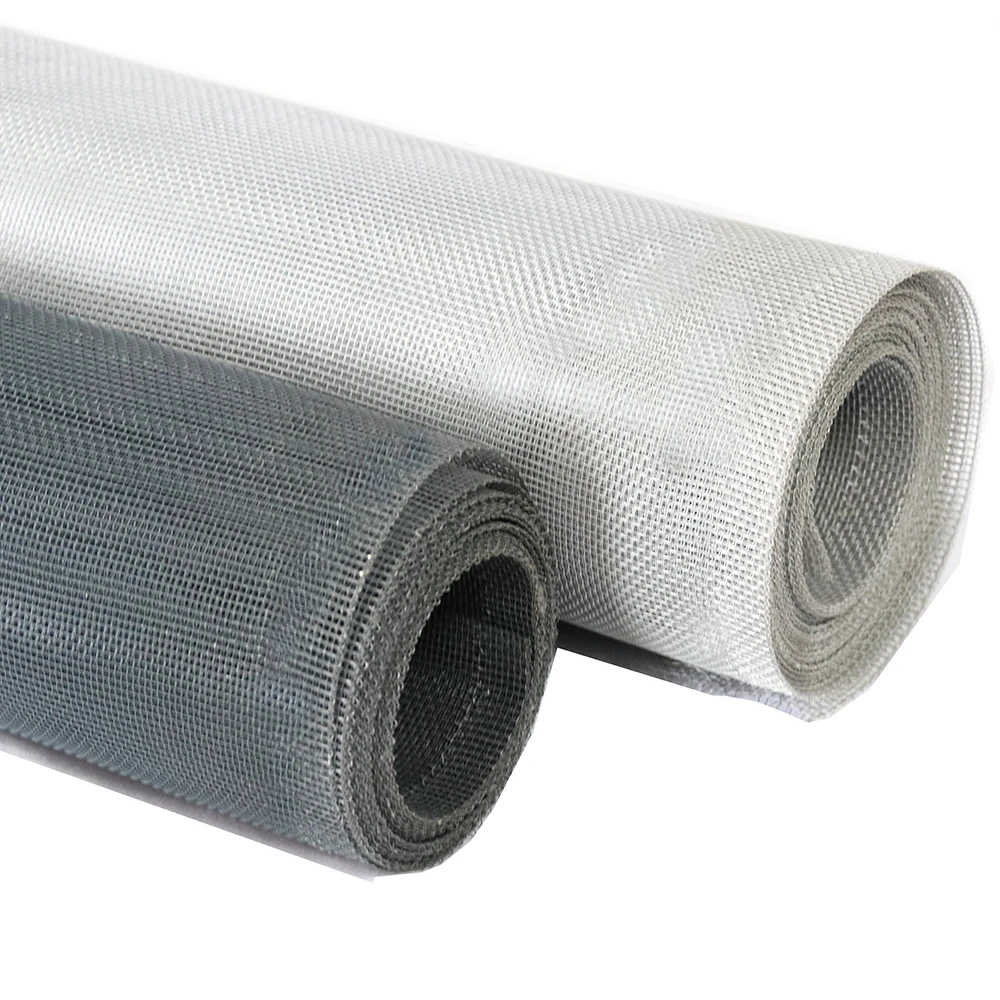
A red de plastico is a mesh material manufactured through extrusion, weaving, knitting, or other plastic processing methods. It features a grid-like structure with regularly spaced openings, allowing air and light to pass through while providing separation, protection, or support.
Common raw materials include high-density polyethylene (HDPE), low-density polyethylene (LDPE), and polypropylene (PP). Different materials provide different levels of flexibility, strength, UV resistance, and environmental performance.
One of the major advantages of malla de plastico is its lightweight structure. Compared with metal mesh, plastic mesh is generally easier to handle, transport, cut, and install. This makes it suitable for large-scale agricultural and landscaping projects where convenient installation is important.
Another advantage is corrosion resistance. Plastic materials do not rust when exposed to rain or moisture, making them suitable for outdoor applications. UV-stabilized formulations can also help improve resistance to sunlight and extend product service life in outdoor environments.
Key features of plastic net products include:
Lightweight and Flexible: Plastic mesh can be produced in flexible rolls or more rigid structures, making it suitable for different installation requirements.
Weather Resistance: Certain plastic materials offer good resistance to moisture, rain, and changing outdoor conditions. UV additives can improve performance under prolonged sunlight exposure.
Corrosion Resistance: Unlike conventional metal mesh, plastic netting does not rust, making it a practical choice for gardens, farms, and humid environments.
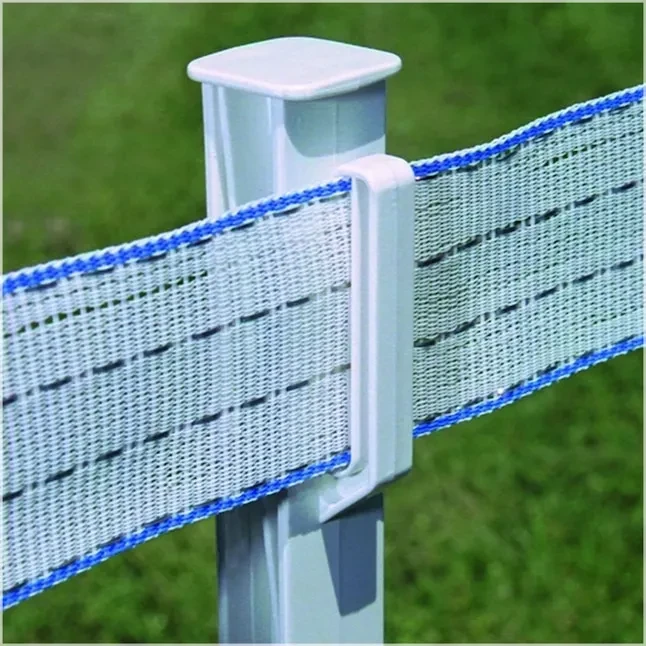
Easy Installation: Plastic mesh can be cut, connected, and secured using suitable clips, ties, or fixing accessories.
Multiple Specifications: Manufacturers can customize mesh openings, roll widths, thicknesses, colors, and product lengths according to customer requirements.
Cost-Effective Performance: Plastic mesh provides a practical alternative to certain traditional metal products, particularly in applications where lightweight construction and corrosion resistance are important.
These advantages make plastic mesh a versatile solution for both residential and commercial applications.
Plastic mesh products are available in various structures and specifications. Different designs are developed to meet the needs of gardening, agriculture, landscaping, and industrial projects.
Garden Mesh and Plastic Garden Netting
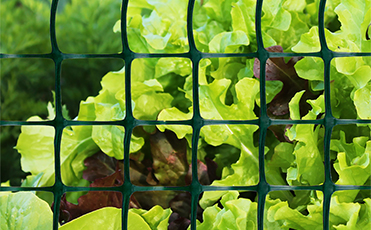
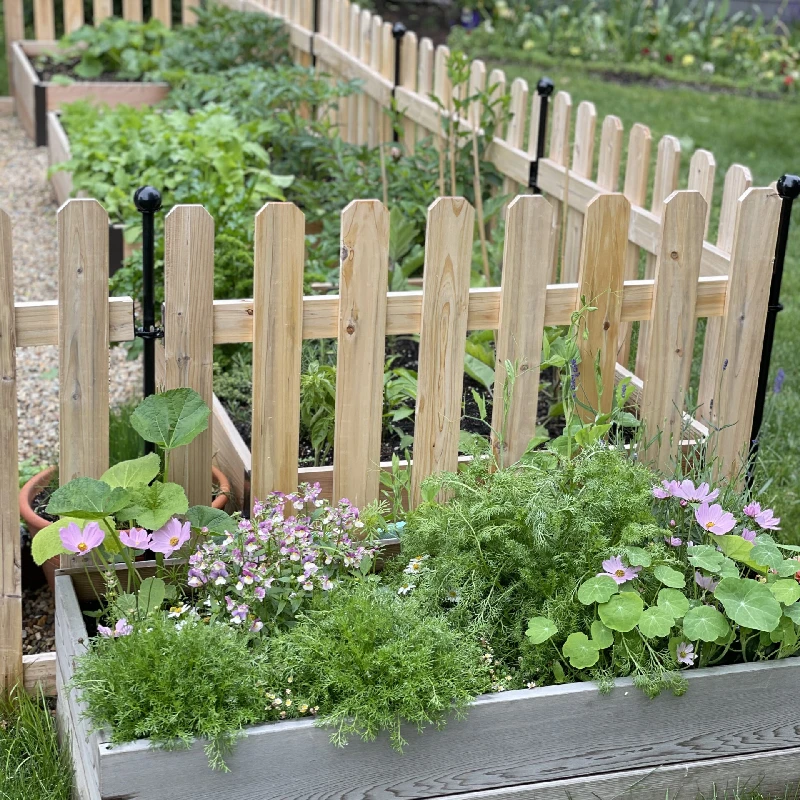
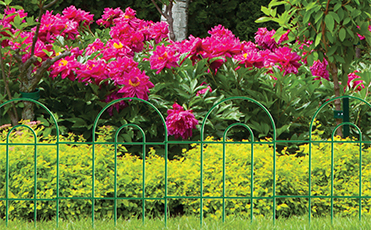
Garden mesh is commonly used to protect plants, separate garden areas, and provide support for climbing vegetation. It can be installed around vegetable gardens, flower beds, lawns, and planting areas.
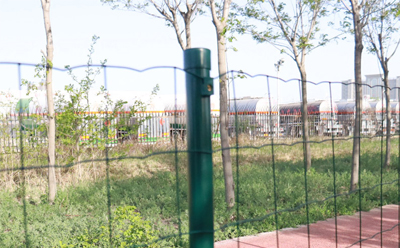
For gardeners and agricultural users, malla de plástico para jardín offers a lightweight and rust-resistant solution for creating boundaries and protecting growing areas. It can help prevent accidental damage from people and animals while allowing sunlight and airflow to reach plants.
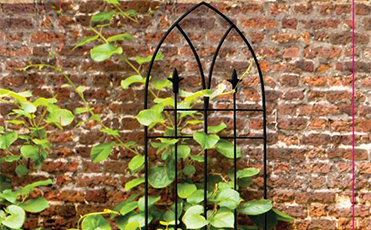
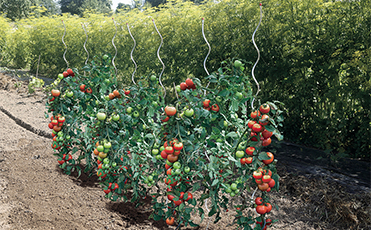
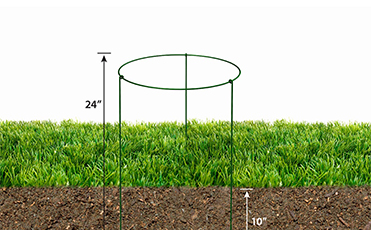
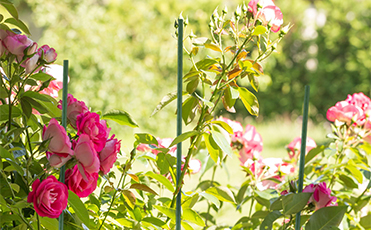
Plastic garden netting is also widely used for supporting climbing plants such as beans, peas, cucumbers, and other vine crops. Its open structure allows plants to grow through the mesh while providing support for stems and branches.
Además, garden mesh netting can be used for protecting seedlings, separating planting zones, and creating temporary garden barriers. Different mesh openings are available depending on the size of plants and the level of protection required.
Plastic Netting for Agricultural and Industrial Uses
Plastic netting is a broad category that includes flexible mesh rolls, extruded netting, and other plastic grid products. It can be used for crop protection, poultry separation, packaging, construction protection, and general industrial screening.
In agriculture, plastic netting can help protect crops from birds and other external disturbances when combined with an appropriate installation structure. It can also be used as a lightweight divider for animal enclosures and agricultural facilities.
For industrial applications, plastic netting can serve as a protective covering, temporary barrier, or separation material. Its flexibility and corrosion resistance make it suitable for environments where metal alternatives may require more maintenance.
Plastic Netting Mesh and Rigid Plastic Mesh
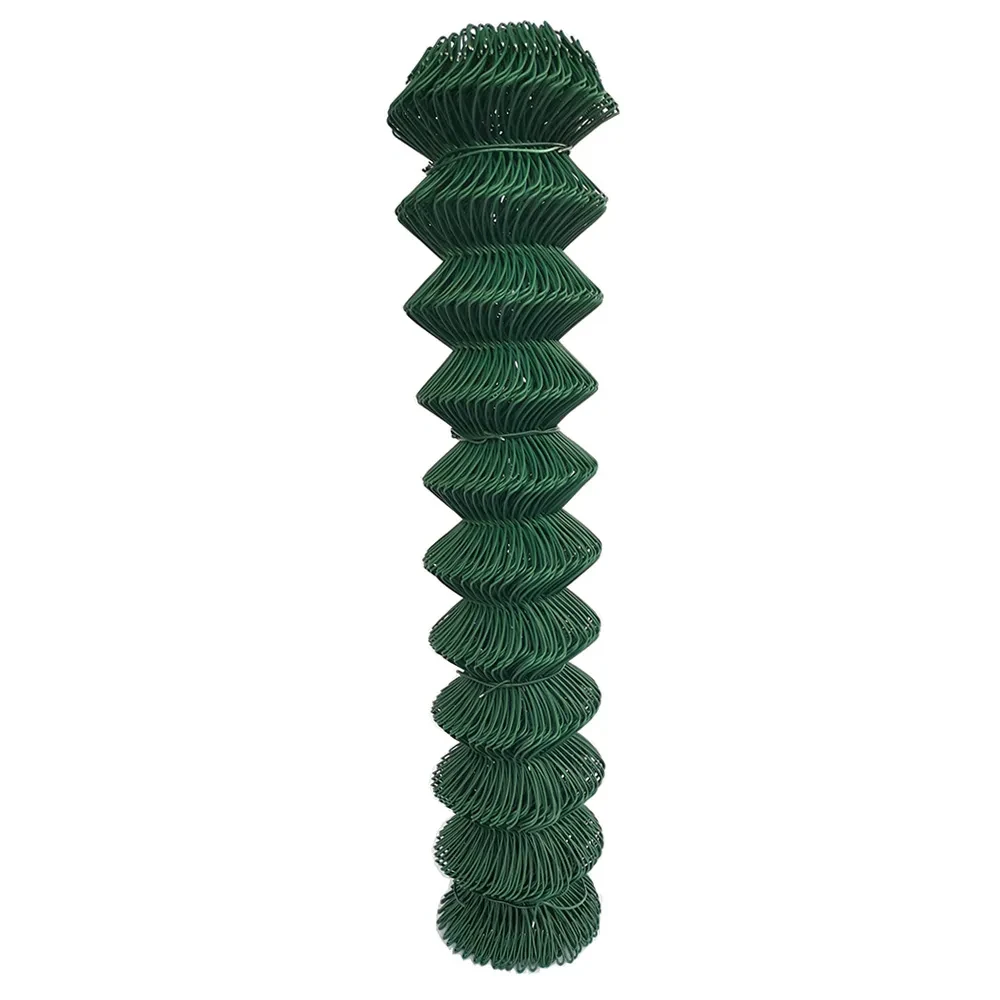
Plastic netting mesh is available in different manufacturing structures, including extruded mesh, woven mesh, and knitted mesh. Each type offers different flexibility and mechanical properties.
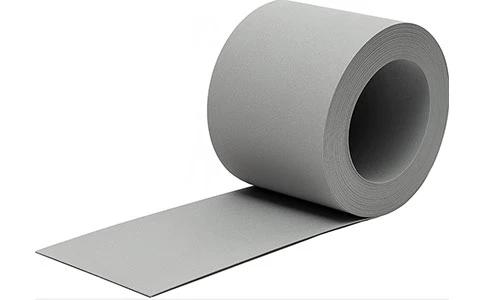
Flexible mesh is generally supplied in rolls and can be adapted to curved surfaces, garden boundaries, and temporary fencing applications.
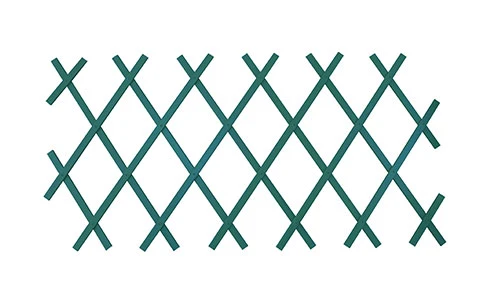
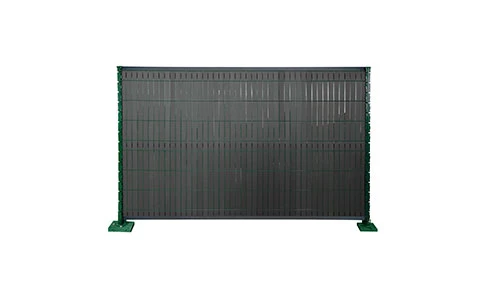
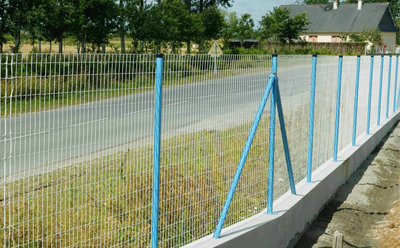
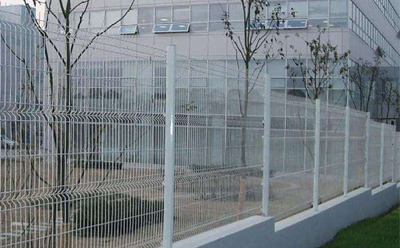
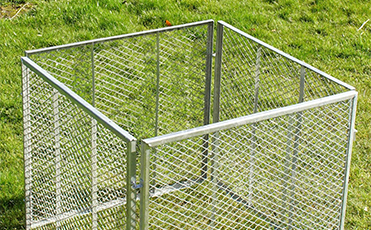
By comparison, rigid plastic mesh is designed to maintain a more stable shape. It is suitable for applications requiring a stronger structure, such as garden fencing, protective panels, ventilation barriers, and separation systems.
Rigid mesh products are often manufactured using thicker plastic strands and stronger grid structures. Depending on the raw material and manufacturing specifications, they can provide different levels of stiffness and impact resistance.
Plastic Wire Mesh and Black Plastic Mesh
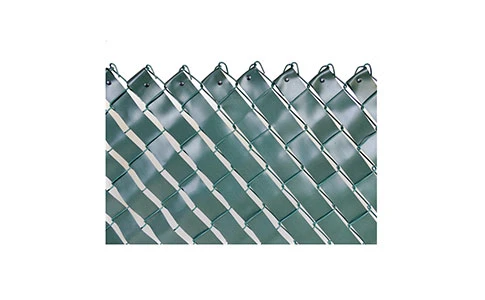
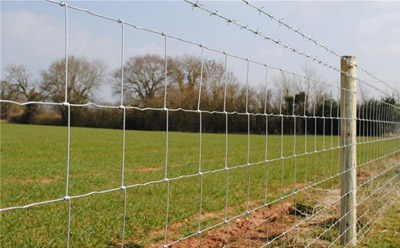
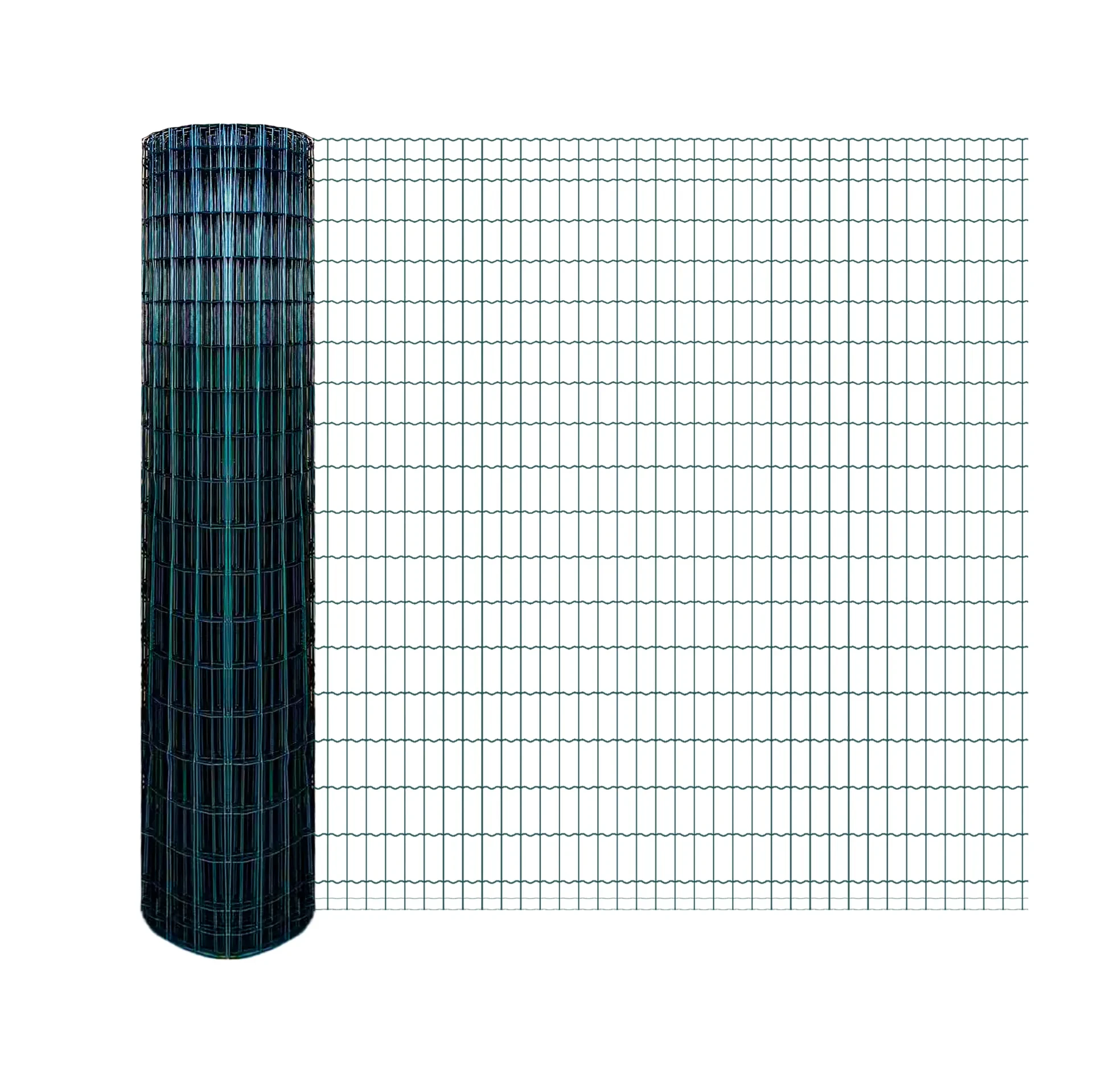
Plastic wire mesh refers to plastic mesh products designed to provide a grid-like structure similar to traditional wire mesh. Although manufactured from plastic rather than metal wire, these products can be used for lightweight fencing, screening, and garden protection.
Black plastic mesh is a popular option for outdoor applications because its dark color blends relatively well with surrounding landscaping and provides a less noticeable appearance. It is commonly used for garden fencing, plant protection, screening, and temporary barriers.
Black mesh can be manufactured in different mesh sizes, roll widths, and thicknesses. UV-resistant materials are recommended for products intended for long-term outdoor exposure.
Selecting suitable plastic mesh requires evaluating the intended application, material properties, mesh structure, and installation environment. For wholesalers, distributors, and project contractors, choosing the right specifications is essential for ensuring product performance and customer satisfaction.
Select the Appropriate Raw Material
HDPE is commonly used for outdoor plastic mesh because of its strength, moisture resistance, and flexibility. PP is another widely used material that offers a combination of lightweight construction and practical mechanical properties.
The choice of material should depend on the expected load, installation environment, and required service life.
Consider Mesh Opening Size
Mesh opening size directly affects the product's application. Smaller openings may be suitable for finer screening and protection, while larger openings are commonly used for plant support, fencing, and general separation.
For garden applications, buyers should consider the size of the plants, animals, or objects that need to be contained or protected.
Evaluate Thickness and Structural Strength
The thickness of the plastic strands and the overall mesh structure influence product strength and flexibility. Heavy-duty applications may require thicker strands and reinforced structures, while lightweight gardening applications may use more flexible mesh.
For rigid plastic mesh, buyers should pay particular attention to stiffness, grid stability, and impact resistance.
Check UV Resistance and Outdoor Durability
Plastic mesh used outdoors may be exposed to direct sunlight, rain, and temperature changes. UV-stabilized materials can help reduce degradation caused by prolonged sunlight exposure.
Buyers should confirm the UV resistance specifications and intended application conditions with the manufacturer.
Choose the Right Color and Dimensions
Plastic mesh is available in various colors, including black, green, white, and other customized options. Green mesh is often selected for garden and agricultural environments, while black mesh is popular for discreet landscaping and screening applications.
Roll width, length, mesh opening, and thickness can also be customized according to project requirements.
Work with a Reliable Manufacturer
For B2B buyers, supplier selection is an important part of the purchasing process. A reliable manufacturer should offer stable production quality, consistent specifications, customization services, and appropriate packaging solutions.
OEM and ODM services can help distributors develop plastic mesh products tailored to their target markets. Before placing bulk orders, buyers should evaluate product samples, material specifications, quality control procedures, and delivery capabilities.
In conclusion, plastic mesh is a versatile material that provides practical solutions for gardening, agriculture, landscaping, and industrial applications. Whether customers need flexible red de plastico, durable malla de plástico para jardín, or heavy-duty rigid plastic mesh, selecting the appropriate material, mesh structure, and specifications is essential. With its lightweight design, corrosion resistance, and flexible customization options, plastic net products continue to be a valuable choice for modern outdoor and industrial projects.

Permeable
Este es el primer artículo.



Copyright © 2026 Hebei Minmetals Co., Ltd. Reservados todos los derechos. Sitemap | política de privacidad | Menu