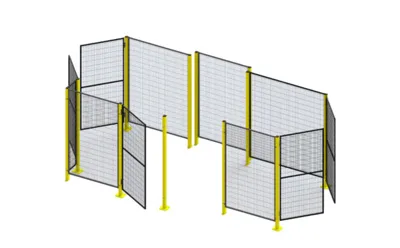
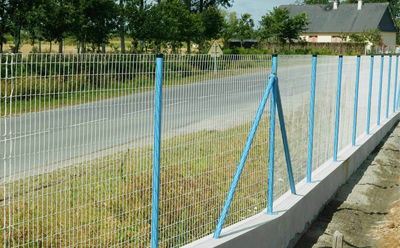
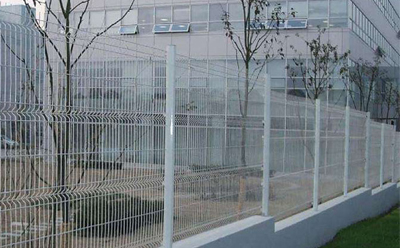
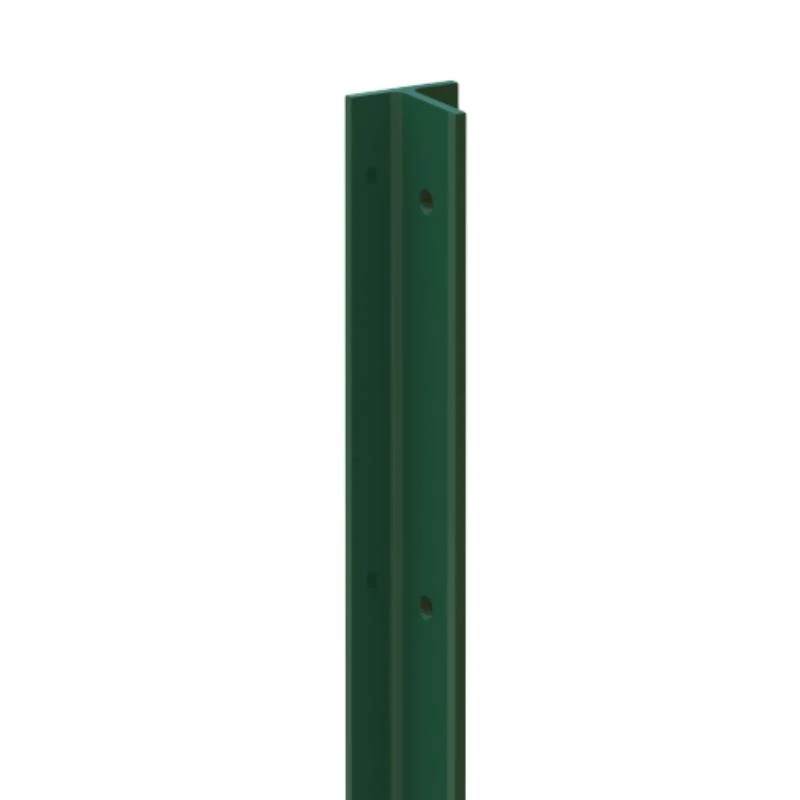
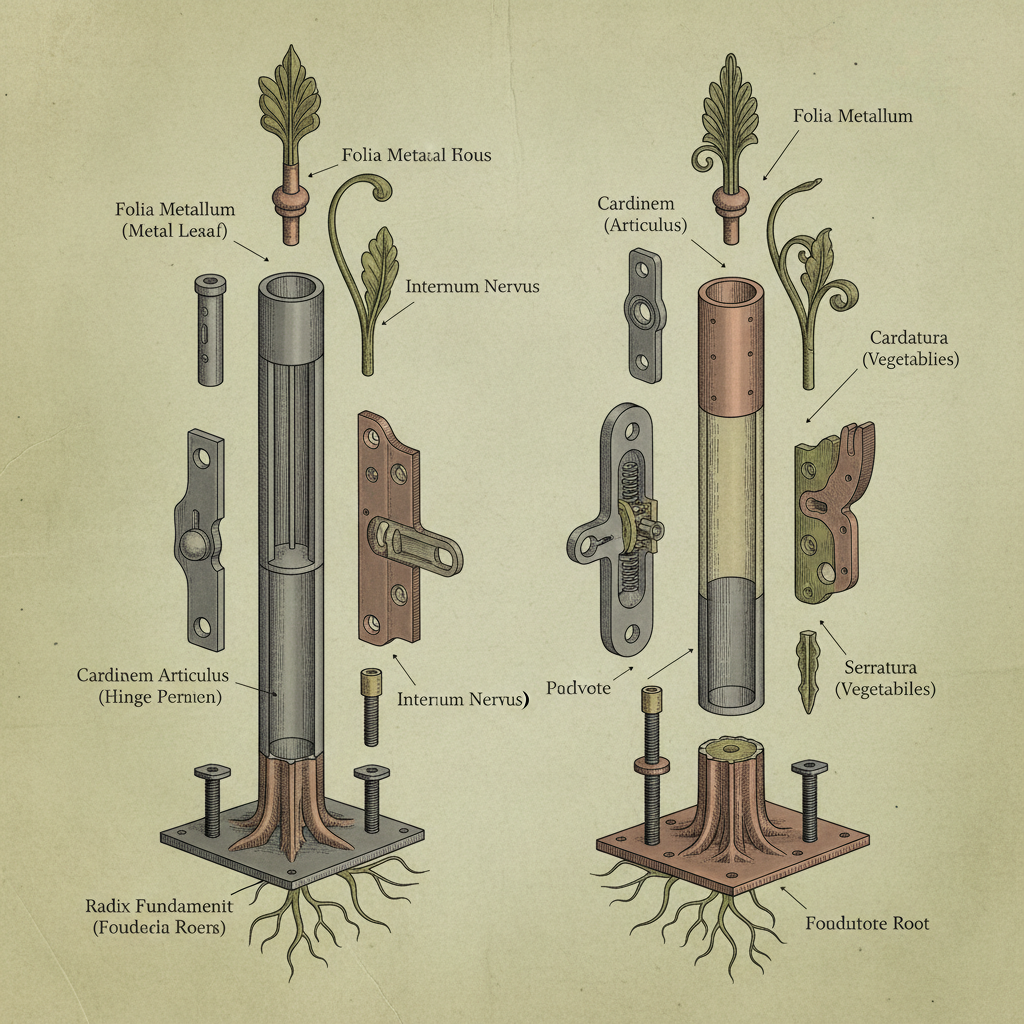
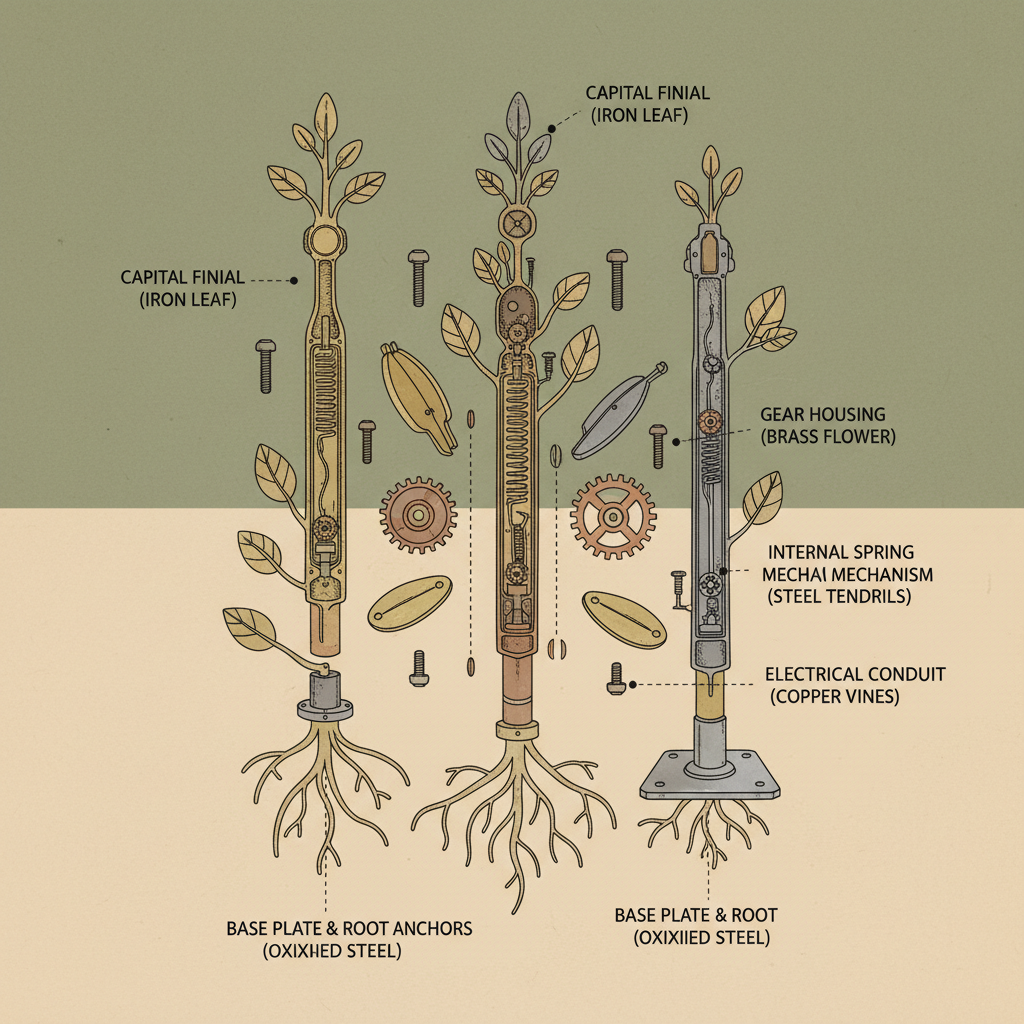
Look, these metal gate posts… they’ve been getting a lot of attention lately, haven’t they? Everybody’s chasing that ‘industrial chic’ look, and honestly, it's kinda tiring seeing the same flimsy stuff everywhere. People want something that feels solid, you know? Something that'll actually last longer than a season. It’s not just about aesthetics anymore; it's about security, and frankly, a little bit of peace of mind.
I’ve been seeing a lot of designs trying to get too clever, too fast. Fancy curves, intricate details… beautiful on the rendering, a nightmare on the fabrication floor. Have you noticed how often the simple stuff just works best? The ones that are easy to manufacture, easy to install? Those are the ones that actually get used. Too many architects are drawing things they've never actually seen built, I swear.
And let me tell you, the material choices… that's where it gets interesting.
The Current State of Metal Gate Posts
To be honest, the demand for durable, aesthetically pleasing metal gate posts is soaring. We’re seeing a move away from those cheap, imported aluminum things that bend if you look at them wrong. People are willing to pay a bit more for something that’s going to withstand the weather, and, more importantly, deter unwanted guests. It's a direct reflection of… well, the world just feeling a little less secure, I guess.
I encountered this a lot at a factory in Hebei province last time, folks are looking for serious security, not just decoration. There's a big push for larger diameter posts, heavier gauge steel, and more robust fixing systems. It's not just residential either – commercial properties, industrial estates, even farms are upgrading their perimeter security.
Design Pitfalls & Common Mistakes
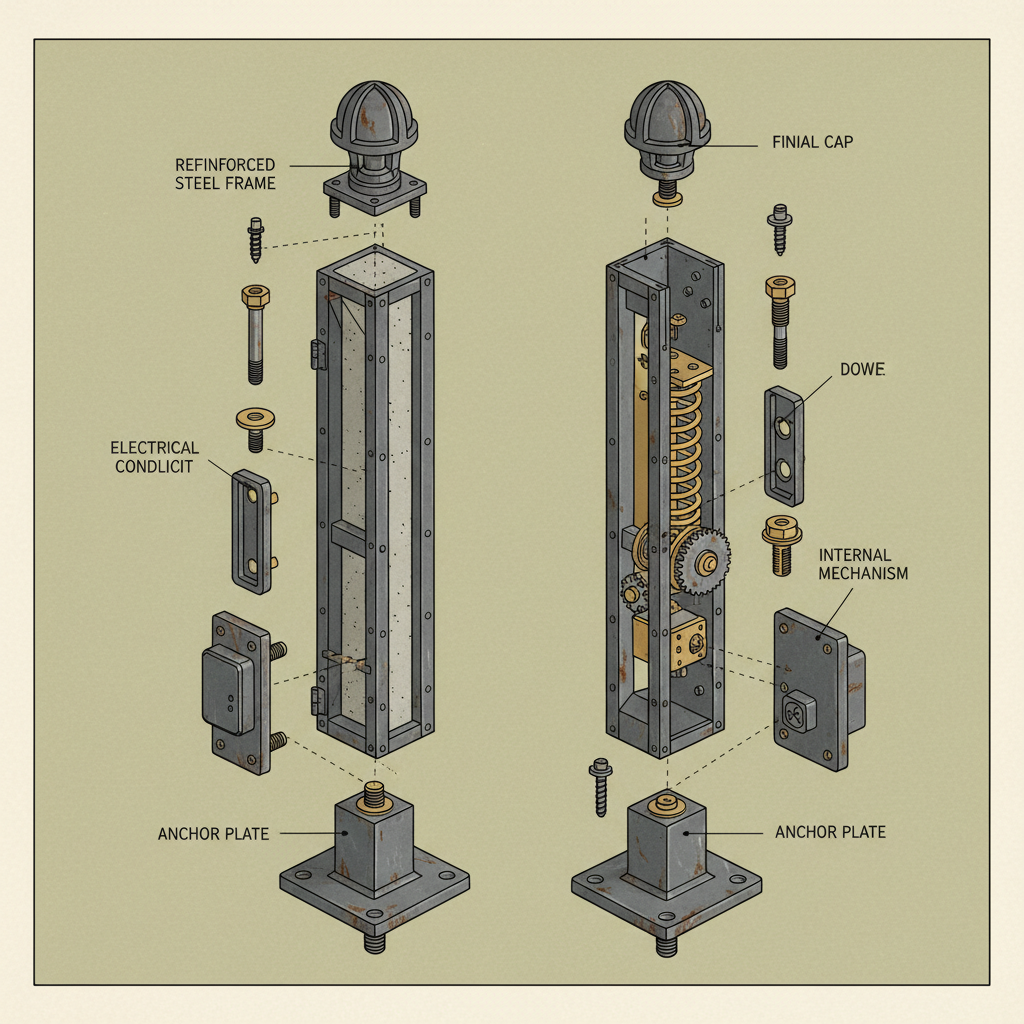
Strangely enough, the biggest problem I see is over-engineering. They try to make it too fancy. Complex bends, unnecessarily thick steel… it drives up the cost and makes installation a pain. Simplicity is key. A straight, strong post with a clean weld is far more reliable than something that looks like a piece of modern art. Also, forgetting about drainage! You’ve got to account for water runoff, otherwise you’ll end up with rust and corrosion. It’s the little things, you know?
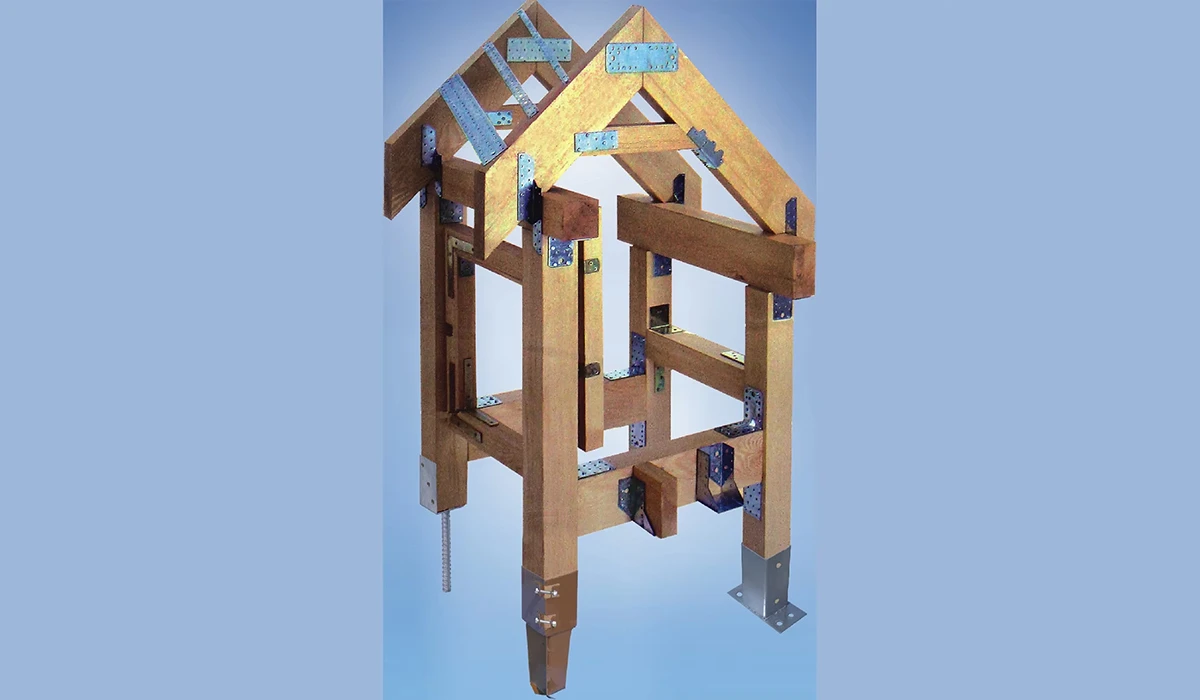
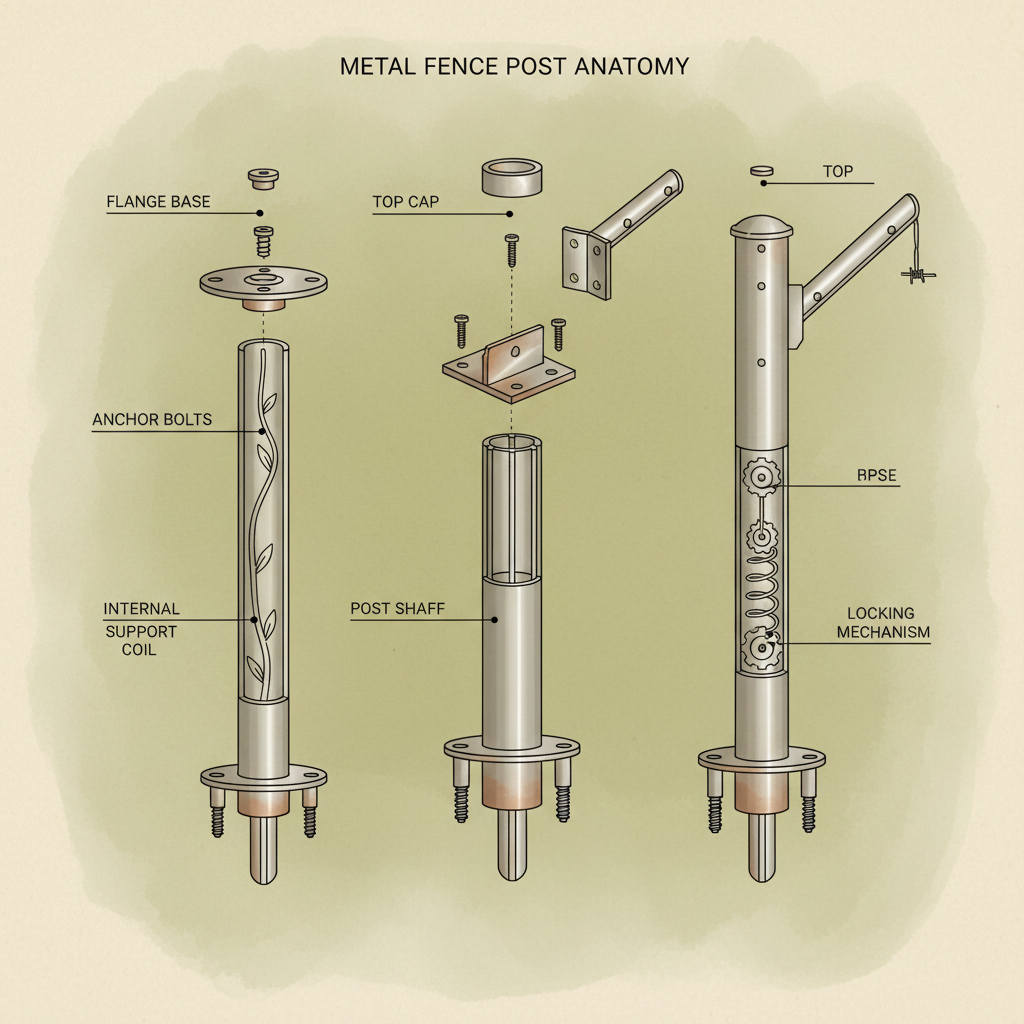
Another thing? Ignoring the fixing points. A beautiful gate post is useless if it’s not securely anchored. I’ve seen posts ripped right out of concrete because the foundations weren’t properly designed.
And people underestimate the importance of protective coatings. Just slapping on some paint isn't enough. You need a proper galvanizing process and a durable powder coat to really protect the steel from the elements.
Materials: A Hands-On Perspective
Okay, let’s talk materials. Mild steel is the workhorse, obviously. But the quality varies hugely. You can smell a bad batch a mile away - a weird metallic odor, inconsistent welding… It’s not a good sign. The better stuff, you can feel the density, the weight. It just feels right.
We’re seeing more stainless steel used, particularly for coastal areas or places with high humidity. It’s expensive, no denying that, but it’s worth it for the corrosion resistance. And strangely, galvanized steel is making a comeback. It's surprisingly durable, and the cost is manageable. But you have to be careful with the galvanizing process itself – a poor galvanization can actually weaken the steel.
And then there's the issue of powder coating. A good powder coat should be thick, even, and resistant to chipping and fading. I've seen some cheap stuff that flakes off after just a few months. It’s a false economy, honestly.
Real-World Testing & Quality Control
Forget the lab tests. I care about what happens when the truck delivers it to the site and the guys start wrestling with it. That’s the real test. We do a lot of on-site bend tests, pull tests, and corrosion resistance tests. We literally beat on the posts to see how they hold up! I know it sounds barbaric, but it’s effective.
We also check the welds meticulously. A weak weld is a disaster waiting to happen. We use dye penetrant testing to look for cracks and imperfections. It's tedious, but it’s critical. It’s also important to see how they stand up to different weather conditions. We’ve had posts exposed to salt spray, extreme heat, and freezing temperatures to see how they perform.
Metal Gate Posts Quality Control Metrics
How Users Actually Interact with Metal Gate Posts
This is where things get interesting. Architects envision these things as elegant features, but the reality is often… different. People lean on them. They tie things to them. They use them as makeshift bike racks. They scratch their backs on them. Seriously. I've seen it all.
And they’re often installed by guys who’ve never installed a gate post before. They don't read the instructions. They skip steps. They use the wrong tools. And then they wonder why the gate falls down a week later. Anyway, I think you have to design for the lowest common denominator.
Advantages, Disadvantages & the Reality Check
Look, metal gate posts are strong, durable, and relatively low-maintenance. That’s a big win. They can be customized to fit any style. But they’re also heavy, expensive, and susceptible to rust if they’re not properly protected. Honestly, the biggest disadvantage is the installation. It's not a DIY project. You need experienced professionals to do it right. It’s a trade-off, you know?
They’re also not exactly environmentally friendly. The production of steel is energy-intensive. But we’re seeing more and more recycled steel being used, which helps. And a well-built metal gate post will last for decades, which reduces the need for frequent replacements.
They can be prone to graffiti, but hey, what isn't these days?
Customization Options & a Customer Story
We do a lot of customization. Different heights, different widths, different finishes. Last month, this small boss in Shenzhen, who makes smart home devices, insisted on changing the interface to – said it was “future-proof.” It was a nightmare! It meant re-tooling everything, and honestly, it wasn’t worth it. He wanted something different just to stand out. Later… forget it, I won’t mention it.
But more often, it’s about matching the existing aesthetic of a property. We’ve done posts with custom scrollwork, laser-cut designs, and even integrated lighting. The possibilities are endless, as long as it’s structurally sound.
We can also adjust the post spacing to accommodate different gate widths and styles. It’s all about understanding the customer’s needs and delivering a product that meets their expectations.
Analysis of Common Customization Requirements for Metal Gate Posts
| Customization Type |
Complexity (1-5) |
Cost Impact (1-5) |
Lead Time (Days) |
| Height Adjustment |
1 |
1 |
3 |
| Color Change (Powder Coating) |
1 |
2 |
5 |
| Scrollwork Integration |
4 |
4 |
14 |
| Laser-Cut Designs |
3 |
3 |
10 |
| Integrated Lighting |
5 |
5 |
21 |
| Custom Post Cap Design |
2 |
2 |
7 |
FAQS
With proper galvanizing, powder coating, and a solid foundation, a well-built metal gate post should easily last 25-50 years, even in harsh environments. We’ve seen some older installations still standing strong after 60 years! The key is preventing corrosion and ensuring the foundation remains stable.
Absolutely. Steel will rust if exposed to moisture and oxygen. However, rust can be effectively prevented through galvanizing (a zinc coating) and a high-quality powder coating. Regular inspection and touch-up painting are also crucial, especially in coastal areas or regions with heavy rainfall. Ignoring maintenance is a quick path to corrosion.
The foundation depends on soil type and gate size. Generally, concrete footings are the most reliable. The depth and diameter of the footing should be determined by a structural engineer, considering factors like wind load and gate weight. A poorly designed foundation is a guaranteed failure point.
Yes, absolutely! We offer a wide range of customization options, including scrollwork, laser-cut designs, and custom post caps. We can also match specific colors and finishes to complement the surrounding architecture. The only limit is your imagination – and the laws of physics, of course!
Lead times vary depending on the complexity of the design and our current workload. Simple customizations, like color changes, can be completed in 5-7 days. More intricate designs, like scrollwork or laser-cut patterns, can take 2-4 weeks. It's always best to plan ahead, especially during peak season.
Professional installation is highly recommended. It involves correctly setting the foundation, ensuring proper alignment, and securely attaching the gate post to the foundation. It’s also important to consider drainage to prevent water accumulation and corrosion. Don't skimp on this part – a botched installation will lead to headaches down the road.
Conclusion
Ultimately, metal gate posts are a deceptively simple product. They need to be strong, durable, and aesthetically pleasing. And they need to be installed correctly. There's a lot more to it than just sticking a post in the ground. It’s about understanding the materials, the fabrication process, and the real-world conditions they’ll be exposed to.
Whether this thing works or not, the worker will know the moment he tightens the screw. So, do it right. Invest in quality materials, hire experienced installers, and don’t cut corners. Your peace of mind – and your security – depend on it. Visit our website for more information and to request a quote: www.hebeimetals.com