





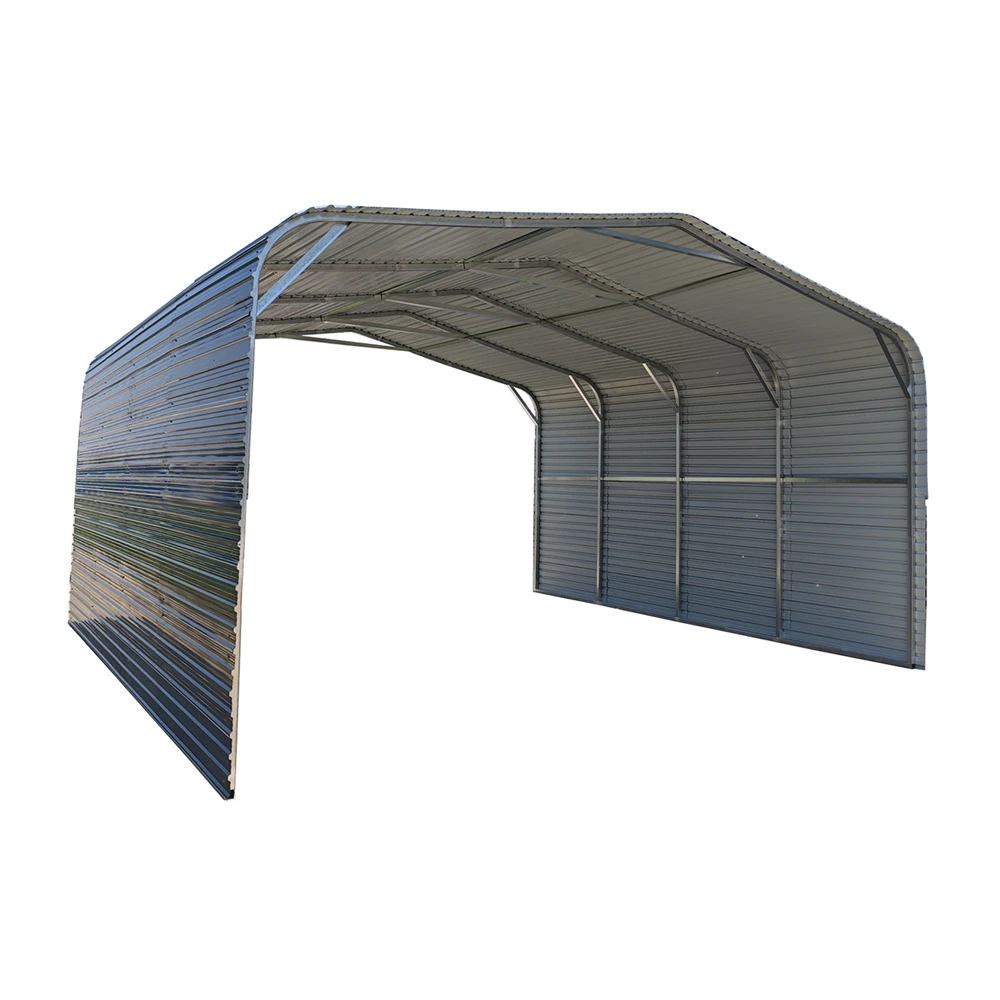
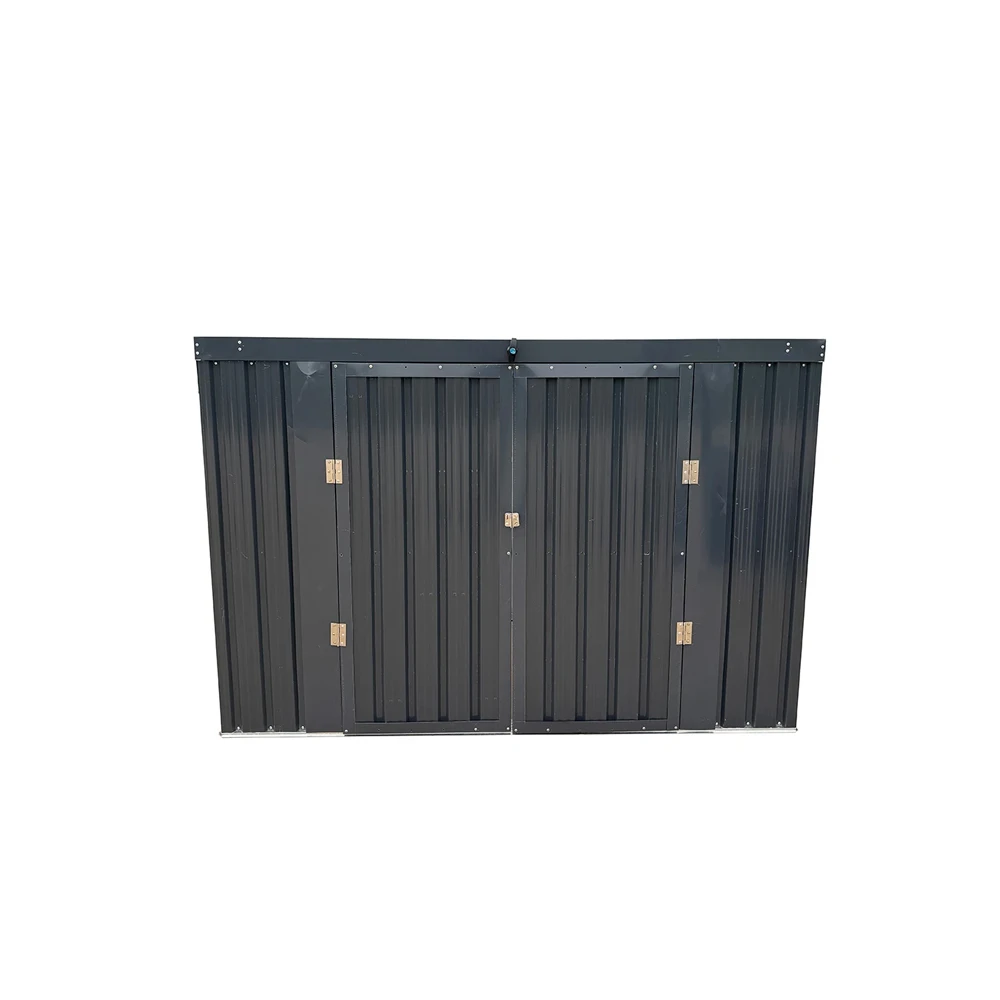
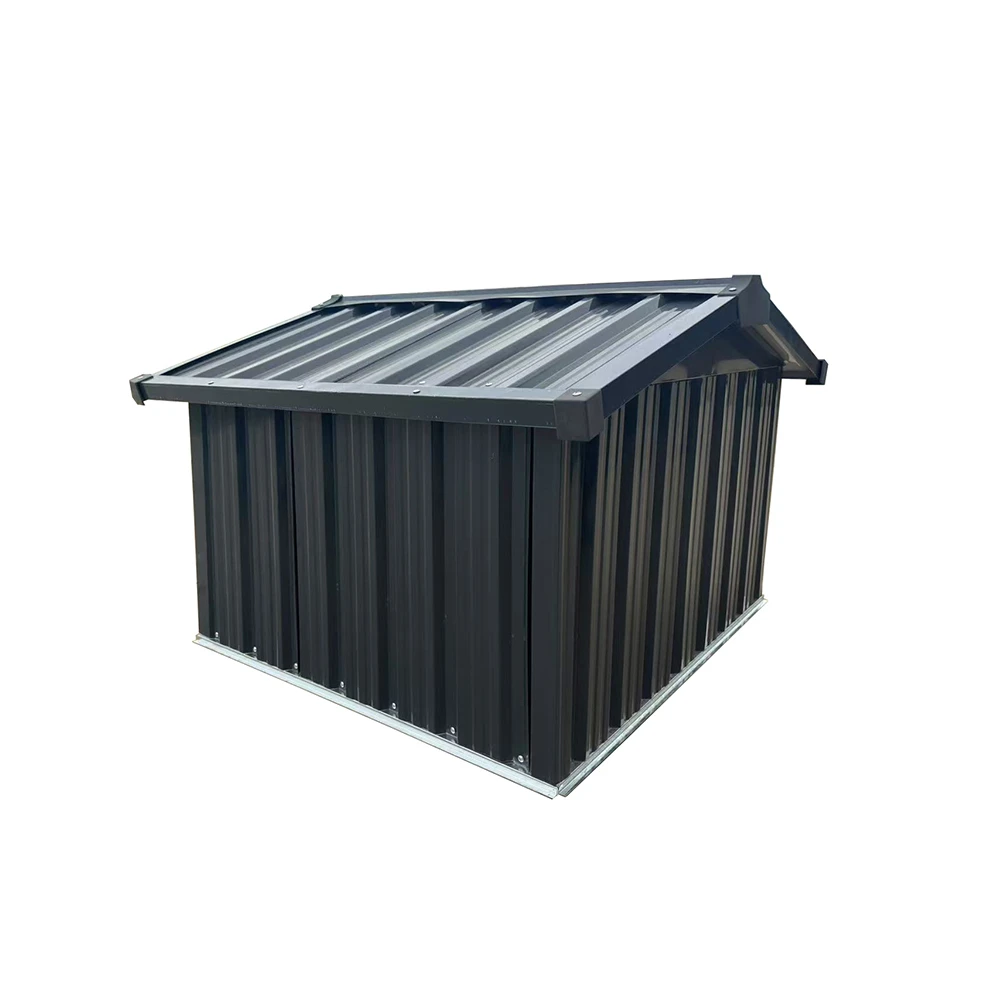
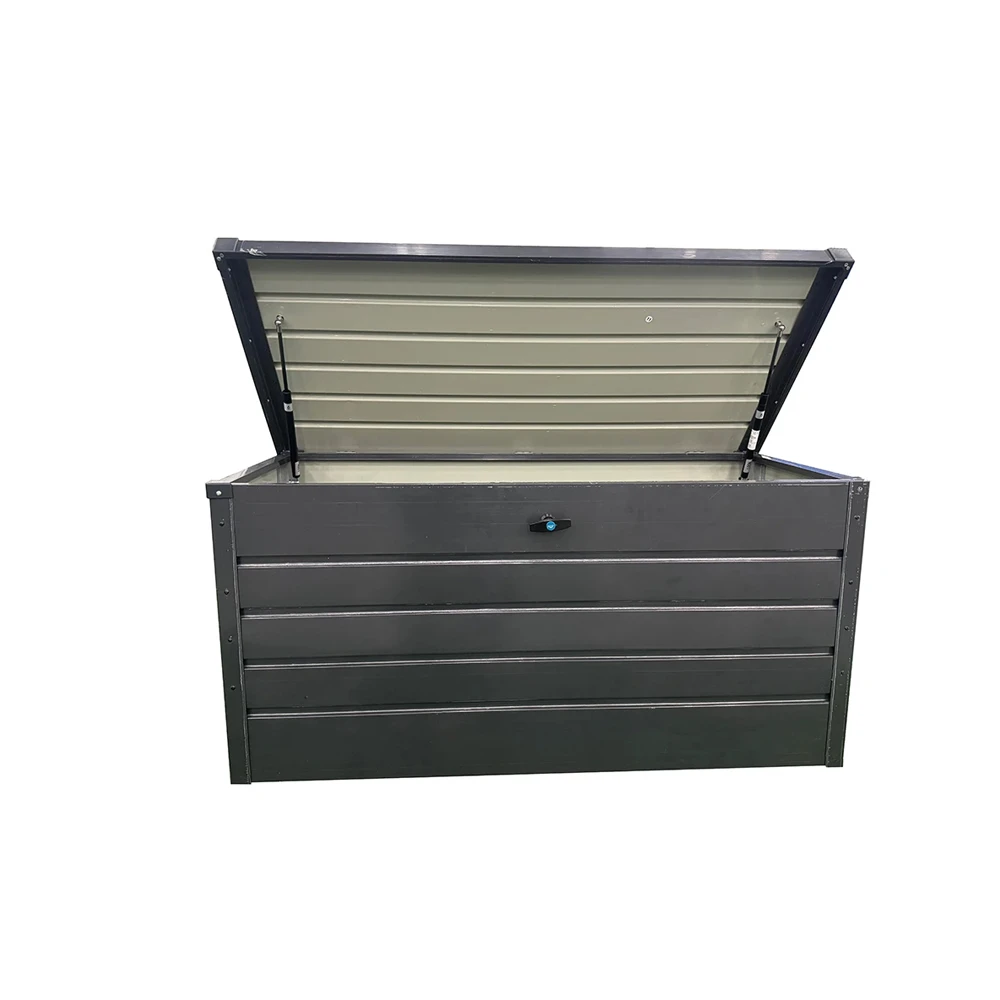














Metal mesh panels and sheets are widely used in construction, industrial manufacturing, agriculture, security fencing, and architectural projects. Manufactured from different metals and available in a variety of mesh patterns, wire diameters, and panel dimensions, these products provide practical solutions for ventilation, filtration, reinforcement, separation, and protection. Depending on the application, buyers can choose from copper mesh, galvanized steel mesh, aluminum mesh, and welded wire mesh to meet specific performance and installation requirements.
As demand for durable and versatile metal products continues to grow, selecting the right mesh material has become increasingly important for contractors, manufacturers, wholesalers, and project managers. Factors such as corrosion resistance, mechanical strength, weight, opening size, surface treatment, and fabrication method can significantly influence product performance.
For example, copper mesh offers excellent electrical conductivity and distinctive appearance, while galvanized steel mesh is valued for its strength and protective zinc coating. Aluminum mesh provides a lightweight alternative for applications where ease of handling is important. Welded wire mesh panels, meanwhile, are widely used in fencing, protective barriers, equipment enclosures, and industrial structures.
Understanding the characteristics of different metal mesh products helps buyers make informed decisions and select suitable materials for their projects.

Metal mesh products are available in numerous materials and configurations, each offering specific advantages. The choice depends on the intended use, environmental conditions, required strength, and desired appearance.
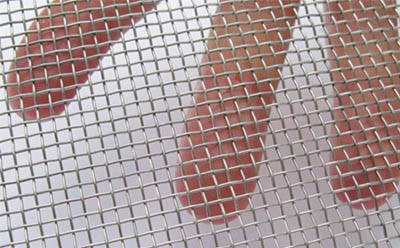
A copper mesh sheet is a versatile material known for its electrical conductivity, thermal conductivity, and corrosion resistance in many environments. Copper mesh is commonly used in electrical applications, shielding, filtration, decorative projects, and specialized industrial processes. Its flexibility makes it suitable for applications requiring cutting, shaping, or forming into different configurations.
Copper mesh is available in different wire diameters, opening sizes, and sheet dimensions. Fine mesh may be suitable for filtration or screening, while larger openings can be used in protective barriers and decorative installations. When selecting a copper mesh sheet, buyers should consider conductivity requirements, environmental exposure, and compatibility with adjacent materials.
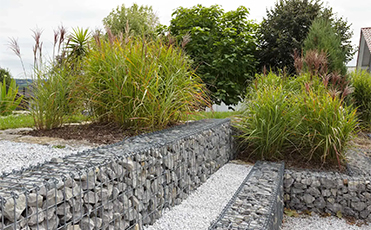
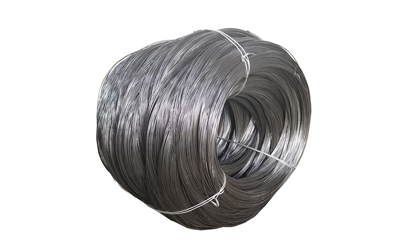
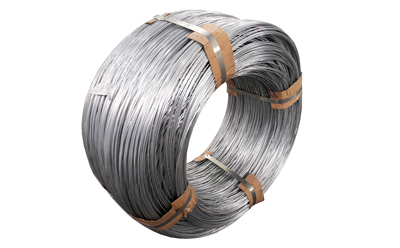
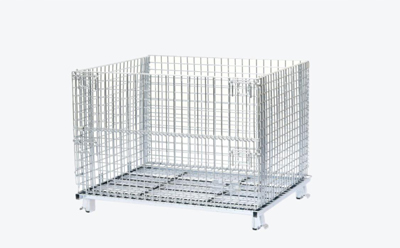
Steel mesh is another important category. Galvanized steel mesh panels are manufactured from steel wire protected by a zinc coating, which helps reduce corrosion and extends service life under suitable conditions. These panels are commonly used in construction, fencing, storage systems, agricultural enclosures, and industrial barriers.
The zinc coating provides an additional protective layer against environmental exposure. However, the level of corrosion resistance depends on coating thickness, manufacturing quality, installation conditions, and maintenance practices. For demanding outdoor environments, buyers should verify the coating specifications before purchasing.
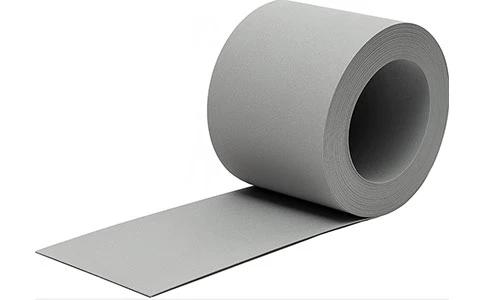
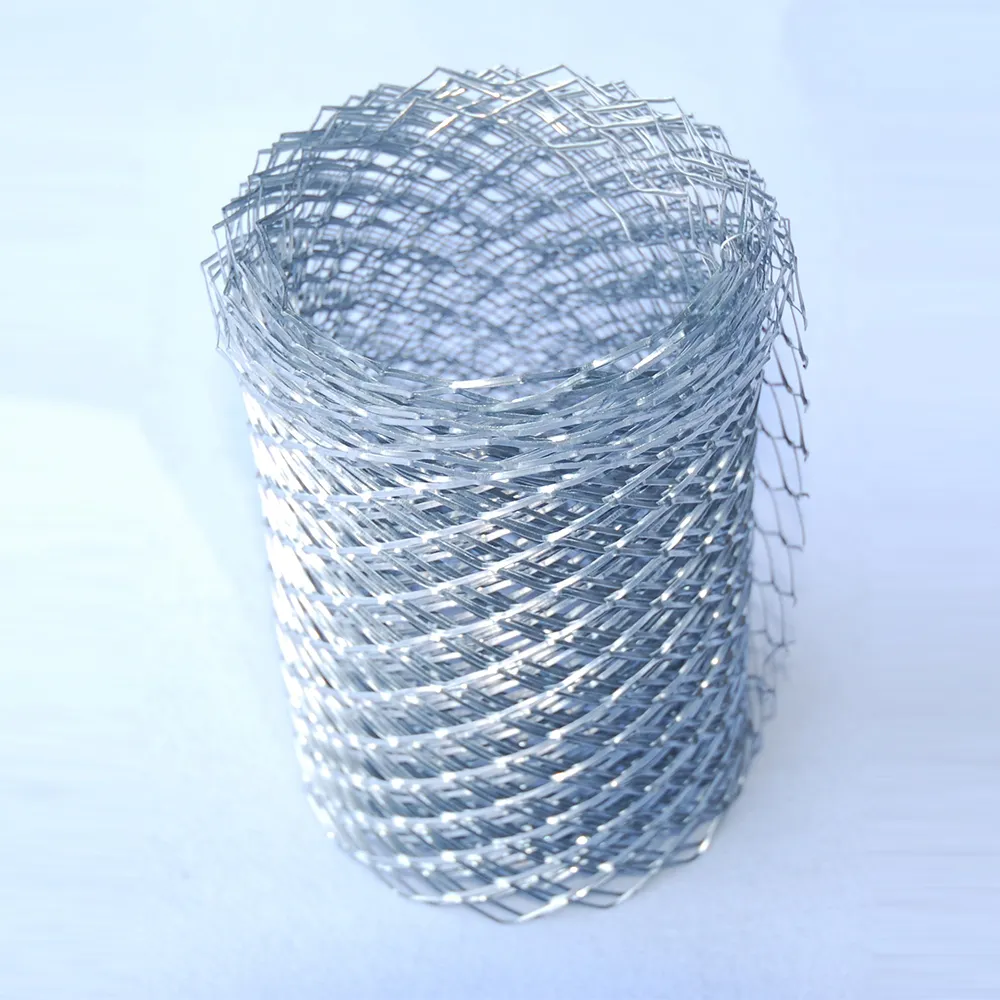
Similarly, hojas de malla de acero galvanizado are widely used in projects requiring practical strength and corrosion protection. The term "galvanised" is commonly used in British English, while "galvanized" is the standard American English spelling. Both terms refer to steel products protected with a zinc coating.
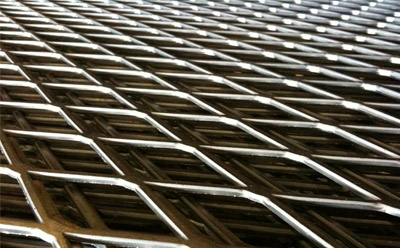
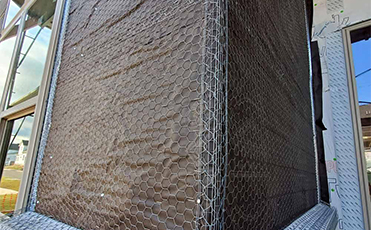
These sheets can be used for screening, protective covers, storage partitions, machinery guards, and other applications where a strong, open structure is required. Depending on the manufacturing process, galvanized mesh may be woven, welded, expanded, or fabricated into different patterns.
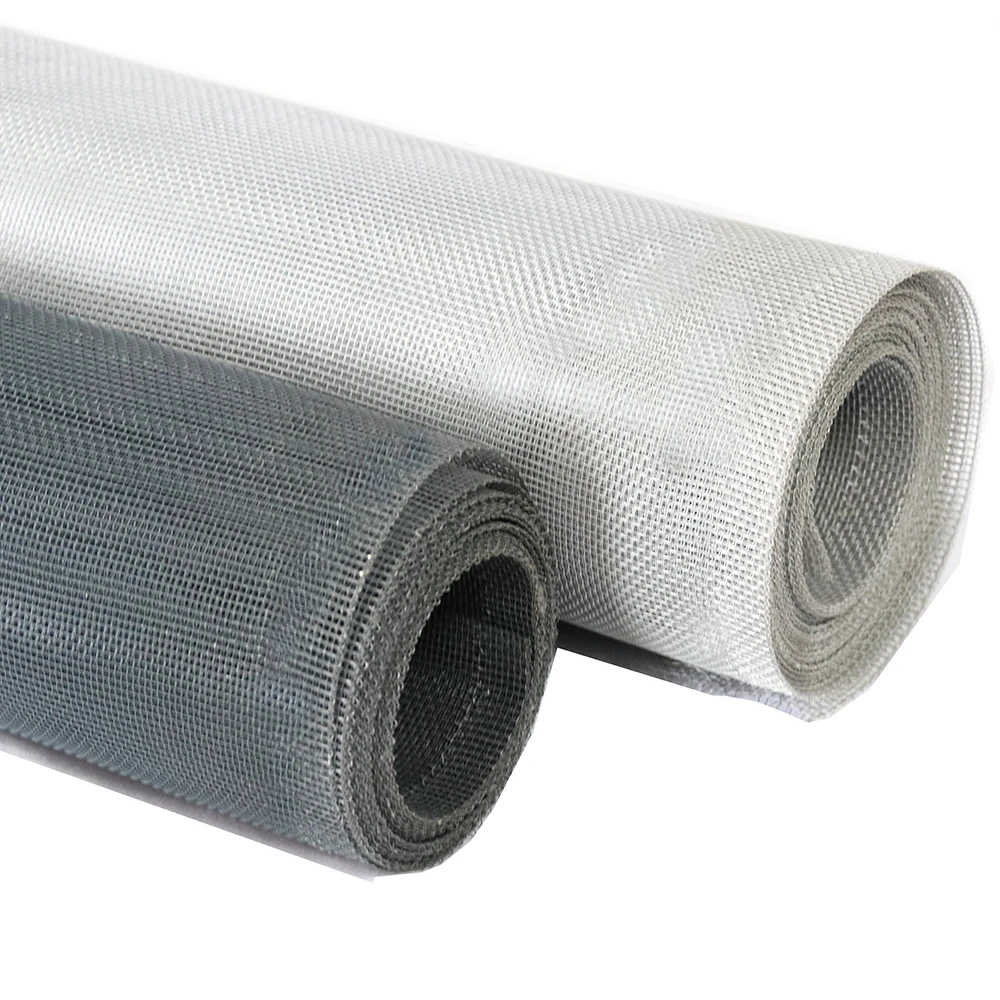
For applications where low weight is a priority, aluminum mesh panels provide an attractive alternative to steel products. Aluminum offers a favorable strength-to-weight ratio and natural corrosion resistance due to the formation of a protective oxide layer. Its lightweight construction makes it easier to handle, transport, and install in many applications.
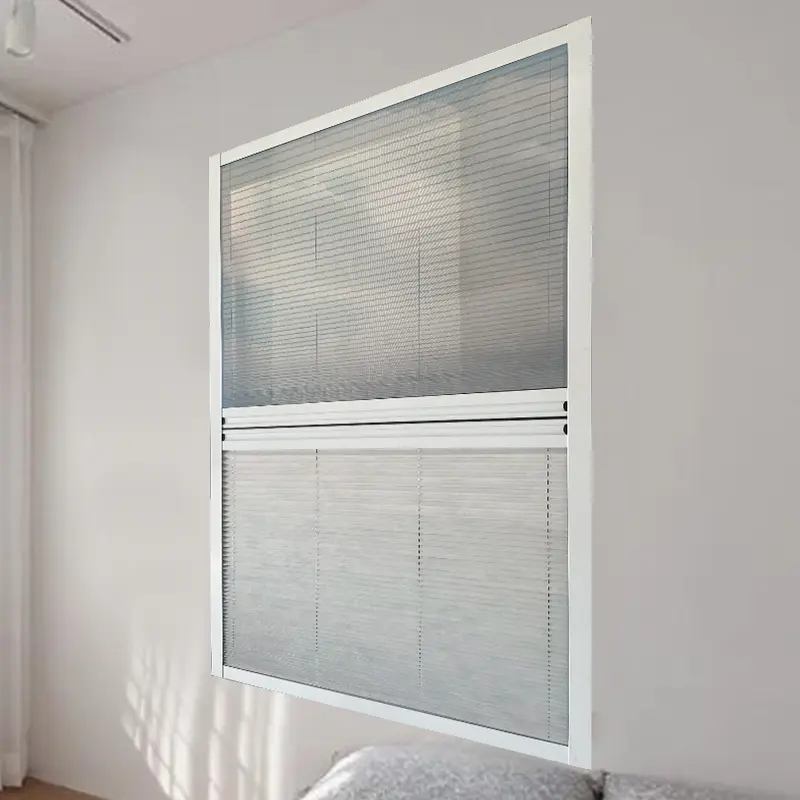
Aluminum mesh panels are commonly considered for ventilation screens, architectural facades, decorative partitions, equipment covers, and window screening. They are available in different mesh sizes, thicknesses, and surface finishes. Anodizing or other suitable surface treatments may be used to achieve specific appearance or performance requirements.
When choosing between copper, galvanized steel, and aluminum mesh, buyers should compare mechanical strength, weight, electrical properties, corrosion resistance, cost, and intended service conditions. Selecting the appropriate material helps ensure that the finished product meets both functional and economic requirements.
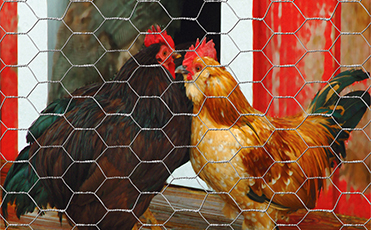
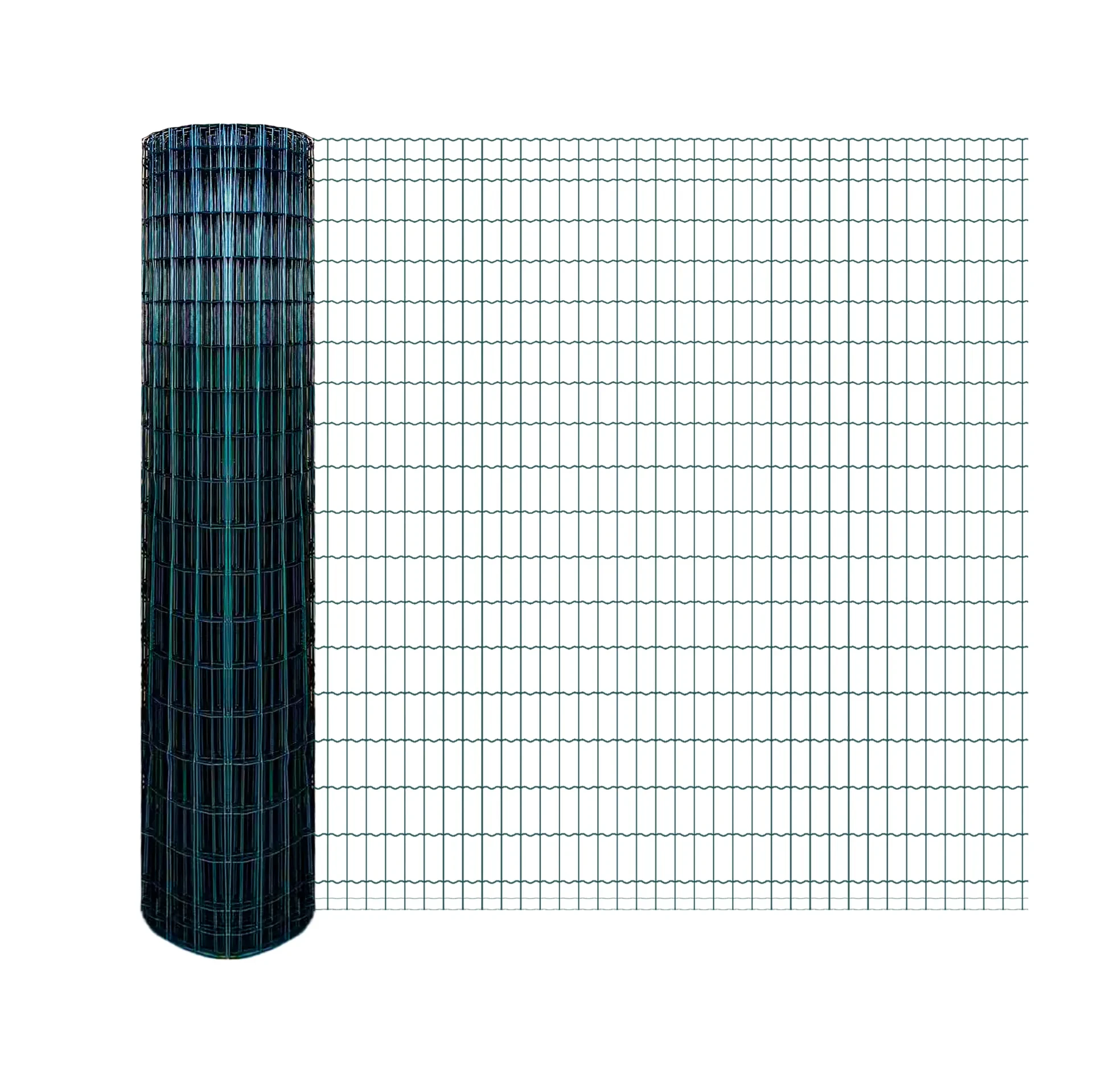
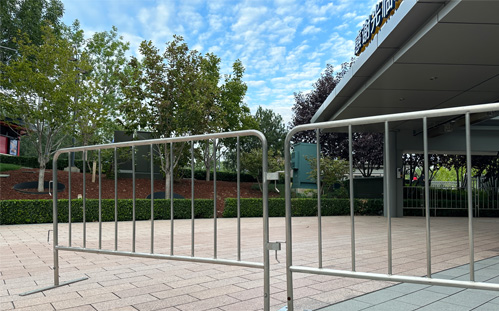
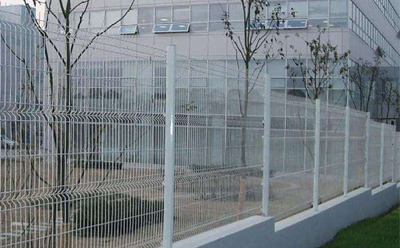
Welded wire mesh is manufactured by joining intersecting metal wires at their crossing points, typically through resistance welding. This process creates a regular grid pattern with consistent openings and a stable structure. Depending on the wire material and surface treatment, welded mesh can be used in industrial, commercial, agricultural, and residential applications.
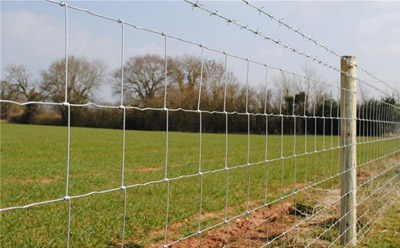
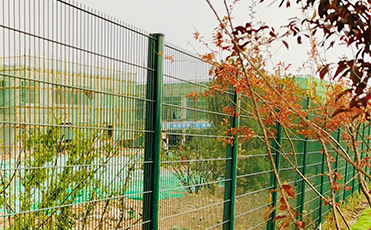
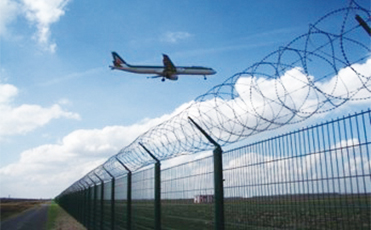
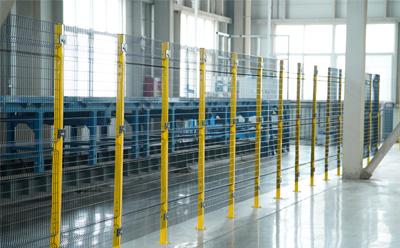
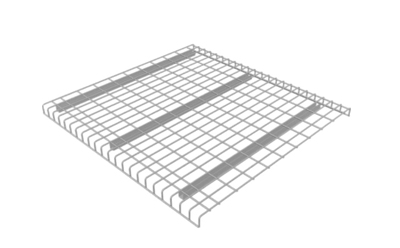
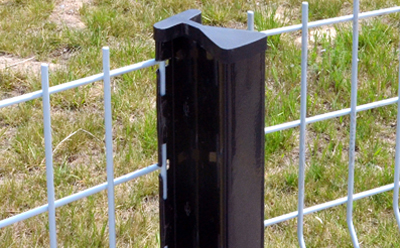
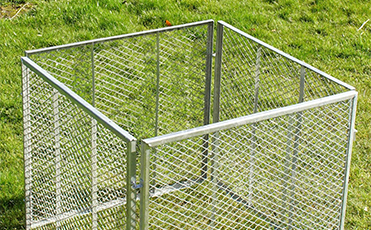
Galvanized welded wire mesh panels are particularly popular for fencing, equipment protection, animal enclosures, warehouse partitions, and outdoor barriers. The welded intersections provide structural stability, while the galvanized coating helps protect the steel against corrosion.
These panels are available in different wire diameters, mesh openings, heights, and widths. Heavier wire and smaller openings may be appropriate for applications requiring greater rigidity or more restricted access, while lighter configurations can be suitable for general-purpose separation and enclosure projects.
A welded wire mesh panel offers several practical advantages. Its uniform structure supports consistent installation, and prefabricated panels can reduce on-site cutting and assembly work. Compared with individually assembled wire systems, ready-made panels may also help improve project efficiency and simplify material planning.
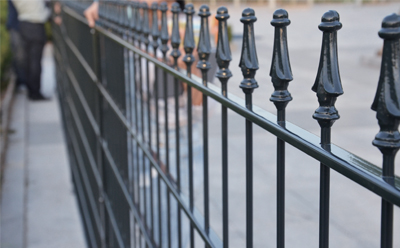
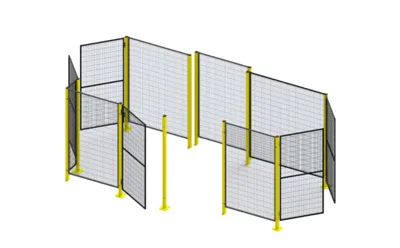
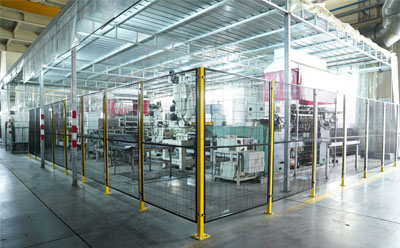
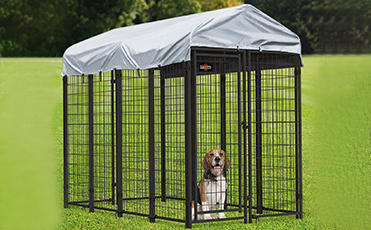
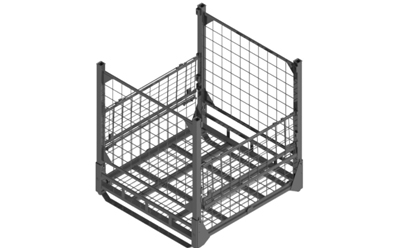
For larger industrial projects, metal wire panels can serve as protective partitions, machine guards, storage dividers, safety barriers, and equipment enclosures. Their open structure allows airflow and visibility while creating a physical boundary between different areas. Depending on the application, panels may be manufactured from carbon steel, galvanized steel, stainless steel, or other suitable metals.
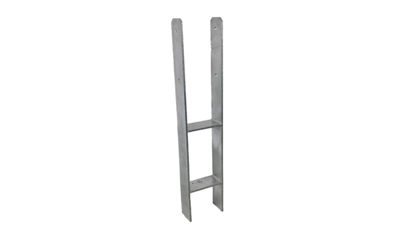
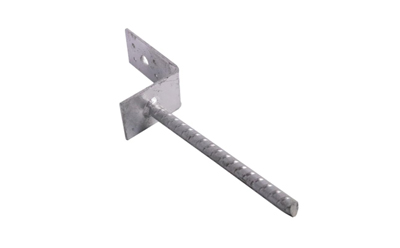
The appropriate wire specification depends on the expected loads, opening requirements, and installation method. Buyers should also consider whether the panel needs additional framing, mounting brackets, or reinforcement to achieve the required stability.
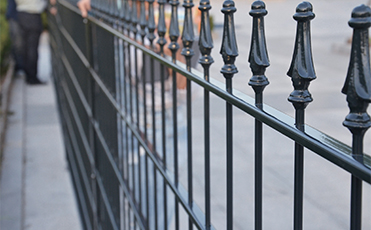
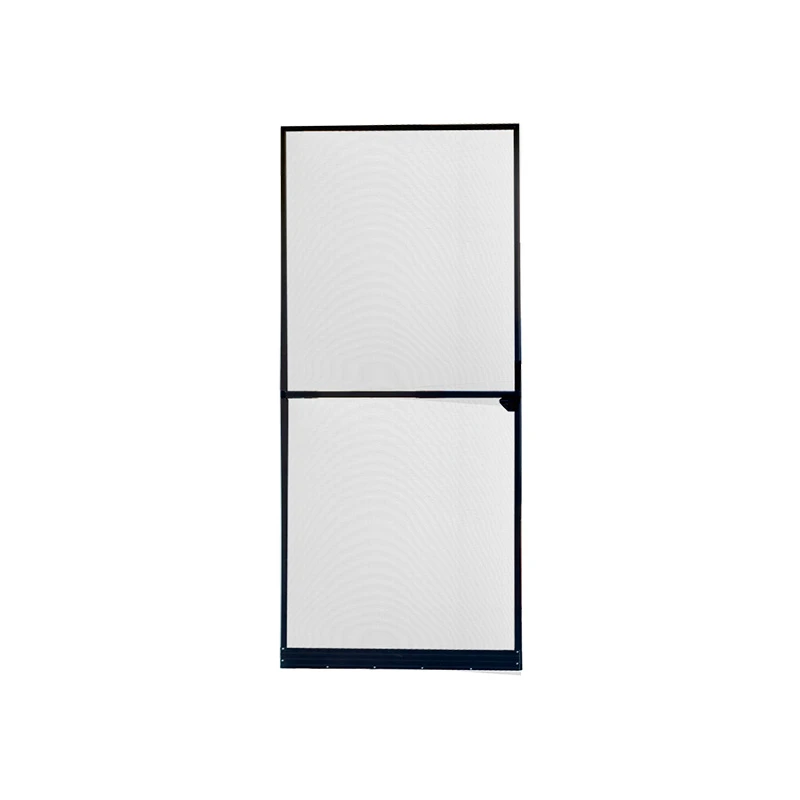
Framed wire mesh panels combine a mesh insert with a surrounding frame, which may be manufactured from steel, aluminum, or another compatible material. The frame helps maintain the panel's shape and provides convenient mounting points for installation. These products are commonly used for security partitions, machinery guards, ventilation covers, industrial dividers, and architectural screening.
Framed panels can be customized according to the required dimensions, frame profile, mesh material, and surface finish. For example, a galvanized steel frame paired with galvanized mesh may be suitable for certain outdoor installations, while aluminum framing may be preferred when reduced weight is important.
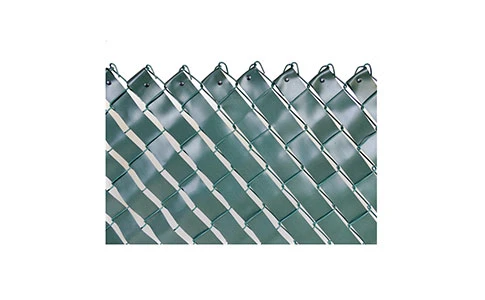
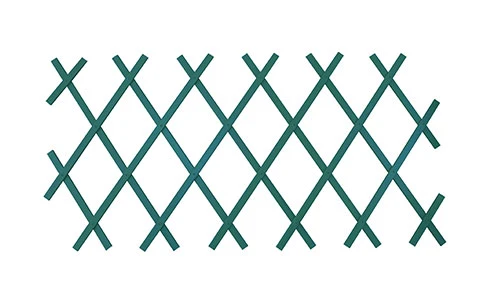
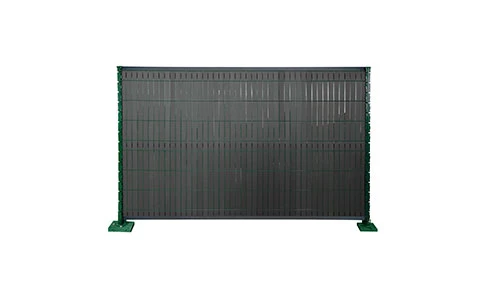
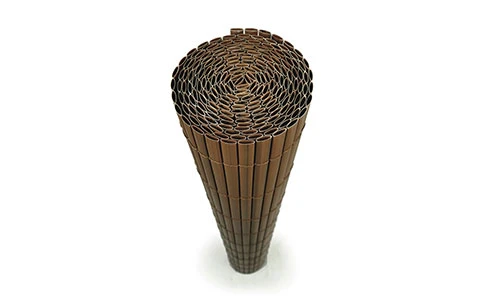
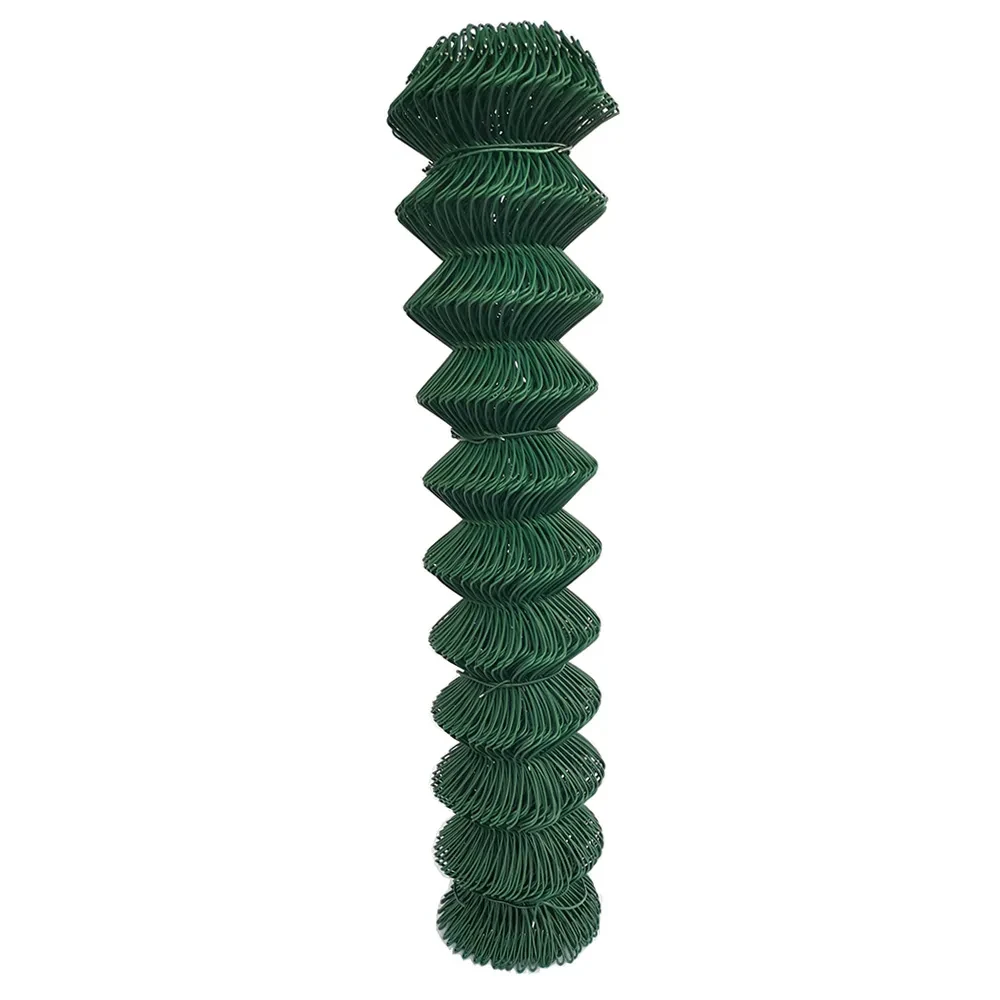
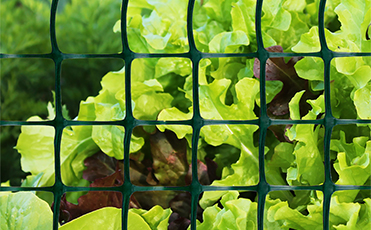
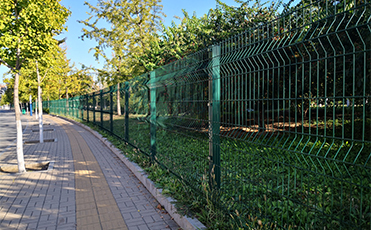
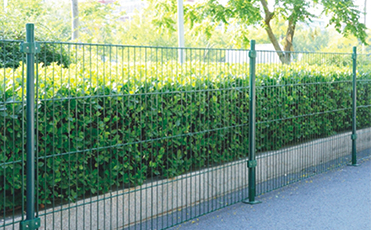
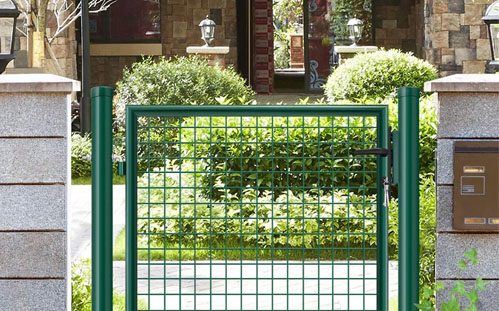
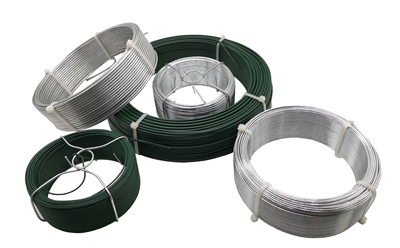
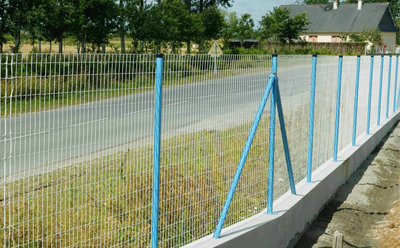
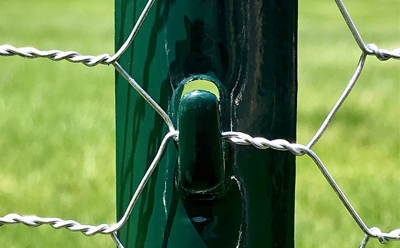
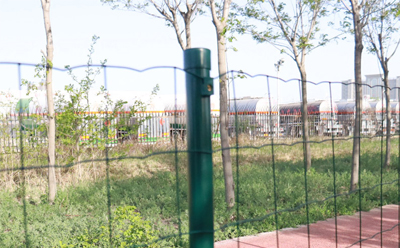
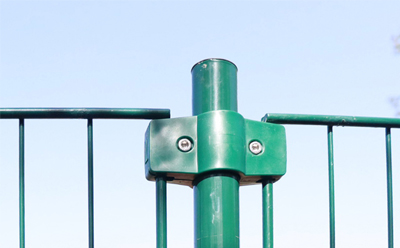
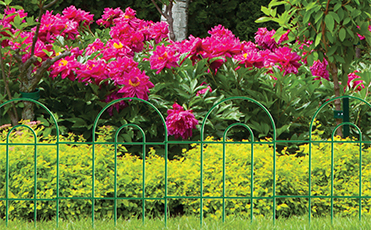
Another common application is temporary and permanent fencing. Green mesh fencing panels are designed to provide a visually coordinated barrier for construction sites, gardens, parks, commercial properties, and other outdoor spaces. Green finishes can help fencing blend into landscaped surroundings while creating a clear boundary.
Depending on the product design, the green finish may be applied through powder coating, PVC coating, or another suitable treatment. Buyers should confirm the actual coating type, thickness, adhesion quality, and intended environmental suitability before purchasing.
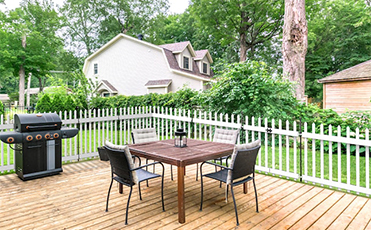
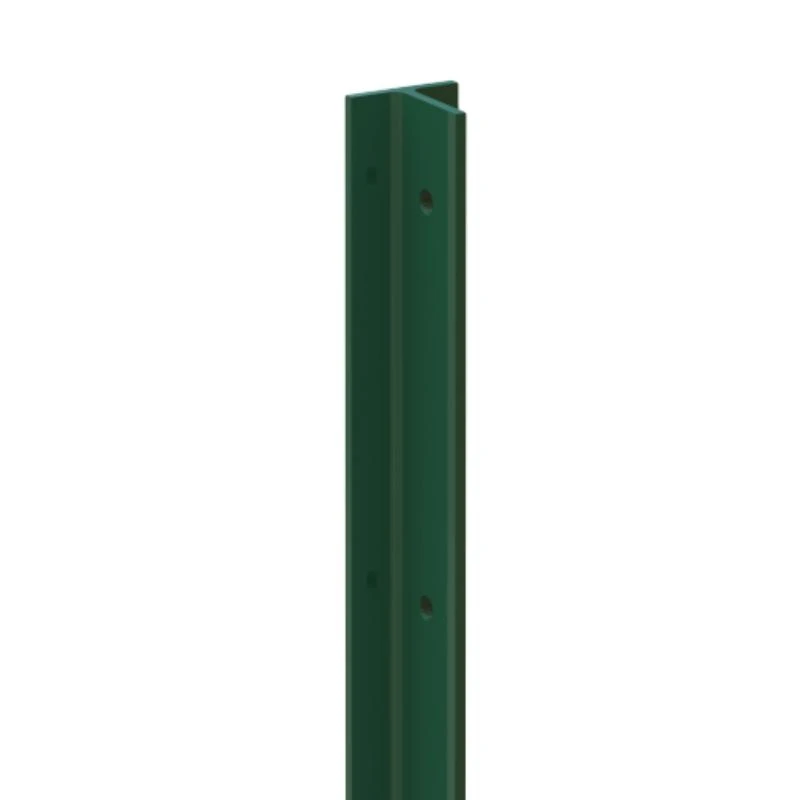
Green mesh fencing panels can be used for temporary site separation, perimeter protection, pedestrian control, and garden enclosures. The appropriate panel height, mesh opening, wire diameter, and support system should be selected according to the required level of security and the conditions of the installation site.
For manufacturers and distributors, offering different panel sizes, finishes, and framing options can help meet the requirements of varied markets. Customized fabrication can also support projects that require nonstandard dimensions or specialized mounting arrangements.
Selecting suitable metal mesh requires careful evaluation of the project's technical requirements, operating environment, and budget. Although many mesh products have similar appearances, their materials, manufacturing methods, and mechanical properties can differ considerably.
First, identify the primary application. Filtration and screening may require precise mesh openings, while security fencing generally places greater emphasis on structural strength, panel rigidity, and resistance to tampering. Decorative applications may prioritize appearance, surface finish, and dimensional consistency.
Second, select the appropriate material. A copper mesh sheet may be suitable when electrical conductivity or specialized screening properties are required. Aluminum mesh panels are useful when lightweight construction and corrosion resistance are priorities. For many outdoor fencing and industrial applications, galvanized steel mesh panels offer a practical combination of strength and protective coating.
Third, review the mesh specifications. Important parameters include wire diameter, opening size, panel dimensions, material thickness, and manufacturing tolerances. For welded products, the quality of the welded intersections and the uniformity of the grid should also be considered.
Fourth, evaluate corrosion protection. Galvanized products should be selected according to their coating specifications and expected exposure conditions. Powder-coated or PVC-coated products may provide additional surface protection and color options, depending on the application. Stainless steel or other specialized materials may be necessary in particularly demanding environments.
Fifth, consider installation requirements. Determine whether the mesh will be installed directly, attached to an existing structure, or supplied as a framed assembly. Framed wire mesh panels can simplify installation when a complete framed unit is required, while standard welded wire mesh panels may provide more flexibility for projects using custom supports.
Finally, work with a supplier capable of providing consistent product quality and clear technical documentation. Reliable suppliers should be able to explain material grades, wire specifications, coating options, manufacturing methods, and customization possibilities. For bulk purchases, sample approval and inspection procedures can help ensure that the delivered products meet project expectations.
Proper handling and maintenance are also important. Metal mesh should be stored in suitable conditions to minimize moisture exposure and prevent unnecessary surface damage. During installation, avoid damaging protective coatings, and use compatible fasteners and mounting components. Periodic inspections can help identify corrosion, deformation, loose connections, or other issues before they affect the overall structure.
In conclusion, metal mesh sheets and panels offer versatile solutions for construction, industrial manufacturing, fencing, agriculture, and architectural applications. Whether choosing hojas de malla de acero galvanizado, galvanized welded wire mesh panels, metal wire panels, o green mesh fencing panels, understanding material properties and product specifications is essential. By selecting the right mesh type, surface treatment, dimensions, and installation method, buyers can achieve reliable performance, efficient installation, and long-term value for their projects.



Copyright © 2026 Hebei Minmetals Co., Ltd. Reservados todos los derechos. Sitemap | política de privacidad | Menu