

























































Trailer suspension systems play a critical role in ensuring vehicle stability, cargo protection, ride comfort, and long-term durability. Whether used on utility trailers, recreational vehicles, commercial haulers, or heavy-duty transport equipment, suspension systems directly affect towing performance and road safety. Among the most widely used suspension components are triple axle leaf springs, travel trailer springs, travel trailer leaf springs, trailer suspension springs, trailer spring suspension, and trailer spring ride suspension systems.
As trailer technology continues to evolve, manufacturers and fleet operators increasingly rely on advanced spring suspension systems to improve ride quality, reduce maintenance costs, and extend trailer lifespan. Understanding the design, function, and advantages of different trailer spring systems helps trailer owners choose the right setup for their specific application.
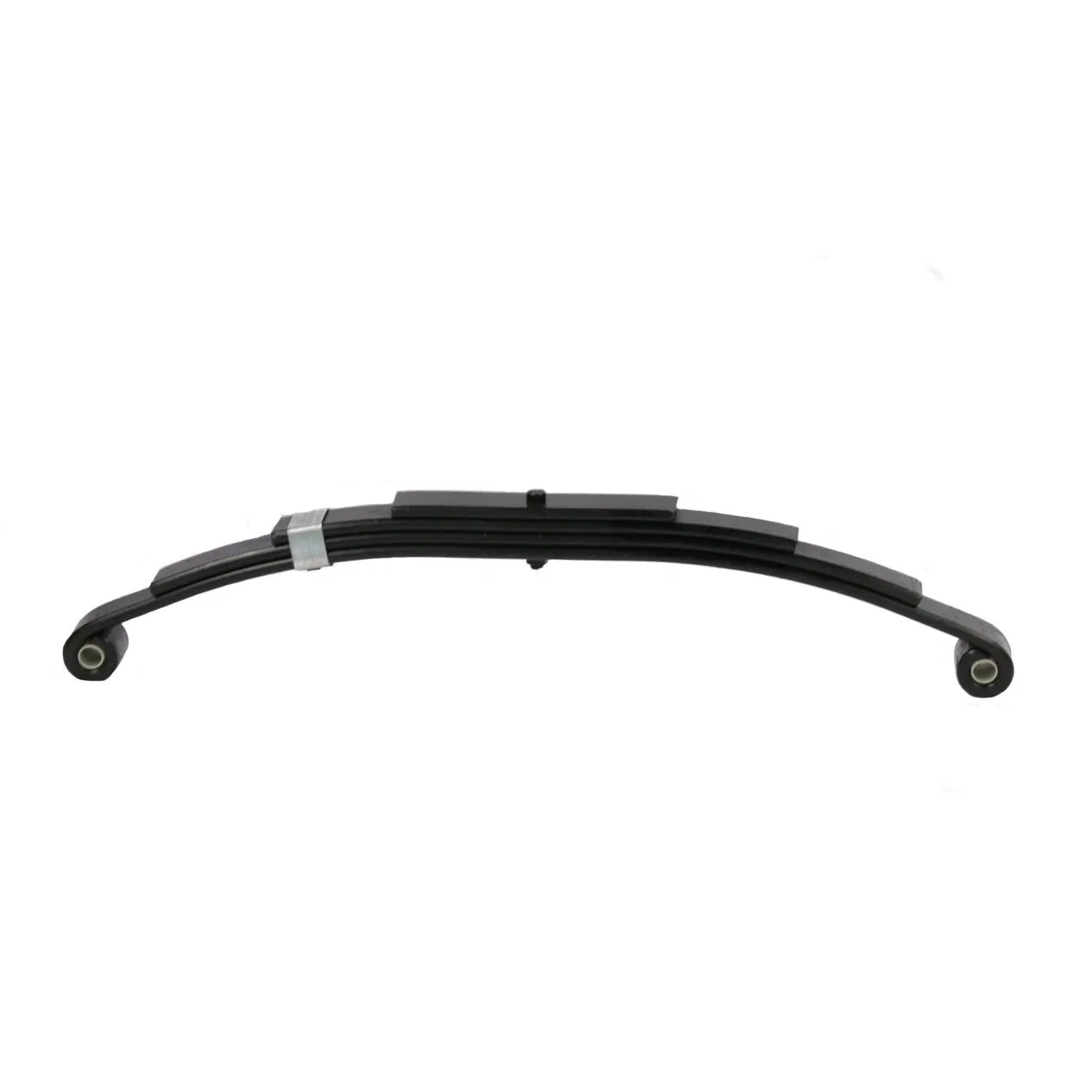
The primary purpose of trailer suspension springs is to absorb road shock and distribute trailer weight evenly across the axle system. Without an effective suspension system, trailers would experience excessive vibration, poor handling, unstable towing behavior, and increased structural wear.
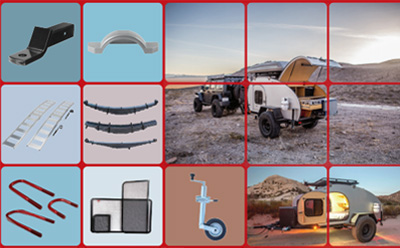
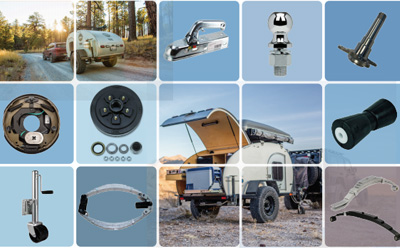
A typical trailer spring suspension system includes several key components:
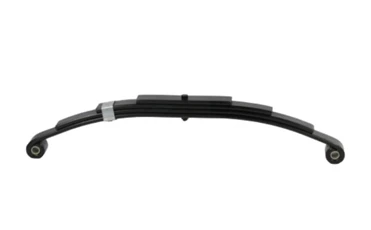
Leaf springs
Equalizers
Shackles
Hangers
U-bolts
Axles
Bushings
These parts work together to cushion road impacts and maintain proper tire contact with the ground. When a trailer travels over bumps, potholes, or uneven terrain, the suspension springs flex and absorb energy, reducing stress on both the trailer frame and cargo.
One of the most common suspension designs used in the trailer industry is the trailer spring ride suspension. This system uses steel leaf springs mounted beneath or above the axle to create a durable and cost-effective suspension solution. Because of its simplicity and reliability, spring ride suspension remains the preferred choice for many utility, agricultural, industrial, and recreational trailers.
The strength of a trailer spring ride suspension depends on several factors, including spring length, leaf thickness, steel quality, and axle configuration. Heavy-duty trailers often require multi-leaf spring packs capable of supporting substantial weight while maintaining flexibility and ride comfort.
Among recreational towing applications, travel trailer springs are especially important because travel trailers frequently encounter varying road conditions over long distances. Proper suspension performance improves towing stability and enhances passenger comfort by minimizing trailer sway and vibration.
The demand for durable travel trailer leaf springs has increased significantly as more consumers invest in recreational vehicles and camping trailers. Modern RV owners expect smooth towing experiences, better load handling, and reduced maintenance requirements, all of which depend heavily on high-quality suspension systems.
Heavy-duty trailers often require additional load capacity and improved weight distribution, which is why triple axle leaf springs are commonly used in commercial and industrial applications. Triple axle systems distribute weight across three axles instead of two, allowing trailers to carry significantly heavier loads while improving overall stability.
The use of triple axle leaf springs provides several major advantages:
Increased load-carrying capacity
Improved weight distribution
Enhanced towing stability
Better braking performance
Reduced tire wear
Improved suspension durability
Because the weight is spread across multiple axles, each individual spring and tire experiences less stress during operation. This helps reduce suspension fatigue and extends the lifespan of the entire trailer system.
Commercial flatbed trailers, livestock trailers, heavy equipment haulers, and large recreational trailers often use triple axle leaf springs to meet demanding transportation requirements. In long-distance hauling operations, the added stability of triple axle systems becomes especially valuable during highway driving and emergency braking situations.
Another advantage of a properly designed trailer spring suspension is improved cargo protection. Delicate or high-value cargo can suffer damage when exposed to excessive road vibration. Quality suspension systems minimize shock transfer and help protect transported goods from impact-related damage.
For RV owners, travel trailer leaf springs significantly improve ride comfort during extended road trips. Travel trailers are often subjected to uneven roads, mountain terrain, and changing weather conditions. Reliable suspension systems help maintain stable towing characteristics even under challenging driving conditions.
The steel used in modern travel trailer springs also plays an important role in suspension performance. High-quality spring steel provides greater flexibility and fatigue resistance while maintaining structural integrity under repeated stress cycles. Heat treatment and precision manufacturing further enhance spring durability.
In recent years, many manufacturers have upgraded traditional trailer spring ride suspension systems with advanced equalizers, heavy-duty shackles, and reinforced bushings. These improvements reduce wear points and improve suspension articulation, especially for trailers operating on rough terrain.
Maintenance is another important factor when evaluating trailer suspension springs. Regular inspection of spring packs, bolts, bushings, and mounting hardware helps prevent premature failure and ensures safe operation. Broken or worn leaf springs can negatively affect trailer balance, tire wear, and braking performance.
Selecting the correct travel trailer leaf springs requires careful consideration of several important factors, including trailer weight, axle capacity, suspension design, and intended usage. Choosing the wrong spring rating can result in poor ride quality, excessive suspension wear, or unsafe towing conditions.
One of the first considerations when selecting travel trailer springs is the Gross Vehicle Weight Rating (GVWR) of the trailer. The springs must be capable of safely supporting both the empty trailer weight and the maximum cargo load. Undersized springs may sag prematurely or fail under heavy loads, while oversized springs can create a harsh ride with limited suspension flexibility.
Spring length and arch design also influence suspension behavior. Longer leaf springs generally provide smoother ride characteristics because they flex more gradually during suspension travel. Shorter springs tend to offer greater stiffness and load support but may transmit more road vibration to the trailer frame.
The number of leaves within the spring pack is another important specification. Multi-leaf designs increase load capacity and durability, making them suitable for heavy-duty applications such as triple axle leaf springs. Lighter trailers may use fewer leaves to prioritize ride comfort and reduce overall trailer weight.
When evaluating a trailer spring suspension, trailer owners should also consider environmental conditions. Trailers exposed to road salt, moisture, or marine environments benefit from corrosion-resistant coatings and galvanized suspension components. Rust protection significantly extends spring lifespan and reduces maintenance requirements.
Another important aspect of trailer spring ride suspension systems is equalization. Equalizers help distribute weight evenly between axles and improve suspension articulation when traveling over uneven surfaces. Proper equalization reduces stress on individual springs and enhances towing stability.
For long-distance recreational travel, premium travel trailer springs can improve fuel efficiency and reduce driver fatigue by minimizing trailer bounce and sway. A stable trailer requires fewer steering corrections and delivers a more comfortable towing experience.
Routine maintenance remains essential for maximizing suspension performance. Trailer owners should regularly inspect leaf springs for cracks, corrosion, sagging, or broken leaves. Worn bushings, loose U-bolts, and damaged shackles should also be replaced promptly to avoid suspension failure.
As trailer designs continue evolving, manufacturers are developing stronger and lighter trailer suspension springs to meet growing industry demands for performance and efficiency. Advanced steel alloys, precision heat treatment, and improved suspension geometry now allow modern spring systems to deliver better durability and ride quality than ever before.
Whether used for recreational travel, commercial hauling, or industrial transport, systems such as triple axle leaf springs, travel trailer springs, travel trailer leaf springs, trailer suspension springs, trailer spring suspension, and trailer spring ride suspension remain essential for safe and efficient trailer operation. Investing in high-quality suspension components not only improves towing stability and cargo protection but also reduces maintenance costs and extends the service life of the trailer.



Copyright © 2026 Hebei Minmetals Co., Ltd. All Rights Reserved. Sitemap | Privacy Policy | Top Blog丨Menu