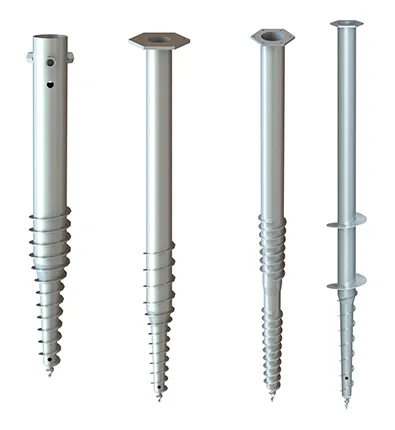

Ancoraggio a vite

Ancoraggio a vite

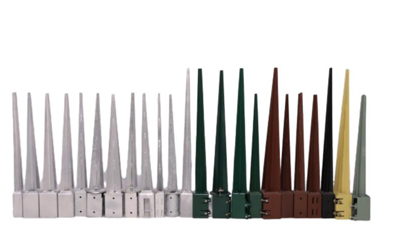
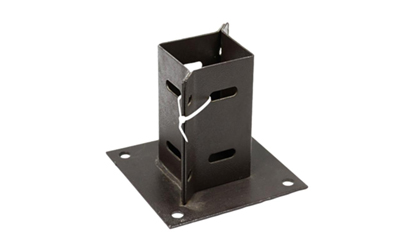
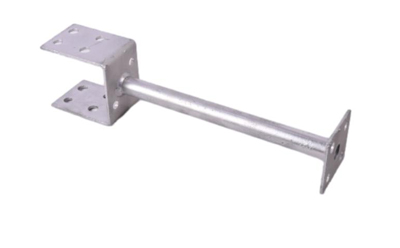
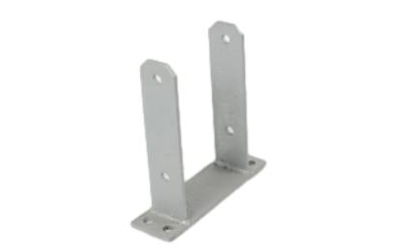
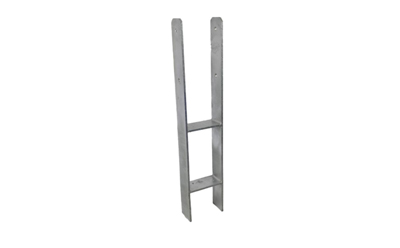
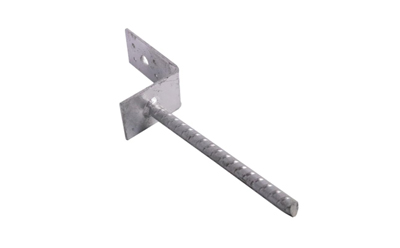
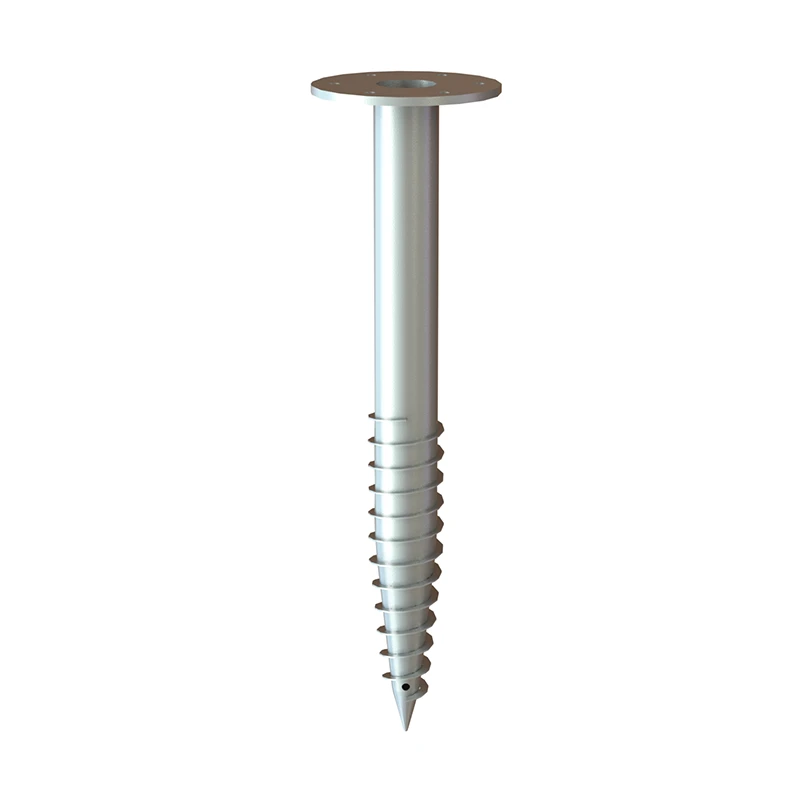
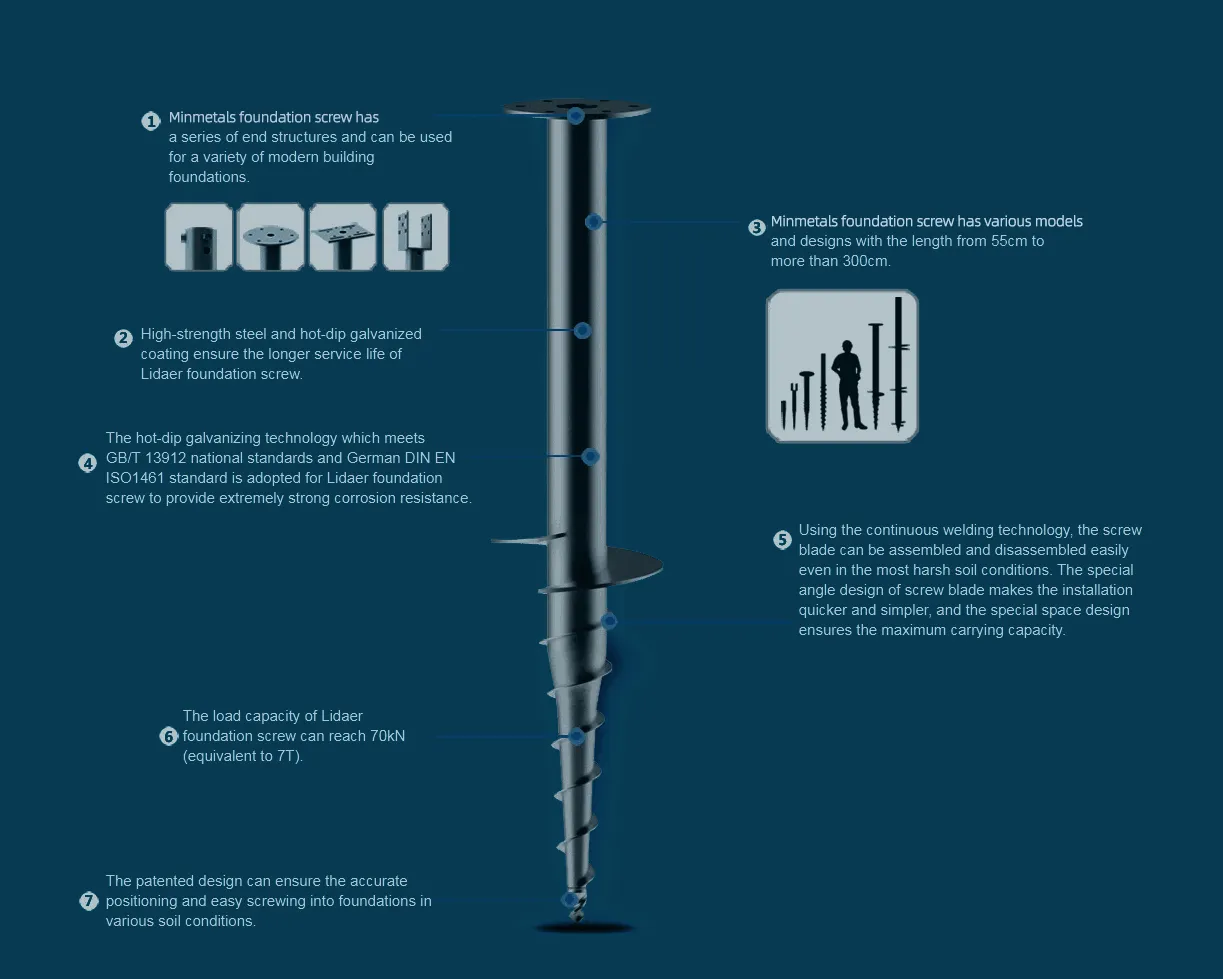
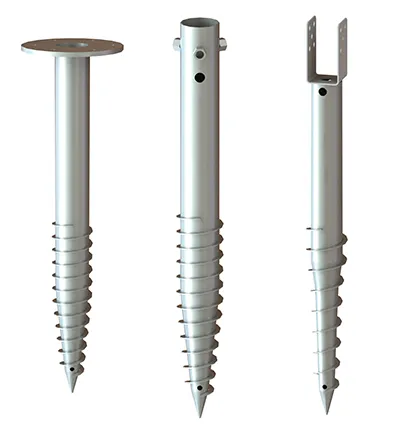
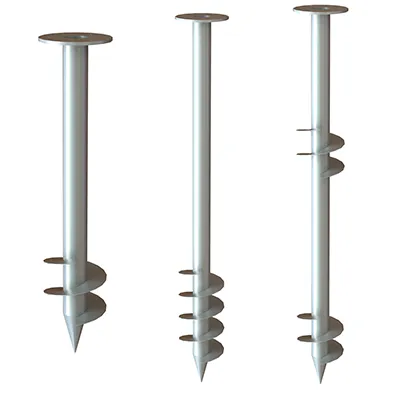
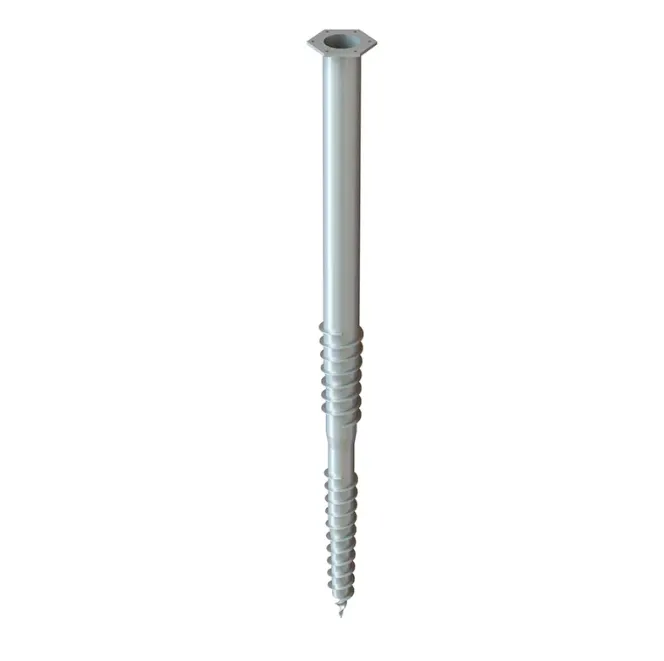
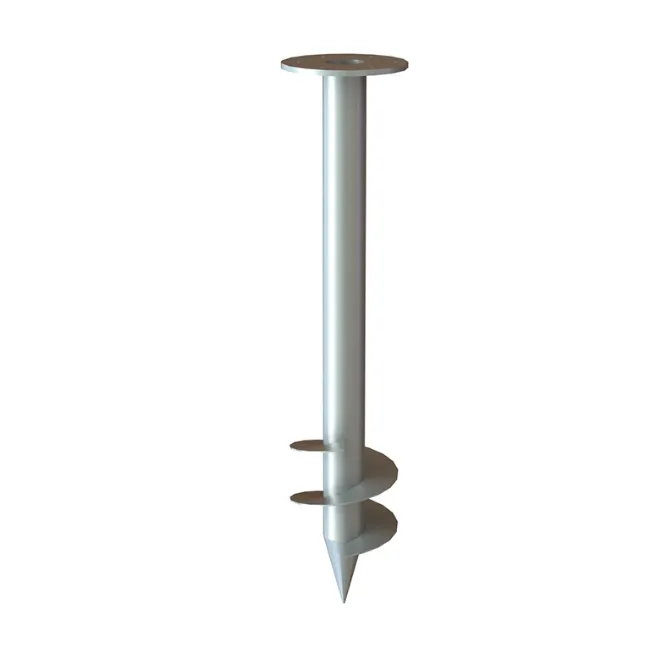
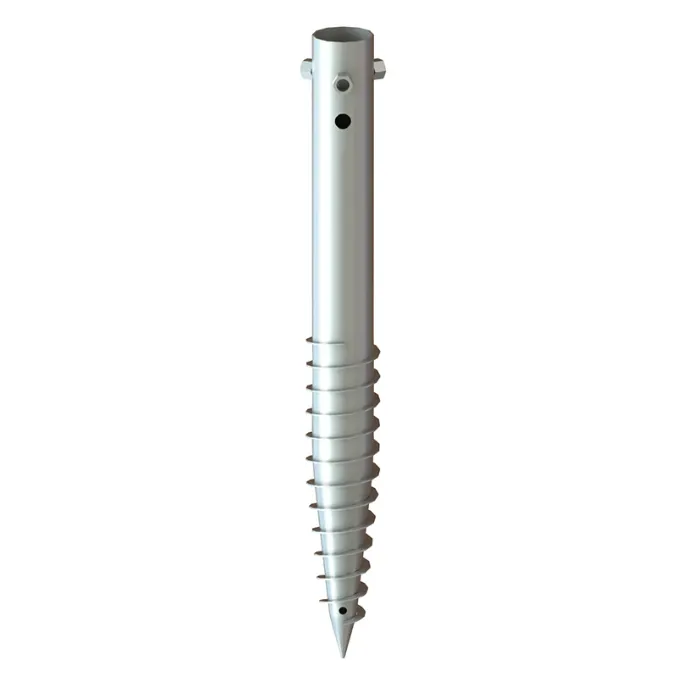
Gli ancoraggi a vite possono essere personalizzati in base alle esigenze del cliente. Sono ampiamente utilizzati per l'installazione di fondazioni per case, chalet in legno e strutture in acciaio leggero, passerelle in legno, cartelloni pubblicitari, fermate dell'autobus, torri di trasmissione, ferrovie, autostrade, stadi, sottostazioni, corrimano per famiglie, guide e fondazioni per recinzioni, nonché per impianti fotovoltaici, illuminazione solare, illuminazione stradale, edilizia residenziale, strutture ricreative e altre fondazioni.


Condividere

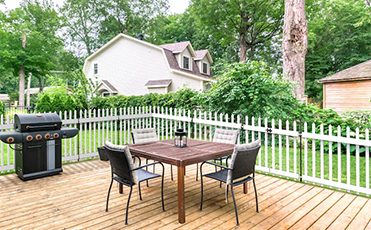
ground screw anchor for decks

ground screw anchors

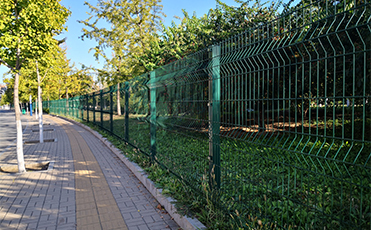
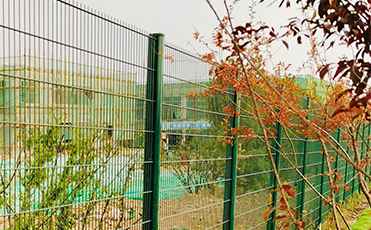
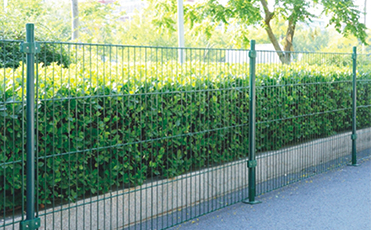
ground screw anchors for fence posts

installing ground screw anchors

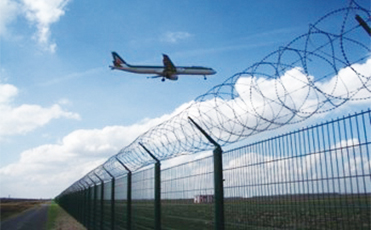
Read More About ground screw anchors for fence posts


Serie J


Caratteristiche strutturali:

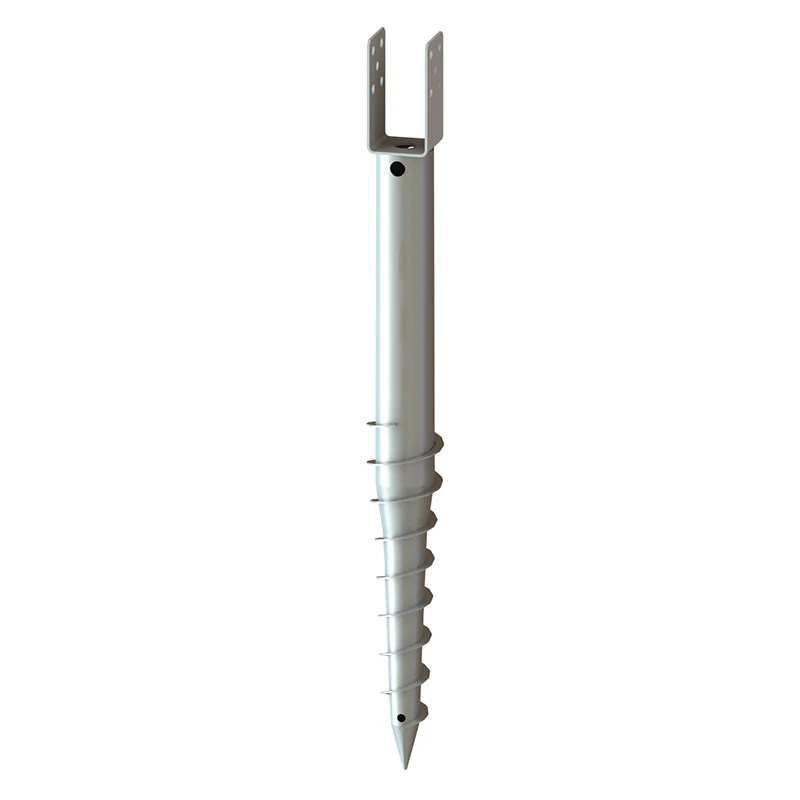
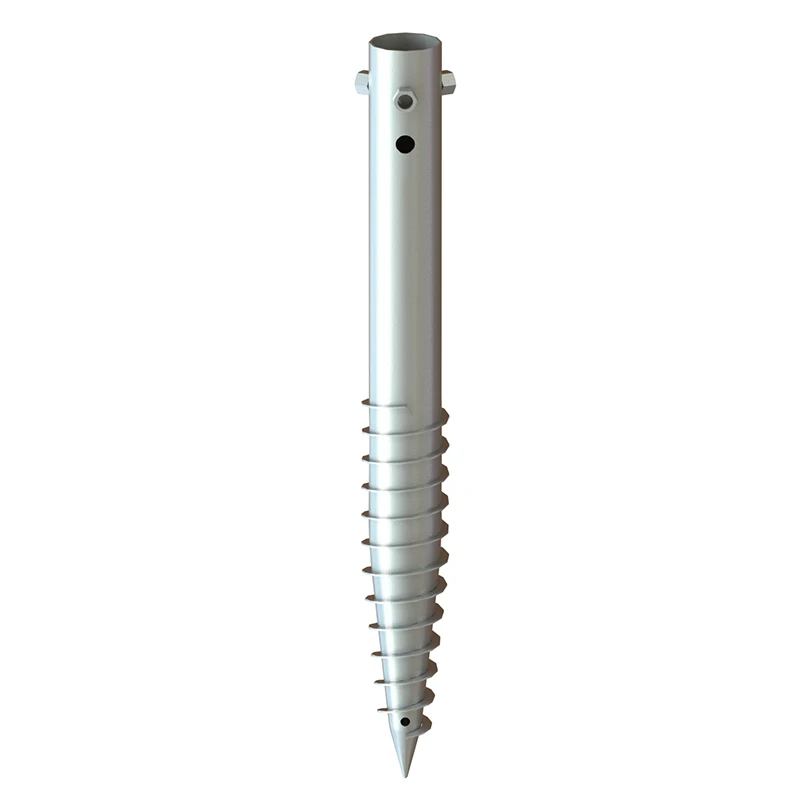
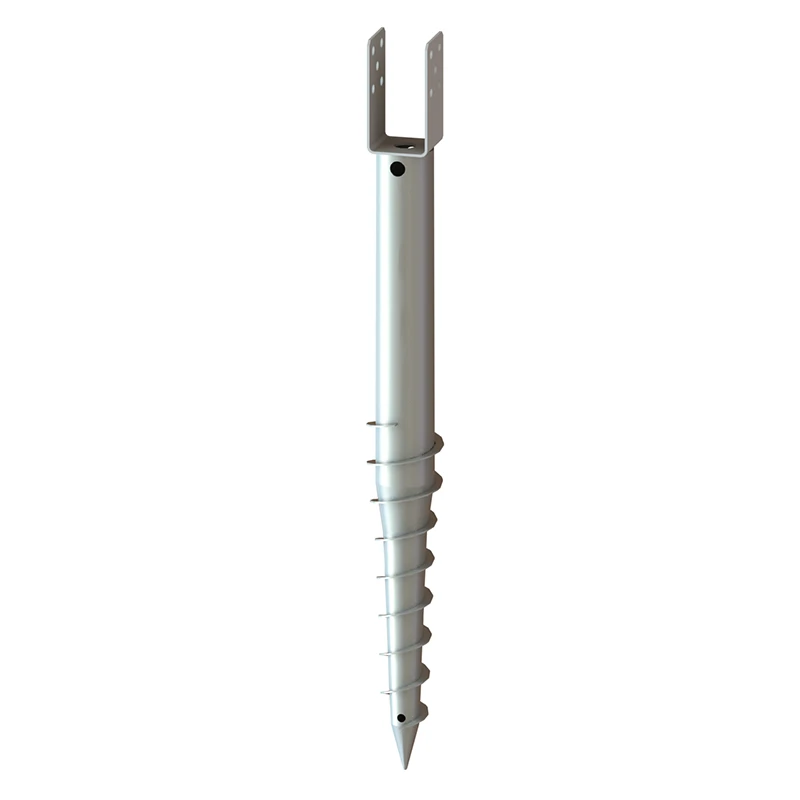
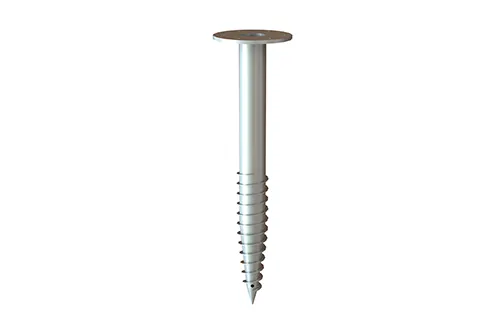
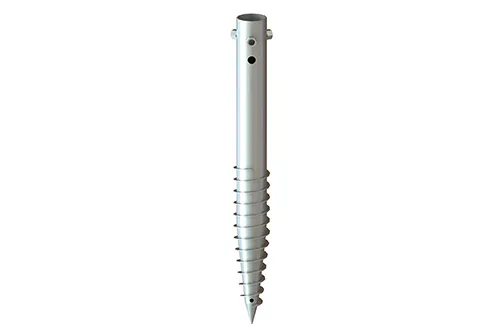
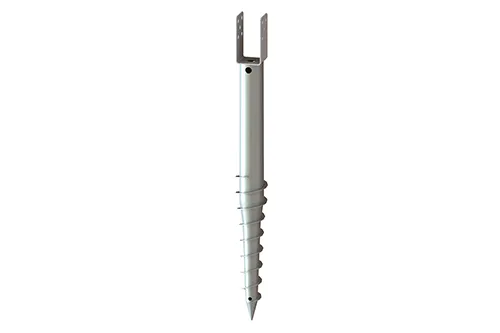
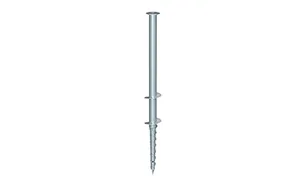
Le viti di messa a terra della serie J sono dotate di tre o quattro viti filettate, staffa a U o flangia quadrata o rotonda a seconda dell'applicazione.

Campo di applicazione:

They are ideal for the simple and quick installation of horizontal and vertical wooden beams,easy and quick to install fence posts,masts or road signs.

Le viti di messa a terra della serie J sono ampiamente utilizzate anche nell'installazione di pannelli solari, passerelle, ponti e nella costruzione di abitazioni, ecc.

Trattamento superficiale:

Gli acciai zincati a caldo di alta qualità sono stabili e affidabili, in conformità con la norma tedesca DIN EN ISO 1461.

Read More About ground screw anchors for fence posts


  • Read More About ground screw anchors

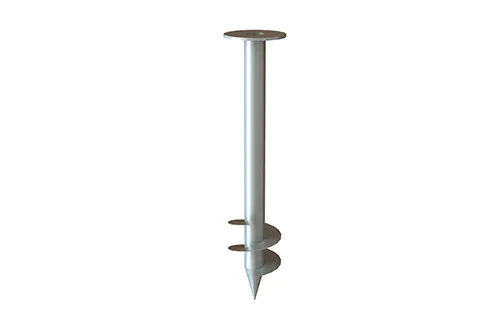
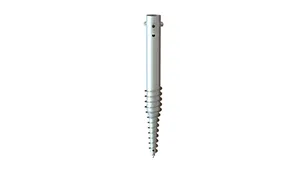
    HM-JFA

    Zincato a caldo

    Piccola lama con flangia

  • Read More About ground screw anchors

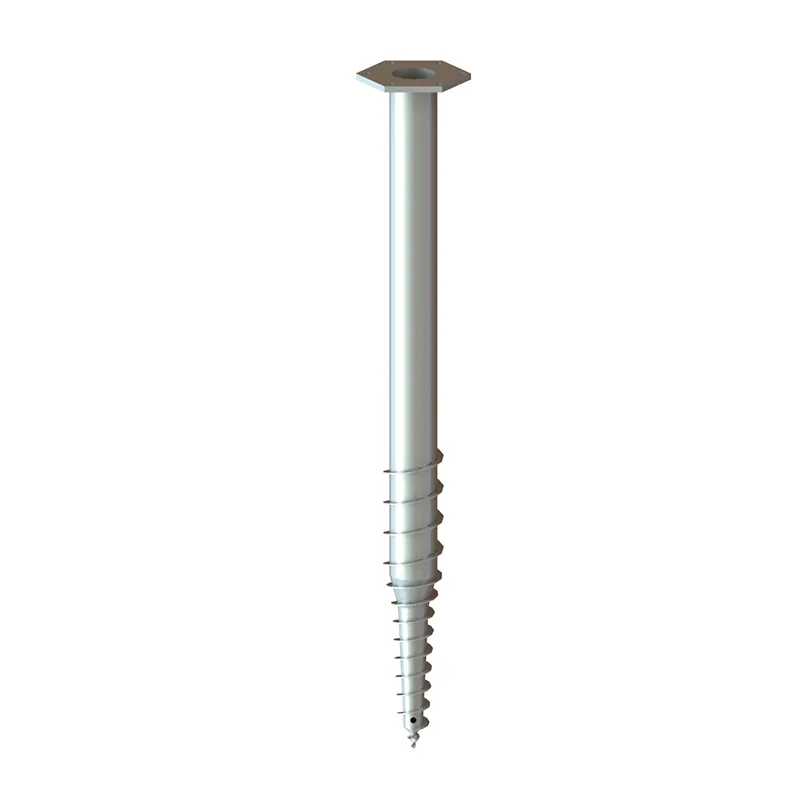
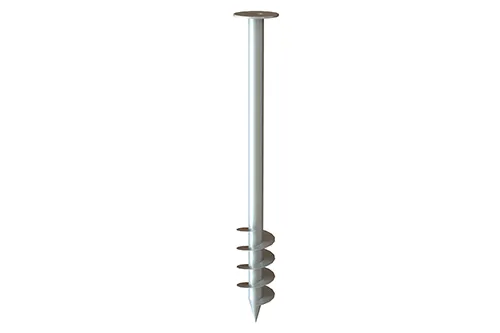
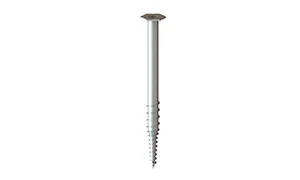
    HM-JN

    Zincato a caldo

    Piccola lama con viti filettate

  • Read More About ground screw anchors for fence posts

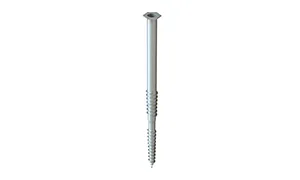
    HM-JYU

    Zincato a caldo

    Piccola lama a forma di U


Serie VD


Caratteristiche strutturali:

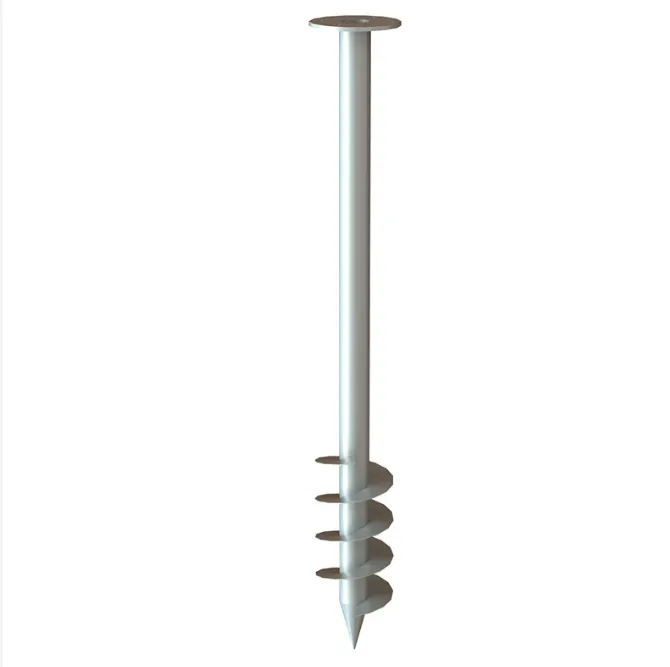
Le viti di messa a terra della serie VD sono dotate di diverse lame di grandi dimensioni, a seconda delle caratteristiche del terreno. A seconda dell'applicazione, è possibile aggiungere viti filettate o flangia.

Campo di applicazione:

Sono spesso utilizzati in strutture con terreno soffice e elevata forza di trazione. Sono facili e veloci da installare su pali di recinzione, pali o segnaletica stradale e sono ampiamente utilizzati nell'installazione di pannelli solari, passerelle, ponti e nella costruzione di abitazioni, ecc.

Trattamento superficiale:

Gli acciai zincati a caldo di alta qualità sono stabili e affidabili, in conformità con la norma tedesca DIN EN ISO 1461.

Read More About ground screw anchor for decks


  • Read More About ground screw anchors

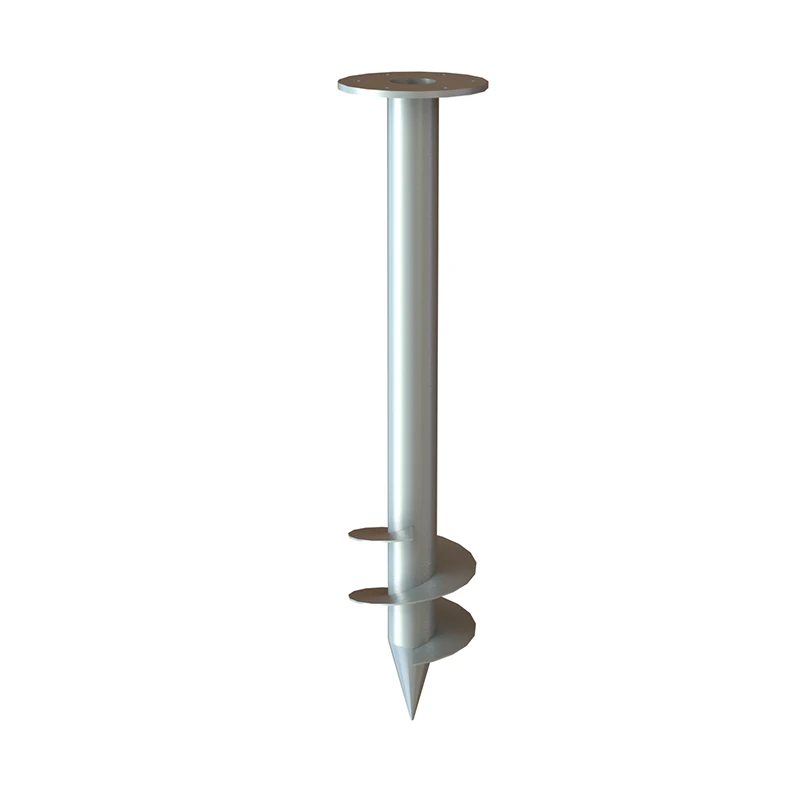
    Modello HM-VD2FA

    Zincato a caldo

    Singolo grande

    Lama 2D con flangia

  • Read More About ground screw anchors

    Modello HM-VD4FA

    Zincato a caldo

    Singolo grande

    Lama 4D con flangia

  • Read More About ground screw anchors for fence posts

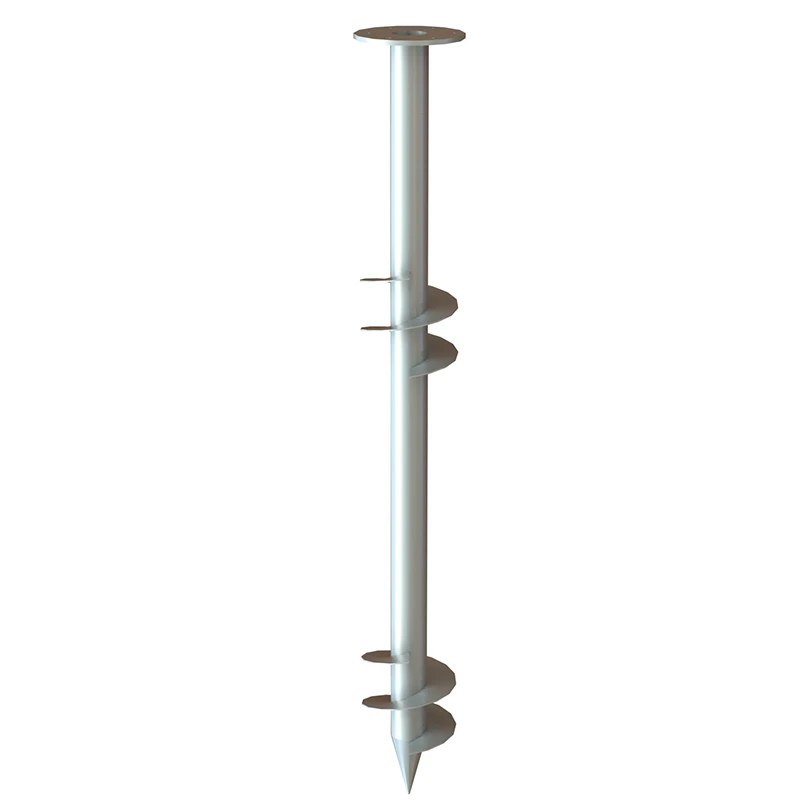
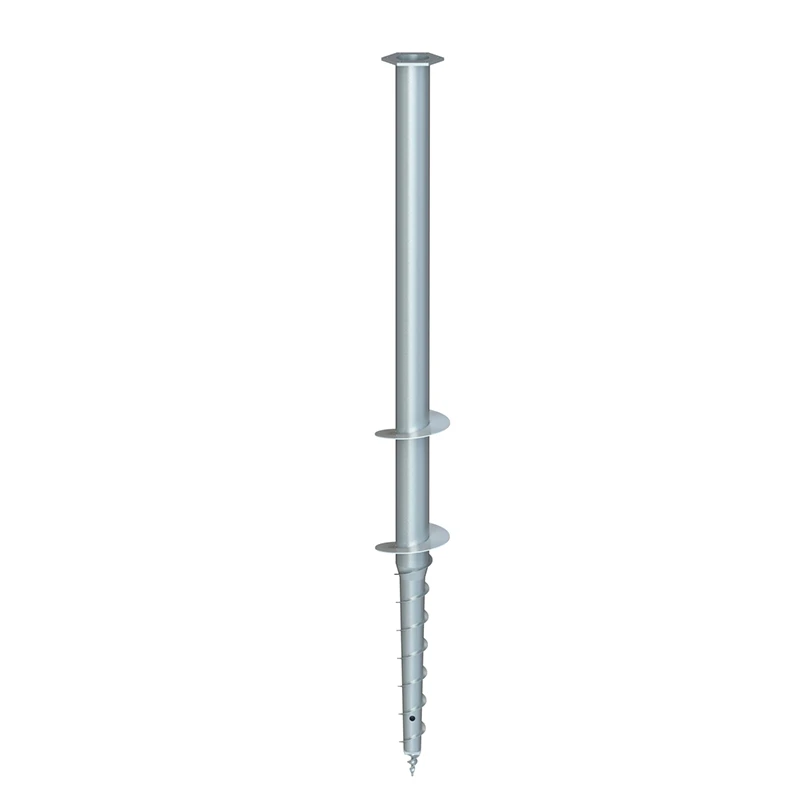
    HM-V2D2FA

    Zincato a caldo

    Doppio grande

    Lama 2D con flangia


E serie


Caratteristiche strutturali:

Le viti di messa a terra della serie Y sono dotate di una lama piccola multistadio o di una lama grande. È possibile aggiungere viti filettate o flangia a seconda dell'applicazione.

Campo di applicazione:

Sono spesso utilizzati in strutture con terreno argilloso, riempimento piano, limo, ecc., che presenta una consistenza morbida nella parte inferiore. Sono facili e veloci da installare su pali di recinzione, pali o segnaletica stradale e sono ampiamente utilizzati per l'installazione di pannelli solari, passerelle, ponti e nella costruzione di abitazioni, ecc.

Trattamento superficiale:

Gli acciai zincati a caldo di alta qualità sono stabili e affidabili.

È conforme alla norma tedesca DIN EN ISO 1461.

Read More About ground screw anchors


  • Read More About installing ground screw anchors

    HM-IN

    Zincato a caldo

    Lama piccola multistadio con viti filettate

  • Read More About ground screw anchors

    HM–YH

    Zincato a caldo

    Lama piccola multistadio con flangia

  • Read More About installing ground screw anchors

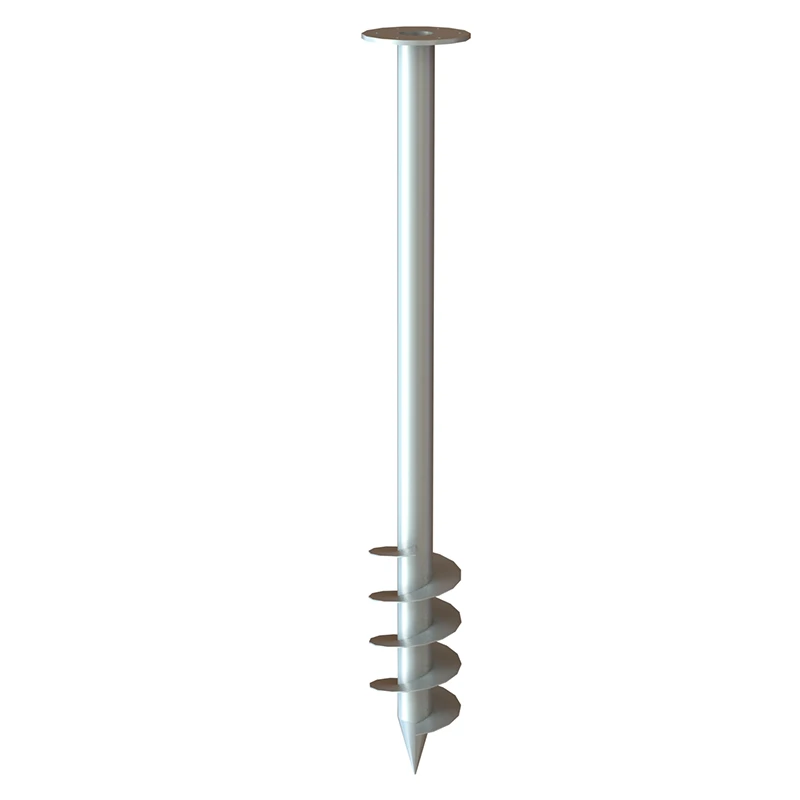
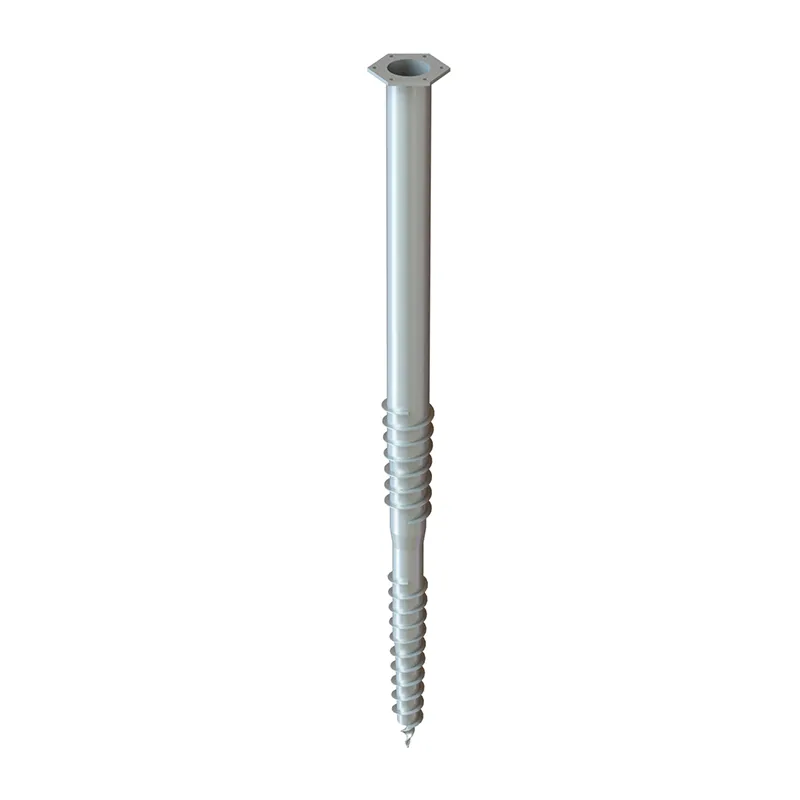
    HM-YHS

    Zincato a caldo

    Doppia lama continua con flangia

  • Read More About ground screw anchors for fence posts

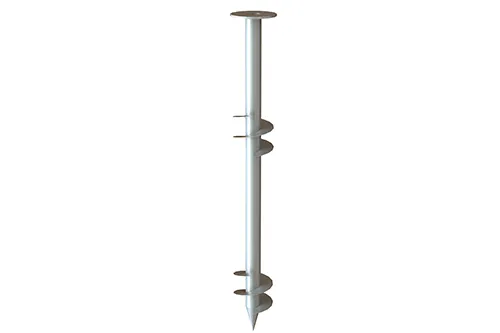
    HM-YDH

    Zincato a caldo

    Lama piccola insieme a doppia lama grande con flangia


Serie EA

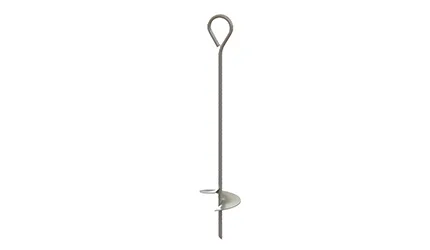
Gli ancoraggi a terra vengono utilizzati per tendere e fissare catene, corde, fili, tiranti di ancoraggio, ecc.


  • Read More About installing ground screw anchors

    HM-EA

    Zincato a caldo

    Ancoraggio a terra


Serie CJ

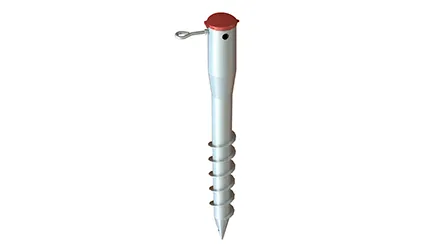
HM-CJ fa parte dei pali da terra di piccole dimensioni per esterni, più leggeri e facili da trasportare. Viene utilizzato principalmente per ombrelloni, tende e altre strutture temporanee, ecc.


  • Read More About ground screw anchor for decks

    HM-CJ

    Zincato a caldo

    Vite di messa a terra esterna


Ground Screws Secure Structures Better Than Concrete

Outperform traditional foundations with ground screw anchors—the modern solution for rapid, eco-friendly structural stability. Unlike concrete footings that require excavation, curing time, and environmental disruption, ground screw anchors install in minutes using specialized equipment. They transfer structural loads directly into stable subsoil layers, providing immediate load-bearing capacity without waiting days for concrete to set. Ideal for decks, solar farms, fencing, and light buildings, this system eliminates weather delays and soil erosion risks.


Why Choose Ground Screws Over Concrete?

Speed & Efficiency: Install anchors in hours, not days, with minimal site disturbance. No curing means projects proceed instantly.


All-Season Reliability: Frost heave? Flooding? Ground screw anchors maintain integrity where concrete cracks or shifts. Their helical design grips below frost lines, preventing seasonal movement.Zero Environmental Damage: Avoid concrete’s carbon footprint and soil contamination. Screws leave no residue and are 100% removable/reusable.

Cost Savings: Reduce labor, equipment rentals, and material waste. No mixing, pouring, or formwork required.


Technical Superiority
Engineered from hot-dip galvanized steel, these anchors withstand corrosion while supporting loads up to 50kN (varies by soil class). The helical plates compact, rather than displace soil during installation, enhancing pull-out resistance. Tests show 200% greater tensile strength versus concrete in sandy or clay-heavy soils.


The Science Behind Soil Anchoring
Concrete relies on sheer mass, while ground screw anchors use engineered friction and bearing capacity. This creates a dynamic “lock” with the earth, adapting to soil density changes that fracture static concrete. Independent studies confirm a 30% longer lifespan in high-moisture zones.


Case Studies of Building Projects with Ground Screws

Ground screw anchors have become a go-to foundation solution across industries thanks to their speed, stability, and eco-friendliness. Hebei Minmetals’ ground screws have been widely applied in both commercial and residential projects. Below are several real-world examples where our metal ground screws delivered outstanding performance.


1. Ground Screws for Fence Posts

In a suburban residential project in Canada, homeowners opted for ground screws for fence posts instead of traditional concrete foundations. With uneven terrain and tight timelines, the installation team used Hebei Minmetals ground screws to secure fence panels. The process was completed within a single day, offering a durable, frost-resistant base without digging or curing time.


2. Ground Screw Anchor for Decks

A vacation cabin in Norway utilized ground screw anchors for decks, avoiding the need for excavation in rocky soil. The project required minimal machinery, reduced labor, and eliminated the environmental impact of concrete. The elevated wooden deck has stood strong for over five years, proving the long-term stability of screw foundations in challenging terrain.


3. Ground Anchors for Buildings and Outdoor Spaces

Ground screws are increasingly replacing concrete footings for light commercial buildings. One notable case was a shed base installation in the UK. By using metal ground spikes and screws, the customer achieved a secure base within hours. Similarly, a carport installation in Australia leveraged our screws to anchor steel columns, avoiding underground utilities and reducing installation costs by 40%.


4. Solar, Signage, and Towers

For a solar farm in Southeast Asia, Hebei Minmetals supplied over 2,000 ground anchors to support solar racking systems. The screws were installed without disturbing the soil’s natural profile, ensuring long-term integrity. Additionally, our screws have been used for signage posts, temporary lighting, and communication towers, where quick deployment is essential.


5. Household and Recreational Applications

In household and lifestyle projects, ground screws are gaining popularity. DIYers have used them to install garden arches, playhouses, and pergolas. Even shooting sport structures and greenhouses are now securely mounted using our products, proving that ground screws are as versatile as they are reliable.


Ground Screw Installation

① Prep the Site

Clear rocks/roots where screws will go.

Pro tip: Spray-paint screw locations to avoid misalignment.


② Start the Screw

Attach the drive head to your motor.

Position the screw perfectly vertical (even 5° off risks wobble).

Don’t force it: If the screw stops spinning, reverse ¼ turn – forcing it bends shafts.


③ Drive to Depth

Run the motor at 25-35 RPM (high torque, low speed).

Stop when:

Torque spikes suddenly (you’ve hit bedrock/compact layer).

Depth reaches below the frost line (check local codes – typically 4+ ft).


④ Attach Your Structure

Bolt mounting brackets directly to the screw head.

Shim for precision leveling – never bend the screw to adjust height.


3 Critical Mistakes to Avoid
Skipping Soil Checks

Sandy soil? Use wider helix plates.

Clay? Slow rotation to prevent "corking" (soil compaction around threads).


Ignoring "Refusal" Signs

If the screw won’t budge after reversing, relocate – don’t sacrifice integrity.

Over-Torquing

Excessive force strips threads. Use a gauge – most screws max at 2,500-3,500 Nm.

Testimonials of Ground Screw Anchor

Read More About ground screw anchors for fence posts

Robert

Solar Installation Contractor (USA)
"We’ve been using Hebei Minmetals ground screw anchors for all our off-grid solar panel installations, and the results have been excellent. No need for concrete—just drive them in, level the base, and start mounting. These metal ground screws save us time and labor on every job."
Read More About ground screw anchors for fence posts

Amelia

Event Organizer (UK)
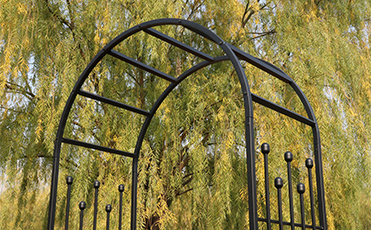
"For temporary structures like tents and fencing at outdoor festivals, the earth anchors from Hebei Minmetals are a game changer. They’re easy to install, hold up well in soft and hard soil, and are reusable for future events. Strongly recommend them for any temporary setups."
Read More About ground screw anchors for fence posts

Jorge

Farm Manager (Spain)

"We use ground screw anchors for securing vineyard trellises and animal enclosures. The stability is remarkable, even during storms. Hebei Minmetals provides consistent quality and prompt delivery, which is essential for our seasonal schedules."
Read More About ground screw anchor for decks

Mia

DIY Enthusiast (Canada)
"I was surprised at how easy it was to install my backyard deck using metal ground screws instead of digging and pouring concrete. The ground screw anchors from Hebei Minmetals were strong, aligned perfectly, and held up all winter without shifting. I’ll definitely use them again!"

Ground Screw Size – Choosing the Right Foundation for Stability


Ground screws, also known as helical piles or earth anchors, are an innovative foundation solution widely used in solar installations, decking, fencing, and lightweight construction projects. One of the most important factors in selecting the right system is the ground screw size, which directly affects load capacity, installation depth, and overall stability.
Ground screw sizes typically vary in diameter, length, and shaft thickness. Common diameters range from 57mm to 76mm for standard applications, while larger industrial projects may require heavier-duty options. The length of a ground screw can vary from 600mm to over 3000mm depending on soil conditions and structural requirements. Softer or loose soil usually demands longer screws to reach stable ground layers, while compact soil may require shorter installations.
The size of the blade or helix is also critical. A larger helix increases the bearing surface, improving pull-out resistance and load distribution. This makes it suitable for heavier structures such as solar panel arrays, timber platforms, or modular buildings. Smaller helix designs, on the other hand, are often used for lighter applications like signage, temporary structures, or garden installations.
Choosing the correct ground screw size ensures not only structural safety but also long-term durability. An undersized screw may lead to instability, tilting, or failure under load, while an oversized option may increase unnecessary cost and installation effort. Therefore, proper soil analysis and load calculation are essential before selection.
Another advantage of correctly sized ground screws is ease of installation. With hydraulic or mechanical drivers, ground screws can be installed quickly without excavation or concrete curing time. This significantly reduces project timelines and environmental impact.
In modern construction, ground screws have become a preferred alternative to traditional concrete foundations due to their flexibility, reusability, and eco-friendly nature. However, their performance depends heavily on choosing the right specifications.
In conclusion, understanding ground screw size is essential for achieving a safe, efficient, and long-lasting foundation. Whether for residential, commercial, or industrial use, selecting the appropriate dimensions ensures maximum performance and structural integrity in any environment.


How Ground Screws Are Used in Solar Panel Installations

Ground screws, also known as helical piles or earth anchors, have become an increasingly popular foundation solution in solar panel installations. As the demand for renewable energy grows, installers are looking for faster, more cost-effective, and environmentally friendly alternatives to traditional concrete foundations. Ground screws meet these needs by offering a stable and efficient base for solar mounting systems.
In solar projects, ground screws are driven directly into the soil using hydraulic or mechanical equipment, eliminating the need for excavation or concrete curing. This significantly reduces installation time and allows solar farms to become operational much faster. Once installed, the ground screws provide immediate load-bearing capacity, which is especially important for large-scale solar panel arrays.
One of the key advantages of using ground screws in solar installations is their adaptability to different soil conditions. Whether the ground is sandy, clay-based, or mixed, the screw design can be adjusted in terms of length, diameter, and helix size to ensure optimal stability. This flexibility makes them suitable for both small residential solar systems and large commercial solar farms.
Ground screws also offer excellent durability and resistance to environmental factors. Most are made from galvanized steel, which helps prevent corrosion and ensures long-term performance even in harsh outdoor conditions. This is crucial for solar projects that are expected to last 20–30 years or more.
Another important benefit is their minimal environmental impact. Unlike concrete foundations, ground screws do not require large-scale digging or soil displacement, which helps preserve the natural landscape. They are also removable and reusable, making them a sustainable choice for temporary or relocatable solar installations.
From a cost perspective, ground screws can reduce overall project expenses by lowering labor costs and shortening installation time. Fewer materials and less machinery are required compared to traditional foundation methods.
In conclusion, ground screws play a vital role in modern solar panel installations by providing a fast, durable, and eco-friendly foundation solution. As solar energy continues to expand globally, the use of ground screw systems is expected to grow, supporting more efficient and sustainable renewable energy infrastructure.


Why Ground Screws Are Ideal for Temporary Construction Projects

Ground screws have become an increasingly popular foundation solution for temporary construction projects due to their speed, flexibility, and minimal environmental impact. Unlike traditional concrete foundations, ground screws provide a fast-installation alternative that can be easily removed or reused, making them highly suitable for short-term structures.
One of the main advantages of ground screws in temporary construction is the quick installation process. Using hydraulic or mechanical equipment, ground screws can be driven directly into the ground without excavation, concrete pouring, or curing time. This allows projects such as event stages, exhibition booths, temporary shelters, and modular buildings to be set up in a fraction of the time compared to conventional methods.
Another key benefit is reusability. Once a temporary structure is no longer needed, ground screws can be unscrewed and relocated to another site. This not only reduces material waste but also lowers long-term construction costs. Their reusable nature makes them a sustainable choice for companies that frequently move or rebuild temporary installations.
Ground screws also offer strong load-bearing capacity and stability across different soil conditions. Whether installed in sand, clay, or mixed ground, they can be designed in various lengths and diameters to ensure reliable performance. This adaptability ensures that temporary structures remain safe and secure throughout their use period.
In addition, ground screws significantly reduce environmental disruption. Since there is no need for deep excavation or concrete foundations, the natural landscape remains largely intact. This is particularly important for outdoor events, parks, and protected areas where minimizing site impact is essential.
Cost efficiency is another major reason for their popularity. Reduced labor, faster installation, and elimination of concrete materials all contribute to lower overall project expenses. For temporary projects where budgets and timelines are critical, this makes ground screws an attractive option.
In conclusion, ground screws provide an efficient, reusable, and eco-friendly foundation solution that perfectly fits the needs of temporary construction projects. Their combination of speed, strength, and sustainability makes them an ideal choice for modern construction demands.

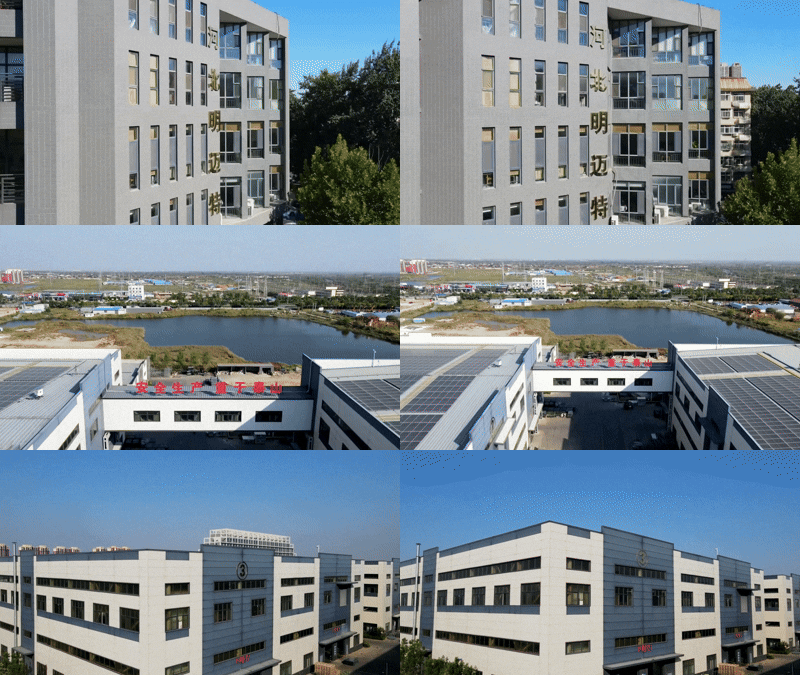
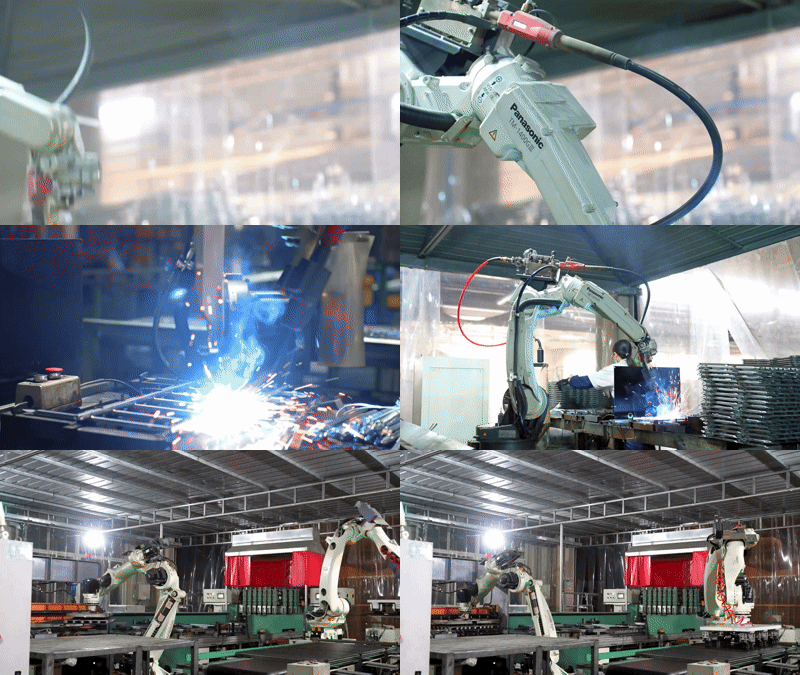
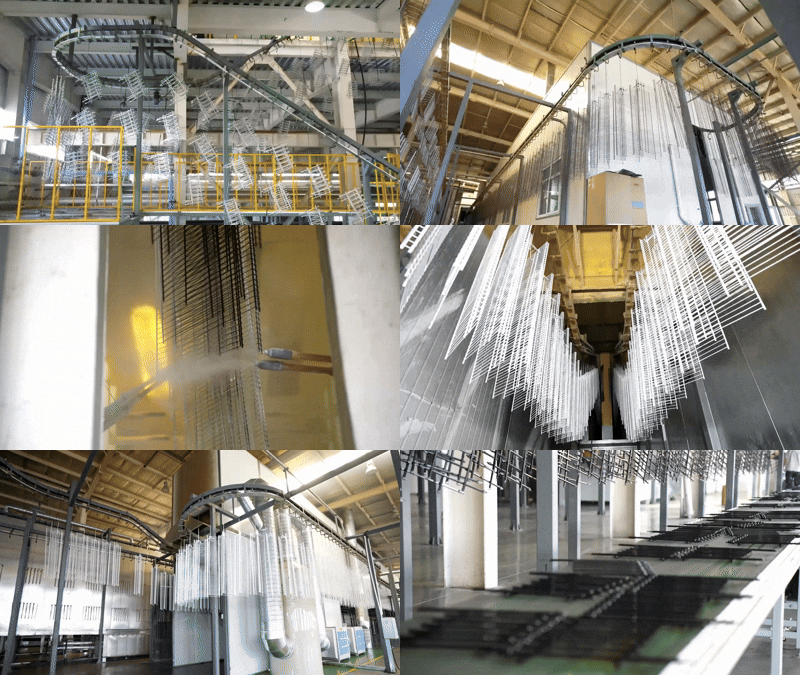
Chi siamo
gif gif gif gif
VR Showroom
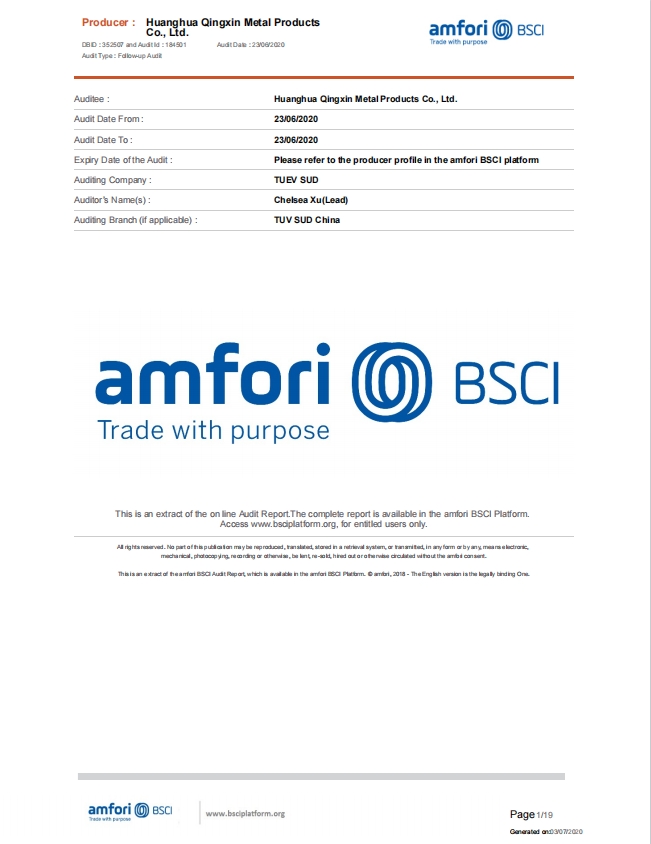
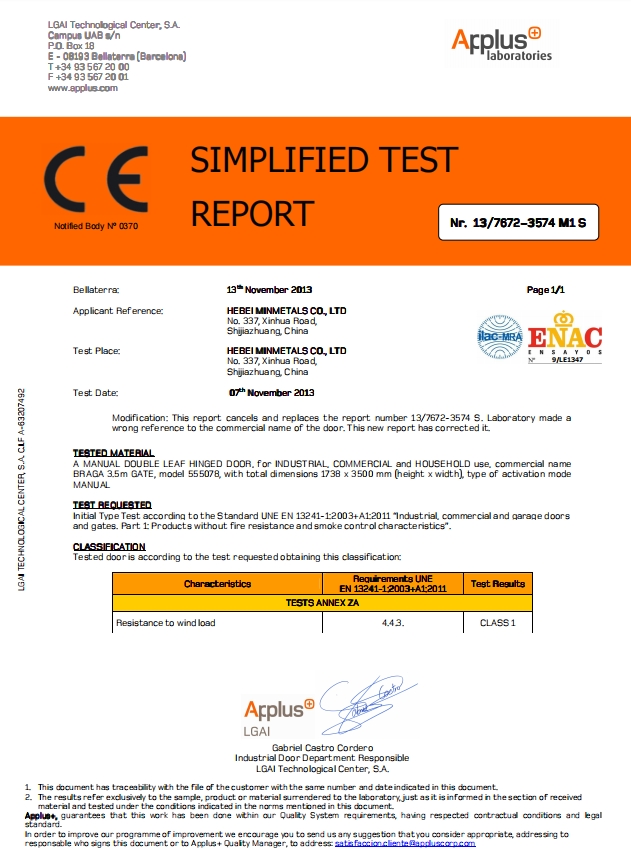
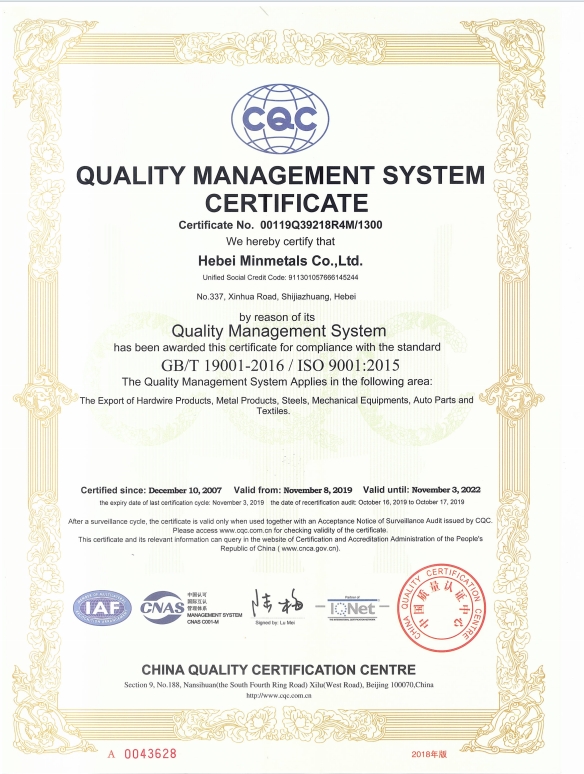
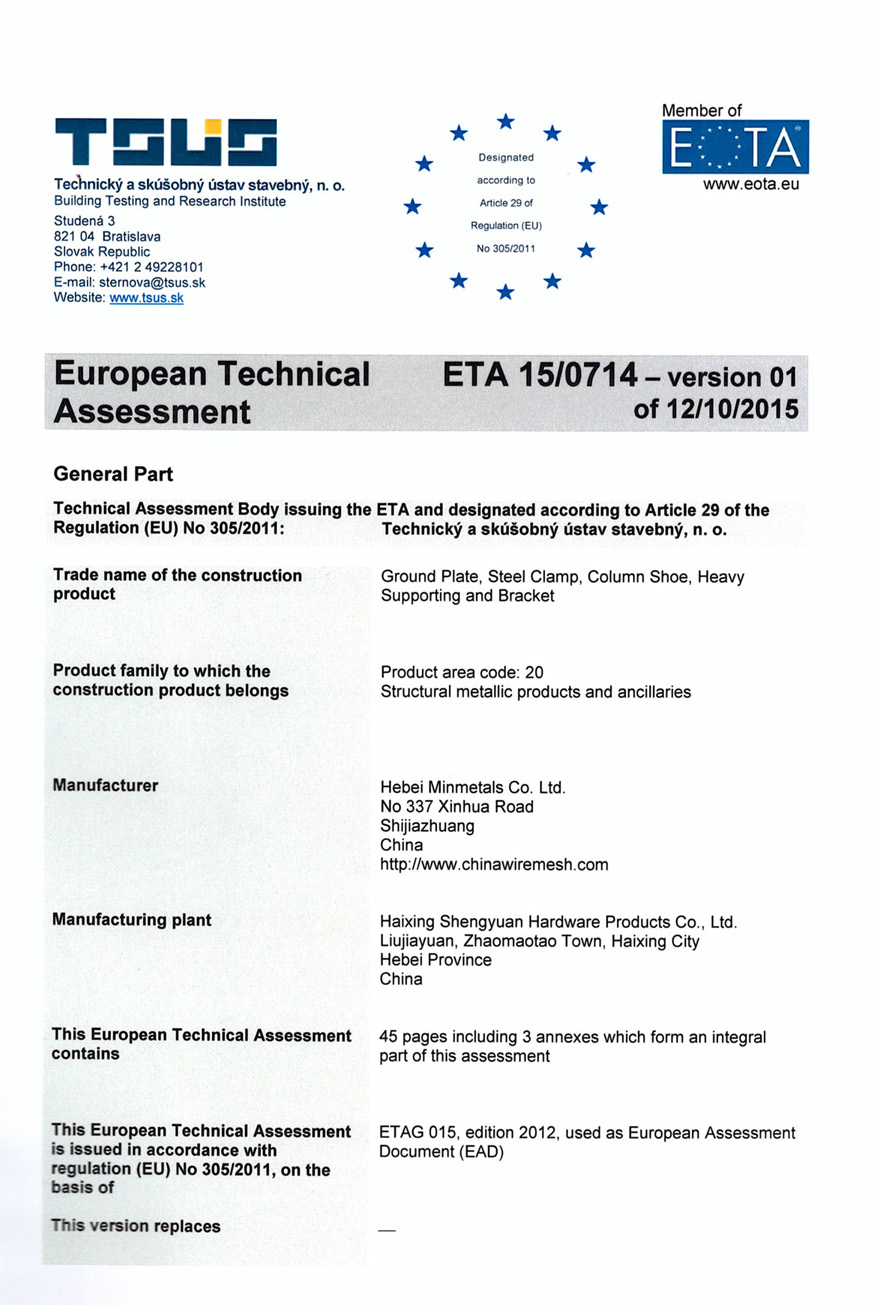
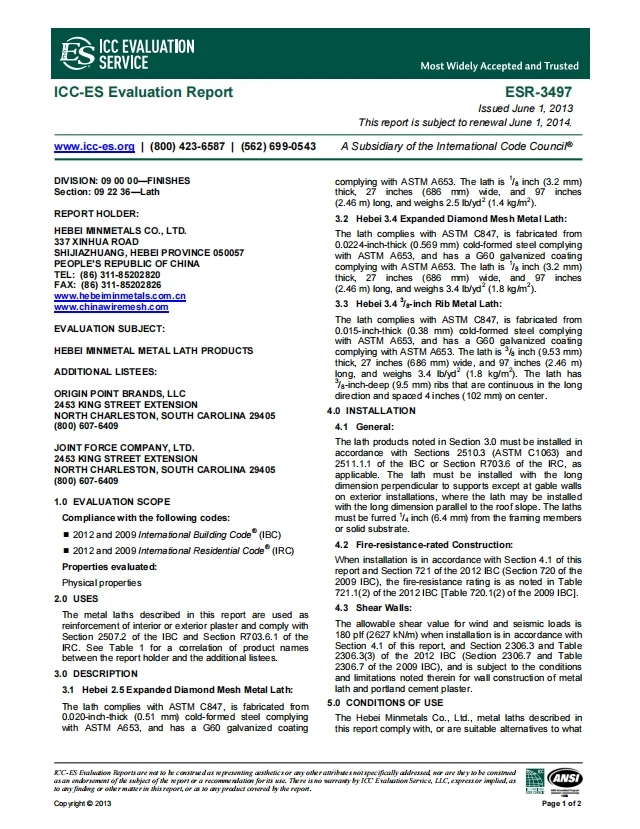
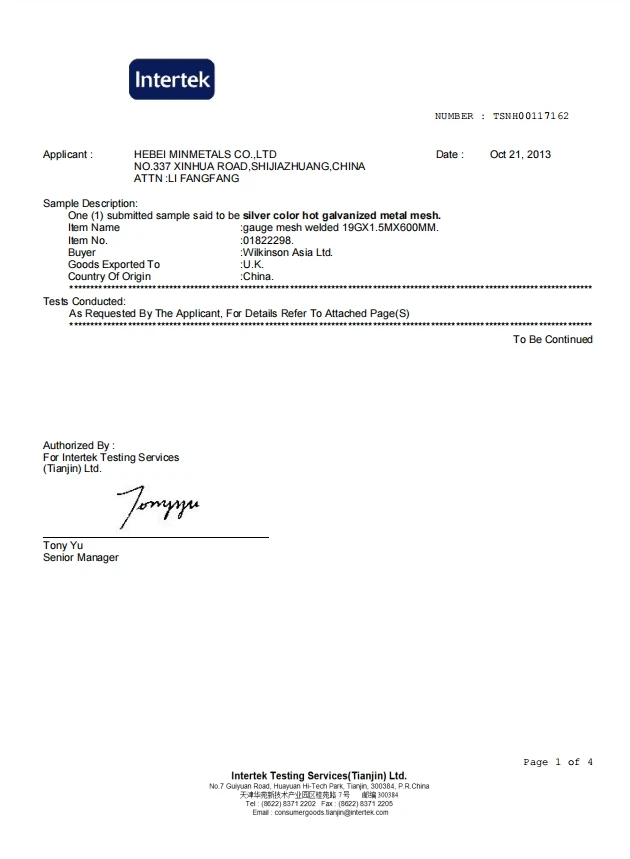
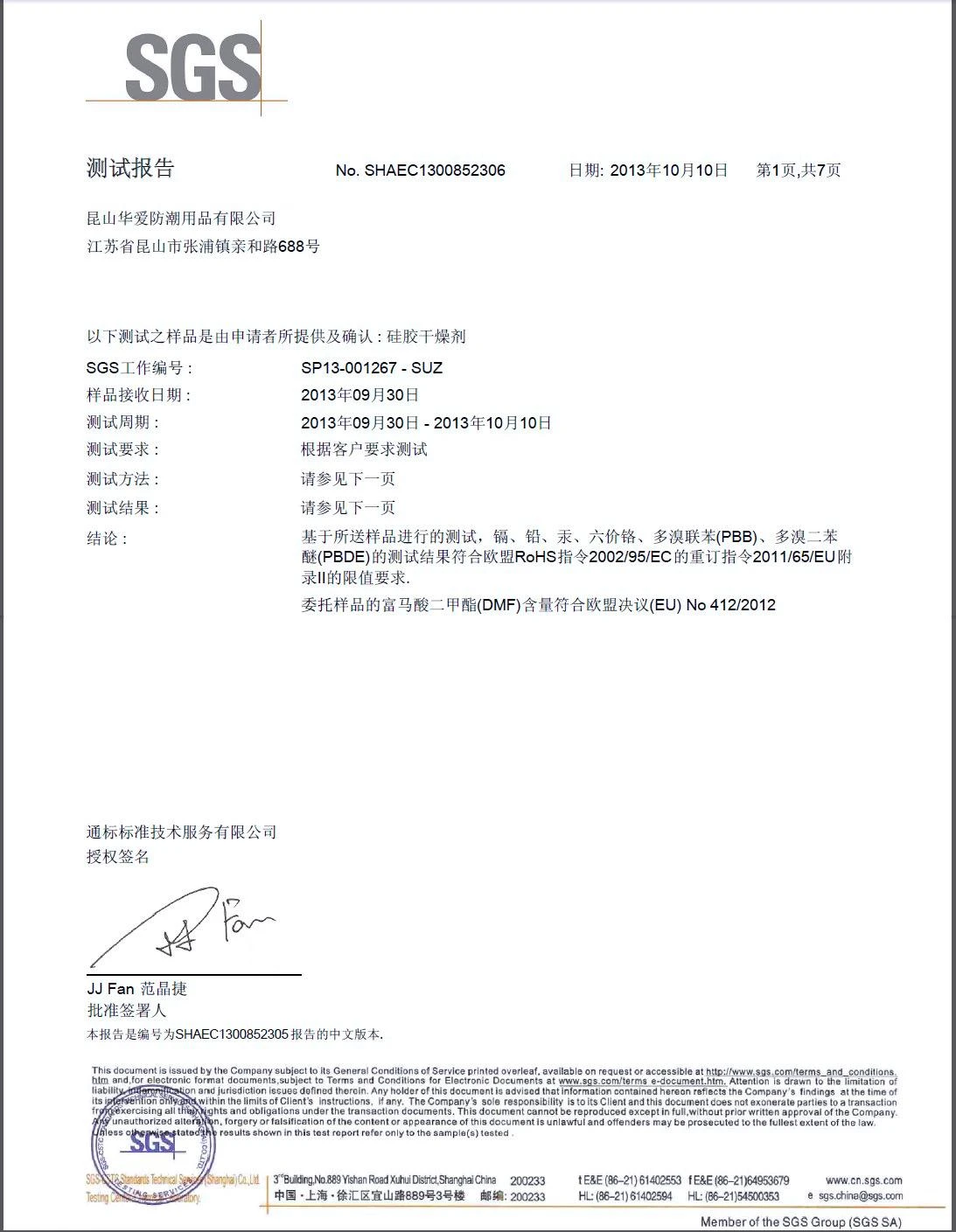
Our certificate
Our certificate
Our certificate
Our certificate
Our certificate
Our certificate
Our certificate
Our certificate
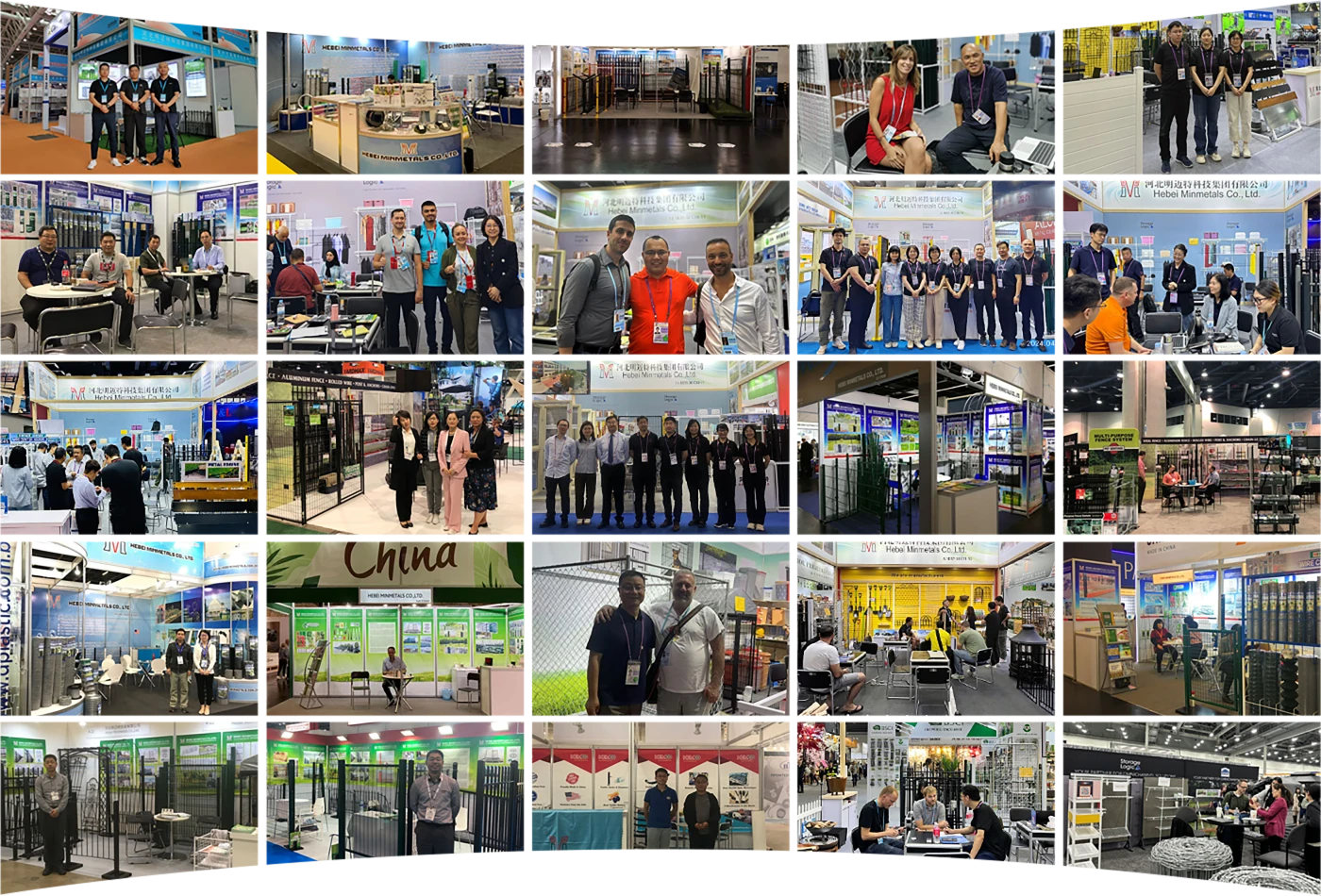
Worldwide Exhibition
Our Partners
Our Partners
Our Partners
Our Partners
Our Partners
Our Partners
Our Partners
Our Partners
Our Partners
Our Partners
Our Partners
Our Partners
Our Partners
Our Partners
Our Partners
Our Partners
Our Partners
Our Partners
Our Partners
Our Partners
Our Partners
Our Partners
Our Partners
Our Partners
Our Partners
Our Partners
Lascia qui il tuo messaggio e ti contatteremo al più presto.

prodotti correlati
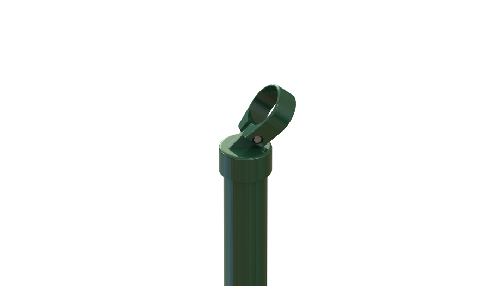
Round Tube Post
Palo a tubo tondo

Descrizione Paletto per recinzione tondo in metallo,

Visualizza altro
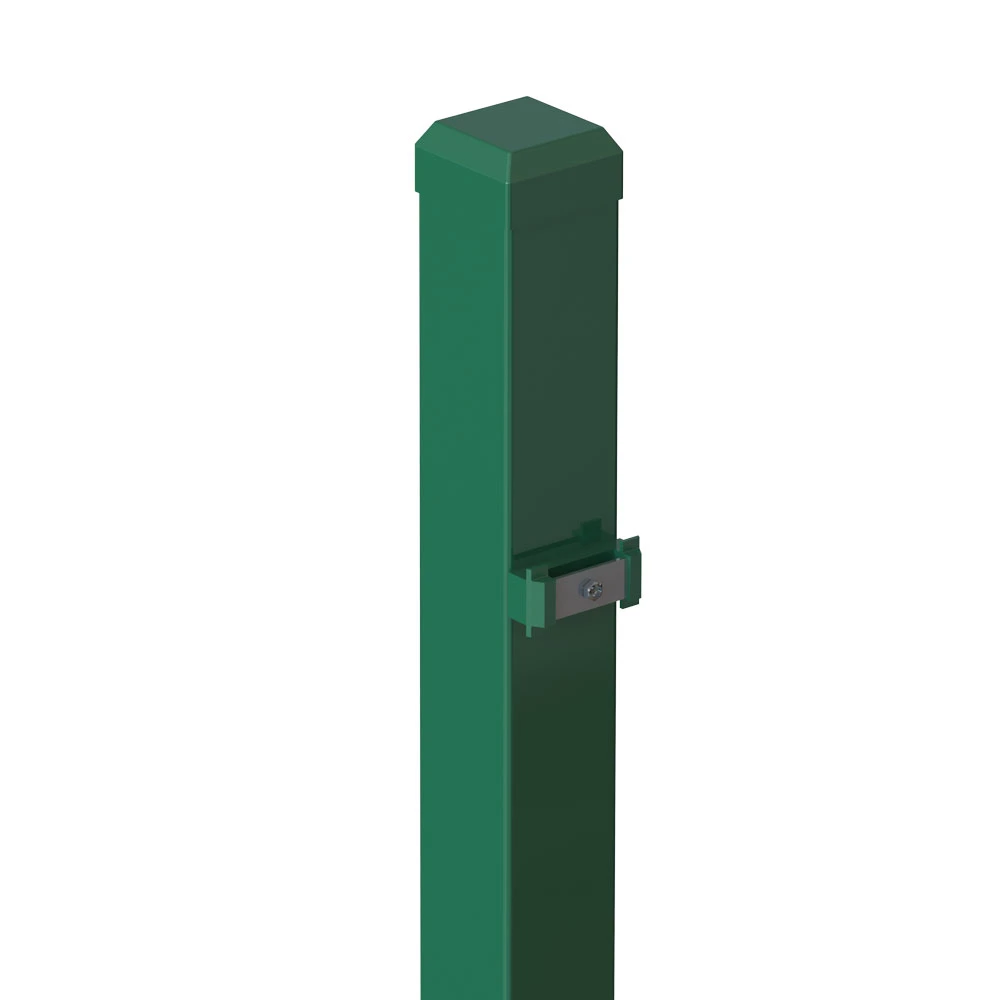
Square Tube Post
Palo a tubo quadrato

Descrizione Palo quadrato, anche del tipo

Visualizza altro
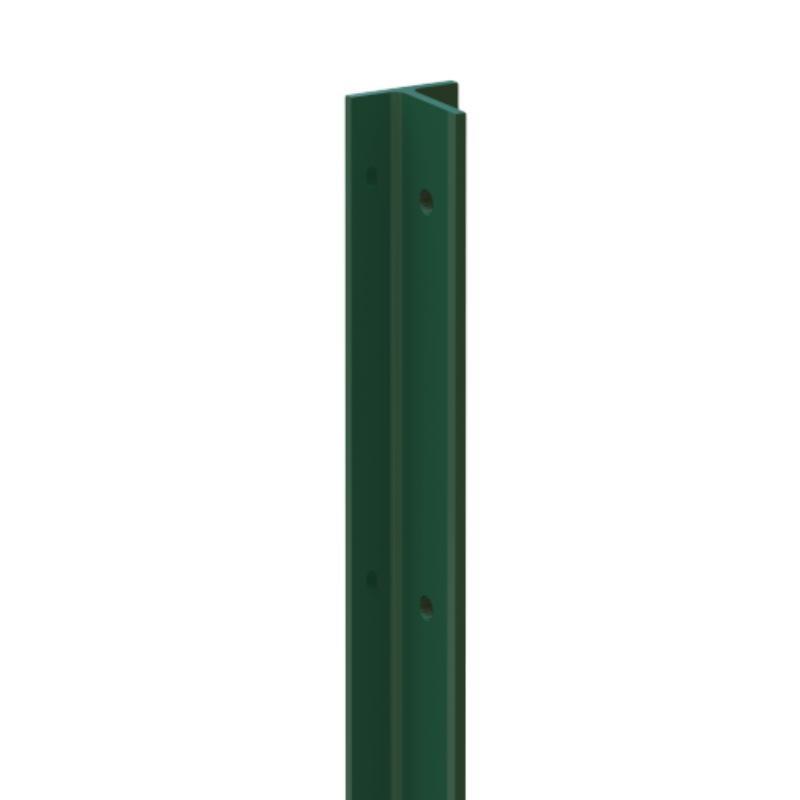
T Post
Posta T

Descrizione  

Visualizza altro
U Post
U-Post

Il palo a U è realizzato in resistente acciaio verniciato a polvere, che offre un'eccellente protezione dalla corrosione e resistenza alle scheggiature.

Visualizza altro
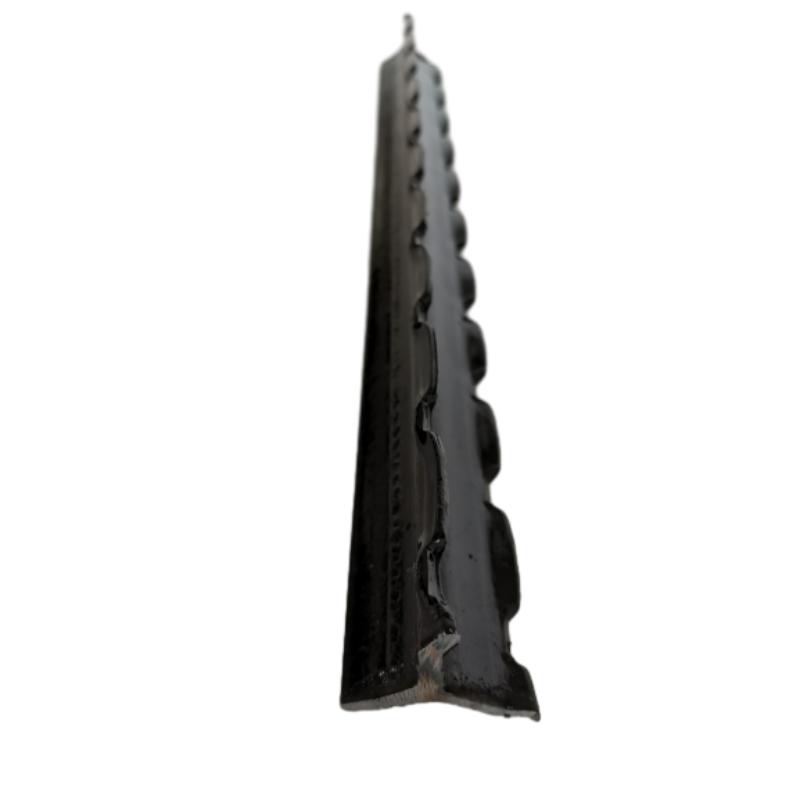
Y Post
Y Post

Il palo a Y con denti fornisce una soluzione affidabile e sicura per fissare le recinzioni in rete metallica, distinguendosi dai tradizionali pali in stile australiano.

Visualizza altro
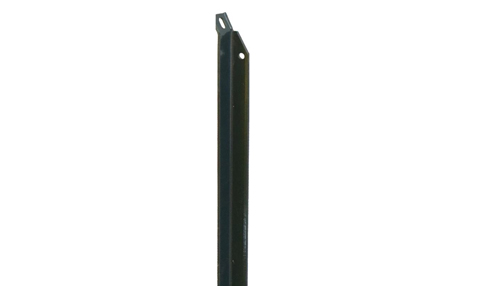
L Post
L Posta

Il palo per recinzione a L è una soluzione versatile e popolare, ampiamente utilizzata in diverse applicazioni, tra cui recinzioni da giardino, recinzioni autostradali e recinzioni comunali.

Visualizza altro
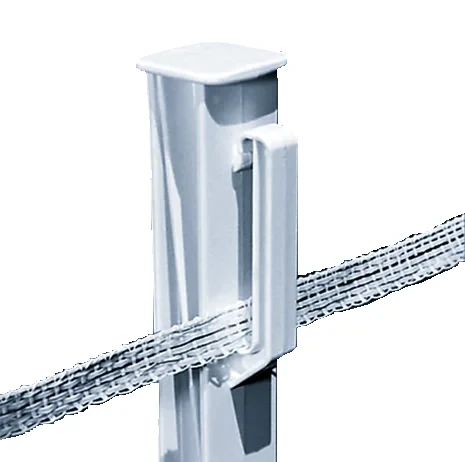
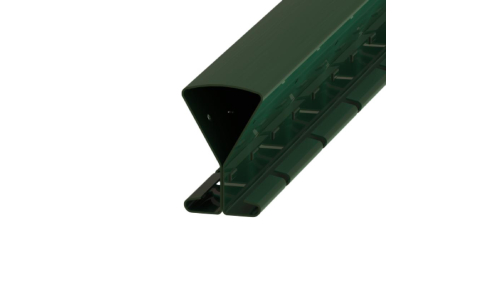
Step-In Poly Fence Post
Palo per recinzione in polietilene a gradino

Descrizione

Visualizza altro
Easy-Post
Post facile

Descrizione  

Visualizza altro
Multi-post
Multi-post

Grazie al palo multiplo, la recinzione diventa più semplice e agevole, soprattutto per giardini e spazi esterni.

Visualizza altro
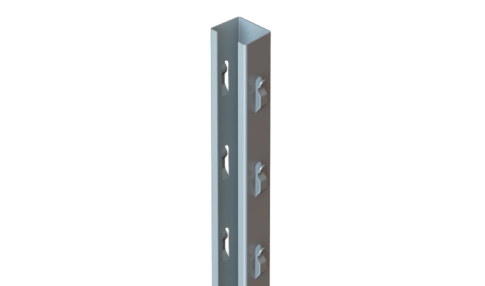
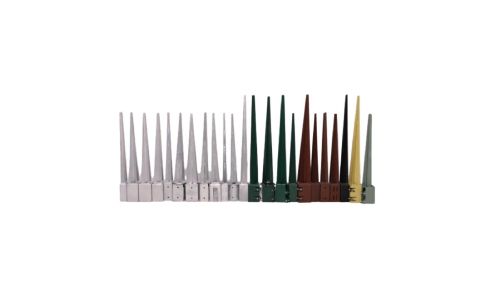
Vineyard Post
Posta del vigneto

Esposizione del prodotto

Visualizza altro

Spike Anchor
Ancoraggio a punta

Descrizione Finitura disponibile

Visualizza altro

Bolt Down Anchor
Ancoraggio imbullonato

Descrizione

Visualizza altro

  • marketing@hebeimetals.com
  • Hebei Minmetals