


















































When it comes to trailer suspension systems, durability, simplicity, and cost-effectiveness are key considerations. Among the most widely used solutions in light- and medium-duty trailers are slipper trailer leaf springs. Known for their practical design and reliable performance, these springs are commonly found in utility trailers, boat trailers, caravans, and agricultural transport equipment.
This in-depth guide explores everything you need to know about slipper springs, including their structure, advantages, and how they compare to other systems like single eye leaf spring e single leaf trailer springs. Whether you’re upgrading an existing trailer or designing a new one, understanding slipper spring trailer suspension systems will help you make an informed decision.
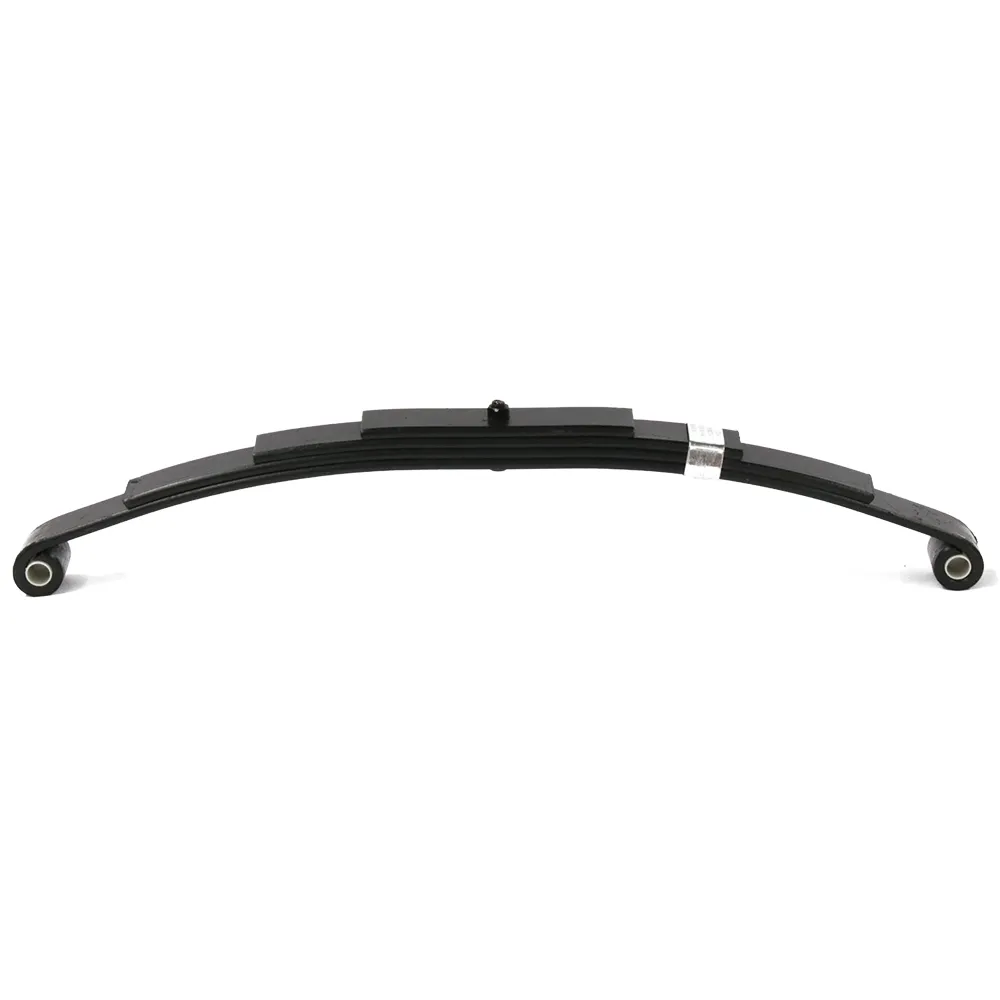
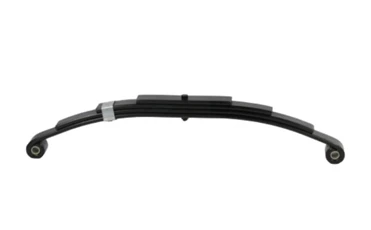
Slipper springs are a type of leaf spring designed specifically for trailer suspension systems. Unlike double-eye leaf springs, which have an eye (rolled loop) on both ends, a slipper leaf spring features an eye on one end and an open, flattened “slipper” end on the other.
The slipper end rests inside or slides against a hanger or bracket attached to the trailer frame. This sliding motion allows the spring to expand and contract as the trailer moves over uneven surfaces.
Because of their straightforward design, slipper leaf springs for trailers are widely used in cost-sensitive applications where reliability and ease of maintenance are priorities.
Key Components of a Slipper Spring Trailer Suspension
A typical slipper spring trailer suspension system consists of:
Front hanger bracket
Rear slipper hanger
Equalizer (for tandem axle setups)
U-bolts
Axle seat
Slipper spring axle assembly
In this system, the front eye of the spring is bolted securely to a fixed hanger. The rear slipper end slides within a rear bracket as the suspension flexes.
This design reduces the number of moving components compared to double-eye spring systems, making it both economical and easier to maintain.
Types of Slipper Leaf Springs for Trailers
There are several variations available depending on load requirements:
Multi-leaf slipper leaf springs for trailers (for heavier loads)
Light-duty single leaf trailer springs
Reinforced commercial-grade assemblies
The number of leaves and thickness of the steel determine the load capacity. Heavier trailers require multi-leaf configurations, while lighter utility trailers may use single leaf trailer springs for basic suspension support.
A slipper suspension trailer setup is especially popular for utility and agricultural trailers. Let’s explore why.
Compared to more complex suspension systems, slipper springs trailer setups are more affordable to manufacture and install. Fewer components mean:
Lower production costs
Simplified installation
Reduced maintenance expenses
This makes them ideal for budget-conscious trailer manufacturers and owners.
The sliding rear end of a slipper leaf spring eliminates the need for rear shackles found in double-eye systems. With fewer moving joints:
There is less wear and tear
Maintenance requirements are reduced
Installation is straightforward
Because of this simplicity, slipper trailer leaf springs are commonly used in harsh environments such as farms, construction sites, and off-road terrain.
Heavy-duty slipper springs for trailer systems can handle substantial loads when properly rated. Multi-leaf configurations distribute weight evenly across the axle.
In tandem-axle setups, the slipper spring axle works together with an equalizer to balance weight between both axles, improving stability and load distribution.
Uma das maiores vantagens de slipper springs is how easy they are to replace. Since the rear end is not bolted but instead rests inside a hanger, removal is quicker compared to double-eye designs.
Routine maintenance typically includes:
Inspecting for cracks or sagging
Checking U-bolt tightness
Lubricating contact points
Ensuring hanger alignment
Proper care extends the life of slipper leaf springs for trailers significantly.
Understanding the difference between a slipper leaf spring and a single eye leaf spring is important when choosing the right suspension system.
What Is a Single Eye Leaf Spring?
A single eye leaf spring has one eye on the front end and a differently configured rear connection, often used in specialized trailer applications. While similar in concept to a slipper design, it typically involves different mounting hardware.
Em contraste, slipper springs trailer systems use a sliding rear end rather than a fixed rear eye connection.
Slipper vs. Double-Eye Systems
Although not listed as a keyword, it’s helpful to understand that many trailers use double-eye leaf springs (eyes on both ends). Compared to double-eye systems:
Slipper suspension trailer systems offer:
Lower cost
Fewer moving parts
Easier installation
Double-eye systems offer:
Smoother ride
Better articulation
Improved long-term wear balance
The choice depends largely on intended use and budget.
Selecting the proper slipper springs for trailer applications requires careful consideration of several factors.
Determine your trailer’s Gross Vehicle Weight Rating (GVWR). The combined capacity of both springs must meet or exceed this rating.
For light-duty trailers, single leaf trailer springs may be sufficient. For heavier loads, multi-leaf slipper trailer leaf springs are recommended.
Ensure the spring matches your slipper spring axle dimensions, including:
Spring length (eye to slipper end)
Spring width
Bolt hole diameter
Arch height
Incorrect sizing can lead to improper alignment and premature wear.
High-quality slipper leaf springs for trailers are made from heat-treated, high-carbon steel. Look for:
Shot-peened surfaces (to reduce stress fractures)
Anti-corrosion coating
Precision-formed leaf alignment
Investing in premium slipper springs reduces long-term replacement costs.
The flexibility and durability of slipper springs trailer systems make them suitable for various industries:
Utility Trailers
Small cargo trailers frequently use single leaf trailer springs for lightweight hauling tasks.
Boat Trailers
Marine environments benefit from corrosion-resistant slipper leaf springs for trailers, especially when galvanized.
Agricultural Equipment
Farm trailers often rely on heavy-duty slipper trailer leaf springs to handle uneven terrain and heavy loads.
Construction Trailers
Rugged job sites demand strong slipper spring trailer suspension systems capable of withstanding repeated impact and vibration.
Proper installation ensures optimal performance:
Secure the front eye bolt tightly but allow for natural pivoting.
Ensure the slipper end sits correctly in the rear hanger.
Align the slipper spring axle precisely with the center bolt.
Torque U-bolts according to manufacturer specifications.
Re-check torque after initial road use.
Improper installation can reduce the lifespan of slipper trailer leaf springs and compromise safety.
Like all suspension components, slipper springs wear out over time. Watch for:
Visible cracks
Flattened or inverted arch
Uneven tire wear
Excessive trailer bouncing
Rust damage
Replacing worn slipper leaf spring components promptly prevents axle misalignment and improves towing safety.
A well-designed slipper suspension trailer system provides durability, simplicity, and cost-efficiency for a wide range of towing applications. Whether you’re using single leaf trailer springs for a light-duty utility trailer or heavy-duty slipper leaf springs for trailers in commercial transport, choosing the correct configuration is essential.
From selecting the proper slipper spring axle to understanding the differences between a single eye leaf spring and a traditional slipper leaf spring, making an informed decision ensures long-term reliability and performance.
With proper installation and maintenance, slipper trailer leaf springs remain one of the most trusted and practical suspension solutions in the trailer industry today.



Copyright © 2026 Hebei Minmetals Co., Ltd. All Rights Reserved. Sitemap | política de Privacidade | Menu