





















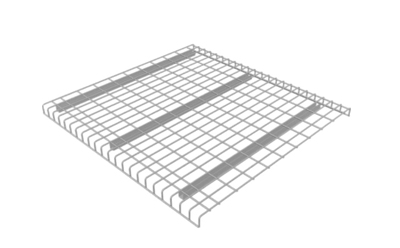
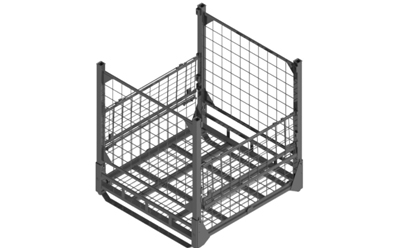
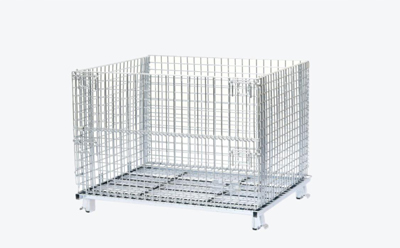






















Efficient storage and material handling are essential for warehouses, manufacturing facilities, distribution centers, workshops, and retail operations. Businesses need storage solutions that are durable, easy to organize, space-saving, and suitable for frequent handling. Wire mesh storage containers have become a practical choice for these environments because they combine strength, visibility, ventilation, and convenient access to stored goods.
Available in different sizes, materials, and structural designs, wire mesh containers can accommodate components, spare parts, tools, packaged products, and various industrial materials. Some models are stackable for high-density storage, while others can be folded when not in use to reduce return transportation and storage costs.
From compact cestas de malha de arame to heavy-duty wire mesh pallet cages, selecting the right product depends on load capacity, storage conditions, handling equipment, and operational requirements. Understanding the differences between common container types can help businesses improve warehouse efficiency and make better purchasing decisions.

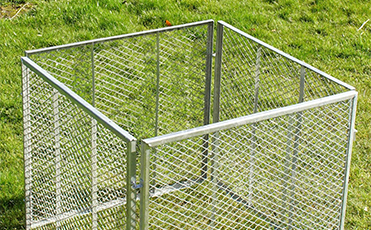
Mesh storage containers are storage and handling units manufactured with metal wire mesh panels, frames, and supporting structures. Their open construction allows users to identify stored items without opening the container and provides airflow around the contents. Different designs are available for small components, bulky goods, production materials, and warehouse inventory.
A recipiente de malha de arame is commonly used in factories, logistics centers, automotive workshops, and distribution facilities. Its metal construction provides a reusable alternative to many disposable packaging solutions, particularly when products must be moved repeatedly between production, storage, and shipping areas.
These containers may feature reinforced frames, hinged doors, removable identification labels, and stackable structures. Depending on the design, they can be handled using forklifts, pallet trucks, or other compatible material-handling equipment.
When choosing a wire mesh container, buyers should consider its internal dimensions, rated load capacity, stacking limits, mesh opening size, and overall weight. These specifications help ensure that the container can accommodate the intended products and operate safely within the facility.
A collapsible wire container is designed to fold down when empty. This feature makes it particularly useful for businesses that regularly transport goods between warehouses, suppliers, manufacturers, and distribution centers.
When the container is loaded, its side panels are secured in the working position. After the contents are removed, the sides can be folded according to the manufacturer's instructions, reducing the space required for empty-container storage.
Collapsible designs can help businesses improve warehouse space utilization and reduce return-shipping volume. They are especially useful in closed-loop logistics systems where reusable containers travel between multiple locations.
A folding wire container offers similar benefits, but folding mechanisms and panel configurations can vary by manufacturer. Buyers should check how easily the unit can be folded, whether it can be stacked when empty, and whether the locking mechanism remains secure during normal handling.
Wire mesh baskets are suitable for storing smaller components, hardware, tools, fasteners, and parts used in manufacturing or maintenance operations. Their open design makes it easier to identify contents, inspect inventory, and remove items without unpacking an entire box.
Wire mesh bins are often used for parts organization, assembly-line storage, picking operations, and workshop inventory management. They may be designed for shelving systems, workstations, or standalone storage racks.
For small items, the mesh opening size is particularly important. Openings that are too large may allow small components to fall through, while smaller openings can provide better containment but may add weight or affect visibility. Selecting an appropriate basket or bin size helps maintain an organized workspace and reduces the risk of misplaced parts.
Mesh straight wall containers feature relatively vertical sides that maximize usable internal space and provide a regular shape for storing uniform products. They can be useful in warehouses and production facilities where containers need to fit closely together or align with existing shelving and handling systems.
A caixa de malha de arame provides enclosed storage for parts, packaged goods, and other materials that benefit from a defined storage boundary. Depending on the design, it may include a lid, hinged access panel, removable base, or reinforced corners.
Straight-wall containers and wire mesh boxes are worth considering when consistent dimensions and efficient space utilization are important. Buyers should confirm whether the selected model supports stacking and whether the dimensions match their existing pallets, racks, and transport equipment.
The performance of a mesh container depends on more than its external appearance. Material selection, frame design, surface treatment, and handling features all influence durability, safety, and suitability for specific environments.
A stainless steel mesh basket is often selected for applications that require corrosion resistance, frequent cleaning, or compatibility with demanding operating environments. Stainless steel grades differ in their corrosion resistance and mechanical properties, so the appropriate grade should be selected according to the intended exposure and cleaning procedures.
These baskets may be used in food-processing facilities, laboratories, pharmaceutical-related operations, industrial washing processes, and specialized manufacturing environments, provided the product design and materials are suitable for the intended application.
When selecting a stainless steel basket, buyers should consider the steel grade, wire diameter, mesh opening, weld quality, surface finish, and required load capacity. For applications involving food contact or hygiene-sensitive processes, the complete basket design and applicable regulatory requirements should also be evaluated rather than assuming that stainless steel alone guarantees suitability.
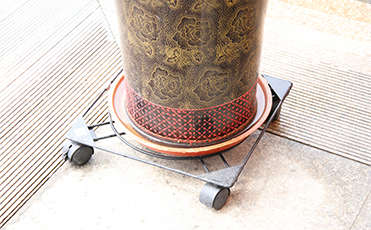
A collapsible wire container with casters combines foldable storage with mobility. Casters allow workers to move materials between workstations, production areas, picking zones, and temporary storage locations without repeatedly transferring the contents into another handling unit.
This design can help improve workflow efficiency in facilities where products need to move frequently over short distances. Lockable casters may help keep the container stationary during loading and unloading, while suitable handles can improve maneuverability.
Before purchasing, check the total rated load capacity, caster material, wheel diameter, braking system, floor conditions, and turning space. The container's mobility rating should account for the complete assembly, including the frame, casters, and intended load.
Businesses should also consider whether the casters are compatible with ramps, uneven floors, or other site conditions. A mobile container should be operated within its rated limits and secured appropriately when stationary.
Load capacity is one of the most important specifications when comparing wire mesh storage products. A container designed for lightweight parts may not be appropriate for heavy metal components or dense industrial materials.
Important structural considerations include:
Wire diameter: Thicker wire may provide greater strength, depending on the design.
Frame construction: Reinforced edges and corners can improve rigidity.
Base support: The bottom structure must withstand the intended load without excessive deformation.
Welding quality: Consistent welds help maintain structural integrity during repeated use.
Stacking capacity: Stacking limits must be specified and followed to reduce instability.
Handling compatibility: Forklift pockets, pallet bases, and lifting points should match the intended equipment.
Buyers should distinguish between static load capacity, dynamic load capacity, and stacking capacity. These ratings describe different operating conditions and should not be treated as interchangeable.
Wire mesh containers may be manufactured from carbon steel, stainless steel, or other suitable metals. Carbon steel products may use powder coating, electroplating, or galvanization to provide surface protection.
The most appropriate finish depends on moisture exposure, storage conditions, cleaning requirements, and expected service life. For example, a dry indoor warehouse may have different requirements from an outdoor storage area or a facility exposed to frequent washing.
Buyers should confirm the coating type and specifications, inspect welds and edges, and determine whether the finish is suitable for the intended environment.
Modern warehouses need storage systems that support inventory visibility, organized material movement, and efficient use of floor space. Properly selected wire mesh containers can help standardize these processes while reducing reliance on single-use packaging.
A wire mesh pallet cage is designed for storing and moving larger quantities of products or bulky industrial materials. Its pallet-style base and mesh sides help contain goods during transportation and storage.
These units are commonly considered for automotive components, metal parts, manufacturing supplies, returnable packaging, and warehouse inventory. Depending on the design, pallet cages may be stackable, collapsible, or compatible with forklifts.
When selecting a pallet cage, confirm the external dimensions, internal capacity, rated load, base construction, and access arrangements. A hinged side panel can make it easier to retrieve goods from a stacked container, while a foldable structure may reduce storage volume when empty.
The open structure of recipientes de armazenamento de malha makes it easier for warehouse staff to identify products and check stock levels. This can support picking, replenishment, inventory counting, and production-line supply.
For better organization, businesses can add labels, barcodes, or compatible identification holders. Standardizing container sizes and assigning specific containers to product categories can also reduce misplaced inventory and simplify warehouse processes.
However, mesh openings should be appropriate for the stored goods. Small, loose, or delicate items may require internal liners or secondary packaging to prevent loss or damage.
Reusable wire containers can reduce the need for disposable cartons and simplify repeated material transfers. Collapsible models may offer additional benefits when empty units must be returned to suppliers or transported between facilities.
The overall economic value depends on the purchase price, expected service life, maintenance, cleaning, transport costs, and return logistics. For businesses operating a closed-loop supply chain, these factors should be assessed together to determine the most cost-effective container design.
Before placing an order, procurement teams should prepare a clear list of technical and operational requirements.
First, measure the available storage area and determine the required container dimensions. Next, identify the weight and type of materials to be stored, including whether they are sharp, delicate, small, or sensitive to moisture.
Then evaluate the required load capacity, stacking method, surface finish, access panels, and handling equipment. If containers will be used in automated or standardized logistics systems, dimensional consistency and compatibility should be verified before bulk purchasing.
Finally, compare suppliers based on manufacturing quality, customization options, sample availability, inspection procedures, packaging, delivery schedules, and after-sales support.
A reliable supplier should provide clear technical specifications and help buyers identify a design that matches the intended application rather than simply recommending the largest or lowest-priced container.
Wire mesh storage containers offer a versatile solution for industrial storage, warehouse organization, manufacturing operations, and material handling. From cestas de malha de arame e wire mesh bins for small components to a heavy-duty wire mesh pallet cage for bulk materials, different designs address different storage and transportation requirements.
A collapsible wire container, folding wire container, ou collapsible wire container with casters may be particularly useful when space efficiency and mobility are priorities. Meanwhile, a stainless steel mesh basket can be appropriate for applications requiring corrosion resistance or specialized cleaning compatibility.
By evaluating materials, load ratings, structural design, surface treatments, and equipment compatibility, businesses can select the right containers for their operations. The result is a more organized storage system, improved handling efficiency, and better long-term value.



Copyright © 2026 Hebei Minmetals Co., Ltd. All Rights Reserved. Sitemap | política de Privacidade | Menu