
























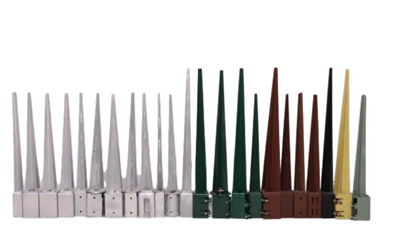
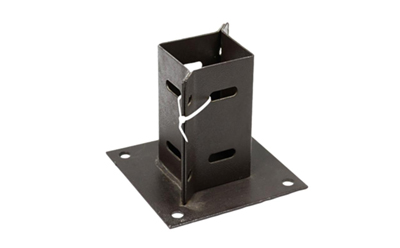
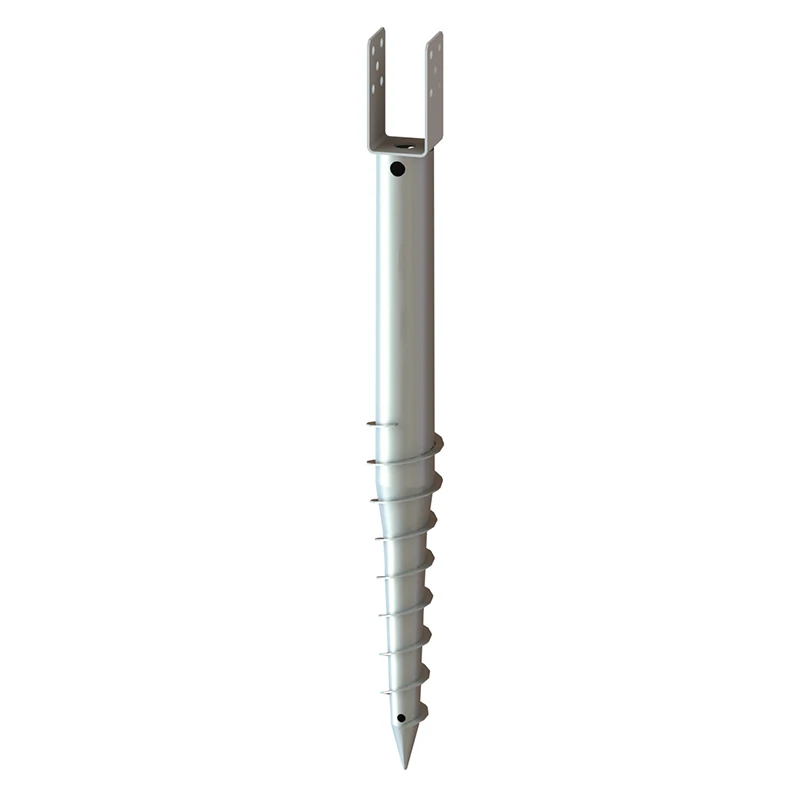
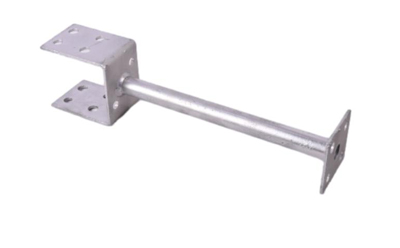


Post anchors and mounting brackets are essential components for installing fences, pergolas, decks, garden structures, carports, and other outdoor construction projects. They help secure vertical posts to concrete surfaces, patios, foundations, and other suitable structural bases. Compared with directly embedding posts into the ground, bolt-down mounting systems can simplify installation, improve positioning accuracy, and make certain repairs or replacements more convenient.
For contractors, builders, fencing installers, hardware distributors, and homeowners, choosing the right post anchor requires careful consideration of post dimensions, base materials, load requirements, environmental conditions, and installation methods. Different products are designed for different applications, so understanding their structural features is important for achieving a stable and durable installation.
Modern post-mounting products are available in various materials, including galvanized steel, stainless steel, and powder-coated metal. They also come in different shapes, sizes, and configurations to accommodate timber posts, metal posts, and other compatible structural members. By selecting suitable anchors and following the manufacturer's installation instructions, users can build outdoor structures with reliable connections and long-term performance.

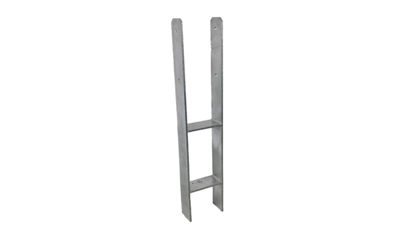
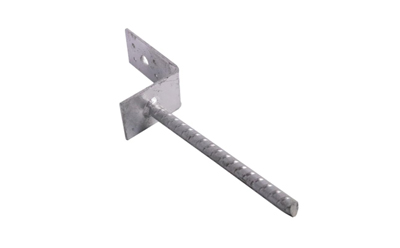
A bolt down concrete post anchor is designed to secure a compatible post to a concrete surface using mechanical fasteners or an approved anchoring system. Instead of placing the post directly into the soil or embedding it in concrete, the installer fixes the anchor to an existing concrete foundation, slab, or other suitable base. The post is then secured within the anchor according to the product design.
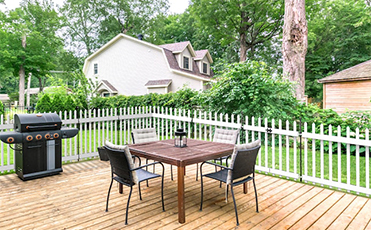
This installation method can be useful for covered patios, timber shelters, garden structures, outdoor seating areas, and selected fencing projects. It can also help keep timber posts separated from standing water on the supporting surface, potentially reducing direct moisture exposure at the post base. However, the actual durability benefit depends on the anchor design, drainage conditions, timber treatment, and maintenance.
When selecting a concrete post anchor, buyers should consider the post dimensions, base plate size, hole arrangement, anchor type, and expected loads. The concrete itself must also be suitable for the intended application. Concrete thickness, strength, edge distances, and the condition of the existing surface can affect the performance of the anchoring system.
For structural applications, the anchor and fasteners must be selected according to the manufacturer's specifications and relevant building requirements. A product intended for a lightweight garden screen should not automatically be used to support a heavily loaded pergola or other structure exposed to significant wind forces.
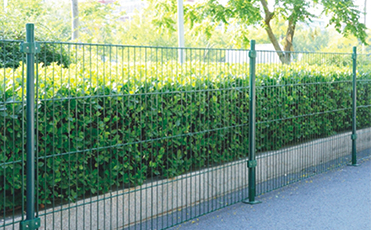
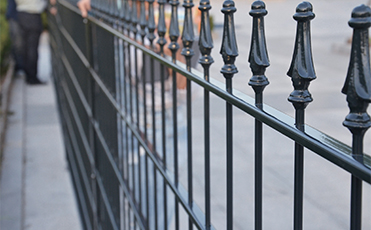
A bolt down fence post anchor is specifically intended to support compatible fence posts on a suitable hard surface. It may be used for garden boundaries, patio dividers, courtyard fencing, and selected commercial installations. Depending on the design, the anchor may feature a flat mounting plate, a post-receiving sleeve, side fixing holes, or adjustable components.
One major advantage of bolt-down fence anchors is installation convenience. Installers can position the anchor, verify alignment, drill the required holes, and secure the mounting plate using compatible fasteners. This can be particularly helpful when installing fencing on an existing concrete patio or paved area where digging post holes would be difficult or undesirable.
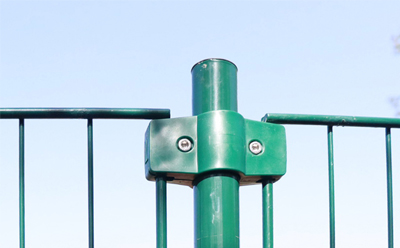
However, the fence post anchor must be matched to the post material and cross-sectional dimensions. Timber posts, square steel tubes, and round metal posts may require different holders. Some anchors use a close-fitting sleeve, while others rely on bolts or clamping plates to secure the post.
Fence height and exposure conditions also matter. Tall fence panels, solid privacy screens, and gates may generate greater wind forces or impose additional loads on their supports. In these situations, buyers should choose a suitably engineered anchoring system rather than relying on the appearance or thickness of the metal alone.
Before purchasing, measure the post carefully and confirm the anchor's internal dimensions. Check the mounting surface, fastener compatibility, corrosion protection, and installation instructions. These simple steps can help prevent fitting problems and improve the reliability of the finished fence.
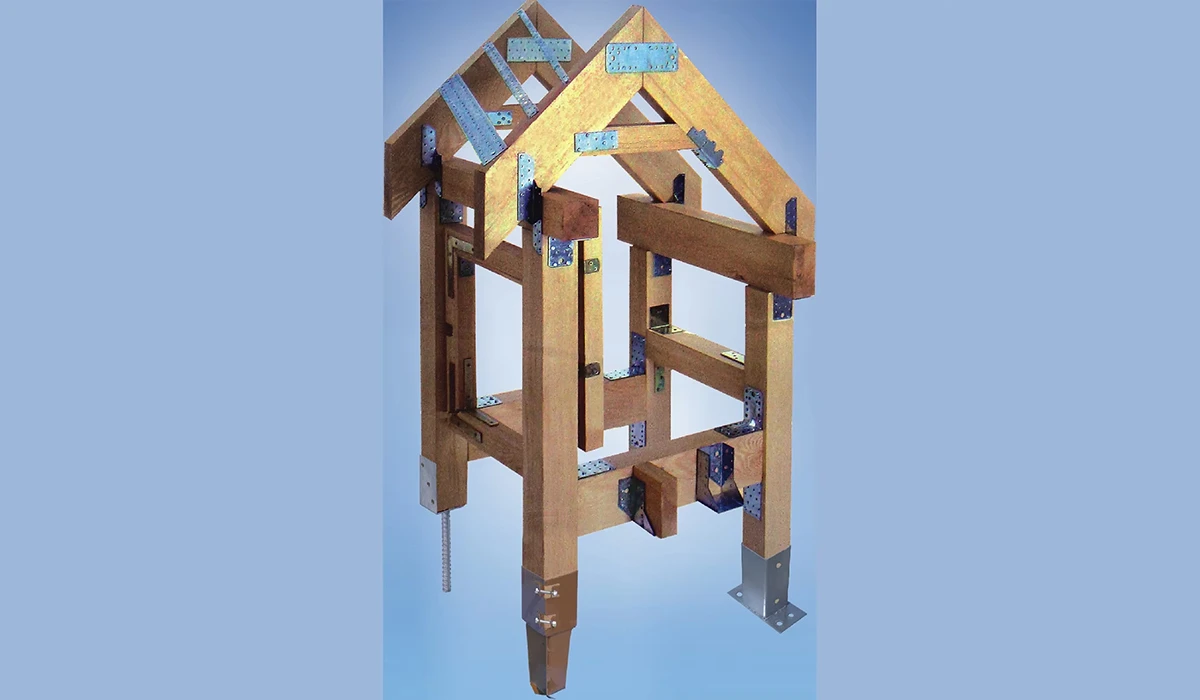
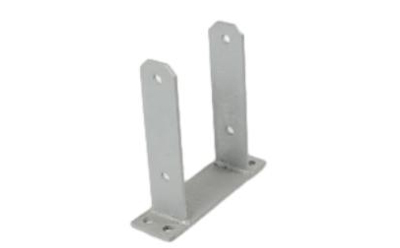
Bolt down fence post holders provide a practical way to position and secure fence posts on concrete, masonry, and other suitable structural surfaces. Their designs vary according to the intended post type, load requirements, and mounting conditions. Common configurations include U-shaped holders, square post sleeves, adjustable brackets, and flat-base holders with predrilled mounting holes.
U-shaped post holders generally support two opposite sides of a compatible timber post, while sleeve-style products surround more of the post's lower section. The most suitable configuration depends on the required restraint, post dimensions, and the manufacturer's design. Buyers should not assume that every holder provides the same level of lateral stability or resistance to movement.
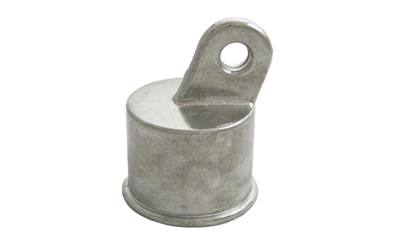
For many outdoor applications, material quality and surface treatment are important purchasing considerations. Bolt down metal fence post holders are commonly manufactured from steel or other suitable metals to provide a rigid connection between the post and the supporting surface. Galvanized steel products are often selected for outdoor use because the zinc coating helps protect the underlying steel from corrosion. Powder-coated finishes can provide additional surface protection and a decorative appearance.
Stainless steel holders may be appropriate for selected environments where corrosion resistance is particularly important. Nevertheless, performance depends on the specific grade, installation conditions, and exposure to moisture or chemicals. Buyers should select materials based on the actual environment rather than assuming one finish is suitable for every outdoor project.
When evaluating metal holders, examine the base plate thickness, weld quality, hole placement, internal dimensions, edge finishing, and coating consistency. Accurate dimensions help ensure that the post fits correctly, while properly manufactured mounting holes make installation easier. Any sharp edges, damaged coatings, or visibly defective welds should be evaluated before use.
Bolt down post brackets are another broad category of mounting hardware used to connect posts to suitable bases or structural surfaces. Depending on their configuration, these brackets may be used for timber framing, garden fencing, deck supports, pergolas, railings, and other compatible projects.
Some brackets are designed primarily to hold a post in position, while others are engineered to transfer specific loads through a structural connection. The product description should clearly identify the intended application and any applicable load ratings. A bracket suitable for a decorative garden feature may not be appropriate for a load-bearing structure.
Fastener selection is equally important. Concrete anchors, masonry fasteners, and structural bolts must be compatible with the bracket, substrate, and anticipated loads. Using the wrong fastener or installing it into weak or damaged concrete can compromise the connection even when the metal bracket itself is well manufactured.
During installation, the mounting plate should sit correctly on the prepared surface, and the post should be aligned before the connection is fully secured. Follow the specified drilling diameter, embedment depth, edge distance, tightening procedure, and any other manufacturer requirements. For structural applications, installation should be checked by a qualified professional when required.
For wholesalers and hardware distributors, stocking different bracket styles and sizes can help serve a wider range of customers. Clear product specifications, installation diagrams, packaging labels, and compatible fastener information make it easier for buyers to select the right product for their projects.
A bolt down post base 6x6 is designed for compatible nominal 6-by-6-inch timber posts, a size commonly used in certain outdoor structures, heavy-duty fencing, and landscaping projects. However, nominal timber dimensions are not necessarily the same as actual finished dimensions. Buyers should measure the post and compare it with the manufacturer's stated internal dimensions before placing an order.
A 6x6 post base may feature a broad mounting plate, a raised post holder, and holes for securing the base to a suitable structural surface. Some designs elevate the timber slightly above the mounting surface to reduce direct contact with water. Other designs focus on providing a compact connection or accommodating specific structural configurations.
The appropriate base depends on the intended application. A fence corner post, gate support, pergola column, and deck post may experience very different combinations of vertical, lateral, and uplift forces. Therefore, choosing a base based only on post size is not sufficient. The connection must be suitable for the actual loads and comply with applicable construction requirements.
For larger posts, buyers should pay particular attention to base plate dimensions, steel thickness, weld quality, fastener layout, and the connection between the post and holder. The supporting concrete must also be capable of resisting the forces transferred through the anchor. Where significant wind loads, overhead structures, or other demanding conditions are involved, an engineered connection may be necessary.
The term bolt down post holders covers a wide range of products, making it important to verify their intended use before purchasing. Some holders are suitable for decorative fencing or lightweight screens, while others are manufactured for more demanding structural applications. Product dimensions, material specifications, load information, and installation guidance should be reviewed together.
When sourcing post anchors in bulk, contractors, retailers, and distributors should consider product consistency, manufacturing quality, available sizes, packaging, delivery lead times, and customization options. Requesting samples or technical drawings can help buyers evaluate a product before committing to a large order.
A reliable purchasing checklist should include:
Post size: Confirm the actual dimensions and shape of the post.
Mounting surface: Identify whether the anchor will be fixed to concrete, masonry, timber, or another approved substrate.
Material and finish: Select a suitable metal and corrosion-protection system for the installation environment.
Fasteners: Verify the required anchor type, dimensions, and installation method.
Structural requirements: Check the intended loads and whether the product is approved for the application.
Quality control: Review dimensional accuracy, coating quality, welds, and relevant product documentation.
Cost should be evaluated alongside durability and installation requirements. A lower-priced holder may not provide the same material thickness, protective coating, or manufacturing consistency as another product. Comparing equivalent specifications can help buyers assess overall value more accurately.
In conclusion, bolt-down post anchors and brackets offer convenient mounting solutions for compatible fencing and outdoor construction projects. A bolt down concrete post anchor provides a method of fixing posts to suitable concrete surfaces, bolt down metal fence post holders offer different configurations for outdoor fencing, and a bolt down post base 6x6 accommodates compatible nominal 6x6 timber posts. By confirming dimensions, selecting suitable materials, using compatible fasteners, and following proper installation requirements, buyers can achieve dependable connections for a wide range of residential and commercial applications.



Copyright © 2026 Hebei Minmetals Co., Ltd. All Rights Reserved. Sitemap | politica sulla riservatezza | Menu