

















A safe and durable outdoor enclosure is an important part of responsible dog care, especially for large breeds, active dogs, working dogs, and households that need a dedicated outdoor space. A well-designed kennel gives dogs enough room to move, rest, and exercise while helping owners create a controlled and secure environment. Among the many kennel options available today, metal and welded wire structures are widely used because they provide a combination of strength, visibility, ventilation, and long-term outdoor performance.
For homeowners, breeders, farms, boarding facilities, training centers, and professional handlers, choosing the right kennel involves more than simply selecting a suitable size. Material, wire construction, surface treatment, frame strength, roof protection, door design, drainage, and installation method can all influence the overall performance of the enclosure.
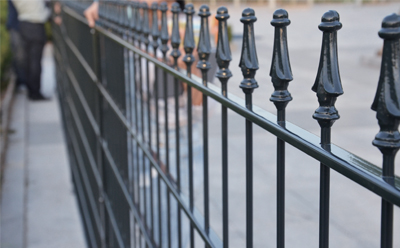
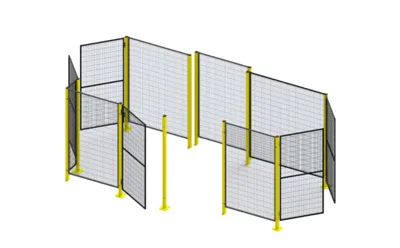
A cuccia per cani zincata is particularly suitable for outdoor applications because galvanized steel is designed to provide protection against corrosion. A welded structure can also provide a rigid enclosure compared with flexible fencing materials. Depending on the design, kennel panels may use welded wire mesh, tubular steel frames, gates, clamps, and optional roof systems. Some commercial kennel systems are also modular, allowing individual panels to be combined into different layouts.
Whether the kennel is intended for a family pet or a professional working dog, understanding the differences between kennel construction methods can help buyers select a safer and more practical solution.

Material selection is one of the most important factors when choosing an outdoor dog enclosure. Dogs can push against fencing, jump, scratch, chew, or repeatedly interact with doors and panels. Therefore, the enclosure needs to provide sufficient structural strength while maintaining appropriate ventilation and visibility.
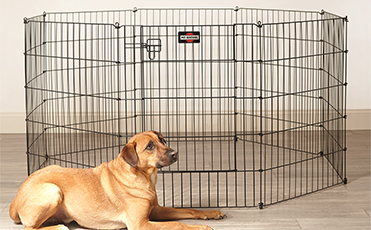
A wire kennel is designed to provide an enclosed area without completely blocking airflow or visual contact. Compared with solid walls, wire panels allow air to circulate naturally around the enclosure. This can be useful for outdoor environments where ventilation is important.
A cuccia per cani in filo metallico can also provide dogs with a clear view of their surroundings. Owners can monitor the dog without entering the enclosure, while the dog can remain aware of activities around it. For training facilities and working-dog environments, this visibility can be particularly useful.
Galvanized Steel for Outdoor Durability
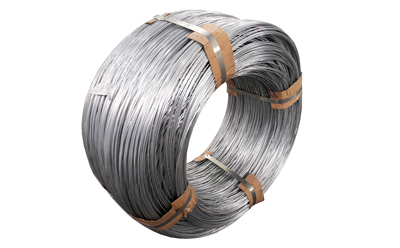
Outdoor kennels are exposed to rain, humidity, temperature changes, sunlight, and other environmental conditions. Ordinary untreated steel can gradually develop rust when exposed to moisture. Galvanization adds a protective zinc coating to steel and is widely used for outdoor fencing and kennel structures.
Some kennel manufacturers use hot-dip galvanizing after welding so that the protective coating also covers welded areas. This approach can help protect vulnerable connection points from corrosion.
For buyers comparing different kennel products, it is therefore useful to ask not only whether the material is described as "galvanized," but also how and when the galvanizing process is applied.
Why Welded Wire Is Different
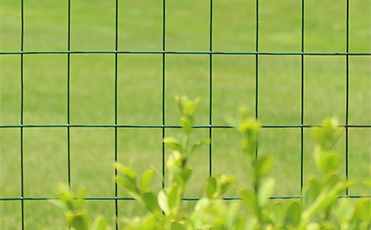
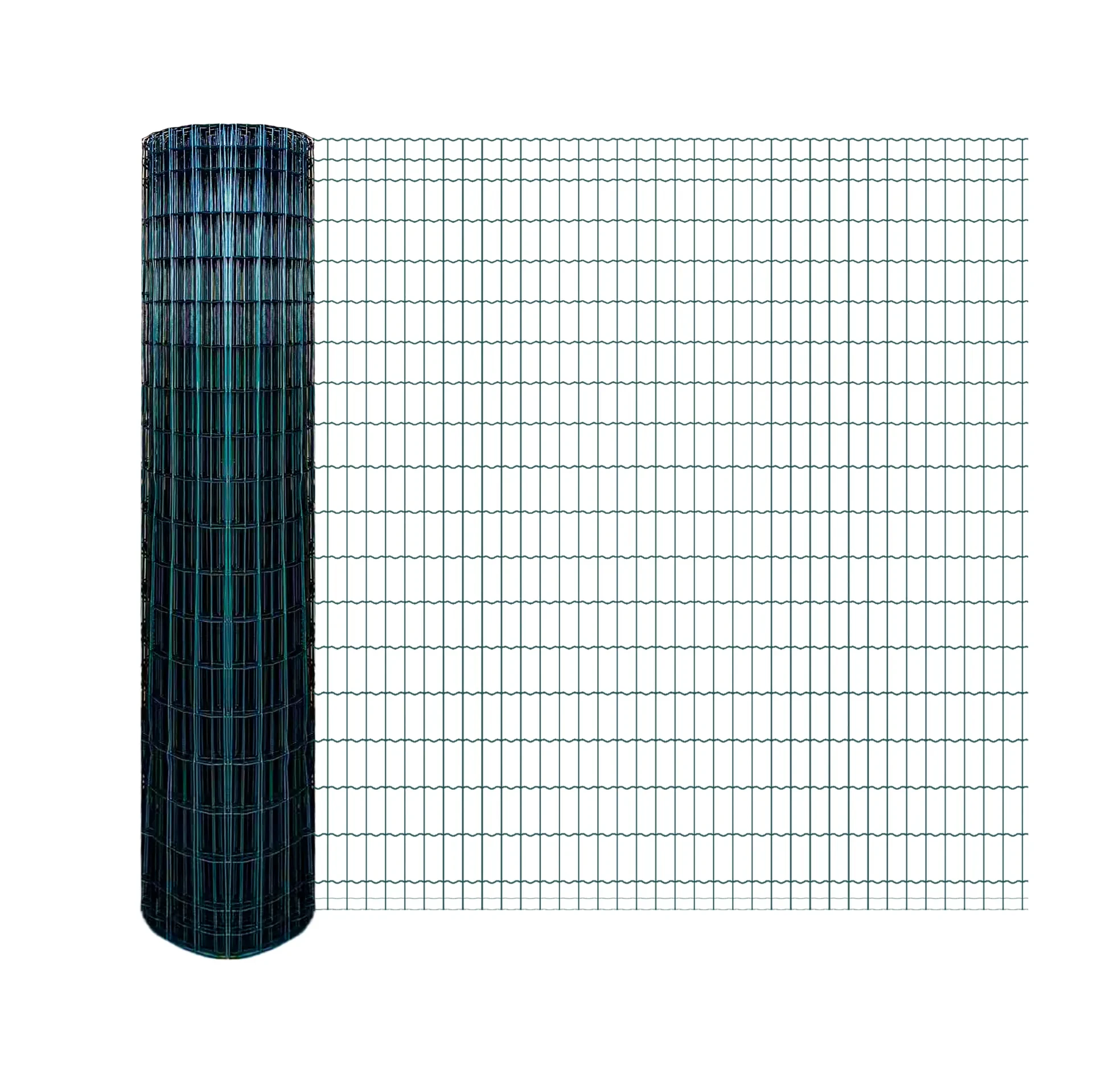
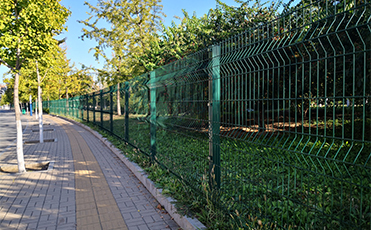
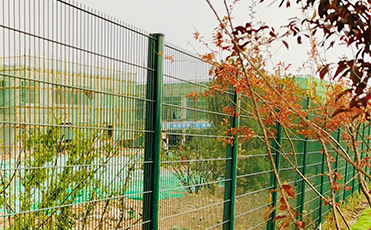
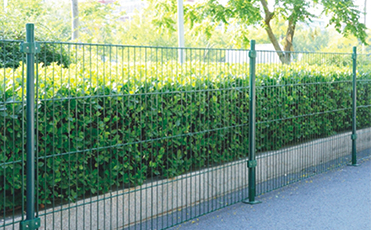
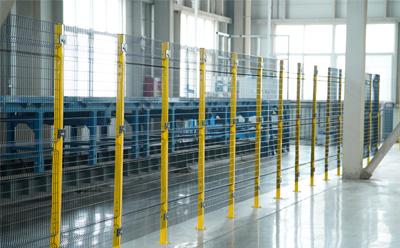
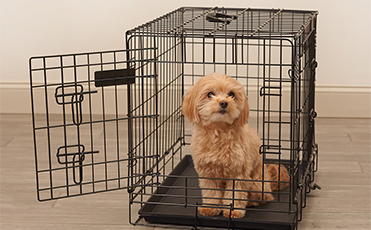
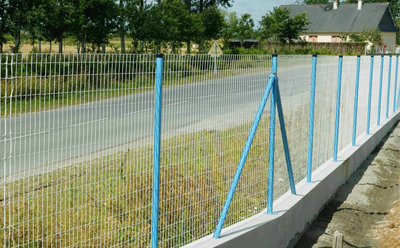
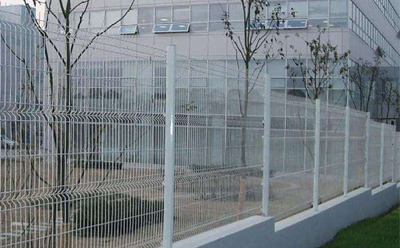
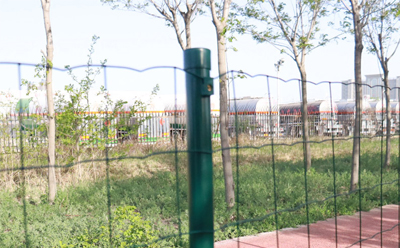
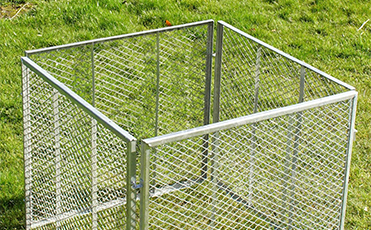
A welded wire dog kennel uses wires that are welded at their intersections to create a rigid mesh panel. Unlike flexible wire fencing, welded mesh maintains a more stable grid structure.
Common kennel mesh configurations can include 2" × 4" openings, while other applications may use different mesh dimensions depending on the size and behavior of the dog.
The mesh opening should be selected according to the dog's size. Smaller dogs and dogs that may attempt to push their nose or paws through the fence may require a smaller opening. Large dogs may require heavier wire and a stronger frame to withstand greater physical forces.
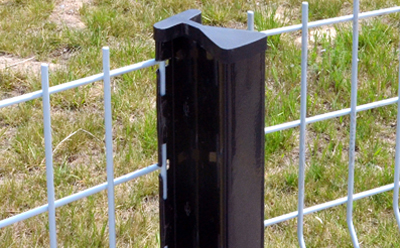
A welded dog kennel can also be designed with different frame options, including square or round tubing. The frame supports the welded panels and provides structural stability. A properly designed frame can help reduce panel movement and improve the overall rigidity of the enclosure.
For professional applications, additional features may include reinforced gates, secure latches, ground anchors, roof panels, shade covers, and modular connecting systems.
Not every dog has the same activity level or housing requirements. A calm household pet may have different enclosure needs from a police dog, hunting dog, livestock guardian, security dog, or other active animal.
Working dog kennels should provide enough space for the dog to stand, turn around, walk, and rest comfortably. For active dogs, additional space can allow more movement and reduce the feeling of confinement.
The size of the kennel should be selected according to the dog's body size, activity level, amount of time spent inside, and whether the enclosure is intended for short-term management or regular outdoor use.
Strong Structure for Active Dogs
Working dogs can place significant loads on an enclosure. They may run toward the gate, lean against panels, jump, or interact repeatedly with the structure.
For this reason, a kennel intended for active or large dogs should be evaluated based on:
Wire diameter
Mesh opening
Frame tube size
Panel connection method
Gate construction
Hinge strength
Latch design
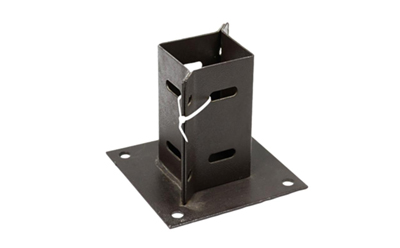
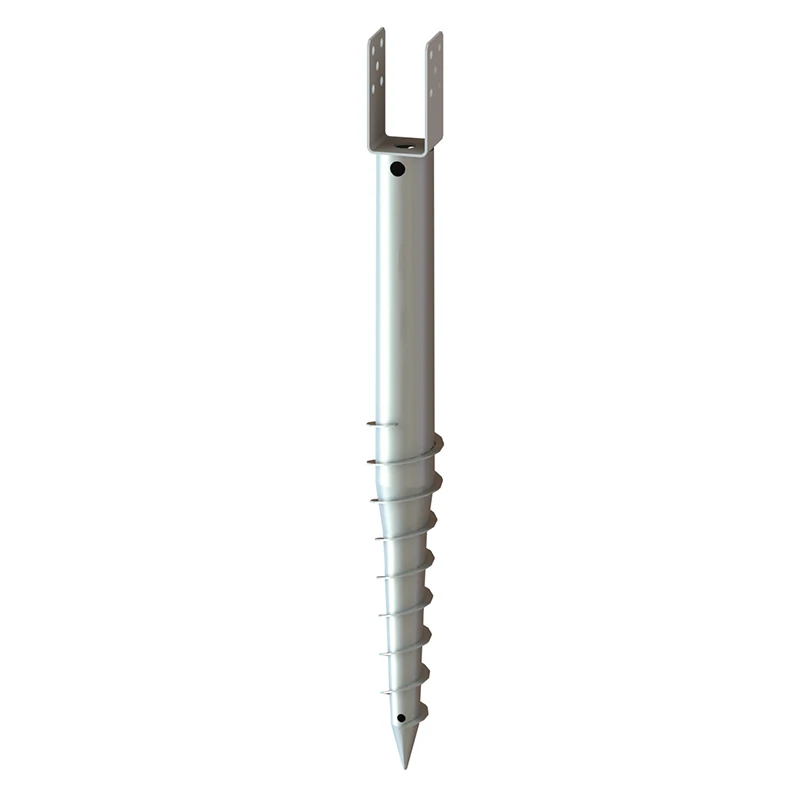
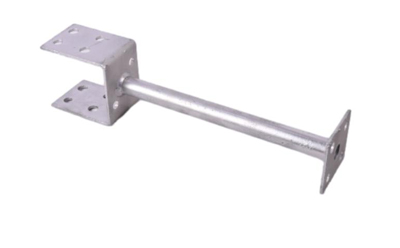
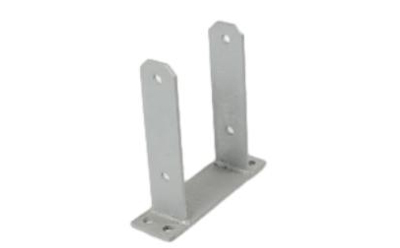
Ground anchoring
Overall kennel height
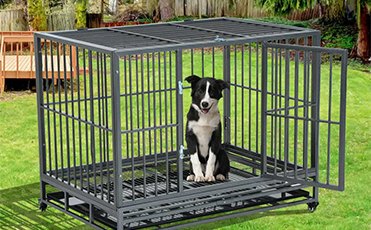
A welded dog kennel can provide a rigid framework for these applications. Commercial welded-wire kennel systems commonly use heavy-gauge welded mesh and galvanized steel tubing, with some systems offering customizable dimensions.
The Importance of Weather Protection
A metal enclosure can protect a dog from escaping, but the enclosure itself does not automatically provide adequate protection from rain, snow, strong sunlight, or other weather conditions.
For outdoor applications, buyers should consider adding a roof or cover. A kennel with a suitable roof can create a shaded and sheltered area while allowing the sides to remain open for ventilation.
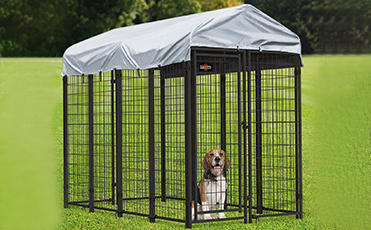
A waterproof dog kennel generally refers to a kennel system designed with weather-resistant roofing or a waterproof cover rather than a completely waterproof metal cage. Commercial kennel systems may use waterproof fabric covers, sloped roof structures, or other weather-protection solutions.
A sloped roof can also help rainwater drain away from the kennel rather than collecting on top. Some commercial welded-wire kennel systems specifically incorporate roof designs that direct rainwater toward one side.
When selecting a waterproof or weather-resistant kennel, buyers should therefore look at the entire system, including the roof material, frame, drainage, connection points, and floor area.
Ventilation and Shade
Outdoor dog housing should balance weather protection with ventilation. A completely enclosed structure may retain heat, while an open wire structure provides airflow but offers less protection from rain and sunlight.
A practical kennel design can combine welded-wire side panels with a partial or full roof. This allows the dog to remain in a protected space while maintaining airflow through the sides.
For hot climates, shade coverage is particularly important. For colder or wetter climates, buyers may also need a more substantial shelter area inside or adjacent to the kennel.
When purchasing a kennel, it is useful to consider the intended application first and then select the structure, dimensions, and accessories accordingly.
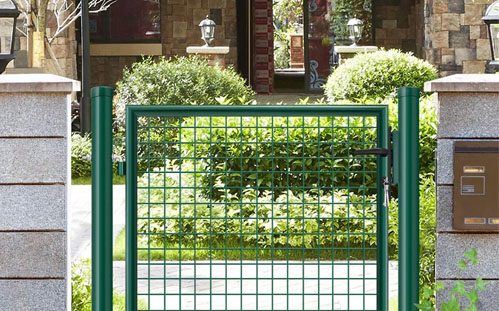
For residential use, a cuccia per cani in filo metallico can provide a dedicated outdoor run where a dog can spend supervised outdoor time. Modular panel designs can be useful because the layout can potentially be expanded or reconfigured as requirements change.
For breeders or multi-dog households, several kennel sections can be arranged side by side. Individual panels can create separate spaces for different dogs while maintaining airflow and visibility.
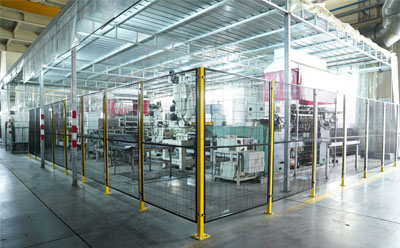
For professional facilities, a cuccia per cani zincata can be part of a larger kennel system. Boarding facilities, training centers, veterinary facilities, farms, and working-dog operations may require stronger frames, secure gates, larger dimensions, roof systems, and customized configurations.
Consider the Dog's Size and Behavior
The first consideration should always be the dog itself.
A small dog may require smaller mesh openings to reduce the possibility of paws or the head becoming caught. A large or highly active dog may require heavier wire and stronger structural framing.
Dogs that are known to escape may also require additional attention to gate security and panel connections. A strong mesh panel is less useful if the gate latch can be easily opened.
Consider Mesh and Frame Construction
A welded wire dog kennel normally consists of two main structural elements: the welded mesh panel and the supporting frame.
The mesh provides the enclosure, while the frame provides rigidity. Both need to be appropriately matched.
Some commercial welded kennel systems use square tubing combined with welded wire mesh, while other designs use round tubing. Panel dimensions can also vary substantially depending on the manufacturer and application.
Buyers should therefore compare complete specifications rather than judging quality solely from product photographs.
Consider Surface Treatment
For outdoor applications, surface treatment has a direct relationship with long-term maintenance.
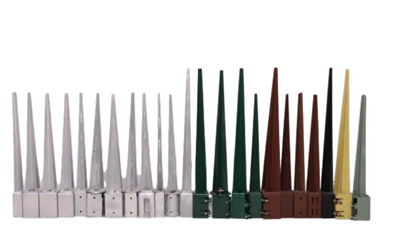
A galvanized finish can provide corrosion protection, while powder coating may be added for additional surface protection and appearance. Some products use hot-dip galvanizing followed by powder coating.
For a cuccia per cani zincata, buyers should confirm whether the frame, wire, welded points, gates, and other exposed steel components have appropriate corrosion protection.
Consider Installation and Maintenance
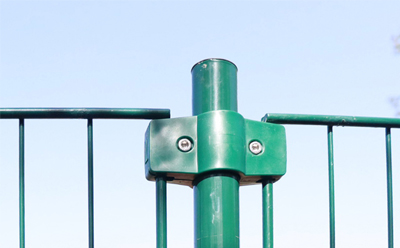
Modular kennel panels can simplify transportation and installation. Some commercial systems use clamps to connect panels, while pre-assembled panels can reduce installation time.
Regular maintenance should include checking:
Panel connections
Gate hinges
Latches
Roof fasteners
Welded joints
Corrosion or damaged coating
Ground anchors
Sharp or damaged wire ends
The kennel should also be cleaned regularly. Good drainage around the enclosure can help prevent standing water and maintain a cleaner environment.
A Practical Choice for Outdoor Dog Management
From a material perspective, galvanized steel and welded wire provide a useful combination of strength, ventilation, visibility, and corrosion resistance for many outdoor kennel applications. A welded dog kennel can provide a rigid enclosure, while a suitable roof or cover can improve protection against rain and sunlight.
However, a kennel should be viewed as part of a broader dog-care environment. Dogs still need appropriate shelter, water, exercise, interaction, and supervision. The enclosure should be selected according to the individual animal and the intended period of use.
For buyers looking for a durable outdoor enclosure, comparing the wire construction, frame material, galvanizing method, mesh opening, dimensions, gate system, roof design, and installation method is more useful than focusing on a single product feature.
A well-designed cuccia per cani zincata can provide a practical long-term solution for homeowners, breeders, farms, training facilities, and professional working-dog operations. A wire kennel offers ventilation and visibility, while a welded wire dog kennel adds a rigid mesh structure suitable for many active-dog applications. With the addition of a suitable roof and weather-resistant cover, the enclosure can also become a more comfortable waterproof dog kennel solution for outdoor use.
For buyers planning a new kennel system, the best approach is to start with the dog's size, behavior, climate, available space, and intended use. Then evaluate the mesh, frame, surface treatment, gate, roof, and accessories as a complete system. This approach can help create a safer, more durable, and more practical outdoor environment for dogs.



Copyright © 2026 Hebei Minmetals Co., Ltd. All Rights Reserved. Sitemap | politica sulla riservatezza | Menu