




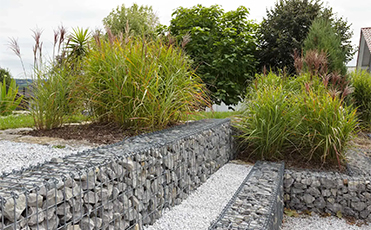


















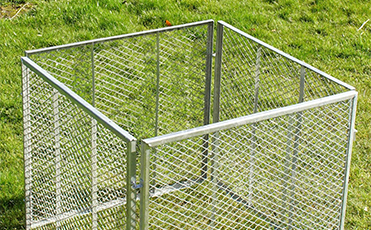
Plastic fencing materials are widely used in gardening, agriculture, landscaping, poultry keeping, and residential projects. They offer a lightweight and versatile alternative to some traditional metal fencing products, making them suitable for applications where easy installation, corrosion resistance, and flexible handling are important. From protecting vegetable gardens to creating poultry enclosures, choosing the right mesh can help improve safety, organization, and long-term usability.
Plastic chicken wire is a popular option for lightweight enclosures and garden protection. Meanwhile, rete metallica rivestita in plastica combines a metal wire structure with a protective plastic layer, offering a different balance of strength, flexibility, and weather resistance. Other products, including recinzione in rete di plastica resistente, recinzione in filo metallico rivestito in plastica, E rete di plastica, are available for projects with different functional requirements.
Before purchasing fencing materials, buyers should consider mesh size, material composition, tensile strength, UV resistance, installation conditions, and the type of animals or objects that need to be contained. Understanding these differences makes it easier to select a practical fencing solution for residential, agricultural, or commercial use.

Plastic fencing products are available in several constructions, ranging from flexible polymer netting to metal mesh protected by a plastic coating. Although these products may look similar, their strength and intended uses can differ significantly.
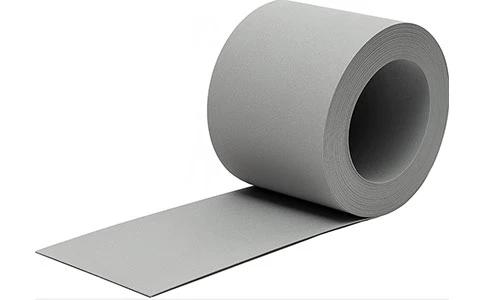
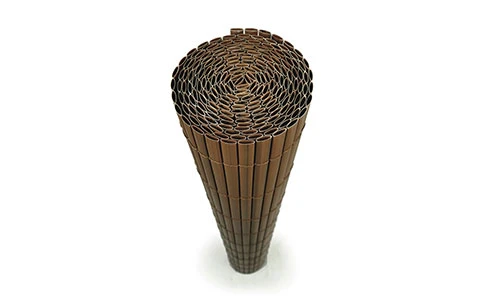
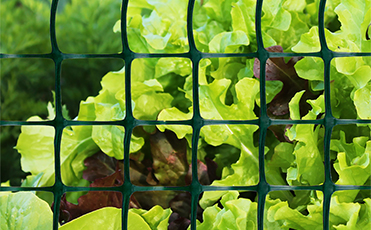
Plastic chicken wire is a lightweight mesh fencing material generally manufactured from durable polymers such as polyethylene or polypropylene. Its open mesh structure allows air and light to pass through while creating a physical boundary around selected areas.
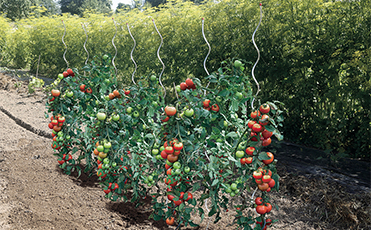
Gardeners often use it to protect seedlings, vegetable beds, and young plants from chickens and other small animals. Poultry keepers may also use it for temporary partitions, garden runs, or lightweight enclosures where the product's strength is appropriate for the application.
Compared with traditional metal chicken wire, plastic alternatives are generally easier to cut, carry, and install. They do not rust like uncoated steel, and many products can be rolled up for convenient storage when not in use.
However, plastic chicken wire is not suitable for every security or animal-containment application. It may be vulnerable to chewing, cutting, stretching, and damage from larger animals. For predator-resistant poultry enclosures, a stronger metal mesh and properly designed supporting structure may be necessary.
Plastic chicken wire mesh is available in different mesh openings, roll widths, and lengths. The appropriate size depends on what needs to be contained or excluded.
Smaller openings can help prevent small birds and animals from passing through, while larger openings may offer improved visibility and airflow. Gardeners should also consider the size of young plants and whether the mesh could interfere with plant growth.
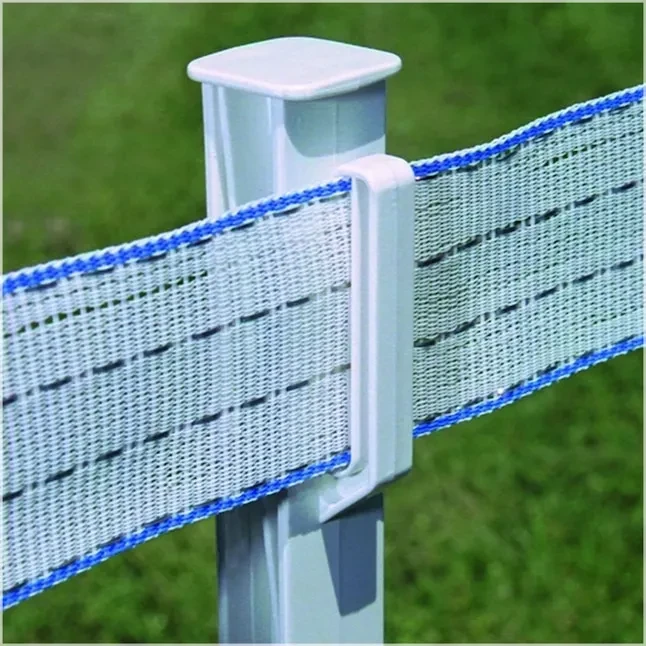
This type of mesh can be attached to wooden stakes, garden posts, lightweight frames, or existing fencing structures. Plastic ties and compatible clips can simplify installation, although the fastening system must be strong enough to withstand wind and routine handling.
When selecting a product, check the polymer type, mesh dimensions, thickness, UV stabilization, and recommended service conditions. These details are more useful than appearance alone when comparing different suppliers.
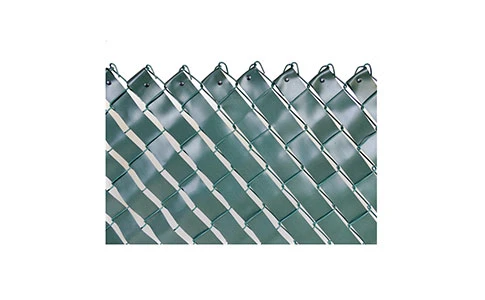
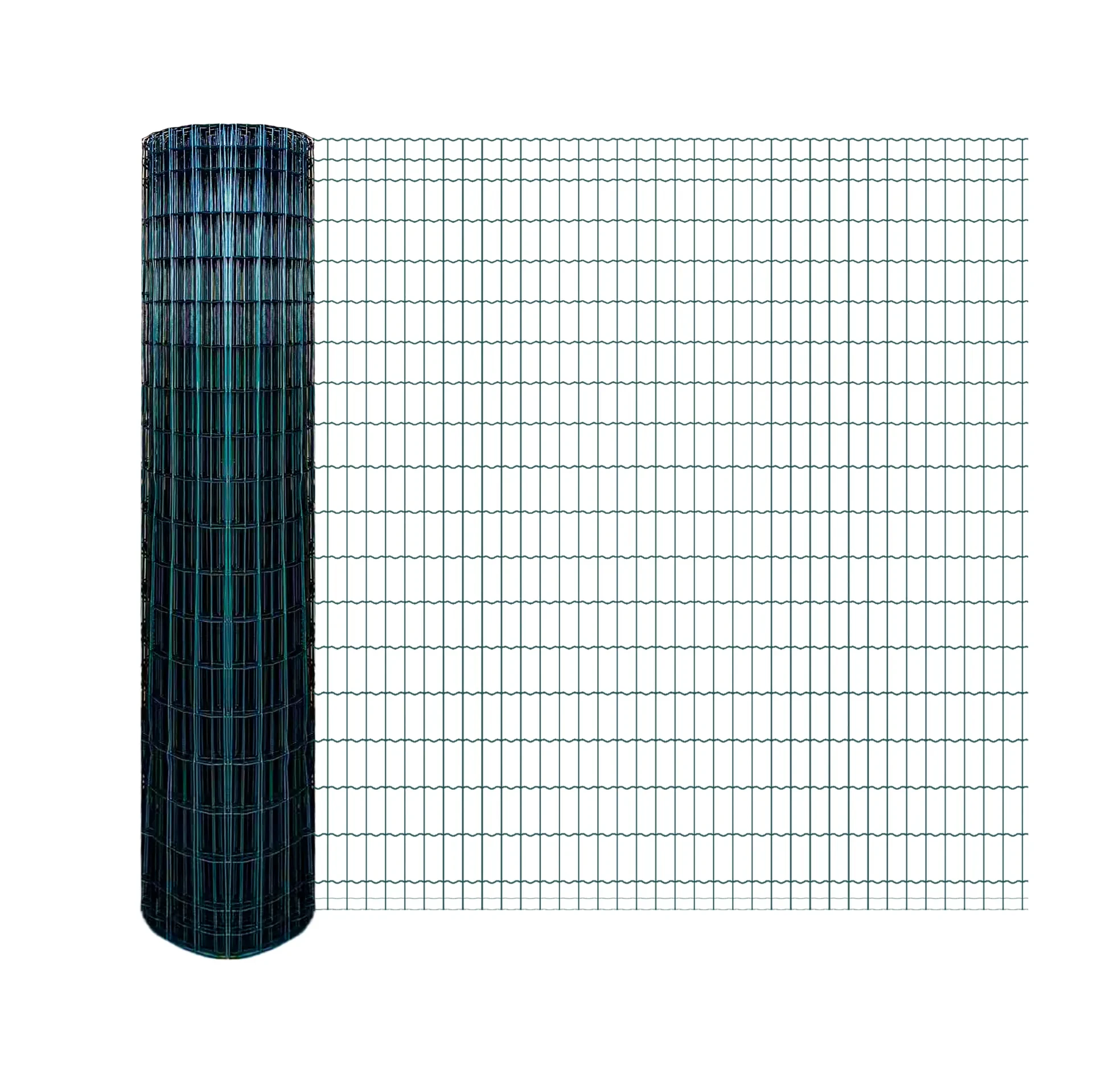
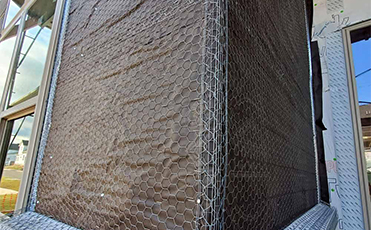
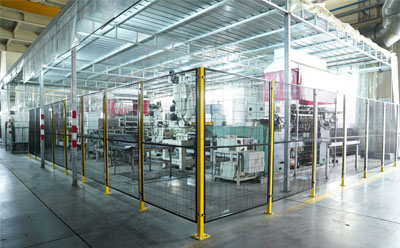
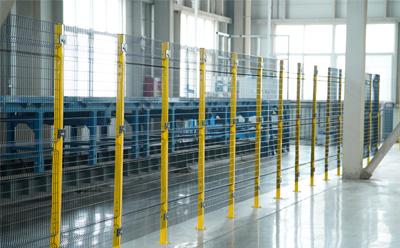
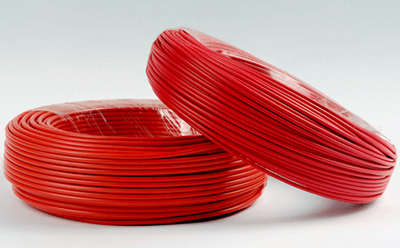
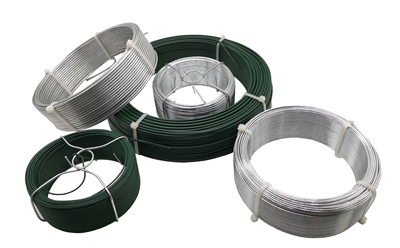
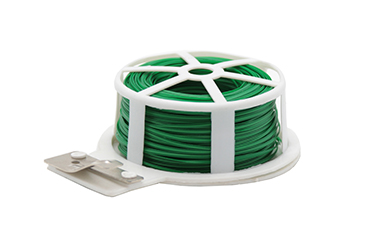
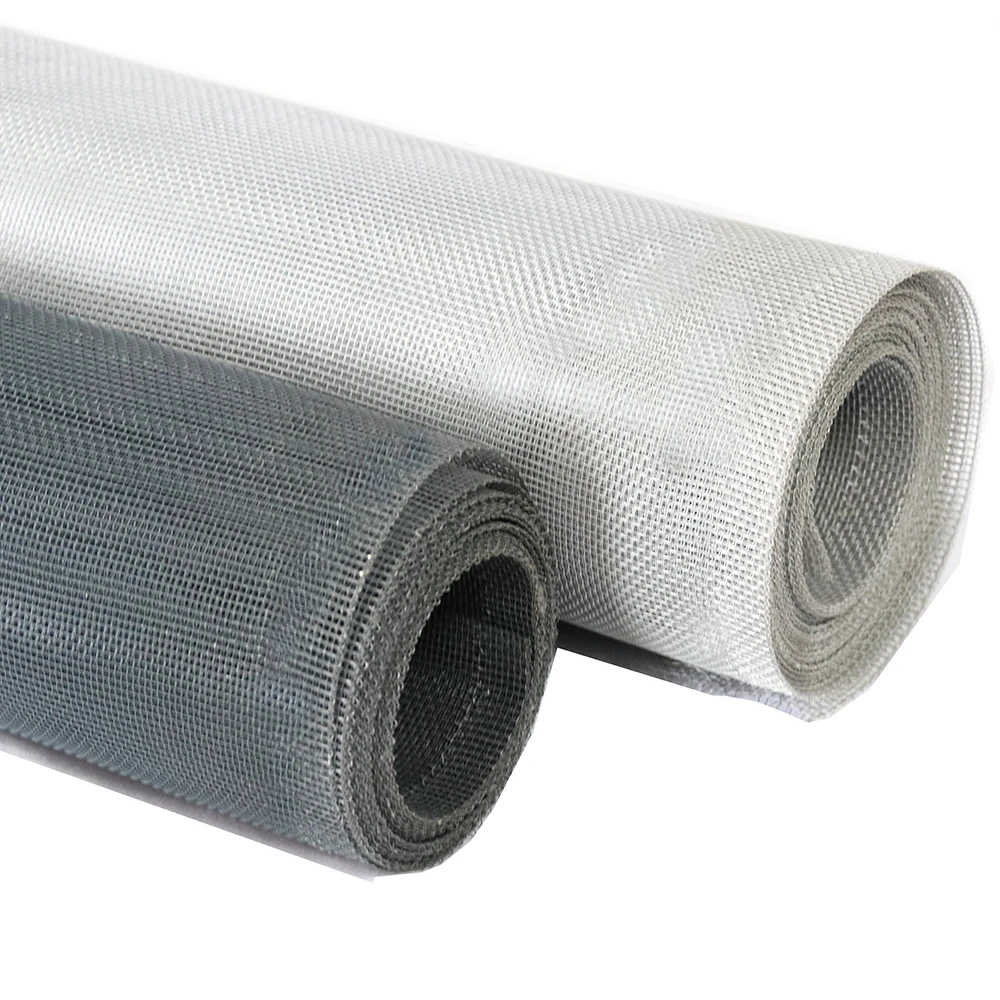
Plastic coated wire mesh consists of metal wire covered with a layer of plastic or polymer. The metal core provides structural support, while the coating helps protect the underlying wire from moisture and environmental exposure.
This construction can be suitable for garden fencing, animal enclosures, storage partitions, and selected industrial applications. Depending on the core material and coating process, it may provide greater rigidity than a fully plastic mesh.
Buyers should check whether the underlying wire is galvanized or otherwise protected before coating. The coating thickness, adhesion, and resistance to cracking can influence the product's long-term performance.
If the coating is damaged, the exposed metal may become vulnerable to corrosion, especially in wet or chemically aggressive environments. Therefore, installation and maintenance practices should help minimize scratches, cuts, and other damage.
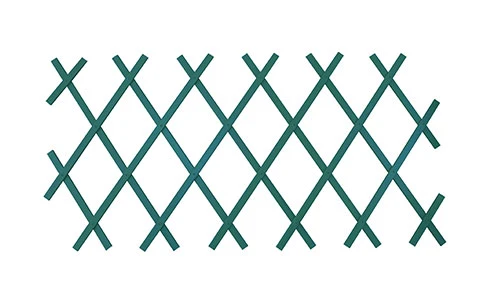
A rete di plastica is a broad category covering mesh products made from synthetic materials. These products may be manufactured using woven, knitted, extruded, or molded processes, depending on their intended function.
Common applications include temporary garden barriers, plant support, crop protection, landscaping, compost containment, and lightweight animal enclosures. Some plastic nets are designed primarily for visibility and separation, while others are engineered for greater load resistance.
Before buying plastic netting, consider the required mesh opening, roll dimensions, tensile properties, UV resistance, and installation method. A product designed for supporting climbing plants, for example, may not provide sufficient strength for containing livestock.
Different fencing environments require different levels of durability and resistance to environmental conditions. Plastic-coated metal mesh and heavy-duty polymer fencing each offer benefits, but the best choice depends on the application.
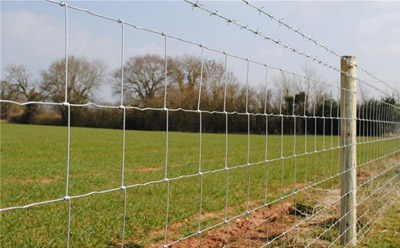
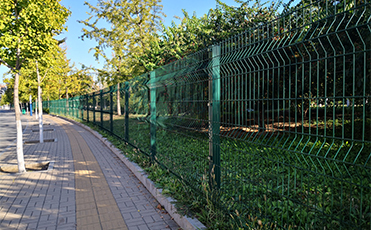
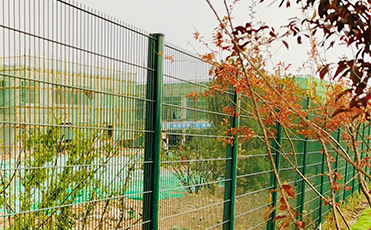
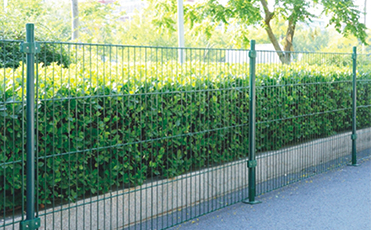
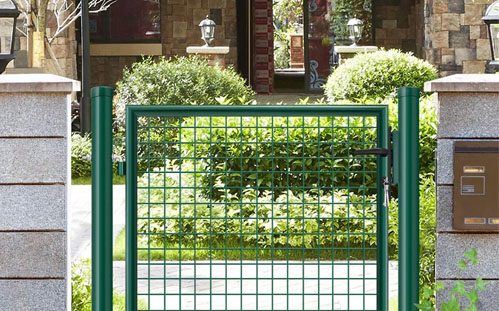
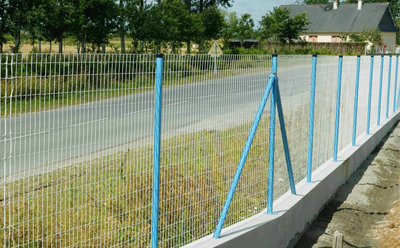
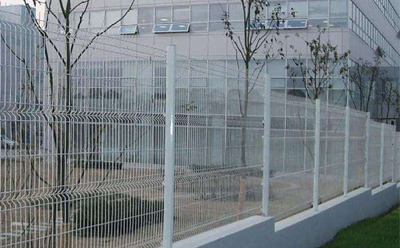
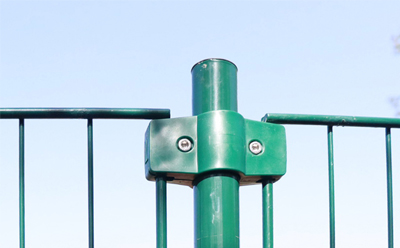
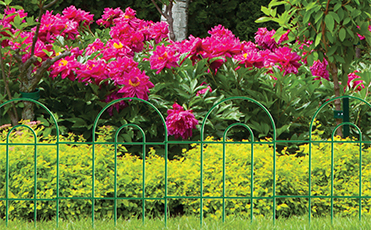
Plastic coated wire fencing combines a metal framework with a protective outer layer that can improve resistance to weather exposure and provide a finished appearance.
It is often used for residential boundaries, garden partitions, animal enclosures, and landscaping projects. Depending on its construction, it may provide greater stiffness and resistance to deformation than lightweight plastic netting.
When choosing plastic-coated wire fencing, buyers should evaluate the wire diameter, core material, coating thickness, mesh dimensions, and overall construction quality.
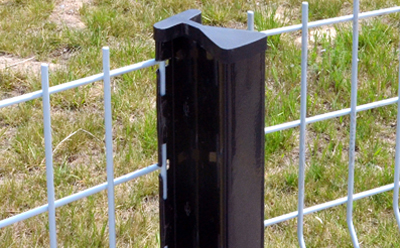
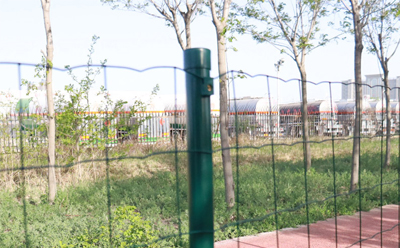
The coating color may also matter for landscaping and residential applications. Green and black finishes, for example, can blend into different outdoor environments, while other colors may be selected for visibility or site-specific requirements.
Although the coating can improve corrosion protection, it does not make the product indestructible. The performance of the complete fence also depends on post spacing, tension, fastening methods, and local weather conditions.
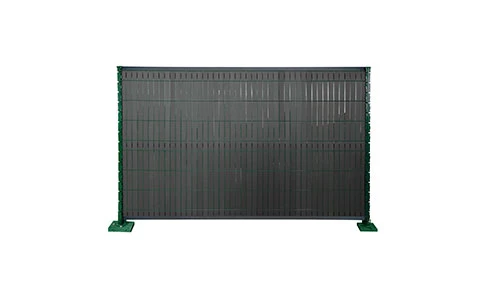
Heavy duty plastic mesh fencing is designed for applications requiring stronger polymer mesh than basic garden netting. Depending on the product, it may feature thicker strands, reinforced edges, larger load-bearing capacity, or UV-stabilized materials.
Potential applications include temporary construction boundaries, garden perimeter barriers, landscaping projects, sports-area separation, and selected agricultural uses.
The term "heavy duty" can vary between manufacturers, so buyers should request technical specifications rather than relying on the label alone. Important details include tensile strength, elongation, mesh opening, strand thickness, UV resistance, and recommended installation conditions.
For outdoor use, UV stabilization is particularly important because prolonged exposure to sunlight can gradually weaken some plastics. Products intended for temporary indoor use may not provide the same weather resistance as fencing specifically designed for long-term outdoor installation.
Heavy-duty plastic mesh should also be matched to the expected loads. It may be suitable for lightweight barriers but should not automatically be considered a substitute for structural steel fencing or security-rated mesh.
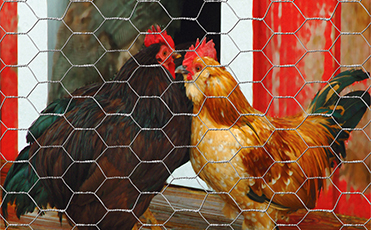
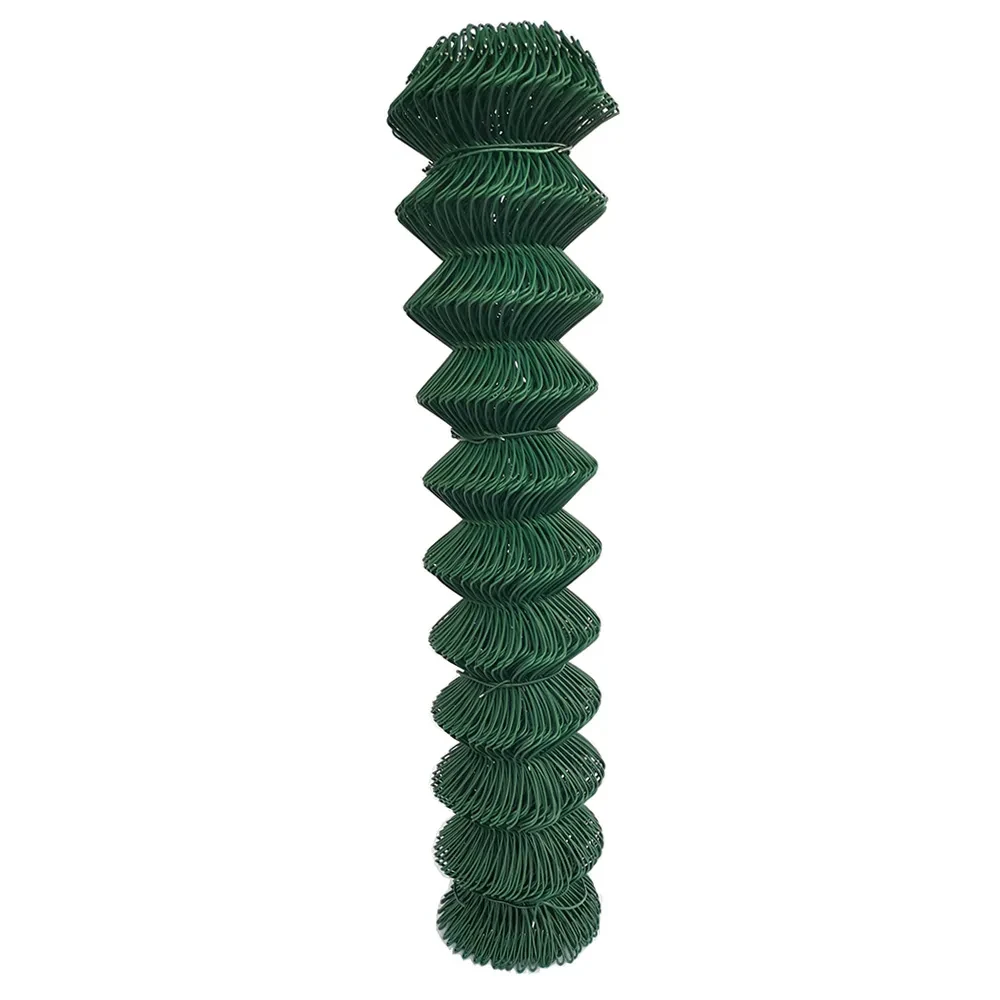
Plastic coated chicken wire usually refers to wire mesh with a protective polymer coating, often used for poultry runs, garden barriers, and animal enclosures.
Compared with fully plastic chicken mesh, a metal-core product can provide greater structural rigidity when the wire gauge, mesh design, and supporting framework are appropriate.
For poultry applications, the mesh opening should be selected according to the size of the birds and the level of protection required. The bottom edge should be secured properly to reduce gaps through which birds or small animals could escape.
Buyers should also inspect the coating and wire core. A durable coating may help extend service life, but damaged areas should be repaired or replaced where necessary to reduce corrosion and potential injury risks.
For areas exposed to predators, a plastic coating alone does not guarantee adequate protection. The underlying wire strength, mesh openings, support posts, gates, and ground-level protection all contribute to enclosure security.
Plastic coated fencing may use either metal mesh with a polymer covering or polymer-based fencing components, depending on the product description. Buyers should confirm the construction before comparing prices or performance.
Metal-core fencing generally provides a more rigid structure, while fully plastic mesh is often lighter and easier to handle. The appropriate option depends on whether the project prioritizes strength, flexibility, corrosion resistance, portability, or cost.
For example, temporary garden protection may only require lightweight plastic netting. A permanent outdoor boundary may benefit from a coated metal mesh with stronger posts and secure connections.
The overall fencing system should be selected as a complete solution rather than evaluating the mesh material alone.
Choosing the right fencing material involves assessing the project environment, the expected service life, and the practical requirements of installation and maintenance.
Start by defining the main function of the fencing. Is it intended to protect vegetables, separate garden areas, contain poultry, support plants, or create a temporary barrier?
Lightweight applications may be adequately served by plastic chicken wire or general-purpose plastic netting. Projects requiring greater rigidity may benefit from plastic coated wire mesh or an appropriately specified heavy-duty plastic mesh product.
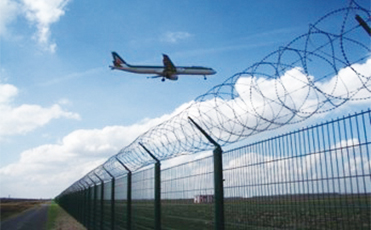
For security-sensitive areas or large animals, use a fencing system designed and rated for those demands rather than relying on a lightweight polymer product.
Mesh opening size determines what can pass through the fence. Strand thickness, material composition, and manufacturing quality influence how well the mesh withstands tension and routine handling.
Smaller openings may improve containment, but the entire design must still provide suitable airflow and visibility. Thicker strands may improve strength, although the actual performance depends on polymer type, mesh geometry, and construction.
When comparing suppliers, ask for measurable specifications and verify that the product is appropriate for the intended use.
Outdoor fencing may be exposed to sunlight, rain, wind, and temperature changes. Some polymers can become brittle or lose strength after prolonged UV exposure, particularly if they are not formulated for outdoor service.
For permanent garden or agricultural installations, select materials with suitable UV stabilization and weather-resistance specifications.
In wet environments, plastic mesh avoids the rusting associated with exposed carbon steel. However, metal-core products still depend on the condition of their protective coating and underlying wire.
Lightweight mesh is usually easier to transport and cut than rigid metal fencing. Before installation, measure the area, plan post spacing, and select compatible ties, clips, or tensioning components.
Avoid stretching the mesh beyond its recommended limits. Excessive tension may distort the openings or damage attachment points, while inadequate support can cause sagging during windy conditions.
Inspect outdoor fencing periodically for tears, loose fasteners, damaged coatings, and areas weakened by sunlight or animal contact. Prompt maintenance can help extend service life and preserve the fence's intended function.
For wholesalers, agricultural suppliers, landscaping contractors, and commercial buyers, purchasing decisions should consider more than the initial price.
Compare material specifications, roll dimensions, coating quality, UV resistance, packaging, customization options, delivery times, and quality-control procedures. For large projects, requesting samples can help verify the mesh structure and ease of installation before placing a bulk order.
A suitable product should provide the necessary performance without unnecessary material costs or frequent replacement.
Plastic fencing materials offer flexible solutions for gardening, agriculture, poultry keeping, landscaping, and temporary barriers. Plastic chicken wire E rete metallica per polli in plastica are useful for lightweight enclosure and garden-protection tasks, while rete metallica rivestita in plastica E recinzione in filo metallico rivestito in plastica combine a metal structure with a protective polymer layer.
For projects requiring stronger polymer netting, recinzione in rete di plastica resistente may be an appropriate option. Meanwhile, plastic coated chicken wire, plastic coated fencing, and general-purpose rete di plastica products can serve different needs depending on their construction and specifications.
By evaluating mesh size, strength, material composition, UV resistance, and installation requirements, buyers can select a fencing solution that matches their project and provides reliable performance over its intended service life.



Copyright © 2026 Hebei Minmetals Co., Ltd. All Rights Reserved. Sitemap | politica sulla riservatezza | Menu