























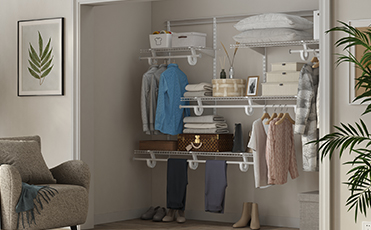
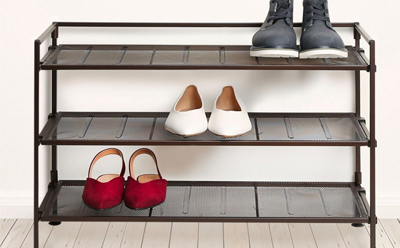
































A shoe rack is an essential storage solution for keeping shoes organized, protecting footwear, and maximizing available space. Whether used in residential homes, apartments, offices, hotels, or commercial environments, a well-designed shoe rack helps create a clean and organized living or working area. With increasing demand for functional and stylish furniture, buyers are paying more attention to shoe rack materials, dimensions, storage capacity, and customized designs.
Choosing the right shoe rack involves more than simply selecting an attractive appearance. Factors such as available floor space, the number of shoes, footwear types, installation requirements, and daily usage should all be considered. For furniture manufacturers, wholesalers, retailers, and interior designers, understanding these factors is also important when developing products that meet different market demands.
From compact shoe shelves for small apartments to large-capacity shoe cabinets for families, modern shoe storage solutions are available in various structures, materials, and configurations. This article explores the key considerations for selecting a suitable shoe rack, including material options, dimensions, practical functions, and customization possibilities.

The material is one of the most important factors influencing the durability, appearance, stability, and overall performance of a shoe rack. Different materials offer different advantages depending on the intended application, interior style, and budget.
Quando si seleziona un shoe rack material buyers should consider strength, moisture resistance, maintenance requirements, weight, and design flexibility.
Wooden Shoe Racks
Wood is a popular material for shoe storage furniture because of its natural appearance and versatility. Solid wood shoe racks offer a classic and elegant look, making them suitable for traditional and contemporary interiors. Engineered wood, MDF, and particleboard are also widely used in furniture manufacturing because they provide cost-effective solutions and can be finished in different colors and textures.
Wooden shoe racks are commonly used in bedrooms, entryways, hallways, and living spaces. Depending on the surface treatment, they can complement a wide range of home decoration styles.
Metal Shoe Racks
Metal shoe racks are known for their structural strength and durability. Steel and iron frames can support multiple pairs of shoes while maintaining a stable structure. Powder-coated metal surfaces can improve corrosion resistance and provide a clean, modern appearance.
Metal shoe racks are particularly suitable for commercial environments, garages, utility rooms, and minimalist residential interiors. Open metal shelves also promote air circulation, helping shoes dry more efficiently after use.
Plastic Shoe Racks
Plastic shoe racks are lightweight, affordable, and easy to clean. They are suitable for temporary storage, small apartments, dormitories, and everyday household use. Some plastic models feature modular designs that allow users to expand storage capacity according to their needs.
Combination Materials
Many modern shoe racks combine different materials to achieve better functionality and appearance. For example, a metal frame with wooden shelves can provide both structural stability and an attractive furniture finish. Manufacturers can also combine glass, plastic, and metal components to create distinctive product designs.
The right material depends on the target market, expected load capacity, product positioning, and intended environment. Buyers should evaluate both appearance and practical performance before making a purchasing decision.
Dimensions are essential when selecting a shoe rack because they directly affect storage capacity, accessibility, and space utilization. A shoe rack that is too small may not accommodate all available footwear, while an oversized model may occupy unnecessary floor space.
Understanding shoe rack dimension requirements helps buyers choose products that fit their available space and storage needs.
Standard Shoe Rack Size
The appropriate shoe rack size depends on the number and types of shoes that need to be stored. A compact shoe rack may be sufficient for individuals or small apartments, while larger households often require multi-tier or wide-capacity storage systems.
For reference, common shoe rack dimensions may include:
Small shoe racks: Approximately 50–60 cm wide, suitable for limited spaces.
Medium shoe racks: Approximately 70–100 cm wide, suitable for everyday household storage.
Large shoe racks: Approximately 100–120 cm or wider, suitable for families with more footwear.
Multi-tier shoe racks: Typically feature several shelves to increase vertical storage capacity.
These measurements are general examples rather than fixed industry standards. Actual dimensions should be adjusted according to product design and customer requirements.
Understanding Shoe Shelf Dimensions
The spacing between shelves is another important consideration. Different types of footwear require different amounts of vertical clearance. Flat shoes, slippers, and sneakers generally need less space, while boots and high heels require additional height.
When evaluating shoe shelf dimensions, buyers should consider shelf depth, width, vertical spacing, and load-bearing capacity. A shelf that is too shallow may not fully support larger shoes, while insufficient vertical clearance can make footwear difficult to store and remove.
How to Measure Dimensions for a Shoe Rack
Before purchasing or designing a shoe rack, it is important to measure the intended installation area.
When determining the dimensions for a shoe rack, consider the following factors:
Available width: Measure the wall or floor area where the shoe rack will be placed.
Available height: Check the vertical space, especially when selecting tall or multi-tier storage units.
Available depth: Ensure the shoe rack does not block doors, hallways, or other furniture.
Shoe capacity: Estimate the number of pairs that need to be stored.
Footwear types: Consider sneakers, boots, high heels, and other shoes with different dimensions.
Careful measurement helps prevent installation problems and ensures that the finished product meets practical storage requirements.
A modern shoe rack is more than a simple shelf. It can provide multiple storage functions while improving the organization and appearance of an interior space. Understanding the funzione scarpiera is important when choosing a product for residential or commercial applications.
Space-Saving Storage
One of the primary functions of a shoe rack is to maximize storage efficiency. Vertical multi-tier structures allow users to store more shoes without occupying excessive floor space. Narrow shoe cabinets and stackable shelves are especially useful in apartments, entryways, and compact rooms.
Improved Organization
A well-designed shoe rack helps users organize footwear by category, season, size, or frequency of use. Separate shelves can accommodate different footwear types, making it easier to find and access shoes. Some designs also include drawers, cabinets, or additional compartments for shoe accessories.
Ventilation and Shoe Protection
Open-shelf shoe racks allow air to circulate around stored footwear. This can help reduce moisture accumulation and improve everyday storage conditions. Enclosed shoe cabinets offer a different advantage by keeping footwear out of direct view and reducing dust exposure.
Multifunctional Design
Some shoe racks incorporate additional features such as seating benches, storage drawers, adjustable shelves, and coat hooks. These multifunctional designs are particularly practical for entryways, where users need a convenient place to sit, store shoes, and organize everyday accessories.
Custom Shoe Rack Solutions
Different customers have different storage requirements, which makes customization an important feature in modern furniture manufacturing.
A shoe rack custom design allows buyers to select the product dimensions, materials, colors, shelf configurations, and structural styles according to their specific needs.
For example, homeowners may require compact shoe racks for narrow hallways, while hotels and commercial facilities may need large-capacity storage units with stronger frames. Furniture retailers and wholesalers may also require customized designs that match their brand positioning and target markets.
When developing custom shoe rack dimensions, manufacturers should consider the available installation area, expected shoe capacity, footwear categories, and overall product structure. Adjustable shelves can provide additional flexibility, while customized widths and heights help maximize the use of available space.
For B2B buyers, working with an experienced manufacturer can provide more opportunities for product development. Customization may include material selection, surface finishes, packaging specifications, logo printing, and OEM or ODM services.
Ultimately, the ideal shoe rack should balance appearance, storage capacity, durability, and convenience. By carefully evaluating materials, dimensions, and practical functions, buyers can select suitable shoe storage solutions for different residential and commercial environments. Whether choosing a standard model or developing a customized product, a well-designed shoe rack can improve space utilization, simplify daily organization, and add long-term value to any interior.



Copyright © 2026 Hebei Minmetals Co., Ltd. All Rights Reserved. Sitemap | politica sulla riservatezza | Menu