





























Garden stakes are essential tools for supporting plants, organizing garden layouts, and improving growing conditions in residential gardens, commercial farms, nurseries, and landscaping projects. From tomatoes and climbing vegetables to flowers, shrubs, and young trees, the right stakes help plants grow upright, reduce the risk of stems bending or breaking, and make garden maintenance more efficient. For agricultural distributors, garden supply retailers, wholesalers, and professional growers, purchasing garden stakes in bulk can provide a practical way to manage costs while maintaining a consistent supply of gardening materials.
As gardening and commercial horticulture continue to require efficient plant-support solutions, buyers increasingly look for products that combine durability, appropriate dimensions, easy installation, and competitive pricing. Garden stakes are available in different materials, including wood, bamboo, metal, fiberglass, and plastic. Each material offers specific advantages depending on the plant type, growing environment, expected service life, and budget.
Understanding the different types of stakes and the factors that influence purchasing decisions helps buyers select suitable products for their projects. Whether supplying individual gardeners or managing large agricultural operations, choosing reliable garden stakes can improve planting efficiency and support healthier plant development.

Purchasing pali da giardino all'ingrosso is an effective option for businesses and growers that require large quantities of plant-support products throughout the growing season. Buying in bulk can simplify inventory management, reduce the frequency of individual purchases, and help distributors maintain sufficient stock for customers with different gardening needs.
Garden stakes serve several important purposes. They provide vertical support for plants with weak stems, help prevent branches from bending under the weight of fruit, and keep growing vegetation organized. In vegetable gardens, stakes can improve accessibility by keeping plants upright and making it easier to water, prune, inspect, and harvest crops. In landscaping applications, they can support young plants and help establish orderly garden arrangements.
For commercial growers, consistent plant support can also make cultivation practices more manageable. Tomato plants, peppers, climbing beans, and other crops may benefit from suitable staking systems, although the appropriate support method depends on the plant variety and cultivation conditions. Stakes should be installed carefully to avoid damaging roots or stems, and plants should be tied with materials that allow for continued growth.
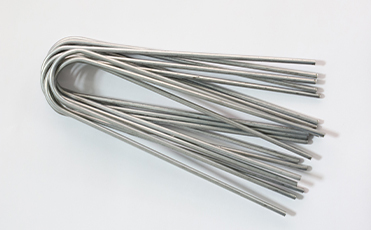
Material selection is one of the most important considerations when sourcing garden stakes. Bamboo stakes are lightweight and easy to handle, making them suitable for many home gardens and nursery applications. Wooden stakes offer a natural appearance and can be available in different lengths and thicknesses. Metal stakes are often chosen when additional strength and repeated use are important, while fiberglass stakes can provide a lightweight alternative with useful durability characteristics.
Buyers should also consider the intended growing environment. Stakes used outdoors may experience sunlight, rain, soil moisture, and temperature changes. Material resistance, surface treatment, structural strength, and storage conditions can all affect product performance over time.
For wholesale distributors, offering several lengths, diameters, and material options can help serve a broader customer base. Small stakes may be suitable for seedlings and potted plants, while taller and stronger products may be required for mature vegetables, climbing plants, or selected landscaping applications.
Packaging is another important part of bulk purchasing. Bundled stakes can be easier to count, transport, store, and distribute. Consistent product dimensions help retailers organize inventory and allow customers to compare products more easily. Before placing a large order, buyers should confirm specifications, bundle quantities, packaging methods, and quality-control requirements with their suppliers.
By selecting suitable materials and reliable product specifications, buyers can develop a garden stake inventory that supports seasonal demand and a wide range of horticultural applications.
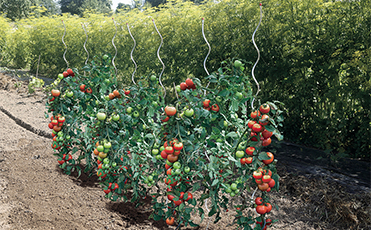
Tomatoes are among the most common crops that require external plant support. As tomato plants grow taller and produce heavier fruit, unsupported stems may bend, sprawl across the ground, or break under unfavorable conditions. Choosing suitable stakes can help growers maintain a more organized growing area and make routine plant care easier.
Purchasing pali di pomodoro sfusi is particularly useful for commercial vegetable growers, greenhouse operators, agricultural suppliers, and garden retailers. Large quantities allow growers to prepare for planting seasons and maintain consistent support systems across multiple rows or growing areas. The ideal stake depends on the tomato variety, plant height, cultivation method, and expected fruit load.
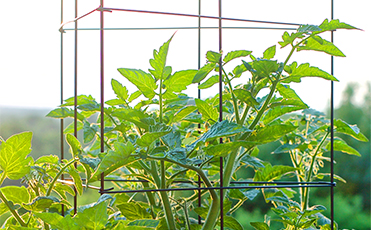
Determinate tomato varieties generally have a more compact growth habit, while indeterminate varieties continue growing and may require taller or more substantial support. Wooden and bamboo stakes are commonly used for individual plant support, while metal stakes can be suitable for repeated seasonal use when properly maintained. In some growing systems, cages, trellises, or strings may be more appropriate than individual stakes.
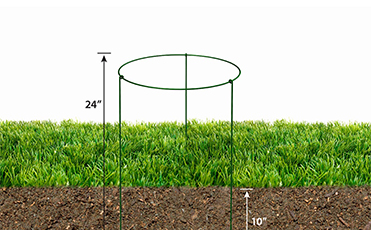
When choosing tomato stakes, buyers should evaluate length, thickness, rigidity, and ease of installation. A stake must extend sufficiently into the soil to remain stable while providing enough height above the ground to support the plant. The required dimensions vary with soil conditions, plant size, and the local growing environment.
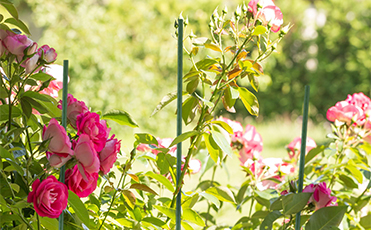
In addition to tomato-specific products, bulk plant stakes can serve a wide range of gardening applications. Gardeners may use them to support peppers, eggplants, climbing beans, flowering plants, young shrubs, and other vegetation that benefits from additional stability. Different plants require different support heights and strengths, so a diversified product range can be valuable for retailers and distributors.
Bamboo plant stakes are often favored for their lightweight construction and natural appearance. They are convenient for nurseries, home gardens, and temporary plant-support applications. However, natural materials can vary in diameter, straightness, and durability, making quality inspection important for bulk orders.
Wooden stakes are available in different shapes and dimensions and can be suitable for vegetable gardens and landscaping. Buyers should consider the wood species, moisture exposure, and any treatment applied to the product, especially when stakes are intended for use near edible crops. Treatment suitability should be confirmed rather than assumed.
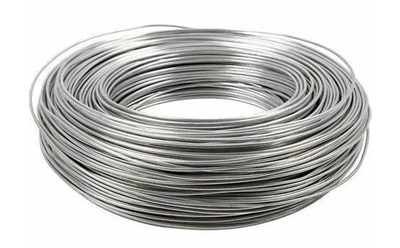
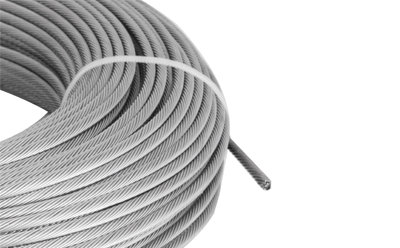
Metal stakes can provide greater structural strength for demanding applications. Coated metal products may offer additional surface protection, depending on the coating and environmental conditions. Fiberglass stakes are another option for buyers seeking lightweight products with consistent dimensions. Each material should be evaluated according to its intended use rather than selected solely on initial purchase price.
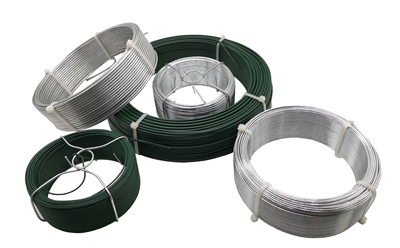
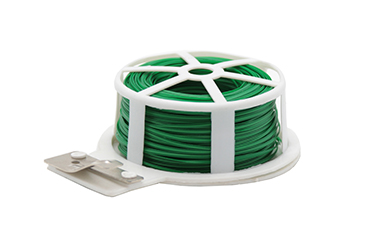
Installation and handling also influence the effectiveness of plant stakes. Stakes should be positioned close enough to support the plant without unnecessarily disturbing its roots. Soft plant ties can help secure stems while reducing the risk of constriction as plants grow. Regular inspection allows growers to adjust ties, replace damaged supports, and maintain plant stability throughout the season.
For businesses sourcing plant stakes wholesale, product consistency is particularly important. Clear specifications for material, length, diameter, finish, and packaging help reduce purchasing uncertainty. Sample evaluation before a large order can help buyers verify dimensions, surface quality, strength, and overall suitability.
Finding the right supplier involves more than comparing prices. Buyers should evaluate product quality, available specifications, order flexibility, packaging, communication, and the supplier's ability to meet delivery requirements. These factors become especially important when purchasing large quantities for distribution or commercial cultivation.
Businesses seeking plant stakes wholesale products should first define their target customers and primary applications. Garden centers may need several stake lengths for home gardeners, while agricultural distributors may prioritize bulk packaging and dependable stock availability. Landscaping contractors may require stronger products in specific dimensions to support planting and site-maintenance projects.
A diversified product range can help wholesalers serve multiple market segments. Short stakes may be suitable for seedlings and container plants, medium-length products may support vegetables and flowers, and longer stakes can be useful for climbing plants or selected landscaping applications. Providing clear product information allows customers to choose products according to their actual requirements.
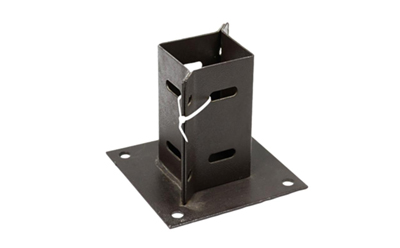
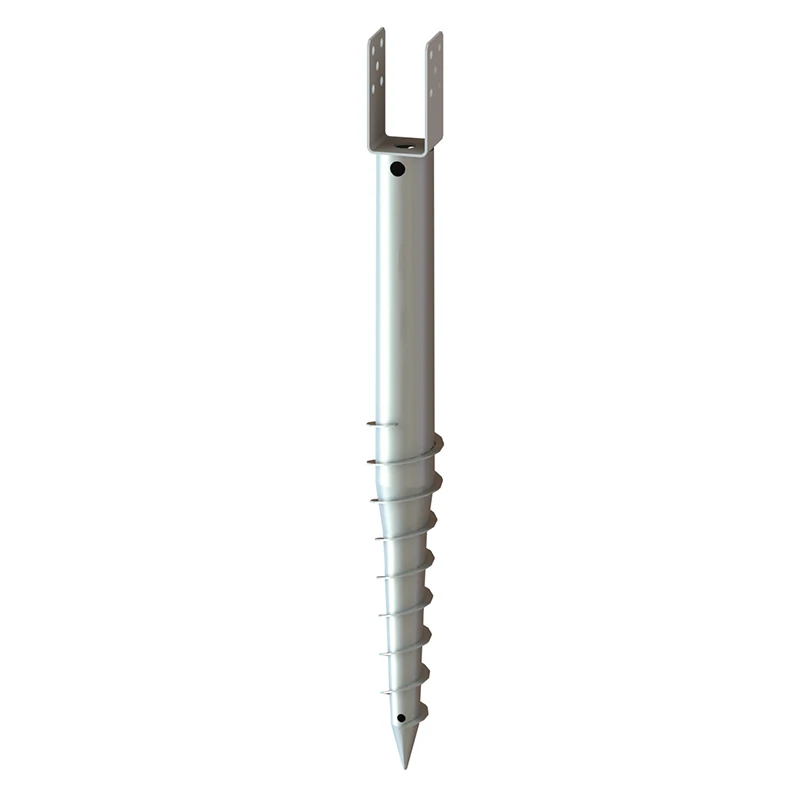
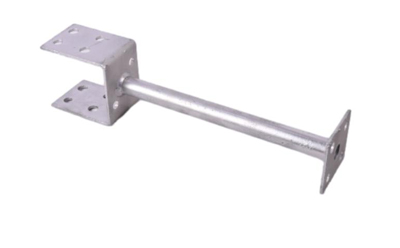
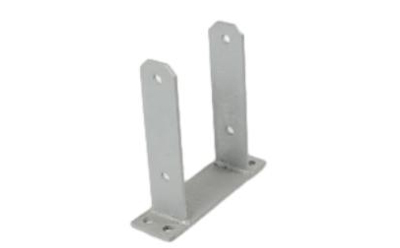
For outdoor landscaping and property maintenance, yard stakes wholesale products may be used for plant support, garden organization, temporary boundary marking, or other suitable outdoor applications, depending on the stake design. Buyers should distinguish plant-support stakes from products specifically engineered for fencing, ground anchoring, or construction purposes. These applications can require different materials, shapes, load capacities, and safety characteristics.
When sourcing yard stakes, consider soil conditions and environmental exposure. Soft soil may require a different stake length or installation method than compacted ground. Wind exposure, moisture, and repeated use can also influence the appropriate material and dimensions. Selecting products designed for the intended application can reduce replacement frequency and improve operational efficiency.
Customers planning to buy garden stakes should prepare a checklist before contacting suppliers. Important details include the required material, length, diameter, quantity, intended plant type, packaging preference, and expected delivery schedule. If the stakes will be used around edible crops, buyers should also confirm that any coatings or treatments are appropriate for the intended growing conditions.
Comparing quotations on an equivalent basis is essential. A lower unit price may not represent better value if the product has inconsistent dimensions, weak construction, unsuitable packaging, or higher transportation costs. Buyers should compare the total delivered cost, product specifications, order quantities, and quality standards before making a decision.
Quality assurance can help prevent problems with large orders. Depending on the product, buyers may request dimensional checks, visual inspections, material information, packaging samples, or pre-shipment inspection arrangements. For natural bamboo and wood products, it is especially useful to clarify acceptable variation in color, straightness, surface condition, and diameter.
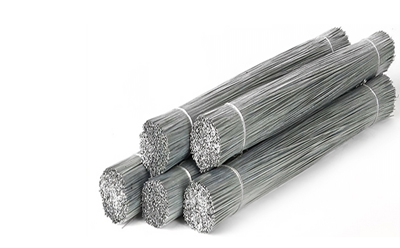
Storage and transportation should also be considered. Garden stakes are often long and may require bundled packaging to reduce handling difficulties. Properly organized bundles can make warehouse storage more efficient and simplify distribution to retailers or project sites. Buyers should confirm package dimensions and shipping arrangements before finalizing a purchase.
For international wholesale transactions, clear communication is important. Product specifications, order quantities, packaging details, inspection expectations, and delivery terms should be documented to reduce misunderstandings. Buyers can also ask suppliers about sample availability and customization options when standard products do not meet their requirements.
In conclusion, selecting the right garden stakes requires balancing strength, material, dimensions, application, and overall purchasing value. Wholesale garden stakes can help businesses manage bulk requirements, pali di pomodoro sfusi products support large-scale vegetable cultivation, and yard stakes wholesale solutions can serve selected landscaping and outdoor applications. By evaluating specifications carefully, working with reliable suppliers, and matching each product to its intended use, buyers can build an efficient and dependable supply of garden stakes for residential gardening, commercial agriculture, and professional landscaping.



Copyright © 2026 Hebei Minmetals Co., Ltd. All Rights Reserved. Sitemap | politica sulla riservatezza | Menu